
For individuals living with diabetic neuropathy, selecting the right boots is paramount to foot health and preventing serious complications. The best boots for diabetics with neuropathy prioritize a deep and wide toe box, seamless interiors, superior cushioning, and sturdy support, ensuring feet are protected, comfortable, and free from points of irritation or pressure that could lead to ulcers. This guide will walk you through the essential features and considerations to help you find the ideal protective footwear.
Understanding Diabetic Neuropathy and Foot Health

Living with diabetic neuropathy means navigating a unique set of challenges when it comes to foot care, and understanding these is the first step toward prevention.
* Diabetic neuropathy causes nerve damage, often leading to reduced sensation (numbness) in the feet, making it difficult to detect injuries or pressure points. This reduced sensation is a silent threat. Imagine stepping on a sharp object, developing a blister from ill-fitting shoes, or even having a tiny cut—and not feeling a thing. Because the protective pain signals are diminished or absent, minor issues can quickly escalate into serious wounds before you’re even aware of them. This makes it incredibly easy for everyday activities or regular footwear to inadvertently cause harm without immediate detection, turning what would be a minor inconvenience for someone else into a significant health risk.
* Poor circulation, another common diabetic complication, can impair wound healing, turning minor cuts or blisters into severe infections. Beyond nerve damage, many individuals with diabetes also experience peripheral artery disease, which restricts blood flow to the feet. Good circulation is essential for wound healing, as blood carries oxygen and vital nutrients to repair damaged tissues and fight off infection. When circulation is compromised, even a small cut or blister that goes unnoticed due to neuropathy can struggle to heal, creating an open invitation for bacteria. This significantly increases the risk of infection, which, if left untreated, can lead to widespread tissue damage, gangrene, and in severe cases, amputation.
* Improper footwear is a leading cause of foot ulcers and amputations in diabetics, underscoring the critical need for specialized boots that offer protection and support. Given the dual threats of reduced sensation and poor circulation, the shoes we choose become a critical line of defense. Standard footwear, with its often narrow toe boxes, prominent seams, and inadequate cushioning, can easily create friction, pressure points, or minor injuries on a foot that can’t feel the discomfort. These seemingly minor irritations are the primary culprits behind foot ulcers, which are open sores that can be notoriously difficult to heal in diabetic feet. This makes choosing diabetic-friendly boots not just a matter of comfort, but a vital part of your overall health management strategy to prevent life-altering complications.
Essential Features for Diabetic Neuropathy Boots
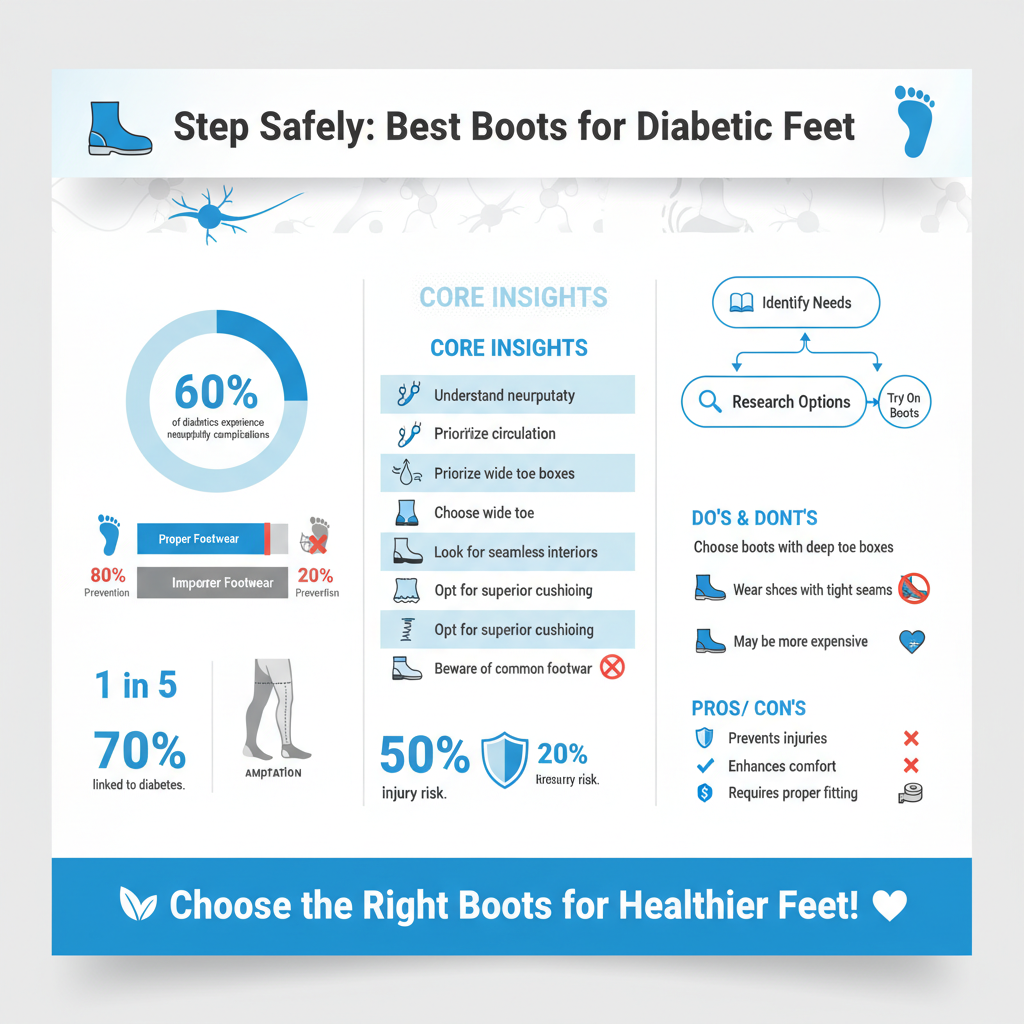
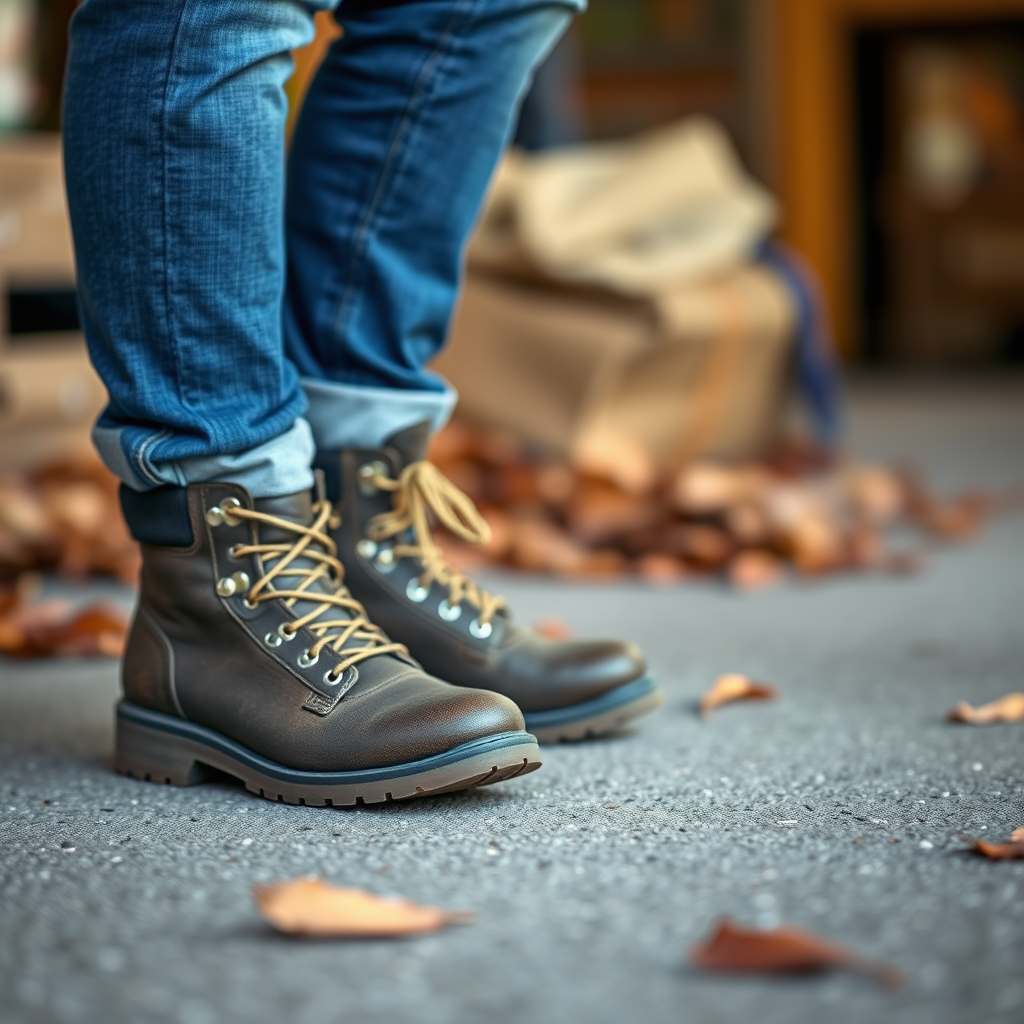
When you’re looking for the perfect pair of boots, it’s all about the details that go into protecting your sensitive feet. These aren’t just suggestions; they’re non-negotiable requirements for optimal foot health.
* Deep and Wide Toe Box: This crucial feature prevents compression of the toes, accommodates custom orthotics or insoles, and allows for natural foot splay without rubbing. A deep and wide toe box is perhaps the most important feature. It ensures that your toes aren’t squeezed or cramped, which can lead to friction, blisters, and the development or worsening of conditions like hammertoes or bunions. This generous space also provides ample room for any custom orthotics or therapeutic insoles prescribed by your podiatrist, which are often thicker than standard insoles and require extra depth. Allowing your toes to splay naturally reduces pressure on the balls of your feet and helps maintain better balance, reducing the risk of falls.
* Seamless Interior: Any seams inside the boot can cause friction and blisters on insensitive feet; a smooth, seamless lining is vital to prevent skin breakdown. For feet with neuropathy, even the slightest ridge or rough seam inside a boot can act like sandpaper over time, creating a hot spot that quickly turns into a blister or even an open wound—without you feeling it. A truly seamless interior eliminates these potential points of irritation, offering a smooth, sock-like environment for your feet. Look for boots where the lining feels utterly uniform and soft to the touch, ensuring maximum protection against skin breakdown.
* Rocker or Roll-Up Sole: A specialized sole design that helps reduce pressure on the ball of the foot and aids in a smoother gait, minimizing stress on vulnerable areas. A rocker sole is a fantastic innovation for diabetic footwear. This sole design features a curved, stiff sole that helps to propel your foot forward as you walk, mimicking the natural rolling motion of a healthy foot. By reducing the amount of flex required from your foot, it significantly decreases pressure on the metatarsal heads (the ball of your foot), which are common areas for ulcer formation. This smoother gait not only minimizes stress on sensitive areas but also helps conserve energy and can improve overall walking comfort, especially for those with limited joint mobility.
* Excellent Cushioning and Arch Support: Adequate cushioning absorbs shock and reduces impact, while proper arch support helps distribute pressure evenly across the foot. Think of cushioning as your foot’s shock absorber. Every step creates impact, and for those with neuropathy, this impact needs to be minimized to prevent micro-traumas. High-quality cushioning materials, like memory foam or gel, evenly distribute pressure and absorb shock, protecting your joints and the delicate tissues of your feet. Complementing this, robust arch support is essential. It helps maintain the natural alignment of your foot, preventing overpronation or supination, and ensures that your body weight is distributed uniformly across the entire sole, rather than concentrated on a few high-pressure points.
Materials and Construction: What to Prioritize
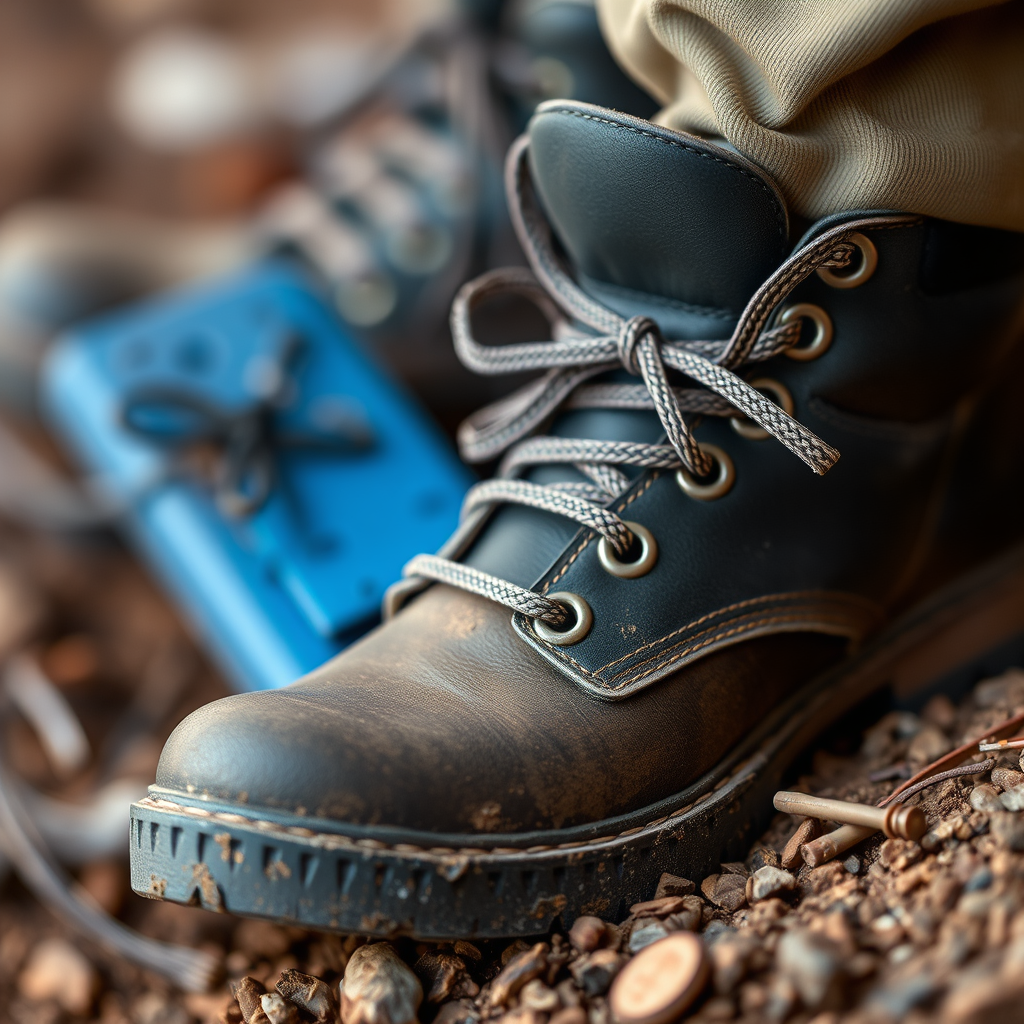
The right materials and thoughtful construction are what turn a good boot into a great one for diabetic foot health. It’s not just about aesthetics; it’s about safety and lasting comfort.
* Soft, Breathable Uppers: Boots made from pliable leather, suede, or advanced synthetic materials prevent rubbing and allow feet to breathe, reducing moisture buildup. The upper material of your boot plays a crucial role in preventing irritation. Look for soft, flexible materials like high-quality full-grain leather, supple suede, or advanced synthetic fabrics that contour to your foot without compressing it. These materials should also be breathable to prevent moisture from accumulating inside the boot. Excess moisture softens the skin (maceration), making it more susceptible to friction injuries and fungal infections. Breathable uppers help maintain a dry, healthy microclimate for your feet, even during long wear.
* Non-Compressive, Padded Lining: Linings should be soft, moisture-wicking, and free from any rough spots to protect delicate skin and maintain a healthy foot environment. Beyond just being seamless, the lining itself needs to be carefully chosen. It should be soft against the skin, offering a gentle embrace rather than a tight squeeze. Materials like soft leather, specialized textiles (e.g., Coolmax, genuine shearling for winter boots), or padded synthetics can provide this. Crucially, the lining should be moisture-wicking to draw sweat away from the foot, keeping it dry and comfortable. Always run your hand inside the boot to check for any hidden rough patches, stitching, or bumps that could potentially rub against your foot.
* Durable, Non-Slip Outsoles: A sturdy outsole provides stability and prevents slips and falls, which can lead to foot injuries, especially important for those with balance issues. The outsole is your connection to the ground, and its importance cannot be overstated. A durable, non-slip outsole made from materials like rubber or composite compounds provides excellent traction, significantly reducing the risk of slips and falls. Falls can lead to serious foot and ankle injuries, which can be particularly complicated for individuals with diabetes due to potential healing issues. Look for outsoles with a good tread pattern that offers grip on various surfaces, providing stability and confidence with every step. A slightly wider base can also enhance balance, adding another layer of protection.
Achieving the Perfect Fit
Even the best-designed boot won’t protect your feet if it doesn’t fit correctly. Getting the fit right is a critical step that often requires professional assistance and careful consideration.
* Professional Fitting is Recommended: Visiting a specialty shoe store or a podiatrist for a professional fitting ensures you get the correct size and width, accounting for any foot deformities or swelling. While online shopping is convenient, for diabetic neuropathy boots, a professional fitting is invaluable. Certified pedorthists or experienced staff at specialty shoe stores are trained to understand the unique needs of diabetic feet. They can accurately measure your feet, identify any deformities (like bunions or hammertoes), assess your gait, and recommend boots that provide the precise width, depth, and support you need. They can also ensure that your orthotics fit properly within the chosen boot without causing compression. This expert guidance can prevent costly mistakes and ensure optimal protection.
* Measure Both Feet and Try On Later in the Day: Feet often swell throughout the day, so trying on boots in the afternoon or evening ensures they will be comfortable at all times. It’s a common fact: our feet tend to swell as the day progresses due to activity and gravity. To ensure your boots are comfortable when your feet are at their largest, always try them on in the afternoon or evening. Additionally, always measure both of your feet. It’s not uncommon for one foot to be slightly larger than the other; always fit your boots to the larger foot to prevent any tight spots or rubbing. Wear the type of socks you typically wear with boots during your fitting.
* Allow Room for Toes and Orthotics: Ensure there is about a thumb’s width between your longest toe and the end of the boot, and ample space for any prescribed orthotic inserts. When trying on boots, stand up and walk around. Check that there’s about a thumb’s width (approximately half an inch) of space between your longest toe and the very end of the boot. This prevents your toes from bumping against the front, which can cause bruising or injury. Also, confirm that the boot provides sufficient depth and width to comfortably accommodate any custom orthotics or specialized insoles without causing your foot to feel squashed or the upper material to bulge uncomfortably. There should be no pinching or rubbing anywhere in the boot, especially around the heel, arch, and sides of your foot.
Types of Boots and When to Wear Them
Different activities and seasons call for different types of boots, but the core protective features remain essential across the board. Choosing the right style for the right situation can further enhance your foot safety.
* Ankle Boots/Chukkas: Excellent for everyday wear, offering good support and protection for mild to moderate activities while being versatile in style. Ankle boots and chukkas are fantastic all-rounders. Their lower cut makes them versatile enough for various casual and even some semi-formal outfits. They offer great ankle support, which can be beneficial for stability, without being overly restrictive. Look for styles with easy-to-use closures like zippers or wide laces that allow for adjustability. They provide enough coverage to protect your feet from everyday bumps and scrapes while often being more breathable than taller boots, making them a comfortable choice for daily use in milder weather.
* Winter Boots: Look for waterproof materials, insulation for warmth (without adding bulk or compression), and non-slip treads for safety in icy conditions. When the temperature drops, specialized winter boots become a necessity. The primary concerns here are keeping your feet warm and dry, and preventing slips on slick surfaces. Opt for boots with waterproof or water-resistant uppers to shield your feet from snow and slush, which can lead to dangerously cold, wet feet and increased risk of infection. Insulation should be sufficient to keep feet warm without adding so much bulk that it compromises the fit or compresses your foot. Most importantly, ensure the outsoles have aggressive, non-slip treads designed for traction on ice and snow to prevent potentially serious falls.
* Work Boots: If your occupation requires safety footwear, seek options specifically designed for diabetics that meet safety standards while incorporating crucial protective features like steel or composite toes. For those whose jobs demand safety footwear, finding diabetic-friendly work boots is paramount. Many standard work boots are rugged but lack the internal features essential for diabetic feet. You’ll need boots that meet specific safety standards (e.g., ASTM F2413 for impact and compression, electrical hazard protection) while still offering a deep and wide toe box (often steel or composite for protection), seamless interiors, and excellent cushioning. Some specialized brands cater to this niche, providing the necessary protection against workplace hazards combined with the specific comfort and safety features needed for neuropathic feet. Always verify that they meet both your job’s safety requirements and your foot health needs.
Beyond the Boot: Socks and Foot Care
Your protective footwear is a significant step, but it’s part of a larger ecosystem of foot care that also includes appropriate socks and consistent self-monitoring.
* Diabetic Socks: Wear seamless, non-binding, and moisture-wicking socks to complement your boots, further protecting your feet from friction and moisture. Diabetic socks are specifically engineered to provide an extra layer of protection. They are typically seamless in the toe area to eliminate any potential friction points. Their tops are non-binding, meaning they won’t constrict your circulation, which is crucial for overall foot health. Made from moisture-wicking materials like specialized cotton blends, bamboo, or synthetic fibers, these socks help keep your feet dry, reducing the risk of fungal infections and softening of the skin that can lead to blisters. They work in tandem with your boots to create the ideal environment for your feet.
* Daily Foot Inspection: Make it a habit to inspect your feet daily for any redness, blisters, cuts, or swelling that might indicate an issue, even if you don’t feel it. This is a non-negotiable daily ritual. Because neuropathy can mask pain, you must become your own vigilant foot monitor. Every evening, before bed, take a few minutes to thoroughly inspect both of your feet. Look at the tops, bottoms, sides, and between each toe. Use a mirror if you can’t easily see the soles of your feet. Check for any changes: redness, swelling, cuts, blisters, sores, corns, calluses, ingrown toenails, changes in skin color or temperature, or any unusual drainage. Early detection of a problem, no matter how small, can prevent it from escalating into a serious complication.
* Regular Podiatrist Visits: Consistent check-ups with a podiatrist are essential for monitoring foot health, addressing concerns promptly, and receiving personalized footwear recommendations. Even with the best boots and daily inspections, professional oversight is irreplaceable. Your podiatrist is your expert partner in foot health. They can identify subtle changes you might miss, provide professional nail and callus care, address any developing issues promptly, and offer invaluable advice on orthotics, footwear, and general foot hygiene. Regular visits ensure that any potential problems are caught early and managed effectively, providing you with peace of mind and significantly reducing your risk of complications.
Choosing the right boots is a proactive step in managing diabetic neuropathy and safeguarding your foot health. By prioritizing features like a deep toe box, seamless interiors, and adequate cushioning, you invest in comfort, protection, and peace of mind. Remember to combine your excellent footwear choices with daily foot inspections and regular visits to your podiatrist to ensure comprehensive care. Don’t compromise on your foot health—seek out boots designed with your specific needs in mind.
Frequently Asked Questions
What essential features should I look for in boots for diabetics with neuropathy?
Boots for diabetics with neuropathy must prioritize protection, comfort, and a precise fit to prevent foot injuries. Key features include an extra-wide toe box to prevent compression, seamless interiors to eliminate rubbing, and additional depth to comfortably accommodate custom orthotics or insoles. A sturdy, non-slip sole provides stability and shock absorption, while soft, breathable materials like leather or specialized synthetics help regulate temperature and prevent moisture buildup, all crucial for protecting sensitive feet.
Which brands are known for offering the best boots specifically designed for diabetics with neuropathy?
Several reputable brands specialize in or offer excellent options for diabetic footwear, including therapeutic boots. Dr. Comfort, Orthofeet, Apex, and Propet are highly regarded for their designs that feature extra depth, wide widths, and seamless interiors, which are essential for neuropathic feet. These brands often incorporate advanced cushioning, anatomical arch support, and protective materials to ensure maximum comfort and effectively prevent common diabetic foot complications. Consulting with a podiatrist can help identify the best boot brand and style tailored to your specific needs.
How does diabetic neuropathy impact boot selection, and what are the risks of wearing inappropriate footwear?
Diabetic neuropathy causes numbness and reduced sensation, meaning individuals may not feel blisters, cuts, or pressure points that could lead to serious foot ulcers and infections. Wearing inappropriate footwear, such as tight, ill-fitting, or unsupportive boots, significantly increases the risk of skin breakdown, calluses, and ulcers, which can escalate to severe infections or even amputations if left untreated. Therefore, selecting boots specifically designed for neuropathic feet is critical to provide the necessary protection, cushioning, and proper fit to prevent these severe complications.
Are waterproof boots a good choice for diabetics with neuropathy, and what materials are safest for this condition?
Waterproof boots can be a good choice for diabetics with neuropathy, especially in wet climates, as keeping feet dry is crucial to prevent fungal infections and skin irritation. However, it’s vital that the waterproof material is also breathable to prevent moisture buildup from sweat inside the boot. The safest materials generally include soft, genuine leather, certain advanced breathable synthetics, or high-quality microsuede that conforms to the foot without creating rigid pressure points. Avoid stiff, non-breathable materials or boots with internal seams that could rub against sensitive skin.
Where can I find specialized boots for diabetic neuropathy, and why is professional fitting so important?
Specialized boots for diabetic neuropathy can typically be found at medical supply stores, reputable online retailers specializing in therapeutic footwear, and sometimes through podiatrists’ offices or diabetic clinics. Professional fitting is paramount because feet affected by neuropathy often have unique shapes, swelling patterns, or deformities that require precise measurements and expert assessment. A trained fitter or podiatrist can ensure the boot provides adequate space, proper support, and sufficient protection, effectively preventing pressure points and complications that even a slightly ill-fitting shoe could cause for sensitive diabetic feet.
References
- https://www.diabetes.org/diabetes/foot-care/neuropathy/preventing-foot-problems
- https://www.cdc.gov/diabetes/managing/foot-care.html
- Diabetes & Foot Problems – NIDDK
- https://www.mayoclinic.org/diseases-conditions/diabetes/in-depth/diabetes-foot-care/art-20044474
- https://uhs.berkeley.edu/medical-services/diabetes-care/foot-care
- https://www.med.umich.edu/1libr/chrc/DiabeticFootCare.pdf
- https://www.hopkinsmedicine.org/health/conditions-and-diseases/diabetes/diabetic-foot-care
- https://www.apma.org/patients/foothealth.cfm?ItemNumber=981
