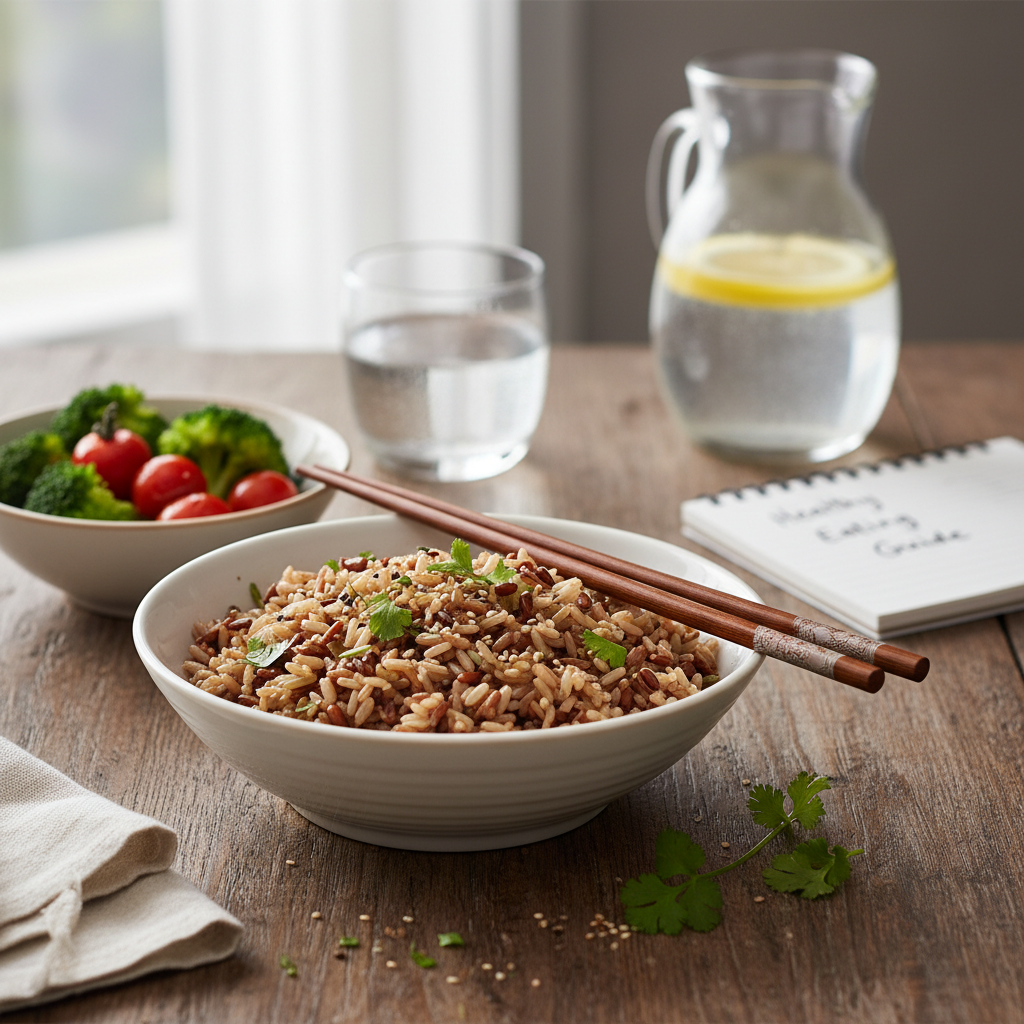

When managing diabetes, choosing the right carbohydrates is crucial, and brown rice stands out as an excellent option. While no single “best” brown rice variety exists, both long-grain and medium-grain brown rice are highly recommended due to their superior fiber content and lower glycemic index compared to white rice. This makes them a smart choice for supporting stable blood sugar levels, provided they are prepared correctly and consumed in appropriate portions. They are fantastic allies in your journey to healthier eating!




The Core Benefits of Brown Rice for Diabetes Management

Let’s dive into why brown rice is such a superstar for anyone managing their blood sugar. It’s not just about avoiding white rice; it’s about actively choosing a grain that works with your body.
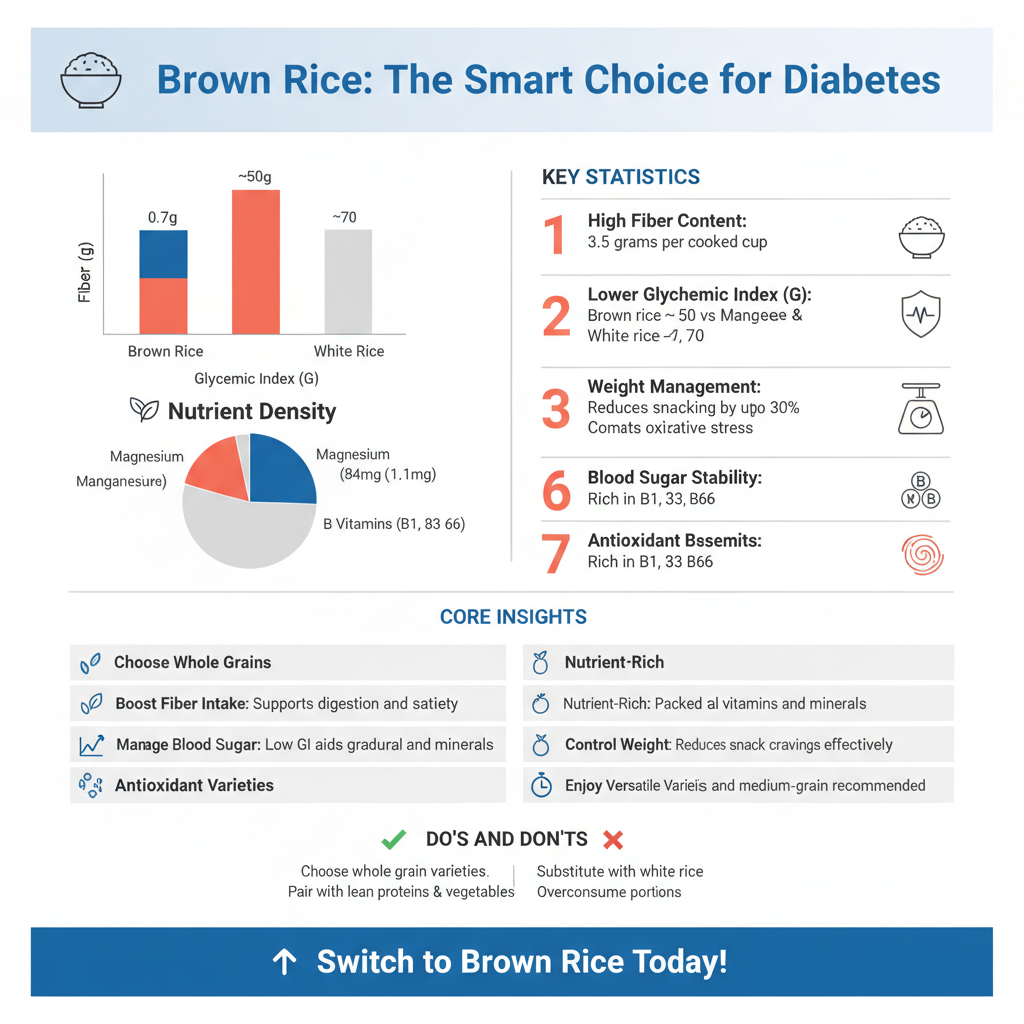
* Rich in Dietary Fiber: This is perhaps the biggest win for brown rice! Unlike its refined counterpart, brown rice retains its bran layer, which is packed with both soluble and insoluble fiber. This high fiber content acts like a natural speed bump in your digestive system, slowing down the breakdown of carbohydrates into glucose. The result? A much more gradual release of sugar into your bloodstream, which helps prevent those unwanted sharp blood sugar spikes that can be so detrimental to diabetes management. Beyond blood sugar, fiber is fantastic for digestive health, and it helps you feel fuller for longer, reducing the urge to snack between meals – a big plus for weight management, which often goes hand-in-hand with diabetes care.
* Lower Glycemic Index (GI): The Glycemic Index is a ranking system that tells us how quickly a food affects your blood sugar. Foods with a lower GI cause a slower, more gradual rise in blood glucose, and that’s exactly what we want for diabetes management! Brown rice consistently ranks lower on the GI scale than white rice because of its intact outer layers, particularly the bran. This slow and steady glucose release helps your body manage insulin more effectively, avoiding the rollercoaster effect that high GI foods can trigger.
* Packed with Essential Nutrients: Brown rice isn’t just about fiber and a low GI; it’s a nutritional powerhouse! It brings a treasure trove of vital minerals and vitamins to your plate. You’ll find a good dose of magnesium, which is crucial for over 300 biochemical reactions in the body, including those involved in insulin sensitivity and glucose metabolism. Manganese, another key mineral, plays a role in blood sugar regulation and bone health. Plus, brown rice is a great source of B vitamins (like B1, B3, and B6), which are essential for converting food into energy and supporting overall nervous system function. It also offers powerful antioxidants, which help combat oxidative stress, a factor often elevated in individuals with diabetes.
Which Brown Rice Varieties Are Best?
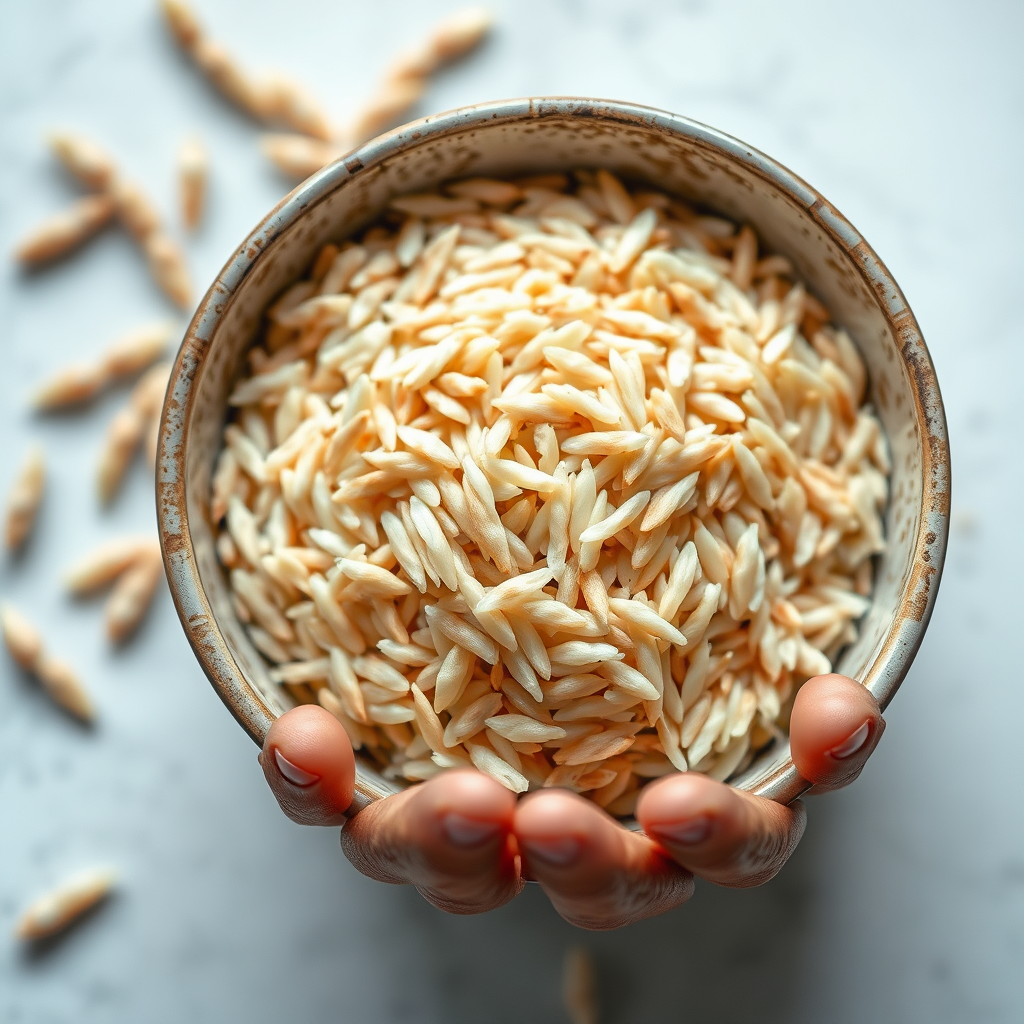
While the general rule of thumb is “brown rice is good,” some varieties might offer slightly different textures or even marginal differences in their glycemic response. Let’s explore the top contenders.
* Long-Grain Brown Rice: This is often the go-to choice for many and for good reason. Varieties like brown Basmati or brown Jasmine rice fall into this category. When cooked, long-grain brown rice maintains a beautifully fluffy texture, with individual grains remaining separate, making it incredibly versatile for a wide range of dishes. Its longer cooking time means a slower breakdown of starches, generally contributing to a more favorable glycemic response. It’s perfect for pilafs, stir-fries, grain bowls, or simply as a wholesome side dish, absorbing flavors wonderfully without becoming sticky.
* Medium-Grain Brown Rice: A fantastic alternative to its long-grain cousin, medium-grain brown rice offers a slightly chewier and softer texture. While it might be a bit stickier than long-grain, it still provides significant amounts of fiber, protein, and those essential nutrients that contribute to excellent glycemic control. It’s often favored in dishes where a bit more cohesion is desired, like some types of sushi (using brown rice, of course!), hearty salads, or as a base for stews and casseroles. It’s equally beneficial for your blood sugar and provides a satisfying mouthfeel.
* Sprouted Brown Rice: This is where things get really interesting for the health-conscious! Sprouted brown rice is exactly what it sounds like: brown rice grains that have been briefly soaked and allowed to begin the germination process, just until a tiny sprout emerges. This process isn’t just a gimmick; it can actually enhance nutrient availability and potentially further reduce its glycemic index. Sprouting can increase levels of GABA (gamma-aminobutyric acid), an amino acid linked to lower blood pressure and improved sleep, and it can also make the rice easier to digest by reducing antinutrients. Some studies suggest that sprouted brown rice might lead to an even more stable blood sugar response compared to regular brown rice. It often has a softer, slightly sweeter, and nuttier flavor, making it an advanced beneficial option for those looking to maximize their nutritional intake and glycemic control. You might find it labeled as “GABA rice” in specialty stores.
Understanding Glycemic Index and Brown Rice

The Glycemic Index (GI) is a powerful tool in diabetes management, and understanding how brown rice fits into this picture is key to making informed dietary choices.
* What is GI? Imagine a scale from 0 to 100. The Glycemic Index is a system that ranks carbohydrate-containing foods based on how quickly and how much they raise your blood glucose levels after eating. Glucose itself is given a GI of 100, serving as the benchmark. Foods are categorized as low GI (55 or less), medium GI (56-69), or high GI (70 or more). For individuals with diabetes, prioritizing low GI foods is a cornerstone of managing blood sugar effectively, as they lead to a slower and more controlled rise in glucose, reducing the demand on the pancreas to produce insulin.
* Why Brown Rice Excels: Brown rice’s superior performance on the GI scale comes down to its structure. Unlike white rice, which has been milled to remove the bran and germ, brown rice retains these outer layers. These layers are a powerhouse of fiber, protein, and beneficial fats. When you eat brown rice, this intact bran and germ create a physical barrier around the starchy endosperm. This barrier significantly slows down the digestive enzymes’ access to the starches, meaning glucose is released into your bloodstream much more gradually. Think of it like a time-release capsule for carbohydrates! This prolonged digestion not only stabilizes blood sugar but also provides sustained energy and a feeling of fullness.
* Factors Influencing GI: While brown rice inherently boasts a lower GI, it’s not entirely fixed. Several factors can subtly influence its glycemic impact.
* Cooking Method and Time: Overcooked rice tends to have a higher GI because the starches become more gelatinized and easier to digest. Aim for al dente, firm-to-the-bite rice.
* Processing: Minimally processed brown rice will generally have a lower GI than highly processed brown rice products (like instant brown rice).
* Combination with Other Foods: This is a big one! The GI of your entire meal is what truly matters. Pairing brown rice with lean proteins (like chicken or lentils), healthy fats (avocado, olive oil), and plenty of non-starchy vegetables (broccoli, leafy greens) will significantly lower the overall glycemic load of your meal. The protein and fat slow gastric emptying, further regulating blood sugar, while the added fiber from vegetables enhances satiety and helps with glucose control.
* Ripeness: For other carb-rich foods like fruits, ripeness affects GI; for rice, it’s more about how it’s prepared and what it’s eaten with.
Optimizing Brown Rice Preparation and Portions
Even the “best” brown rice can lead to blood sugar issues if not prepared and consumed thoughtfully. Let’s make sure you’re getting the most out of every grain!
* Smart Cooking Techniques: Beyond just cooking it thoroughly, there are some clever tricks to potentially further enhance brown rice’s blood sugar benefits.
* Cook with Plenty of Water (Pasta Method): Instead of the traditional absorption method, try cooking brown rice like pasta in a large pot of boiling water. Once tender, drain the excess water. This can help wash away some of the surface starch.
* The Chilling Effect (Resistant Starch): Here’s a cool hack! Cook your brown rice, then let it cool completely in the refrigerator for several hours or overnight. When starchy foods like rice are cooked and then cooled, some of the digestible starch converts into “resistant starch.” This type of starch resists digestion in the small intestine, acting more like fiber. This means fewer calories absorbed and a significantly lower impact on blood sugar. Reheating doesn’t undo all the resistant starch benefits! So, cooking a big batch and using it for meals over a few days is a brilliant strategy.
* Mindful Portion Control: Even healthy carbohydrates need to be consumed in appropriate amounts, especially when managing diabetes. While brown rice is excellent, it still contains carbohydrates. Adhere to recommended serving sizes, which typically range from about 1/2 cup to 1 cup cooked per meal, depending on your individual carbohydrate targets and activity level. Using measuring cups can be incredibly helpful until you get a good visual sense of what a serving looks like. Over-serving, even of a good thing, can lead to higher blood sugar levels than desired. Remember, consistency in portion control is key to consistent blood sugar management.
* Pairing for Balance: Eating brown rice by itself isn’t the most effective strategy for blood sugar control. To create truly diabetes-friendly meals, always combine brown rice with other nutrient-dense components.
* Lean Proteins: Incorporate lean proteins like grilled chicken breast, baked fish, tofu, tempeh, or legumes (beans, lentils). Protein helps slow down digestion, promoting satiety and minimizing blood sugar spikes.
* Ample Non-Starchy Vegetables: Load up your plate with colorful, fiber-rich non-starchy vegetables such as broccoli, spinach, bell peppers, green beans, or mushrooms. These add volume, essential vitamins and minerals, and extra fiber without significantly increasing carbohydrate count, further enhancing blood sugar stability.
* Healthy Fats: A small amount of healthy fats, like a drizzle of olive oil, avocado, or nuts/seeds, can also contribute to satiety and slow down digestion, complementing the benefits of brown rice, protein, and vegetables.
By building balanced plates, you turn brown rice into an even more powerful tool for managing your diabetes.
Integrating Brown Rice into Your Diabetic-Friendly Diet
Making brown rice a regular part of your meals doesn’t have to be complicated! With a little planning, it can seamlessly fit into your healthy eating routine.
* Substitute Wisely: This is the easiest way to start! Wherever a recipe calls for white rice, simply swap it out for brown rice. Think about your favorite meals:
* Stir-fries: Instead of white rice, serve your colorful veggie and protein stir-fry over a bed of fluffy brown rice.
* Grain Bowls: Create vibrant and nutritious grain bowls with brown rice as the base, topped with roasted vegetables, lean protein, and a healthy dressing.
* Pilafs: Transform traditional pilaf recipes by using brown rice for a nuttier flavor and added fiber.
* Side Dish: Use it as a healthier accompaniment to grilled chicken, fish, or plant-based proteins.
* Soups and Stews: Add cooked brown rice to chunky soups or hearty stews for extra body and nutrition.
* Stuffed Vegetables: Use brown rice as part of a savory filling for bell peppers, zucchini, or cabbage rolls.
The subtle nutty flavor of brown rice often adds an extra dimension of taste that you’ll quickly come to appreciate!
* Explore Meal Planning: Meal prepping is a game-changer for maintaining a consistent diabetic-friendly diet, and brown rice is perfect for it. Dedicate an hour or two on a weekend to batch cook a large quantity of brown rice. Once cooled, store it in airtight containers in the refrigerator (remember that resistant starch benefit!). This way, you’ll always have a convenient, healthy carbohydrate option ready to go for quick lunches, dinners, or even breakfast bowls (yes, savory brown rice for breakfast with an egg is delicious!). Having healthy components prepped means you’re less likely to reach for less healthy, quick fixes when hunger strikes.
* Listen to Your Body: Everyone’s body responds slightly differently to foods, and diabetes management is a highly personalized journey. After incorporating brown rice into your meals, make sure to monitor your blood sugar levels as advised by your healthcare team. Pay attention to how different portion sizes or combinations with other foods affect your readings. This self-monitoring is invaluable. It helps you understand your personal glycemic response to brown rice, allowing you to fine-tune portion sizes, cooking methods, or meal pairings to best suit your individual needs and achieve optimal blood sugar control. Don’t hesitate to adjust based on what your body tells you!
Incorporating brown rice into your diet is a strategic and delicious way to manage diabetes, offering both superior nutritional value and better blood sugar control than refined grains. By choosing appropriate varieties like long-grain, medium-grain, or even sprouted brown rice, preparing it thoughtfully to maximize benefits, and maintaining mindful portion control, you can truly enjoy the many health benefits of brown rice as a cornerstone of your diabetic-friendly eating plan. Remember, this is about empowering you with choices that support your health journey. For personalized advice and to tailor these recommendations to your specific health needs and dietary requirements, always consult with a healthcare professional or registered dietitian. They can provide guidance that’s perfectly suited just for you!
Frequently Asked Questions
Which type of brown rice is considered the best for managing blood sugar levels in individuals with diabetes?
While all brown rice varieties are better than white rice for diabetes management due to their whole grain nature, long-grain brown rice varieties, such as brown basmati or jasmine brown rice, are often recommended. These types tend to have a slightly lower glycemic index compared to medium or short-grain brown rice, leading to a more gradual rise in blood sugar. Their higher fiber content further supports stable blood glucose levels by slowing digestion.
How does the fiber in brown rice specifically benefit blood sugar control for diabetics?
The rich dietary fiber, particularly insoluble fiber, in brown rice plays a crucial role in managing blood sugar. Fiber slows down the digestion and absorption of carbohydrates, preventing rapid spikes in blood glucose levels after meals. This sustained energy release helps improve insulin sensitivity over time and can contribute to better long-term glycemic control for individuals with diabetes.
What is a recommended portion size for brown rice for someone with diabetes, and how does carb counting apply?
A typical recommended portion size for cooked brown rice for individuals with diabetes is usually ½ to 1 cup, as part of a balanced meal. However, precise portion control is crucial and should align with individual carbohydrate counting goals, often around 30-45 grams of carbohydrates per meal. Consulting a registered dietitian or healthcare provider can help tailor portion sizes to personal dietary needs and blood sugar management plan.
Can preparing brown rice al dente (slightly firm) offer additional blood sugar benefits for people with diabetes?
Yes, cooking brown rice slightly al dente can indeed offer additional blood sugar benefits for individuals with diabetes. When rice is cooked until it’s slightly firm rather than very soft, its starch molecules are less gelatinized, which can result in a lower glycemic response. This means the carbohydrates are digested more slowly, leading to a more controlled and gradual rise in blood sugar levels.
What are practical tips for incorporating brown rice into a diabetic meal plan without causing blood sugar spikes?
To prevent blood sugar spikes, always pair brown rice with lean protein (like chicken, fish, or tofu) and plenty of non-starchy vegetables (such as broccoli or spinach). This combination helps slow carbohydrate absorption and provides essential nutrients. Additionally, consider cooking brown rice in advance and cooling it, as this process can create resistant starch, which has a lower glycemic impact when reheated.
References
- Alzheimer’s prevention: Does it exist? – Mayo Clinic
- https://www.health.harvard.edu/diseases-and-conditions/type-2-diabetes-and-rice-eat-up
- https://www.diabetes.org/food-nutrition/what-can-i-eat/making-healthy-food-choices/grains-and-starchy-vegetables
- https://www.cdc.gov/diabetes/managing/eat-well/foods-to-limit.html
- https://www.ncbi.nlm.nih.gov/pmc/articles/PMC3832810/
- https://health.clevelandclinic.org/brown-rice-vs-white-rice
- https://www.ucsfhealth.org/education/eating-well-for-diabetes
- Page Not Found | Extension | University of Nevada, Reno