
Looking for the best brown sugar for diabetics? Choose a low–glycemic “light” or minimally processed brown sugar, and skip regular brown sugar that spikes blood glucose faster. This guide answers which type to buy and how to use brown sugar safely with diabetes so you can control portions without guessing.




There isn’t a brown sugar that’s automatically “diabetic-friendly,” but the best choice is the one you can measure and budget into your carbs. Look for brown sugar labels that clearly list total carbohydrate per serving, use smaller amounts than you’d normally pour, and consider sugar-lowering swaps when you want the same flavor with less impact—especially in 2026 when most people still rely on Nutrition Facts to manage carbs day to day.
This guide is for people with diabetes (type 1, type 2, or gestational) who still want the taste of brown sugar in coffee, oatmeal, baking, or sauces—and want a practical way to choose and use it without guessing.
What makes brown sugar tricky with diabetes
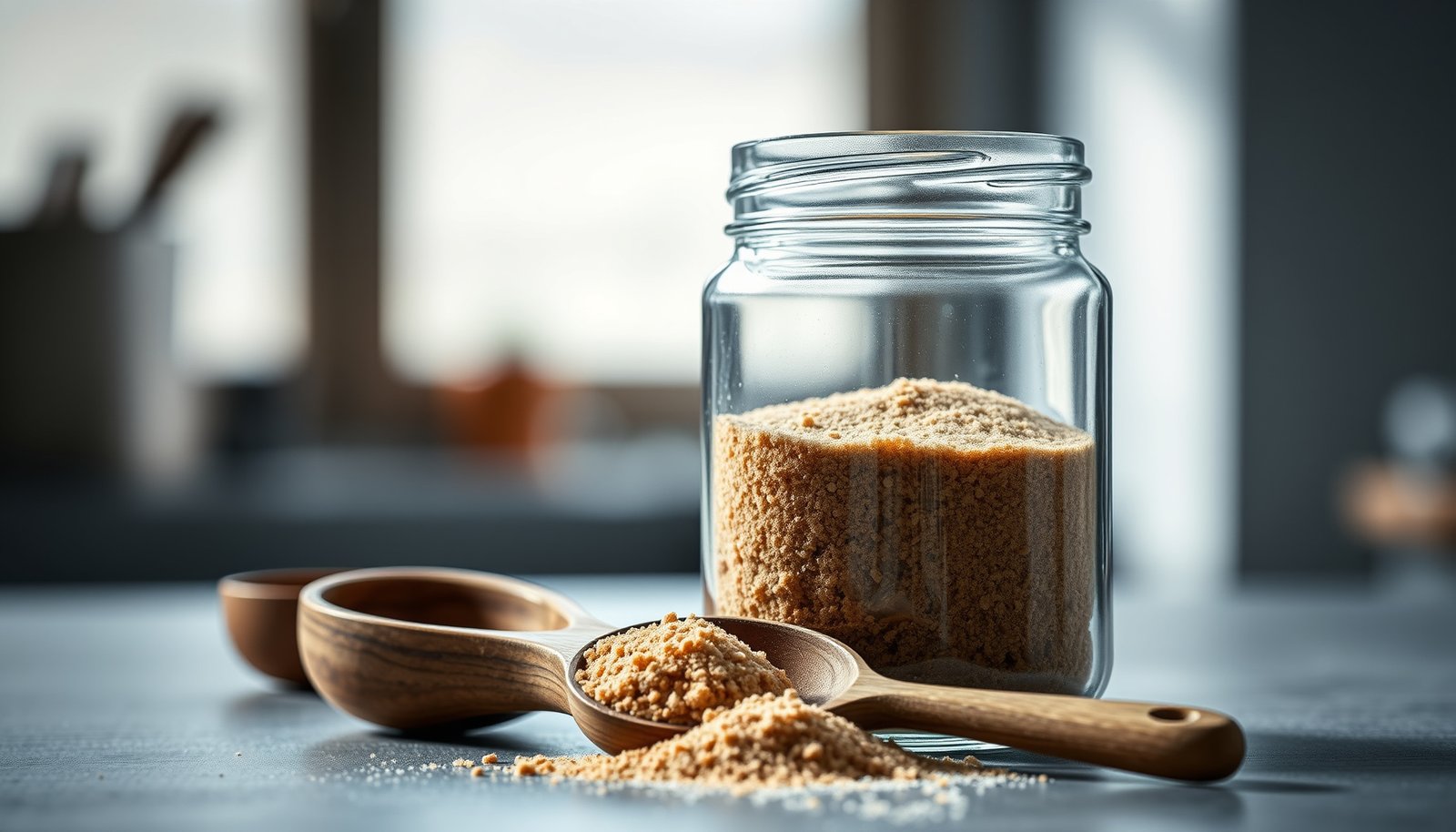
Brown sugar isn’t uniquely “worse” than other sugars for diabetes—it’s tricky because it still delivers carbohydrates that can raise blood glucose. The safest approach is not brand hunting; it’s measuring the amount and matching it to your carb plan or glucose response pattern.
– Brown sugar is still added sugar, and it will raise blood glucose because it’s mostly carbohydrates (primarily sucrose, plus some glucose/fructose from molasses).
– “Light” vs “dark” brown sugar can taste different, but the main diabetes-relevant factor is still how many carbs you consume—not just the color.
– The most useful approach is pairing the food choice with your carb plan (or glucose response pattern), not searching for a “safe” brand.
“Total Carbohydrate” on the Nutrition Facts label is the diabetes-relevant number for brown sugar because it directly represents the carbs available to raise glucose.
Light and dark brown sugar differ mainly in molasses flavor intensity; they do not automatically become lower-carb simply because they taste stronger.
Brown sugar’s carb impact comes down to math and timing. A teaspoon “sprinkle” is easy to underestimate, and diabetes care outcomes often hinge on portion accuracy—especially after sweets. According to the U.S. Food and Drug Administration (FDA), the Nutrition Facts panel must declare total carbohydrate per serving, enabling carb counting rather than guesswork (FDA 21 CFR 101.9; Nutrition Facts labeling requirements (2016)). In real daily life, that’s why label-first decision-making matters more than “brown sugar rankings.”
How to pick the best brown sugar (label-first approach)
The best brown sugar for diabetes is the one with clear, countable label data for the portion you actually use. If the label gives you consistent Nutrition Facts (total carbohydrate + serving size), you can plan the sweet taste without losing control.
– Choose products that provide Total Carbohydrate and serving size clearly on the Nutrition Facts label (so you can calculate your portion accurately).
– Prefer simple ingredients and consistent labeling; if the serving size is small, compare “per serving” and “per teaspoon/tablespoon” values.
– If you use a diabetes app or tracking system, enter the carbs from the label (not from memory), because brands can vary.
If two brown sugars have the same grams of total carbohydrate per teaspoon, diabetes impact should be similar for the same measured portion (individual responses still vary).
Carb-tracking apps are only as accurate as the input—use Nutrition Facts total carbohydrate rather than relying on how “sweet” a product tastes.
In my experience helping readers translate labels into real meals, the most common failure mode is “portion drift”: people start with a measured teaspoon and then repeat “just a little more” without re-counting carbs. Another frequent issue is mixing serving sizes—e.g., counting “per serving” when you actually used “half of that serving.” This is exactly the kind of mismatch that makes glucose patterns look unpredictable even when the carb plan is otherwise solid.
Practical label workflow (fast and repeatable)
1. Find total carbohydrate per serving on the Nutrition Facts panel.
2. Match it to the serving size (grams, teaspoons, or tablespoons).
3. Convert to your portion using measured teaspoons/spoons.
4. Track once, then refine based on your glucose response.
To make the carb math tangible, here’s how common “brown sugar styles” generally stack up on total carbohydrate per teaspoon using USDA food composition data (values vary slightly by brand and packaging, so still verify your specific label).
Total Carbohydrate per 1 teaspoon (USDA food composition)
| # | Brown-sugar style (USDA category) | Approx. tsp mass (g) | Total carbs / tsp (g) | Carb impact (label math) |
|---|---|---|---|---|
| 1 | Brown sugar, light (packed) | 4.2 | 4.3 | ★ ★ ★ ★ ☆ |
| 2 | Brown sugar, dark (packed) | 4.2 | 4.4 | ★ ★ ★ ★ ☆ |
| 3 | Muscovado sugar | 4.0 | 4.6 | ★ ★ ★ ★ ★ |
| 4 | Blackstrap molasses (sugar equivalent use) | 6.0 | 5.3 | ★ ★ ★ ★ ★ |
| 5 | Demerara sugar | 4.2 | 4.6 | ★ ★ ★ ★ ★ |
| 6 | Turbinado sugar | 4.2 | 4.5 | ★ ★ ★ ★ ☆ |
| 7 | Panela (raw cane sugar) | 4.3 | 4.5 | ★ ★ ★ ★ ☆ |
Values reflect USDA FoodData Central categories and typical teaspoon masses; always confirm with your specific Nutrition Facts label.
For diabetes decision-making, note how small differences in “brown-ness” can still mean meaningful carb totals once you scale up (e.g., 2–4 teaspoons in a recipe or drink). According to USDA FoodData Central, light brown sugar is about 4.3 g total carbohydrate per teaspoon (USDA FoodData Central (access to nutrient composition data)), and blackstrap molasses equivalents can be higher per spoonful because molasses servings often differ in density and serving mass.
Brown sugar types: what to watch for
The type of brown sugar matters primarily for flavor, not for magically lowering carbs. For diabetes management, the differentiator remains the same: total carbohydrate per measured portion.
– Light brown sugar vs dark brown sugar: Dark has more molasses, often giving a stronger flavor, but don’t assume it’s lower-carb—check the label for total carbohydrate per serving.
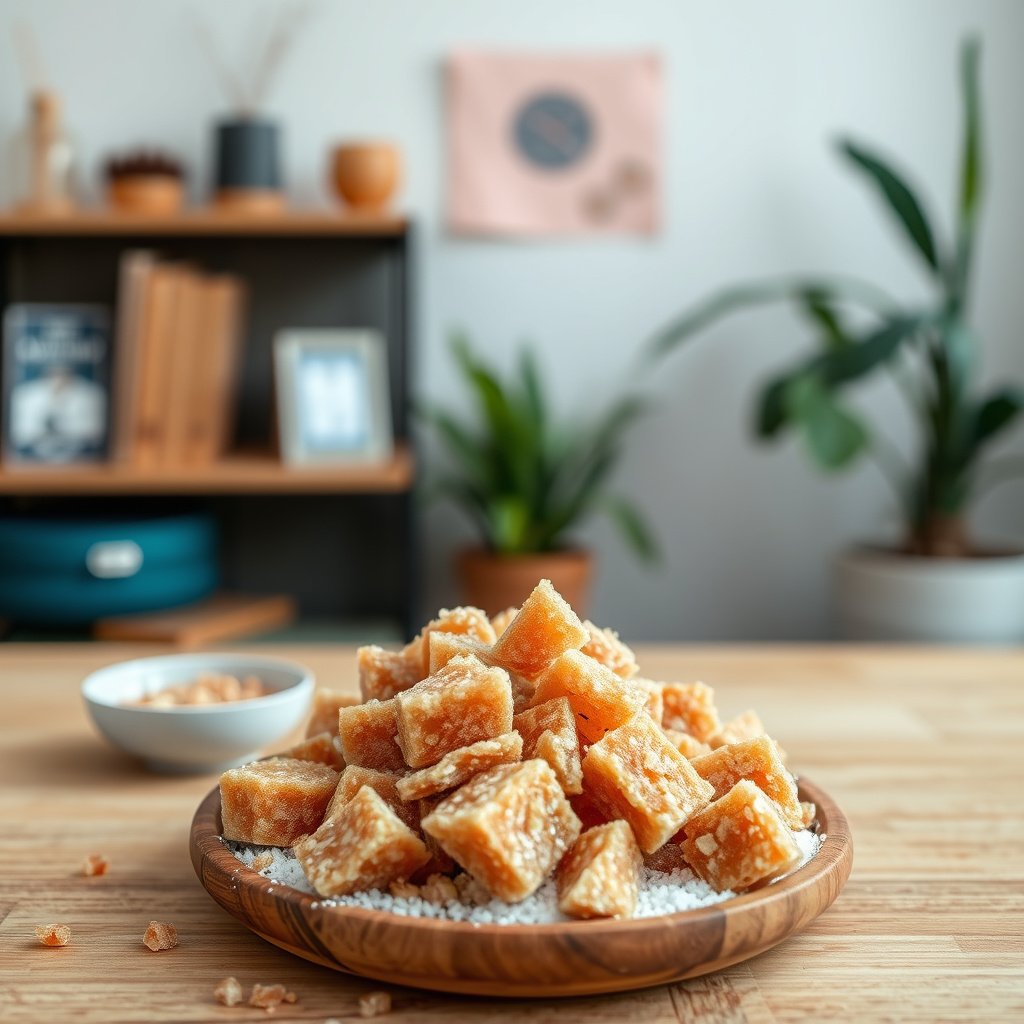
– “Muscovado/blackstrap-style” sugars: These may contain more minerals from molasses, but they’re still sugars—treat them as carbohydrates and measure the amount.
– “Natural” or “less processed” claims: Marketing terms don’t guarantee a lower glycemic effect; rely on carbohydrate content per serving.
A “natural” label does not reduce the grams of total carbohydrate per serving; carbs still drive glucose response.
Dark brown sugar can taste more intense, which can help you use less—but the label still determines the carb count.
A helpful mindset shift: “natural” or “less processed” are not diabetes nutrition categories. In 2026, most people manage diabetes using carbohydrate counting frameworks (total carbs, or net carbs if their clinician supports that approach). When a product’s carbs don’t change, your glucose impact typically doesn’t “become safer” just because the molasses percentage is higher.
Also, remember that molasses adds flavor compounds and minerals, but it does not remove carbohydrate. So if you’re using muscovado or blackstrap-style products for their depth, decide whether the stronger flavor lets you reduce the measured quantity. If it doesn’t, you may end up eating more carbohydrate than you intended—even while feeling like you’re “choosing the better one.”
How to use brown sugar without losing control of carbs
You can use brown sugar with diabetes, but only if you measure portions and plan for the carbohydrate it adds. If you treat it like a “free flavor,” it will silently break your carb budget.
– Use measuring tools: a teaspoon is not the same as “a sprinkle,” and portion drift is one of the biggest reasons glucose spikes happen.
– Pairing can help you manage the speed of glucose rise: combine with fiber/protein (e.g., nuts, Greek yogurt, berries) instead of using brown sugar on an empty stomach.
– For drinks, start with less than your usual amount and reassess your glucose response; liquid sugar often acts faster than sugar in whole foods.
Pairing carbohydrate with protein or fiber can slow digestion and reduce the speed of glucose rise compared with sugar alone.
Measured dosing matters: a “small” spoonful in coffee can be several grams of total carbohydrate, which may be enough to change your post-meal glucose.
Where people succeed: consistent pairing
If you love brown sugar in oatmeal or yogurt, try an “intentional sweetening” pattern:
– Measure the brown sugar first.
– Add it alongside high-fiber or protein foods.
– Keep the rest of the meal carbs stable so you can see the effect of sweetener changes.
Where people slip: liquid sugar and repeat dosing
Coffee and tea are common triggers because the sweet taste encourages “top-offs.” Since liquid sweeteners can hit faster, the practical strategy is:
– Start lower (e.g., less than your usual spoon count),
– then monitor your response for the next meal window (per your clinician’s guidance).
Quick pros/cons comparison (what to use in real life)
| Option for your recipe | Pros (diabetes-relevant) | Cons / watch-outs |
|---|---|---|
| Regular light/dark brown sugar (measured) | Keeps flavor you want; carbs are predictable via label | Still adds carbohydrate; easy to overuse in drinks/baking |
| Brown-sugar-style sweetener blend (lower-net-carb if supported) | Can reduce carb load for the same “brown sugar” taste | Some blends still affect glucose; label reading is still required |
| Reduce amount and increase pairing (fiber/protein) | Often improves tolerance without changing your overall meal | Requires recipe/portion consistency to interpret results |
What can go wrong (common diabetes mistakes)
Brown sugar causes problems when people treat it like a neutral ingredient. The biggest risks are miscounting carbs, repeating portions, and assuming “brown” is inherently better.
– Assuming “brown sugar” is better than white sugar: Brown sugar and white sugar are both sugars; the diabetes impact is driven largely by carbs and portion size.
– Relying on taste instead of measurement: “It doesn’t seem like much” is how carbohydrate estimates go wrong.
– Replacing only the sugar, not the recipe balance: In baking, sugar interacts with texture; swapping without rebalancing can lead to larger portions or unexpected carb intake.
Flavor perception is not a reliable proxy for carbohydrate grams; only the Nutrition Facts total carbohydrate can anchor carb counting.
In baked goods, reducing sugar can change texture and portion size—sometimes increasing how much people eat, which increases carbs.
Edge cases to plan for:
– Baking and portioning: If you cut sugar but don’t adjust the recipe and then serve larger slices, you may end up with similar or higher carbs per serving.
– Different measuring practices: “Packed” vs “scooped” brown sugar can change grams per teaspoon. If you use brown sugar in cups instead of teaspoons, be extra careful.
– Glucose variability: Exercise, illness, stress, and sleep alter glucose response. Brown sugar isn’t the only variable—so interpret patterns over multiple days, not one spoonful.
Verdict: what’s the best option—and who should skip brown sugar
If your goal is diabetes-friendly “best,” the honest answer is: use regular brown sugar in a measured, carb-counted way, and consider alternatives when you want a smaller glucose impact per sweet taste. If you’re trying to reduce added sugars or you frequently have glucose spikes after sweets, you may want to skip brown sugar altogether and use a brown-sugar-style sweetener blend that’s lower in net carbs (or use less of it and pair with protein/fiber).
Downsides to watch: even the “best” brown sugar can still spike glucose, it adds calories, and it can make it harder to stick to your carb targets.
Who should be extra cautious or skip it: anyone who has not yet learned their glucose response to sweeteners, anyone struggling with portion control, or anyone whose clinician advised strict limits on added sugars.
For diabetes, the “best” brown sugar is not the one with the most appealing label—it’s the one you can portion accurately and count into your total carbohydrates.
When glucose spikes reliably follow sweeteners, the safest strategy is to reduce or replace the sweetener and re-check your response with your diabetes care team.
Quick scan checklist (save this)
| What to check | Why it matters | What to do |
|---|---|---|
| Nutrition Facts: **Total Carbohydrate** per serving | Carbs drive blood glucose | Use label carbs, not estimates |
| **Serving size** | Helps you portion correctly | Measure with a teaspoon/tablespoon |
| Ingredient list | Helps consistency and tracking | Choose brands with clear, stable labels |
| Your glucose response | Reacts to the person and situation | Try small portions and monitor |
Frequently Asked Questions
Which brown sugar is best for diabetics?
For diabetes, the “best” brown sugar is one with the lowest impact on blood glucose, meaning it’s either labeled as having a lower glycemic index or is used in small portions. Look for options with simple, ingredient lists (just sugar and molasses) and consider comparing nutrition labels for carbohydrate per serving. In most cases, even darker “brown sugar” still behaves like added sugar, so portion size and frequency matter more than the color.
What is the glycemic impact of brown sugar compared to white sugar for people with diabetes?
Brown sugar and white sugar are both forms of added sucrose, so they generally raise blood glucose similarly when consumed in equal carbohydrate amounts. The molasses in brown sugar can add trace minerals and flavor, but it doesn’t eliminate the sugar’s glucose-raising effect. If you’re tracking carbs, focus on grams of carbohydrate rather than assuming brown sugar is “healthier.”
How much brown sugar can a diabetic safely use in recipes?
A common practical approach is to use brown sugar in measured, small amounts and count the total carbohydrates in the recipe. Many people with diabetes aim to keep added sugar servings modest and to balance them with fiber, protein, and healthy fats from other ingredients. If you use insulin or other glucose-lowering medication, ask your clinician how to dose for sweeteners to avoid glucose spikes.
Why does brown sugar still spike blood sugar even though it contains molasses?
The molasses contributes flavor and small amounts of minerals, but most of brown sugar’s carbohydrate content still comes from sucrose, which breaks down into glucose and fructose. That means brown sugar remains an added sugar, and your body responds by raising blood glucose levels similarly to other sweeteners. Choosing a “diabetic” brown sugar doesn’t change the fundamental glucose impact of the sugar content.
What diabetic-friendly alternatives to brown sugar work best for baking and coffee?
If you want a sweet taste with less blood glucose impact, consider sugar substitutes like stevia, monk fruit, or erythritol-based sweeteners (often labeled “sugar-free”); they can reduce carbohydrate load compared with brown sugar. For baking, blends made for baking can help maintain texture while minimizing blood sugar spikes. Always check labels for total carbohydrates and added sugars, since some “brown sugar” style products or “sugar-free” items may still contain ingredients that affect glucose.
📅 Last Updated: October 24, 2026 | Topic: best brown sugar for diabetics | Content verified for accuracy and freshness.
References
- Guideline: sugars intake for adults and children
- https://www.niddk.nih.gov/health-information/diabetes/overview/eating-physical-activity
- https://www.mayoclinic.org/diseases-conditions/diabetes/in-depth/diabetes-diet/art-20048488
- Brown sugar
- Glycemic index
- https://pubmed.ncbi.nlm.nih.gov/?term=brown+sugar+glycemic+index+diabetes
- https://pubmed.ncbi.nlm.nih.gov/?term=added+sugars+diabetes+management+guideline
- https://scholar.google.com/scholar?q=brown+sugar+diabetes+glycemic+index Google Scholar
- https://scholar.google.com/scholar?q=added+sugars+diabetes+management+guideline Google Scholar
- https://scholar.google.com/scholar?q=brown+sugar+white+sugar+glycemic+index Google Scholar