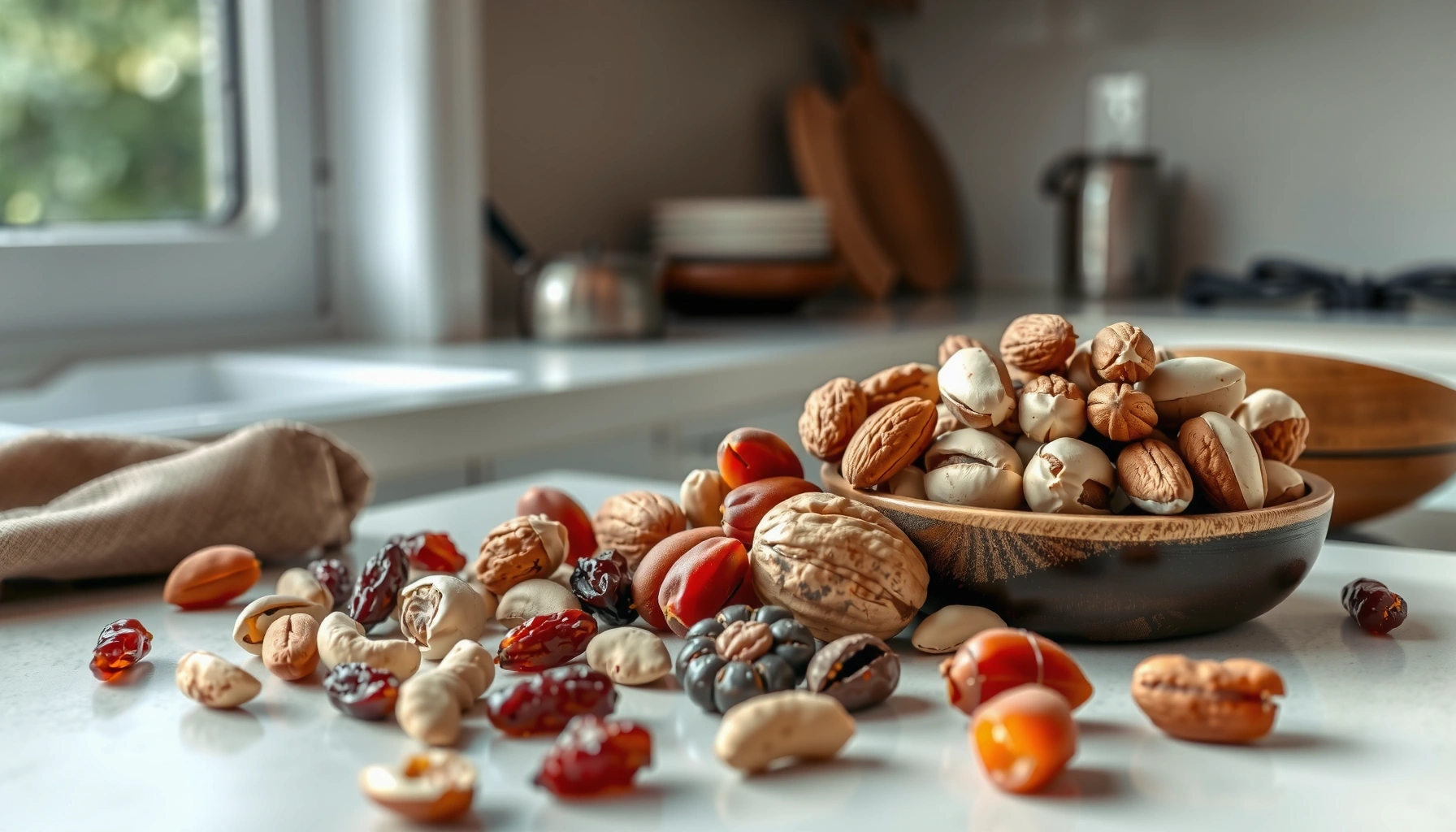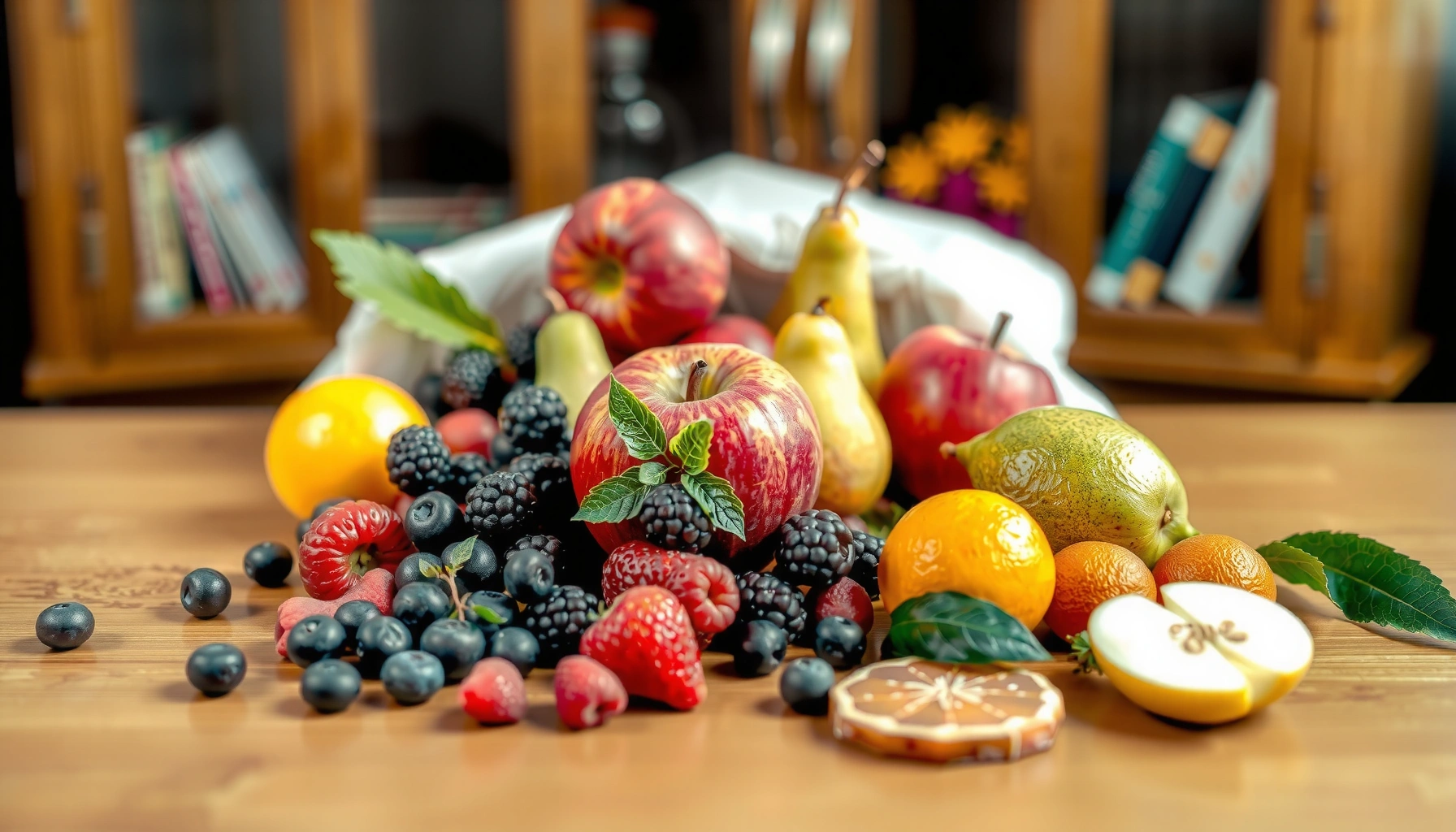

For individuals managing diabetes, fruit is not off-limits but can be a healthy and delicious part of a balanced diet. The ‘best’ fruits are generally those with a low glycemic index (GI) and high fiber content, which help manage blood sugar levels effectively. Berries, apples, pears, and citrus fruits are excellent choices that provide essential vitamins and antioxidants without causing rapid blood sugar spikes. Embracing these options in moderation allows you to enjoy nature’s candy while keeping your blood sugar in check.




Understanding How Fruit Affects Blood Sugar
When you’re managing diabetes, understanding how different foods impact your blood sugar is paramount, and fruit is no exception. It’s not about avoiding fruit, but rather making informed choices. Let’s peel back the layers on how fruit interacts with your body.
* Glycemic Index (GI) and Load (GL): These metrics are your secret weapons for selecting diabetes-friendly fruits. The Glycemic Index (GI) measures how quickly a carbohydrate-containing food raises your blood glucose levels. Foods with a high GI are rapidly digested and absorbed, causing a quick spike, while low-GI foods lead to a slower, more gradual rise. The Glycemic Load (GL) takes this a step further by considering both the GI *and* the amount of carbohydrates in a typical serving. A low GL fruit will have a less significant impact on your blood sugar, even if its GI is moderately high. For instance, while watermelon has a relatively high GI, a small serving has a low GL because it contains a lot of water and fewer carbohydrates per portion. Prioritizing fruits with a low GI and GL helps keep your blood sugar stable, making it easier to manage your condition day-to-day.
* Fiber’s Crucial Role: Fiber is truly a superstar nutrient, especially for those with diabetes. Dietary fiber, found abundantly in whole fruits, plays a critical role in slowing down the absorption of sugar into your bloodstream. This means that even though fruits contain natural sugars, the fiber acts as a natural buffer, preventing those sharp, undesirable blood sugar spikes. Soluble fiber, in particular, forms a gel-like substance in your gut, slowing digestion and nutrient absorption. Beyond blood sugar control, fiber also promotes feelings of fullness, which can help with weight management – a key factor in diabetes control. Furthermore, it supports healthy digestion and can improve gut health, contributing to overall well-being. To maximize fiber intake, always aim to eat the whole fruit, including the skin whenever possible, as much of the beneficial fiber is concentrated there.
* Natural Sugars vs. Added Sugars: Not all sugars are created equal, and this distinction is vital for anyone managing diabetes. The sugars found naturally in whole fruits are primarily fructose, glucose, and sucrose. Critically, these natural sugars come bundled with fiber, vitamins, minerals, and antioxidants, forming a complete nutritional package. The fiber ensures that these sugars are released slowly into your system, providing sustained energy without the dramatic blood sugar fluctuations. In contrast, added sugars, often found in processed fruit products like juices, canned fruits in syrup, and dried fruits, are concentrated forms of sugar (usually high-fructose corn syrup or sucrose) stripped of their natural fiber and many beneficial nutrients. These added sugars hit your bloodstream rapidly, leading to quick and significant blood sugar spikes that can be detrimental to diabetes management. Always choose whole, fresh fruit over processed options to harness the benefits of its natural sugars in their intended, healthy form.
Top Fruit Choices for Diabetics

Now that we understand the science, let’s dive into the delicious world of fruits that are particularly friendly for a diabetic diet. These choices are celebrated for their low glycemic impact, high fiber content, and abundance of essential nutrients.
* Berries Galore: If there’s one fruit category that consistently tops the list for diabetics, it’s berries! Think strawberries, blueberries, raspberries, and blackberries. These vibrant, flavorful gems are packed with nutrients and incredibly versatile. They boast a very low Glycemic Index and are exceptionally high in fiber, meaning they have a minimal impact on blood sugar levels. Beyond their fiber content, berries are antioxidant powerhouses, particularly rich in anthocyanins, which have been linked to improved insulin sensitivity and reduced inflammation. A cup of raspberries, for example, can contain a whopping 8 grams of fiber, along with a good dose of Vitamin C and K. Enjoy them fresh as a snack, stir them into plain Greek yogurt, or blend them into a healthy smoothie for a delicious and diabetes-friendly treat.
* Apples and Pears: Classic, crunchy, and conveniently portable, apples and pears are excellent additions to a diabetic meal plan. These beloved fruits are renowned for their high fiber content, especially pectin, a soluble fiber that aids in blood sugar regulation and digestive health. Eating apples and pears with their skin on is crucial, as the skin contains a significant amount of their beneficial fiber and antioxidants. Their GI can vary slightly depending on the ripeness and type, but generally, they fall into the low to medium GI range, making them suitable choices when consumed in appropriate portion sizes. An apple a day truly can contribute to good health, offering a satisfying crunch and a boost of vitamins without causing a blood sugar rollercoaster.
* Citrus Powerhouses: Bright, tangy, and bursting with flavor, citrus fruits like oranges, grapefruits, lemons, and limes are fantastic for diabetics. They are celebrated for their high Vitamin C content, which supports immune function and acts as an antioxidant. More importantly for blood sugar management, citrus fruits have a low Glycemic Index and are a good source of fiber, particularly in their pith and pulp. A medium orange provides around 3 grams of fiber and a healthy dose of folate. A crucial note of caution for grapefruit: while nutritious, it can interact with certain medications, including some statins and blood pressure drugs, amplifying their effects. Always consult your healthcare provider or pharmacist before incorporating grapefruit into your diet, especially if you are on medication. Lemons and limes, with their virtually non-existent sugar content, can be freely added to water, teas, or used to flavor dishes, adding zest without the glycemic impact.
Navigating Portion Sizes and Timing

Even the “best” fruits contain carbohydrates, so managing how much and when you eat them is crucial for maintaining stable blood sugar levels. It’s all about strategic planning and mindful consumption to truly reap the benefits.
* Moderation is Key: While we’ve highlighted fantastic fruit options, remember that portion control is paramount. Even low-GI fruits contain natural sugars (carbohydrates), and consuming too much in one sitting can still lead to a blood sugar spike. A general guideline for a single serving of fruit is one small apple, half a banana, one cup of berries, or a half-cup of sliced fruit – typically providing around 15 grams of carbohydrates. It’s incredibly helpful to familiarize yourself with these serving sizes and to use measuring cups or a food scale when you’re learning. Think of fruit as a component of your overall carbohydrate intake for the day, and adjust other carb sources accordingly. Consulting with a registered dietitian can provide personalized guidance on appropriate portion sizes tailored to your specific carbohydrate goals and medication regimen.
* Strategic Pairing: One of the smartest ways to enjoy fruit and minimize its impact on blood sugar is to pair it with foods rich in protein or healthy fats. These macronutrients further slow down digestion and sugar absorption, leading to an even more gradual rise in blood glucose. For example, instead of just eating an apple, try slicing it and dipping it in a tablespoon of almond butter. The healthy fats and protein in the almond butter will help stabilize your blood sugar. Similarly, adding berries to plain Greek yogurt provides protein, or sprinkling a handful of nuts onto a fruit salad introduces healthy fats. This synergistic approach not only helps with blood sugar control but also increases satiety, keeping you feeling fuller for longer and potentially reducing overall calorie intake.
* Timing Your Intake: When you eat your fruit can also make a difference. Instead of consuming a large amount of fruit all at once, which could overwhelm your system, try spreading your fruit intake throughout the day. This could mean having a small serving with breakfast, another as a mid-afternoon snack, and perhaps a final small portion after dinner. Distributing your carbohydrate load helps to maintain more even glucose levels throughout the day. Additionally, consider timing your fruit consumption around physical activity. If you’re planning a workout, a piece of fruit beforehand can provide a quick, natural energy boost. Just remember to monitor how your body responds and adjust your timing as needed.
Fruits to Consume with Caution
While the message for diabetics is generally to embrace fruit, not all fruits are created equal in their impact on blood sugar. Some require a more cautious approach due to their higher sugar content or less fiber. Understanding which ones to moderate and which processed forms to avoid is key.
* Higher GI Fruits: Certain fruits, while still nutritious, tend to have a higher Glycemic Index and a greater impact on blood sugar levels. These include fruits like watermelon, pineapple, very ripe bananas, mango, and grapes. Watermelon and pineapple, for instance, are very refreshing but contain more natural sugars and less fiber per serving compared to berries or apples, leading to a quicker rise in blood sugar. Very ripe bananas have a higher sugar content and a lower resistant starch content than greener ones, making them more impactful. The good news is that these fruits aren’t necessarily off-limits! The key is to consume them in much smaller portions and less frequently. For example, enjoy a small wedge of watermelon rather than a large slice, or combine a few grapes with a handful of nuts. Always remember to monitor your blood sugar after trying these fruits to understand your body’s individual response.
* Beware of Processed Fruit Products: This is where the biggest caution lies. While whole fruits are generally beneficial, processed fruit products often strip away the very components that make fruit healthy for diabetics – fiber and water – while concentrating the sugars.
* Fruit Juices: Even 100% fruit juice, despite its natural origin, is essentially sugar water without the beneficial fiber. This leads to a rapid and significant spike in blood sugar, similar to drinking soda. It’s always best to eat the whole fruit instead, where the fiber can slow down sugar absorption.
* Dried Fruits: Raisins, dates, dried cranberries, and other dried fruits are highly concentrated sources of sugar. While they retain some fiber, their water content is removed, shrinking them into dense little packages of fructose. A small handful of raisins can contain as much sugar as several servings of fresh fruit, making it very easy to overconsume carbohydrates. If you do choose dried fruit, opt for very small portions and look for varieties with no added sugars.
* Canned Fruits in Syrup: These are often packed in heavy syrup, light syrup, or even their own juice, all of which add significant amounts of sugar. The canning process can also reduce some of the fruit’s nutritional value. Always opt for fresh fruit or, if you must use canned, choose options packed in water with no added sugar, and rinse the fruit before eating to remove any residual syrup. The general rule of thumb is: the closer to its natural, whole form, the better for your blood sugar.
Delicious Ways to Incorporate Fruit into Your Diet
Integrating fruit into your daily meals can be both simple and delicious, enhancing flavor and nutritional value without compromising your blood sugar management. Here are some creative and healthy ways to enjoy your favorite diabetes-friendly fruits.
* Smart Snacking: Fruit makes for an ideal snack, especially when you’re looking for something naturally sweet and satisfying. Instead of reaching for processed sweets, grab a handful of fresh berries or slice up an apple. To make your snack even more effective at stabilizing blood sugar, pair your fruit with a source of protein or healthy fat. For example, enjoy apple slices with a tablespoon of natural almond butter, a small bowl of mixed berries with a few walnuts, or pear slices with a small piece of low-fat cheese. These combinations help slow down the digestion of fruit sugars and keep you feeling fuller for longer, preventing the urge to overeat.
* Breakfast Boosts: Starting your day with fruit is a fantastic way to add fiber, vitamins, and natural sweetness to your morning meal. Incorporate fresh fruit into your oatmeal or whole-grain cereal for a nutritious and flavorful start. A small handful of blueberries or sliced strawberries stirred into plain Greek yogurt not only adds delicious taste but also provides protein to balance the carbohydrates. You can also add a few pieces of fruit, like a less-ripe banana or some mixed berries, into a low-sugar smoothie made with unsweetened almond milk and a scoop of protein powder for a filling and balanced breakfast on the go.
* Healthy Desserts: Fruit can naturally satisfy your sweet tooth, making it an excellent base for healthier dessert alternatives. Instead of relying on high-sugar cakes and pastries, create simple, fruit-based desserts. A colorful fruit salad, perhaps with a sprinkle of cinnamon or a squeeze of lime juice, is refreshing and light. Baked apples or pears with a dash of cinnamon and nutmeg can be a warm, comforting treat. You can also use fruit to naturally sweeten homemade smoothies, or even grill peaches or pineapples for a caramelized flavor (remembering portion control for higher GI fruits). These options allow you to enjoy dessert without the guilt or the drastic blood sugar spikes associated with processed sweets, proving that healthy can be incredibly delicious.
Incorporating the right fruits into a diabetes-friendly diet can significantly contribute to overall health and blood sugar management. By focusing on low GI, high-fiber options and practicing mindful portion control, you can enjoy the natural sweetness and nutritional benefits of fruit without concern. Pairing fruit with protein or healthy fats and distributing your intake throughout the day are smart strategies for maintaining stable glucose levels. Always consult with your healthcare provider or a registered dietitian to tailor a dietary plan that best suits your individual needs and health goals, ensuring you make the best choices for your well-being.
Frequently Asked Questions
What are the best fruits for diabetics to include in their diet?
The best fruits for diabetics are those with a low glycemic index (GI) and high fiber content, as they cause a slower rise in blood sugar. Excellent choices include berries (strawberries, blueberries, raspberries), cherries, grapefruit, avocados, and apples. These fruits not only help manage blood sugar levels but also provide essential vitamins, minerals, and antioxidants crucial for overall health.
Which fruits should diabetics eat in moderation or be cautious of due to higher sugar content?
Diabetics should consume high-sugar or high-GI fruits, dried fruits, and fruit juices in moderation. Examples include very ripe bananas, mangoes, grapes, pineapples, and watermelon, especially in large portions. Dried fruits like dates and raisins are concentrated sources of sugar, and fruit juices lack the beneficial fiber found in whole fruits, leading to more rapid blood sugar increases.
How much fruit can a diabetic safely eat in a day without negatively impacting blood sugar?
Portion control is crucial for diabetics when consuming fruit. Generally, one to two servings of fruit per day is a common guideline, though individual needs vary based on blood sugar control, activity levels, and medication. A serving is typically a small piece of whole fruit, half a cup of berries, or a quarter cup of dried fruit, and it’s essential to monitor your blood glucose to understand your personal tolerance.
Are fruits like bananas and grapes completely off-limits for people with diabetes?
No, bananas and grapes are not entirely off-limits for diabetics, but they should be eaten mindfully and in moderation due to their higher natural sugar content. A small, firm banana or a small cluster of grapes (around 15-20) can fit into a diabetic meal plan, especially when paired with protein or healthy fats to help mitigate blood sugar spikes. Always monitor your blood sugar to see how these fruits affect you personally.
Why is fruit still a beneficial part of a diabetic’s diet, despite its natural sugars?
Fruit offers numerous health benefits for diabetics beyond just vitamins and minerals. The fiber content in whole fruits is crucial; it helps slow glucose absorption, promoting better blood sugar control and satiety, which can aid in weight management. Additionally, fruits are packed with antioxidants and phytochemicals that protect against chronic diseases often associated with diabetes, making them a valuable component of a balanced, healthy eating plan.
References
- Best Fruit Choices for Diabetes | ADA
- https://www.mayoclinic.org/diseases-conditions/diabetes/expert-answers/diabetes-and-fruit/faq-20057850
- Healthy Living with Diabetes – NIDDK
- https://www.cdc.gov/diabetes/managing/eat-well.html
- https://www.health.harvard.edu/diseases-and-conditions/diabetes-what-to-eat
- https://www.nhs.uk/conditions/type-2-diabetes/food-and-diet/
- Diet in diabetes