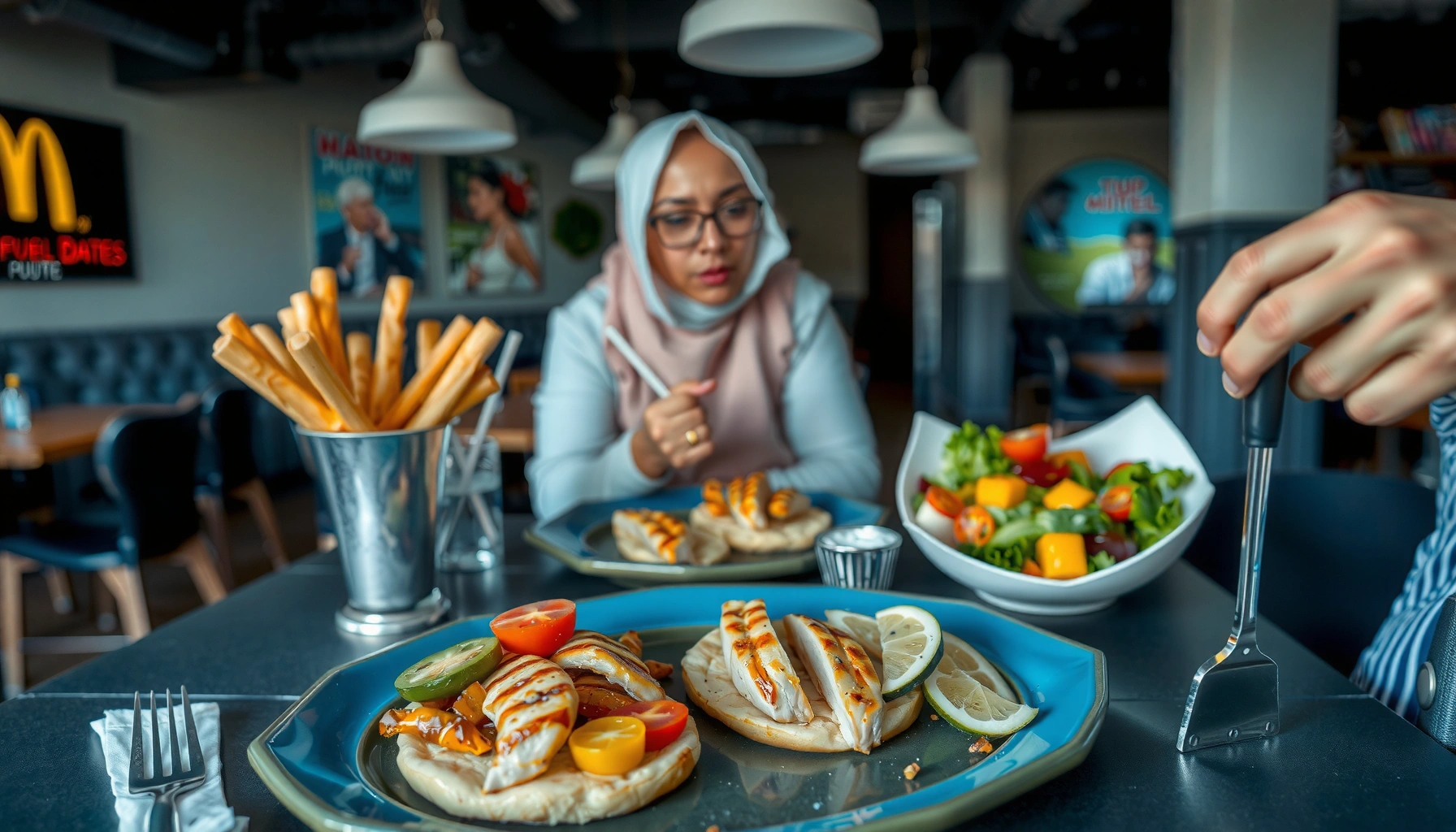

Navigating fast food as a diabetic is absolutely achievable with the right strategies, primarily by making informed choices that prioritize lean protein, fiber-rich vegetables, and careful carbohydrate management. While no fast-food meal is inherently “best,” understanding how to select and customize your orders can allow you to enjoy convenience without significantly impacting your blood sugar levels. This guide will help you identify healthier options and avoid common pitfalls, empowering you to make smart decisions on the go.



Navigating Fast Food: Core Strategies for Diabetics

Successfully integrating fast food into a diabetes-friendly diet hinges on a few fundamental principles. Firstly, always prioritize lean protein and non-starchy vegetables to boost satiety and control blood sugar. Protein helps slow down the absorption of carbohydrates, preventing rapid blood sugar spikes, while fiber from vegetables adds bulk, aids digestion, and also contributes to blood sugar stability. Think grilled chicken, fish, or plant-based proteins paired with a generous serving of leafy greens or steamed veggies.
Secondly, make hydration a priority by opting for water over sugary drinks and even diet sodas. Regular sodas are notorious for their high sugar content, leading to immediate and significant blood sugar surges. Even diet sodas, while calorie-free, can sometimes trick your body into craving more sweets and may have other metabolic effects, so plain water is always your best bet. Carry a reusable water bottle or simply ask for water with your meal.
Lastly, practice portion control and be mindful of serving sizes. Fast food restaurants are famous for their oversized portions, often pushing “value” meals that are far beyond a single serving. Don’t feel pressured to finish everything. Consider splitting a larger meal with a friend, saving half for later, or immediately asking for a to-go box to physically separate your meal. This simple act can prevent overeating and help keep your carbohydrate intake in check.
Healthier Fast Food Categories and Choices


When faced with a fast-food menu, knowing which general categories offer the most potential for a diabetes-friendly meal can make a huge difference.
* Grilled Chicken or Fish: This is often your safest and most beneficial choice. Always select unbreaded, grilled options over fried varieties. Frying adds unhealthy fats and a significant amount of refined carbohydrates from the breading, which can quickly derail your blood sugar management. Look for grilled chicken sandwiches (ask for no bun or a lettuce wrap), grilled fish tacos (customize toppings), or even just a grilled chicken breast as a standalone protein. These options provide quality protein with minimal saturated fat and fewer empty carbs.
* Salads with Caution: Salads can be a fantastic way to load up on non-starchy vegetables, but they require careful customization. Select salads with plenty of greens (like romaine, spinach, or kale) and lean protein, such as grilled chicken, fish, or beans. The trick is to ask for dressing on the side so you can control the portion, and skip croutons, candied nuts, crispy noodles, and sugary dried fruits. These add-ins can pack a surprising amount of carbohydrates and calories. Opt for vinaigrette dressings in moderation, and load up on fresh veggies like tomatoes, cucumbers, and peppers.
* Build-Your-Own Bowls/Wraps: Many newer fast-casual establishments offer a build-your-own model, which is a dream for diabetics. These places allow for extensive customization, empowering you to create a meal tailored to your needs. Focus on a base of protein (chicken, steak, tofu, or extra beans), then load up on fresh vegetables (sautéed peppers and onions, lettuce, salsa). For places like burrito bowls, you can easily skip the rice and ask for extra lettuce or double vegetables instead. A small portion of black beans can add fiber and complex carbs, but be mindful of the total amount.
Smart Ordering at Popular Chains
Navigating specific menus can feel daunting, but with a few pointers, you can confidently make smart choices at even the most common fast-food spots.
* Subway: This chain offers numerous customizable options. For a diabetes-friendly meal, opt for a 6-inch sub on whole wheat bread. Whole wheat bread generally has more fiber than white, helping to slow down sugar absorption. Choose lean protein like turkey, roast beef, or grilled chicken, and then load it with non-starchy vegetables such as lettuce, tomatoes, cucumbers, onions, green peppers, and spinach. You can ask for no cheese or light cheese and stick to low-sugar condiments like mustard, vinegar, or a light vinaigrette, avoiding creamy or sugary sauces. A salad bowl without bread is another excellent choice here.
* Chipotle/Qdoba: These popular Tex-Mex spots are fantastic for customization. Create a salad or bowl with a base of lettuce, rather than rice or a tortilla. Then, double up on protein (chicken, steak, carnitas, or sofritas). Pile on plenty of non-starchy veggies like fajita peppers and onions, and fresh salsa. Guacamole is a great source of healthy fats, but be mindful of portion size. For carbs, a small portion of black beans can add fiber, but it’s best to skip the rice entirely. Avoid sugary drinks and crispy tortilla chips.
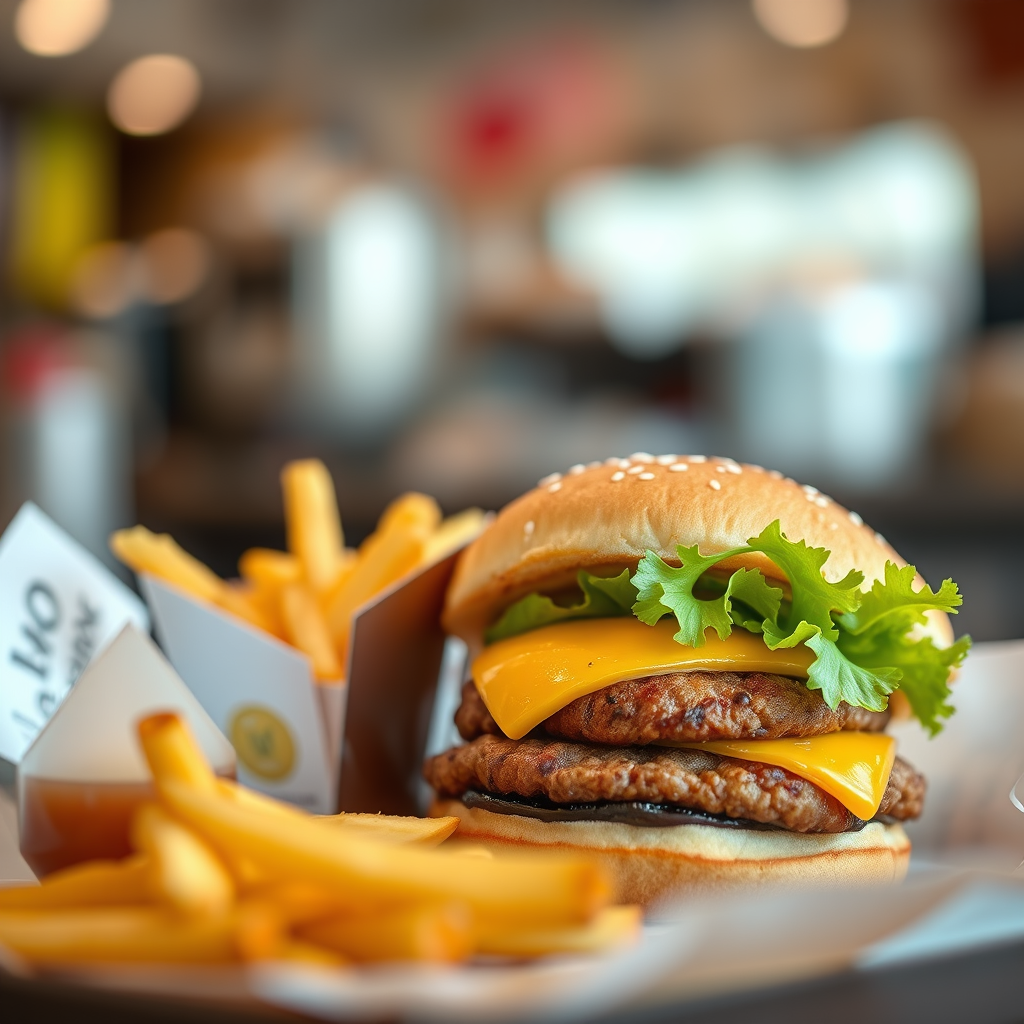
* Burger Joints: While traditionally carb-heavy, burger places can still offer diabetic-friendly options. The key is to ask for bunless burgers, or a lettuce wrap instead of a regular bun. Choose a grilled chicken sandwich (again, no bun) over fried. For sides, skip the fries and opt for a side salad (with dressing on the side), apple slices, or even just extra pickles or raw onions. Be cautious with high-sugar condiments like ketchup (use sparingly) and sugary BBQ sauces. Many places now offer nutritional information, so check before you order.
What to Avoid: Common Fast Food Traps
Being aware of common pitfalls is just as important as knowing what to choose. These items are typically high in components that can negatively impact blood sugar and overall health.
* Sugary Beverages: This is perhaps the biggest and most obvious trap. Steer clear of regular sodas, sweet teas, milkshakes, and sugary lemonades. These drinks are loaded with empty calories and simple carbohydrates (sugar) that cause rapid and severe blood sugar spikes. Even seemingly “healthy” options like large fruit juices or smoothies can be surprisingly high in natural sugars, which still affect blood sugar similarly to added sugars when consumed in large quantities. Always opt for water, unsweetened tea, or black coffee.
* Deep-Fried Items: French fries, onion rings, breaded chicken nuggets, and fish fillets are ubiquitous in fast food. These items are typically high in unhealthy trans fats and saturated fats, which are detrimental to heart health, and are also loaded with refined carbohydrates from breading and potatoes. The combination of fat and carbs can lead to a prolonged elevation in blood sugar, making management more difficult. It’s best to avoid these entirely and choose grilled alternatives or vegetable sides.
* Large Portions of Refined Carbs: Be wary of oversized buns, massive portions of rice in bowls, starchy sides like mashed potatoes, and large tortillas. These refined carbohydrates are digested quickly, leading to rapid blood sugar spikes. While some complex carbohydrates are part of a balanced diet, the sheer quantity and refined nature in many fast-food meals can be problematic. Always evaluate the carbohydrate content and opt for smaller portions, whole grains where possible, or replace them with non-starchy vegetables.
Empowering Yourself: Using Nutrition Information
The best tool in your fast-food arsenal is knowledge. Most reputable fast-food chains are now legally required or voluntarily provide comprehensive nutrition information, often accessible online or through their apps.
* Utilize online nutrition calculators and apps provided by most fast-food chains. Before you even leave the house, take a few minutes to look up menu items. These tools allow you to check carb counts, sugar, fat, and sodium content for every item, and often for customized orders as well. This proactive approach helps you plan your meal strategically rather than making rushed decisions under pressure.
* Focus on carbohydrate counts, sugar content, and fiber intake to make informed decisions quickly. For diabetics, net carbs (total carbs minus fiber) are often the most crucial metric. Aim for meals that are lower in net carbs and added sugars, and higher in fiber. Also, pay attention to sodium and saturated fat, especially if you have co-existing conditions like high blood pressure or heart disease.
* Understand how customizing orders can significantly impact nutritional values. For example, removing the bun from a burger can slash dozens of grams of carbohydrates. Getting dressing on the side and using only a small amount can drastically reduce calories, fat, and sugar. These small adjustments, informed by nutrition data, can turn a questionable meal into a perfectly acceptable one. Don’t be afraid to ask questions and make specific requests – restaurant staff are usually happy to accommodate.
Customizing Your Meal for Better Control
Beyond just choosing the right categories, active customization is where you truly take control of your fast-food experience. Empower yourself to modify orders to better suit your dietary needs.
* Ask for dressings, sauces, and condiments on the side to control portions and avoid hidden sugars. Many seemingly harmless sauces can be loaded with sugar, unhealthy fats, and sodium. By getting them on the side, you can dip your fork or add a small amount, significantly reducing your intake. Opt for simpler, lower-sugar options like mustard, vinegar, hot sauce, or a light vinaigrette.
* Request extra non-starchy vegetables in your wraps, salads, or bowls whenever possible. This is a fantastic way to boost your fiber intake, which helps with satiety and blood sugar regulation, without adding significant carbohydrates. More lettuce, tomatoes, cucumbers, peppers, onions, and spinach mean more nutrients and a fuller feeling. Don’t hesitate to ask for “extra veggies” – most places are happy to oblige.
* Swap high-carb sides (fries, chips) for healthier alternatives. This is one of the easiest and most impactful changes you can make. Instead of fries or chips, ask for a side salad (remembering dressing on the side), apple slices, orange slices, a cup of fruit, or simply extra non-starchy vegetables. Some places even offer cottage cheese or yogurt as a side. This simple swap dramatically reduces your carbohydrate and unhealthy fat intake while often adding valuable nutrients.
Eating fast food doesn’t have to compromise your diabetes management if you’re equipped with the right knowledge and strategies. By making conscious choices to select lean proteins, fiber-rich vegetables, and managing carbohydrate intake, you can confidently navigate menus and enjoy convenience without derailing your health goals. Use these guidelines to customize your orders and maintain stable blood sugar levels, proving that healthy eating can fit into any lifestyle.
Frequently Asked Questions
What are the best general fast food options for diabetics looking for a quick meal?
The best fast food options for diabetics often involve grilled lean proteins, salads with dressing on the side, and non-starchy vegetables. Look for choices like grilled chicken sandwiches (without the bun, or with a lettuce wrap), chef salads, or customizable bowls where you can control ingredients to keep carb counts low and prioritize lean protein. These choices help manage blood sugar levels more effectively than high-carb, fried alternatives.
How can diabetics effectively navigate fast food menus to make healthier choices?
Diabetics can navigate fast food menus by researching nutritional information online before ordering, opting for smaller portions, and making smart substitutions. Prioritize grilled or baked items over fried, skip sugary drinks for water or unsweetened tea, and replace fries with a side salad or steamed vegetables to significantly reduce unhealthy fats and carbohydrates. Understanding the carb count of potential meals is crucial for proper insulin dosing and blood sugar management.
Which specific fast food menu items should diabetics typically avoid to manage blood sugar?
Diabetics should generally avoid sugary beverages like regular sodas, sweet teas, and milkshakes, which cause rapid blood sugar spikes. High-carb items such as large burgers with thick buns, fried chicken, french fries, and heavily breaded items are also problematic. Additionally, limit excessive condiments, creamy sauces, and desserts, as these often contain hidden sugars, unhealthy fats, and empty calories that hinder blood sugar control.
Are there specific fast-food chains that offer more diabetic-friendly menu items or customization?
Yes, several fast-food chains offer more diabetic-friendly options or greater customization. Restaurants like Subway, Chipotle, Panera Bread, and Chick-fil-A are often good choices due to their emphasis on fresh ingredients, grilled proteins, and build-your-own meal formats. They typically allow for substitutions like lettuce wraps, extra vegetables, and controlled portion sizes, making it easier for diabetics to find suitable meals.
What key nutritional factors should diabetics prioritize when choosing fast food?
When choosing fast food, diabetics should prioritize lean protein, healthy fats, and fiber, while carefully monitoring carbohydrate intake. Lean protein helps with satiety and blood sugar stability, while fiber slows sugar absorption. Opt for meals rich in non-starchy vegetables and choose grilled over fried items to minimize unhealthy fats and processed carbs, which are vital for effective blood sugar management.
References
- https://diabetes.org/food-nutrition/eating-out/fast-food
- https://diabetes.org/food-nutrition/eating-out/eat-out-smart
- https://www.mayoclinic.org/diseases-conditions/diabetes/expert-answers/fast-food-and-diabetes/faq-20058284
- Diabetes diet: Create your healthy-eating plan – Mayo Clinic
- https://www.health.harvard.edu/heart-health/fast-food-how-to-make-the-healthiest-choices
- https://www.health.harvard.edu/diseases-and-conditions/best-and-worst-foods-for-diabetes



Pingback: **Best Gifts for a Diabetic: Thoughtful & Practical Ideas** - Best For Diabetics
Pingback: Best Cinnamon Pills for Diabetes: What to Look For - Best For Diabetics