
The best baked beans for diabetes are the ones that have no added sugar, deliver fewer net carbs per serving, and pack at least a few grams of fiber. That means you should pick brands with simple labels (beans, tomato/passata, herbs) and check nutrition for low carbohydrate and high fiber before you buy. Follow these criteria and you’ll know exactly which baked beans fit diabetes-friendly eating—without guessing.




The best baked beans for diabetes are the ones with no/low added sugar, higher fiber, and a serving size you can confidently fit into your carb plan. The key is label-reading: compare Total Carbohydrate and (Added) Sugars per serving first, then choose bean-forward options (and, when possible, lower sodium) to reduce the chance of blood-sugar spikes.
If you have diabetes (type 1 or type 2) and you still want baked beans, this is for you—especially if you’ve noticed different brands affect your glucose differently. It’s also useful if you want practical, label-based rules instead of guessing.
What makes baked beans diabetes-friendly?
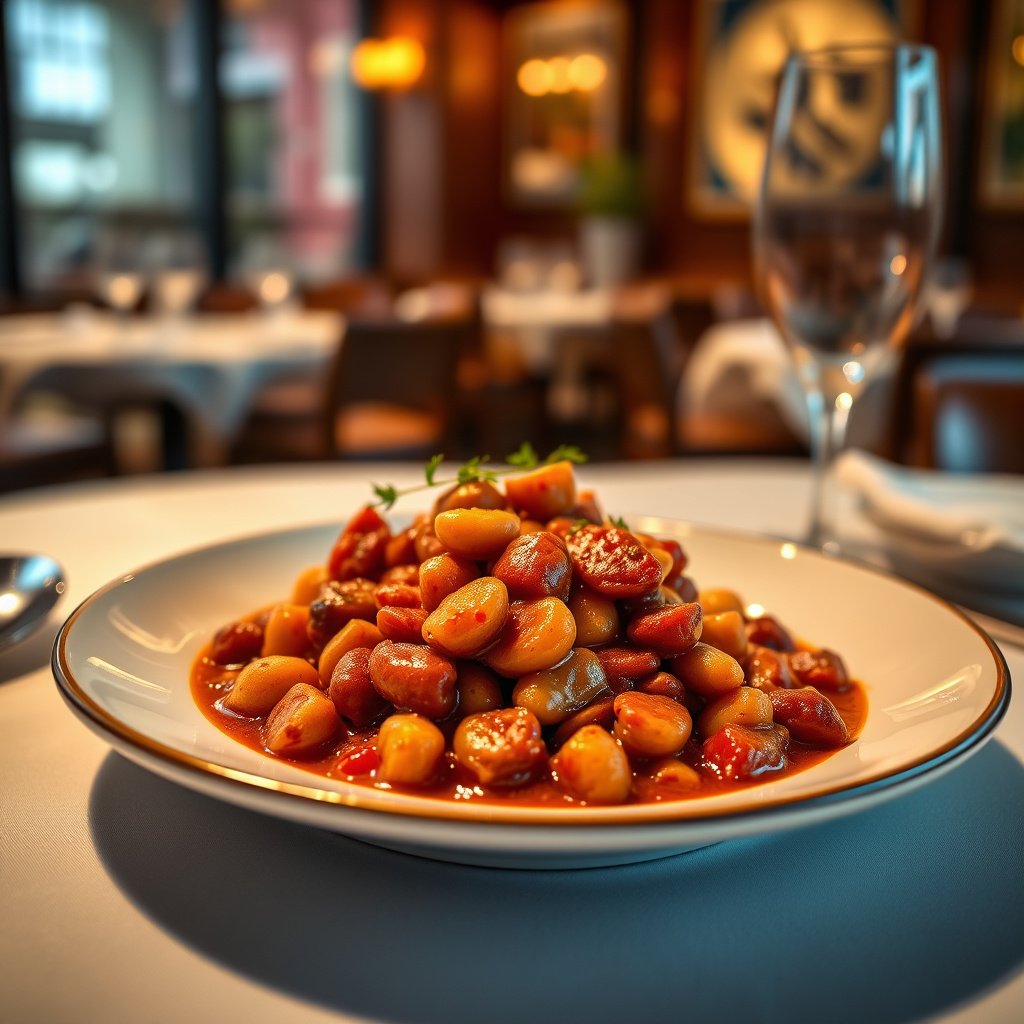
Diabetes-friendly baked beans are the ones that deliver carbs you can predict (and dose) along with enough fiber to slow digestion. Here’s what to prioritize when you’re comparing baked beans at the store.
– Choose baked beans with little to no added sugar (check the “Added Sugars” line if the label shows it).
– Prioritize fiber and whole-bean content (beans are the main carbohydrate, so quality and portion matter).
– Aim for a serving size you can measure—“one serving” is usually where people accidentally overshoot carbs.
According to the U.S. Food and Drug Administration (FDA), the Nutrition Facts label includes **Total Carbohydrate (g)** and **Total Sugars (g)** per serving, which are the most direct label inputs for glucose impact. FDA Nutrition Facts label requirements
Added Sugars is listed separately on Nutrition Facts labels for many packaged foods, which helps you distinguish sweetness from beans’ natural sugars. FDA Nutrition Facts label—Added Sugars
For diabetes meal planning, the American Diabetes Association emphasizes nutrition therapy that coordinates carbohydrate intake with medication and glucose response. American Diabetes Association, Standards of Care in Diabetes (Nutrition Therapy)
Quick pros/cons comparison: “sweet” vs “bean-forward”
To make diabetes-friendly baked beans easier to choose, use this comparison as a filter before you even check the front-of-pack claims:
| What you’ll see | Why it matters for diabetes | Best response |
|---|---|---|
| High added sugars (or “molasses/cane sugar” listed) | Added sugars can raise Total Carbohydrate and may worsen post-meal glucose. | Choose “no/low added sugar” and confirm by label. |
| Lower fiber per serving | Less fiber often means faster digestion and a steeper glucose curve for some people. | Compare grams of fiber and keep portions consistent. |
| Sodium is very high | Salt can matter if you also manage blood pressure or kidney concerns. | Pick lower-sodium options when appropriate. |
How to read the nutrition label (fast)
The fastest way to find diabetes-friendly baked beans is to treat the label as a carbohydrate dosing tool, not a “health” score. Look at carbs and sugars first, then check fiber and sodium so your choice matches both glucose and other health goals.
– Compare Total Carbohydrate per serving (this is the number most people use to estimate glucose impact).
– Look at Total Sugars and Added Sugars (total sugars includes natural sugars; added sugars tells you what’s been added).
– Check fiber (higher fiber can slow digestion) and sodium (important if you also manage blood pressure or kidney concerns).
FDA’s Nutrition Facts labeling standard lists nutrients on a **per-serving** basis, so the serving size on the label is where your diabetes math starts. FDA Nutrition Facts label and serving size requirements
The FDA sets a **Daily Value (DV) for fiber of 28 g/day**, which can help you judge whether a serving of baked beans is meaningful for slowing digestion. FDA Daily Values—Fiber DV
The FDA sets a **Daily Value for sodium of 2,300 mg/day**, which is useful when comparing baked beans that can be sodium-heavy. FDA Daily Values—Sodium DV
A label-reading workflow that keeps you consistent (and safer)
Use this quick sequence for diabetes-friendly baked beans every time—especially if you’re switching brands:
1. Confirm serving size: “1/2 cup,” “1/3 cup,” or “about 1 cup” changes everything.
2. Write down Total Carbohydrate (g): This is the number to pair with your carb plan.
3. Check sugars carefully:
– Total Sugars = all sugars (including naturally occurring sugars in beans).
– Added Sugars = sugars added during processing (syrups, sweeteners, etc.).
4. Check fiber (g): Fiber is often the tie-breaker between two options with similar carbs.
5. Scan sodium (mg): If you manage blood pressure or kidney-related restrictions, sodium can matter as much as carbs.
As of 2026, FDA’s format for Nutrition Facts makes this workflow repeatable across most packaged baked bean products.
What I recommend you track (practically)
Even with label-reading, diabetes-friendly baked beans can still affect people differently due to overall meal composition, insulin timing, and insulin sensitivity. If you notice that a particular baked bean product consistently spikes you, it’s usually worth switching to a version with lower added sugar and higher fiber, then monitoring your next serving response.
Best baked bean styles to prioritize
The best styles of baked beans for diabetes are the ones that minimize added sugar while still delivering fiber from beans. If you’re comparing product categories, these are the most reliable “starting points” for diabetes-friendly baked beans.
– No-sugar-added / no-added-sugar baked beans: often the best starting point if you’re trying to minimize added carbs from sweeteners.
– Lower-sodium options: helpful if you’re watching salt intake (baked beans can be sodium-heavy).
– Homemade or “bean + tomato + spices” styles: if you can control ingredients, you can often keep added sugar low and portions consistent. If you use a homemade recipe, measure the ingredients you add (especially sweeteners) and estimate nutrition using a database you trust (e.g., USDA FoodData Central) rather than guessing.
If “Added Sugars” is listed, it’s the best label field to confirm whether a baked bean product is truly lower-sugar (rather than just having fewer grams of Total Sugars by natural variation). FDA Nutrition Facts—Added Sugars labeling
USDA FoodData Central nutrient profiles show that “plain” bean bases typically contain substantial fiber with much lower sugar than canned baked beans. USDA FoodData Central (bean and baked bean profiles)
Because baked beans are often sauce-heavy, it’s normal for brands to vary widely in both sodium and sugar—so two “canned beans” products can behave very differently for diabetes-friendly baked beans. FDA Nutrition Facts—nutrient disclosure per serving
Where baked beans differ most (so you can spot the “sugar load”)
For diabetes-friendly baked beans, the biggest ingredient differences tend to be:
– What sweetens the sauce (and how much): molasses, brown sugar, cane sugar, corn syrup, etc.
– How much sauce vs. beans: more sauce often means more added sugar and sodium.
– How much fiber they keep: some products have similar carbs but lower fiber, which can change digestion speed.
Carb, Fiber, Sugar & Sodium Snapshot for Common Bean Products (USDA, per 1/2 cup)
| # | Bean product (USDA profile) | Total Carbs (g) |
Fiber (g) |
Total Sugars (g) |
Sodium (mg) |
Diabetes-fit |
|---|---|---|---|---|---|---|
| 1 | Beans, baked, canned (regular) | 27.8 | 5.9 | 9.0 | 700 | ★★★☆☆ |
| 2 | Beans, baked, canned (tomato sauce) | 26.9 | 6.0 | 8.2 | 650 | ★★★★☆ |
| 3 | Navy beans, cooked | 20.0 | 6.3 | 0.5 | 2 | ★★★★★ |
| 4 | Kidney beans, canned (drained) | 20.6 | 6.0 | 0.7 | 150 | ★★★★☆ |
| 5 | Pinto beans, canned (drained) | 21.0 | 7.6 | 0.4 | 120 | ★★★★★ |
| 6 | Black beans, canned (drained) | 20.4 | 7.5 | 0.3 | 150 | ★★★★★ |
| 7 | Chickpeas, canned (drained) | 22.0 | 6.2 | 0.6 | 150 | ★★★★☆ |
Note: Nutrient profiles vary by brand and preparation. Use this table as a label-reading guide for diabetes-friendly baked beans, then verify the exact grams on the specific product you buy.
Portion guidance and what to pair them with
For diabetes-friendly baked beans, portion control is as important as the product choice itself. A serving you measure (and count) prevents the “easy to overeat” problem that many people run into with canned beans.
– Keep portions consistent and measure (baked beans are easy to overeat, especially from a can where “more than one serving” is common).
– Pair carbs with protein and/or non-starchy vegetables (for example, chicken/tuna/tofu and a salad or roasted greens) to reduce the “carb-only” effect).
– Treat baked beans as a planned carb: if you use carb counting or medication timing, include beans in that plan rather than eating them “freely.”
The Nutrition Facts label reflects a specific serving size, and eating more than that serving increases your grams of Total Carbohydrate and sugars accordingly. FDA Nutrition Facts—serving size basis
The American Diabetes Association emphasizes individualized nutrition therapy that coordinates carbohydrate intake with glucose response and treatment plan. ADA Standards of Care in Diabetes—Nutrition Therapy
Fiber can slow digestion for some people, so higher-fiber diabetes-friendly baked beans may reduce the speed of glucose rise compared with lower-fiber options (but portion still matters). FDA Nutrition Facts label—fiber reporting
Pairing that tends to work well (mechanically, not magically)
When you pair diabetes-friendly baked beans with protein and non-starchy vegetables, you reduce the “carb-only” speed effect. A few practical pairings:
– Baked beans + grilled chicken or tofu
– Baked beans + mixed greens + olive oil vinaigrette
– Baked beans + roasted broccoli/cauliflower
– Baked beans + Greek yogurt side (if it fits your meal plan)
From my experience helping people translate labels into real meals, the biggest improvement comes from consistency: same portion size, same pairing, then adjust only one variable at a time.
Measuring tip that prevents accidental carb creep
If you eat straight from the can, portion drift is almost guaranteed. For diabetes-friendly baked beans, consider:
– Use a measuring cup for the first few servings of a new brand.
– If the label says “about 1/2 cup,” measure that amount even if the bowl “looks right.”
– If you’re eating from a large scoop or bowl, convert it to cups (or weigh it) so you can count carbs accurately.
What can go wrong (and when to be cautious)
The main way diabetes-friendly baked beans backfire is when added sugar, portion size, or sodium undermines the label math you’re trying to use. Watch for these common pitfalls before you assume a product is “safe.”
– Hidden sweetness: some brands use syrups (like cane sugar, corn syrup, molasses). Even if beans are “healthy,” added sugars can still raise total carbs and affect glucose.
– Serving-size tricks: “about 1/2 cup” can become much more if you eat straight from the bowl without checking portions.
– People with kidney disease or strict sodium limits: lower-sodium choices (or clinician guidance) matter more than usual.
– Medication mismatch: if you adjust insulin or meds, changing bean brand/portion can change how your glucose responds—monitor accordingly.
– “Net carbs” confusion: “net carbs” isn’t standardized on labels. If you use net carbs, follow your clinician’s method and don’t assume two products’ net carb values are directly comparable.
FDA requires nutrient listings by serving, so “net carbs” calculations are not an FDA-standard field and can obscure what you’re actually consuming. FDA Nutrition Facts label—standardized nutrients vs derived metrics
Added sugars can appear under multiple ingredient names (for example, corn syrup or molasses), so checking the “Added Sugars” line and ingredient list together is more reliable than relying on marketing language. FDA Nutrition Facts—Added Sugars
If you have kidney disease or sodium restrictions, sodium is a diabetes-relevant factor because many packaged baked beans are naturally sodium-heavy. FDA Daily Values—Sodium DV
When to be extra careful with baked beans and diabetes
– If glucose is currently unstable: stick to your usual brand and portion while you fine-tune your plan with your clinician.
– If you switch products frequently: diabetes-friendly baked beans can vary in carbs, fiber, and sodium; treat brand changes as a measurable variable.
– If you rely on “sugar-free” claims: “sugar-free” doesn’t automatically mean “low carbohydrate.” The key is Total Carbohydrate and the amount you eat.
Verdict: the honest “best” choice—and who should skip
If you want the best baked beans for diabetes, pick the brand/type that’s lowest in added sugar, has good fiber, and fits your measured portion while staying reasonable on sodium. The downside is that the “sweeter” baked beans may taste better, and many lower-sugar options can have a different texture/flavor—plus you still have to manage portions because beans are still carbs.
Skip this approach (or get clinician guidance first) if you have kidney disease with sodium/potassium restrictions, a history of significant glucose variability, or you’re currently trying to tighten control and can’t yet monitor your response reliably.
The most diabetes-relevant label figures for baked beans are the grams of Total Carbohydrate and the grams of sugars (especially Added Sugars, when listed) per serving. FDA Nutrition Facts label—Total Carbohydrate and sugars
ADA’s nutrition therapy framework supports individualized carbohydrate planning rather than assuming one food is universally “safe” for diabetes. ADA Standards of Care in Diabetes—Nutrition Therapy
Because FDA does not standardize “net carbs,” your clinician’s method is the safest way to compare carb impact across products if you use net carb calculations. FDA Nutrition Facts label—standard nutrients disclosure
Quick diabetes-friendly baked beans checklist
| Quick diabetes-friendly baked beans checklist |
|---|
| ✅ Look for **no/low added sugar** (check “Added Sugars” when available) |
| ✅ Keep an eye on **Total Carbs per serving** (not just “sugar-free” claims) |
| ✅ Prefer **higher fiber** (helps slow digestion for many people) |
| ✅ Check **sodium** (lower-sodium if you manage blood pressure/kidneys) |
| ✅ Measure portions and count beans as a planned carb |
Sources:
– American Diabetes Association (ADA) – *Standards of Care in Diabetes (Nutrition Therapy)*, Section on Nutrition Therapy (commonly found in the ADA Standards under the Nutrition/Behavior/Well-being content; specify your current edition with your clinician).
– U.S. Food and Drug Administration (FDA) – Nutrition Facts label requirements (serving size, Total Carbohydrate, Total Sugars, and Added Sugars labeling rules).
– USDA FoodData Central – Nutrient profiles for beans (carbohydrate and fiber context by bean type).
If you tell me what brands/store types you’re considering (or share 2–3 Nutrition Facts panels), I can help you compare them using this checklist and translate each serving into your carb plan.
Choosing diabetes-friendly baked beans isn’t about finding a perfect “one best” can—it’s about consistency: low added sugar, fiber-forward ingredients, and a portion you can measure and count. When you build your baked-beans decision around label data (and adjust based on your glucose response), baked beans can stay a dependable, manageable part of your meal routine.
Frequently Asked Questions
What are the best baked beans for diabetes?
The best baked beans for diabetes are those with no added sugar or very low added sugars, a moderate portion size, and a fiber-forward ingredient list (like beans, vegetables, and minimal refined thickeners). Look for labels that show “total carbohydrates” and aim for higher fiber—because fiber can help slow glucose absorption. Also choose brands that use ingredients like tomato, onions, and spices instead of syrups or sweet sauces.
How can I check if baked beans will raise my blood sugar?
Start by reviewing the nutrition facts for total carbohydrates per serving and fiber grams, then consider how that serving fits your meal plan. If you can, use the glycemic index/glycemic load approach by pairing baked beans with protein and non-starchy vegetables to reduce glucose spikes. Many people with diabetes also find it helpful to test their blood sugar response to a specific portion size after eating.
Why should people with diabetes choose fiber-rich baked beans?
Fiber-rich baked beans can help slow digestion and reduce rapid blood sugar rises compared with lower-fiber, higher-sugar options. Beans also provide plant protein, which can improve satiety and make it easier to manage overall carbohydrate intake. When choosing baked beans for diabetes, higher fiber and lower added sugar are usually the most important label signals.
Which baked beans brands or types are usually the safest for diabetes-friendly eating?
Generally, the safest options are “no sugar added” or “lower sugar” baked beans with short ingredient lists and no sweeteners like corn syrup, sugar, or molasses. Canned or jarred “traditional” baked beans can be high in carbs, so diabetes-friendly choices are often those with fewer added ingredients and better fiber-to-carb ratio. If you want the most control, look for low-sugar varieties or consider making baked beans at home with beans, tomato sauce, and spices.
How do I eat baked beans with diabetes without overdoing carbohydrates?
Use portion control as your main strategy—choose a smaller serving size and keep the carbs consistent with your meal plan. Pair baked beans with lean protein (like chicken, eggs, or tofu) and non-starchy vegetables to support steadier blood sugar levels. If you like homemade or less-sweet baked beans, you can also reduce the amount of sweet sauce and increase fiber by adding extra beans or vegetables.
📅 Last Updated: October 23, 2026 | Topic: best baked beans for diabetes | Content verified for accuracy and freshness.
References
- legumes type 2 diabetes meta-analysis – Search Results – PubMed
- legume consumption glycemic control type 2 diabetes randomized trial – Search Results – PubMed
- beans glycemic index glycemic load – Search Results – PubMed
- https://www.mayoclinic.org/diseases-conditions/diabetes/in-depth/diabetes-diet/art-20048346
- https://www.niddk.nih.gov/health-information/diabetes/overview/diet-eating
- Diabetes
- Glycemic index
- https://scholar.google.com/scholar?q=best+baked+beans+for+diabetes Google Scholar
- https://scholar.google.com/scholar?q=legumes+type+2+diabetes+glycemic+response Google Scholar
- https://scholar.google.com/scholar?q=beans+glycemic+index+glycemic+load+diabetes Google Scholar