
When choosing the best cold cereal for diabetics, the key lies in selecting options that are high in fiber, low in added sugar, and made from whole grains. Popular and safe choices often include unsweetened shredded wheat, original plain oats like Cheerios, and certain bran cereals. This guide will help you understand the crucial nutritional factors and pinpoint specific brands that support stable blood sugar levels without sacrificing a satisfying breakfast.




Key Nutritional Criteria for Diabetics
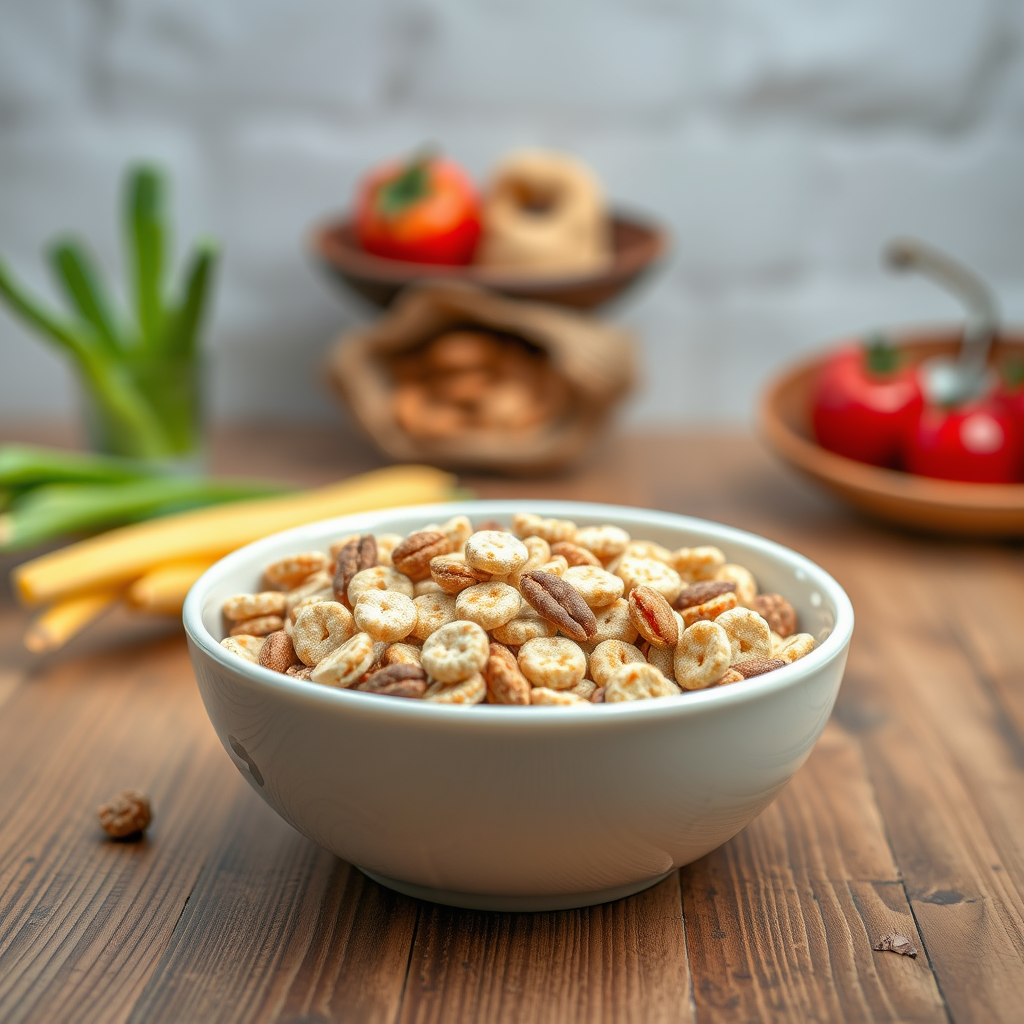
Navigating the cereal aisle can feel like a maze, especially when you’re focusing on managing blood sugar. But don’t worry, we’re here to help simplify it! By keeping a few key nutritional criteria in mind, you can confidently pick cereals that are both delicious and diabetes-friendly. Let’s dive into what those crucial factors are:
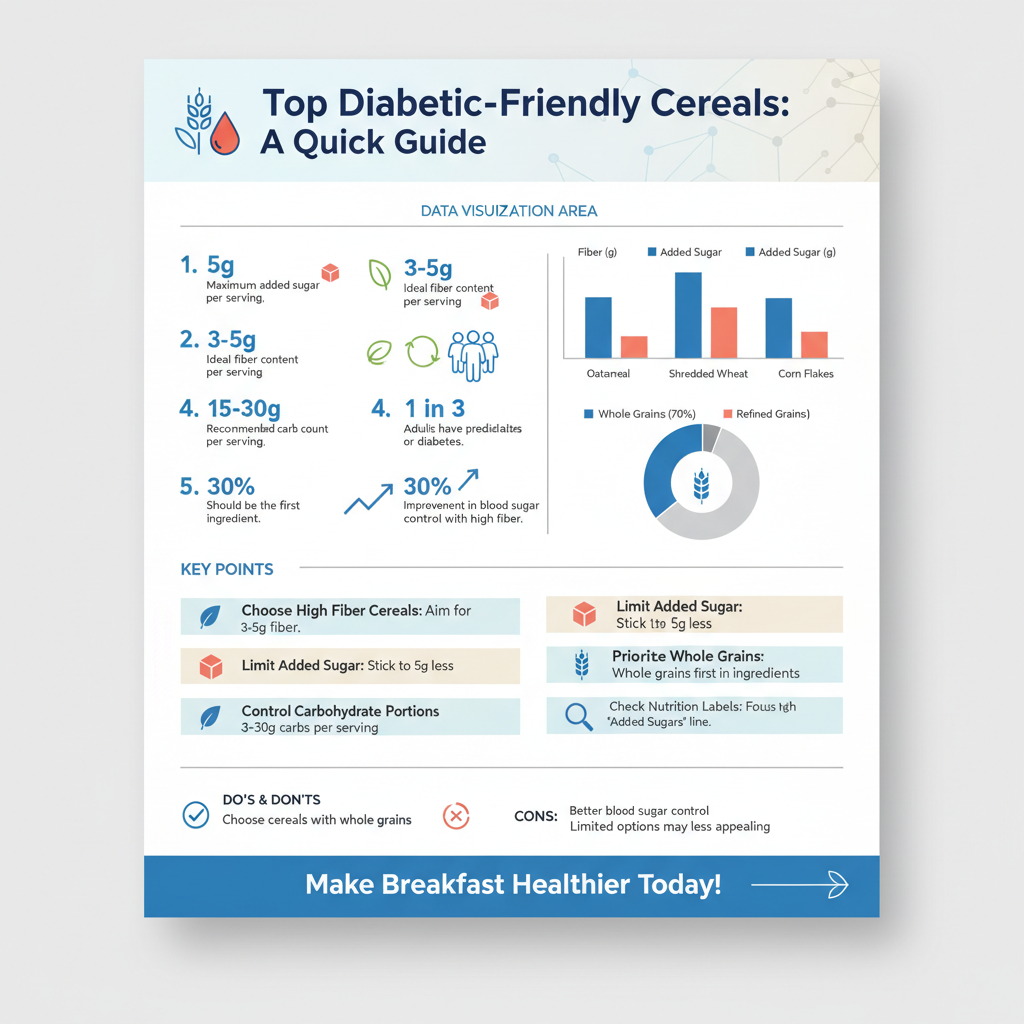
* High Fiber Content: This is a big one! Look for at least 3-5 grams of fiber per serving, but ideally, aim for even more. Fiber is a superhero when it comes to blood sugar management because it helps slow down the digestion and absorption of carbohydrates. This means glucose enters your bloodstream more gradually, preventing those sharp spikes that can be so problematic. Beyond blood sugar, fiber also helps you feel fuller for longer, which is fantastic for weight management and overall satiety. It’s like a gentle brake for your digestive system!
* Low Added Sugar: This might seem obvious, but it’s crucial to distinguish between naturally occurring sugars (like in fruit) and added sugars. When scanning nutrition labels, opt for cereals with 5 grams or less of *added sugar* per serving. Many popular cereals are loaded with sugar, which can rapidly elevate your blood glucose levels and offer little nutritional value beyond empty calories. Always check the “Added Sugars” line on the nutrition facts panel, not just the “Total Sugars.” Less added sugar means less impact on your blood sugar and a healthier start to your day.
* Whole Grains First: Make it a rule of thumb: ensure whole grains (like whole wheat, oats, or barley) are listed as the *first ingredient* on the ingredient list. Whole grains contain all parts of the grain kernel – the bran, germ, and endosperm – which means they’re packed with fiber, vitamins, and minerals. Refined grains, on the other hand, have had the bran and germ removed, stripping away much of their nutritional goodness and fiber. This results in them being digested more quickly, leading to faster blood sugar rises. Choosing whole grains ensures a slower, more sustained release of energy.
* Portion-Controlled Carbohydrates: While fiber and whole grains are excellent, carbohydrates still impact blood sugar. Be mindful of the total carbohydrate count per serving, aiming for around 15-30 grams, depending on your individual meal plan and what your doctor or dietitian has recommended. It’s not just about the *type* of carb, but also the *amount*. Even healthy carbs can raise blood sugar if consumed in excess. Always measure your serving size, as package suggestions can sometimes be misleading, and a small difference in quantity can make a big impact on your total carb intake for the meal.
Top Unsweetened & Low-Sugar Cold Cereals

Finding a satisfying and diabetes-friendly cold cereal doesn’t have to be a chore! Many delicious options fit the bill when you know what to look for. Here are some top picks that typically meet the criteria for being unsweetened, low in sugar, and high in beneficial nutrients:
* Unsweetened Shredded Wheat: This is often considered a gold standard for diabetics, and for good reason! It’s typically made from 100% whole grain wheat with absolutely no added sugar, salt, or preservatives. You’ll get an impressive amount of fiber (often 6+ grams per serving), which is fantastic for blood sugar stability and digestive health. Look for the “original” or “plain” versions, often shaped as large biscuits or smaller squares. Just be sure to double-check the label for any sweetened variations. It’s truly pure whole wheat goodness!
* Original Plain Oats (e.g., Cheerios): When we talk about oats, we mean the plain, unsweetened kind. Classic yellow box Cheerios, for instance, are made from whole grain oats, offering a decent amount of soluble fiber (which is particularly good for heart health and blood sugar) and minimal sugar (around 1 gram per serving, naturally occurring). Just be very careful to choose the *original plain* version, as there are countless flavored Cheerios varieties packed with added sugars. Other plain, unsweetened oat circles or flakes can also be excellent choices. Their gentle, wholesome flavor makes them a versatile base for healthy additions.
* Plain Bran Flakes: Bran cereals are renowned for their high fiber content, which is a huge plus for diabetics. They are often made from wheat bran, a powerhouse of dietary fiber. However, this is one category where scrutinizing the label is absolutely critical. While the “plain” versions can be excellent, many bran flake brands add significant amounts of sugar, honey, or even corn syrup. Your mission is to find brands with the lowest (or ideally, no) added sugar. When you find one that fits, you’ve got a fantastic fiber-rich option that helps keep you feeling full and your blood sugar stable.
* Kashi GO (original or similar low-sugar varieties): Kashi is a brand well-known for its commitment to whole grains and plant-based ingredients. Many of their GO cereals (and other lines like Kashi Organic Sprouted Grains) are excellent sources of whole grains and fiber, often containing a blend of different healthy grains. However, it’s vital to be a label detective here. Kashi offers a wide range of cereals, and while many are healthier than mainstream options, some can still contain higher amounts of added sugar. Always scrutinize the nutrition label to ensure you’re picking a variety that is low in added sugars and high in fiber, focusing on their original or unsweetened options.
Understanding Glycemic Index (GI) and Load (GL)
When managing diabetes, you might hear terms like Glycemic Index (GI) and Glycemic Load (GL) thrown around. Don’t let them intimidate you! These are simply tools that can help you understand how different foods, including your morning cereal, might affect your blood sugar levels. Let’s break them down in a friendly way.
* Lower GI Foods: The Glycemic Index is a ranking system for carbohydrate-containing foods based on how quickly they raise blood glucose levels after eating. Foods are ranked on a scale of 0 to 100. Foods with a lower GI (generally 55 or less) cause a slower, more gradual rise in blood sugar, which is exactly what we want for diabetes management. Think of it like a smooth, gentle hill for your blood sugar, rather than a steep mountain climb. High GI foods, on the other hand, lead to rapid spikes. When choosing cereals, aiming for those with a lower GI can be incredibly beneficial for maintaining stable blood sugar throughout the morning.
* Fiber’s Role: This is where our superstar fiber comes back into play! The high fiber content in cereals plays a crucial role in lowering their overall GI and GL. Fiber creates a physical barrier in the digestive system that slows down the breakdown of carbohydrates into glucose. This means that even if a cereal has a moderate amount of carbohydrates, if it’s high in fiber, that glucose will be released into your bloodstream much more slowly. So, when you pick a high-fiber cereal, you’re not just getting digestive benefits, you’re actively working to smooth out your blood sugar response.
* Whole Grains are Key: Prioritizing whole grains over refined grains is fundamentally important when considering GI and GL. Whole grains, by definition, retain their natural fiber, germ, and bran, all of which contribute to a lower GI. The intact structure of whole grains requires more effort from your digestive system to break down, resulting in a slower release of glucose. Refined grains, however, have been processed to remove these beneficial components, making them quicker to digest and leading to a higher GI. By choosing whole grains, you’re opting for a cereal that provides sustained energy and helps prevent blood sugar rollercoasters. It’s a fundamental strategy for a healthy diabetic diet.
The Importance of Fiber and Protein in Your Bowl
Beyond just picking the right cereal, what you add to your bowl can significantly impact how your body processes that meal. Fiber and protein are two powerhouses that work together to create a balanced, blood sugar-friendly breakfast. Let’s explore why these nutrients are so critical:
* Blood Sugar Management: We’ve touched on this, but it bears repeating because it’s so vital. Fiber, especially soluble fiber found in oats, forms a gel-like substance in your digestive tract. This slows down the digestion and absorption of carbohydrates, preventing rapid blood sugar spikes. Imagine your digestive system having to work a little harder, but in a good way! This controlled release of glucose into your bloodstream helps your body manage insulin more effectively and avoids sudden rushes. It’s like having a built-in blood sugar regulator right in your breakfast.
* Satiety and Fullness: There’s nothing worse than eating breakfast only to feel hungry an hour later. High fiber and protein are fantastic for helping you feel fuller for longer. Fiber adds bulk to your meal and takes more time to digest, signaling to your brain that you’re satisfied. Protein, on the other hand, is known for its satiating effect, helping to curb hunger pangs and reduce the likelihood of overeating or snacking on less healthy options before your next meal. This combination can be a game-changer for weight management and overall adherence to your meal plan.
* Pairing for Balance: While a good cereal is a great start, a truly balanced diabetic-friendly breakfast often involves pairing your cereal with a source of protein. This dynamic duo works synergistically to further slow digestion and stabilize blood sugar. Consider adding a dollop of plain Greek yogurt (which is high in protein and low in sugar), a sprinkle of unsalted nuts (like almonds or walnuts, which offer protein and healthy fats), or even a tablespoon of peanut butter to your bowl. These additions not only boost the nutritional value and deliciousness of your meal but also provide that extra layer of blood sugar control and lasting fullness. Think of your cereal as the canvas, and fiber and protein as the colors that create a perfectly balanced masterpiece!
Cereals to Steer Clear Of
Just as important as knowing what to choose is knowing what to avoid. The cereal aisle can be a minefield of options that look appealing but are detrimental to blood sugar management. Steering clear of certain types of cereals is a crucial step in maintaining stable glucose levels and making healthier dietary choices.
* Sugary, Frosted, and Honey-Coated Cereals: This category is probably the most obvious one to avoid, but it’s where many popular and seemingly innocent cereals reside. Think of those colorful, cartoon-laden boxes, frosted flakes, honey bunches of oats, or anything explicitly advertised as “sweet” or “chocolatey.” These cereals often contain very high amounts of added sugar – sometimes more than a candy bar in a single serving! This excessive sugar content can cause an immediate and significant spike in blood glucose levels, making them a poor choice for anyone managing diabetes. They offer very little nutritional benefit beyond a quick, unsustainable burst of energy.
* Refined Grain Cereals: Many cereals are made predominantly from refined grains like white flour, cornmeal, or rice flour, rather than whole grains. These are the cereals that often lack the natural brown color of whole wheat or oats. Because the bran and germ have been removed during processing, these refined grains are stripped of their natural fiber, vitamins, and minerals. As a result, they are digested very quickly, converting rapidly into glucose and leading to a sharp rise in blood sugar. They often provide “empty calories” – calories that offer little nutritional value and don’t contribute to satiety. Examples might include many puffed rice cereals or highly processed corn flakes (unless they are specifically whole grain and low sugar).
* Processed Cereals with Minimal Fiber: Even if a cereal isn’t overtly sugary or made solely from refined grains, you should still be wary of options that offer little nutritional value, especially in terms of fiber. Some cereals might be marketed as “light” or “healthy” but upon closer inspection, they are highly processed and provide minimal fiber (less than 3 grams per serving) beyond simple carbohydrates. Remember, fiber is your ally in blood sugar management. Cereals that don’t offer a substantial amount of fiber will likely be digested quickly, regardless of their other ingredients, leading to less stable blood sugar levels and leaving you feeling hungry sooner. Always flip that box over and check the nutrition facts panel carefully – don’t just rely on marketing claims!
Making Your Cereal Bowl Diabetic-Friendly
Choosing the right cereal is a fantastic first step, but how you prepare and customize your bowl can make all the difference in creating a truly diabetic-friendly breakfast. It’s about optimizing every component to support stable blood sugar and provide lasting satisfaction.
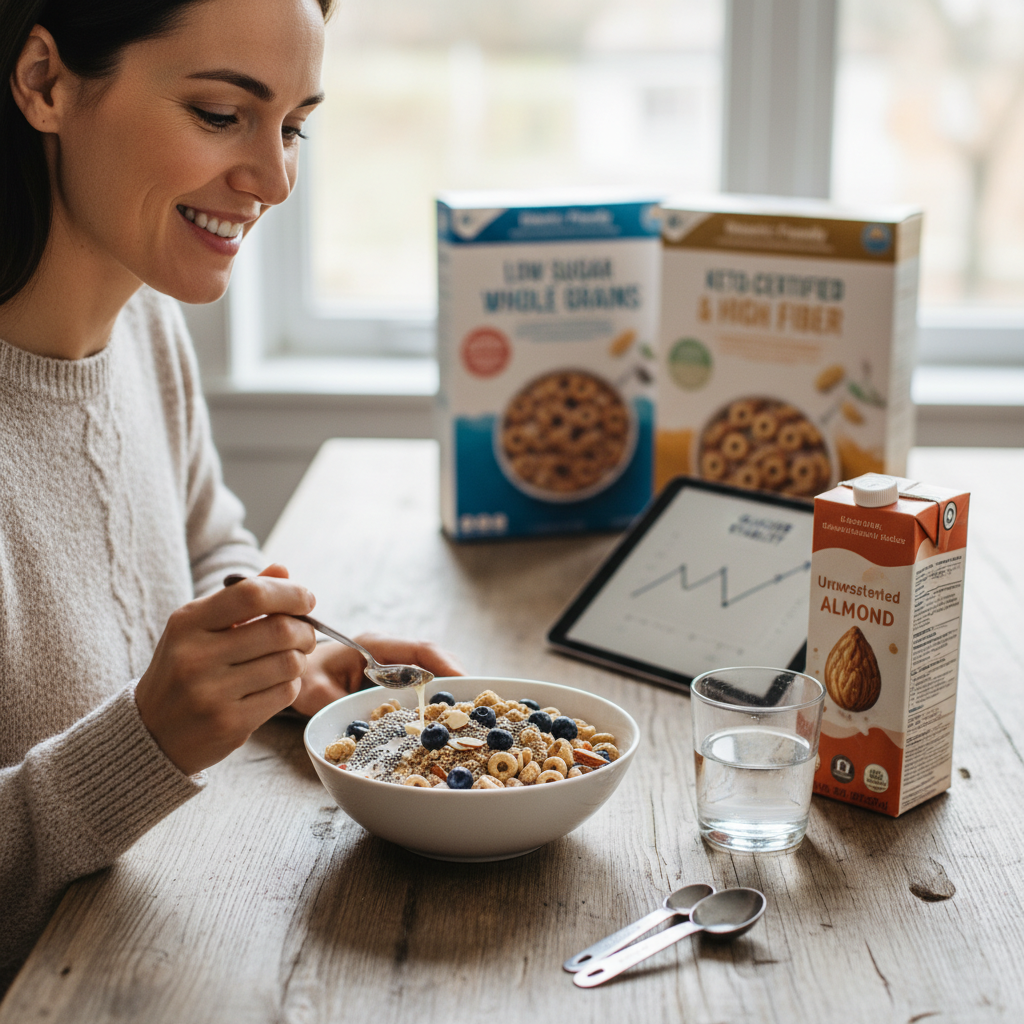
* Smart Portion Control: This is perhaps the most critical aspect of managing any meal when you have diabetes. Always measure your serving size according to the nutrition label, rather than just eyeballing it. A “serving” on a cereal box can often be much smaller than what people typically pour themselves, and overeating, even healthy cereal, can still lead to blood sugar spikes due to increased carbohydrate intake. Use a measuring cup to get it right. Understanding your individual carbohydrate goals, as advised by your doctor or dietitian, will help you tailor your serving size perfectly.
* Choose the Right Milk: Your choice of milk can significantly impact your cereal’s blood sugar profile. Opt for unsweetened varieties whenever possible. Unsweetened almond milk, unsweetened soy milk, or unsweetened cashew milk are excellent low-carb, low-sugar choices. If you prefer dairy, skim milk or 1% milk can be good options, but be mindful of their natural sugar (lactose) content and include it in your carbohydrate count. Protein-rich options like unsweetened soy milk can also add a beneficial protein boost to your meal, further aiding satiety and blood sugar control.
* Enhance with Healthy Add-ins: This is where you can truly personalize your cereal and boost its nutritional power! Incorporating healthy add-ins can significantly increase your fiber, healthy fats, and antioxidants, making your breakfast even more beneficial for blood sugar management:
* Berries (in moderation): A small handful of fresh berries like blueberries, raspberries, or strawberries adds natural sweetness, fiber, and powerful antioxidants without a huge sugar load. They have a relatively low glycemic index.
* Chia Seeds or Ground Flaxseeds: Just a tablespoon of either provides a significant boost of fiber and omega-3 fatty acids, which are great for heart health and can help slow down sugar absorption.
* A Small Handful of Unsalted Nuts: Almonds, walnuts, or pecans offer healthy fats, protein, and fiber, contributing to satiety and a slower rise in blood sugar. Be mindful of portion size here, as nuts are calorie-dense.
* Cinnamon: A sprinkle of cinnamon adds flavor and has been studied for its potential to help improve insulin sensitivity. It’s a zero-calorie, high-flavor addition!
Selecting the right cold cereal can be a convenient and healthy part of a diabetic meal plan, provided you focus on fiber, whole grains, and minimal added sugars. By prioritizing options like unsweetened shredded wheat or plain oats and being mindful of portion sizes and additions, you can enjoy a nutritious breakfast that supports stable blood sugar levels. Always remember to read nutrition labels carefully and consult with your doctor or a registered dietitian for personalized dietary advice.
Frequently Asked Questions
What key nutritional factors should diabetics prioritize when choosing cold cereal?
When selecting a **diabetic-friendly cold cereal**, prioritize options with low added sugars (ideally under 5g per serving) and high fiber content (at least 3-5g per serving) to help manage blood sugar levels effectively. Focus on whole grains listed as the first ingredient and pay close attention to the total carbohydrate count, ensuring it aligns with your personalized meal plan for **diabetic blood sugar management**.
Which specific types or brands of cold cereal are generally considered best for diabetics?
For **diabetics seeking the best cold cereal**, excellent choices include plain shredded wheat, plain high-fiber oat or bran flakes, and cereals with minimal added sugar like some versions of Kashi GO or Fiber One Original. These options are rich in whole grains and provide a good balance of fiber and protein while keeping carbohydrate and sugar content in check, crucial for stable **diabetic blood sugar control**.
How does fiber content in cold cereal impact blood sugar for people with diabetes?
High fiber content in **cold cereal for diabetics** plays a critical role in slowing down the digestion and absorption of glucose, leading to a more gradual rise in blood sugar levels after eating. This helps prevent rapid spikes and contributes to more stable **diabetic blood sugar levels** throughout the day. Additionally, fiber can enhance satiety, aiding in weight management and overall glycemic control.
Can “sugar-free” or “diet” cold cereals always be trusted for diabetic meal planning?
While “sugar-free” or “diet” labels might seem beneficial, **diabetics selecting cold cereal** should always scrutinize the full nutrition label. These cereals can sometimes compensate with higher carbohydrate counts from refined grains, or contain artificial sweeteners that may affect blood sugar or gut health in some individuals. Prioritize whole, unprocessed ingredients, genuinely low added sugar, and high fiber over relying solely on “sugar-free” claims for effective **diabetic diet management**.
What is the ideal serving size for cold cereal for diabetics to maintain blood sugar control?
The ideal serving size for **cold cereal for diabetics** is highly individual and should align with your personalized carbohydrate goals set by your healthcare provider or dietitian. Always measure your cereal according to the nutrition label’s serving size, typically 1/2 to 1 cup, to accurately track carbohydrate intake. Pairing your **diabetic-friendly cereal** with a source of protein like Greek yogurt or nuts can further help moderate blood sugar responses.
References
- https://diabetes.org/food-nutrition/what-to-eat/breakfast-ideas
- Diabetes diet: Create your healthy-eating plan – Mayo Clinic
- https://www.health.harvard.edu/diseases-and-conditions/a-good-breakfast-for-type-2-diabetes
- https://www.cdc.gov/diabetes/managing/eat-well/index.html
- Healthy Living with Diabetes – NIDDK
- https://www.ucsfhealth.org/education/eating-well-with-diabetes
- Not Found | American Heart Association | American Heart Association
- Diet in diabetes