
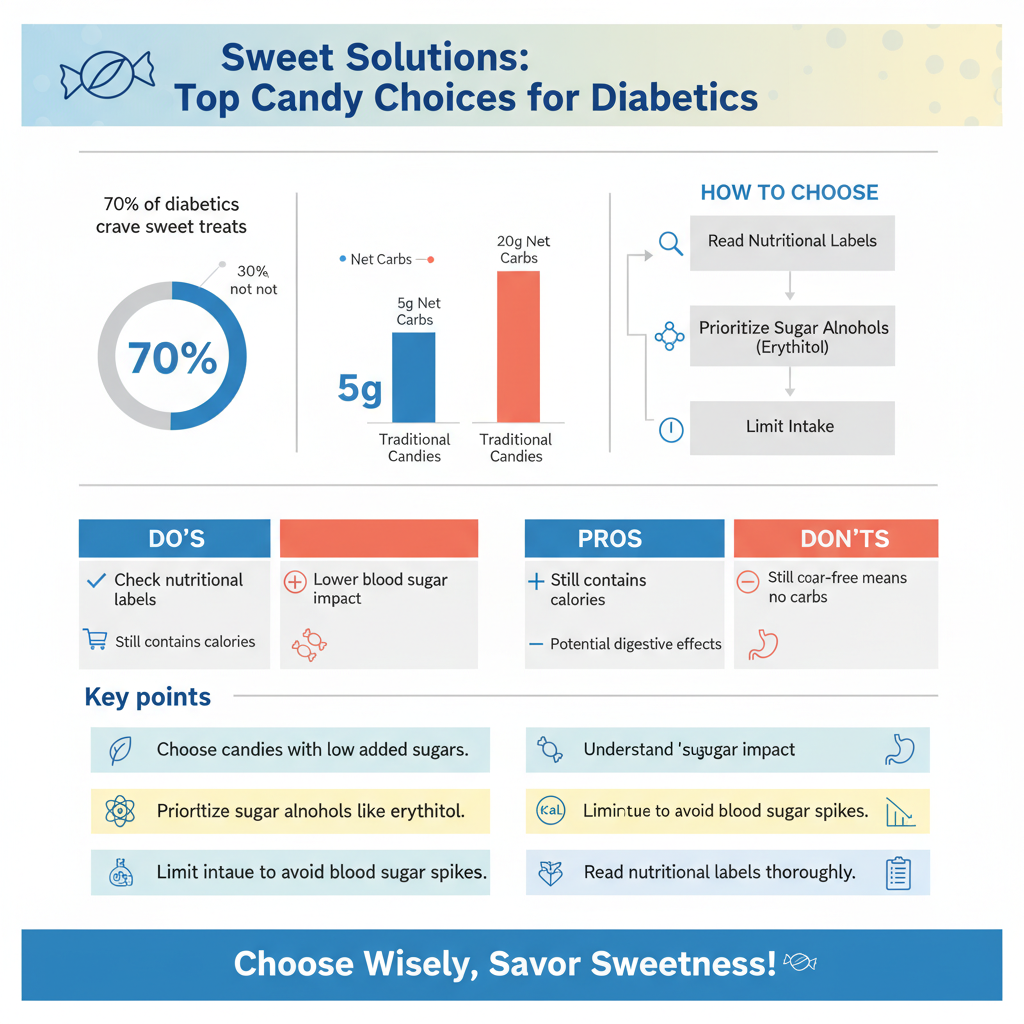
For diabetics, enjoying candy doesn’t mean sacrificing all sweet treats, but rather making informed choices. The ‘best’ candy options are those low in added sugars, mindful of carbohydrate content, and often sweetened with sugar alcohols or natural alternatives consumed in strict moderation. Understanding nutritional labels and prioritizing portion control are paramount to safely satisfying a sweet tooth while managing blood sugar levels.




Understanding “Diabetic-Friendly” Candy

When we talk about “diabetic-friendly” candy, we’re really focusing on smart choices that minimize the impact on blood glucose levels. This isn’t about finding a magic candy that has no effect, but rather selecting options that allow you to enjoy a sweet treat without the dramatic spikes associated with traditional sweets.
The primary goal is to focus on low net carbohydrates and minimal added sugars. Net carbs refer to the total carbohydrates minus fiber and, in some cases, certain sugar alcohols that don’t significantly raise blood sugar. By limiting these quickly digestible carbohydrates, you help prevent the rapid blood sugar spikes that can be detrimental to diabetes management. Many conventional candies are laden with refined sugars like high-fructose corn syrup, which are absorbed quickly into the bloodstream, posing a significant challenge for insulin regulation. Diabetic-friendly options aim to mitigate this effect by drastically reducing or eliminating these types of sugars.
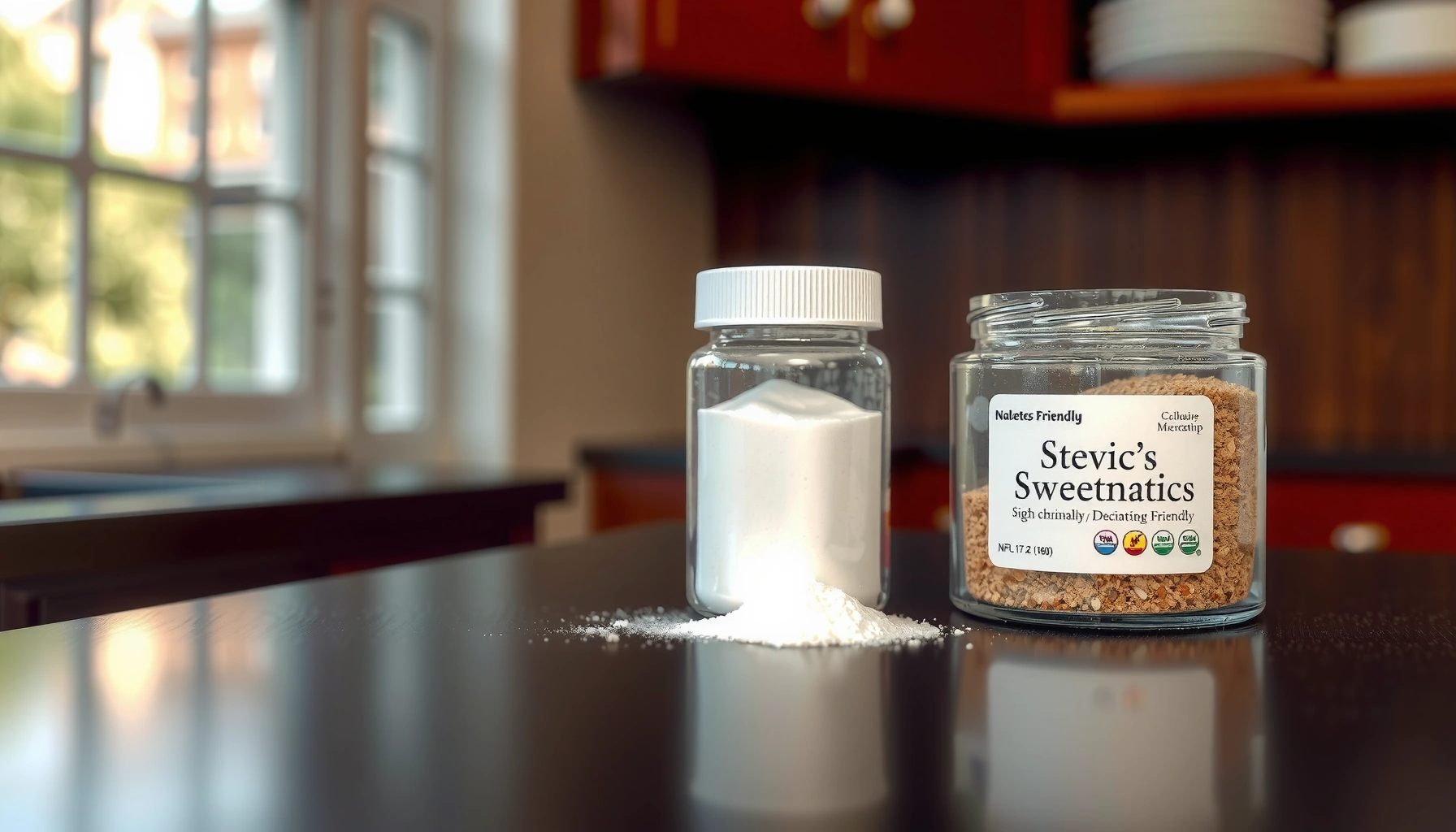
To achieve sweetness without traditional sugar, these candies often utilize sugar substitutes like erythritol, stevia, or monk fruit. Erythritol is a sugar alcohol known for its excellent digestive tolerance and minimal impact on blood sugar. Stevia and monk fruit are natural, calorie-free sweeteners derived from plants, celebrated for their ability to provide intense sweetness without contributing calories or carbohydrates. These substitutes are key players in allowing manufacturers to create appealing sweet treats that align with diabetic dietary guidelines.
It’s crucial to remember that “sugar-free” doesn’t mean calorie or carb-free; moderation is always crucial. This is a common misconception that can lead to unintentional overconsumption. While a product might be sugar-free, it can still contain carbohydrates from other ingredients (like starches or flours) and calories from fats or proteins. Even sugar alcohols, while generally having a lower glycemic impact than sugar, still contribute some carbohydrates and calories and can affect blood sugar if consumed in large quantities. Always checking the full nutritional panel and understanding that “sugar-free” primarily refers to the absence of sucrose, glucose, and fructose, rather than a total absence of blood sugar impact, is essential for informed choices.
Top Candy Categories for Diabetics
Navigating the candy aisle can feel like a minefield when you’re managing diabetes, but there are specific categories that offer safer, more enjoyable options. Knowing what to look for can turn a daunting task into a delightful discovery.
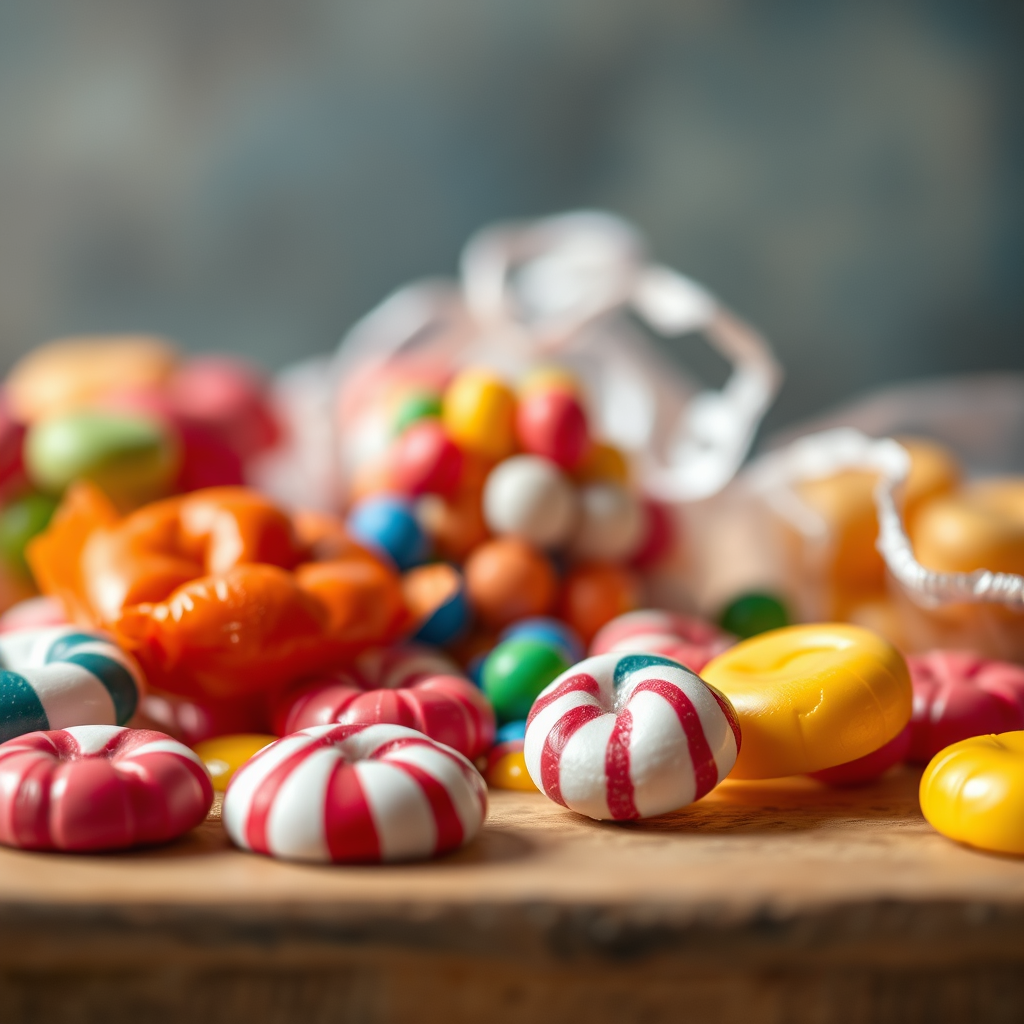
Sugar-free hard candies are often a go-to choice for many diabetics, and for good reason! Options like peppermints, butterscotch disks, lemon drops, or cinnamon hard candies provide a sustained sweetness. Their slow dissolution rate means you savor the flavor over a longer period, which helps satisfy a sweet craving without the rapid carbohydrate load of chewable candies. Plus, their small size naturally encourages portion control. Many popular brands offer sugar-free versions, typically sweetened with sugar alcohols like isomalt or maltitol, or even non-nutritive sweeteners. Just remember, while they’re “sugar-free,” they still contain calories and some carbohydrates from their sugar alcohol content, so a few pieces are usually sufficient.
Dark chocolate (70% cocoa or higher) in small amounts is another surprisingly good choice. Unlike its milk chocolate counterpart, dark chocolate is significantly lower in sugar and higher in beneficial antioxidants. The higher cocoa content also means it contains more healthy fats and fiber, which can help slow down sugar absorption into the bloodstream, leading to a more stable blood glucose response. A small square of rich, dark chocolate can be incredibly satisfying and offer a luxurious treat. Look for options with minimal added sugars and a high cocoa percentage – the darker, the better for blood sugar management! Some people even find that pairing it with a few nuts can further help slow digestion and keep blood sugar steady.
Finally, sugar-free gummies or jellies made with non-caloric sweeteners can be enjoyed, but with a crucial caveat. These chewy treats offer a texture and flavor profile similar to their traditional counterparts without the sugar. Many are sweetened with erythritol, stevia, or monk fruit, making them appealing options. However, it’s vital to be mindful of their sugar alcohol content, especially if they use ingredients like maltitol. While sugar alcohols are preferable to regular sugar, consuming too many can lead to digestive discomfort such as bloating, gas, and a laxative effect. Start with a very small portion to assess your personal tolerance and always check the ingredient list to understand which sweeteners are used. Opting for brands that explicitly state using erythritol, stevia, or monk fruit often results in a gentler experience.
Navigating Sugar Substitutes
Understanding sugar substitutes is like learning a new language for your taste buds and your metabolism. They are the backbone of most diabetic-friendly sweet treats, but not all are created equal, and knowing the differences can significantly impact your health and comfort.
Sugar alcohols like Erythritol, Xylitol, Maltitol, and Sorbitol are commonly used to provide sweetness with fewer calories and a lower glycemic impact than regular sugar. They are carbohydrates, but they are not fully absorbed by the body, which means they contribute fewer calories and have less of an effect on blood sugar levels. Erythritol is particularly favored because it’s largely absorbed in the small intestine and excreted in urine, minimizing digestive upset that can be common with other sugar alcohols. Xylitol is another popular choice, found in many sugar-free gums and mints, and even has some dental health benefits. However, be cautious with maltitol; while “sugar-free,” it has a glycemic index closer to that of table sugar and can cause a more pronounced blood sugar rise in some individuals, in addition to common gastrointestinal side effects when consumed in larger quantities. It’s always a good idea to see how your body reacts to different sugar alcohols.
Natural, calorie-free sweeteners like Stevia and Monk Fruit are excellent options as they generally do not affect blood sugar levels. Stevia is derived from the leaves of the Stevia rebaudiana plant, native to South America, and monk fruit extract comes from a small green melon grown in Southeast Asia. Both are hundreds of times sweeter than sugar, so only tiny amounts are needed. They are metabolically inert, meaning they pass through the body without being metabolized for energy or impacting insulin response, making them ideal for blood sugar management. Their plant-based origins also appeal to those looking for more “natural” ingredient lists. As their popularity grows, more products are becoming available that utilize these beneficial sweeteners, offering a clean sweetness without the drawbacks of sugar or some sugar alcohols.
However, you should be cautious with artificial sweeteners like Aspartame and Sucralose, especially regarding ongoing research into their long-term health effects. While approved for consumption and generally considered safe in moderation, some studies suggest potential links to changes in gut microbiota and other metabolic effects, though research is still ongoing and often debated. For many, a more immediate concern with any sugar alcohol is that excessive consumption can lead to digestive discomfort. Symptoms such as bloating, gas, and diarrhea are common, particularly when consuming larger amounts of sugar alcohols like maltitol or sorbitol. This isn’t just unpleasant; it can also make it difficult to determine if a blood sugar rise is due to the food itself or other factors. Therefore, regardless of the sweetener, always start with small portions to gauge your individual tolerance.
Decoding Nutritional Labels
Becoming a detective of nutritional labels is one of the most powerful tools in your diabetes management arsenal, especially when it comes to enjoying sweet treats. What you don’t know can hurt your blood sugar.
Always check the “Total Carbohydrates” and “Sugars,” paying close attention to “Added Sugars” content. “Total Carbohydrates” gives you the overall picture of how much carbohydrate impact a food might have. Within that, “Sugars” tells you how much simple sugar is present. However, the “Added Sugars” line is your crucial indicator. This specifically lists sugars that have been added to the food during processing, rather than those naturally occurring (like in fruit or milk). For someone with diabetes, minimizing added sugars is paramount, as these are the quickest to raise blood glucose. Look for products where “Added Sugars” is as close to zero as possible.
When sugar alcohols are present, a portion of their carb count (often half) can be subtracted from total carbs for a more accurate net carb estimate. This is a common practice for low-carb diets and can be helpful for diabetics, but it requires a bit of understanding. The general rule of thumb is to subtract half of the grams of sugar alcohols from the total carbohydrate count to get an approximate “net carb” value. For example, if a candy bar has 20g total carbs and 10g of sugar alcohols, your net carb estimate would be around 15g (20 – 5 = 15). This is because sugar alcohols are only partially digested. However, this is an estimate, and the actual impact can vary depending on the specific sugar alcohol and your individual sensitivity. Always monitor your blood sugar after trying new products to understand its true effect on you.
Finally, pay close attention to the serving size; even “sugar-free” products can impact blood sugar if consumed in large quantities. This is perhaps the most overlooked detail on a nutritional label. A “sugar-free” cookie might seem innocuous, but if the serving size is one cookie and you eat three, you’ve tripled the carbohydrate, calorie, and sugar alcohol intake. This can easily lead to unexpected blood sugar spikes and digestive issues. Before you open any package, locate the serving size and stick to it. If a serving size seems too small, consider if the treat is truly worth it, or if you can find an alternative that provides satisfaction in a reasonable portion. Portion control is king, even with the “best” diabetic-friendly options.
Candies to Limit or Avoid
While we’ve focused on smart choices, it’s equally important to clearly identify the types of candies that are best avoided or strictly limited to maintain healthy blood sugar levels. These are the usual suspects that can quickly derail your efforts.
First and foremost, steer clear of traditional high-sugar candies like caramels, most full-sugar chocolates, jelly beans, fruit snacks, and lollipops. These treats are notorious for causing rapid and significant blood sugar spikes due. They are typically made with large amounts of sucrose, glucose, and high fructose corn syrup, which are quickly absorbed into the bloodstream, demanding a rapid insulin response that can be challenging for a diabetic body to manage. Consistently consuming these can lead to higher HbA1c levels, increased risk of complications, and general difficulty in maintaining stable blood glucose. Even a small piece of these can have a more dramatic effect than you might expect, so it’s often best to simply avoid them altogether.
Secondly, be wary of “sugar-free” labels that still contain high levels of easily digestible carbohydrates or excessive amounts of certain sugar alcohols (like maltitol). As we discussed, “sugar-free” doesn’t mean carb-free or impact-free. Some “sugar-free” candies might use starches or fillers that still contribute a significant amount of carbohydrates that can raise blood sugar. Moreover, products heavily reliant on maltitol can be particularly problematic. Maltitol’s glycemic index is higher than many other sugar alcohols, meaning it can have a more pronounced effect on blood glucose, sometimes surprisingly close to regular sugar, especially when consumed in large quantities. Additionally, overdoing maltitol can lead to uncomfortable digestive side effects. Always scrutinize the full ingredient list and carbohydrate count, even on items marketed as “diabetic-friendly.”
Lastly, avoid candies with high fructose corn syrup or other hidden sugars listed early in the ingredient list. Food manufacturers are clever, and sugar goes by many names. Be on the lookout for ingredients like dextrose, maltose, corn syrup solids, fruit juice concentrate, molasses, evaporated cane juice, or simply “syrup” listed among the first few ingredients. If these appear early, it indicates a high concentration of added sugars, regardless of any other claims on the packaging. These hidden sugars act just like regular table sugar in the body, causing quick blood sugar surges and offering little to no nutritional value. A quick scan of the ingredient list for these common aliases will help you make more informed decisions and protect your blood sugar.
The Golden Rule: Moderation and Professional Guidance
Even with the “best” diabetic-friendly candy choices, there’s an overarching principle that supersedes all others: moderation. These are treats, not dietary staples, and integrating them wisely into your lifestyle is key to successful diabetes management.
Even the “best” diabetic-friendly candies should be consumed sparingly as part of a balanced and healthy diet. Think of them as occasional indulgences rather than daily necessities. While they are designed to have a lesser impact on blood sugar, they still contribute calories and, in many cases, some carbohydrates. Over-reliance on these treats, even sugar-free ones, can displace more nutrient-dense foods from your diet, leading to nutritional gaps. Your primary focus should always be on whole, unprocessed foods like vegetables, lean proteins, and healthy fats, with diabetic-friendly candies serving as a small, mindful addition when a sweet craving strikes.
Consistently monitor your blood sugar levels after trying new treats to understand your individual body’s response. Every person with diabetes is unique, and how a particular candy or sweetener affects one person might be different for another. The only way to truly know how a new “diabetic-friendly” item impacts your blood sugar is to test it. Check your blood glucose before eating the treat and then again one to two hours afterward. Keep a log of what you ate, the quantity, and your blood sugar readings. This personalized data is invaluable for fine-tuning your dietary choices and building confidence in what you can safely enjoy.
Above all, always consult with your doctor or a registered dietitian for personalized dietary advice, especially regarding new food choices and blood sugar management. While this blog post provides general guidelines, it cannot replace the expert advice tailored to your specific health needs, medication regimen, and lifestyle. A healthcare professional can help you understand how different foods interact with your body, provide strategies for managing cravings, and ensure that your sweet indulgences align with your overall health goals. They can also offer guidance on portion sizes, frequency of treats, and how to adjust other aspects of your diet to accommodate occasional sweets, ensuring your well-being remains the top priority.
Finding the ‘best’ candy for diabetics truly hinges on informed choices, careful label reading, and unwavering moderation. By opting for treats low in added sugars, understanding different sweeteners, and exercising strict portion control, you can safely enjoy sweet moments without derailing your blood sugar management. Remember to always consult with a healthcare professional to tailor these guidelines to your specific health needs and ensure your sweet indulgences support your overall well-being.
Frequently Asked Questions
What exactly makes a candy “diabetic-friendly” or suitable for managing blood sugar?
A diabetic-friendly candy is specifically formulated to have a minimal impact on blood glucose levels, primarily by being sugar-free or very low in net carbohydrates. These treats often utilize artificial sweeteners, natural low-calorie alternatives like stevia or monk fruit, or sugar alcohols such as erythritol, which the body processes differently than traditional sugars. When choosing, always scrutinize the nutritional label for total carbohydrates, fiber, and especially added sugars to ensure it aligns with your dietary needs.
Are all sugar-free candies truly safe for diabetics, or should I be cautious about certain ingredients?
While generally a better option than regular sugary candies, not all sugar-free varieties are without their considerations for diabetics. Many “sugar-free” products contain sugar alcohols which, in large quantities, can cause gastrointestinal distress for some individuals. Furthermore, some sugar-free candies might still contain other carbohydrates or ingredients that can slightly affect blood sugar, so it’s always crucial to review the entire ingredient list and carbohydrate count on the label.
Which types of sugar substitutes are best to look for in diabetic-friendly candies, and which should I limit?
When seeking the best candy for diabetics, prioritize products sweetened with erythritol, stevia, monk fruit, or sucralose, as these tend to have a negligible impact on blood sugar. Erythritol is often well-tolerated and less likely to cause digestive issues than other sugar alcohols. While some sugar alcohols like maltitol are common, they can have a greater impact on blood sugar and digestive system in larger amounts, so moderation is key.
What are some specific examples of widely available candy types or brands that are considered good options for diabetics?
Excellent options for diabetics include sugar-free hard candies, such as certain varieties from Werther’s Original or Jolly Rancher, which can satisfy a sweet craving slowly. Many brands now offer sugar-free chocolates sweetened with erythritol or stevia, and some specialty companies create gummy candies using similar low-glycemic sweeteners. Always look for products clearly labeled “sugar-free” and verify their nutritional content to fit your daily carbohydrate goals.
How can a diabetic responsibly enjoy candy treats without compromising their overall blood sugar management plan?
To responsibly enjoy candy as a diabetic, practice strict portion control and consider treats as occasional indulgences rather than daily staples. Even diabetic-friendly candies contain calories and potentially some carbohydrates, so integrate them thoughtfully into your meal plan and count them towards your daily allowance. Monitoring your blood glucose levels after consumption can also help you understand how specific candies affect your body and adjust your choices accordingly.
References
- https://diabetes.org/healthy-living/recipes-nutrition/sweeteners-sugar-substitutes
- https://diabetes.org/food-nutrition/understanding-carbohydrates/sugar-sweeteners
- Diabetes diet: Create your healthy-eating plan – Mayo Clinic
- https://www.mayoclinic.org/diseases-conditions/diabetes/expert-answers/artificial-sweeteners/faq-20058028
- https://www.health.harvard.edu/diseases-and-conditions/what-to-know-about-sweeteners-when-you-have-diabetes
- Healthy Living with Diabetes – NIDDK
- Diabetic Diet | MedlinePlus
- Sugar substitute
- Sugar alcohol