

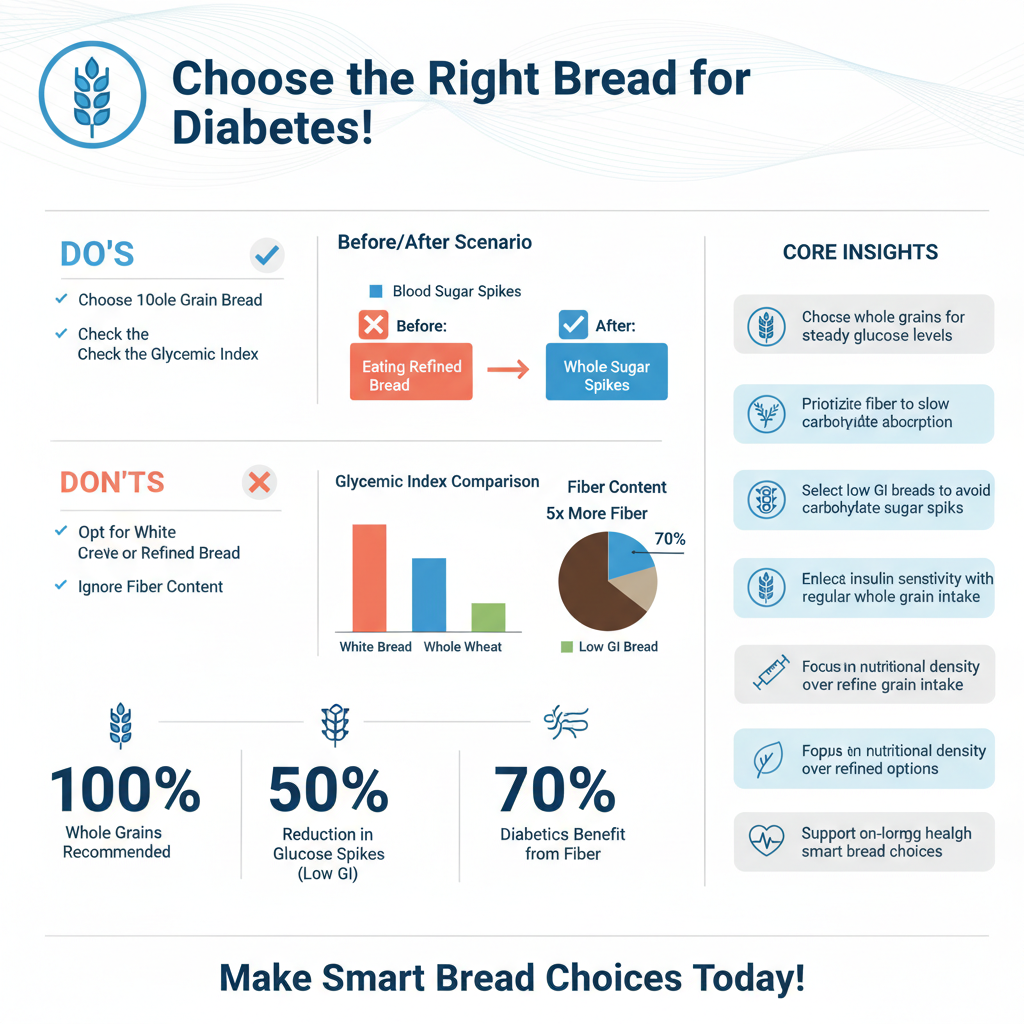
For individuals managing diabetes, choosing the right bread is crucial for maintaining stable blood sugar levels. The best bread options are generally those made from 100% whole grains, rich in fiber, and with a low glycemic index, such as genuine whole wheat, sprouted grain, or traditional sourdough varieties. These choices help slow glucose absorption and prevent sharp spikes, offering a more nutritious and blood-sugar-friendly option than highly refined breads, ultimately supporting better long-term health management.



Why Fiber and Whole Grains Matter
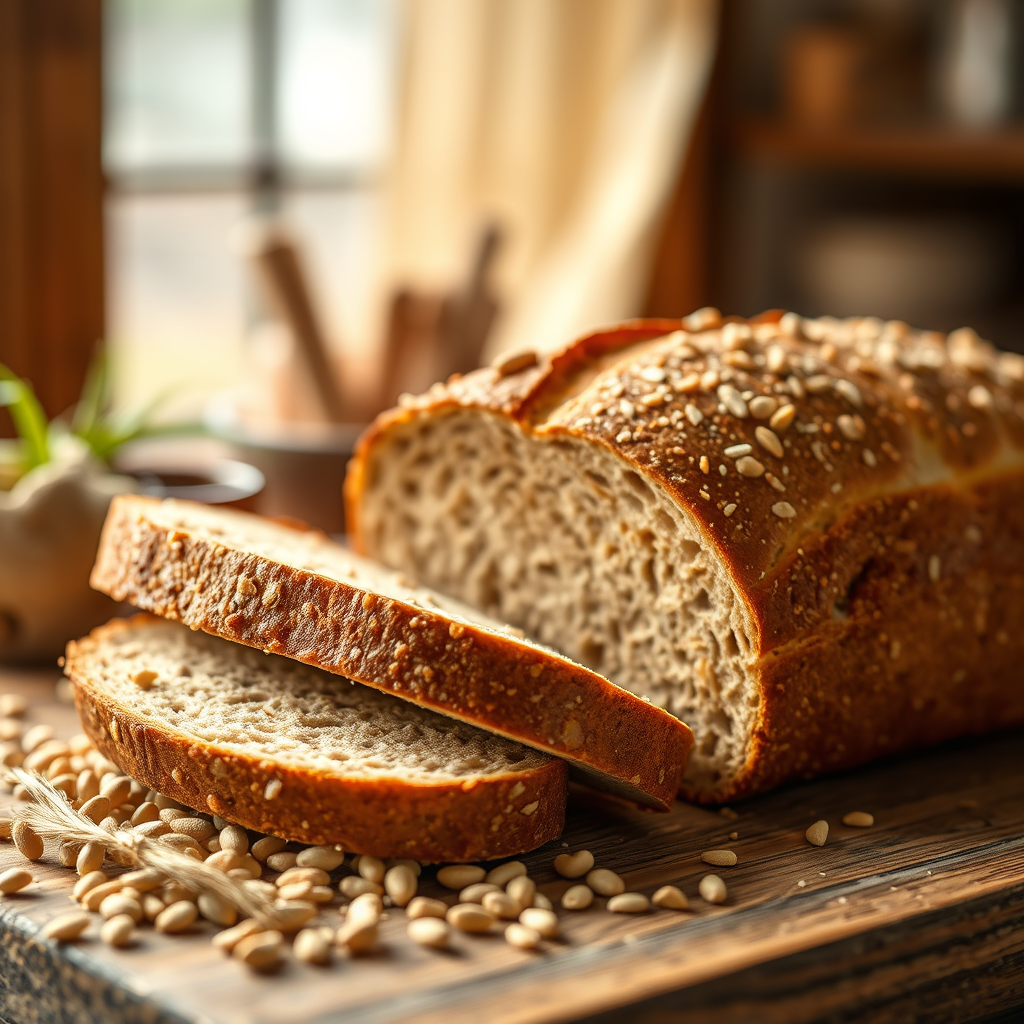
When you’re navigating food choices with diabetes, understanding the power of fiber and whole grains is a game-changer, especially when it comes to bread. These nutritional superstars do so much more than just fill you up; they actively work to keep your blood sugar in check and support overall health.
* Slowing Glucose Absorption: Imagine a steady flow versus a gushing waterfall. That’s essentially the difference fiber and whole grains make. Fiber-rich whole grains contain the entire grain kernel – the bran, germ, and endosperm – which means they haven’t been stripped of their natural goodness. The fiber in these grains creates a kind of gel in your digestive system, which acts like a natural speed bump. It significantly slows down the digestion and absorption of carbohydrates, preventing that sudden rush of glucose into your bloodstream that refined breads cause. This gentler absorption helps keep your blood sugar levels much more stable, avoiding those unwanted spikes and crashes.
* Improved Insulin Sensitivity: Consistently choosing a diet rich in whole grains isn’t just about managing immediate blood sugar; it also offers long-term benefits for your body’s ability to use insulin effectively. Over time, regular consumption of whole grains has been linked to improved insulin sensitivity. This means your body’s cells respond better to the insulin your pancreas produces, allowing glucose to enter cells more efficiently for energy. For individuals with diabetes or those at risk, this can be a powerful tool in managing the condition and potentially reducing the need for higher doses of medication. It’s a key part of maintaining metabolic health!
* Understanding Glycemic Index (GI): The Glycemic Index is a system that ranks carbohydrate-containing foods based on how quickly they raise blood sugar levels after eating. Foods with a high GI are rapidly digested and absorbed, causing a quick and significant rise in blood glucose, while low GI foods are digested more slowly, leading to a gradual and sustained rise. When selecting bread, opting for varieties with a lower GI is highly recommended. These choices help prevent that “rollercoaster” effect on your blood sugar, giving you more predictable energy levels and better control throughout the day. Think of it as choosing the slow lane for glucose delivery, which is exactly what your body needs to maintain balance.
Recommended Breads for Blood Sugar Control
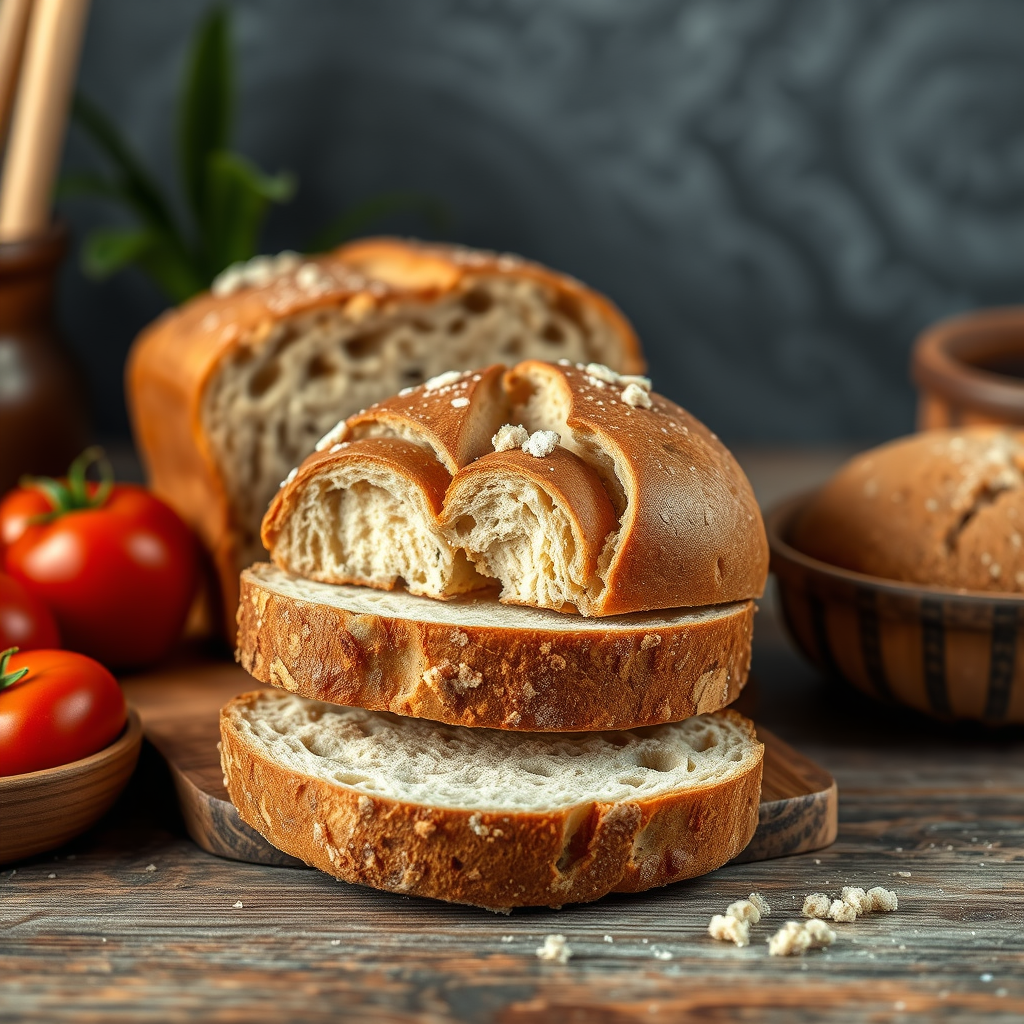
Navigating the bread aisle can feel overwhelming, but once you know what to look for, you’ll be able to confidently pick out the best options for managing your blood sugar. These specific types of bread stand out as excellent choices.
* 100% Whole Wheat or Whole Grain Bread: This is often your go-to option! The key here is the “100%” part. Many breads might market themselves as “wheat bread” or “multigrain,” but unless they explicitly state “100% whole wheat flour” or “100% whole grain flour” as the very first ingredient, they likely contain a significant amount of refined white flour. Refined flours have had the beneficial bran and germ removed, drastically reducing their fiber and nutrient content. Genuine 100% whole wheat bread retains all three parts of the grain, providing a wealth of fiber, B vitamins, iron, and magnesium. This complete profile means slower digestion and a more gradual rise in blood sugar, making it a much smarter choice than its refined counterparts.
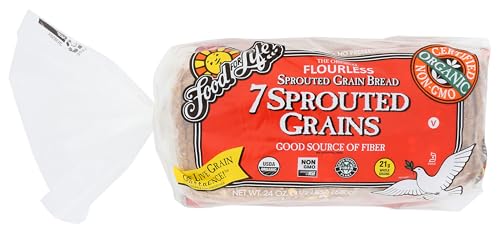
* Sprouted Grain Breads: If you haven’t tried sprouted grain breads yet, they are truly worth exploring! These unique breads are made from whole grains (like wheat, barley, millet, and lentils) that have been allowed to begin sprouting, essentially initiating the germination process. This sprouting process has several fantastic benefits: it can reduce the glycemic index, make the grains easier to digest, and increase the bioavailability of certain nutrients like B vitamins, vitamin C, and folate. A popular example is Ezekiel bread, which is a blend of sprouted grains and legumes. The carbohydrates in sprouted grains are often simpler, leading to a gentler blood sugar response compared to non-sprouted grains. They tend to be dense and hearty, packed with flavor and nutrition.
* Authentic Sourdough Bread: Don’t confuse traditional sourdough with breads that just have “sourdough flavor” or contain added yeasts. True, authentic sourdough bread is made through a long fermentation process using a “starter” – a live culture of wild yeast and lactic acid bacteria. This fermentation process actually breaks down some of the starches and phytic acid in the flour before you even eat it. The magic of this process means that traditional sourdough can have a lower glycemic response compared to standard white or even some whole wheat breads. The lactic acid produced during fermentation is thought to alter the starch structure, making it less readily available for immediate glucose conversion. It also gives sourdough its characteristic tangy flavor and chewy texture, making it a delicious and blood-sugar-friendly option.
Key Ingredients to Prioritize
Becoming a savvy label reader is one of the most empowering steps you can take for your health, especially when managing diabetes. When it comes to bread, focusing on a few key nutritional elements can make all the difference in choosing a truly beneficial loaf.
* High Fiber Content: Fiber is your best friend when it comes to blood sugar management, and more is definitely better in this case! Aim for breads that offer at least 3 grams of fiber per serving, or even higher if you can find them. Dietary fiber works wonders by slowing down digestion and the absorption of glucose, which prevents those sharp spikes in blood sugar. It also contributes to satiety, helping you feel fuller for longer and potentially reducing overall calorie intake. Look for terms like “whole wheat flour,” “oat fiber,” “inulin,” or “psyllium husk” in the ingredient list, and always double-check the nutrition facts panel for that fiber count per slice.
* Minimal Added Sugars: This is a crucial one that often gets overlooked! Many commercial breads, even those that seem healthy, can contain surprising amounts of added sugars. These sugars contribute to unnecessary carbohydrates and can quickly raise blood glucose levels. Scrutinize the nutrition label and aim for breads with ideally less than 2-3 grams of added sugar per slice. Be aware that sugar can hide under many names, such as high-fructose corn syrup, dextrose, molasses, honey, agave nectar, cane sugar, or fruit juice concentrate. A shorter ingredient list generally indicates fewer hidden additives and sugars.
* Whole Grains as First Ingredient: The order of ingredients on a nutrition label isn’t random; it’s listed by weight, from most to least prevalent. Therefore, if you’re looking for a truly whole grain bread, the very first ingredient should unequivocally be a whole grain, such as “whole wheat flour,” “whole rye flour,” “whole oat flour,” or a specific sprouted whole grain. If you see “enriched flour,” “wheat flour,” or “unbleached flour” as the first ingredient, put that loaf back! These terms indicate that the grains have been processed, stripped of their nutrient-rich bran and germ, and will behave more like white bread in terms of blood sugar impact. Choosing breads where whole grains lead the list ensures you’re getting the most beneficial carbohydrates.
Breads Diabetics Should Limit or Avoid
While we want to focus on what you can enjoy, it’s equally important to be aware of the types of breads that can derail your blood sugar management. Steering clear of these options is a simple yet powerful step in maintaining your health goals.
* White Bread and Enriched Flour Products: These are arguably the biggest culprits when it comes to blood sugar spikes. White bread is made from flour that has been heavily processed, stripping away the bran and germ – the parts of the grain that contain most of the fiber, vitamins, and minerals. What’s left is primarily the starchy endosperm, which is quickly broken down into glucose in your body. This leads to a rapid and often significant rise in blood sugar, similar to consuming pure sugar. Even seemingly innocuous “wheat bread” often falls into this category if it’s not explicitly labeled “100% whole wheat.” Avoid any bread that lists “enriched bleached flour” or “wheat flour” (without “whole”) as its primary ingredient.
* Sweet Breads and Pastries: This category includes delicious but dangerous items like cinnamon rolls, fruit breads, sweet rolls, donuts, and many commercially produced muffins. These are typically loaded with a triple threat: high amounts of added sugars, refined white flours, and often unhealthy saturated or trans fats. This combination not only leads to immediate blood sugar surges but can also contribute to weight gain and increased risk of heart disease, both of which are critical concerns for individuals with diabetes. It’s best to consider these as occasional treats, if at all, and choose them very mindfully and sparingly.
* Highly Processed Breads: Beyond just white bread, many commercially produced breads, even those marketed as “healthy,” can be highly processed. They might contain an array of unhealthy additives such as artificial sweeteners, artificial colors, preservatives, and excessive amounts of sodium. Some also include hidden sugars or large amounts of unhealthy vegetable oils. A good rule of thumb is to look for breads with a short ingredient list that you can recognize and pronounce. If the list is long and full of unidentifiable chemicals or multiple forms of sugar, it’s likely a highly processed product that won’t benefit your blood sugar or overall health.
Mastering Portion Sizes and Pairings
Even with the best bread choices, how you eat them matters just as much as what you choose. Mastering portion sizes and smart food pairings can significantly impact your blood sugar response and help you enjoy bread as a healthy part of your diet.
* Mindful Serving Sizes: This is a golden rule for all carbohydrates, including healthy breads. While whole grain, fiber-rich breads are excellent choices, they still contain carbohydrates that will impact your blood sugar. It’s crucial to adhere to recommended serving sizes, which for most breads is typically one slice. Overdoing it, even with a “good” bread, can lead to blood sugar levels rising beyond your target range. Familiarize yourself with the carbohydrate content per slice on the nutrition label and factor it into your daily carbohydrate allowance, as advised by your healthcare professional or dietitian. Using a food scale or measuring cups initially can help you become more mindful of what a true serving looks like.
* Pair with Protein and Healthy Fats: This is a fantastic strategy to further slow down glucose absorption and promote satiety. When you eat bread alone, its carbohydrates are digested more quickly. However, when you combine it with sources of protein (like lean meat, eggs, cheese, or nut butter) and healthy fats (like avocado, olive oil, or seeds), you create a more balanced meal. Protein and fat both take longer to digest than carbohydrates, which means they slow down the overall rate at which food leaves your stomach and enters your bloodstream. This translates to a more gradual rise in blood sugar. Think avocado toast with a poached egg, a whole-grain sandwich with lean turkey and a slice of cheese, or a piece of sourdough with a dollop of almond butter.
* Balanced Meals: View bread not as the main event, but as one component of a well-rounded meal. Instead of consuming bread alone, which can lead to faster sugar absorption, integrate it thoughtfully. Build your plate around plenty of non-starchy vegetables (like leafy greens, broccoli, bell peppers), a source of lean protein, and healthy fats. For example, a slice of whole-grain bread could accompany a large salad with grilled chicken or fish, or serve as a base for an open-faced sandwich loaded with veggies and hummus. This approach ensures you’re getting a broad spectrum of nutrients, maximizing satiety, and distributing the carbohydrate impact across various food groups, which is excellent for blood sugar stability.
Reading Nutrition Labels Like a Pro
Empowering yourself with the ability to dissect a nutrition label is one of the most effective tools for managing diabetes through diet. It turns shopping into a strategic mission, ensuring every loaf of bread you choose aligns with your health goals.
* Check Carbohydrate Count: This is perhaps the most critical number for anyone managing diabetes. Your daily carbohydrate allowance is a key factor in blood sugar control, so you need to know how many grams of carbohydrates you’re consuming per serving of bread. Look for the “Total Carbohydrate” line on the nutrition facts panel. Also, pay attention to the “Dietary Fiber” content; while included in total carbs, fiber isn’t digested and absorbed in the same way, so it often doesn’t contribute to blood sugar spikes. However, for simplicity, most people managing diabetes count total carbohydrates. Be mindful of serving size here – often one slice. Make sure the carb count fits within your meal plan, allowing you to enjoy your bread without exceeding your limits.
* Scrutinize Ingredient Lists: This is where you uncover the true nature of your bread. As discussed earlier, always ensure that a whole grain (e.g., “100% whole wheat flour,” “whole rye”) is the *very first ingredient*. Beyond that, look for short, recognizable ingredient lists. This generally indicates less processing and fewer artificial additives. Be on the lookout for hidden sugars (as mentioned before: high-fructose corn syrup, dextrose, molasses, etc.), artificial sweeteners, unnecessary preservatives, and artificial colors or flavors. A simple list, primarily consisting of grains, water, salt, and yeast (or sourdough starter), is usually a good sign of a healthier, less processed option.
* Look for Certification: Navigating the sheer volume of bread options can be daunting, but certifications can act as helpful signposts. One of the most reputable is the “Whole Grain Stamp” from the Whole Grains Council. This stamp, often found on the front of packaging, clearly indicates how much whole grain is in a serving. A “100% Whole Grain” stamp means that all the grain ingredients are whole grains, with at least 16g per serving. A “Basic Whole Grain” stamp means the product contains at least 8g of whole grain per serving. While not every good whole grain bread will have this stamp, it’s a reliable indicator when you see it. Other certifications might include organic labels, which indicate no synthetic pesticides or fertilizers were used, aligning with a generally healthier food philosophy.
Choosing the right bread involves focusing on whole, unprocessed options rich in fiber and low in added sugars to effectively manage blood sugar. By understanding nutrition labels and prioritizing specific ingredients, individuals with diabetes can confidently enjoy bread as part of a healthy and balanced diet. Remember, making informed choices about your food is a powerful step towards better health outcomes. Always consult with a healthcare professional or a registered dietitian to tailor dietary advice to your specific needs and health goals, ensuring your choices are perfectly aligned with your personal management plan.
Frequently Asked Questions
What kind of bread is best for people with diabetes?
The best bread for people with diabetes is typically 100% whole grain or whole wheat bread, as it contains more fiber, which helps slow down sugar absorption and stabilize blood glucose levels. Look for options with at least 3-5 grams of fiber per serving and minimal added sugars. Sprouted grain breads and those with a lower glycemic index are also excellent choices for managing blood sugar effectively.
Why is choosing whole grain bread important for managing blood sugar?
Choosing 100% whole grain bread is crucial for blood sugar management because its higher fiber content significantly slows the digestion and absorption of carbohydrates. This sustained release of glucose into the bloodstream prevents rapid spikes in blood sugar that refined white bread can cause. Furthermore, whole grains offer essential nutrients and contribute to better overall heart health, which is vital for diabetics.
How can I identify diabetic-friendly bread options at the grocery store?
To identify diabetic-friendly bread, always check the nutrition label for “100% whole wheat” or “100% whole grain” as the first ingredient. Prioritize breads with at least 3-5 grams of fiber and less than 3 grams of sugar per serving, and aim for lower carbohydrate counts if possible. Also, look for breads enriched with seeds or nuts, which can further enhance fiber and healthy fat content, benefiting blood sugar control.
Are low-carb or sprouted grain breads suitable choices for diabetics?
Yes, both low-carb and sprouted grain breads are often very suitable choices for individuals with diabetes. Low-carb breads are specifically formulated to have fewer carbohydrates, directly impacting blood sugar less. Sprouted grain breads, like Ezekiel bread, also tend to have a lower glycemic index and are easier to digest, meaning they cause a gentler rise in blood sugar compared to conventional breads.
What ingredients should diabetics avoid when selecting bread to prevent blood sugar spikes?
Diabetics should primarily avoid breads made with refined white flour, corn syrup, high-fructose corn syrup, or excessive added sugars, as these can lead to rapid blood sugar spikes. Also, be wary of breads labeled “wheat bread” that aren’t “100% whole wheat,” as they often contain significant amounts of refined grains. Checking the ingredient list for unnecessary artificial sweeteners or preservatives is also wise to ensure a healthier bread choice.
References
- https://diabetes.org/healthy-recipes/whole-grain-bread-choices
- Diabetes diet: Create your healthy-eating plan – Mayo Clinic
- Healthy Living with Diabetes – NIDDK
- Carbohydrates • The Nutrition Source
- https://www.cdc.gov/diabetes/managing/eat-well/index.html
- https://www.nhs.uk/conditions/diabetes/living-with-diabetes/diet/
- https://diabetes.org/healthy-living/recipes-nutrition/healthy-food-choices/carbohydrates/whole-grains