

While there isn’t one single “best” fruit for diabetics, a wide variety of delicious and nutritious fruits can be excellent choices when consumed mindfully. The key lies in understanding how different fruits impact blood sugar levels, prioritizing those rich in fiber and with a lower glycemic index, and practicing portion control. This guide will help you navigate your fruit choices to support healthy blood sugar management.




Understanding Fruit and Blood Sugar

Fruits are nature’s candy, full of wonderful flavors and essential nutrients! However, it’s also true that fruit contains natural sugars, primarily fructose, which can indeed affect your blood glucose levels. For someone managing diabetes, it’s crucial to understand this relationship, but don’t let it scare you away from enjoying fruit! The good news is that not all sugars are created equal, and the way your body processes the sugar from whole fruit is very different from, say, the sugar in a soda.
The secret weapon in fruit is fiber. This incredible component helps to slow down the absorption of those natural sugars into your bloodstream. When you eat a piece of fruit with its fiber intact, the sugar is released gradually, preventing the rapid spikes in blood sugar that you might experience from a less fibrous food. Think of fiber as a gentle speed bump for sugar absorption – it keeps things moving smoothly without sudden jolts. This is a key reason why whole fruits are vastly superior to fruit juices for diabetics.
To further understand how specific foods might affect you, nutrition experts often use tools like the Glycemic Index (GI) and Glycemic Load (GL). The Glycemic Index ranks carbohydrate-containing foods based on how quickly they raise blood sugar compared to a reference food (like pure glucose). Foods with a high GI are digested and absorbed quickly, leading to a rapid rise in blood sugar, while low-GI foods cause a slower, more gradual rise. The Glycemic Load takes this a step further by considering the portion size, giving you a more complete picture of a food’s real-world impact. While these are helpful guidelines, remember that individual responses can vary, and what works best for one person might be slightly different for another. The goal isn’t to perfectly memorize numbers, but to understand the general principles of choosing lower-GI, fiber-rich options.
Top Fruit Choices for Diabetics
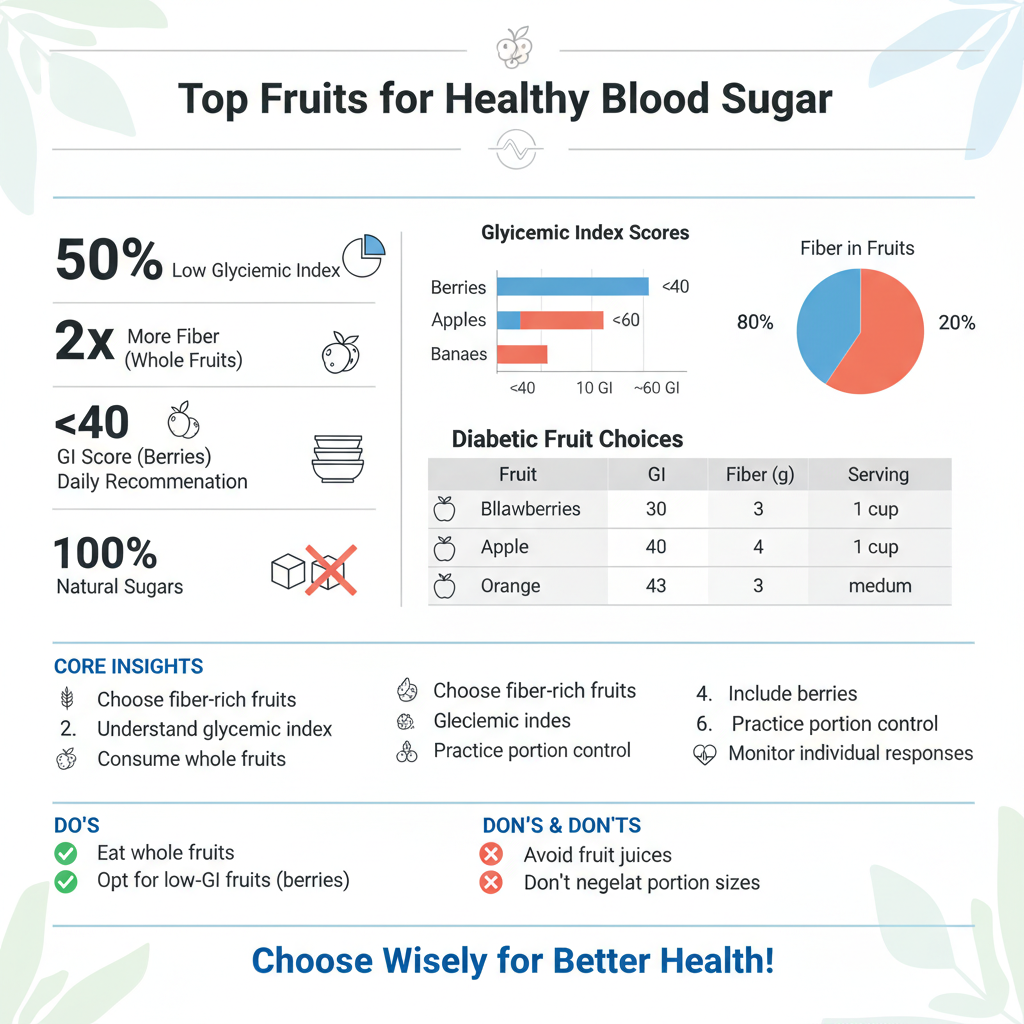
Now that we understand the basics, let’s dive into some of the star performers in the fruit world for those managing diabetes. These fruits are generally lower in GI, packed with fiber, and brimming with other health-promoting nutrients.
* Berries (strawberries, blueberries, raspberries, blackberries): These vibrant little gems are truly a diabetic’s best friend! Berries are famously low in GI, meaning they have a minimal impact on blood sugar levels compared to many other fruits. They are also incredibly high in fiber, which, as we discussed, helps to further stabilize glucose absorption. Beyond fiber and a favorable GI, berries are bursting with antioxidants, like anthocyanins in blueberries, which have been linked to improved insulin sensitivity and reduced inflammation – both great news for diabetes management. Enjoy a handful of fresh berries as a snack, stir them into your yogurt, or add them to your morning oatmeal for a delicious and nutritious boost.
* Citrus Fruits (oranges, grapefruits, lemons, limes): Zesty and refreshing, citrus fruits are another excellent choice. They are a fantastic source of Vitamin C, a powerful antioxidant that supports immune health. More importantly for blood sugar management, they offer a good amount of fiber, particularly in the white pith found just under the peel. Citrus fruits generally have a moderate GI, making them a sensible option. A whole orange, for example, provides more fiber and a gentler blood sugar response than a glass of orange juice. Grapefruits are also a wonderful choice, though it’s important to note that grapefruit can interact with certain medications, so always check with your doctor or pharmacist if you’re taking any prescriptions. Lemons and limes, while not typically eaten whole, are superb for adding flavor to water, salads, and meals without adding significant sugar.
* Apples and Pears: An apple a day might just help keep the doctor away, especially when it comes to blood sugar control! Apples and pears are both excellent sources of fiber, particularly if you eat them with the skin on – and trust us, you should! The skin contains much of the beneficial insoluble fiber, which aids digestion, and soluble fiber, which can help lower cholesterol and further stabilize blood sugar. These crunchy, satisfying fruits have a moderate GI and provide a sustained release of energy, making them a great snack option to keep you feeling full and energized between meals. Their portability makes them super convenient for on-the-go healthy eating too!
Fruits to Enjoy in Moderation
While the fruits above are fantastic staples, there are other delicious fruits that you can certainly enjoy as part of a balanced diet, but they require a bit more mindfulness regarding portion sizes and frequency due to their higher natural sugar content.
* Bananas: Everyone loves a banana, and they are packed with potassium and other beneficial nutrients. However, bananas are higher in natural sugars and carbohydrates compared to berries or citrus fruits. The good news is that you don’t have to cut them out entirely! The key is portion control. Instead of a large, very ripe banana, opt for a slightly unripe one (which has a lower GI) and limit yourself to about half a medium banana. Pairing it with a source of protein or healthy fat, like a spoonful of peanut butter or a small handful of almonds, can also help slow down the sugar absorption and make it a more balanced snack.
* Mangoes and Pineapples: These tropical delights evoke sunshine and exotic flavors, but they also tend to be higher in natural sugars. While incredibly tasty and rich in vitamins (like Vitamin C in pineapple and Vitamin A in mango), their sugar content means they’re best enjoyed in smaller servings. Think of them as a treat rather than an everyday staple. A small bowl of fresh mango or pineapple chunks can be a wonderful, hydrating snack, but be mindful of how much you’re consuming in one sitting to keep your blood sugar in check.
* Grapes: Sweet, juicy, and perfect for popping, grapes are another fruit that requires attention to portion size. While they offer antioxidants and hydration, their sugar content is quite dense, especially when you eat a large cluster. A small handful (about 15-20 grapes) can be a perfectly acceptable snack, but consuming a large bowl could lead to a more significant blood sugar rise. Enjoy them slowly and savor their natural sweetness!
Fruits and Forms to Limit or Avoid
When it comes to fruit and diabetes management, not all forms of fruit are created equal. Some forms, unfortunately, strip away the beneficial components or add excessive amounts of sugar, making them less suitable for blood sugar control.
* Dried Fruits: While they might seem like a convenient, healthy snack, dried fruits are highly concentrated in sugar due to the removal of water. Imagine taking all the sugar from a large bowl of grapes and condensing it into a small handful of raisins – that’s essentially what happens. This concentration means a small portion can have a significant impact on blood sugar. If you do choose to eat them, limit yourself to very tiny portions (like a tablespoon) and pair them with nuts or seeds to temper the blood sugar spike, or simply avoid them altogether as there are much better, whole fruit options available.
* Fruit Juices: This is a big one to be cautious about. Fruit juices, even 100% natural ones with “no added sugar,” lack the beneficial fiber found in whole fruit. Without that fiber, the natural sugars are absorbed very quickly into your bloodstream, leading to rapid and often significant blood sugar spikes. It’s akin to drinking sugary water, despite the vitamins present. If you love the taste of fruit, opt for eating the whole fruit instead, or try infusing water with slices of lemon, lime, or cucumber for a refreshing, sugar-free alternative.
* Canned Fruits in Syrup: These are perhaps the least suitable option for diabetics. Canned fruits preserved in heavy syrup contain significant amounts of added sugars, which are detrimental to blood sugar control and offer no nutritional benefit. Even those “light syrup” versions often have added sugars. If you must use canned fruit for convenience, always look for varieties canned in water or their own juice with “no added sugar,” and then rinse them before consuming to remove any residual syrup. However, fresh or frozen whole fruit will always be the superior choice.
Practical Tips for Eating Fruit with Diabetes
Integrating fruit into your diabetes management plan successfully involves a few practical strategies that can make all the difference.
* Portion Control: This cannot be stressed enough! Even “good” fruits can cause blood sugar issues if you eat too much. Always pay attention to serving sizes to manage your carbohydrate intake. A general guideline is one small piece of fruit or about half a cup of chopped fruit or berries per serving. Learning to count carbohydrates or understanding common serving sizes for different fruits is a powerful tool. Using measuring cups, a food scale, or even visual cues (like a tennis ball for a medium fruit) can help you stay on track.
* Pair with Protein or Healthy Fats: This is a fantastic strategy to further slow down sugar absorption and increase satiety. When you eat fruit with a source of protein (like a small handful of almonds, a dollop of Greek yogurt, or a piece of cheese) or healthy fats (like avocado slices or nut butter), it creates a more balanced meal or snack. The protein and fat help to slow down gastric emptying, meaning the natural sugars from the fruit enter your bloodstream at an even more gradual pace, preventing sharp spikes. Plus, this pairing keeps you feeling fuller for longer, which can help prevent overeating.
* Choose Whole Fruit: As we’ve highlighted, prioritizing whole, fresh fruit over juices or processed fruit products is paramount. The fiber, vitamins, and minerals are all best consumed in their natural, intact form. Whole fruits are more satisfying, offer sustained energy, and contribute to overall digestive health in a way that processed forms simply cannot. Make it a habit to grab an apple or a handful of berries instead of reaching for a carton of juice.
* Spread Out Intake: Instead of consuming a large amount of fruit at once, try distributing your fruit servings throughout the day. For example, if you plan to have two servings of fruit, enjoy one with breakfast and another as an afternoon snack. This approach helps to keep your blood sugar levels more stable, preventing a sudden influx of sugar into your system that could happen if you eat all your fruit in one sitting. It’s about consistent, gentle nudges rather than large fluctuations.
Beyond Blood Sugar: The Health Benefits of Fruit
While managing blood sugar is a primary concern for diabetics, it’s vital to remember that fruit offers a treasure trove of health benefits that extend far beyond just glucose control. Incorporating fruit into your diet is a holistic approach to wellness.
Fruits are exceptionally rich in essential vitamins, minerals, and antioxidants. For instance, many fruits provide Vitamin C, crucial for immune function and skin health. Bananas and oranges offer potassium, important for blood pressure regulation. The vibrant colors of fruits often indicate the presence of various phytonutrients and antioxidants, which combat oxidative stress and inflammation in the body. These compounds play a critical role in protecting cells from damage, potentially reducing the risk of chronic diseases like heart disease and certain cancers, which are often co-morbidities with diabetes.
The fiber content in fruit isn’t just good for blood sugar; it’s a champion for your digestive system and gut health. Both soluble and insoluble fiber work together to promote regularity, prevent constipation, and feed beneficial gut bacteria. A healthy gut microbiome is increasingly being linked to improved metabolism, immune function, and even mood. By fostering a healthy gut, fruit contributes to your overall well-being.
Finally, regular fruit consumption contributes significantly to satiety and can be a valuable tool for weight management. Because fruits are generally high in fiber and water, they add bulk to your diet without adding excessive calories. This means they help you feel full and satisfied, reducing the likelihood of overeating or reaching for less healthy, calorie-dense snacks. Replacing processed snacks with whole fruits can be a simple yet effective way to manage your weight, which in turn can have a profoundly positive impact on diabetes management and insulin sensitivity.
Incorporating a variety of whole, fiber-rich fruits into your diet can be a delicious and healthy strategy for managing diabetes. By making informed choices, prioritizing lower-GI options, and practicing portion control, you can enjoy the natural sweetness and numerous health benefits that fruits offer. Remember that fruit is a vital component of a healthy diet and shouldn’t be feared by those with diabetes. Instead, it should be embraced thoughtfully. Always consult with your doctor or a registered dietitian for personalized dietary advice tailored to your specific health needs and blood sugar management goals. They can help you create a meal plan that effectively incorporates fruits while keeping your individual glucose targets in mind, ensuring you get the most benefit from nature’s bounty.
Frequently Asked Questions
What is the single best fruit for diabetics to eat?
While there isn’t one “single best” fruit, the ideal choices for diabetics are typically those rich in fiber and with a lower glycemic index (GI). Berries like strawberries and blueberries, citrus fruits such as oranges and grapefruits, and apples are excellent options. These fruits help manage blood sugar levels effectively due to their slow sugar release and nutrient density, making them smart additions to a diabetic diet.
How much fruit can a diabetic safely consume daily?
The safe amount of fruit for a diabetic varies depending on individual carbohydrate goals and activity levels, but generally, 1-2 servings per day is a good guideline. A serving is typically a small piece of fruit, like a medium apple, or about 1 cup of berries. It’s crucial to monitor blood glucose levels and consult with a healthcare provider or registered dietitian to determine personalized fruit intake for optimal diabetes management.
Which specific fruits are considered the best choices for managing blood sugar levels?
Excellent choices for diabetics aiming to manage blood sugar include berries (strawberries, blueberries, raspberries), cherries, kiwi, peaches, pears, and oranges. These fruits are praised for their high fiber content and relatively low glycemic index, meaning they cause a slower, more gradual rise in blood sugar compared to high-sugar alternatives. Their rich vitamin and antioxidant profiles also contribute to overall health benefits for individuals with diabetes.
Are there any fruits diabetics should avoid or eat in very limited quantities?
Diabetics should be cautious with fruits high in natural sugars, especially when consumed in large portions, and should generally limit dried fruits and fruit juices. Examples of fresh fruits to eat in moderation include mangoes, bananas, pineapples, and grapes, particularly for individuals sensitive to their higher carbohydrate content. Dried fruits, like raisins or dates, are concentrated sources of sugar, and fruit juices lack the beneficial fiber found in whole fruit, leading to rapid blood sugar spikes.
Why is fiber in fruit particularly beneficial for individuals with diabetes?
The fiber found in fruits is incredibly beneficial for diabetics because it helps slow down the absorption of sugar into the bloodstream, preventing rapid spikes in blood glucose levels. This soluble and insoluble fiber also promotes satiety, which can assist with weight management – a key factor in diabetes control. Furthermore, fiber supports a healthy digestive system and contributes to better cholesterol levels, offering comprehensive health advantages for people managing diabetes.
References
- https://diabetes.org/food-and-fitness/eating-well/food-choices-nutrition/fruits-and-diabetes
- https://www.cdc.gov/diabetes/managing/eat-well/food-choices/fruits.html
- Diabetes diet: Create your healthy-eating plan – Mayo Clinic
- https://www.health.harvard.edu/diseases-and-conditions/best-fruits-for-diabetes
- https://www.niddk.nih.gov/health-information/diabetes/overview/diet-eating-physical-activity/meal-planning
- https://health.clevelandclinic.org/best-fruits-for-diabetes/
- Diet in diabetes
- https://www.nhs.uk/conditions/type-2-diabetes/eating-well/