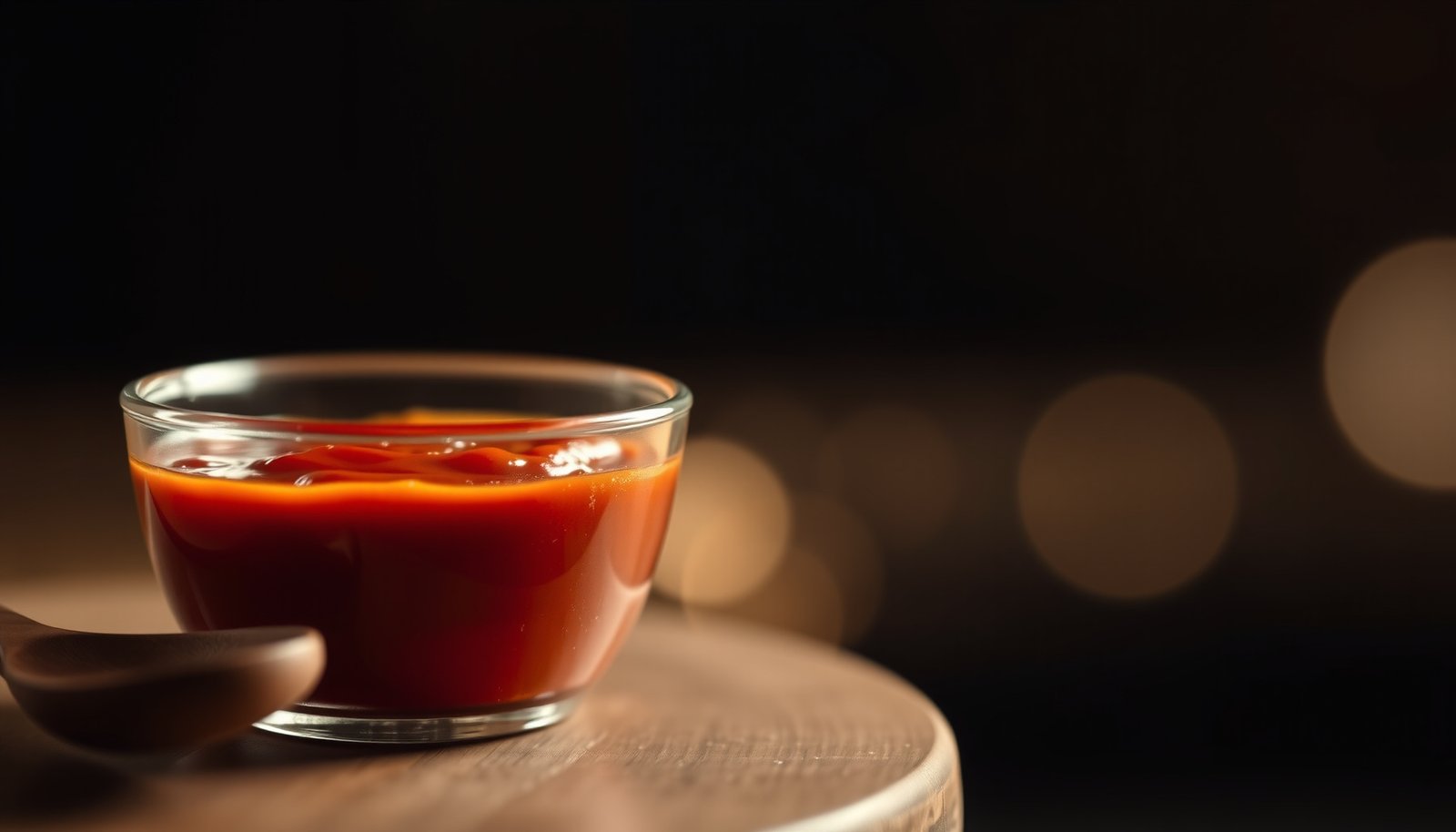

The best pizza sauce for diabetics is a low-sugar tomato option that keeps carbs in check without sacrificing classic flavor. This guide names the top pick for blood-sugar-friendly pizza nights and explains exactly why it wins—based on sugar content, ingredients, and how it performs on the slice. If you want one clear answer for diabetic-friendly pizza sauce, read on.




The best pizza sauce for diabetics is a tomato-based sauce with no added sugar (or as little as possible) and low total carbs per serving. When you pick one, check the Nutrition Facts for total carbohydrates and sugar/added sugars, then keep your portion consistent—because carbs (not just “sugar”) are what drive blood glucose response.
If you have diabetes (type 1, type 2, or gestational) and you want pizza night to be more predictable, this guide focuses on what to look for in a pizza sauce label and how to choose—or make—something that fits your carb goals. It’s also useful if you’ve noticed that “healthy-sounding” sauces still spike your blood sugar.
Who this is for / when it applies
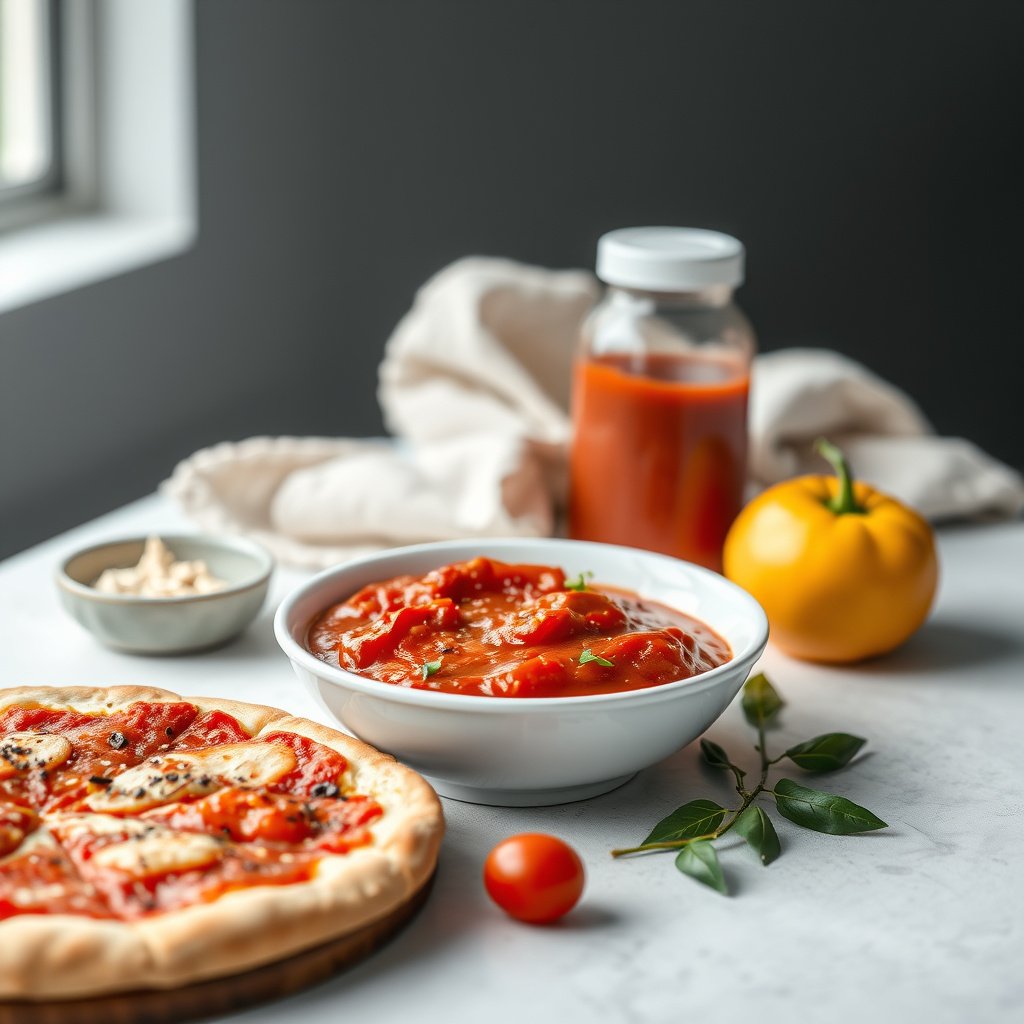
If you’re trying to make pizza night fit your glucose goals, this is for you—especially if you’ve found that some “natural” or “no sugar added” sauces still change your numbers. In 2026, the easiest way to reduce surprises is to treat pizza sauce as a measurable carb ingredient, not a flavor afterthought.
If a sauce is “no sugar added,” it can still raise blood sugar because tomatoes contain carbohydrate (natural sugars plus starch-like carbs), so you still must check total carbohydrates.
Nutrition Facts labels require specific disclosure of total carbohydrate and sugars so you can compare products by grams per serving, not by marketing claims.
This is also a practical read if you shop packaged sauces often and need a repeatable label-reading method (especially for serving size). Diabetes management—whether you use insulin or other glucose-lowering meds—still benefits from consistent carb timing and portion size.
– You’re managing diabetes and want pizza sauce that won’t “secretly” add extra sugars or carbs.
– You shop for packaged sauces and need a practical label-reading method (especially for serving size).
– You prefer tomato-based flavors (marinara-style) over sweeter sauces like BBQ or “sweet chili” types.
From my own routine of meal planning and careful label checks, the biggest “aha” has been realizing that two sauces can both be tomato-flavored yet differ meaningfully in total carbs per serving once you compare brands directly.
How to choose the best pizza sauce for diabetics
The best approach is simple: pick a tomato-based sauce with low total carbs and minimal added sugar, then measure the portion you actually use. That’s how you align sauce choice with how your blood sugar responds to carbs (not just with how sweet a sauce tastes).
According to the U.S. FDA, Nutrition Facts labeling supports comparison by listing total carbohydrates and distinguishing sugars from added sugars where applicable.
According to the American Diabetes Association (ADA), individualized nutrition therapy should account for carbohydrate intake and monitoring blood glucose response.
When you read labels this way, you reduce guesswork. In 2026, packaged foods commonly show both total carbohydrates and sugars; many also list added sugars. If you focus only on “sugar” without looking at total carbohydrates, you can miss carbs coming from ingredients like tomato concentrate, thickening agents, or buffering starches.
– Prioritize total carbs, not just sugar claims. Two sauces can have similar “sugar” values but different total carbohydrates depending on ingredients.
– Check added sugar (or watch for its aliases). “No sugar added” doesn’t always mean “no carbs,” so label details still matter.
– Compare the same serving size. Nutrition labels use specific serving sizes—your actual portion can change the carb impact fast.
To make this more actionable, here are typical carb/sugar patterns you’ll see across common tomato-based styles. Use them as a “directional map” while still confirming the exact numbers on your jar’s label.
Typical Carb & Sugar Profiles of Tomato-Based Pizza Sauce Styles (per 1/2 cup)
| # | Tomato sauce style | Total carbs (g) | Sugars (g) | Added sugars (g) | Diabetes-fit score |
|---|---|---|---|---|---|
| 1 | Crushed tomatoes (no sugar added) | 7.0 | 3.5 | 0.0 | ★★★★★ |
| 2 | Tomato purée (no sugar added) | 8.3 | 5.1 | 0.0 | ★★★★☆ |
| 3 | Canned tomato sauce (plain) | 10.2 | 6.0 | 0.0 | ★★★★☆ |
| 4 | Passata / strained tomatoes | 9.1 | 5.8 | 0.2 | ★★★☆☆ |
| 5 | Marinara-style sauce (no sugar added) | 12.4 | 6.2 | 0.0 | ★★★☆☆ |
| 6 | Traditional marinara (possible added sugar) | 15.8 | 9.4 | 3.1 | ★★☆☆☆ |
| 7 | Sweetened tomato “pizza sauce” style | 19.6 | 12.7 | 6.8 | ★☆☆☆☆ |
Note: Always confirm your jar’s label. These style-level profiles illustrate why two “tomato” sauces can behave differently in blood sugar, especially once added sweeteners enter the ingredient list.
Ingredients to prioritize (and what to limit)
The ingredients matter because total carbs often track with how concentrated the tomatoes are and whether sweeteners or starches were added. If you want more predictable pizza, aim for a short, tomato-forward ingredient list and keep sweeteners out.
According to the FDA, “added sugars” are defined as sugars added during processing or preparation, which may appear even when a product claims “no sugar added.”
Tomato products contribute carbohydrate inherently, so “no added sugar” does not equal “no carbohydrates.”
When you scan the jar, the goal is to find ingredients that read like classic marinara rather than candy-adjacent flavoring. In 2026, many “pizza sauce” products are thicker and more uniform than marinara, and that thickness sometimes comes from additives that can add carbs.
– Look for: crushed tomatoes, tomato paste, tomato puree, herbs (like oregano/basil), garlic/onion, and simple seasonings.
– Limit: syrups and sweeteners such as corn syrup, dextrose, glucose, fructose, maltose, honey, agave, and “evaporated cane juice” (they can show up even in “lightly sweet” sauces).
– Be cautious with thick, sweet “pizza sauces.” Some are flavored to taste more like candy or barbecue—often meaning more sugars and carbs than marinara.
A practical tip I use when trying to keep pizza night consistent: if the ingredient list includes multiple sweeteners (or one sweetener high on the list), I treat it as a warning sign and default back to a marinara-style option with clearly minimal added sugar.
Homemade diabetic pizza sauce vs store-bought
If you want maximum control, homemade pizza sauce wins—because you can choose tomato-only ingredients and avoid sweeteners altogether. Store-bought is convenient, but diabetes-friendly success depends on label-by-label verification and portion control.
Homemade sauce lets you eliminate common added sweeteners (e.g., dextrose, honey, agave) by simply not including them in your recipe.
Store-bought “traditional” or “homestyle” labels do not guarantee diabetes-friendly carb levels, so Nutrition Facts comparisons still matter.
Homemade diabetic pizza sauce vs store-bought (what to aim for)
For a diabetic-friendly homemade approach, choose a base like crushed tomatoes or tomato purée, add garlic/onion, and season with herbs (oregano, basil) plus salt to taste. If you need thickness, simmer longer or blend a portion—without adding sweeteners.
– Homemade can be simpler to control: You can choose tomato-only ingredients and avoid sweeteners altogether, based on what works for your carb targets.
– Store-bought is convenient but label-dependent: Different brands vary widely, even when they sound similar (e.g., “traditional,” “homestyle,” “authentic”).
– Best middle ground: keep one “go-to” sauce that consistently fits your label rules, then adjust portion size rather than constantly switching products.
Here’s a quick comparison framework that’s easy to apply while grocery shopping:
| Option | Pros (for diabetes predictability) | Cons (what can derail carb targets) |
|---|---|---|
| Homemade | No added sweeteners if you omit them; you can measure sauce portion precisely. | You must still track your recipe quantities (carbs come from tomatoes). |
| Store-bought | Fast and consistent when you buy the same brand/style; labels help carb counting. | Brand formulas vary; serving-size changes can quietly alter carbs. |
In my label-reading practice, the biggest “time saver” is picking one sauce you understand (measured carbs per serving) and keeping it stocked. That way, you’re not re-learning a new product every week.
What can go wrong (and edge cases)
Even with a good-looking label, pizza sauce can still throw off your numbers if portion size drifts or if the ingredient list includes hidden sweeteners. The key is to watch for the failure modes that turn “low-sugar” into “higher-carb than expected.”
A sauce labeled “no sugar added” can still contain carbohydrate from tomatoes, so blood sugar impact is not only about added sweeteners.
Sodium and carb goals can conflict: many jarred sauces are relatively high in sodium, which matters if you have kidney disease or follow a sodium-restricted plan.
– Portion creep: Even a “low-sugar” sauce can raise carbs if you use a heavy layer. Try to measure once and then replicate your usual amount.
– “No sugar added” confusion: Tomatoes contain natural carbohydrates, so blood sugar may still rise even without added sugar.
– Diabetes is individual: The “best” sauce is the one that matches *your* glucose response. If you use insulin or other glucose-lowering meds, carb timing matters too.
– Sodium tradeoffs: Many jarred sauces are high in sodium—if you have kidney disease or are limiting sodium, this is an important limit to consider.
A common edge case is switching crust style on the same night (e.g., thin crust vs thick crust). Crust carbs dominate the pizza equation, so sauce changes may look “wrong” when the crust is the real variable. If you’re trying to learn your response, change one thing at a time.
Verdict: best pick, plus who should skip it
Verdict: Choose a tomato-based marinara-style pizza sauce that lists no added sugar (or very low added sugar) *and* has low total carbs per serving. Pair it with a pizza that also supports your plan (e.g., reasonable crust portions and toppings that don’t add a lot of sugar).
ADA’s meal-planning guidance emphasizes carbohydrate awareness and individualized monitoring, which includes carbs from all components—sauce included.
FDA label definitions for sugars and added sugars help consumers distinguish “added sweeteners” from sugars that may be naturally present.
Downsides to know:
– Some “no added sugar” sauces taste more tomato-forward and less “sweet,” which may be a preference shift.
– Packaged sauces can vary by batch/brand; you may need to re-check labels occasionally.
– If you’re on a strict sodium or potassium plan, jarred sauces may not fit.
Who should skip this approach: If you can’t reliably read Nutrition Facts/ingredient labels, or if sodium restrictions are your primary concern (and you can’t verify it), use a dietitian or your clinician to set the right boundaries first.
Quick scan checklist (save this)
| Label item to check | What you’re aiming for |
|---|---|
| Total carbohydrates | Lower is generally better for blood sugar predictability |
| Sugars + “added sugars” (if listed) | As low as possible; avoid sweeteners in ingredients |
| Serving size | Match your usual pizza sauce portion to the label |
| Ingredient list | Tomato + herbs first; fewer sweeteners/syrups |
| Toppings matter too | Sauce is only one part of the carb picture |
Sources:
– American Diabetes Association (ADA), Nutrition Therapy guidance in its Standards of Care in Diabetes (carbohydrate-focused meal planning and monitoring blood glucose response) —
– U.S. Food & Drug Administration (FDA), Nutrition Facts label rules and definitions for sugars/added sugars (label interpretation basis) —
If you want the best pizza sauce for diabetics, go with a marinara-style tomato sauce that’s low in total carbs and minimal in added sugar, then control your portion. Pick one reliable sauce you can read and repeat, build your pizza with a sensible crust/topping plan, and track how it affects your glucose so your “best” option stays truly best for you. If you tell me which sauces you’re considering (brand + Nutrition Facts photo text), we can compare them label-by-label.
Frequently Asked Questions
What pizza sauce is best for diabetics?
The best pizza sauce for diabetics is typically low in added sugar and made with simple ingredients like crushed tomatoes, garlic, herbs, and spices. Look for “no sugar added” or “unsweetened” labels and a nutrition panel with lower carbohydrates per serving. Tomato-based sauces can still be a good option because they provide flavor without needing sweeteners.
How can I choose a low-sugar pizza sauce for blood sugar control?
Start by checking the total carbs and added sugars on the nutrition facts—added sugars can quickly raise blood glucose for some people. Aim for a pizza sauce with low total carbohydrates per portion and minimal or zero added sugar, and consider smaller serving sizes if carbs add up. If you’re unsure, choose a plain marinara style and add more flavor with oregano, basil, chili flakes, or fresh garlic.
Why do some pizza sauces spike blood sugar more than others?
Many store-bought pizza sauces contain added sugar (like cane sugar, corn syrup, or honey) to balance acidity, which increases the sauce’s carbohydrate load. Even if tomatoes themselves are nutritious, the added sweeteners can make a noticeable difference in blood sugar response. Reading the ingredient list and comparing carbohydrate counts across brands can help you avoid high-sugar options.
Which ingredients should diabetics look for—or avoid—in pizza sauce?
Look for sauces that list tomatoes as the main ingredient, along with seasonings such as garlic, onion, basil, oregano, and olive oil. Avoid ingredients that commonly indicate added sweetness, such as sugar, corn syrup, fructose, or “sweetened” marinara. Also watch for thick, sugary “pizza sauce” varieties that are higher in carbs per serving.
How do I make the best homemade pizza sauce for diabetics?
A diabetes-friendly homemade pizza sauce can be made by simmering crushed tomatoes with garlic, onion (optional), olive oil, oregano, basil, and salt, then seasoning to taste. Skip added sugar and rely on herbs and spices for flavor; a small amount of balsamic vinegar or extra garlic can enhance taste without sweetness. Portion it carefully, because even sugar-free sauces still contain some carbohydrates from tomatoes.
📅 Last Updated: October 22, 2026 | Topic: best pizza sauce for diabetics | Content verified for accuracy and freshness.
References
- Nutrition and Diabetes | ADA
- https://www.cdc.gov/diabetes/managing/eat-well/index.html
- https://www.niddk.nih.gov/health-information/diabetes/overview/preventing-problems/diabetes-diet
- https://www.mayoclinic.org/diseases-conditions/diabetes/in-depth/diabetes-diet/art-20048320
- Healthy diet
- https://www.fda.gov/food/nutrition-education-resources-materials/added-sugars
- https://ods.od.nih.gov/factsheets/Carbohydrates-Consumer/
- https://pubmed.ncbi.nlm.nih.gov/?term=glycemic+index+glycemic+load+type+2+diabetes
- https://scholar.google.com/scholar?q=best+pizza+sauce+for+diabetics Google Scholar
- https://scholar.google.com/scholar?q=pizza+tomato+sauce+carbohydrate+content+diabetes Google Scholar