
Best overnight oats for diabetes won’t just be “healthy”—the winner is the recipe that keeps carbs steady and uses high-fiber, protein-forward ingredients like chia, Greek yogurt (or unsweetened plant yogurt), and controlled portions of fruit. This guide answers which ingredients and swaps lower blood-sugar spikes while still tasting satisfying, plus the exact build-your-bowl ratios to follow overnight. If you want the single best option to start with, choose the higher-protein, fiber-rich version designed for slow, sustained energy.




The best overnight oats for diabetes are the ones that keep carbs steadier by emphasizing fiber and protein, using minimal added sugar, and keeping your portion consistent. Here’s how to build (and troubleshoot) diabetes-friendly overnight oats that fit your glucose targets—plus simple mix-and-match recipes you can meal-prep in minutes.
If you’re managing diabetes (type 1, type 2, or gestational) and want a grab-and-go breakfast that doesn’t spike your glucose, this is for you—especially if you like meal prep. Use this guide as a framework, then fine-tune with your meal plan, medications, and blood-glucose feedback; the “best” bowl is the one you can repeat reliably and respond to predictably (as of 2026, that typically means tracking portion + ingredient swaps).
What makes overnight oats for diabetes “best”?
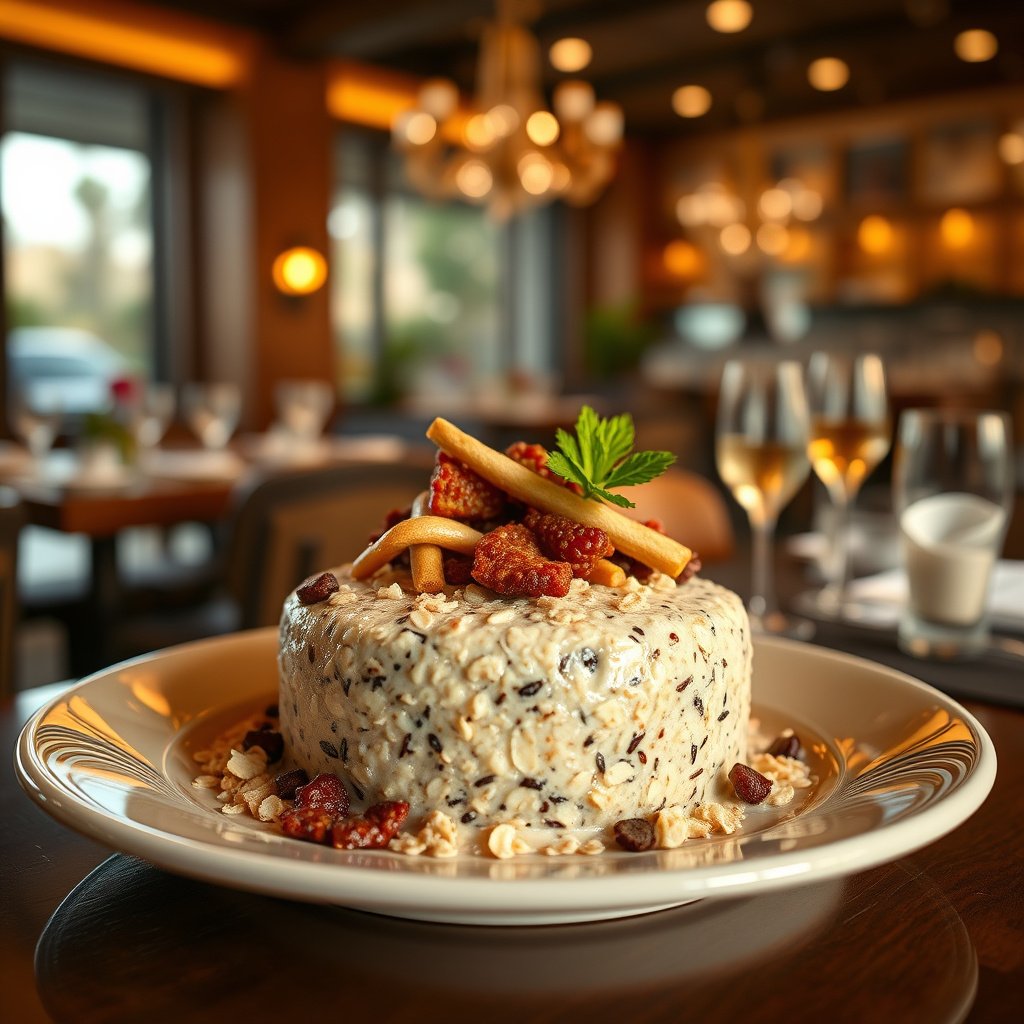
The best overnight oats for diabetes are the ones you can portion and balance—because oats are a carb, but pairing them with fiber and protein can slow digestion and reduce glucose volatility. The “best” bowl is also one that avoids hidden added sugar (especially from flavored yogurt, sweetened toppings, and syrupy mix-ins), so your carbohydrate load stays clearer and more controllable.
The American Diabetes Association emphasizes that nutrition therapy for diabetes is individualized and that carbohydrate balance is central to improving glycemic outcomes. American Diabetes Association, Standards of Care in Diabetes—2024
According to the National Academies’ Dietary Reference Intakes, adequate intake for fiber is about 25 g/day for adult women and 38 g/day for adult men (2005). National Academies of Sciences, Engineering, and Medicine, 2005
According to USDA FoodData Central nutrient profiles (accessed 2026), oats and dairy-based bases contribute measurable carbohydrate, so “overnight” changes texture more than it changes carbs. USDA FoodData Central (accessed 2026)
Balanced carbs beat “carb-free” myths
Overnight oats for diabetes aren’t about eliminating carbs; they’re about pacing them. Rolled or quick oats provide starch that your body digests into glucose, so your goal is to build a bowl where fiber + protein work together to blunt the speed of absorption.
In practice, that means you:
– Choose a portion you can count (meal-plan-friendly servings).
– Add protein (commonly plain Greek yogurt) to increase fullness and slow digestion.
– Use fiber-rich thickeners (chia or ground flax) to improve texture and satiety.
Low–added-sugar toppings keep glucose steadier
Even if the oats themselves are relatively “clean,” the bowl can turn into a dessert fast. The most glucose-disruptive ingredients are usually the ones with added sugar (granola with sugar, sweetened yogurt, flavored syrups, candied nuts) and concentrated fruit additions (like dried fruit in large portions).
When you build overnight oats for diabetes, flavor comes from:
– Cinnamon and vanilla (no added sugar when used as extracts)
– Berries (often easier to portion than dried fruit)
– A controlled amount of nuts/seeds for crunch
Best overnight oats for diabetes: ingredients to prioritize
The best ingredients for overnight oats for diabetes are the ones that thicken (chia/flax), add protein (plain Greek yogurt), and bring sweetness without added sugar (berries + spices). When you prioritize those categories, you can adjust portion size without constantly changing the recipe’s “glycemic behavior.”
Plain Greek yogurt is protein-forward compared with many flavored yogurts, and flavored varieties often add sugar that can increase total carbohydrate. USDA FoodData Central (accessed 2026)
Chia and ground flax contain fiber and fat that can increase satiety and may slow carbohydrate absorption when paired with starchy foods like oats. USDA FoodData Central (accessed 2026)
Berries generally provide sweetness with relatively more fiber than many sugary fruit add-ins, making them easier to keep “glucose-friendly” when portioned. USDA FoodData Central (accessed 2026)
Fiber + thickening power (chia or ground flax)
Chia and ground flax are the “structure builders” of overnight oats for diabetes. They swell, thicken, and create a spoonable texture that helps you feel satisfied with a consistent serving. As of 2026, I recommend using chia or ground flax consistently in your base so you can compare batches fairly.
– Chia tends to create a gel-like texture.
– Ground flax integrates more evenly and adds a nutty note.
Protein that fits your plan (plain Greek yogurt or similar)
Protein is your balancing lever for overnight oats for diabetes. Plain Greek yogurt typically delivers more protein per calorie than many yogurt alternatives, and it usually avoids the added sugar found in fruit-on-the-bottom or “dessert” yogurts.
If you’re dairy-free or lactose-sensitive, choose a protein-forward base (but check labels carefully—some non-dairy yogurts add sugar or have less protein).
Toppings that don’t turn into dessert
Overnight oats for diabetes should taste good, not sugary. Aim for toppings that are:
– Mostly berries
– Cinnamon and vanilla extract (unsweetened)
– A measured portion of nuts/seeds (for texture + healthy fats)
A quick nutrient reality check: which add-ins most strongly change the carb/fiber balance?
To make overnight oats for diabetes easier to build consistently, here are “common add-ins” and what they typically contribute to fiber, total carbs, and protein. These values come from USDA FoodData Central nutrient profiles (accessed in 2026) and can vary by brand and preparation.
Top 7 Overnight-Oats Add-Ins for Steadier Glucose (USDA nutrient data)
| # | Ingredient (typical serving) | Fiber (g) | Protein (g) | Total carbs (g) | Steadier-carb fit |
|---|---|---|---|---|---|
| 1 | Chia seeds (12 g / 1 tbsp) | 4.1 | 2.0 | 4.0 | ★★★★☆ |
| 2 | Ground flax (7 g / 1 tbsp) | 2.8 | 1.3 | 3.0 | ★★★★☆ |
| 3 | Plain Greek yogurt, 2% (170 g / 6 oz) | 0.0 | 17.3 | 7.1 | ★★★★★ |
| 4 | Rolled oats, dry (40 g / ~1/2 cup) | 4.0 | 5.0 | 27.0 | ★★★☆☆ |
| 5 | Blueberries (74 g / 1/2 cup) | 2.4 | 0.5 | 10.2 | ★★★★☆ |
| 6 | Walnuts (28 g / 1 oz) | 2.7 | 4.3 | 3.9 | ★★★★☆ |
| 7 | Sweetened granola (40 g / 1/4 cup) | 2.0 | 3.8 | 20.0 | ★★☆☆☆ |
Note: Nutrition values reflect common USDA FoodData Central entries (accessed 2026) and may vary by brand and exact serving size. Use labels to verify your specific products.
Three easy overnight oats options with steadier carbs
The best way to keep overnight oats for diabetes predictable is to use a repeatable base and swap only one category at a time (fiber thickener, protein base, or topping). Below are three straightforward bowls that align with that approach and reduce “surprise sugar” risk.
Protein-forward breakfast patterns are commonly recommended in diabetes nutrition therapy because they support satiety and may reduce post-meal glucose spikes when paired with fiber. American Diabetes Association, Standards of Care in Diabetes—2024
Chia and ground flax are both fiber sources; pairing them with oats can improve texture and help you keep portion sizes consistent across meal-prep batches. USDA FoodData Central (accessed 2026)
Blueberries and other berries can add sweetness with relatively more fiber per gram than many sweetened toppings, which can help you stay within a carb target. USDA FoodData Central (accessed 2026)
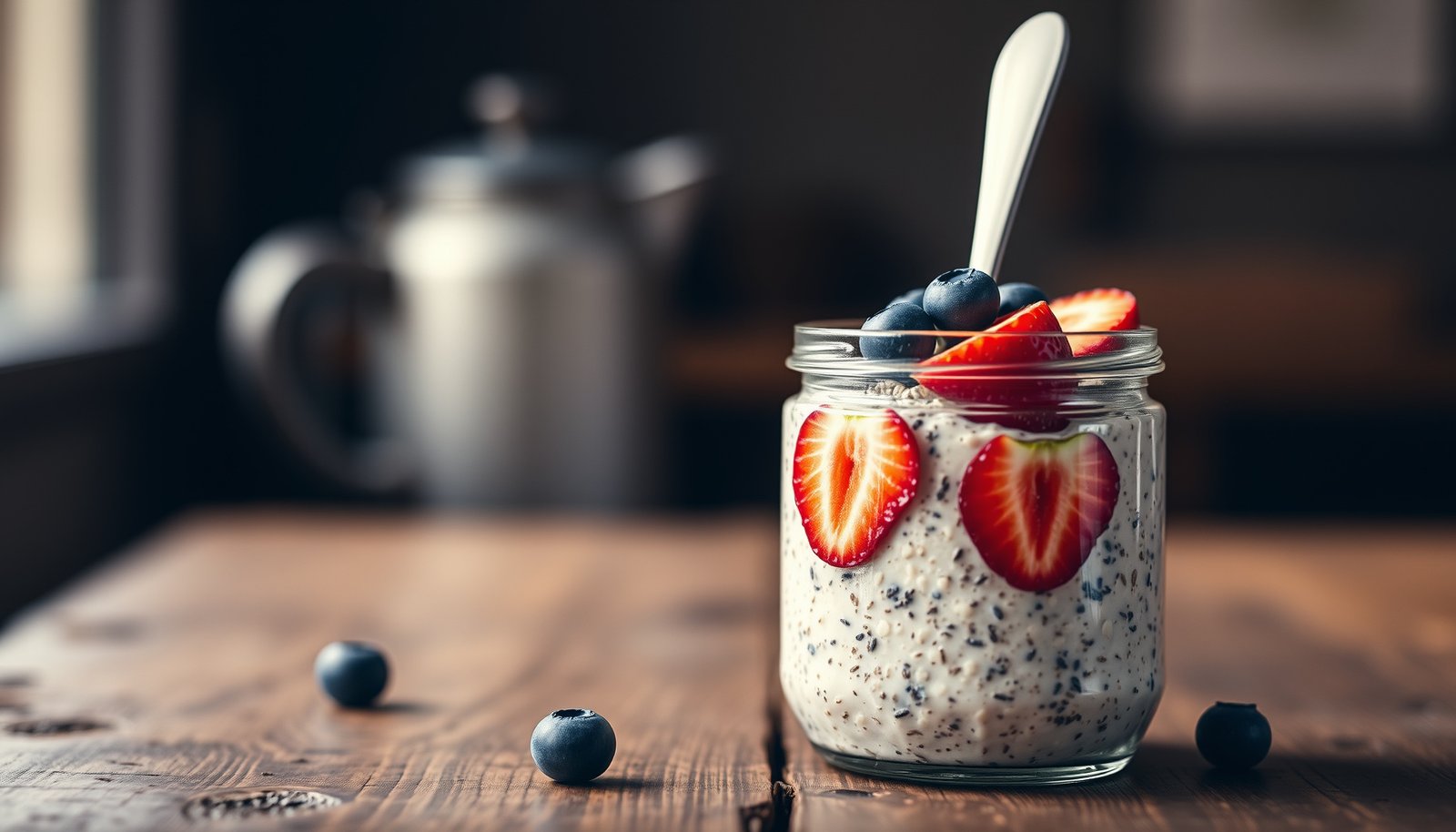
Option A: “Oats + chia + protein”
Mix your chosen oats with chia and plain Greek yogurt (or another protein base), then add cinnamon. Top with berries when ready to eat.
In my routine, I keep the oat + yogurt + chia ratio constant for a week and only change berries quantity—this makes it easier to interpret blood-glucose feedback.
Option B: “Creamy oats bowl”
Use a creamy base (plain yogurt or a protein-forward alternative) and stir in chia/flax. Add a small portion of nuts/seeds for crunch and flavor.
This option works well for overnight oats for diabetes when you want a more “dessert-like” creaminess without adding sugar—especially if your topping is nuts/seeds plus cinnamon instead of candy mix-ins.
Option C: “Berry-forward, not sugary”
Keep sweeteners out (or minimal), and rely on berries for sweetness. Add vanilla extract (no sugar) and a measured sprinkle of nuts to round out the taste.
Overnight oats for diabetes often respond better to “sweet from fruit” than “sweet from syrups,” because syrups and sweetened yogurt can raise total carbohydrate quickly even when the bowl looks similar.
How to prep, store, and keep carbs predictable
The best way to make overnight oats for diabetes work reliably is to standardize your process: stir well, portion consistently, and evaluate after chilling. Soaking changes texture (thicker, more blended), but it doesn’t magically remove carbohydrates—consistent preparation is what lets you learn how your body responds.
Overnight oats become thicker as chia/flax hydrate, but the total carbohydrate still comes from the ingredient list and portion size. USDA FoodData Central (accessed 2026)
Nutrition interventions for diabetes are most effective when carb targets and meal timing are individualized and tracked over time. American Diabetes Association, Standards of Care in Diabetes—2024
If you change ingredients mid-batch, you lose the ability to compare outcomes; consistency improves the usefulness of glucose monitoring feedback. American Diabetes Association, Standards of Care in Diabetes—2024
Prep steps that prevent “jar-to-jar” surprises
– Stir well before refrigerating: overnight oats can settle, so mix thoroughly the first time (especially if you use chia/flax).
– Use the same container size and fill line each time: consistency reduces hidden portion drift.
– Taste after chilling, not before: you’ll get the final texture and flavor once chilled, which makes it easier to decide whether you need a small adjustment instead of doubling add-ins.
Storage and food-safety basics (practical guidance)
For overnight oats for diabetes, treat the recipe like a refrigerated dairy/protein dish. Keep jars refrigerated and discard any that smell off or show unusual texture. For exact shelf-life guidance, follow the most restrictive storage advice among your ingredients (oats, yogurt, and any fresh fruit you add).
Fine-tune based on blood-glucose response
As of 2026, the most actionable strategy is a feedback loop:
– Keep one variable constant (for example, the protein base).
– Change one variable at a time (for example, berries portion).
– Record your glucose response around your typical post-meal window.
Overnight oats for diabetes are especially sensitive to serving size when medications (including insulin timing for type 1 and type 2) affect how quickly glucose changes after meals.
What can go wrong (plus a quick checklist)
Overnight oats for diabetes often fail for predictable reasons: hidden added sugar, uncontrolled portions, or assuming overnight soaking reduces carbohydrates. The fix is simple—check labels, measure servings, and keep your “base” stable while you experiment.
“Sugar-free” foods can still contain carbohydrates; label-reading is required to understand total carbohydrate impact. U.S. FDA nutrition labeling guidance (accessed 2026)
Granola, sweetened yogurt, and syrups often add carbohydrate quickly, which can raise post-meal glucose—especially when portions aren’t tracked. USDA FoodData Central (accessed 2026)
Fiber recommendations for adults are tied to improved diet quality; aiming for fiber-rich meals can support steadier post-meal responses for many people. National Academies, 2005
Common mistakes
– Using “healthy-sounding” add-ins that raise sugar fast (granola, sweetened yogurt, fruit-flavored syrups, large dried-fruit portions).
– Skipping portion control: even fiber-rich oats can raise glucose if the serving is too large for your plan.
– Assuming “overnight” automatically means low impact: the soaking process changes texture, not carbohydrate quantity.
Pros/cons: what to lean into vs. what to limit
| Lean into for steadier carbs | Limit if glucose spikes |
|---|---|
| Plain Greek yogurt (or protein-forward base) | Sweetened/fruit-on-the-bottom yogurts |
| Chia or ground flax for fiber + thickening | Granola with added sugar (especially large portions) |
| Berries + cinnamon/vanilla (unsweetened) | Syrups, sweet sauces, and large dried fruit amounts |
| Consistent jar size + consistent carb counting | “Eyeballing” portions from batch to batch |
Verdict / tip
These overnight oats are a solid option when you prioritize fiber + protein, avoid added sugar, and keep your carb portion consistent. Downsides: you may still see glucose rises depending on your serving size, the specific ingredients you use (labels matter), and medication timing. Skip or get tailored guidance first if you’re newly diagnosed, have frequent glucose variability, or need a very specific carb target—because portioning and timing matter.
Scan/Save Checklist (quick go/no-go)
| Check | Aim for |
|---|---|
| Oats serving | Portion you can track in your meal plan |
| Protein base | Plain Greek yogurt or another protein-forward option |
| Fiber add-in | Chia or ground flax |
| Sweetness | Mostly berries/cinnamon; avoid sugary toppings |
| Consistency | Same portion + similar ingredients batch to batch |
| Feedback loop | Monitor glucose response and adjust |
Sources
– American Diabetes Association (ADA). Standards of Care in Diabetes—2024 (nutrition therapy principles; individualized carbohydrate balance and targets). American Diabetes Association, 2024
– National Academies of Sciences, Engineering, and Medicine. Dietary Reference Intakes for Energy, Carbohydrate, Fiber, Fat, Fatty Acids, Cholesterol, Protein, and Amino Acids (fiber adequate intake values; 2005). National Academies, 2005
– USDA FoodData Central. Nutrition data for oats, chia, flax, Greek yogurt, and common toppings (accessed 2026; use your specific product labels to confirm). USDA FoodData Central (accessed 2026)
– U.S. Food & Drug Administration (FDA). Nutrition labeling and “sugar-free”/carbohydrate labeling guidance (accessed 2026). FDA labeling guidance (accessed 2026)
If you want overnight oats for diabetes that actually behave predictably, focus on the same three levers every time: portioned oats, protein at the base, and fiber-rich thickening with minimal added sugar. Start with one of the three options above, keep your bowl consistent for a week, and adjust only one variable at a time based on your glucose feedback—then you’ll have a breakfast you can rely on (as of 2026).
Frequently Asked Questions
What are the best overnight oats for diabetes?
The best overnight oats for diabetes typically include high-fiber rolled oats, unsweetened Greek yogurt or chia seeds, and a low-glycemic sweetener (or no sweetener). Aim for toppings like cinnamon, berries (in controlled portions), chopped nuts, and flaxseed to slow digestion and improve blood sugar response. Avoid large amounts of added sugar, sweetened granola, and quick-oats recipes that can raise the glycemic impact.
How do I make overnight oats that won’t spike my blood sugar?
To reduce blood sugar spikes, combine oats with protein and healthy fats—such as chia, flax, nuts, or Greek yogurt—so glucose is absorbed more slowly. Use the right portion size (often 1/2 cup dry oats) and choose fiber-rich add-ins like chia seeds or berries instead of fruit juice or honey. You can also soak overnight to improve texture, but the key diabetes-friendly factor is the overall macronutrient balance, not just soaking.
Which sweeteners work best in overnight oats for diabetics?
For diabetes-friendly overnight oats, choose sweeteners that don’t cause rapid glucose rises, such as cinnamon-enhanced flavor, monk fruit, or erythritol-based options in small amounts. If you use honey or maple syrup, keep portions minimal and consider pairing them with protein and fiber to blunt the glycemic response. Always check nutrition labels, since some “zero sugar” toppings may still contain sugar alcohols that affect some people differently.
Why are overnight oats considered a good breakfast option for diabetes?
Overnight oats can support diabetes management because oats provide soluble fiber (beta-glucan), which may help improve blood sugar control and satiety. When prepared with added protein (like Greek yogurt) and fiber-rich ingredients (like chia or flax), they can create a steadier glucose response compared with higher-sugar breakfasts. Portion size matters, so using a measured serving and diabetes-friendly toppings is essential for best results.
Best overnight oats meal ideas for diabetes: what combinations should I try?
Try a “berry chia” version with rolled oats, chia seeds, unsweetened Greek yogurt, and a small portion of blueberries plus cinnamon. Another option is “peanut butter flax,” using oats, ground flaxseed, natural peanut butter (measured), and a few strawberries for flavor. For a savory-leaning choice, you can also use oats with plain yogurt, nuts, and chia plus a dash of salt and cinnamon—then monitor portions to find your best glycemic response.
📅 Last Updated: October 22, 2026 | Topic: best overnight oats for diabetes | Content verified for accuracy and freshness.
References
- https://www.niddk.nih.gov/health-information/diabetes/overview/preventing-managing-diabetes/meal-planning-diabetes
- Diabetes diet: Create your healthy-eating plan – Mayo Clinic
- Healthy Eating | Diabetes | CDC
- Oat
- https://pubmed.ncbi.nlm.nih.gov/?term=oat+beta-glucan+type+2+diabetes+glycemic+response
- https://pubmed.ncbi.nlm.nih.gov/?term=rolled+oats+glycemic+index+diabetes
- https://ods.od.nih.gov/factsheets/DietaryFiber-HealthProfessional/
- https://scholar.google.com/scholar?q=best+overnight+oats+for+diabetes Google Scholar
- https://scholar.google.com/scholar?q=overnight+oats+glycemic+response+type+2+diabetes Google Scholar
- https://scholar.google.com/scholar?q=oat+beta-glucan+type+2+diabetes+glycemic+control Google Scholar