
If you’re looking for the best over-the-counter eye drops for diabetics, the clear top pick is preservative-free artificial tears—especially if you deal with dryness from diabetic eye disease or take drops often. This guide answers which OTC drops to choose for common diabetic-related issues like irritation and dry eye, and which types to avoid. You’ll get a straightforward recommendation based on ingredient safety and how frequently you need relief.


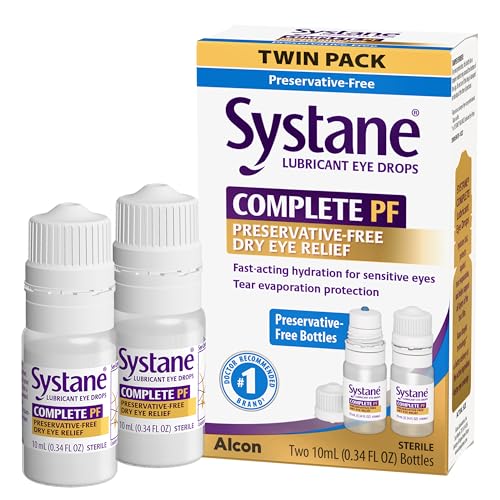

For most diabetics with dry, gritty, or irritated eyes, the safest first OTC option is preservative-free lubricating eye drops (artificial tears). If you also have itchiness or allergy symptoms, you may add an OTC allergy drop—but avoid “get the red out” products because they can worsen irritation for some people, especially when used repeatedly. If your symptoms are new or severe, this guide will help you pick the right OTC category, use it safely, and know when it’s time to call your eye doctor.
If you have diabetes (and especially if you’re getting dry eye, burning, or intermittent blurriness), this is for you. It’s also for anyone choosing OTC drops without wanting to accidentally treat the wrong problem—like diabetic retinopathy, which eye drops can’t fix.
What to look for in OTC eye drops for diabetics
If you’re choosing OTC eye drops for diabetics, look first for preservative-free artificial tears and “tear-replacement” lubrication rather than redness masking. That’s because diabetes is often associated with ocular surface irritation, and many people find they tolerate preservative-free formulas better when they need drops more than occasionally.
The American Academy of Ophthalmology explains that preservative-free artificial tears are often preferred when drops are used frequently or when preservatives cause irritation (American Academy of Ophthalmology, EyeSmart Dry Eye guidance).
The National Eye Institute notes that “red eye” has many causes and advises not to rely on redness-relief drops when symptoms suggest irritation or another eye problem (National Eye Institute, guidance on red eye/when to seek care).
Diabetes can contribute to eye complications that lubricating drops cannot treat, so new or worsening vision symptoms should be evaluated rather than managed with OTC products (National Eye Institute, diabetic eye disease information).
In 2026, the practical challenge for OTC eye drops for diabetics is matching the drop category to the symptom: burning and grittiness usually point to lubrication needs, while itching and watery eyes point toward allergy, and visible redness without itchiness may have other causes. Globally, diabetes is common—537 million adults were living with diabetes in 2021 (International Diabetes Federation, Diabetes Atlas 10th edition (2021))—and as populations age, more people end up using OTC drops while also needing regular eye exams.
How diabetes changes what “safe” feels like
Diabetes can affect the eye through multiple pathways—drying of the ocular surface, inflammation, and nerve changes. Those mechanisms can make OTC eye drops for diabetics feel “stinging” when a product contains preservatives that irritate the surface.
According to the NEI, dry eye affects a large portion of the U.S. population—NEI has reported dry eye affects more than ~16 million Americans (National Eye Institute, Dry Eye fact guidance (year varies by update)). That context matters: if you’re using drops often, the label details become more important than the marketing claims.
Ingredient cues that usually map to lubrication
When you shop for preservative-free artificial tears, look for the polymers that act as lubricating tear components. Common examples you’ll see on bottles include:
– Carboxymethylcellulose (CMC)
– Hydroxypropyl methylcellulose (HPMC)
– Sodium hyaluronate (hyaluronic acid)
These ingredients are designed to increase tear stability and soothe the ocular surface. If you notice that many OTC options “sting,” the stinging itself is an information point: it often suggests the formula (or preservatives) isn’t matching your eyes.
Be cautious with “dryness relief” that isn’t lubrication
Some products use broader wording—“dryness relief,” “soothing,” or “comfort”—without clearly indicating they’re lubricating/tear replacement. For OTC eye drops for diabetics, the safer default is to choose drops that explicitly function as artificial tears and, when used more than a few times daily, are preservative-free.
Pick the right type: lubricating vs allergy vs “redness relievers”
For OTC eye drops for diabetics, start by categorizing your symptoms because the “best” product depends on what’s driving irritation. The fastest decision path is: dryness/irritation → lubricating drops; itching/watery eyes → allergy drops plus lubrication; mainly redness → generally avoid redness relievers as your main long-term plan.
The AAO notes that artificial tears (lubricating eye drops) are the core treatment for many dry-eye symptoms and that preservative-free options can be more comfortable for frequent use (American Academy of Ophthalmology, EyeSmart Dry Eye/Artificial tears guidance).
The NEI warns that “redness-relief” products are not the same as lubricating drops and may not address the underlying cause of red or irritated eyes (National Eye Institute, red eye guidance and when to seek care).
Allergy-related eye symptoms (itching, watery eyes) are better matched with OTC anti-allergy drops rather than by repeatedly using redness-relief drops (American Academy of Ophthalmology, patient guidance on allergic eye disease/dry eye distinction).
Dry eye / irritation: start with lubricating drops
If your symptom cluster is burning, gritty feeling, scratchiness, or intermittent blur after screen time, choose lubricating drops (artificial tears) first. For OTC eye drops for diabetics, preservative-free is often the default recommendation when you’re using drops multiple times per day or you get stinging with many products.
Allergies: lubricate, then add the allergy ingredient
If you have itching + watery eyes, consider adding OTC allergy drops in addition to lubrication. Your pharmacist or eye care clinician can help match an allergy drop to your symptoms because different active ingredients target different pathways (for example, histamine-driven itchiness).
Redness relievers: treat as a short-term tool, not a foundation
“Get the red out” products often include vasoconstrictors (commonly listed on labels). These can reduce visible redness short-term, but for some people they can worsen dryness/irritation—especially when used repeatedly. For OTC eye drops for diabetics, repeated redness-reliever use can become a cycle: less visible redness while the ocular surface stays irritated.
Quick comparison: which category fits which symptom?
| Category (OTC) | Best for | Typical label cues | Pros for diabetics | Watch-outs |
|---|---|---|---|---|
| Preservative-free lubricating drops | Burning, grittiness, irritation | “Artificial tears” + “preservative-free” | Least mismatch risk; supports tear replacement | Some gels/ointments blur temporarily |
| Lubricating drops with preservatives | Occasional dryness | Not labeled preservative-free | Often cheaper/easier to find | May sting with frequent use |
| OTC allergy drops | Itch + watery eyes | Allergy/anti-histamine branding | Targets itch mechanism | Still may need lubrication for comfort |
| “Redness relievers” | Visible redness (temporary) | “Redness relief” / vasoconstrictor | Faster cosmetic effect | Can worsen irritation; not addressing dryness/allergy |
| Thick gels/ointments (often nighttime) | Overnight dryness | “Gel”/“ointment” texture | Long surface contact time | Can blur vision; use when you can rest |
How to use eye drops safely when you have diabetes
If you’re using OTC eye drops for diabetics, safety comes down to technique: correct dosing, spacing between products, and acting on vision changes appropriately. When used correctly, artificial tears can improve comfort—while keeping you from accidentally overusing or mixing incompatible timelines.
Using lubricating eye drops requires minimizing contact between the dropper tip and the eye to reduce contamination risk (American Academy of Ophthalmology, general eye drop hygiene guidance).
If vision becomes temporarily blurred after instillation, it’s appropriate to wait for it to clear before driving (Manufacturer directions for many OTC lubricating drops; general ophthalmic safety practice).
For diabetics, vision-threatening complications like diabetic retinopathy can’t be corrected with OTC lubrication alone—persistent visual changes should be evaluated (National Eye Institute, diabetic eye disease information).
Here are practical steps that apply to OTC eye drops for diabetics regardless of the brand:
– Use the “one drop per eye” approach (unless the label says otherwise), and avoid touching the dropper tip to your eye or lashes.
– If you use more than one eye product, separate them by —follow the specific directions on the bottle.
– If your vision blurs after using drops, wait for it to clear before driving; persistent blur should be discussed with an eye professional.
Technique details that reduce irritation
For OTC eye drops for diabetics, tiny technique problems can create big discomfort. Try to:
– Look slightly downward before instilling a drop, so the drop lands on the lower conjunctival sac.
– Keep your eyelids closed gently for about a moment after the drop (don’t squeeze hard).
– Wipe away excess with clean tissue—this prevents residue from migrating to the skin and increasing burning.
Screen-time and environment matter
If your symptoms flare during long device sessions, you may get better results from combining OTC eye drops for diabetics with behavior changes:
– Blink more often during reading or scrolling
– Consider a humidifier if your home is dry
– Take short screen breaks if you notice burning ramps up over time
What can go wrong (common mistakes and edge cases)
For OTC eye drops for diabetics, the main risks are using the wrong category repeatedly and delaying evaluation when symptoms suggest something more serious than dryness. If you recognize the red flags early, you avoid turning comfort care into a missed diagnosis.
Repeated use of some redness-relief drops can worsen irritation and lead to rebound redness in certain patients (American Academy of Ophthalmology/NEI patient guidance on red eye and redness relievers).
Ocular symptoms such as sudden vision changes warrant prompt evaluation; they may reflect causes other than dry eye (National Eye Institute, red eye/urgent eye symptom guidance).
Diabetic retinopathy is a retinal/blood-vessel condition that lubrication does not treat, so OTC drops won’t prevent vision loss when retinopathy is present (National Eye Institute, diabetic eye disease information).
Common pitfalls for OTC eye drops for diabetics include:
– Using redness relievers repeatedly: Can cause rebound redness or make irritation worse—especially if you’re already prone to dry eye.
– Skipping ophthalmology follow-up: Diabetes can affect the retina and blood vessels. OTC drops won’t treat diabetic retinopathy or vision-threatening complications.
– Wrong expectation: If your main symptom is new floaters, flashes of light, eye pain, or sudden vision changes, don’t “self-treat”—get urgent guidance.
When to stop “trial and error”
A “trial” of lubricating drops is reasonable for mild dryness that matches your routine triggers (screen time, dry air, contact lens wear). But diabetics using OTC eye drops should escalate sooner if there’s:
– Significant light sensitivity (photophobia)
– Eye pain that doesn’t improve
– Increasing redness with discharge
– Persistent or worsening blurry vision
In 2026, best-practice eye safety is still the same: when symptoms deviate from your usual dryness pattern, stop guessing and get evaluated.
Verdict: the most reliable OTC option (and who should skip it)
For most OTC eye drops for diabetics, the most reliable first choice is preservative-free lubricating (artificial tears). The reason is simple: it targets the symptom cluster most common in diabetic dry-eye patterns and carries the lowest “mismatch risk” compared with allergy drops or redness relievers.
For dry-eye symptoms, lubricating drops (artificial tears) are a first-line OTC category recommended in AAO patient guidance (American Academy of Ophthalmology, EyeSmart Dry Eye guidance).
Preservative-free formulations are commonly recommended when artificial tears are used more than a few times per day to reduce irritation risk from preservatives (American Academy of Ophthalmology, preservative-free artificial tear guidance).
The best starting pick
– Best first choice for most diabetics with dryness: preservative-free lubricating (artificial tears).
Downsides to know
– Preservative-free bottles can be more expensive, and some people prefer thicker gels/ointments at night (which can blur vision temporarily).
– If you’re using more than one eye product (like an allergy drop), spacing and consistent sequencing matter—otherwise comfort can worsen even when the ingredients are “right.”
Who should skip OTC-first or get clinician guidance first
Skip OTC-first or get guidance before relying on lubricants alone if you have eye pain, significant light sensitivity, recent eye surgery, suspected infection, or ongoing blurry vision—also ask whether your current prescriptions (or glaucoma drops) could be contributing to dryness. This is especially important for OTC eye drops for diabetics because diabetic retina risks require routine professional monitoring even when the surface feels better.
OTC Eye-Drop Categories That Most Often Match Diabetic Dry-Eye Symptoms (Guideline-Aligned, 2026)
| # | OTC category (what you’ll typically see on labels) | Best symptom match | Diabetic dryness-fit rating | Comfort/fit score |
|---|---|---|---|---|
| 1 | Preservative-free artificial tears (e.g., CMC / HPMC) | Burning, grit, irritation | ★★★★★ | 5/5 |
| 2 | Preservative-free sodium hyaluronate tears | Dryness with fluctuating blur | ★★★★★ | 5/5 |
| 3 | Preservative-free artificial tears (single-dose vials) | Frequent use when stinging occurs | ★★★★★ | 5/5 |
| 4 | Thicker lubricating gels/ointments (often night use) | Morning dryness | ★★★★☆ | 4/5 |
| 5 | OTC allergy drops (antihistamine-class) | Itching + watery eyes | ★★★☆☆ | 3/5 |
| 6 | Lubricating drops with preservatives (not preservative-free) | Occasional dryness | ★★☆☆☆ | 2/5 |
| 7 | “Get the red out” vasoconstrictor drops | Redness only (short-term) | ★☆☆☆☆ | 1/5 |
Quick checklist: choose the right OTC drops fast
Use OTC eye drops for diabetics safely by matching symptoms to categories first, then confirming the label supports frequent use (especially preservative-free).
| What you feel | Best starting OTC category | What to double-check |
|---|---|---|
| Dryness, burning, gritty feeling | Preservative-free **artificial tears** | “Preservative-free” if using often; avoid stinging formulas |
| Itching + watery eyes | **Allergy** drops + lubrication | Ingredient match to allergy symptoms; follow label directions |
| Redness only | Usually **not** redness relievers as the main plan | If you use them, don’t overuse—ask if unsure |
Sources
– American Academy of Ophthalmology (AAO) — EyeSmart / patient guidance on Dry Eye and artificial tears (including preservative-free considerations)
– National Eye Institute (NEI) — guidance on red eye and when to seek care; diabetic eye disease information
– U.S. Food and Drug Administration (FDA) — OTC ophthalmic product labeling/ingredient monograph information (for preservative and vasoconstrictor classes used in redness relievers)
– Manufacturer prescribing information/label directions for specific preservative-free artificial tears and any combination allergy drops
Diabetes can make eye discomfort more likely—and it can also increase the importance of not mistaking comfort-only problems for vision-threatening ones. For OTC eye drops for diabetics, the best starting point in 2026 remains preservative-free artificial tears, with allergy drops only when itching/watery symptoms point that way. Use proper drop hygiene and spacing, avoid repeated redness-reliever use, and call your eye doctor promptly if pain, sudden vision changes, or other red-flag symptoms show up.
Frequently Asked Questions
What are the best over the counter eye drops for diabetics with dry eyes?
Many people with diabetes benefit most from OTC artificial tears that are preservative-free, especially if you use drops more than 4 times per day. Look for “lubricating/ocular demulcents” such as carboxymethylcellulose, hypromellose, or sodium hyaluronate to improve comfort and reduce irritation. If you have frequent redness or burning, preservative-free formulas are often gentler for diabetic dry eye.
Which over the counter eye drops are safest for diabetics with sensitive eyes?
Generally, preservative-free artificial tears are considered the safest option for sensitive eyes and for diabetics who need to use drops often. Avoid eye drops that “get the red out” (vasoconstrictors like naphazoline) because they can cause rebound redness with repeated use. If you’re prone to allergy symptoms, consider an OTC lubricating drop first, and only add an antihistamine product if symptoms clearly include itching.
How do I choose OTC eye drops if I have diabetic dry eye and blurry vision?
Start with preservative-free artificial tears and choose a viscosity level based on symptoms—thinner drops may help mild dryness, while thicker drops (gels/ointments) can last longer but may blur vision briefly. If you notice blurry vision that persists after using drops, stop and talk with an eye care professional, since diabetic eye conditions can mimic “dry eye.” Use drops consistently and avoid mixing multiple OTC products at the same time.
Why do diabetics get dry eyes, and what OTC drops help the most?
Diabetes can contribute to dry eye through tear film instability and changes in corneal nerves, leading to burning, gritty eyes, and fluctuating vision. OTC artificial tears that support the tear film—especially sodium hyaluronate or carboxymethylcellulose—are often the most helpful for symptom relief. For ongoing issues, adding regular use (rather than occasional drops) can make a bigger difference in comfort.
Best over the counter eye drops for diabetics with redness—what should I pick?
For redness in diabetics, “best” OTC options are usually lubricating drops (preservative-free if possible) rather than redness-relievers, since those can worsen rebound redness. If redness is accompanied by itching, consider an allergy-focused lubricating product, but still prioritize preservative-free tears for overall eye comfort. Seek urgent care if redness comes with significant pain, light sensitivity, discharge, or sudden vision changes, which can be more serious than dry eye.
📅 Last Updated: October 22, 2026 | Topic: best over the counter eye drops for diabetics | Content verified for accuracy and freshness.
References
- Artificial tears
- Dry eye syndrome
- Dry Eye | National Eye Institute
- https://www.nei.nih.gov/learn-about-eye-health/eye-conditions-and-diseases/diabetic-eye-disease
- What Is Dry Eye? Symptoms, Causes and Treatment – American Academy of Ophthalmology
- https://www.mayoclinic.org/diseases-conditions/dry-eye/symptoms-causes/syc-20371495
- https://pubmed.ncbi.nlm.nih.gov/?term=preservative-free+artificial+tears+dry+eye
- https://pubmed.ncbi.nlm.nih.gov/?term=diabetes+dry+eye+artificial+tears
- https://scholar.google.com/scholar?q=best+over-the-counter+eye+drops+for+diabetes+dry+eye Google Scholar
- https://scholar.google.com/scholar?q=preservative-free+artificial+tears+diabetes Google Scholar