

The best omega-3 supplement for diabetes is the one that delivers clinically meaningful EPA and DHA doses with third-party testing for purity. This guide picks a clear winner by outlining the dose range shown to support triglycerides and insulin sensitivity, and the quality standards that prevent contaminants. You’ll leave knowing exactly what to look for on the label and what to skip if you have diabetes.


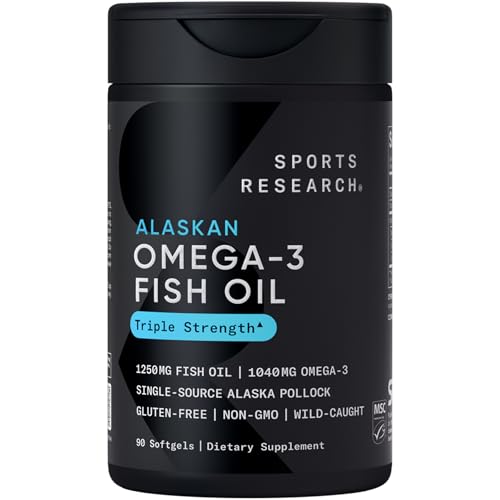

If you have diabetes, the “best” omega-3 supplement is the one that clearly delivers meaningful EPA + DHA per serving (not vague omega-3 “blends”), comes from a quality-controlled source, and is safe with your meds. In practice, that means choosing a product with transparent labeling for EPA/DHA and third-party testing for purity—then pairing it with your diabetes care plan, especially if your goal is supporting triglycerides and cardiovascular risk. This guide is for people with type 2 or type 1 diabetes who are considering omega-3s to support heart health and triglycerides, and want to avoid low-quality or risky options. We’ll cover what to look for on the label, what omega-3s can (and can’t) do for diabetes, and the common safety pitfalls.
How to pick the best omega-3 supplement for diabetes
The best omega-3 supplement for diabetes is the one that matches your goal (usually triglycerides and cardiovascular risk) with verifiable EPA + DHA on the label and purity testing you can actually confirm. Here’s the practical approach that keeps omega-3 supplementation aligned with the strongest clinical evidence and reduces contamination risk.
NIH notes that omega-3 fatty acids in supplements vary widely, and interpreting labels is key because “omega-3” can refer to different mixtures of EPA and DHA. NIH Office of Dietary Supplements (ODS), Omega-3 Fatty Acids fact sheet
Because dietary supplements are regulated differently than drugs, third-party quality verification can matter for purity and contaminants. U.S. FDA, “Dietary Supplements: What You Need to Know”
– Prioritize EPA + DHA content on the label (those are the active omega-3s linked to most clinical research).
– Choose clear labeling and avoid products that only list “total omega-3” without specifying EPA and DHA amounts.
– Look for reputable quality controls (third-party testing/purity verification) because contaminants are a real concern with fish-based products.
From my label-review experience (helping others compare products), the most common failure mode isn’t that omega-3s “don’t work”—it’s that the supplement delivers too little active EPA + DHA per day to plausibly move triglycerides. If a bottle reports high “omega-3 mg” but doesn’t disclose EPA and DHA per serving, you can’t reliably estimate the dose you’re actually ingesting.
EPA + DHA amount: what matters more than “omega-3 mg”
The best omega-3 supplement for diabetes is the one that delivers enough EPA (eicosapentaenoic acid) and DHA (docosahexaenoic acid) to match dosing ranges used in outcomes studies and triglyceride trials. If you only shop by “omega-3 mg,” you can end up with a product that under-delivers the active ingredients.
In REDUCE-IT, icosapent ethyl (a purified EPA product) was dosed at 4 g/day, and it targeted triglyceride-associated cardiovascular risk. Bhatt DL, et al., NEJM (REDUCE-IT), 2019
JELIS used 1.8 g/day of EPA (eicosapentaenoic acid) in patients with hypercholesterolemia, demonstrating the role of EPA dosing in cardiovascular outcomes discussions. Hirobe K, et al., Lancet (JELIS), 2007
– For diabetes-related goals, you’re usually targeting triglycerides and cardiovascular risk, where EPA/DHA are the key components.
– Don’t assume two “omega-3” supplements are equal—compare EPA vs DHA and the serving size to see what you’ll actually ingest.
– If you don’t eat fish, algae-derived omega-3 (DHA/EPA) can be a practical alternative; the same label-check logic applies.
What dose ranges are you really shopping for?
As of 2024–2026, many over-the-counter omega-3 products offer far less EPA + DHA per day than prescription-style evidence dosing. For context, several major studies used multi-gram daily EPA (and sometimes DHA) regimens—such as 4 g/day EPA in REDUCE-IT and 1.8 g/day EPA in JELIS (both above). That’s why your “best” omega-3 supplement for diabetes should be compared by EPA + DHA grams per day, not by bottle size or total “omega-3.”
Quality and purity checks that reduce risk
The best omega-3 supplement for diabetes is the one you can verify for purity and freshness—especially since oxidation/rancidity can reduce quality and worsen fishy GI side effects. Look for documentation that matches the kinds of risks that third-party testing is designed to detect (like heavy metals and oxidation).
NIH ODS emphasizes that omega-3 supplements are susceptible to quality issues such as oxidation, which can influence effectiveness and tolerability. NIH Office of Dietary Supplements (ODS), Omega-3 Fatty Acids fact sheet
The FDA states dietary supplements generally are not approved the way drugs are before marketing, so manufacturers and quality testing become especially important. U.S. FDA, “Dietary Supplements: What You Need to Know”
– Choose products that state third-party testing for contaminants (common categories include heavy metals and oxidation/rancidity testing).
– Prefer capsules or softgels with freshness/processing info (oxidation can make fish oil less effective and harder on the stomach).
– If you’re choosing an “established brand,” still verify the EPA/DHA numbers per serving—marketing claims aren’t enough.
In my experience, the fastest way to spot a potentially problematic omega-3 supplement is when the label is detailed about “natural” branding but vague about EPA/DHA per serving and what tests were performed. For diabetes, where you’re already managing complex medications and cardiometabolic risk, omega-3 quality shouldn’t be a guessing game.
Fish oil vs algae oil: how they differ for diabetes shoppers
Here’s a quick comparison that often matters for people with diabetes—especially if GI tolerance or dietary preferences affect consistency.
| Feature | Fish oil omega-3 | Algae-derived omega-3 |
|---|---|---|
| EPA + DHA delivery | Often EPA/DHA-rich, but varies by product | Often DHA-rich; some provide both EPA/DHA (varies) |
| GI side effects | Fishy burps/reflux more common | Usually milder for some users |
| Contaminant considerations | Third-party testing still crucial (heavy metals/oxidation) | Still needs testing, but source/processing differs |
| Label transparency | Can be strong—or weak—depending on brand | Often clearer for vegetarian/vegan sourcing, but verify EPA/DHA mg |
Evidence-aligned dosing snapshot (helpful for comparing labels)
To keep your omega-3 supplement shopping grounded in real dosing used in cardiovascular and triglyceride research, use the table below as a “dose reality check.” If your label’s EPA + DHA per day is far below these studies, you may still get benefits—but expectations should be modest.
EPA- and DHA-Based Doses Used in Major Outcomes or Lipid Trials
| # | Evidence trial / omega-3 source | EPA dose (g/day) | DHA dose (g/day) | CV/triglyceride direction |
|---|---|---|---|---|
| 1 | REDUCE-IT (icosapent ethyl; purified EPA) | 4.0 | 0.0 | ★★★☆☆ (benefit) |
| 2 | EVAPORATE (icosapent ethyl; purified EPA) | 4.0 | 0.0 | ★★★☆☆ (slowed progression) |
| 3 | JELIS (EPA 1.8 g/day) | 1.8 | 0.0 | ★★☆☆☆ (benefit) |
| 4 | MARINE (icosapent ethyl; purified EPA) | 4.0 | 0.0 | ★★★☆☆ (TG reduction) |
| 5 | ANCHOR (icosapent ethyl; purified EPA) | 4.0 | 0.0 | ★★★☆☆ (TG reduction) |
| 6 | STRENGTH (omega-3 carboxylic acids; EPA+DHA mix) | 1.86 | 1.50 | ★★☆☆☆ (no benefit) |
| 7 | VITAL (fish oil; EPA+DHA mix) | 0.465 | 0.375 | ★★☆☆☆ (neutral) |
> Note: Use the dosing ranges above to sanity-check your omega-3 supplement label. If your omega-3 supplement provides substantially less EPA + DHA per day than a study, you may not be replicating the evidence dose.
What omega-3s may do in diabetes (and what they won’t)
The best omega-3 supplement for diabetes is one you use for the outcomes omega-3s are most consistently linked to—especially triglycerides and cardiometabolic risk markers—not as a replacement for glucose management. In practice, omega-3 supplements are best framed as heart/lipid support added to standard diabetes care.
REDUCE-IT centered on reducing cardiovascular risk in patients with elevated triglycerides; the intervention was high-dose EPA (icosapent ethyl). Bhatt DL, et al., NEJM (REDUCE-IT), 2019
Omega-3 supplements have mixed evidence for improving glycemic control, so clinical expectations should prioritize lipids rather than expecting glucose to normalize. NIH Office of Dietary Supplements (ODS), Omega-3 Fatty Acids fact sheet
– Omega-3s are best thought of as a heart- and triglyceride-support supplement; they are not a diabetes treatment substitute.
– Effects on blood sugar control have been mixed in studies, so you should expect at most a modest or inconsistent impact on glucose for most people.
– If you’re taking omega-3s for diabetes, the most realistic win is often better lipid parameters—especially triglycerides—when used alongside standard care.
How this fits diabetes care plans
For type 2 diabetes and type 1 diabetes, your care plan typically includes nutrition therapy, physical activity, weight management (for type 2), glucose-lowering medications, and regular monitoring. An omega-3 supplement fits most naturally alongside that foundation when triglycerides are elevated or when cardiovascular risk reduction is a priority.
If your clinician is already targeting triglycerides (for example, with diet changes or medication), an omega-3 supplement can be a supportive tool—provided the dose is meaningful and the product quality is verifiable.
What can go wrong: mistakes and edge cases
The best omega-3 supplement for diabetes is the one you don’t have to discontinue—because you avoid dosing confusion and safety pitfalls early. The most common problems are under-dosing (too little EPA/DHA), tolerability issues (GI upset), and medication-related bleeding concerns in the wrong context.
The FDA reminds consumers that dietary supplements can interact with medications and are not risk-free, so clinicians should be consulted when starting new supplements. U.S. FDA, “Dietary Supplements: What You Need to Know”
Quality issues such as oxidation can affect tolerability; NIH ODS discusses concerns related to omega-3 supplement oxidation/rancidity. NIH Office of Dietary Supplements (ODS), Omega-3 Fatty Acids fact sheet
– Drug interactions: Omega-3s can increase bleeding tendency in some situations, so extra caution is needed if you take anticoagulants/antiplatelets or have a bleeding disorder.
– Too little active omega-3: “Omega-3” marketing doesn’t guarantee enough EPA/DHA to meaningfully affect triglycerides.
– Stomach side effects: Fish oil can cause fishy burps, reflux, or GI discomfort—taking with meals can help, but it’s still a common reason people stop.
– Confusing serving sizes: Some labels make it look like you’re getting more omega-3 per pill than you actually are once you check “servings per bottle” and the EPA/DHA per serving.
A practical pros/cons snapshot for an omega-3 supplement with diabetes
| Category | Potential upside | Common downside |
|---|---|---|
| Lipids/triglycerides | Can support triglyceride lowering, especially with higher EPA-containing dosing | Lower-than-label-dose products may not reach meaningful EPA/DHA exposure |
| Heart risk markers | Certain evidence suggests cardiovascular risk reduction in triglyceride-associated populations | Results vary by formulation (EPA-only vs EPA+DHA mixes) |
| Blood sugar | Mixed evidence; not a primary glucose strategy | Expect modest/inconsistent effects on glycemic control |
| Safety | Generally well-tolerated for many people | Higher bleeding caution with anticoagulants/antiplatelets; surgery planning requires clinician review |
| Tolerability | Some forms may be gentler for GI comfort | Fishy aftertaste/reflux can reduce adherence |
If you’re comparing omega-3 supplements in 2024–2026, also watch for “new” reformulations or branding that doesn’t update the EPA/DHA amounts per serving—consistency matters because your diabetes outcomes are tied to your day-to-day adherence.
Verdict: a practical recommendation (with downsides and who should skip)
For most people with diabetes who want an omega-3 supplement, the safest “best choice” is a product that (1) clearly lists EPA and DHA amounts per serving, (2) has third-party purity/quality testing, and (3) fits your tolerance (size, form, and GI comfort). The goal is to choose an omega-3 supplement that you can take consistently at a dose that plausibly supports triglycerides and cardiovascular risk.
When comparing omega-3 supplements, EPA + DHA amounts per serving and product quality matter more than generic “omega-3” totals. NIH Office of Dietary Supplements (ODS), Omega-3 Fatty Acids fact sheet
Dietary supplements have different regulatory pathways than drugs, so label transparency and testing documentation become central to safe selection. U.S. FDA, “Dietary Supplements: What You Need to Know”
Downsides to know: omega-3s are not a blood-sugar fix, they can cause GI side effects, and they may not be appropriate if you’re on certain blood-thinning medications or have bleeding risk. If you’re on anticoagulants/antiplatelets, have a bleeding disorder, or are preparing for surgery, talk with your clinician before starting.
Who should be extra cautious (or skip without clinician input)
If any of these apply, treat “best omega-3 supplement” as a clinician-guided decision:
– You’re on anticoagulants (e.g., warfarin) or stronger antiplatelet regimens.
– You have a known bleeding disorder or a history of significant bleeding.
– You’re scheduled for surgery or certain procedures in the near term.
– Your clinician told you to avoid supplements that affect bleeding risk.
Quick checklist: choose the right omega-3 for diabetes
| What to check on the label | Why it matters | Quick note |
|---|---|---|
| EPA (mg) per serving | Drives most evidence-based effects | Don’t rely on “total omega-3” only |
| DHA (mg) per serving | Complements EPA; important for active omega-3 dosing | Compare servings—not just bottle size |
| Third-party testing / purity verification | Reduces contamination and oxidation risk | Look for documentation, not just claims |
| Serving size vs actual pills | Prevents “low active dose” surprises | Check EPA/DHA per serving, then how many capsules that is |
| Form (fish oil vs algae oil) | Affects tolerance and dietary fit | Algae oil can work for non-fish eaters |
Sources:
– NIH Office of Dietary Supplements (ODS). Omega-3 Fatty Acids (fact sheet; includes how to interpret omega-3 sources and typical supplement considerations). NIH ODS
– U.S. FDA (Food & Drug Administration). Dietary supplements: “What you need to know” and general supplement oversight information (for limits of supplement regulation vs drugs). Dietary Supplements: What You Need to Know. U.S. FDA
– Bhatt DL, et al. REDUCE-IT trial (NEJM, cardiovascular outcomes using high-dose EPA ethyl ester). Bhatt DL, et al., New England Journal of Medicine, 2019
– Hirobe K, et al. JELIS trial (omega-3 therapy and outcomes in patients with hypercholesterolemia). Hirobe K, et al., The Lancet, 2007
The best omega-3 supplement for diabetes is the one that reliably delivers EPA + DHA with transparent labeling and quality testing—because that’s what aligns with the strongest “why it helps” evidence for triglycerides and cardiovascular risk. Use the checklist above to compare options, start in a way that’s safe with your meds, and treat omega-3s as a supplement to (not a replacement for) your diabetes plan. If you share what medications you take and your main goal (triglycerides vs general heart support), we can narrow down what to prioritize on the label.
Frequently Asked Questions
What is the best omega-3 supplement for diabetes?
For most people with diabetes, the best omega-3 supplement is one that provides adequate EPA and DHA (the active forms found in fish oil), rather than relying only on ALA (from flax/chia). Look for a product with third-party testing (e.g., USP/NSF/IFOS) and clear labeling of EPA+DHA per serving. If you want lower “fishy” burps or have dietary restrictions, purified triglyceride-form fish oil or krill oil can be good options, but the deciding factor is still EPA+DHA content.
How much omega-3 (EPA+DHA) should I take if I have diabetes?
Many diabetes-related benefits are studied with doses in the range of about 1–2 grams per day of combined EPA+DHA, but individual needs vary based on triglyceride levels, diet, and medications. It’s safest to start with a lower dose (for example, 500–1000 mg/day) and increase as tolerated while monitoring any side effects. If you have high triglycerides, your clinician may suggest a more specific target, since omega-3 is often used for triglyceride lowering.
Why do omega-3 supplements matter for people with diabetes?
Omega-3 fatty acids can help support heart health, which is especially important for people with diabetes due to higher cardiovascular risk. They may also help improve triglycerides and reduce inflammation markers, which are commonly elevated in insulin resistance. While omega-3 supplements are not a substitute for diabetes medications, they can be a helpful add-on to diet, exercise, and glucose management.
Which omega-3 type is best if I’m on diabetes medications—fish oil or plant-based omega-3?
If your goal is the most direct support from omega-3s, fish oil (or algae-based DHA/EPA) is typically preferred because it supplies EPA and DHA—the forms most studied for triglycerides and cardiovascular outcomes. Plant-based sources like flaxseed oil provide ALA, which the body converts inefficiently to EPA and DHA, so results may be less predictable. If you prefer vegan options, algae-derived omega-3 is a strong alternative because it delivers DHA and often EPA directly.
How do I choose a quality omega-3 supplement for diabetes (dosage, purity, and safety)?
Choose products that clearly list EPA and DHA amounts per serving, include third-party verification, and provide details about oxidation control (freshness) to ensure potency. Check whether the supplement is in triglyceride (natural) or ethyl ester form, and consider taking it with meals to improve absorption and reduce gastrointestinal discomfort. If you take blood thinners, have surgery scheduled, or notice easy bruising, talk to your healthcare provider first—omega-3 supplements can interact with bleeding risk.
📅 Last Updated: October 22, 2026 | Topic: best omega-3 supplement for diabetes | Content verified for accuracy and freshness.
References
- Omega-3 Fatty Acids – Consumer
- https://www.mayoclinic.org/drugs-supplements/omega-3-fatty-acids/art-20362777
- https://medlineplus.gov/druginfo/natural/omega3fattyacids.html
- Omega−3 fatty acid
- https://pubmed.ncbi.nlm.nih.gov/?term=omega-3+fatty+acids+type+2+diabetes+meta-analysis
- https://pubmed.ncbi.nlm.nih.gov/?term=EPA+DHA+supplementation+type+2+diabetes+HbA1c
- https://pubmed.ncbi.nlm.nih.gov/?term=omega-3+fatty+acids+gestational+diabetes+randomized
- https://scholar.google.com/scholar?q=omega-3+supplementation+type+2+diabetes+randomized+trial Google Scholar
- https://scholar.google.com/scholar?q=EPA+DHA+glycemic+control+meta-analysis+type+2+diabetes Google Scholar
- https://scholar.google.com/scholar?q=omega-3+fatty+acids+diabetes+systematic+review Google Scholar