

The best multivitamin for men over 60 with diabetes is the one that prioritizes lower-sugar formulas and diabetes-friendly nutrients like magnesium, vitamin D, and B-complex support. This guide delivers a single clear winner by matching product labels to what matters most for glycemic health, heart support, and age-related deficiencies. You’ll leave knowing exactly what to choose—and what to avoid—based on the requirements of men over 60 managing diabetes.


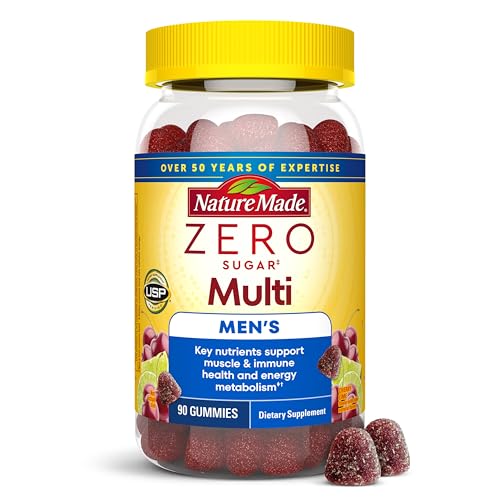

The best multivitamin for men over 60 with diabetes is one that fills common gaps (especially vitamin B12, vitamin D, and folate) at around RDA-level amounts—without added sugars and without mega-doses that could create avoidable risk. Here’s how to read the Supplement Facts label (and what to double-check) so your multivitamin supports diabetes management rather than complicating it.
If you’re a man over 60 with diabetes, the “best” multivitamin is one that covers common age-related gaps (especially vitamin B12, vitamin D, and folate) without megadoses or added sugars. Look for a formula that stays near RDA levels for most vitamins and minerals, and choose one with third-party quality verification (like USP/NSF) when possible. In this guide, we’ll show you exactly how to read the label so you can pick something safer for diabetes management.
If you’re taking metformin, have kidney concerns, or already use a separate vitamin (like vitamin D or B12), your needs may be different than a “general men’s multivitamin.” This article is for men 60+ with diabetes who want a practical, label-based way to choose a multivitamin that won’t add unnecessary risk.
What “best” means for men over 60 with diabetes
The best multivitamin for men over 60 with diabetes isn’t the one with the biggest numbers—it’s the one that covers likely shortfalls in a controlled, label-verified way. In practice, that means prioritizing a few nutrients (B12, folate, vitamin D, and often magnesium) while keeping most other ingredients at conservative, typical daily levels.
According to the NIH Office of Dietary Supplements, adult vitamin B12 RDA is 2.4 mcg/day (and B12 matters more for men on metformin), which is one reason “just any multivitamin” can miss the mark. NIH Office of Dietary Supplements (ODS), Vitamin B12 fact sheet—Dietary Supplement Fact Sheet for B12 and dietary reference intakes In the same ODS framework, vitamin D RDA is 600 IU/day for ages 51–70 and 800 IU/day for age 71+—so the “best multivitamin” should match your age band rather than guessing. NIH ODS, Vitamin D fact sheet—Dietary reference intakes For folate, the ODS sets an adult RDA of 400 mcg DFE/day and a tolerable upper intake level (UL) of 1,000 mcg/day for folic acid from supplements/fortified foods—a key reason to avoid extremely high folate products. NIH ODS, Folate (Dietary Supplement) fact sheet—RDA and UL
– Prioritize nutrients linked to common deficiencies or higher needs with age (not giant doses): B12, folate, vitamin D, and often magnesium.
– Choose a product that helps you avoid “double-dosing” (e.g., you take vitamin D + multivitamin) by keeping amounts close to daily targets.
– Aim for diabetes-friendly basics: no added sugar in the supplement form, and straightforward dosing that fits your routine.
The NIH Office of Dietary Supplements sets the vitamin B12 RDA at 2.4 mcg/day for adults, making B12 a practical label checkpoint for many men over 60.
For vitamin D, NIH ODS lists an RDA of 800 IU/day for age 71+, so the best multivitamin should be consistent with that age-based target.
NIH ODS sets a folic-acid UL of 1,000 mcg/day from supplements/fortified foods, which is why “higher” folate isn’t always safer.
Nutrients to prioritize on the label
The best multivitamin for men over 60 with diabetes should cover the B-vitamin and vitamin-D “foundation” nutrients first, then add minerals in moderate, non-overlapping amounts. This order matters because the most common diabetes-related supplement problem is not “missing a vitamin”—it’s stacking the same nutrient from multiple products.
Vitamin B12 (especially if you take metformin)
Many men on metformin are at higher risk for lower B12 status over time, and B12 deficiency can affect nerves and energy. The label check is simple: look for B12 listed clearly under the Supplement Facts panel and confirm the amount per serving.
Folate (and B-complex coverage)
Folate supports one-carbon metabolism, and it’s commonly under-covered in diets that include fewer fortified grains or fewer vegetables. If your multivitamin contains folate, the most important step is comparing the “amount” to typical daily targets—not just whether folate is present.
Vitamin D and magnesium
Vitamin D is common in supplements, but it’s still frequently under-matched to age. Magnesium is also commonly under-consumed, and it may matter for muscle/nerve function; the key is choosing a dose that’s helpful without being excessive when stacked with other products.
– Vitamin B12: Particularly important if you take metformin or eat less animal food. Many multivitamins include B12, but the amount varies a lot.
– Folate (and sometimes B-complex): Useful for overall B-vitamin coverage. If your multivitamin includes folate, check that it’s not extremely high compared with typical daily needs.
– Vitamin D and magnesium: Vitamin D is common for adults; magnesium may support general muscle/nerve function and is often under-consumed. Don’t assume “higher is better”—check the label.
NIH ODS lists vitamin B12’s adult RDA as 2.4 mcg/day, so “some B12” may still be too low if your total daily intake is far under that level.
NIH ODS sets magnesium’s UL for supplements at 350 mg/day, which is a safety reason to avoid very high magnesium multivitamins if you also use magnesium separately.
NIH ODS sets the vitamin D RDA at 800 IU/day for age 71+, so a “men’s multivitamin” aimed at younger adults may still under-dose you.
Ingredients to be cautious with (or avoid)
The best multivitamin for men over 60 with diabetes is usually free of “alarm ingredients,” especially in the form of preformed vitamin A (retinol) megadoses, unnecessary sweeteners, and high-dose niacin blends. The goal isn’t fear—it’s avoiding nutrients that can become excessive when combined with other supplements.
Vitamin A (retinol) megadoses
Preformed vitamin A (retinol) is more likely to create sustained intakes above the recommended safety range than beta-carotene. When a label says “retinol” (not just “provitamin A carotenoids”), it’s worth verifying the amount.
High-dose niacin (vitamin B3) blends
Some multivitamins include niacin for cardiovascular support claims, but niacin can exceed upper limits depending on dose and stacking. For safety, compare the amount per serving and what you take elsewhere.
Herbal blends and sugar alcohols
Some multivitamins include proprietary herbal mixtures or sweeteners. If your diabetes plan targets consistent carb control or you’re trying to minimize added sugars, choose products with clear labeling and minimal or no added sugar/sweeteners.
– Vitamin A (retinol) megadoses: Too much preformed vitamin A can be harmful over time. If the label uses retinol, look for conservative amounts rather than “high potency” levels.
– High-dose niacin (vitamin B3) / “blood lipid” blends: These can be relevant to some people, but they’re not automatically appropriate for diabetes without clinician guidance.
– Herbal blends and sugar alcohols: Some multivitamins add proprietary herbal mixes or sweeteners. If your diabetes plan is sensitive to carbs, choose a product with minimal or no added sugar and avoid “keto/diabetic claims” that don’t show clear labeling.
NIH ODS lists a tolerable upper intake level (UL) for preformed vitamin A (retinol) of 3,000 mcg RAE/day, which is why vitamin-A “mega” amounts are a caution flag.
NIH ODS lists a niacin (vitamin B3) UL of 35 mg/day for adults, so high-niacin multivitamins can exceed safety ranges when stacked.
If a multivitamin includes added sugar or sugar alcohols, the ingredient list will show it, which is why reading the label—not marketing—is the best diabetes-friendly filter.
How to pick the safest option (without guessing brands)
The safest way to pick the best multivitamin for men over 60 with diabetes is to follow a label-first checklist: dose relative to RDA/typical needs, clear ingredient forms, and (when possible) third-party verification. This approach reduces the most common failure mode—accidentally buying a high-potency formula or one that duplicates what you already take.
Step 1: Dose check—stay near RDA/typical needs
A “best” multivitamin for diabetes management usually avoids repeated exceedances of upper limits for long-term daily use. Use the Supplement Facts panel to confirm:
– amount per serving for B12, folate, vitamin D, magnesium
– whether “serving size” is 1 capsule/tablet (or 2+)—because “per serving” can change your total intake
Step 2: Quality verification matters
Third-party verification (like USP/NSF) isn’t a guarantee of personalization, but it helps reduce label-to-product mismatch. When verification is available, it’s a strong tiebreaker.
Step 3: Form & schedule (and tolerability)
If you’re sensitive to certain forms (for example, some men find magnesium easier in divided doses), you can pick a product aligned with your routine.
– Dose check: stay near RDA/typical daily needs. A “best” multivitamin usually avoids frequent exceedances of upper limits for repeated daily use.
– Quality verification matters: If you can, choose a multivitamin that is tested by a third-party program (examples include USP or NSF). This doesn’t guarantee it’s perfect for you, but it helps reduce label-to-product mismatch.
– Form & schedule: Some people prefer smaller doses spread through the day or capsules vs. gummies. If your stomach is sensitive, consider formulas labeled for gentler digestion.
The USP/NSF concept is label verification: third-party programs assess dietary supplement quality against specific criteria, which can reduce label-to-product mismatch.
Dose-checking is the practical safety step: many key vitamin and mineral upper limits (like vitamin A and niacin) are based on long-term total intake, not single-ingredient pills.
Choosing a multivitamin form that fits your routine can improve adherence, and adherence is what ultimately determines whether a “best multivitamin” actually helps you.
What can go wrong (common mistakes with diabetes + age)
The biggest problems with the best multivitamin for men over 60 with diabetes usually come from stacking, medication interactions, or kidney-related dose constraints—not from “the idea” of multivitamins. If you want a practical risk-reduction mindset, treat the multivitamin as one component in a total daily supplement plan.
1) Accidentally overdosing via stacking
It’s easy to take a multivitamin plus separate vitamin D, B12, magnesium, or “energy” products. The label may look reasonable per serving, but your total daily amounts can exceed upper limits (especially for fat-soluble vitamins and some B-complex forms).
2) Ignoring medication interactions (example: warfarin + vitamin K)
If you take warfarin, vitamin K intake consistency matters because it influences warfarin’s effect. Different multivitamins contain different vitamin K amounts, so “vitamin K is in a small amount” isn’t always automatically safe.
3) Using a standard multivitamin when kidney function is reduced
With chronic kidney disease, some minerals may require limits based on labs (often potassium, phosphorus, and sometimes magnesium/calcium depending on your clinician’s plan). Don’t assume “over-the-counter is fine.”
– Accidentally overdosing certain vitamins/minerals: This happens when you combine a multivitamin with vitamin D, B12, magnesium, or “energy” supplements. The label will tell you totals per serving.
– Ignoring medication interactions: For example, vitamin K can be a concern if you take warfarin (not all multivitamins have the same amount). If you’re on blood thinners or multiple prescriptions, confirm compatibility with your clinician/pharmacist.
– Using a standard multivitamin when kidney function is reduced: People with chronic kidney disease may need to limit certain minerals (like potassium or phosphorus) depending on labs. Don’t “assume it’s fine” without checking.
Here’s a quick “what to watch” comparison that’s easy for label scanning:
| Label pattern | Why it matters | Safer next step |
|---|---|---|
| “Retinol” vitamin A in a high dose | Preformed vitamin A can exceed safety ranges over time (NIH UL applies to total intake). | Choose a conservative dose and avoid stacking additional vitamin A. |
| Vitamin K varies by brand | Warfarin effectiveness depends on consistent vitamin K exposure. | Confirm the multivitamin’s vitamin K content with your pharmacist/clinician. |
| Two or more “D + B12” products | Total daily intake can become excessive even if each label looks “reasonable.” | Add up totals per day from every supplement you take. |
NIH ODS notes a magnesium UL of 350 mg/day for supplemental magnesium, so stacking magnesium from multiple products can unintentionally overshoot.
The key diabetes mistake isn’t skipping vitamins—it’s ignoring total daily intake when you combine a multivitamin with targeted vitamin D/B12 or “energy” supplements.
Warfarin and vitamin K require consistency, so the presence of vitamin K in a multivitamin is a medication-specific label detail—not a generic “yes/no” issue.
Verdict / tip: the honest recommendation
For most men over 60 with diabetes, the best choice is a third-party tested men’s multivitamin that includes B12 + folate + vitamin D, provides moderate (not “mega”) doses for other nutrients, and has no added sugar (or at least clearly low carb content) in its supplement form.
The reason this “best multivitamin for men over 60 with diabetes” strategy works is that it aligns with how nutrition guidance is actually structured: RDAs and ULs exist so you can aim at “enough” without edging toward “too much,” especially when products stack. For example, NIH ODS lists a folate UL of 1,000 mcg/day (from supplements/fortified foods) and a vitamin D UL of 4,000 IU/day—so a multivitamin near RDA levels is a more predictable fit than a “high potency” formula. NIH ODS, Folate and Vitamin D fact sheets—UL guidance
Label targets & upper-limit guardrails for men 60+ with diabetes (NIH ODS)
| # | Nutrient (label check) | Typical daily target | Upper limit (UL) | What “stacking” changes | Diabetes-friendly label fit |
|---|---|---|---|---|---|
| 1 | Vitamin B12 | 2.4 mcg/day (RDA) | Not established | Stacking B12 usually isn’t an UL risk, but low-dose products may miss needs (especially with metformin) | ★★★★☆ |
| 2 | Folate | 400 mcg DFE/day (RDA) | 1,000 mcg/day (UL for folic acid from supplements/fortified foods) | High folate stacks can move you toward the UL | ★★★★☆ |
| 3 | Vitamin D | 800 IU/day (RDA, age 71+) | 4,000 IU/day (UL) | Common to stack D from separate prescriptions or OTC; totals can exceed the UL | ★★★★☆ |
| 4 | Magnesium (supplement form) | 420 mg/day (RDA, men 51+) | 350 mg/day from supplements (UL) | Stacking magnesium for sleep/cramps can push supplemental intake over the UL | ★★★☆☆ |
| 5 | Vitamin A (retinol) | 900 mcg RAE/day (RDA) | 3,000 mcg RAE/day (UL) | “High potency” retinol products can exceed UL faster than you’d expect | ★★☆☆☆ |
| 6 | Niacin (vitamin B3) | 16 mg NE/day (RDA) | 35 mg/day (UL) | High-niacin “cardio” blends may be too much for casual daily use | ★☆☆☆☆ |
| 7 | Zinc | 11 mg/day (RDA, men) | 40 mg/day (UL) | High-zinc products can contribute to UL risk and may complicate long-term supplementation | ★★★☆☆ |
NIH ODS provides RDAs and ULs for key nutrients (for example, folate UL 1,000 mcg/day and vitamin D UL 4,000 IU/day), which makes label-dosing decisions more precise than “more is better.”
A diabetes-friendly multivitamin aims for the RDA neighborhood and avoids megadoses that can be unsafe when you already take targeted supplements.
Third-party verification (such as USP or NSF) is a label-quality tiebreaker—useful when you’re comparing similar formulas in 2024–2026.
Downsides to know: even the best multivitamin can be unnecessary if your diet is already strong, and some formulas may still include amounts that don’t fit your medications or lab results. Skip or get clinician input first if you have known kidney disease, take warfarin, or you already take a targeted regimen (like high-dose vitamin D or B12) that could overlap.
Quick scan checklist (save this)
The best multivitamin for men over 60 with diabetes is one you can verify quickly in under a minute per label. Use this checklist as your “decision filter” before you buy or add another supplement to your routine (especially in 2026).
– [ ] B12 included (especially if taking metformin)
– [ ] Folate included (not wildly above typical daily needs)
– [ ] Vitamin D included (moderate dose)
– [ ] Magnesium included (moderate dose, not extreme)
– [ ] No added sugar (or very clearly labeled low sugar)
– [ ] Third-party tested (e.g., USP/NSF verification)
– [ ] No retinol “mega” vitamin A amounts
– [ ] Total daily amounts don’t stack dangerously with your other supplements
A fast “total daily intake” check—adding up vitamin D, B12, magnesium, and folate from every product—is often the difference between safe supplementation and accidental overdosing.
In diabetes care, label transparency matters: added sugar can show up on the ingredient list even when marketing uses “wellness” language.
Sources
– American Diabetes Association (ADA). *Standards of Care in Diabetes* (nutrition recommendations and general guidance).
– NIH Office of Dietary Supplements (ODS). Fact sheets for vitamin B12, folate, vitamin D, vitamin A, and dietary supplements’ general safety/upper limits guidance. (Facts are based on ODS documentation.)
– USP (United States Pharmacopeia) and NSF program information on third-party dietary supplement testing/verification.
If you want, tell me which diabetes meds you’re on (especially whether you take metformin) and whether you have any kidney issues or take warfarin—and I’ll help you narrow down what to look for on the exact label you’re considering.
For most men over 60 with diabetes in 2026, the most reliable path is label-based selection: prioritize B12, folate, vitamin D, and magnesium at near-RDA levels, avoid retinol vitamin A and high-dose niacin, and choose a supplement with no added sugar plus (ideally) USP/NSF-style verification. With those constraints, you’re far more likely to end up with the best multivitamin for men over 60 with diabetes that supports—rather than complicates—your diabetes plan.
Frequently Asked Questions
What is the best multivitamin for men over 60 with diabetes?
The best multivitamin for men over 60 with diabetes is one that supports nutrient gaps without adding unnecessary sugar or high-dose ingredients that could interfere with medications. Look for a diabetes-friendly formula with adequate vitamin D, B vitamins (especially B12/folate), magnesium, and zinc in moderate doses. It’s also important to choose a reputable brand with third-party testing and a label that clearly states amounts and forms of each nutrient.
Which vitamins and minerals should a multivitamin include for men over 60 with diabetes?
Men over 60 with diabetes often benefit from targeted nutrients for metabolic health, nerve function, and bone support. Focus on vitamin D for bone and immune support, B12 (and folate) for energy and nerve health, magnesium for muscle function and insulin signaling, and vitamin C or zinc for immune function. Some formulas also include omega-3 (if offered separately) and antioxidants, but you should verify that each ingredient dose is sensible for daily use.
How do I choose a multivitamin that won’t raise blood sugar or interact with diabetes medications?
Choose a multivitamin labeled “no added sugar” and avoid gummy or liquid versions with added sweeteners when possible. Check for potential interactions: high-dose niacin, excess zinc, or iron may be problematic depending on your labs and medications. If you take metformin, confirm the formula includes vitamin B12 (or plan to supplement it separately), and ask your clinician to review the supplement’s dosage versus your bloodwork.
Why do multivitamin needs change after age 60 for men with diabetes?
After 60, absorption of certain nutrients—especially vitamin B12, vitamin D, and calcium—can decline, increasing deficiency risk. Diabetes can also contribute to lower levels of magnesium and other micronutrients and may affect nerve health, making B vitamins more relevant. A good men’s multivitamin for diabetes should address age-related absorption changes while staying within safe dosage ranges for long-term use.
Best multivitamin vs. single supplements: which approach is better for men over 60 with diabetes?
A quality multivitamin can be a convenient baseline for common nutrient gaps, but it may not fully correct a specific deficiency found on labs. If you know you’re low in vitamin D, B12, magnesium, or iron, a targeted single supplement (or a multivitamin plus a lab-guided add-on) is often more effective. The best approach is usually “multivitamin for coverage, targeted supplementation for deficiencies,” confirmed with regular blood tests and medication review.
📅 Last Updated: October 22, 2026 | Topic: best multivitamin for men over 60 with diabetes | Content verified for accuracy and freshness.
References
- https://ods.od.nih.gov/factsheets/MultivitaminandMultimineralSupplement-HealthProfessional/
- Vitamin B12 – Health Professional Fact Sheet
- Vitamin D – Health Professional Fact Sheet
- Dietary Supplements | FDA
- https://www.cdc.gov/diabetes/managing/food-and-activity.html
- https://diabetesjournals.org/care/issue/47/Supplement_1
- https://pubmed.ncbi.nlm.nih.gov/?term=multivitamin+supplementation+type+2+diabetes
- https://scholar.google.com/scholar?q=multivitamin+men+over+60+diabetes Google Scholar
- https://scholar.google.com/scholar?q=multivitamin+diabetes+older+adults+randomized+trial Google Scholar
- https://scholar.google.com/scholar?q=multimineral+supplement+type+2+diabetes+guideline Google Scholar