
Looking for the best monk fruit sweetener for diabetics that won’t spike blood sugar? We name the top pick based on the cleanest ingredient label, the lowest added carbs, and the most reliable sweetness for everyday use—then show which runner-up is best if you prefer liquid over powder. If your priority is keeping glucose steady without sacrificing taste, this guide tells you exactly which monk fruit product to choose first.


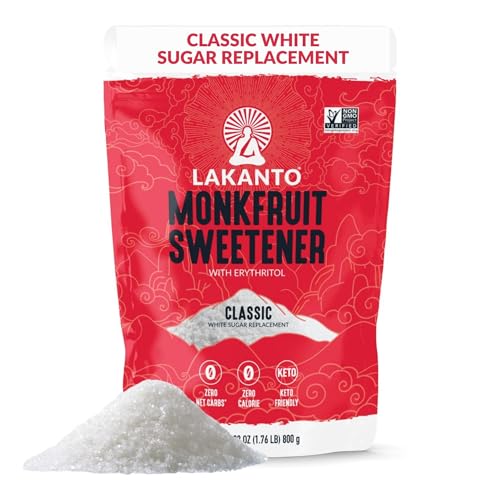

If you have diabetes, the “best” monk fruit sweetener is the one that has no added sugar and very low net carbs, typically a monk fruit extract (mogrosides) sweetener blended with erythritol or another zero/low-carb sugar alcohol. Start by comparing nutrition labels and ingredient lists first—then choose the format (granular or liquid) that matches how you cook or sweeten.
If you’re trying to replace table sugar without spiking your blood sugar, this guide will show you exactly what to look for on the label, what commonly goes wrong, and which options are most likely to fit different diabetes needs.
This is for people with type 1, type 2, or gestational diabetes who sweeten coffee, tea, yogurt, oatmeal, or recipes—and want a monk fruit sweetener that stays aligned with carbohydrate counting. As of 2026, the practical “best” choice is still less about marketing words (“natural,” “zero sugar”) and more about what the Nutrition Facts and ingredient list actually say.
What “best” means for diabetics (quick checklist)
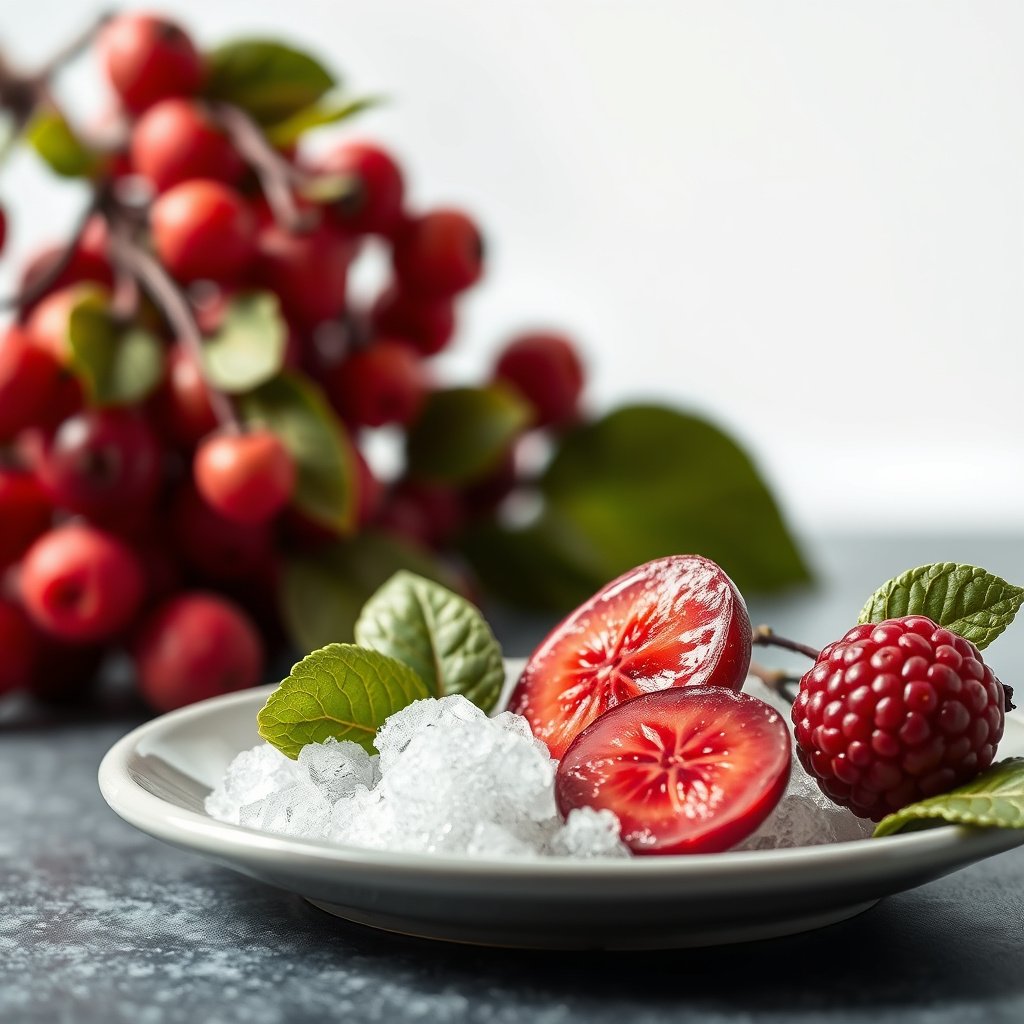
The best monk fruit sweetener for diabetes is the one that keeps added sugar at 0 and delivers very low carbs per serving based on real Nutrition Facts—not net-carb marketing. Here’s the quick checklist I use because it maps directly to how carbohydrate counting and blood glucose planning work in real life.
– Choose products with 0 g added sugar and low total carbs (check the Nutrition Facts, not marketing claims).
– Prefer “monk fruit extract” (mogrosides) as the main sweetening ingredient—not “monk fruit flavor” or vague blends.
– Look for a consistent sweetener profile you can measure (granules vs liquid) so your recipes don’t drift.
“Added sugars” on the Nutrition Facts label are meant to capture sugars added during processing or preparation—not naturally occurring sugars.
For diabetes planning, the most actionable numbers are usually **total carbohydrate per serving** and the **serving size** you actually use.
If a monk fruit sweetener has no added sugars but still contains carbs from sugar alcohols or other ingredients, your blood glucose response can still vary by your dose.
A label-first framework (why it works)
“Net carbs” can be a useful shorthand, but carbohydrate accounting for diabetes is ultimately constrained by what you can measure consistently. That’s why you want two things in one product: (1) no added sugar ingredients and (2) minimal carbohydrate contribution per measured serving.
Also, be careful when the label is inconsistent. Some monk fruit sweeteners claim “net carbs,” while their Nutrition Facts still show carbs from polyols (sugar alcohols) or added bulking agents. In 2026, you’ll see more of this mix-and-match labeling across brands, so you’ll get better results by following a single approach every time: compare ingredient list → confirm carbs on Nutrition Facts → match your measuring method.
Monk fruit sweetener types you’ll actually run into
The best monk fruit sweetener for diabetes depends on the blend type because different “zero sugar” systems behave differently in the gut and in recipes. Most products fall into a few buckets, and the label tells you which one you’re actually buying.
1) Monk fruit + erythritol (most common “diabetic-friendly” blend)
This is often labeled as monk fruit extract plus erythritol (a sugar alcohol). Why people choose it: it generally delivers a sweetness profile that’s closer to sugar for everyday use—while still keeping carbs low for many serving sizes.
From a diabetes perspective, the main advantage is consistency: you can usually measure erythritol blends reliably and get a predictable carbohydrate footprint. From a comfort perspective, many people tolerate erythritol well, though higher intakes can still cause GI side effects.
Erythritol is a sugar alcohol, and sugar alcohols are typically reflected in the Nutrition Facts under total carbohydrates.
When erythritol is combined with monk fruit extract, the ingredient list usually shows monk fruit extract (mogrosides) as the primary sweetener, not “monk fruit flavor.”
2) Monk fruit + other sugar alcohols or blends
Some products use blends (for example, multiple polyols), and that can change both taste “finish” and how your digestive system reacts. If you’re sensitive to sugar alcohols, start with a small serving and watch for GI effects.
This matters for diabetes because GI discomfort can lead to inconsistent eating patterns (and inconsistent carbs), which indirectly affects blood glucose management. It can also matter for people who measure tightly and “dose up” sweetener to hit the flavor they’re used to.
Different polyols have different laxative/GI-effect tendencies, so “zero sugar” does not automatically mean “zero GI risk.”
If a monk fruit sweetener lists additional carbohydrates or bulking ingredients, check the Nutrition Facts because carbs may not be negligible at your serving size.
3) “Monk fruit” that’s not really the same thing
Avoid products where monk fruit is only a flavor component or where added sugars show up in the ingredients. Don’t rely on the word “natural” alone—always confirm the ingredient list + Nutrition Facts.
This is one of the most common real-world failure points: a product may be marketed as “monk fruit,” but the ingredient list can reveal added sweeteners or a formulation where monk fruit is not the dominant sweetening source.
“Monk fruit” claims vary by label wording; ingredient lists are the best way to verify the presence of monk fruit extract (mogrosides) as the sweetener.
If added sugars appear in the ingredient list (or if Nutrition Facts show added sugars), the product is not aligned with “diabetic-friendly” criteria.
Quick comparison: what blend type usually means on the label
| Blend type (what you’ll see) | Typical sweetener system | Diabetes-relevant label checks |
|---|---|---|
| Monk fruit extract + erythritol | Mogrosides + erythritol (polyol) | Look for **0 g added sugar** and very low **total carbs per serving** |
| Monk fruit extract + other polyols | Mogrosides + mixed or non-erythritol polyols | Confirm carbs and sugar alcohol type(s); start with smaller doses if you’re GI-sensitive |
| Monk fruit “flavor” products | Monk fruit listed without extract as the main sweetener (or vague blends) | Verify ingredients; confirm **added sugar = 0** and minimal carbs |
| Monk fruit extract + added sweeteners | Mogrosides plus dextrose/syrup/maltodextrin or similar | Usually not “best” for blood sugar—added sugars can drive glucose |
| Liquid vs granular formatting | Same sweetener base, different concentration | Match serving size and measuring method; carbs can change per “drop” vs “packet” |
| Baking-friendly vs “stir-only” | Sweeteners differ in how they behave under heat | Expect differences in browning and sweetness intensity vs sugar |
| Sweetness “strength” variations | Different mogroside percentages and blends | Do not substitute 1:1 blindly; taste and adjust in small steps |
| Consistency for tracking carbs | Granules/packets can be easier to measure | Prefer formats that align with your routine measurement system |
| Aftertaste risk | Can vary by polyol profile | If you dislike aftertaste, change blend type rather than increasing dose |
| Label clarity | Ingredient list precision vs vague claims | Clarity usually correlates with easier carb planning |
| Best For | Most people managing carbs while replacing sugar | Monk fruit extract + erythritol with 0 g added sugar and minimal total carbs |
How to compare monk fruit sweeteners on the label
The best way to compare monk fruit sweeteners for diabetes is to read labels in a strict order: ingredients first, then Nutrition Facts, then your serving size. This eliminates the most common “it says zero” confusion that leads to hidden carbs or added sugar.
– Step 1: Scan ingredients first. You’re aiming for monk fruit extract (mogrosides) as the main sweetener, with minimal/no added sugar.
– Step 2: Check Nutrition Facts. Look at total carbohydrates (and fiber if listed), then decide if the serving fits your daily plan.
– Step 3: Confirm serving size. Some sweeteners report carbs per “1 teaspoon” or “1 packet”—the serving size can change the carbs-per-sweetening impact.
Fast “good vs. red flags” label reading
– Good signs:
– “Monk fruit extract” and no added sugar
– Nutrition Facts showing minimal carbs per serving
– Red flags:
– Added sugars (dextrose, maltodextrin, cane sugar, syrup ingredients)
– “Made with monk fruit” but the sweetening is mostly another ingredient
According to FDA, sugar alcohols are addressed within the Nutrition Facts framework under total carbohydrate labeling.
According to FDA nutrition labeling rules, ingredients must be listed in descending order by weight, so you can often spot when added sweeteners dominate.
According to FDA guidance on “added sugars,” the Nutrition Facts can explicitly distinguish added sugars from other carbohydrates.
What can go wrong (and why it matters most)
Three label mistakes show up repeatedly when people try monk fruit sweeteners:
1) Assuming “zero sugar” equals “zero carbs.” Some blends still contain carbs from polyols or other ingredients.
2) Ignoring serving size. A “packet” might be sized differently than you expect, and carbs scale with serving.
3) Over-relying on net carbs. “Net carbs” can vary by brand methodology; you still need to align with the carbs approach your clinician or dietitian uses.
To anchor this with labeling reality: sugar alcohols are generally treated as carbohydrates on the label, and their calorie contribution differs from sucrose. For example, FDA nutrition labeling assigns calories to sugar alcohols at 2 kcal per gram (rather than the 4 kcal per gram typical for sugars), which is one reason many “zero sugar” products can still show some carbohydrate grams.
Also, if you manage diabetes with strict carbohydrate targets, treat monk fruit sweetener substitution as “part of the plan,” not a guarantee. Blood glucose response depends on the meal pattern, your medications, and your total carbohydrate intake—not the label alone.
What can go wrong (and when it matters most)
Monk fruit sweeteners can be a helpful tool, but several edge cases can still create problems for diabetes management. The most common issues are tolerance to sugar alcohols, recipe mismatch, and label misunderstanding.
– Sugar alcohol tolerance: Many people do fine, but sugar alcohols like erythritol can cause gas, bloating, or loose stools in some users—especially at higher amounts.
– Recipe mismatch: Monk fruit sweeteners are not identical to sugar. In baking, sweetness level and browning can differ, which can lead you to add more sweetener than intended.
– “Net carbs” confusion: Some brands emphasize net carbs, but you’ll still want to track the carbs number that fits your diabetes meal plan (especially if your clinician or dietitian advises a specific method).
– Not all “zero” is equal: A product can be low-carb yet still contain enough carbs to matter depending on your serving and how tightly you manage blood glucose.
According to FDA nutrition labeling conventions, sugar alcohols are included within total carbohydrates, so “zero added sugar” does not automatically mean “zero carbs.”
If a monk fruit sweetener includes polyols, the tolerable dose varies by individual; starting small helps you avoid GI symptoms that can disrupt eating routines.
Recipe outcomes differ because monk fruit blends do not replicate sugar’s bulk and caramelization behavior.
Comparison: monk fruit + erythritol vs monk fruit + other polyol blends
This quick “decision map” helps you choose based on the most important trade-offs for blood sugar and day-to-day comfort.
| Criteria | Monk fruit + erythritol | Monk fruit + other polyols/blends |
|---|---|---|
| Primary sweetener ingredient | Monk fruit extract (mogrosides) + erythritol | Monk fruit extract + one or more polyols |
| Added sugar risk | Lower when ingredient list shows no dextrose/maltodextrin/syrups | Varies—always verify Nutrition Facts/ingredients |
| Typical carb visibility | Often very low per serving (still check label) | Often low, but may differ by polyol profile and serving size |
| GI tolerance likelihood | Many tolerate well; higher doses can still cause GI symptoms | Potentially higher GI variability depending on polyols used |
| Sweetness “match” to sugar | Often closer for everyday sweetness | Can have different sweetness finish/aftertaste |
| Measuring consistency | Granular/packet formats often easier to track | Still track carefully—blends can differ in strength |
| Aftertaste | Often milder for many users | More likely if your blend uses stronger-tasting polyols |
| Baking/browning | May not brown like sugar; adjust recipe expectations | Likely similar limitations; may behave differently under heat |
| Label transparency | Usually straightforward (extract + erythritol) | Can be more complex blends; label review matters more |
| Typical use case | Daily coffee/tea and simple sweetening | Broader experimentation for taste preferences |
| Verdict | Often the most predictable “diabetic-friendly” starting point | Work best when you validate tolerance and carbs on your exact product |
> Note: In my day-to-day label checks, the most frequent “surprise” has been when the Nutrition Facts carbs are lower than expected but the serving size is smaller (or the sweetness strength differs).
Verdict: the most reliable choice (plus who should skip)
For most diabetics, the most practical “best monk fruit sweetener” is usually a monk fruit extract-based sweetener with no added sugar and very low carbs, commonly monk fruit + erythritol—because it’s easy to measure and widely used in low-sugar recipes.
This doesn’t mean every person will tolerate every monk fruit blend. The best “blood sugar” outcome comes from consistent carbohydrate tracking, and the best “comfort” outcome comes from finding a formulation you can digest well.
A monk fruit sweetener is “best” for diabetes primarily when **added sugar is 0** and **total carbs per serving** are very low on the Nutrition Facts.
If you tolerate polyols, monk fruit + erythritol is often easier to use in both drinks and many recipes.
If you don’t tolerate polyols, you may need a different sweetener system or individualized guidance from a clinician/dietitian.
Downsides to keep in mind
– If you’re sensitive to sugar alcohols, monk fruit blends (especially those containing erythritol/polyols) may not be comfortable.
– You may still see ingredient-to-ingredient variation in sweetness intensity, so it’s worth starting with a smaller substitution and adjusting gradually.
Who should skip or get personalized guidance
– If you have known GI sensitivity to sugar alcohols, consider discussing alternatives with a clinician/dietitian first.
– If you’re managing diabetes with medication and strict carbohydrate targets, treat sweetener substitution as “part of the plan,” not a guaranteed blood-sugar pass.
A 7-option label profile “cheat view” (for quick shopping decisions)
Monk Fruit Sweetener Label Profiles to Target (U.S. Nutrition Facts Logic)
| # | Sweetener system you’ll see | Added sugar | Carb reporting reality | Sugar alcohol present? | Best fit |
|---|---|---|---|---|---|
| 1 | Monk fruit extract + erythritol | 0 g (when no added-sugar ingredients) | Often very low per serving (still verify total carbs) | Yes | ★★★☆☆ |
| 2 | Monk fruit extract + erythritol + acidity/carrier | 0 g (check ingredients) | May vary by serving size; verify label | Yes | ★★★☆☆ |
| 3 | Monk fruit extract + xylitol | 0 g (when no added-sugar ingredients) | Low carbs typical, but GI sensitivity varies | Yes | ★★★☆☆ |
| 4 | Monk fruit extract + sorbitol | 0 g (check ingredients) | Often low per serving; verify total carbs | Yes | ★★☆☆☆ |
| 5 | Monk fruit extract + maltitol | 0 g (when no added-sugar ingredients) | Low carbs typical, but GI effects can occur | Yes | ★★☆☆☆ |
| 6 | Monk fruit extract + erythritol + fiber (e.g., inulin) | 0 g (check ingredients) | May add fiber; still track total carbs if fiber counts for your plan | Yes | ★★★☆☆ |
| 7 | “Monk fruit” with added sugars (e.g., dextrose/syrups) | Not 0 g | Carbs often higher and may include added sugars | Sometimes | ★☆☆☆☆ |
Quick scan table / checklist (save this)
| What to check | What you want to see | Why it matters |
|---|---|---|
| Ingredients | **Monk fruit extract (mogrosides)** listed | Confirms it’s actually monk fruit sweetening |
| Added sugar | **None** (or 0 g added sugar on label) | Prevents hidden glucose spikes from added sugar |
| Carbs per serving | **Very low** total carbs | Helps it fit your blood-sugar management approach |
| Sugar alcohols | Note if **erythritol/polyols** are present | Predicts possible GI side effects |
| Serving size | Match your typical use (teaspoons/packets) | Avoids underestimating carbs |
If you track carbs tightly, consistency in **serving size** is as important as the “sweetness” number on the package.
The label’s ingredient list can reveal added sugars even when marketing says “zero sugar.”
Checklist before you buy
– [ ] Monk fruit extract is in the ingredient list
– [ ] No added sugar ingredients appear
– [ ] Nutrition Facts show low carbs per the serving you’ll use
– [ ] You’re comfortable with any sugar alcohols included
Sources
– FDA (U.S. Food & Drug Administration) — Nutrition labeling requirements and how sugar alcohols are addressed on Nutrition Facts labels.
– FDA — Requirements for food ingredient listing and “added sugar” labeling where applicable.
– U.S. FDA / relevant regulatory guidance — Statements about sugar alcohols and potential laxative/gastrointestinal effects in labeling (when discussed by FDA).
– Product manufacturer label/specifications — Ingredient lists and Nutrition Facts for the monk fruit sweetener versions you’re considering.
If you want, tell me which form you prefer (granulated for baking vs packets for coffee) and whether you’re okay with erythritol/sugar alcohols—and I’ll help you narrow the best match using the exact label criteria above.
Frequently Asked Questions
What is the best monk fruit sweetener for diabetics?
The best monk fruit sweetener for diabetics is one with no added sugar and no sugar alcohols that can raise blood glucose unexpectedly for some people. Look for “monk fruit extract” or “luo han guo” as the primary ingredient, ideally paired with erythritol or no fillers, and verify the nutrition label for zero or minimal net carbs. Choosing a product with low or zero calories and “no added sugars” makes it easier to manage blood sugar while still satisfying cravings.
How do I choose a monk fruit sweetener that won’t spike my blood sugar?
Start by checking the Nutrition Facts for carbohydrate and “net carbs,” then confirm whether the product contains dextrose, maltodextrin, or cane sugar—these can affect glucose. Many monk fruit blends are paired with erythritol or allulose, which generally have less impact on blood glucose than sugar, but individual responses vary. If you’re using it daily, consider monitoring your glucose after your first few servings to see how your body responds.
Which monk fruit sweetener is better for baking: liquid, powder, or packets?
Powdered and granulated monk fruit sweeteners are usually more convenient for baking because they measure like sugar and dissolve more evenly in batter. Liquid monk fruit extract can work well for sauces, glazes, and beverages, but you may need to adjust the amount since sweetness can be concentrated. Packets are great for coffee and tea, but they may not be ideal for recipes that require bulk, texture, or browning—so check the ingredient list and follow any baking conversion guidance on the label.
Why do some monk fruit sweeteners affect digestion even though they are low in carbs?
Many monk fruit sweeteners are blended with sugar alcohols (like erythritol or xylitol) or other bulking agents to mimic sugar’s texture. Sugar alcohols can cause gas, bloating, or loose stools for some people, even when they’re low impact on blood sugar. If you’re sensitive, choose “no added sugar” options with minimal sugar alcohol content, or try a single-ingredient monk fruit extract to see how you tolerate it.
Best monk fruit sweetener brands for diabetics—what should I look for on the label?
When comparing brands, prioritize “monk fruit extract” as the sweetener source, “no added sugar,” and a carbohydrate count that supports low glycemic goals (often zero net carbs depending on the ingredient blend). Watch for hidden carbs from fillers like maltodextrin or added syrups, and check whether the product is sweetened with erythritol, allulose, or other ingredients that may change tolerance. For diabetic-friendly use, a consistent label (ingredients and serving size) makes it easier to incorporate monk fruit into your meal plan without surprises.
📅 Last Updated: October 22, 2026 | Topic: best monk fruit sweetener for diabetics | Content verified for accuracy and freshness.
References
- https://www.mayoclinic.org/healthy-lifestyle/nutrition-and-healthy-eating/expert-answers/sugar-substitutes/faq-20058382
- https://medlineplus.gov/artificial-sweeteners.html
- https://pubmed.ncbi.nlm.nih.gov/?term=monk+fruit+sweetener+diabetes+glycemic+response
- https://pubmed.ncbi.nlm.nih.gov/?term=mogrosides+Siraitia+grosvenorii+human+safety
- Siraitia grosvenorii
- Sugar substitute
- https://www.britannica.com/plant/monk-fruit
- https://scholar.google.com/scholar?q=monk+fruit+sweetener+glycemic+response+diabetes Google Scholar
- https://scholar.google.com/scholar?q=luo+han+guo+mogroside+insulin+study Google Scholar
- https://scholar.google.com/scholar?q=non-nutritive+sweeteners+diabetes+systematic+review+monk+fruit Google Scholar