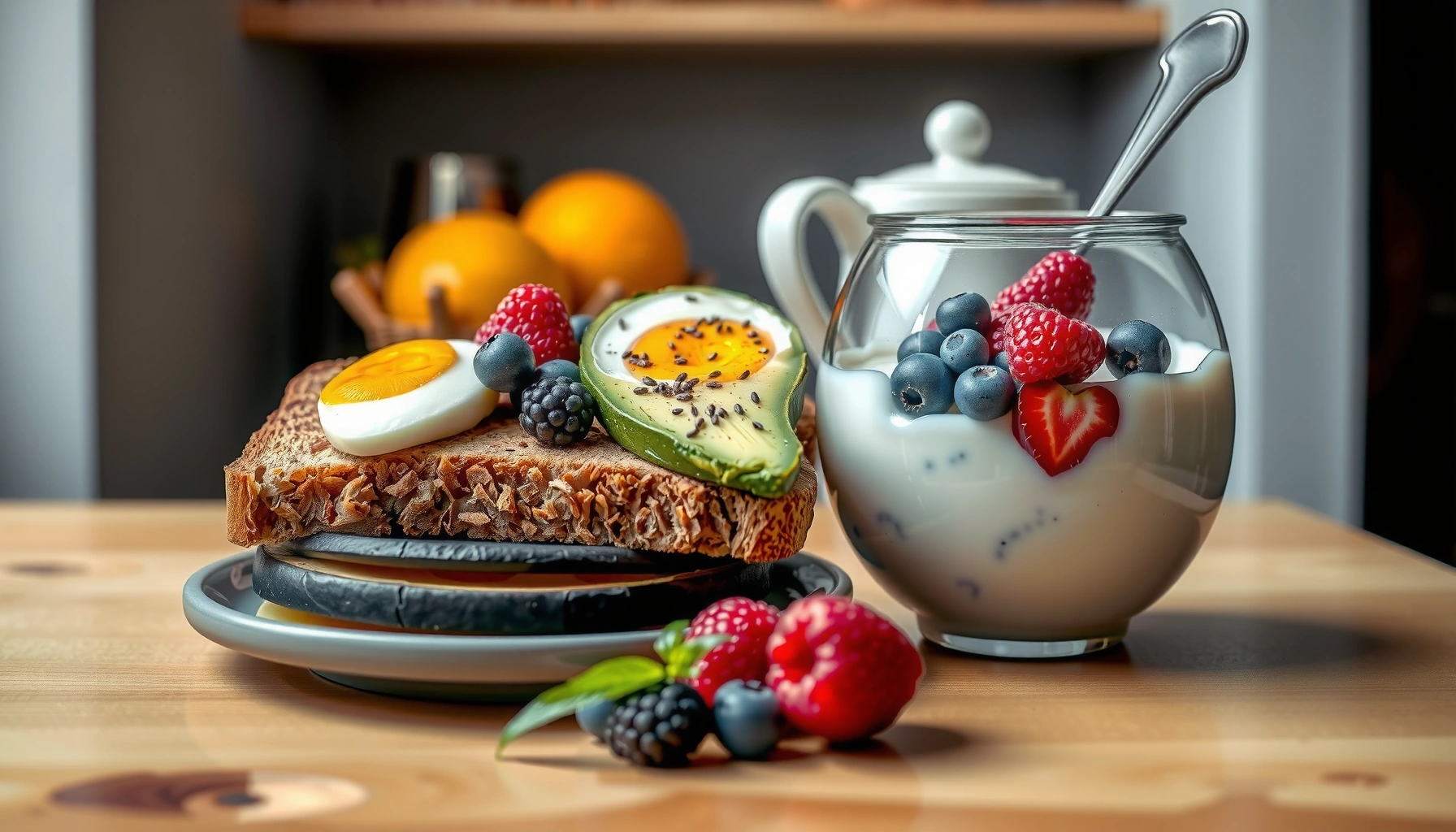

When it comes to the best oats for diabetics, steel-cut oats and old-fashioned (rolled) oats are generally the top recommendations. These less-processed varieties stand out due to their lower glycemic index and higher fiber content compared to their instant counterparts, which are crucial factors for managing blood sugar levels effectively. By promoting slower digestion and a more gradual rise in glucose, these oats can be a wonderful addition to a diabetic-friendly diet. Understanding the distinct characteristics of each oat type and learning how to prepare them wisely can truly make a significant and positive impact on your diabetic meal planning, helping you enjoy a delicious and nutritious whole grain while keeping your health goals in check.




Why Oats are Good for Diabetics (When Chosen Wisely)
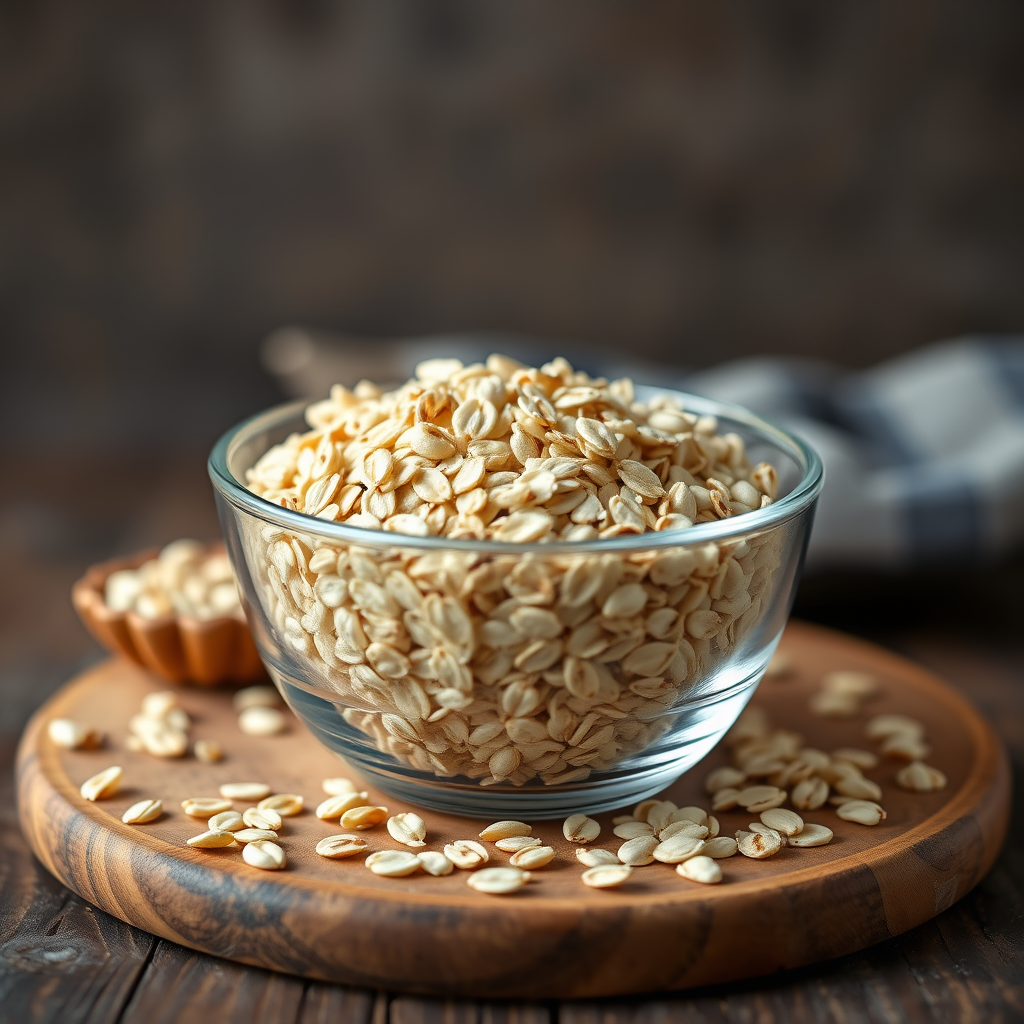
Oats have earned their reputation as a powerhouse whole grain, and for good reason, especially when managing diabetes. The key lies in their nutritional profile, particularly their rich fiber content.
* A Whole Grain Rich in Soluble Fiber: Oats are particularly abundant in a type of soluble fiber called beta-glucan. This amazing fiber doesn’t just pass through your system; it forms a gel-like substance in your digestive tract. This gel slows down the absorption of glucose into your bloodstream, which helps prevent sharp blood sugar spikes after meals. Beyond blood sugar management, beta-glucan has also been extensively studied for its ability to improve insulin sensitivity, meaning your body’s cells respond more effectively to insulin. As an added bonus, this same fiber is also known to help lower LDL (“bad”) cholesterol, contributing to better cardiovascular health—a vital consideration for many individuals with diabetes.
* Promotes Satiety and Weight Management: The high fiber content in oats, coupled with their complex carbohydrate structure, means they take longer to digest. This extended digestion period contributes to a feeling of fullness and satisfaction that lasts for hours, helping to curb cravings and prevent overeating. For individuals managing diabetes, weight management is a cornerstone of treatment, as excess weight can worsen insulin resistance. Incorporating filling, nutritious foods like oats into your diet can be a valuable strategy for maintaining a healthy weight and improving overall metabolic control.
* Sustained Energy Release: Unlike refined carbohydrates that can lead to a quick burst of energy followed by a crash, oats provide a steady and sustained release of energy. Because they are digested slowly, the glucose enters your bloodstream gradually, providing a consistent fuel source without causing dramatic fluctuations in blood sugar. This makes oats an excellent choice for a breakfast that can power you through your morning without the dreaded “sugar slump,” helping you maintain focus and energy levels throughout the day.
Steel-Cut Oats: The Glycemic Index Champion

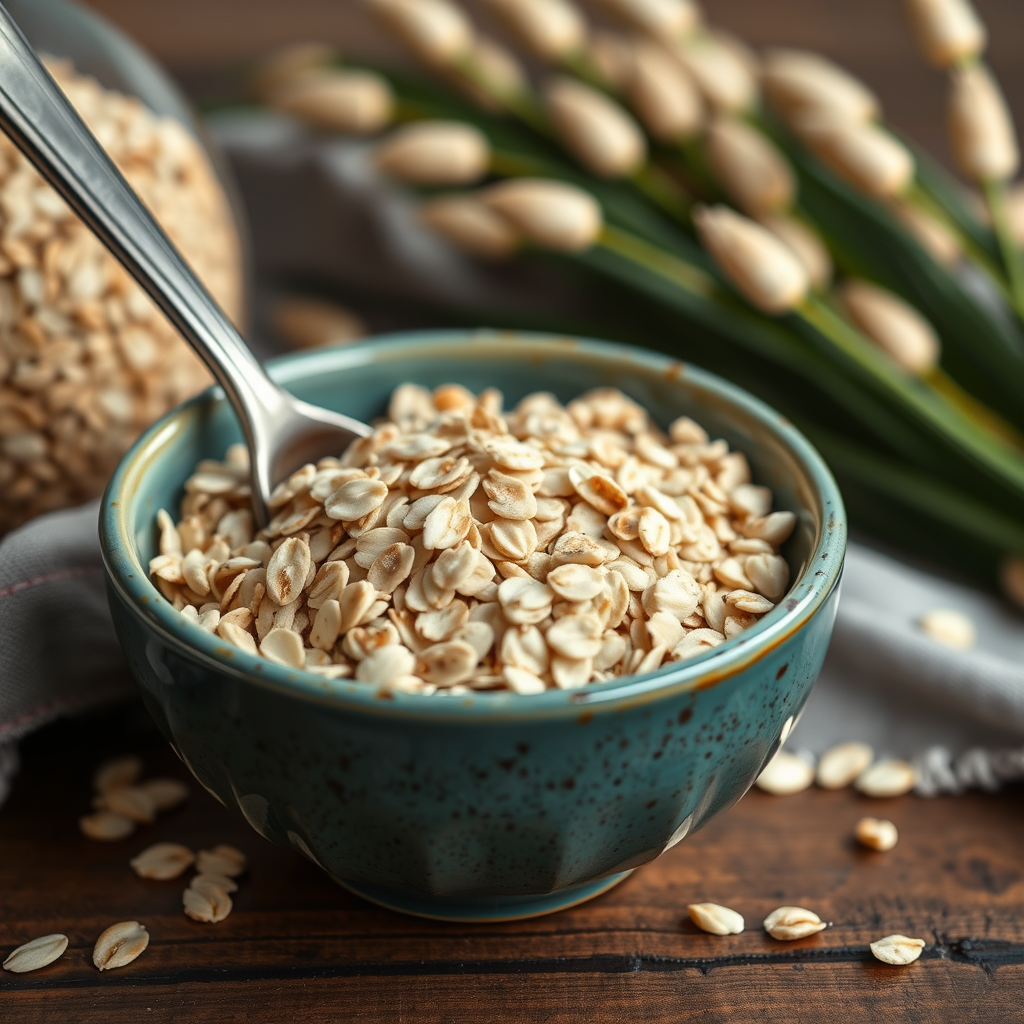
When it comes to the least processed and most beneficial oat variety for blood sugar control, steel-cut oats truly shine.
* Minimally Processed with the Lowest Glycemic Index: Steel-cut oats, sometimes called Irish or Scottish oats, are essentially oat groats (the whole, hulled oat kernels) that have been cut into two or three pieces with steel blades, hence their name. This minimal processing leaves the oat kernel in a relatively whole form, preserving its structural integrity. Because they are so minimally processed, steel-cut oats have the lowest glycemic index (GI) among common oat types. This means they are digested and absorbed very slowly, leading to a much more gradual and stable rise in blood sugar compared to other varieties. For diabetics, this slower release is incredibly beneficial for maintaining steady glucose levels and avoiding post-meal spikes.
* Retains Maximum Fiber and Nutrients: By undergoing less processing, steel-cut oats retain the maximum amount of their natural fiber and essential nutrients, including B vitamins, iron, and magnesium. Their robust structure means they require longer cooking times—typically 20-30 minutes—but this extended cooking is a small price to pay for the superior nutritional benefits. The chewing required for their hearty texture also contributes to a feeling of satiety.
* Ideal for Maximizing Fiber and Blood Sugar Control: If your primary goal is to maximize fiber intake and achieve the tightest possible blood sugar control from your oats, steel-cut oats are your champion choice. Their inherent ability to keep you feeling fuller for longer also supports weight management goals, making them an excellent cornerstone for a diabetic-friendly breakfast. Just remember to plan ahead for their cooking time, perhaps by preparing a larger batch to reheat throughout the week.
Rolled Oats (Old-Fashioned): A Versatile & Healthy Option

For those seeking a balance between excellent nutrition and greater convenience, old-fashioned, or rolled, oats are a fantastic choice.
* Moderate Glycemic Index, Great Balance: Old-fashioned oats are made by steaming whole oat groats and then pressing them flat with large rollers. This process makes them thinner and wider than steel-cut oats, which reduces their cooking time. While their glycemic index is slightly higher than steel-cut oats due to this processing, it’s still significantly lower than instant oats. This makes them a great middle-ground, offering substantial nutritional benefits and blood sugar management capabilities without the longer cooking commitment of steel-cut oats. They provide an excellent balance of convenience and health.
* Quicker to Cook with Substantial Fiber: The flattening process of rolled oats allows them to absorb water more readily and cook much faster—typically in about 5-10 minutes on the stovetop, or even less in the microwave. Despite this quicker cooking, they still provide a substantial amount of soluble fiber, including the beneficial beta-glucan. This makes them a practical option for busy mornings when you still want a hearty, blood sugar-friendly breakfast without extensive preparation.
* Versatile for Breakfast and Baking: Beyond a standalone bowl of oatmeal, rolled oats are incredibly versatile. Their softer texture and ability to readily absorb liquids and flavors make them a favorite for various culinary applications. You can use them in overnight oats (a no-cook option perfect for diabetics!), add them to smoothies for extra fiber, incorporate them into diabetic-friendly muffins or energy bars, or even use them as a binder in savory dishes. Their chewy yet tender texture adds a satisfying element to many recipes, making healthy eating both delicious and diverse.
Instant Oats: Navigating the Convenience Trap
While instant oats offer unparalleled convenience, they come with a few caveats that diabetics need to be aware of.
* Most Processed with a Higher Glycemic Impact: Instant oats are the most processed of the oat family. They are typically pre-cooked, dried, and then rolled very thin, often even cut into smaller pieces. This extensive processing significantly increases their surface area, making them cook almost instantly (hence the name). However, this processing also makes them digest much faster, leading to a higher glycemic index and a quicker, more pronounced impact on blood sugar levels compared to steel-cut or rolled oats. For diabetics, this rapid digestion can be problematic, potentially causing unwanted blood sugar spikes.
* Beware of Added Sugars and Unwanted Ingredients: The biggest trap with many pre-packaged instant oat varieties is their additions. To enhance flavor and convenience, manufacturers often include significant amounts of added sugars (like brown sugar, corn syrup, or fruit purees), artificial flavors, and excessive sodium. These ingredients are detrimental for anyone managing diabetes, as added sugars directly elevate blood glucose, and high sodium can contribute to other health concerns. These pre-sweetened packets can quickly turn a potentially healthy food into a less ideal option.
* Choose Plain and Check Labels Carefully: If convenience is paramount and you occasionally opt for instant oats, it’s absolutely crucial to choose plain, unsweetened varieties. Always, always check the nutritional label to scrutinize the ingredient list and nutrition facts. Look for products with no added sugars and minimal sodium. Even with plain instant oats, be mindful of portion control, as their quicker digestion means you might not feel as full for as long. It’s always best to view them as a last resort compared to their less-processed cousins.
Beyond the Oat Type: Important Considerations
While choosing the right oat type is a fantastic start, how you consume your oats is equally vital for effective diabetes management.
* Portion Control is Key: Even the healthiest oats contain carbohydrates, and managing carbohydrate intake is fundamental to blood sugar control. Therefore, managing serving sizes is essential. A standard serving of cooked oats is typically around 1/2 cup to 1 cup, depending on the type and your individual dietary needs. Overeating, even healthy foods, can still lead to higher blood sugar levels. Always measure your portions and factor them into your daily carbohydrate allowance, which should be discussed with your healthcare provider or a registered dietitian.
* Toppings Matter Immensely: Your choice of toppings can either amplify the health benefits of your oats or completely derail them. Steer clear of high-sugar toppings like brown sugar, maple syrup, honey, or dried fruits with added sugar, as these will cause rapid blood sugar spikes. Instead, embrace natural, nutrient-dense additions. Opt for fresh berries (like blueberries, strawberries, or raspberries) which are low in sugar and packed with antioxidants and fiber. Nuts (almonds, walnuts, pecans) and seeds (chia seeds, flax seeds, pumpkin seeds) add healthy fats, protein, and extra fiber, further slowing digestion and promoting satiety.
* Pairing for Stability: Add Protein and Healthy Fats: To further enhance blood sugar stability and increase satiety, combine your oats with sources of protein and healthy fats. This powerful trio (complex carbs + protein + healthy fats) works synergistically to slow down digestion even more, resulting in a prolonged and even more gradual rise in blood glucose. Think about stirring in a spoonful of natural nut butter, a scoop of unflavored protein powder, or a dollop of plain Greek yogurt. Adding healthy fats like a sprinkle of chia seeds, flax seeds, or a few chopped nuts will provide beneficial omega-3 fatty acids and soluble fiber, making your oat meal a complete and incredibly diabetic-friendly option.
Making Your Oats Diabetic-Friendly: Practical Tips
Turning your bowl of oats into a delicious, blood sugar-friendly meal is easier than you think with a few simple adjustments.
* Cook with Water or Unsweetened Liquids: The liquid you choose to cook your oats in can impact its sugar content. Always opt for water or unsweetened varieties of plant-based milks (like almond, soy, or oat milk) or regular unsweetened dairy milk. Avoid flavored or sweetened milks, which can add significant amounts of hidden sugars and extra carbohydrates that you don’t need. Cooking with water is perfectly fine and allows the natural flavor of the oats to shine through, especially when you add other flavorful ingredients.
* Enhance Flavor Naturally: There’s no need for added sugar to make your oats taste great! Spices are your best friends here. A sprinkle of cinnamon (which has even been studied for its potential to improve insulin sensitivity), nutmeg, or cardamom can add warmth and complexity. A dash of vanilla extract or a pinch of salt can also boost the overall flavor profile without impacting your blood sugar. Experiment with different spice combinations to find your favorites.
* Boost Fiber & Nutrients with Smart Add-ins: Maximize the nutritional punch of your oats by stirring in extra fiber, antioxidants, and healthy fats. A tablespoon of chia seeds or ground flax seeds not only adds a boost of omega-3s and fiber but also helps create a thicker, more satisfying texture. As mentioned before, a handful of fresh berries (frozen works too!) provides natural sweetness, vitamins, and antioxidants. A few chopped nuts, like almonds or walnuts, contribute healthy fats and protein, keeping you feeling fuller for longer. These additions turn a simple bowl of oats into a nutrient-dense superfood meal.
Choosing the right type of oats and preparing them thoughtfully can truly make them a valuable, delicious, and satisfying part of a diabetic diet. Prioritizing steel-cut or old-fashioned rolled oats, meticulously controlling portions, and being mindful of your toppings are key strategies for managing blood sugar effectively. By integrating these practices, you can enjoy the many health benefits of oats without compromising your diabetes management goals. Always remember to consult with your healthcare provider or a registered dietitian to tailor dietary advice to your specific needs, health conditions, and personal preferences, ensuring your meal plan is perfectly suited for you.
Frequently Asked Questions
What is the best type of oats for diabetics to help manage blood sugar levels?
For diabetics aiming to manage blood sugar effectively, steel-cut oats and old-fashioned (rolled) oats are generally considered the best choices. These minimally processed whole grains have a lower glycemic index compared to instant oats, meaning they are digested more slowly and cause a more gradual rise in blood sugar. Their higher fiber content, particularly soluble fiber like beta-glucan, is crucial for sustained energy release and improved glycemic control.
Why are oats recommended as a beneficial food for individuals with diabetes?
Oats are highly recommended for diabetics primarily due to their rich soluble fiber content, especially beta-glucan, which plays a significant role in blood sugar management. This fiber slows down the digestion and absorption of carbohydrates, preventing rapid glucose spikes. Furthermore, regular consumption of oats can contribute to improved insulin sensitivity and support cardiovascular health, which is a common co-morbidity for people with diabetes.
How do oats impact blood sugar levels, and what is a recommended portion size for diabetics?
Oats, particularly less processed varieties, help stabilize blood sugar levels by slowing down glucose absorption into the bloodstream, leading to a more controlled and sustained energy release. For diabetics, a typical recommended portion size is about half a cup of cooked oats, which is roughly equivalent to a quarter cup dry. It’s always advisable to monitor your individual blood sugar response and consult with a healthcare provider or registered dietitian for personalized portion guidance.
Are instant or quick oats a suitable option for diabetics, or should they be avoided?
Instant or quick oats are generally less suitable for a diabetic diet compared to steel-cut or old-fashioned oats. They are more processed, have a higher glycemic index, and are digested more rapidly, which can lead to quicker and higher blood sugar spikes. While they might be convenient, prioritizing less processed, whole oats is crucial for optimal blood sugar management and maximizing the nutritional benefits.
What are some practical tips for preparing oats to maximize their blood sugar benefits for diabetics?
To maximize the blood sugar benefits of oats for diabetics, focus on smart preparation. Avoid adding excessive amounts of sugar, maple syrup, or high-glycemic dried fruits. Instead, enhance flavor and nutritional value with natural additions like a small serving of fresh berries, a sprinkle of nuts or seeds for healthy fats and protein, or a dash of cinnamon, which may help improve insulin sensitivity. Preparing oats with water or unsweetened plant-based milk also keeps added sugars and calories in check.
References
- https://diabetes.org/food-nutrition/food-choices/grains-starches-vegetables
- Diabetes diet: Create your healthy-eating plan – Mayo Clinic
- Dietary fiber: Essential for a healthy diet – Mayo Clinic
- The lowdown on glycemic index and glycemic load – Harvard Health
- https://www.health.harvard.edu/heart-health/the-best-fiber-for-your-heart
- https://www.cdc.gov/diabetes/managing/eat-well/index.html
- Healthy Living with Diabetes – NIDDK
- Oat
- https://u.osu.edu/fabe0303/2021/02/09/oatmeal-a-superfood-for-people-with-diabetes/