

For individuals managing diabetes, choosing the right meats can significantly impact blood sugar control and overall health. The best meat options for diabetics prioritize lean protein, healthy fats, and minimal processing, with excellent choices including skinless chicken and turkey breast, various types of fish (especially fatty fish like salmon), and lean cuts of red meat in moderation. These selections help manage glucose levels, promote satiety, and provide essential nutrients without excess saturated fat, forming a cornerstone of a balanced and diabetes-friendly diet. Making informed decisions about your protein sources is a powerful step towards feeling your best and achieving your health goals.




Understanding Meat’s Role in Diabetes Management

When you’re managing diabetes, every food choice matters, and meat is no exception. It’s more than just a source of protein; it plays a crucial role in how your body handles sugar and keeps you feeling full. Understanding this relationship can empower you to make smarter choices at the grocery store and in the kitchen.
Firstly, meats provide essential protein, which is incredibly beneficial for stabilizing blood sugar levels. Unlike carbohydrates, protein has a minimal direct impact on blood glucose, meaning it won’t cause the rapid spikes that can be problematic for diabetics. Furthermore, protein helps slow down the digestion and absorption of carbohydrates when consumed together, leading to a more gradual rise in blood sugar. Beyond this, protein is a champion for satiety; it keeps you feeling full and satisfied for longer, which can be a huge help in managing weight and preventing overeating—both critical aspects of diabetes care. It also supports muscle maintenance and growth, which is important for metabolism and overall strength.
However, it’s not just about protein; the fat content in meat, particularly saturated and trans fats, can significantly impact heart health and insulin sensitivity. Diabetics are at a higher risk of cardiovascular disease, so minimizing these unhealthy fats is paramount. Saturated fat, often found in fattier cuts of meat, can raise “bad” LDL cholesterol levels, contributing to plaque buildup in arteries. More critically for diabetes, diets high in saturated fat have been linked to increased insulin resistance, where your body’s cells don’t respond as effectively to insulin, making it harder to control blood sugar. Conversely, some fats, like the monounsaturated and polyunsaturated fats found in certain meats and fish, are beneficial and heart-protective.
Finally, processed meats often contain high levels of sodium, nitrates, and unhealthy fats, which are detrimental to anyone’s health, but especially for individuals with diabetes. High sodium intake can contribute to high blood pressure, another common comorbidity with diabetes. Nitrates, used as preservatives in many processed meats, have been linked to increased risk of insulin resistance and type 2 diabetes in some studies. The combination of unhealthy fats, high sodium, and additives in foods like bacon, sausage, and deli meats makes them a poor choice for regular consumption when managing diabetes. Opting for fresh, unprocessed meats is always the healthier route.
Top Lean Poultry Choices for Diabetics


When it comes to building a diabetes-friendly plate, lean poultry is often at the top of the list for good reason. It offers a fantastic protein punch without loading up on unhealthy fats, making it a staple for blood sugar management and heart health.
Skinless chicken breast: This is arguably the MVP of lean protein. A boneless, skinless chicken breast is incredibly versatile and an excellent source of high-quality protein with very little fat, especially saturated fat. A typical 3-ounce serving provides around 25 grams of protein with less than 3 grams of fat, and crucially, zero carbohydrates. This makes it an ideal choice for meals that won’t send your blood sugar soaring. You can grill it, bake it, broil it, stir-fry it, or shred it for salads and sandwiches. Its mild flavor also makes it a great canvas for a variety of diabetes-friendly seasonings and marinades, from zesty lemon-herb to savory garlic-rosemary. Remember, removing the skin is key, as that’s where much of the saturated fat resides.
Skinless turkey breast: Very similar to chicken, skinless turkey breast is another stellar option. It boasts a comparable nutritional profile: low in fat, high in lean protein, and an excellent source of B vitamins, selenium, and phosphorus. It’s ideal for daily meals and offers a slight variation in taste for those looking to diversify their poultry intake. Think turkey breast cutlets for a quick weeknight dinner, or a roasted turkey breast for a more substantial meal that can provide leftovers for days. Just like chicken, ensure the skin is removed before cooking, and be wary of highly processed deli turkey meats, which can be high in sodium and other additives. Freshly roasted turkey breast, sliced thin, is always the best choice for sandwiches or salads.
Ground poultry: For recipes that call for ground meat, opting for ground poultry is a smart move, but with an important caveat: choose wisely. While ground chicken and turkey can be healthier alternatives to ground beef, their fat content varies significantly. Always opt for 93% lean or higher (e.g., 93/7 or 99/1) to minimize saturated fat content. The “extra lean” or “ground breast” labels are usually your best bet. Lean ground turkey or chicken works wonderfully in tacos, chili, meat sauces, meatballs, or even as a base for lean burgers. It’s a fantastic way to enjoy your favorite comfort foods while keeping your fat intake in check. If you only find fattier ground poultry, you can cook it and then drain the fat before adding other ingredients to your dish.
The Power of Fish and Seafood
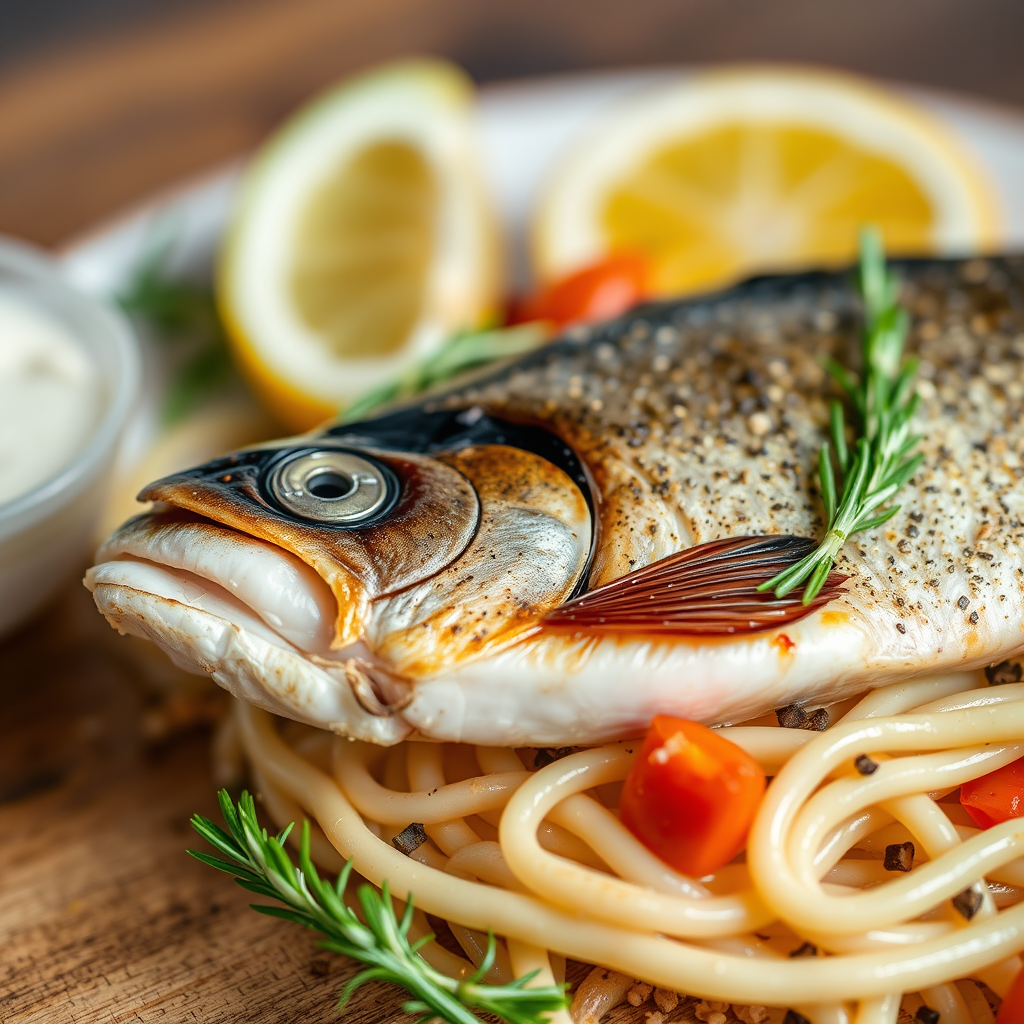
When it comes to heart health and managing diabetes, fish and seafood are truly nutritional superstars. They offer a unique combination of lean protein and healthy fats that can significantly benefit your overall well-being.
Fatty fish (salmon, mackerel, sardines, tuna): These fish are celebrated for their incredibly rich content of Omega-3 fatty acids, particularly EPA and DHA. Omega-3s are polyunsaturated fats renowned for their powerful anti-inflammatory properties and significant benefits for heart health—a crucial consideration for individuals with diabetes who face a higher risk of cardiovascular complications. Regular consumption of Omega-3s can help lower triglyceride levels, reduce blood pressure, decrease the risk of blood clot formation, and improve artery function. They may also play a role in improving insulin sensitivity and reducing overall inflammation in the body.
* Salmon: A delicious and widely available option, salmon is packed with protein and Omega-3s. Try it baked with lemon and dill, grilled, or pan-seared.
* Mackerel: An often-overlooked but incredibly nutritious fish, mackerel is excellent baked or smoked.
* Sardines: Don’t let their small size fool you; sardines are a powerhouse of Omega-3s, calcium, and Vitamin D. They’re great in salads or on whole-grain crackers.
* Albacore Tuna: When choosing tuna, look for albacore (canned in water or packed in olive oil) for higher Omega-3 content, but be mindful of mercury levels and consume in moderation (2-3 times per week).
Aim for at least two servings (3-4 ounces each) of fatty fish per week to reap the full benefits.
Lean white fish (cod, tilapia, haddock): If you’re looking for a low-calorie, low-fat, and high-protein option, lean white fish is an excellent choice. Fish like cod, tilapia, and haddock provide high-quality protein without contributing significantly to fat intake or impacting blood sugar levels. Their mild flavor makes them incredibly versatile, suitable for a wide range of recipes and cooking methods. They are perfect for those who prefer a lighter meal or are new to incorporating fish into their diet. Bake them with a sprinkle of herbs, grill them, or steam them with vegetables for a quick and healthy meal.
Shellfish (shrimp, scallops): Shrimp and scallops are fantastic lean protein sources that are also low in calories and fat. They provide essential nutrients like iodine, selenium, and B vitamins. They can be a delightful addition to your diabetes-friendly meal plan, whether in a stir-fry, a light pasta dish with whole-wheat noodles, or grilled skewers. However, it’s crucial to be mindful of cooking methods and added sodium. Battered and fried shrimp or scallops are a no-go, as they negate the health benefits. Instead, opt for grilling, sautéing with a little olive oil and garlic, or baking. Also, check the labels of frozen shrimp for added sodium solutions, as some brands can be quite high. Fresh or flash-frozen plain shrimp and scallops are your best bet.
Navigating Red Meat Options
Red meat often gets a bad rap, but it doesn’t have to be completely off-limits for individuals managing diabetes. The key lies in making smart choices, focusing on lean cuts, practicing portion control, and preparing it healthily. Red meat can be a valuable source of iron, zinc, and B vitamins, which are important for energy and overall health.
Lean cuts: The most crucial strategy when including red meat in your diet is to choose lean cuts. These cuts have less saturated fat, which, as we discussed, is vital for heart health and insulin sensitivity. Look for labels that say “loin,” “round,” or “sirloin.” Excellent choices include:
* Sirloin steak: A flavorful and relatively lean cut, great for grilling or pan-searing.
* Flank steak: Best when marinated and grilled or broiled, then thinly sliced against the grain.
* Tenderloin: One of the leanest cuts, though often more expensive.
* Round cuts: Such as top round or bottom round, which are very lean and good for roasting or braising.
* Extra-lean ground beef: Opt for 90% lean or higher (e.g., 90/10 or 95/5) to minimize saturated fat content. This is great for dishes like chili, lean burgers, or meat sauces.
Always check the nutrition labels or ask your butcher for guidance. Cuts with less marbling (the white streaks of fat within the meat) are generally leaner.
Portion control: Even with lean cuts, moderation is essential due to the saturated fat content that is still present. Consume red meat in moderation, typically limiting your intake to 3-4 ounces per serving, a few times a week. A 3-ounce portion is roughly the size of a deck of cards or the palm of your hand. Integrating red meat into your diet as part of a larger meal with plenty of non-starchy vegetables and a whole grain can help balance the overall nutritional profile and prevent overconsumption. Think of red meat as an accent to your meal, rather than the primary focus.
Trim visible fat: Before cooking, always make it a habit to trim off any visible fat from the edges of your red meat. This simple step can significantly reduce the amount of saturated fat you consume. While internal marbling contributes to flavor, removing external fat is an easy way to make your red meat choices healthier. This goes for all cuts, whether you’re preparing a steak, roasting a joint, or even buying pre-cut meats—a quick trim can make a big difference for your heart and your blood sugar management.
Meats to Limit and Healthy Preparation Methods
Making smart choices about meat isn’t just about what you should eat, but also what you should limit and how you prepare it. These factors play a huge role in supporting your diabetes management goals and overall health.
Meats to limit: Certain meats, while perhaps tasty, can undermine your health efforts if consumed regularly, especially for someone managing diabetes.
* Processed meats: This category includes bacon, sausage, hot dogs, and many deli meats (like bologna, salami, and some pre-packaged turkey or ham). These are often high in sodium, unhealthy saturated and trans fats, and chemical preservatives like nitrates. High sodium contributes to elevated blood pressure, a common concern for diabetics. Nitrates have been linked to increased insulin resistance and a higher risk of type 2 diabetes. The unhealthy fats found in these products can also worsen heart health and negatively impact insulin sensitivity. It’s best to consider these as occasional indulgences, if at all.
* High-fat cuts: While we discussed lean red meat options, some cuts are simply too fatty for regular consumption. This includes cuts like rib-eye steak, T-bone steak, prime rib, and regular ground beef (with a higher fat percentage, like 80/20). These cuts contain a significantly higher amount of saturated fat, which can elevate cholesterol levels and contribute to insulin resistance. Similarly, the dark meat of poultry with the skin on (like chicken thighs or drumsticks) also falls into this higher-fat category. While they can be enjoyed occasionally, prioritizing leaner options is always the better choice.
* Fried meats: Any meat, no matter how lean it starts, becomes less healthy when breaded and deep-fried. Frying adds a substantial amount of unhealthy fats and calories, often from trans fats or highly processed vegetable oils. This can lead to weight gain, increased inflammation, and negative impacts on blood sugar control and heart health. Think fried chicken, breaded fish sticks, or fried pork chops—these are best avoided.
Healthy cooking methods: How you prepare your meat is just as important as the type of meat you choose. Opting for healthier cooking methods can transform a meal into a diabetes-friendly delight.
* Grilling: A fantastic option for lean meats like chicken breast, fish fillets, or lean steaks. It allows fat to drip away and imparts a delicious, smoky flavor without adding extra oils.
* Baking and Roasting: Ideal for larger cuts of poultry, fish, or lean roasts. These methods use dry heat to cook food evenly and require minimal added fat, often just a light drizzle of olive oil or a spray of cooking oil.
* Broiling: Similar to grilling, broiling uses direct overhead heat for quick cooking, resulting in a nicely browned exterior. It’s perfect for thin cuts of meat or fish.
* Stir-frying: A fast and healthy way to cook lean protein, especially when combined with a rainbow of non-starchy vegetables. Use a minimal amount of healthy oil like olive, avocado, or sesame oil, and keep the cooking time short to retain nutrients.
Seasoning wisely: Flavor doesn’t have to come from sugar or excessive sodium. Smart seasoning is key to making your lean meats enjoyable and diabetes-friendly.
* Herbs and spices: Embrace the incredible variety of herbs (rosemary, thyme, oregano, parsley, cilantro) and spices (garlic powder, onion powder, paprika, cumin, chili powder, turmeric). They add depth of flavor, often boast antioxidant properties, and contain no sugar or unhealthy fats.
* Low-sodium marinades: Create your own marinades using ingredients like vinegar, lemon juice, soy sauce (low-sodium variety), garlic, ginger, and various herbs and spices. Avoid store-bought marinades and sauces that are typically high in sugar, sodium, and sometimes unhealthy oils.
* Fresh ingredients: Use fresh garlic, onions, chilies, and citrus zest to brighten your dishes. These natural flavor boosters contribute immense taste without the downsides of processed ingredients.
Ultimately, making smart meat choices is a powerful step in managing diabetes effectively. By focusing on lean proteins, incorporating healthy fish, being mindful of red meat intake, and opting for healthy cooking methods, you can enjoy a varied and delicious diet that supports your health goals. Remember that consistency is key, and every healthy choice builds upon the last. Always consult with your doctor or a registered dietitian to tailor these recommendations to your individual needs and health plan, ensuring your dietary choices align perfectly with your personalized diabetes management strategy and help you lead a vibrant, healthy life.
Frequently Asked Questions
Which types of lean protein are best for managing diabetes?
For individuals managing diabetes, lean protein sources are highly recommended as they help stabilize blood sugar levels without adding excessive unhealthy fats. Excellent choices include skinless poultry like chicken and turkey breast, various types of fish, and lean cuts of red meat such as sirloin or tenderloin. These options contribute to satiety, support muscle health, and minimize the risk of cardiovascular complications often associated with diabetes.
How should diabetics choose red meat cuts to minimize health risks?
When selecting red meat, diabetics should prioritize lean cuts, indicated by terms like “loin,” “round,” or “extra-lean ground.” It’s crucial to trim all visible fat before cooking and opt for moderate portion sizes, typically 3-4 ounces. Choosing leaner red meat helps reduce saturated fat intake, which is vital for heart health and can positively impact insulin sensitivity and overall diabetes management.
Why is fatty fish often recommended as a top protein source for diabetics?
Fatty fish, such as salmon, mackerel, sardines, and tuna, are rich in omega-3 fatty acids, which offer significant benefits for diabetics. These healthy fats are known to reduce inflammation, improve heart health, and may even enhance insulin sensitivity, all crucial aspects of diabetes management. Incorporating fatty fish into the diet 2-3 times a week can support better blood sugar control and reduce the risk of diabetes-related cardiovascular complications.
What types of processed meats should diabetics limit or avoid for better health outcomes?
Diabetics should significantly limit or avoid processed meats like bacon, sausage, hot dogs, deli meats, and cured products. These items are often high in sodium, unhealthy saturated and trans fats, and nitrates, which can elevate blood pressure, increase inflammation, and negatively impact heart health, exacerbating diabetes-related risks. Opting for fresh, unprocessed protein sources is always a healthier choice for blood sugar and cardiovascular well-being.
How can cooking methods impact the healthfulness of meat for someone with diabetes?
The way meat is prepared profoundly influences its healthfulness for diabetics. Healthy cooking methods like baking, grilling, roasting, broiling, or steaming are preferred as they require minimal added fats and preserve the nutritional integrity of the meat. Conversely, frying meat in excessive oil or butter adds unhealthy fats and calories, which can negatively affect blood sugar control and heart health, making healthy preparation crucial for a diabetic-friendly diet.
References
- https://diabetes.org/healthy-living/recipes-nutrition/eating-well/meat-poultry-fish-and-plant-based-proteins
- Diabetes diet: Create your healthy-eating plan – Mayo Clinic
- https://www.cdc.gov/diabetes/managing/eat-well/diabetes-and-healthy-eating.html
- https://www.health.harvard.edu/diseases-and-conditions/best-diet-for-diabetes
- Healthy Living with Diabetes – NIDDK
- Not Found | American Heart Association | American Heart Association
- https://my.clevelandclinic.org/health/articles/21191-type-2-diabetes-diet






Pingback: Best Mushrooms for Diabetes: Healthy Choices for Management - Best For Diabetics