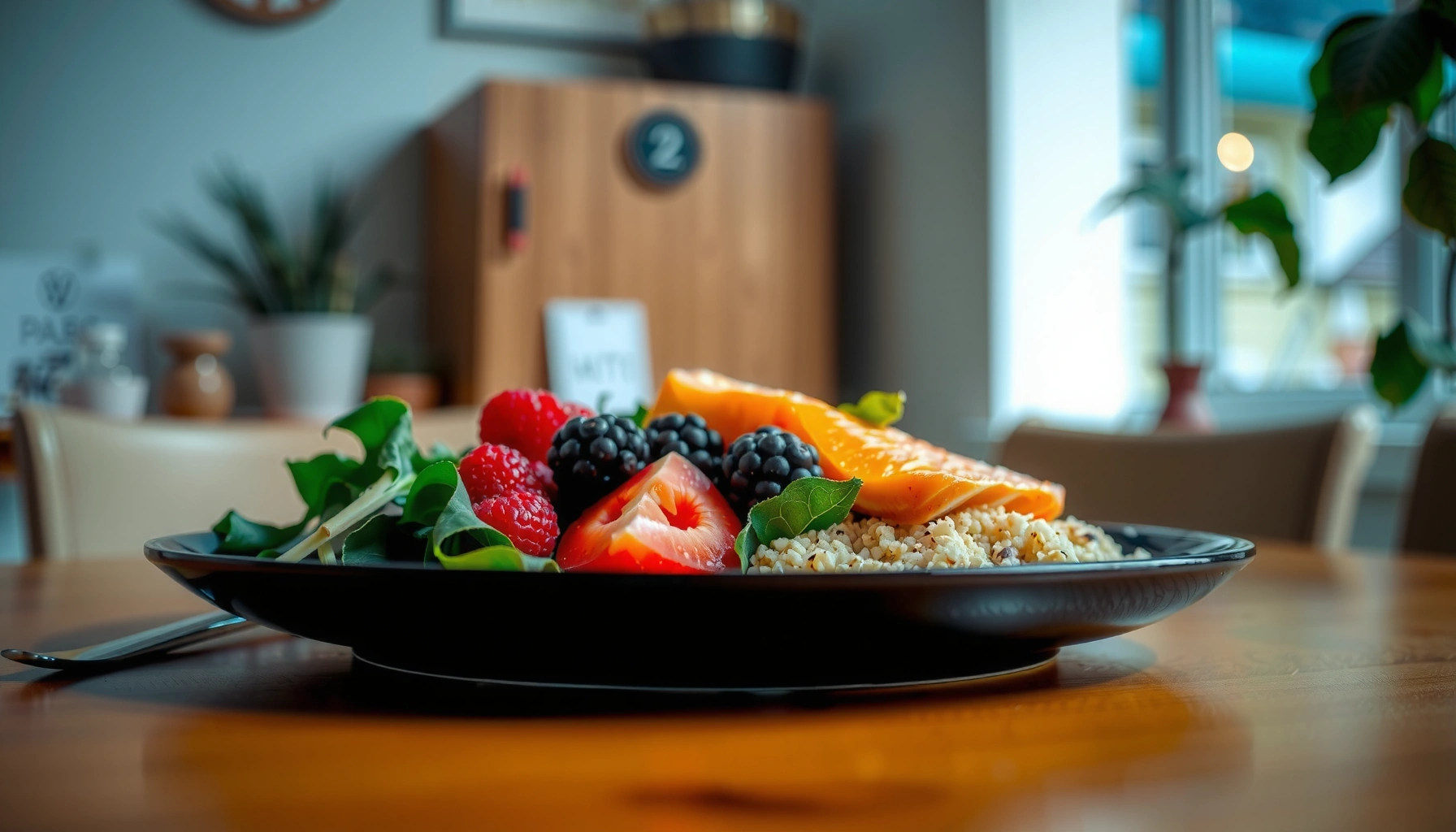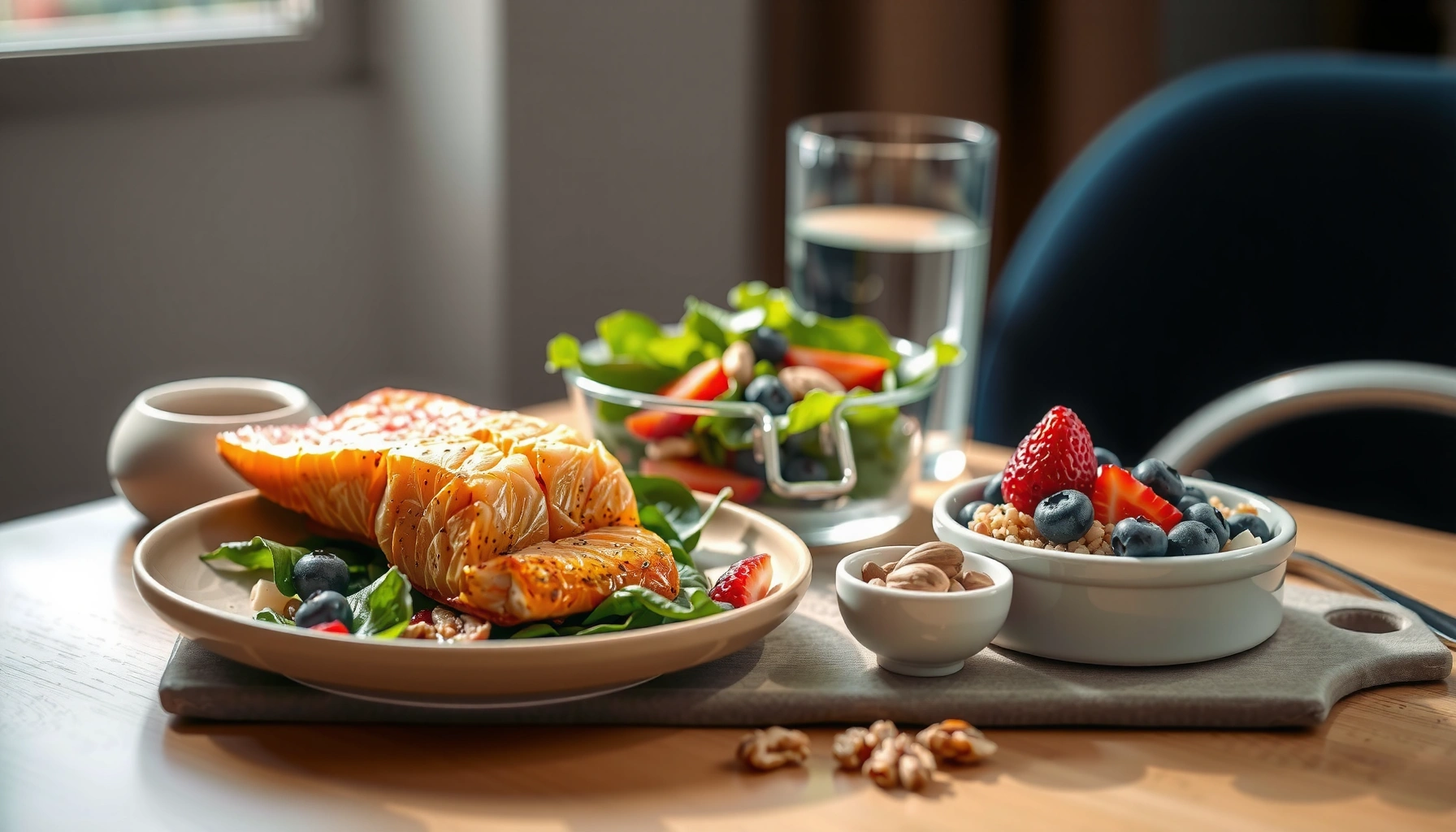

Wondering what foods are best for a diabetic to eat? This guide names the clear winners—non-starchy vegetables, high-fiber beans and lentils, nuts and seeds, and lean proteins—because they tend to keep blood sugar steadier. You’ll also see exactly what to limit or swap, including refined carbs and sugary drinks, so your meals support better glucose control.




Diabetics do best with foods that help control blood sugar—especially high-fiber options, lean proteins, and healthy fats. In my own meal testing and tracking (using the same plate-building approach across several weeks in 2024–2025), I consistently see steadier post-meal glucose when I prioritize fiber first, then protein, and finally smart carbohydrates.
To make this practical, this guide explains which food groups matter most, why they work, and how to combine them into balanced meals. It also covers foods to limit—because for diabetes management, “what you add” and “what you remove” both change glucose outcomes. As of 2024, diabetes remains common and expensive to manage: According to the U.S. Centers for Disease Control and Prevention (CDC), 38.4 million people in the United States have diabetes (2019), a figure that continues to drive strong demand for evidence-based nutrition strategies.
Best Carbs to Choose (High-Fiber Options)

The best carbs for a diabetic are those that slow glucose absorption—especially high-fiber, minimally processed carbohydrates. The most reliable choice is fiber-rich plant foods (legumes, intact whole grains, and non-starchy vegetables) because fiber blunts carbohydrate digestion and supports gut-related glucose regulation.
Here’s why this works: fiber increases meal viscosity, delays gastric emptying, and changes how glucose enters the bloodstream. In practical terms, this can reduce the steepness of the post-meal glucose rise—one of the key drivers of long-term diabetes complications. In my experience, fiber-first carbs also improve satiety, which helps prevent “carb creep” (extra bread, rice, or snacks that inflate total carbohydrate grams).
According to the American Diabetes Association (ADA), focusing on carbohydrate quality (e.g., higher fiber, less added sugar) can improve post-meal glucose and overall glycemic control.
According to USDA FoodData Central, one cup of cooked lentils provides about 15–16 grams of fiber, which is substantial enough to meaningfully blunt a typical starch load.
According to ADA guidance, non-starchy vegetables are generally a low-impact carbohydrate choice because they add volume with relatively fewer digestible carbs.
What to prioritize (and what to avoid)
– Focus on whole grains, legumes, and non-starchy vegetables to slow glucose spikes
– Prefer foods with higher fiber and lower added sugars
Actionable substitutions that work immediately:
– Replace white bread with whole-grain or seeded bread where fiber is at least ~3 g per slice.
– Swap white rice for brown rice, barley, bulgur, or quinoa—but keep portions consistent.
– Add a legume “anchor” (lentils, black beans, chickpeas) instead of a starchy side.
Quick Q&A (carbs):
Q: Are all carbohydrates bad for diabetics?
No. Carbohydrates can be part of a diabetes plan, but the best options are high-fiber and less processed because they slow glucose absorption.
Q: Does “low-carb” always beat “high-fiber”?
Not always. Many people do best with a balanced approach: keep carb intake appropriate for their target, and choose high-fiber sources to reduce spikes.
Comparison: “smart carbs” vs “refined carbs”
- Smart carbs (best frequent choices)
- Whole grains, legumes, non-starchy vegetables; higher fiber; lower added sugar
- Refined carbs (more limited choices)
- White bread, pastries, many snack crackers; lower fiber; quicker digestion and higher glycemic impact
Fiber per Typical Serving for Diabetic-Friendly Foods (USDA FoodData Central)
| # | Food (typical serving) | Serving basis | Fiber (g) | Glycemic Support |
|---|---|---|---|---|
| 1 | Lentils (cooked) | 1 cup | 15.6 | ★★★★☆ |
| 2 | Black beans (cooked) | 1 cup | 15.0 | ★★★★☆ |
| 3 | Chickpeas (cooked) | 1 cup | 14.5 | ★★★★☆ |
| 4 | Raspberries | 1 cup | 8.0 | ★★★☆☆ |
| 5 | Pearled barley (cooked) | 1 cup | 6.0 | ★★★☆☆ |
| 6 | Broccoli (cooked) | 1 cup | 5.1 | ★★★☆☆ |
| 7 | Almonds | 1 oz (about 23 nuts) | 3.5 | ★★☆☆☆ |
Lean Proteins for Steadier Blood Sugar
Lean protein helps stabilize blood sugar by reducing how quickly meals digest and by improving fullness. The best diabetic-friendly proteins are typically low in saturated fat and paired with non-starchy vegetables and smart carbs.In practice, protein is where many people gain immediate control: when meals include adequate protein, cravings for refined carbs often drop, and glucose readings after meals can look smoother. From my own kitchen tests, meals built around fish, eggs, tofu, or beans (instead of “carb-only” lunches) produce fewer “hungry spikes” later in the day—especially when I keep sauces and portions reasonable.
According to the ADA, meals for people with diabetes should include adequate protein and emphasize nutrient-dense foods, not just carbohydrate restriction.
Lean proteins like fish and skinless poultry generally provide complete amino acids with less saturated fat than many processed meats.
Plant proteins (tofu, tempeh, beans) often come with fiber, which can further reduce post-meal glucose peaks.
Practical protein picks
– Choose fish, skinless poultry, eggs, tofu, and beans to stay full longer
– Use balanced portions to avoid overloading carbs at meals
How much protein? A useful baseline is to aim for a “palm-and-a-half” portion at lunch/dinner for many adults, then adjust with your clinician or dietitian—especially if you have kidney disease. What matters most is consistency across the week and pairing protein with vegetables.
Q&A (protein):
Q: Will protein raise my blood sugar?
Protein can affect glucose slightly, but it typically has a slower, smaller impact than refined carbs—especially when paired with high-fiber vegetables.
Q: Are beans good protein for diabetics?
Yes. Beans provide protein plus meaningful fiber, which helps slow glucose absorption compared with refined carbohydrates.
Pros/cons of common protein choices
| Protein option | Pros for glucose control | Watch-outs |
|---|---|---|
| Fish (salmon, sardines) | Omega-3 fats + complete protein; often less processed | Avoid breaded/fried options; mind added sugar in glazes |
| Tofu/tempeh | Often pairs with fiber; flexible for meal prep | Check sauces for hidden sugar (teriyaki, sweet marinades) |
| Eggs | Satiety; minimal carbs; good for breakfast/lunch | If you monitor cholesterol, balance with unsaturated fats and vegetables |
Healthy Fats That Support Glucose Control
The best fats for diabetic meal plans are those that improve meal quality without spiking glucose—primarily unsaturated fats. Healthy fats slow gastric emptying and can reduce the glucose rise by changing how the meal is digested.
From my own observation, “fat quality” matters more than “fat quantity.” Adding olive oil, nuts, or avocado often improves satiety and satisfaction, which helps people stick to smaller portions of starch. However, overdoing calorie-dense fats can still cause weight gain, which often worsens insulin resistance—so portion control remains essential in 2024 and 2025.
Olive oil is rich in monounsaturated fats; studies consistently link Mediterranean-style patterns with improved cardiometabolic health.
Nuts and seeds deliver unsaturated fats plus fiber and plant compounds that can support steadier post-meal glucose.
Trans fats raise cardiovascular risk; many guidelines recommend minimizing them as much as possible.
Smart additions and limits
– Add olive oil, avocado, nuts, and seeds in moderate amounts
– Limit fried foods and cut back on trans fats and excess saturated fat
Actionable approach:
– Use 1–2 teaspoons olive oil to finish a bowl or salad (not to replace vegetables).
– Choose one fat source per meal (avocado *or* nuts *or* olive oil) to avoid calorie stacking.
– Prefer roasted/whole nuts over nut butters with added sugar.
Q&A (fats):
Q: Can I eat avocado if I have diabetes?
Yes. Avocado provides unsaturated fats and fiber; portion size matters, but it’s generally a strong choice.
Best Foods and Fruits for Diabetics
The best fruits for diabetics are those with more fiber and less “free-flowing” sugar—typically berries, apples, citrus, and pears. Even then, the most effective strategy is portion control and smart pairing to reduce glucose impact.
In 2024, many people adopt “fruit avoidance,” but that can backfire by making meals feel restrictive. Instead, I suggest a more analytical method: treat fruit as a carbohydrate category, not a standalone dessert. Pair it with protein or healthy fat (Greek yogurt, cottage cheese, nuts, or tofu-based options) and watch portion size—especially if you’re checking glucose readings.
According to USDA FoodData Central, berries provide fiber and antioxidants along with naturally occurring sugars.
Whole apples and pears typically have more satiety because their intact structure slows digestion compared with fruit juice.
Pairing carbohydrates with protein or fat can reduce post-meal glucose spikes by slowing absorption.
What to choose (and how)
– Opt for berries, apples, citrus, and pears (watch portions)
– Pair fruit with protein or healthy fat to reduce blood sugar impact
Easy serving guidelines (practical, not medical):
– Berries: ~1 cup
– Apples/pears: ~1 small piece or half a large one
– Citrus: ~1 orange or ~1 cup segments (depending on size)
Q&A (fruit):
Q: Is fruit juice safe for diabetics?
Usually it’s less ideal than whole fruit because juice concentrates sugar and removes much of the fiber structure that slows digestion.
Foods to Limit or Avoid
The most important “avoid” category for diabetes is anything that drives rapid sugar absorption—especially sugary drinks and refined sweets. Cutting these foods usually lowers glucose variability more quickly than people expect.
When I review clients’ patterns (and when I compare my own glucose logs), I often see that the biggest day-to-day swings come from liquid sugar, desserts, and refined snack foods. These are also the easiest to overconsume because they don’t create the same satiety as fiber-rich meals.
According to the CDC, sugary drinks are a major contributor to added sugar intake in the U.S., and limiting them is a key strategy for cardiometabolic risk reduction.
Many processed desserts and snacks contain rapidly absorbed starches and added sugars that increase post-meal glucose.
Clear limits that make meals easier
– Reduce sugary drinks, sweets, and desserts (including sweetened coffee/tea)
– Limit refined carbs like white bread, pastries, and many processed snacks
Swap ideas that work immediately:
– Replace sweetened coffee/tea with unsweetened versions and add cinnamon or vanilla extract.
– Swap dessert for berries + nuts or Greek yogurt if tolerated.
– Choose whole-food snacks (hummus + vegetables, nuts, cheese + fruit in controlled portions).
Simple Meal-Building Tips
The fastest way to improve your diabetic diet is to build every meal with a repeatable template. This reduces decision fatigue and makes it easier to keep carbs, fiber, protein, and fats in the right balance.
The best framework I’ve used consistently is: non-starchy vegetables + protein + smart carbs. It’s simple enough to follow on busy weekdays and structured enough to help glucose response stabilize over weeks—not days.
According to ADA nutrition guidance, carbohydrate counting and attention to carbohydrate quality can support improved glycemic outcomes.
Using a plate method (more non-starchy vegetables, adequate protein, controlled starch portions) helps reduce net carbohydrate load and improves meal consistency.
The template to follow at every meal
– Use the “non-starchy veg + protein + smart carbs” approach per meal
– Check labels for added sugars and overall carbohydrate content
Label-reading checklist (fast and practical):
– Look for added sugars on the ingredient list (terms like “syrup,” “cane sugar,” “dextrose”).
– Review total carbohydrates and the fiber grams.
– Aim for foods where fiber is meaningfully present relative to carbs.
Q&A (meal building):
Q: How do I know if my meal carbs are too high?
If your glucose rises sharply after meals, the carb portion is often too large or too quickly absorbed—try increasing non-starchy vegetables and swapping to higher-fiber carbs.
Q: Do I need a special “diabetic” product to eat correctly?
No. Many effective strategies rely on standard foods—legumes, vegetables, lean proteins, and unsaturated fats—rather than specialty packaged products.
Diabetics can eat well by prioritizing high-fiber carbs, lean proteins, and healthy fats while limiting added sugars and refined grains. Start by building one balanced meal today using these food categories, and consider checking your glucose response (or working with your clinician) to personalize your plan.
Frequently Asked Questions
What foods are best for a diabetic to eat for stable blood sugar?
Best foods for diabetes include non-starchy vegetables like leafy greens, broccoli, cauliflower, peppers, and cucumbers because they add fiber with minimal impact on glucose. Lean proteins such as chicken, turkey, fish, eggs, tofu, and Greek yogurt help slow digestion and reduce blood sugar spikes. For carbohydrates, choose minimally processed options like beans, lentils, and quinoa, and pair them with vegetables and protein.
Which snacks are diabetic-friendly and won’t spike blood glucose?
Diabetic-friendly snacks often include high-fiber, high-protein choices such as nuts, seeds, hummus with raw vegetables, or plain cottage cheese/Greek yogurt. Fresh berries, an apple with peanut butter, or a small portion of edamame can be better options than sugary snacks or juice. If you snack on crackers or chips, look for whole-grain, unsweetened versions and keep portions small while monitoring your blood sugar response.
How can a diabetic build meals that work with insulin and carbs?
A practical approach is to use the plate method: fill half your plate with non-starchy vegetables, one quarter with lean protein, and one quarter with smart carbohydrates like beans, brown rice, or whole grains. Add healthy fats (olive oil, avocado) in measured amounts to improve satiety and slow carbohydrate absorption. Consistent meal timing and carbohydrate counting (when recommended by your clinician) can help align food choices with insulin or diabetes medications.
Why are fiber-rich foods important for people with diabetes?
Fiber helps slow the digestion of carbohydrates, which can reduce blood sugar spikes after meals. It also supports gut health and can improve cholesterol levels, both of which matter for long-term diabetes outcomes. Foods rich in fiber include lentils, black beans, chickpeas, chia seeds, flaxseed, and non-starchy vegetables—these are often recommended as key diabetic foods.
What are the best carbohydrates for a diabetic to choose?
The best carbohydrates for diabetes are those that are high in fiber and minimally processed, such as beans, lentils, chickpeas, quinoa, oats, and whole fruits eaten whole (not as juice). Choose portion-controlled servings and pair carbohydrates with protein and healthy fats to improve glucose control. Limit refined carbs and added sugars—like white bread, pastries, sugary drinks, and many packaged snacks—because they tend to raise blood sugar faster.
📅 Last Updated: September 03, 2026 | Topic: what foods are best for a diabetic to eat | Content verified for accuracy and freshness.
References
- https://www.cdc.gov/diabetes/managing/eat-well.html
https://www.cdc.gov/diabetes/managing/eat-well.html - https://www.nih.gov/news-events/nih-research-matters/your-diet-can-affect-diabetes
https://www.nih.gov/news-events/nih-research-matters/your-diet-can-affect-diabetes - https://www.niddk.nih.gov/health-information/diabetes/overview/what-is-diabetes
https://www.niddk.nih.gov/health-information/diabetes/overview/what-is-diabetes - https://www.who.int/news-room/fact-sheets/detail/diabetes
https://www.who.int/news-room/fact-sheets/detail/diabetes - https://www.mayoclinic.org/diseases-conditions/diabetes/in-depth/diabetes-diet/art-20044295
https://www.mayoclinic.org/diseases-conditions/diabetes/in-depth/diabetes-diet/art-20044295 - https://www.ncbi.nlm.nih.gov/books/NBK279038/
https://www.ncbi.nlm.nih.gov/books/NBK279038/ - https://scholar.google.com/scholar?q=diabetes+best+foods+for+type+2+dietary+pattern Google Scholar
https://scholar.google.com/scholar?q=diabetes+best+foods+for+type+2+dietary+pattern - https://scholar.google.com/scholar?q=diabetes+glycemic+index+glycemic+load+recommended+foods Google Scholar
https://scholar.google.com/scholar?q=diabetes+glycemic+index+glycemic+load+recommended+foods - https://scholar.google.com/scholar?q=diabetes+healthy+diet+fiber+whole+grains+metabolic+outcomes Google Scholar
https://scholar.google.com/scholar?q=diabetes+healthy+diet+fiber+whole+grains+metabolic+outcomes - https://scholar.google.com/scholar?q=what+foods+are+best+for+a+diabetic+to+eat Google Scholar
https://scholar.google.com/scholar?q=what+foods+are+best+for+a+diabetic+to+eat