

The best diabetic socks are those specifically designed to protect sensitive feet, promote healthy circulation, and prevent common complications for individuals managing diabetes. They typically feature seamless construction, non-binding tops, and moisture-wicking fabrics to ensure maximum comfort and reduce the risk of irritation or infection. Choosing the right pair is a critical step in maintaining foot health, and this guide will walk you through the essential features and top considerations to help you make an informed decision.



Understanding What Makes Socks “Diabetic”
When you hear the term “diabetic socks,” it’s not just a marketing gimmick. These aren’t just regular socks with a special label; they are thoughtfully engineered garments specifically designed to address the unique challenges faced by individuals with diabetes. The primary goal is to minimize friction, maintain optimal blood flow, and keep feet dry and healthy, thereby preventing the serious foot complications that can arise from diabetes. Let’s dive into the core features that set them apart.
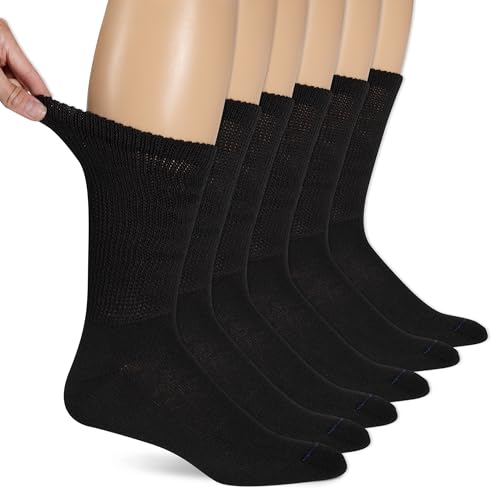
* Non-Binding Tops: This is perhaps one of the most critical distinguishing features of diabetic socks. Unlike standard socks that often have elastic bands at the top to keep them up, which can dig into the skin and restrict blood flow, diabetic socks are designed with a much looser, more accommodating band. This ensures that the sock stays up without constricting the leg, a crucial aspect for maintaining healthy blood flow. Poor circulation is a common concern for people with diabetes, making anything that impedes blood flow a potential hazard. These non-binding tops gently hug the leg, preventing uncomfortable pressure marks and allowing blood to flow freely to and from the feet. This gentle embrace is essential for preventing swelling, tingling, and numbness, contributing significantly to overall foot comfort and health.
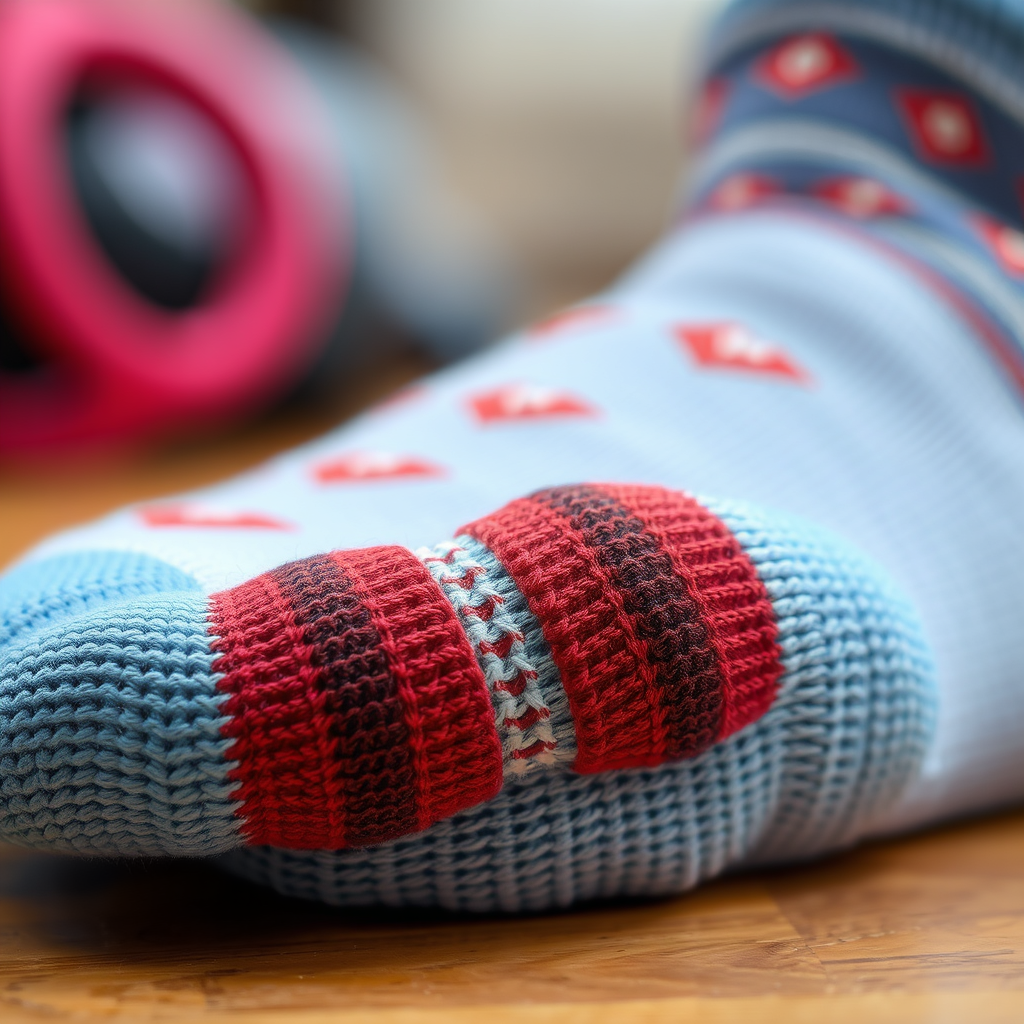
* Seamless Construction: Imagine walking around all day with a tiny seam pressing or rubbing against your skin – for someone with diabetes, this seemingly minor irritation can quickly escalate into a serious problem. Diabetic socks are meticulously crafted with seamless construction, meaning there are no raised seams, especially around the toes, that could rub or create pressure points. Traditional socks often have a visible seam across the toe box, which can cause friction, leading to blisters, sores, or even open wounds. Given that individuals with diabetes may have neuropathy (nerve damage) and reduced sensation, they might not feel these irritations until they’ve become problematic. By eliminating these potential friction points, seamless socks drastically reduce the risk of skin breakdown and subsequent infection, offering a smooth, protective layer for sensitive feet.
* Moisture-Wicking Materials: Keeping feet dry is paramount in preventing bacterial and fungal infections, which thrive in warm, moist environments. Diabetic socks are typically made from advanced moisture-wicking fabrics that actively draw sweat away from the skin’s surface, accelerating evaporation. Materials like bamboo rayon, certain high-tech acrylics, merino wool, or specialized synthetic blends are excellent choices for this purpose. Unlike cotton, which absorbs moisture and holds it against the skin, these specialized materials help maintain a dry environment around the foot. This not only keeps your feet feeling fresh and comfortable but significantly reduces the risk of athlete’s foot, fungal nail infections, and other moisture-related skin issues that can be particularly dangerous for individuals with diabetes due to slower healing times and compromised immune systems.
Key Benefits of Wearing Diabetic Socks


Wearing diabetic socks is more than just a recommendation; it’s a proactive step in managing foot health for individuals living with diabetes. These specialized socks offer a range of significant benefits that go beyond mere comfort, playing a vital role in preventing serious complications and enhancing overall well-being. By understanding these advantages, you can appreciate why they are considered an essential part of daily care.
* Enhanced Circulation: One of the most significant benefits of diabetic socks is their role in supporting healthy blood flow. The non-binding tops are specifically engineered to stay up without constricting the leg, ensuring that blood can flow freely to and from your feet. For people with diabetes, poor circulation is a common and serious concern, often leading to conditions like peripheral artery disease. Restricted blood flow can cause swelling, numbness, tingling, and even tissue damage. By eliminating the pressure points that regular elasticized socks can create, diabetic socks actively help prevent these circulatory issues, promoting optimal blood delivery to the extremities. This can help alleviate discomfort, prevent cold feet, and reduce the risk of more severe complications associated with compromised circulation.
* Reduced Risk of Injury: The unique design of diabetic socks acts as a protective shield for your feet. The seamless construction is crucial here, as it eliminates friction points that can lead to blisters, calluses, or open sores. Even a tiny blister, which might be a minor annoyance for someone without diabetes, can become a gateway for infection for individuals with diabetes, especially those with neuropathy who might not feel the irritation until it’s too late. Many diabetic socks also incorporate extra padding in critical areas like the soles and heels. This additional cushioning provides a buffer against impact and pressure, further safeguarding delicate skin from cuts, scrapes, and pressure sores. This enhanced protection is vital for maintaining skin integrity and preventing wounds that are difficult to heal and susceptible to infection.
* Improved Hygiene: Maintaining impeccable foot hygiene is paramount for individuals with diabetes. Diabetic socks contribute significantly to this by incorporating moisture-wicking properties and, in some cases, antimicrobial treatments. As mentioned, moisture-wicking materials efficiently draw sweat away from the skin, keeping feet dry throughout the day. A dry environment is less hospitable to bacteria and fungi, thereby reducing the risk of common infections like athlete’s foot and fungal nail infections. Some socks go a step further by integrating antimicrobial agents into their fabric. These agents inhibit the growth of odor-causing bacteria and other microbes, helping to keep feet fresh and clean. This dual action of moisture control and microbial inhibition not only enhances comfort but also provides a crucial line of defense against infections that could otherwise lead to serious foot complications requiring intensive medical intervention.
Essential Features to Look For When Buying
Choosing the right pair of diabetic socks goes beyond just picking a size. It involves a careful consideration of various features that directly impact your foot health and comfort. Investing a little time to understand these essential characteristics will ensure you select socks that offer maximum protection and support.
* Material Composition: The fabric your socks are made from plays a massive role in their effectiveness. You’ll want to opt for soft, breathable materials that are gentle on sensitive skin and excel at managing moisture. Excellent choices include bamboo rayon, which is incredibly soft, naturally antimicrobial, and highly breathable. Merino wool is another fantastic option; it’s temperature-regulating (keeping feet warm in winter and cool in summer), naturally moisture-wicking, and surprisingly soft, not itchy like traditional wool. Cotton blends can be comfortable, but be cautious with 100% cotton as it tends to absorb moisture and stay wet, which isn’t ideal for diabetic feet. Look for cotton blends that incorporate moisture-wicking synthetic fibers like polyester, nylon, or spandex to get the best of both worlds. The goal is to find a material that keeps your feet dry, prevents irritation, and feels great against your skin all day long.
* Proper Fit and Sizing: This is non-negotiable! A sock that doesn’t fit properly can negate all the benefits of diabetic socks and potentially cause more harm than good. Socks that are too tight will restrict circulation, even if they claim to be non-binding, and can create painful pressure points. Conversely, socks that are too loose will bunch up, creating wrinkles and friction points that can lead to blisters and sores. Always measure your feet and consult the manufacturer’s sizing chart. Look for socks that fit snugly without any tightness, especially around the ankle and calf. For individuals with wider feet, swollen feet, or specific foot deformities, a specialized fit designed to accommodate these conditions might be incredibly beneficial. Some brands offer “extra wide” or “big & tall” options specifically to ensure a comfortable, non-restrictive fit for all foot shapes and sizes. Remember, the perfect fit means no slipping, no bunching, and absolutely no constriction.
* Cushioning and Padding: While all diabetic socks offer some level of protection, the amount and placement of cushioning can vary significantly and should be chosen based on your individual needs. Extra padding, particularly in the sole, heel, and toe areas, can provide additional comfort and protection, which is especially beneficial for those with neuropathy or conditions that cause increased pressure on certain parts of the foot. This extra layer acts as a shock absorber, reducing impact during walking and standing, and helps to distribute pressure evenly across the foot. For individuals with neuropathy, who may have reduced sensation, this extra cushioning can be vital in preventing undetected injuries. However, be mindful that too much padding can make the sock too bulky and lead to a tighter fit in shoes, so aim for a balance that offers protection without compromising shoe fit. Some socks offer targeted padding, focusing on areas prone to pressure or friction, while others provide a more even, moderate cushion throughout.
Top Picks and Categories of Diabetic Socks
Just like shoes, not all diabetic socks are created equal, and what works best for one person might not be ideal for another. To simplify your choice, it’s helpful to think of diabetic socks in terms of categories based on their primary use and design emphasis. Understanding these categories can help you narrow down your options and select socks that perfectly match your lifestyle and specific foot health requirements.
* Everyday Comfort Socks: These are your go-to socks for daily wear, designed for general protection and all-day comfort. The focus here is on simplicity and reliability. They feature the core elements of diabetic socks: non-binding tops, seamless construction, and good moisture-wicking properties. These socks are often made from soft, breathable blends of bamboo, acrylic, or a cotton-synthetic mix that ensures comfort without excessive bulk. They might have a moderate amount of cushioning in the sole for basic impact absorption. Ideal for individuals who spend a lot of time on their feet or those who simply want consistent protection and comfort throughout their regular routine. They come in various lengths (ankle, crew, over-the-calf) and a range of colors, making them versatile for different shoes and outfits.
* Active Lifestyle Socks: If you lead an active life, whether it’s daily walks, gym workouts, or light sports, your feet need extra support and protection. Active lifestyle diabetic socks step up to this challenge. These socks typically offer enhanced arch support to help stabilize the foot during movement, which can prevent fatigue and reduce strain. They feature superior moisture-wicking capabilities, often utilizing advanced synthetic fibers or performance merino wool blends to keep feet exceptionally dry even during vigorous activity, crucial for preventing blisters and infections. Durability is also a key consideration, with reinforced heels and toes to withstand the rigors of increased activity. While still maintaining non-binding tops and seamless construction, these socks might incorporate gentle compression in the arch area for added support (ensure it’s not too tight). They are designed to protect your feet, keep them dry, and enhance performance and comfort during your favorite activities.
* Neuropathy-Specific Socks: For individuals experiencing neuropathy, or nerve damage, in their feet, an even higher level of care and protection is necessary. Neuropathy can lead to a loss of sensation, making it difficult to detect injuries like blisters or cuts until they become serious. Neuropathy-specific socks are designed with this in mind, prioritizing maximum softness, gentleness, and protective cushioning. They often feature extra-soft materials like specially spun microfibers or highly refined bamboo, ensuring virtually no irritation. The cushioning is typically more substantial throughout the entire footbed, providing a plush, protective barrier against any pressure points or impacts. These socks are usually non-binding and seamless to an even greater degree, with meticulous attention to detail to ensure there are absolutely no rough spots. Some designs may incorporate gentle, non-restrictive compression if recommended by a doctor, which can help with circulation without causing any constriction. The goal of these socks is to provide a cloud-like comfort and an enhanced layer of protection against injuries that might otherwise go unnoticed.
Proper Care and Maintenance for Longevity
Taking good care of your diabetic socks isn’t just about keeping them clean; it’s about preserving their specialized features that are vital for your foot health. Following a few simple care guidelines will help ensure your socks maintain their non-binding elasticity, seamless integrity, and moisture-wicking performance for as long as possible, maximizing your investment and continued protection.
* Gentle Washing: To preserve the integrity of the fabric and the elasticity of the non-binding tops, always wash your diabetic socks in cold or warm water. Hot water can degrade elastic fibers and cause certain materials to shrink, leading to a tighter fit that defeats the purpose of diabetic socks. Use a gentle cycle with a mild detergent. Harsh chemicals or excessive agitation can break down the specialized fibers and reduce the sock’s effectiveness over time. Turning socks inside out before washing can also help protect the outer surface and any special treatments, like antimicrobial finishes, prolonging their benefits.
* Air Drying Recommended: While convenience often leads us to toss everything into the dryer, air drying is highly recommended for diabetic socks. High heat from tumble dryers can cause significant shrinkage, especially in natural fibers, and can damage the elastic components that ensure the non-binding fit. When elastic breaks down, socks can lose their shape, become too tight, or simply not stay up properly. If air drying isn’t feasible, tumble dry on the lowest heat setting possible. Removing them while they are still slightly damp and allowing them to finish air drying can minimize heat exposure. Laying them flat or hanging them on a line will help them maintain their original shape and size, ensuring they continue to provide optimal comfort and protection.
* Regular Replacement: Even with the best care, socks don’t last forever, and diabetic socks are no exception. It’s crucial to inspect your socks frequently for any signs of wear and tear. Look for holes, stretched-out elastic (especially around the top), thinning fabric in the sole or heel, or any signs that they no longer fit snugly but gently. A stretched-out sock won’t provide adequate protection against friction, and thinning fabric compromises cushioning and moisture-wicking abilities. When you notice these signs, it’s time to replace them. Think of it as a small, ongoing investment in your foot health. Regularly replacing worn-out socks ensures that you consistently benefit from the protective features they are designed to provide, reducing your risk of complications and maintaining optimal foot comfort.
Investing in high-quality diabetic socks is a simple yet powerful way to safeguard your foot health and enhance your daily comfort. By prioritizing features like non-binding tops, seamless construction, and moisture-wicking fabrics, you can significantly reduce the risk of common diabetic foot complications. Remember to consider your specific needs and activities when choosing your socks, and always consult with your doctor or podiatrist for personalized recommendations to ensure you’re making the best choice for your unique situation.
Frequently Asked Questions
What makes socks “diabetic” and how do they differ from regular socks?
Diabetic socks are specifically engineered to protect the feet of individuals with diabetes, who are prone to nerve damage (neuropathy), poor circulation, and slow-healing wounds. Unlike regular socks, they feature non-binding tops that prevent constriction around the ankles and calves, seamless toe designs to eliminate friction and blisters, and extra padding in key pressure areas. These specialized characteristics ensure optimal blood flow, minimize skin irritation, and significantly reduce the risk of serious foot complications common with diabetes.
Why is wearing diabetic socks crucial for people managing diabetes?
Wearing diabetic socks is crucial because individuals with diabetes often experience diminished sensation and impaired blood flow, making their feet highly vulnerable to injuries and infections. These specialized socks provide gentle, non-constrictive support, wick away moisture to prevent fungal growth, and offer protective cushioning, all of which are essential for maintaining foot integrity. By mitigating common risks, diabetic socks play a significant role in preventing ulcers, infections, and even the need for amputations, thereby promoting overall foot health.
What key features should I look for when choosing the best diabetic socks?
When selecting the best diabetic socks, prioritize a non-binding top that won’t constrict blood flow, which is vital for maintaining healthy circulation in individuals with diabetes. Look for seamless toe constructions to prevent rubbing and blisters, along with extra padding in the heel and ball of the foot for enhanced comfort and protection against pressure sores. Additionally, opt for moisture-wicking materials to keep feet dry, reduce the risk of infections, and ensure superior diabetic foot care.
Which materials are recommended for diabetic socks to ensure comfort and optimal foot health?
Ideal materials for diabetic socks include moisture-wicking fabrics like bamboo, merino wool, or specialized synthetic blends such as polyester and nylon. These materials effectively draw sweat away from the skin, keeping feet dry and significantly reducing the risk of fungal infections and irritation, which is paramount for diabetic foot health. Materials that also offer good breathability and softness, providing comfortable cushioning without causing friction, are highly recommended for daily wear.
How often should individuals with diabetes replace their diabetic socks for optimal protection?
Individuals with diabetes should aim to replace their diabetic socks approximately every 3 to 6 months, or sooner if they exhibit visible signs of wear and tear. Regular replacement ensures that the socks maintain their essential non-binding elasticity, cushioning properties, and moisture-wicking effectiveness, which are critical for preventing foot complications. Frayed seams, thinning fabric, or stretched-out tops compromise these protective benefits, making timely replacement a key component of proactive diabetic foot care.
References
- https://www.mayoclinic.org/diseases-conditions/diabetic-neuropathy/expert-answers/diabetic-socks/faq-20058204
- https://my.clevelandclinic.org/health/articles/17539-diabetic-socks
- Diabetes & Foot Problems – NIDDK
- https://diabetes.org/health-wellness/foot-care/footwear
- https://www.uofmhealth.org/health-library/hw43859
- https://www.cdc.gov/diabetes/library/features/healthy-feet.html
- Diabetic foot




Pingback: Best Diabetic Socks: A Buying Guide - Best For Diabetics
Pingback: Best Work Boots for Diabetics: Essential Buying Guide - Best For Diabetics
Pingback: The Best Shoes for Diabetics: Top Picks and Buying Guide - Best For Diabetics