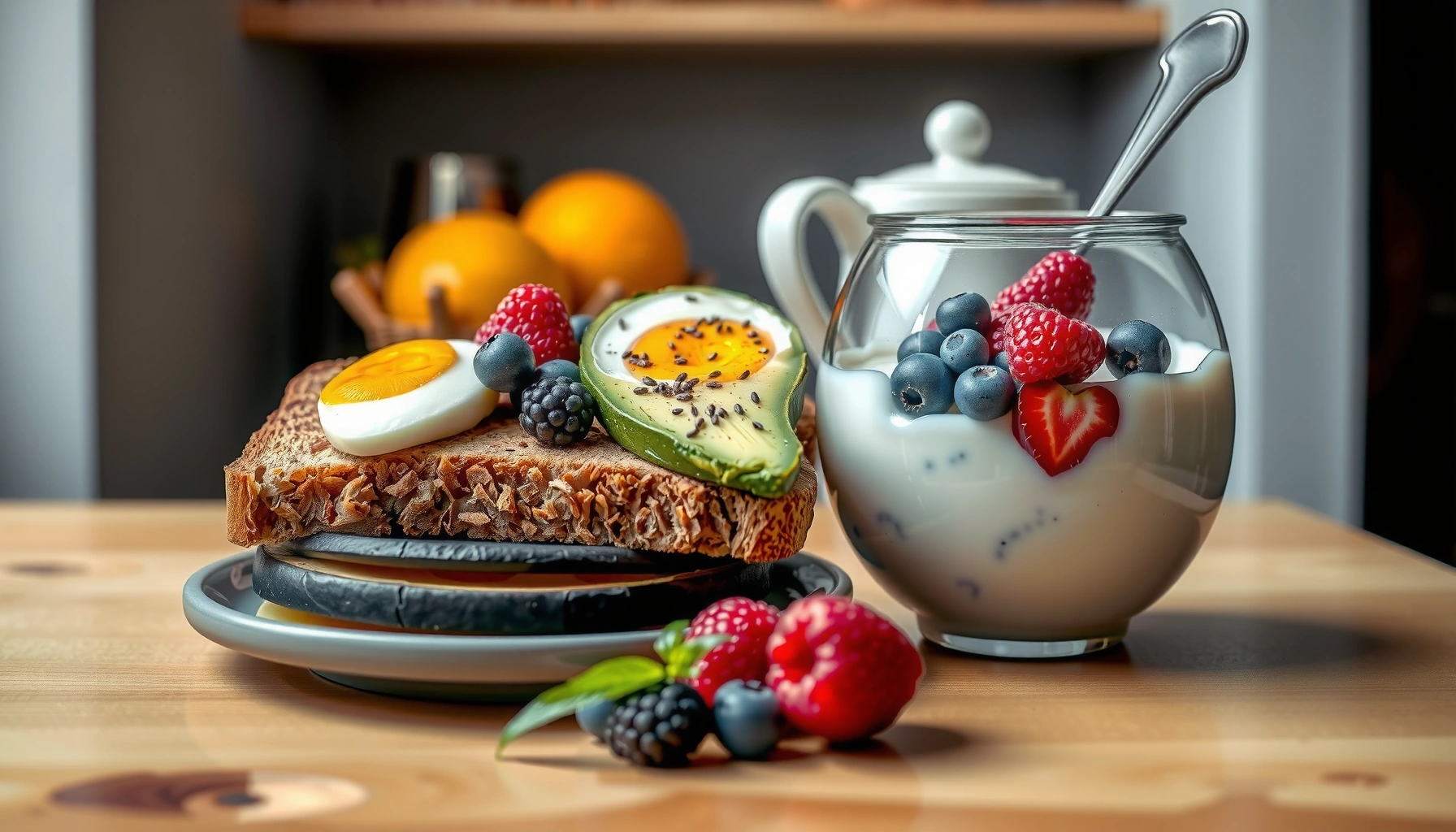

Yes, individuals managing diabetes absolutely can enjoy delicious desserts! The key lies in making smart ingredient choices, prioritizing portion control, and understanding how different foods impact blood sugar. This guide will walk you through a variety of safe, satisfying, and blood-sugar-friendly dessert ideas that prove you don’t have to give up sweetness entirely.
![Diabetic Sugar Free Cookies By Stern’s Bakery | [10 Count] Low Calorie Cookies Individually Wrapped | Sugar-Free Pastries | Baked Fresh Daily & Scrumptious | Diabetic Friendly Snack for Mom, Dad, Colleague, Friend](https://m.media-amazon.com/images/I/51+unzRKxIL._SL500_.jpg)



Understanding Diabetic Dessert Principles

When it comes to enjoying sweets while managing diabetes, the core principles revolve around smart ingredient selection and awareness of their impact on your body. These aren’t just rules to follow, but rather a framework for creativity that empowers you to indulge wisely.
First and foremost, it’s crucial to prioritize low glycemic index ingredients and controlled carbohydrates to minimize blood sugar spikes. The glycemic index (GI) is a system that ranks foods on a scale from 1 to 100 based on how much they raise blood sugar levels after eating. Opting for ingredients with a lower GI means your body will process them more slowly, leading to a more gradual and sustained release of glucose into your bloodstream, rather than a sudden surge. This often means choosing whole grains over refined ones, and focusing on fruits and vegetables that are rich in fiber. Controlling total carbohydrate intake is equally important, as all carbohydrates convert to glucose. By being mindful of carb counts in your desserts, you can ensure they fit within your daily meal plan and help maintain stable blood sugar levels.
Secondly, you’ll want to focus on natural sweetness from whole fruits, along with appropriate sugar substitutes like stevia, erythritol, or monk fruit. Nature offers a wonderful array of sweetness through fruits, which come packed with fiber, vitamins, and minerals – a stark contrast to refined sugars. When fresh fruit isn’t enough, or for recipes that require more intense sweetness, a variety of zero or low-calorie sugar substitutes can be your best friends. Stevia, derived from a plant, and monk fruit, extracted from a fruit, are natural options that provide sweetness without impacting blood sugar. Erythritol, a sugar alcohol, also offers a clean sweet taste with minimal caloric and glycemic impact. These alternatives allow you to replicate the taste and enjoyment of traditional sweets without the blood sugar rollercoaster.
Finally, a powerful strategy is to incorporate fiber, protein, and healthy fats into desserts to slow sugar absorption and increase satiety. This is where dessert can actually become a functional food that supports your health goals. Fiber, found in fruits, vegetables, nuts, and seeds, is known to slow down the digestion and absorption of sugars, which helps prevent rapid blood sugar spikes. Protein and healthy fats, such as those found in nuts, seeds, avocado, and certain dairy products, further contribute to this effect. They not only slow down glucose absorption but also keep you feeling full and satisfied for longer, reducing the likelihood of overeating or reaching for unhealthy snacks later. Thinking of dessert as an opportunity to add these beneficial nutrients transforms it from a guilt-inducing treat into a wholesome part of your diet.
Fruit-Forward & Naturally Sweet Options
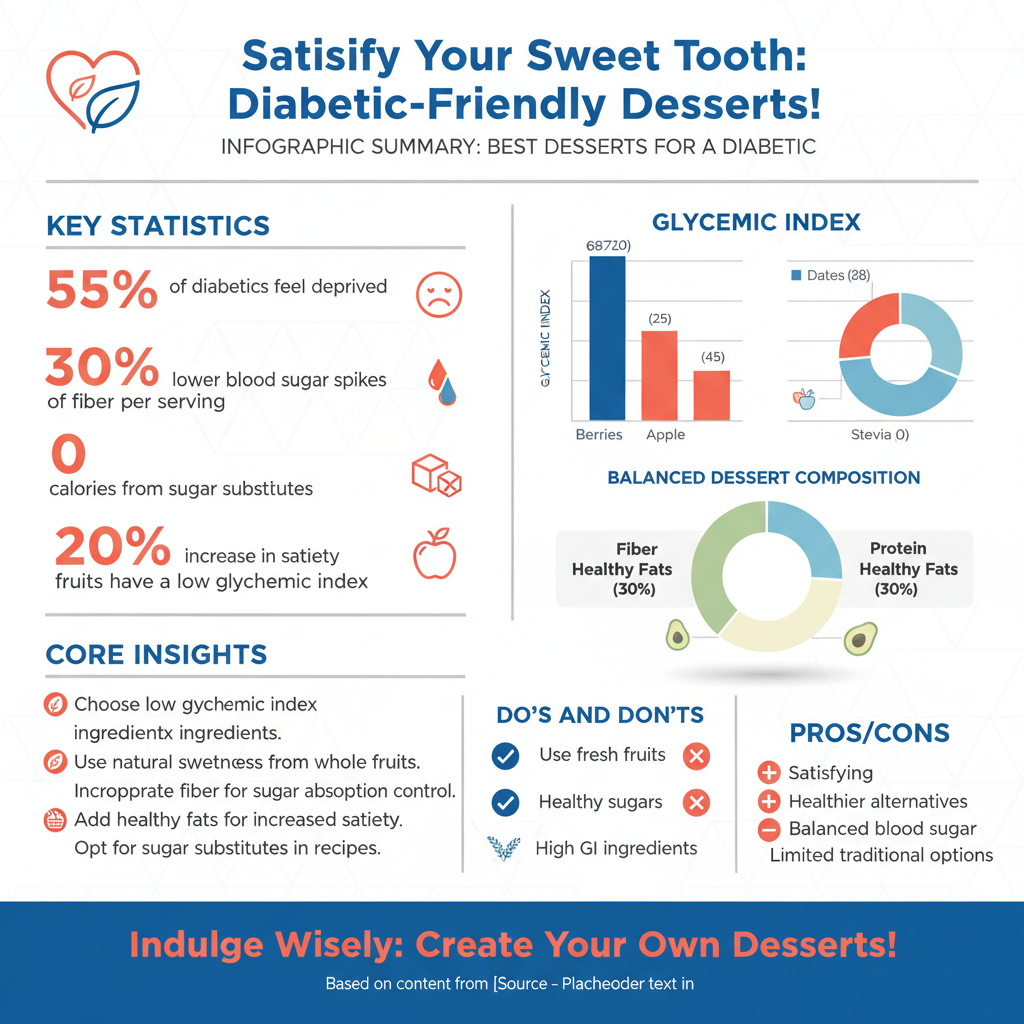

Nature’s candy, fresh fruit, forms the backbone of many fantastic diabetic-friendly desserts. Their inherent sweetness, coupled with essential nutrients and fiber, makes them an excellent choice for satisfying a sweet tooth.
Berries (strawberries, blueberries, raspberries), apples, and pears offer natural sweetness, fiber, and essential nutrients. Berries are particularly celebrated for their low glycemic index and high antioxidant content. A cup of raspberries, for instance, packs a remarkable amount of fiber, which helps to slow down sugar absorption. Apples and pears, especially when eaten with their skin, are also excellent sources of soluble fiber, aiding in blood sugar management and promoting digestive health. These fruits provide a delightful burst of flavor and a satisfying texture that can be enjoyed on their own or as part of a more elaborate dish. They are versatile and can be incorporated into countless recipes, offering a healthier foundation for your dessert creations.
The beauty of these fruits lies in their simplicity. You can prepare fruits simply as baked apples with cinnamon, grilled peaches, or a fresh fruit salad. A baked apple, cored and sprinkled with cinnamon and a dash of nutmeg, becomes a comforting, warm dessert that needs no added sugar. The baking process caramelizes the fruit’s natural sugars, enhancing its sweetness. Grilled peaches, with their smoky sweetness, are another fantastic option, especially in the warmer months. For a quick and refreshing treat, a vibrant fruit salad made with a variety of berries, melon, and citrus segments offers a colorful and nutrient-rich indulgence. These preparations highlight the natural flavors of the fruit without relying on heavy syrups or added sugars, making them perfect for a diabetes-friendly diet.
To further optimize your fruit desserts for blood sugar control, it’s wise to pair fruits with a source of protein or healthy fat, such as a dollop of plain Greek yogurt or a sprinkle of nuts, to further manage blood sugar response. This pairing strategy leverages the principles we discussed earlier: protein and fat slow down digestion and nutrient absorption, mitigating the impact of even natural sugars on your blood glucose. A serving of plain Greek yogurt (sugar-free) not only adds a creamy texture and tangy contrast to sweet berries but also provides a significant boost of protein. Similarly, a small handful of almonds, walnuts, or pecans sprinkled over your fruit salad or baked apple adds healthy fats, fiber, and protein, contributing to satiety and better blood sugar regulation. This simple addition elevates a basic fruit dish into a more balanced and satisfying dessert.
Creamy & Dairy-Based Indulgences

For those who crave rich, creamy textures, dairy or dairy-alternative based desserts offer a wonderful array of possibilities that can be both delicious and diabetes-friendly. The key is choosing unsweetened options and incorporating beneficial ingredients.
One fantastic option is to create satisfying Greek yogurt parfaits layering sugar-free yogurt with fresh berries and a small amount of low-carb granola. Greek yogurt is a powerhouse of protein, which is excellent for satiety and helps stabilize blood sugar. Be sure to select plain, unsweetened Greek yogurt to avoid hidden sugars. Layering it with vibrant fresh berries not only adds natural sweetness and antioxidants but also introduces valuable fiber. To add a delightful crunch and texture, a modest sprinkle of low-carb or sugar-free granola can be included. Look for granolas made with nuts, seeds, and approved sweeteners, or even make your own. This layered dessert is visually appealing, incredibly customizable, and provides a balanced combination of protein, fiber, and healthy fats, making it a truly guilt-free indulgence.
Beyond yogurt, you can enjoy sugar-free puddings or custards made with unsweetened almond or coconut milk and sugar substitutes. Traditional puddings are often laden with sugar, but by making smart swaps, you can recreate their comforting creaminess. Using unsweetened plant-based milks, such as almond or coconut milk, significantly reduces carbohydrate and sugar content. These milks provide a lovely base for custards and puddings, which can then be sweetened to taste with erythritol, stevia, or monk fruit. Adding a dash of vanilla extract, cinnamon, or unsweetened cocoa powder can elevate the flavor profile without adding extra sugars. You can also thicken them with chia seeds for added fiber, or a small amount of cornstarch or agar-agar, ensuring a smooth, decadent texture that feels truly indulgent.
For a subtly sweet and protein-rich treat, opt for cottage cheese topped with cinnamon and a few chopped nuts. Cottage cheese, often overlooked in the dessert category, is a versatile and excellent source of casein protein, which digests slowly and provides a sustained feeling of fullness. Its mild flavor makes it an ideal canvas for various additions. A simple sprinkle of warming cinnamon enhances its natural creaminess and adds an antioxidant boost. For textural contrast and healthy fats, a scattering of finely chopped walnuts, pecans, or almonds not only provides a satisfying crunch but also contributes to better blood sugar control. You can also add a few berries or a tiny drizzle of sugar-free syrup if you desire a touch more sweetness. This unassuming dessert is surprisingly satisfying and packed with nutrients.
Innovative No-Bake & Quick Fix Desserts
Sometimes, you need a quick dessert fix that doesn’t involve firing up the oven. No-bake options are not only convenient but can also be incredibly innovative and perfectly suited for a diabetic-friendly diet, focusing on whole ingredients and minimal processing.
One of the most versatile and blood-sugar-friendly no-bake options is to prepare chia seed puddings, customizable with unsweetened cocoa powder, a splash of vanilla, or a handful of berries. Chia seeds are tiny powerhouses, packed with fiber, protein, and omega-3 fatty acids, all of which contribute to stabilizing blood sugar and promoting satiety. When soaked in liquid, they absorb up to 10-12 times their weight, forming a gel-like consistency similar to pudding. You can make a basic chia pudding by combining chia seeds with unsweetened almond or coconut milk and your preferred sugar substitute. From there, the customization possibilities are endless. Stir in unsweetened cocoa powder for a chocolate delight, a splash of pure vanilla extract for a classic taste, or layer with fresh berries for natural sweetness and vibrant color. They require minimal effort and can be prepared ahead of time, making them perfect for busy schedules.
For a truly decadent yet healthy treat, whip up an avocado chocolate mousse using ripe avocado, unsweetened cocoa, a natural sweetener, and a touch of vanilla. While it might sound unusual, ripe avocados lend an incredibly creamy, smooth texture to mousse without needing heavy cream or eggs. They are also loaded with healthy monounsaturated fats, which are excellent for heart health and satiety, and have a minimal impact on blood sugar. By blending ripe avocado with unsweetened cocoa powder, a natural zero-calorie sweetener (like monk fruit or erythritol), and a touch of vanilla extract, you create a rich, dark chocolate mousse that satisfies intense cravings. The healthy fats in the avocado help to slow the absorption of any natural sugars present and keep you feeling full, making this a smart choice for a low-carb, diabetic-friendly dessert.
Finally, for a portable and nutrient-dense option, craft energy bites or fat bombs using ingredients like nut butter, oats, sugar-free chocolate chips, and coconut flakes. These small, compact treats are perfect for satisfying a sweet craving while also providing sustained energy. The base often includes natural nut butters (like almond or peanut butter), which contribute healthy fats and protein. Rolled oats can add fiber and texture, though if strictly limiting carbs, flax meal or almond flour can be used instead. Incorporate sugar-free chocolate chips for that classic chocolatey taste, and unsweetened coconut flakes for added texture and healthy fats. These ingredients are bound together, often with a touch of a natural sweetener, and then rolled into bite-sized balls. They don’t require baking and are fantastic for meal prepping, ensuring you always have a healthy, blood-sugar-friendly dessert or snack on hand.
Healthier Baked Treats
Don’t think that managing diabetes means giving up warm, freshly baked goods entirely! With some clever ingredient swaps and careful recipe selection, you can still enjoy delicious muffins, cookies, and cakes that fit into a blood-sugar-conscious diet.
To start, it’s essential to experiment with alternative flours such as almond flour, coconut flour, or whole wheat flour in your baking recipes. Traditional white flour is high in refined carbohydrates and can cause significant blood sugar spikes. Almond flour, made from finely ground blanched almonds, is a fantastic low-carb, high-protein, and high-fiber alternative that adds a delicate nutty flavor and moist texture to baked goods. Coconut flour, another excellent low-carb option, is very absorbent and rich in fiber, requiring less quantity in recipes. For those looking for a less drastic change, whole wheat flour is a step up from white flour, offering more fiber and nutrients, though it still contains carbohydrates that need to be accounted for. By switching to these alternative flours, you significantly reduce the glycemic load of your baked treats, making them more suitable for managing blood sugar.
Next, to keep the sugar content in check, you should sweeten baked goods exclusively with approved sugar substitutes to maintain a low carbohydrate count. This is perhaps the most critical swap in diabetic baking. Relying on zero or low-calorie sweeteners like erythritol, stevia, monk fruit, or xylitol (used with caution around pets) allows you to achieve the desired sweetness without adding grams of sugar or significant carbohydrates that would impact blood glucose levels. Many of these substitutes can be used cup-for-cup like sugar, though some may require adjustments for specific recipes due to differences in bulk and browning properties. Always read the label and follow conversion guidelines carefully. This strategic sweetening ensures your baked goods are palatable and enjoyable without compromising your health goals.
Finally, to ensure successful and safe indulgence, it’s wise to seek out recipes for small-batch sugar-free muffins, cookies, or single-serving cakes designed for diabetic-friendly consumption. Many excellent resources, cookbooks, and websites are dedicated to creating delicious low-carb and sugar-free baked goods. These recipes are specifically formulated with diabetic needs in mind, using the right proportions of alternative flours, sweeteners, and often incorporating beneficial ingredients like nuts, seeds, and healthy fats. Small-batch or single-serving recipes are particularly useful as they help with portion control, preventing the temptation to overindulge. Enjoying a perfectly portioned sugar-free blueberry muffin or a tender almond flour cookie can be a truly satisfying experience, proving that healthy baking doesn’t mean sacrificing flavor or enjoyment.
Smart Ingredient Swaps and Mindful Eating
Beyond specific recipes, adopting a mindset of smart ingredient swaps and mindful eating habits can revolutionize your approach to desserts, making them a sustainable and enjoyable part of your diabetic management plan. These strategies empower you to take control and truly savor your treats.
One of the most impactful changes you can make is to learn to reduce added sugars by up to 50% in existing recipes or swap them entirely for natural, zero-calorie sweeteners. Many traditional recipes call for excessive amounts of sugar that simply aren’t necessary for flavor or structure. Start by incrementally cutting down the sugar – you might be surprised at how little you miss it, especially when other flavors like vanilla, cinnamon, or citrus zest are enhanced. For a more complete overhaul, replacing granular sugar with approved substitutes like erythritol or a blend of stevia and monk fruit allows you to maintain sweetness without the caloric or glycemic impact. This swap is particularly effective in puddings, custards, and baked goods where sugar primarily serves a sweetening function rather than a structural one, giving you freedom to enjoy those classic treats.
To make your desserts even more beneficial, strive to boost fiber content in desserts by incorporating whole grains, nuts, seeds, and even pureed vegetables (like zucchini in brownies). Fiber is a superstar for blood sugar management, slowing digestion and absorption of carbohydrates. Beyond the fiber naturally found in fruits, you can strategically add it to other desserts. Swap some refined flour for whole wheat pastry flour, ground flaxseed meal, or oat bran in baked goods. Sprinkle chia seeds or chopped nuts and seeds (like walnuts or pecans) into yogurts, puddings, or even on top of a sugar-free cake. An innovative trick is to incorporate pureed vegetables like zucchini, pumpkin, or even black beans into recipes. Zucchini can add moisture to muffins and brownies without altering the flavor, while pumpkin provides a creamy texture and a boost of nutrients and fiber to pies and custards. These additions subtly enhance the nutritional profile of your desserts, turning them into healthier choices.
Finally, and perhaps most importantly, practice strict portion control and mindful eating, savoring each bite to truly enjoy your dessert without overindulging. Even the healthiest, most diabetic-friendly dessert can impact blood sugar if consumed in excessive quantities. Develop a habit of serving yourself a designated portion and sticking to it. Beyond quantity, mindful eating involves paying full attention to the experience of eating your dessert. Notice the textures, the aromas, the subtle flavors, and how each bite feels. Eat slowly, without distractions, and truly taste what you’re eating. This practice not only enhances your enjoyment and satisfaction but also helps your brain register fullness, preventing you from mindlessly consuming more than your body needs. Mindful eating transforms dessert from a quick craving fix into a sensory experience that respects your health goals.
Diabetic-friendly desserts are not only possible but can be a delightful part of a balanced diet. By focusing on whole, unprocessed ingredients, smart sugar alternatives, and careful portioning, you can continue to enjoy the sweet moments in life without compromising your health goals. Experiment with these ideas, find your favorites, and always consult with a healthcare professional or registered dietitian for personalized dietary advice.
Frequently Asked Questions
What types of desserts are generally safe and enjoyable for individuals with diabetes?
Individuals with diabetes can enjoy a variety of delicious desserts by focusing on options that are low in added sugars, rich in fiber, and made with whole ingredients. Excellent choices include fresh fruits (in moderation), sugar-free gelatins or puddings, and homemade baked goods made with sugar substitutes and whole-grain flours. Prioritizing desserts that have a lower glycemic index helps manage blood sugar levels effectively.
How can I make my favorite traditional desserts more diabetes-friendly at home?
To transform your beloved traditional desserts into diabetes-friendly treats, focus on smart substitutions. Replace refined sugar with artificial sweeteners or natural alternatives like stevia or erythritol, and swap white flour for whole wheat or almond flour to increase fiber content. Additionally, reduce saturated fats by using healthier oils or applesauce, and incorporate nutrient-rich ingredients like nuts, seeds, or berries for added flavor and health benefits, ensuring portion control remains key.
Are there specific fruits that are better than others for diabetic dessert options?
Yes, some fruits are better choices for diabetic dessert options due to their lower sugar content and higher fiber. Berries (strawberries, blueberries, raspberries), cherries, and citrus fruits (oranges, grapefruits) are excellent low-glycemic choices that provide natural sweetness and essential nutrients without spiking blood sugar significantly. Always remember to consume fruits in appropriate portion sizes as part of a balanced diet for effective diabetes management.
Why is it important to choose sugar-free or low-sugar desserts when managing diabetes?
Choosing sugar-free or low-sugar desserts is crucial for managing diabetes because excessive sugar intake directly impacts blood glucose levels, leading to hyperglycemia and potential long-term complications. By opting for these specific diabetic desserts, individuals can enjoy sweet treats without compromising their blood sugar control or their overall health. This dietary adjustment helps maintain stable energy levels, supports weight management, and reduces the risk of serious health issues associated with uncontrolled diabetes.
What are some readily available, store-bought dessert options suitable for diabetics?
For convenient store-bought options, diabetics can find several suitable choices that fit into a healthy meal plan. Look for sugar-free gelatins, sugar-free puddings, and specific brands of “no sugar added” ice cream or frozen yogurt. Dark chocolate with a high cocoa percentage (70% or more) can also be enjoyed in small, controlled portions as a healthier, lower-sugar dessert option. Always check nutrition labels for carbohydrate content and serving sizes to ensure they align with your dietary needs.
References
- https://www.diabetes.org/healthy-recipes/healthy-dessert-recipes
- https://www.mayoclinic.org/healthy-lifestyle/recipes/diabetic-friendly-recipes/rc-20050854
- https://www.nytimes.com/guides/well/eat-for-diabetes
- Recipe finder – Enjoy Food | Diabetes UK
- https://www.joslin.org/diabetes-research/diabetes-friendly-recipes
- Diet in diabetes