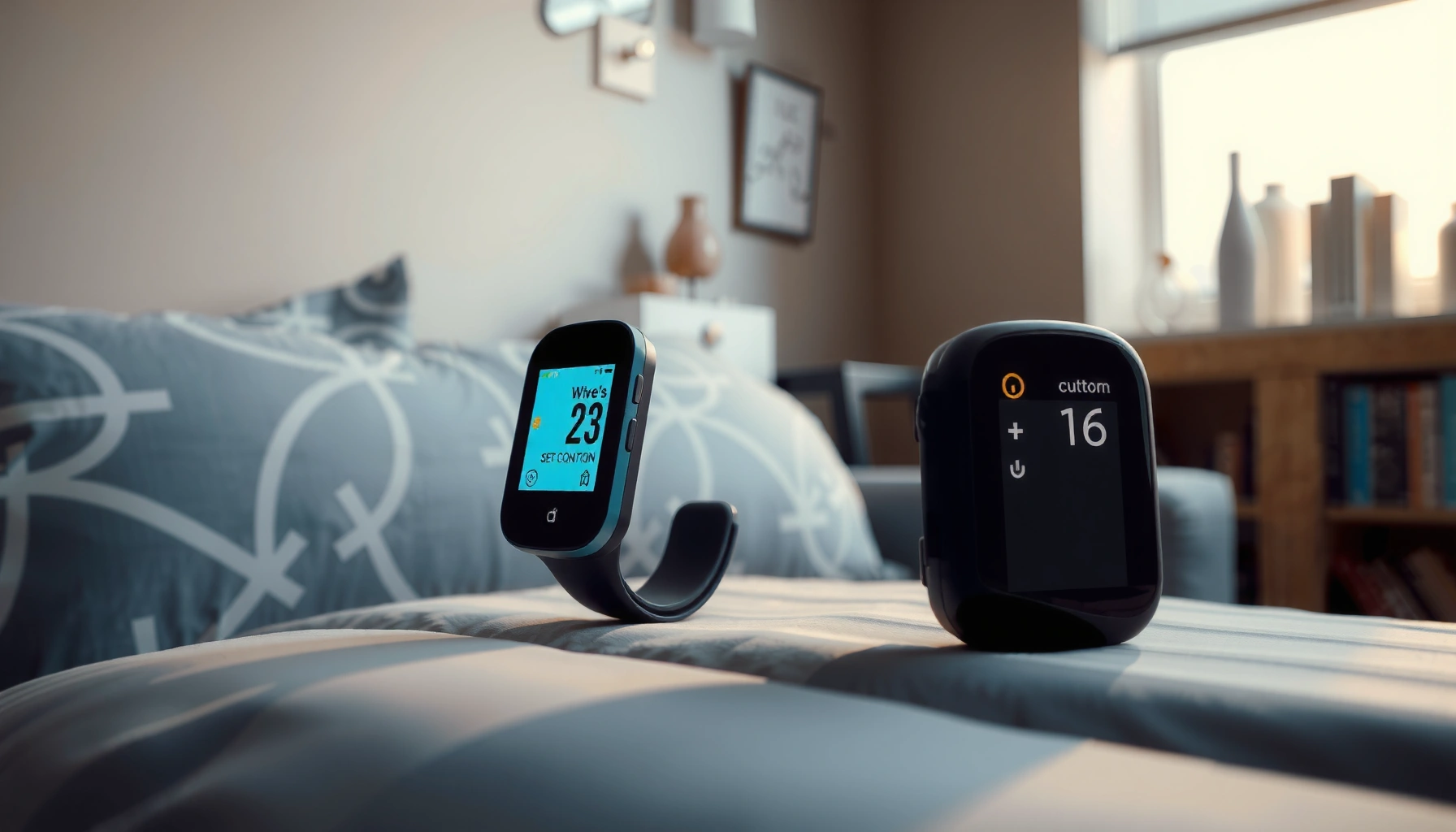

For non-diabetics seeking profound insights into their metabolic health, the Freestyle Libre 3 and Dexcom G7 are generally considered the leading continuous glucose monitor (CGM) options. These devices offer a blend of accuracy, user-friendliness, and comprehensive data that empowers individuals to understand their body’s responses to food, exercise, and lifestyle choices, ultimately optimizing their well-being without the need for traditional finger pricks. This guide will help you navigate the best choices and how to leverage CGM technology for your health goals.




Understanding CGMs: Why Non-Diabetics Are Using Them

Many of us are curious about how our bodies truly tick, especially when it comes to something as fundamental as blood sugar. For years, continuous glucose monitors (CGMs) were primarily tools for individuals with diabetes, offering a revolutionary way to manage their condition. However, a growing number of non-diabetics are now turning to this incredible technology to unlock a deeper understanding of their metabolic health. It’s like having a personal nutritionist and fitness coach rolled into one tiny device!
What a CGM Does
At its core, a CGM is a marvel of modern technology designed to give you continuous feedback on your glucose levels. It consists of a small, discreet sensor, typically worn on the back of your upper arm, that has a tiny filament inserted just under the skin. This filament measures glucose levels in the interstitial fluid – the fluid that surrounds your cells – which closely reflects your blood glucose levels. Unlike a traditional finger-prick test, which gives you a single snapshot in time, a CGM provides real-time or scan-on-demand readings throughout the day and night. This means you can see trends, understand how your levels change minute-by-minute, and pinpoint exactly what causes those frustrating energy dips or unexpected spikes. It’s a continuous conversation with your body, revealing patterns you’d never see otherwise.
Benefits for Non-Diabetics
So, why are non-diabetics embracing CGMs? The benefits are truly transformative for anyone looking to optimize their health, prevent future issues, or simply feel their best. Using a CGM allows you to gain deep, personalized insights into how various aspects of your daily life—your diet, exercise routines, stress levels, and even the quality of your sleep—impact your blood sugar.
Imagine this: you eat a seemingly healthy meal, but your CGM reveals a massive glucose spike an hour later, followed by a crash that leaves you feeling sluggish. Or perhaps you notice that a specific type of exercise consistently brings your glucose levels into a perfect, stable range. This real-time data empowers proactive health management, allowing you to fine-tune your habits based on your body’s unique responses. For those looking to optimize weight, a CGM can help identify “hidden” culprits in your diet that lead to insulin resistance and fat storage. Improved energy levels come from avoiding the glucose rollercoaster, preventing those dramatic peaks and valleys that drain your vitality. Athletes, too, are leveraging CGMs to enhance performance, understanding optimal fueling strategies before, during, and after workouts, and ensuring efficient recovery. It’s all about making informed choices to build a healthier, more energized you.
Key Considerations When Choosing Your CGM
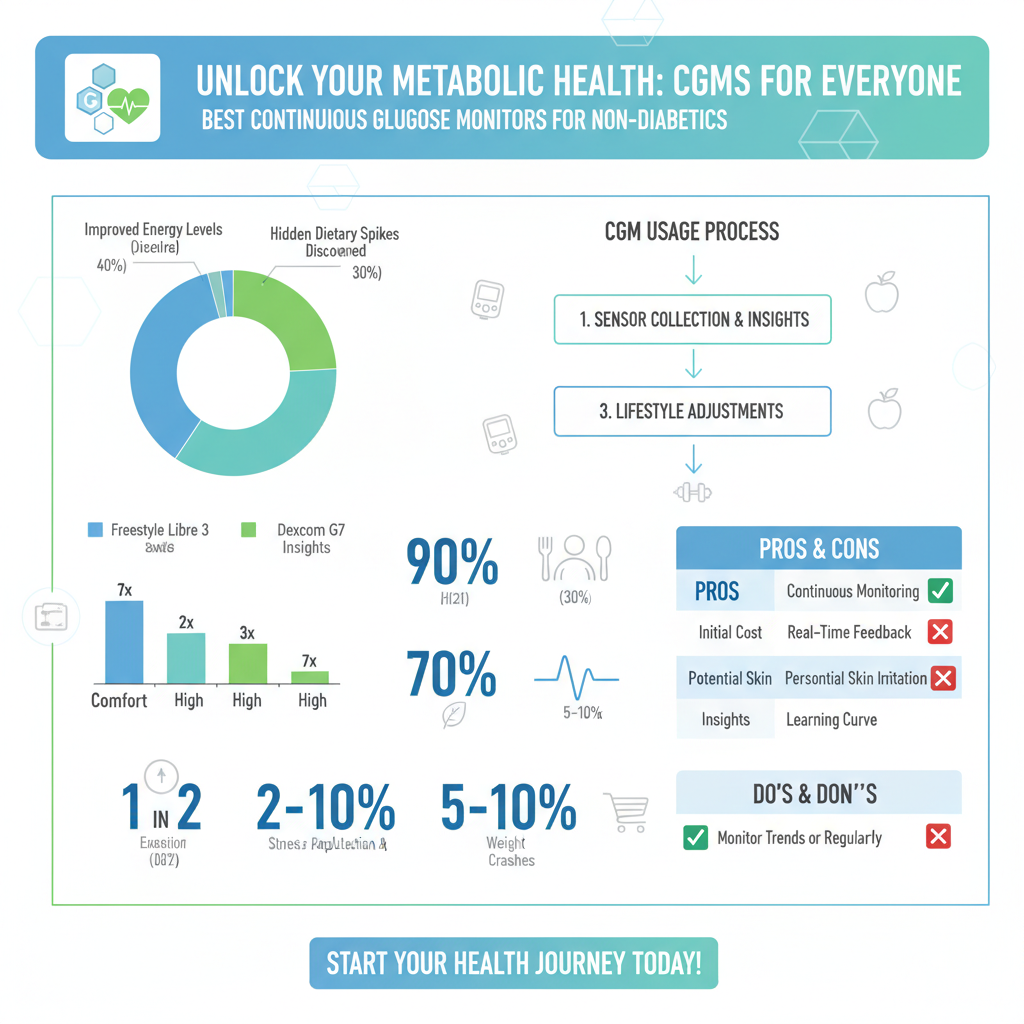

Embarking on your CGM journey is exciting, but with a couple of excellent options available, it’s wise to consider a few key factors to ensure you pick the best fit for your lifestyle and goals. Think of it as choosing the right tool for a very personal mission: optimizing your metabolic health!
Accuracy and Reliability
When you’re making important decisions about your diet and exercise based on data, accuracy is paramount. You want to be confident that the numbers you’re seeing truly reflect what’s happening inside your body. Look for devices with proven clinical accuracy, often quantified by a metric called MARD (Mean Absolute Relative Difference). While all CGMs approved for use are accurate, some excel particularly in detecting rapid changes in glucose, which can be crucial for non-diabetics trying to understand immediate post-meal responses or during intense physical activity. Reliability also extends to the consistency of the readings and the longevity of the sensor. A reliable CGM means fewer frustrating errors, fewer sensor failures, and trustworthy data to guide your health journey. It’s about building trust in your data so you can build trust in your decisions.
Ease of Use and Wearability
Let’s be honest, no one wants a complicated device or something that interferes with their daily life. The best CGM for you will be one that integrates seamlessly into your routine. Consider the sensor application process: Is it simple, relatively painless, and something you can do yourself? How comfortable and discreet is the sensor once it’s on? You’ll be wearing it for several days, so it needs to be comfortable enough that you almost forget it’s there, allowing you to shower, exercise, and sleep without hindrance. The size and profile of the sensor can also play a role in discreetness, especially if you prefer to keep your health insights private. Finally, think about how long the sensor can be worn (e.g., 10 or 14 days). A longer wear time means fewer applications, which can be a significant convenience factor.
Cost and Accessibility
For non-diabetics, the financial aspect of CGMs is often a primary consideration, as most insurance plans won’t cover the cost. This means you’ll typically be paying out-of-pocket for sensors and any associated equipment. It’s important to compare sensor costs carefully, as these are recurring expenses. Some systems may also require a separate reader device, though many modern CGMs stream data directly to your smartphone. Also, look into potential subscription models or programs that might offer a more streamlined or cost-effective way to access sensors.
Accessibility is another crucial point: most CGMs, even for non-diabetics, require a doctor’s prescription. This means you’ll need to discuss your health goals with your physician or a nutritionist who can write the prescription. Some telehealth platforms or specialized metabolic health programs might also offer an easier pathway to obtaining a prescription and sensors, sometimes bundled with coaching services. Be sure to investigate all avenues to find the most practical and affordable way to get started.
Top Contender: Freestyle Libre (2 & 3)

The Freestyle Libre family of CGMs has democratized glucose monitoring, making it more accessible and user-friendly for a wider audience, including non-diabetics. It represents an excellent entry point into understanding your metabolic health without feeling overwhelmed.
Features and Technology
The Freestyle Libre 2 offers a fantastic balance of convenience and insight. Its primary mode of operation is “scan-on-demand,” meaning you simply wave your compatible smartphone (or a dedicated reader) over the small, round sensor on your arm, and it provides your current glucose reading and an 8-hour trend arrow. While not continuously streaming, it does offer optional alarms for high or low glucose levels if you choose to enable them. What truly makes the Libre series appealing is its impressive 14-day wear time, meaning you get two full weeks of data from a single, small sensor.
Building on this success, the newer Freestyle Libre 3 takes things a step further by providing continuous, real-time data streaming directly to your compatible smartphone. This means you don’t need to scan; your glucose levels update every single minute, giving you a truly continuous feed of information. It also boasts an incredibly discreet design, being the smallest and thinnest sensor available. Both the Libre 2 and Libre 3 maintain the convenient 14-day wear duration, minimizing sensor changes and maximizing insights.
Pros for Non-Diabetics
For non-diabetics, the Freestyle Libre series offers compelling advantages. Perhaps the most significant is its general affordability, especially compared to some other CGM options. This often makes it a more accessible choice for those paying out-of-pocket, reducing the financial barrier to entry. Obtaining a prescription for the Libre is also sometimes perceived as easier, as many healthcare providers are familiar with and comfortable prescribing it.
Beyond cost, the Libre’s discreetness is a major plus. The small, low-profile sensor is hardly noticeable, allowing you to wear it confidently without drawing attention. This makes it ideal for everyday wear, whether at work, the gym, or social events. While the Libre 2 provides valuable trend analysis through its scan-on-demand feature, the Libre 3 truly shines with its real-time streaming, offering minute-by-minute insights that can profoundly impact how you understand your body’s responses to food and activity. Both versions provide robust data for identifying patterns, understanding the impact of specific meals, and making gradual, sustainable changes to optimize your metabolic health.
Premium Choice: Dexcom G7
For those who prioritize the absolute cutting edge in CGM technology and real-time responsiveness, the Dexcom G7 stands out as a premium choice. It’s built for precision and immediate feedback, offering a comprehensive view of your glucose dynamics.
Features and Technology
The Dexcom G7 represents a significant leap forward in CGM innovation. It features a compact, all-in-one sensor that is even smaller and sleeker than previous Dexcom models, making it incredibly discreet. What truly sets the G7 apart is its powerful real-time data streaming capability. It sends your glucose data directly to a compatible smartphone or dedicated receiver every five minutes, providing an almost continuous stream of information without the need for scanning.
A hallmark of the Dexcom system is its highly customizable alert system. You can set personalized high and low glucose alarms, as well as urgent low alerts, which can be incredibly helpful for understanding immediate impacts and taking prompt action. The G7 has a wear duration of 10 days, slightly shorter than the Libre, but it comes with a rapid warm-up period, meaning you get actionable data faster after application. It also integrates seamlessly with various digital health apps and platforms, expanding its utility for detailed analysis.
Pros for Non-Diabetics
The Dexcom G7’s reputation for superior accuracy, particularly in tracking rapid glucose changes, makes it an exceptional tool for non-diabetics keen on deep physiological insights. This level of precision is invaluable when you’re trying to understand the nuances of how a high-intensity workout, a stressful meeting, or a specific carbohydrate source impacts your glucose trajectory. For instance, athletes can precisely time their fueling strategies, and individuals optimizing for metabolic flexibility can truly see how quickly their body clears glucose.
Furthermore, the robust real-time alert system is a game-changer. Imagine getting an alert that your glucose is dropping rapidly after a meal, prompting you to understand why and potentially adjust your next food choice or activity. Or, conversely, seeing a gradual rise that signals a need for a walk to mitigate a spike. These immediate notifications empower proactive management in a way that scan-on-demand devices cannot. While it often comes with a higher price point, the unparalleled accuracy, real-time feedback, and advanced alerting features make the Dexcom G7 an investment in premium insights for those committed to truly mastering their metabolic health.
Getting Started: Obtaining Your CGM and What to Expect
You’ve done your research, weighed your options, and you’re excited to start your journey with a continuous glucose monitor! Now, let’s talk about the practical steps to get that sensor on your arm and begin uncovering your body’s hidden wisdom. It’s a straightforward process, but knowing what to expect can make it even smoother.
Prescription Requirements
Even though you’re a non-diabetic using a CGM for wellness and optimization, these devices are classified as medical devices by regulatory bodies. This means that in most regions, you will require a doctor’s prescription to obtain a CGM. Don’t let this deter you! The best first step is to schedule an appointment with your primary care physician, a nutritionist, or a functional medicine doctor. Be open about your goals: explain that you’re interested in proactive health management, understanding your body’s unique responses to food and exercise, and optimizing your well-being. Many healthcare professionals are becoming increasingly knowledgeable and supportive of non-diabetics using CGMs for preventive health.
If your regular doctor is hesitant, you might explore telehealth platforms or specialized metabolic health clinics that are specifically set up to prescribe CGMs for wellness purposes. These services often pair the prescription with educational resources or even coaching to help you make the most of your data. Remember, you’re advocating for your health, and a CGM is a powerful tool in that endeavor!
Learning the App and Interpreting Data
Once you have your CGM sensor applied, the real fun begins: diving into the data! Both the Freestyle Libre and Dexcom G7 systems come with intuitive smartphone companion apps that will become your primary interface. Take some time to familiarize yourself with the app’s features. You’ll typically find graphs showing your glucose trends over hours, days, and weeks. Learn how to log your meals, exercise, sleep, and even stress levels directly in the app. This contextual information is vital for connecting the dots between your activities and your glucose responses.
Interpreting the data isn’t just about looking at numbers; it’s about identifying patterns. Notice when your glucose spikes after certain foods, when it remains stable, or how different types of exercise affect it. Pay attention to your “time in range” – the percentage of time your glucose is within your target healthy range. You’ll begin to understand your unique metabolic fingerprint, learning how your body reacts differently to a bowl of oatmeal versus eggs, or a morning run versus an evening walk. Don’t aim for perfection immediately; instead, focus on discovering trends and understanding cause and effect.
Integrating Insights into Lifestyle
The true power of a CGM isn’t just in collecting data, but in using that data to make informed, positive adjustments to your lifestyle. This is where you become the scientist of your own body! For example, if you consistently see a significant glucose spike after your usual breakfast, you might experiment with swapping out a high-carb item for more protein and healthy fats, or adding fiber. The data will immediately show you the impact of this change.
Similarly, observe how different types and timings of exercise affect your glucose. Do you see a pre-workout dip, suggesting you need a small, easily digestible carb? Or does a brisk walk after dinner help to flatten your post-meal spike? You can fine-tune your diet to eat foods that keep your glucose stable, optimize your exercise routine for better energy and metabolic health, and even manage stress more effectively by seeing its physiological impact. The insights you gain from your CGM can lead to better food choices, improved energy levels, optimized athletic performance, and better sleep, all contributing to a more balanced and vibrant you. It’s an ongoing journey of learning and optimizing, with your CGM as your personal guide.
Choosing the best continuous glucose monitor for your non-diabetic needs comes down to balancing desired features, accuracy, and cost. While the Freestyle Libre 3 offers an excellent, more accessible entry point into real-time glucose monitoring with its 14-day wear and minute-by-minute data, the Dexcom G7 provides industry-leading accuracy, robust real-time alerting, and premium insights, albeit with a 10-day wear period. Both devices are powerful tools for unlocking a deeper understanding of your metabolic health, empowering you to make personalized adjustments to your diet, exercise, and lifestyle. Whichever you choose, consulting with a healthcare professional is crucial to ensure the device is right for you and to help interpret the valuable data you’ll gather, guiding you towards optimal metabolic health and a healthier, more informed you.
Frequently Asked Questions
Which continuous glucose monitor (CGM) options are best suited for non-diabetics focusing on metabolic health and wellness?
For non-diabetics tracking glucose for metabolic health and wellness, leading options include the Dexcom G7/G6 and the FreeStyle Libre 2/3 systems. Both offer user-friendly apps, real-time or on-demand glucose readings, and actionable insights into how diet and lifestyle impact blood sugar levels. Choosing between these top continuous glucose monitors often comes down to specific features like real-time alerts, sensor size, and integration with other health platforms.
Why would a healthy, non-diabetic individual consider using a continuous glucose monitor (CGM)?
Healthy non-diabetics use CGMs to gain personalized insights into their body’s unique response to food, exercise, and stress, which is crucial for optimizing overall metabolic health. This data helps identify glucose spikes that could contribute to energy crashes, weight gain, or long-term health risks like insulin resistance, even without a diabetes diagnosis. Ultimately, a CGM empowers proactive dietary and lifestyle adjustments to improve energy levels, enhance athletic performance, and support sustainable weight management goals.
How does a non-diabetic obtain a continuous glucose monitor, and is it typically covered by insurance?
Non-diabetics typically need a prescription to obtain a continuous glucose monitor, which can often be facilitated through telehealth platforms specializing in metabolic health or direct-to-consumer wellness programs. Unfortunately, insurance usually does not cover CGMs for non-diabetic use, as they are not deemed medically necessary for managing a diagnosed condition. Therefore, individuals should expect to purchase the sensors and necessary equipment out-of-pocket, with costs varying by brand and subscription model.
What are the primary benefits of real-time glucose tracking for non-diabetics looking to optimize diet and exercise?
Real-time glucose tracking provides non-diabetics with immediate, personalized feedback on how specific foods and activities affect their blood sugar, allowing for instant dietary and lifestyle adjustments. This continuous data helps pinpoint foods that cause detrimental spikes, optimize meal timing, and understand the impact of exercise on glucose stability. These insights are invaluable for fine-tuning nutrition plans, enhancing athletic recovery, maintaining consistent energy, and supporting sustainable weight management by preventing excessive glucose fluctuations.
Are continuous glucose monitors (CGMs) accurate enough for non-diabetics to make informed health decisions?
Yes, modern continuous glucose monitors are generally very accurate for non-diabetics seeking to make informed health decisions about their health and wellness. While not always identical to a venous blood draw, CGMs provide excellent trending data and relative accuracy for tracking the body’s real-time glucose responses to food and activity. This consistent data stream is highly effective for identifying patterns, understanding individual metabolic responses, and guiding actionable lifestyle modifications to improve overall wellness and prevent future health issues.
References
- Continuous glucose monitor
- https://www.health.harvard.edu/blog/continuous-glucose-monitors-for-people-without-diabetes-202302242880
- https://www.mayoclinic.org/diseases-conditions/diabetes/in-depth/cgm-for-non-diabetics/art-20516757
- https://www.nytimes.com/2023/10/05/well/eat/continuous-glucose-monitor-diabetes.html
- https://www.ncbi.nlm.nih.gov/pmc/articles/PMC8911438/
- https://now.tufts.edu/2023/07/26/healthy-people-cgm-worth-it
- https://www.ncbi.nlm.nih.gov/pmc/articles/PMC7323576/



Pingback: The Best Way to Take Moringa for Diabetes: A Guide - Best For Diabetics
Pingback: Best ED Pill for Diabetics: What to Know - Best For Diabetics
Pingback: Best Health Insurance for Type 1 Diabetes: Key Considerations - Best For Diabetics
Pingback: Best Diabetes Doctor Near Me - Best For Diabetics
Pingback: Best Cinnamon Tea for Diabetics: Understanding Your Options - Best For Diabetics
Pingback: Best Canned Sardines for Diabetics: Healthy Eating Choices - Best For Diabetics
Pingback: **Best Berberine Supplement for Diabetes: Top Picks** - Best For Diabetics
Pingback: Top 5 Hospitals for Diabetes Care in New York - Best For Diabetics
Pingback: Best Glucose Tablets for Diabetes: A Buyer's Guide - Best For Diabetics
Pingback: Best Pop for Diabetics: Sugar-Free Options - Best For Diabetics
Pingback: Best CGM for Non-Diabetics: Top Choices - Best For Diabetics