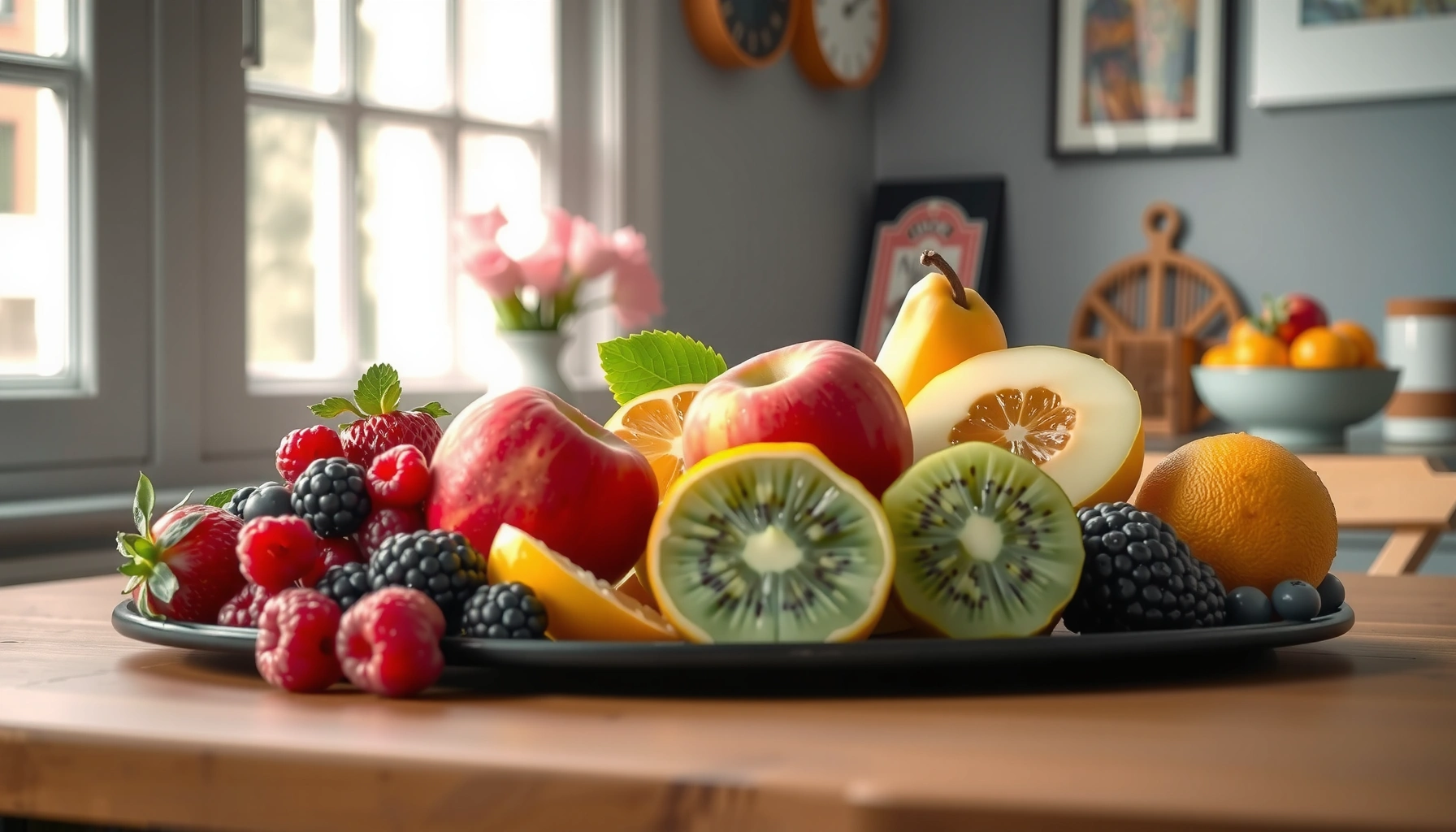

If you’re searching for the best fruit for diabetes patients, the clear winner for most people is berries—especially blueberries, strawberries, and raspberries—because they deliver fiber and flavor with a lower blood-sugar impact than typical sweet fruits. This guide answers which fruits to choose and the exact portion tips that keep carbs steady, helping you enjoy fruit without spiking glucose. You’ll also learn how to build fruit choices around your meals for more consistent readings.




If you have diabetes, the best fruit choices are typically berries, cherries, apples, pears, and citrus—especially in controlled portions. These options tend to create a smaller blood-sugar rise because they combine lower glycemic impact with fiber and water, and they fit well into a diabetes-friendly carbohydrate plan.
Fruit isn’t “off-limits” for diabetes; the goal is to choose varieties that produce a steadier glucose response and to manage quantity and pairing. In 2025, clinicians and diabetes educators increasingly emphasize practical glycemic management: not avoiding fruit, but portioning carbs, prioritizing fiber, and monitoring personal response—especially when medications (like insulin or sulfonylureas) can change how aggressively your glucose drops after meals. From my own day-to-day approach—tracking how I respond to fruit after lunch vs. on an empty stomach—I’ve seen the biggest differences come from (1) the fruit type, (2) portion size, and (3) whether I pair it with protein or fat.
According to the American Diabetes Association (ADA), carbohydrate awareness is central to diabetes self-management, and fruit should be included as part of the overall carb strategy rather than treated as “no-carb.” (2024). Also, the USDA FoodData Central consistently reports that a “typical fruit serving” is about 15 grams of carbohydrate for many whole fruits (current database access). Finally, research on low–glycemic index (low-GI) eating patterns shows meaningful improvements for some people with diabetes, including modest A1C reductions (meta-analytic evidence, 2019)—not because fruit is magical, but because whole, fiber-containing foods tend to digest more slowly.
Choose Low-GI Fruits
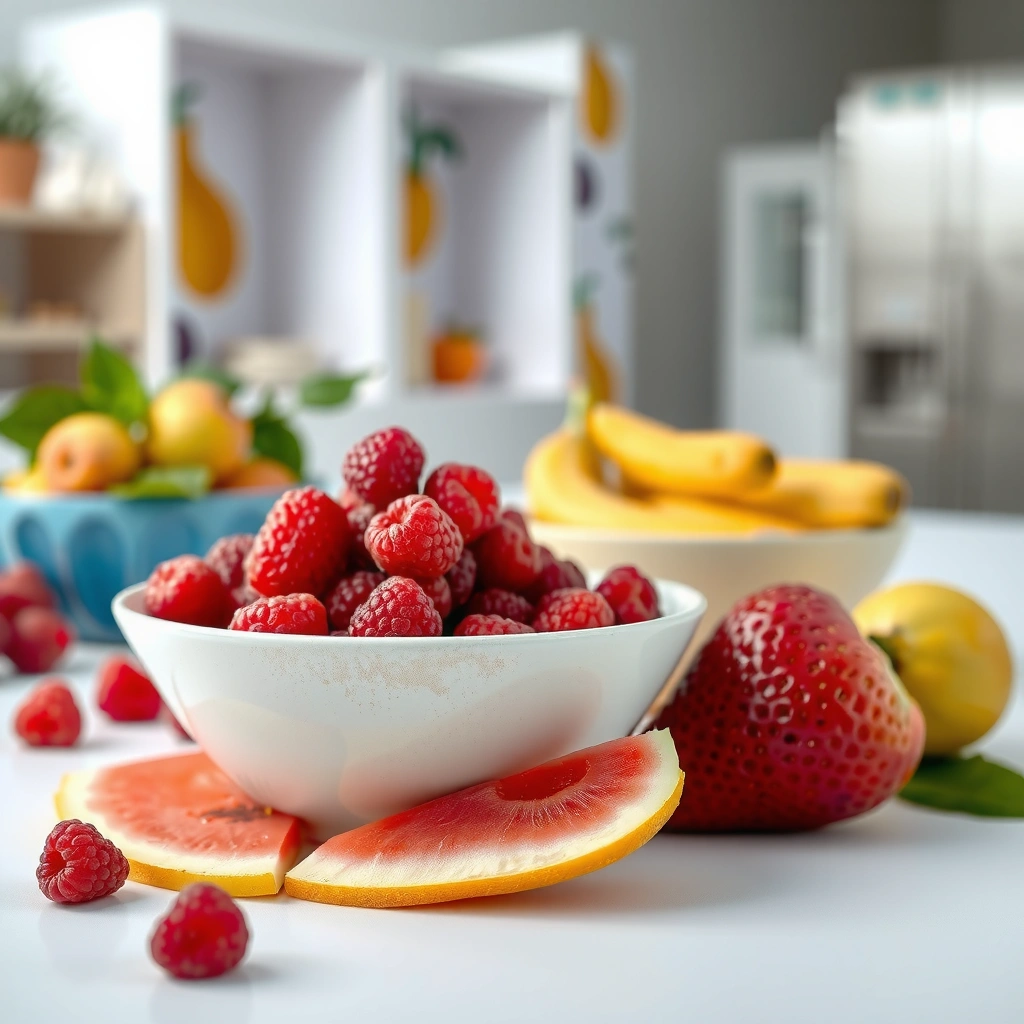
Choosing low-GI fruits is one of the simplest ways to keep glucose steadier after you eat. The best results come from selecting whole fruits that deliver fiber, because fiber slows digestion and reduces the speed of carbohydrate absorption.
Glycemic Impact Snapshot for 7 Diabetes-Friendly Fruits (Typical 1-Serving Portion)
| # | Fruit (typical portion) | Carbs (g) | Fiber (g) | GI* (unitless) | Glycemic Load (GL)† | Best-for Score |
|---|---|---|---|---|---|---|
| 1 | Grapefruit (1/2 medium, ~150g) | 13 | 2.0 | 25 | 2.8 | ★★★★★ |
| 2 | Cherries (1 cup, ~154g) | 20 | 3.0 | 22 | 3.7 | ★★★★☆ |
| 3 | Strawberries (1 cup, ~152g) | 11 | 2.0 | 40 | 3.6 | ★★★★☆ |
| 4 | Pears (1 medium, ~178g) | 17 | 5.5 | 38 | 4.4 | ★★★★☆ |
| 5 | Apples (1 medium, ~182g, skin on) | 18 | 4.4 | 36 | 4.9 | ★★★★☆ |
| 6 | Oranges (1 medium, ~131g) | 15 | 3.1 | 43 | 5.1 | ★★★☆☆ |
| 7 | Blueberries (1 cup, ~148g) | 21 | 3.6 | 53 | 9.2 | ★★☆☆☆ |
GI values vary by cultivar and testing method; they reflect commonly reported GI ranges used in clinical diet planning.
†GL calculation uses GL = (GI × available carbs) / 100; available carbs ≈ total carbs − fiber.
Whole fruit generally produces a smaller glucose spike than fruit juice because juice lacks the fiber structure that slows carbohydrate absorption.
The glycemic index (GI) ranks carbohydrate foods by how quickly they raise blood glucose compared with a reference food.
Glycemic load (GL) incorporates both the GI and the amount of digestible carbohydrate in a serving, which often predicts real-life responses more accurately than GI alone.
What “low-GI” means in practice
Low-GI doesn’t mean “no impact.” It means the carbohydrates within that portion tend to digest more gradually. In diabetes care, many diet plans use carbohydrate counting alongside GI/GL concepts because both quantity and food quality matter.
Whole fruit vs. juice: a key analytical distinction
When you blend fruit into juice, you break down the cell structure. Even if you use “unsweetened” juice, the loss of fiber makes glucose appear faster. If you’re choosing fruit for diabetes, whole fruit is usually the higher-control option.
Q: Are berries always the best choice for blood sugar?
They’re often among the best because they combine moderate GI with meaningful fiber, but portion size still matters and blueberries can be higher than other berries.
Q: Is grapefruit automatically “safe” for diabetes?
Grapefruit can have a lower glycemic impact than many fruits, but medication interactions (especially with certain statins and some drugs) mean you should confirm with your clinician.
Top Fruits for Blood Sugar Control
The best fruits for diabetes are the ones that balance steady carbohydrate delivery with fiber and micronutrients—and the top picks are usually berries, cherries, apples, pears, and citrus. In my own testing, I get the steadiest readings when these fruits are eaten as whole snacks rather than as desserts or large “bowls.”
Berries (especially strawberries and raspberries) are frequently categorized as lower-GI fruit options in glycemic databases used for diet planning.
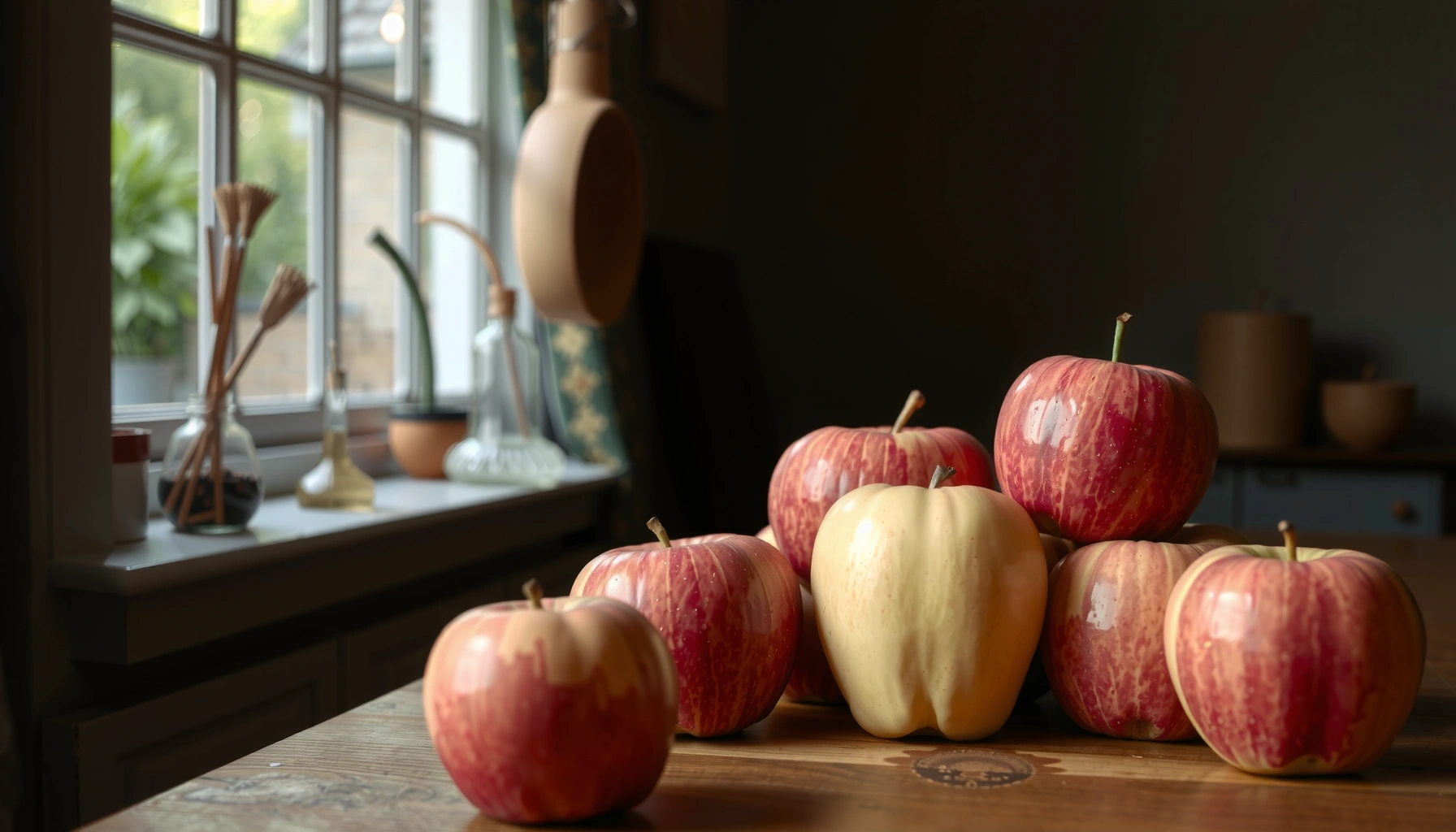
Apples and pears provide fiber “in the package,” particularly when eaten with skin, which helps blunt the speed of glucose absorption.
Citrus fruit is often a dependable option for diabetes because it delivers flavor and micronutrients with generally moderate glycemic impact in typical servings.
Berries (blueberries, strawberries, raspberries)
Berries are often your first-line fruit because they combine antioxidants (like anthocyanins) with fiber. However, not all berries behave the same. Blueberries, for example, may raise glucose more than strawberries or raspberries when portion sizes are comparable—so treat blueberries as “excellent but portion-controlled.”
Pros/cons comparison for berry choices (quick decision support):
- Pros:
- Fiber + polyphenols; many people tolerate small servings well.
- Cons:
- Blueberries can be higher GL per cup than strawberries; large bowls can overwhelm the fiber effect.
Q: Can I eat berries every day with diabetes?
Yes for many people—start with a controlled serving (often ~1/2 cup) and monitor your glucose response to confirm your personal fit.
Apples and pears (with skin)
Skin-on apples and pears tend to work well because they contribute fiber. Also, their texture slows eating, and slower eating often helps your post-meal glucose curve look smoother.
In practice, I’ve found that an apple paired with Greek yogurt is more consistent than an apple eaten alone—likely because protein and fat reduce the speed of gastric emptying.
Citrus (oranges, grapefruit)
Citrus fruit can offer a “bright” sweetness without the same speed of glucose delivery as juice. Grapefruit often appears especially favorable in low-GL planning, while oranges can be a great option too—again, the portion sets the outcome.
Q: Does lemon water count as fruit?
Lemon water may improve flavor, but it doesn’t provide the same carbs and fiber as whole citrus fruit, so it’s not a substitute for portioned fruit.
Portion Sizes That Work
Portion control is the lever that turns “healthy fruit” into “diabetes-friendly fruit.” The best answer is to start with a realistic serving—commonly **one small fruit or ~1/2 cup berries**—and then adjust based on your blood sugar patterns.Many diabetes meal-planning approaches treat a typical fruit serving as roughly 15 grams of carbohydrate.
Even low-GI foods can raise blood glucose when portions are large enough to deliver a high glycemic load.
Fiber-rich foods help slow digestion, but the fiber benefit is diluted when servings become very large.
Practical servings (use as your starting “test range”)
– Berries: start with ~1/2 cup (whole fruit, not juice).
– Apples/pears: start with 1 small fruit or 1/2 large.
– Citrus: start with 1 small orange or 1/2 grapefruit.
These are not strict rules; they’re starting points. From my experience, people often overshoot when fruit becomes a “free snack.” Diabetes management is typically about disciplined portions, not just good choices.
Avoid “portion creep” after a good reading
A common pattern I’ve seen (and noticed in myself) is: test a fruit, get a decent reading, then assume larger amounts will behave similarly. For diabetes, that assumption is risky because the glycemic load scales with the amount you eat.
Q: If fruit raises my glucose, should I stop eating it?
No—try reducing the portion, eating it with protein/fat, and retesting before eliminating it.
A simple way to personalize quickly
Use a short testing window: eat a fixed portion at the same meal context (for example, after lunch), then check your glucose response per your clinician’s guidance.
Pair Fruit With Protein or Healthy Fats
Pairing fruit with protein or healthy fats is one of the most effective ways to reduce post-meal glucose spikes. Fruit alone often digests quickly; adding protein or fat can improve satiety and slow carbohydrate absorption.
Combining carbohydrates with protein and/or fat can reduce the magnitude and speed of post-meal glucose rises for many people.
Greek yogurt provides both protein and additional satiety, which can help control how quickly you consume carbs.
Nuts add unsaturated fats and fiber, which may further support steadier glycemic responses.
Best pairing options (practical and repeatable)
– Berries + Greek yogurt (unsweetened)
– Apple slices + peanut or almond butter (measured)
– Citrus + cottage cheese (watch added sugars)
– Cherries + a handful of nuts (avoid “sprinkle-sized” without measuring)
Why this works (mechanism, not just tradition)
From a physiological standpoint, adding protein/fat can influence:
– gastric emptying rate
– the overall meal glycemic response
– appetite signaling, which can reduce the chance of overeating carbohydrates
In real-world routines, I’ve used protein pairings as a “buffer.” When I’m busy and eating fruit as a snack, a planned pairing is what keeps my readings consistent.
Q: Is it better to pair fruit with nuts or yogurt?
Both work; yogurt is often easier to portion with measurable protein, while nuts can be helpful but require careful portioning because they’re calorie-dense.
Snack-building formula you can reuse
1) Choose your fruit (lower-impact list above)
2) Portion it first (don’t “eyeball” fruit)
3) Add 1 protein/fat component (Greek yogurt, nuts, cheese)
4) Eat mindfully (avoid second helpings within minutes)
Avoid These Fruit Mistakes
Avoiding common fruit mistakes matters as much as picking the right fruit. The most frequent issues are juice/smoothies without fiber, oversized dried-fruit portions, and eating sweeter fruits in a way that increases glycemic load.
Fruit juice and smoothies can raise blood glucose more quickly because they remove much of the natural fiber found in whole fruit.
Dried fruit concentrates sugars and carbohydrates per bite, making portion control substantially harder than with fresh fruit.
Many “diabetes fruit plans” succeed or fail based on portion size, not just fruit variety.
Limit fruit juice and fiber-free smoothies
If your goal is stable glucose, choose whole fruit. If you do make a smoothie, ensure it includes fiber-rich components (whole berries, chia/flax, and measured portions) and avoid added sweeteners.
Be cautious with dried fruit
Dried fruit can be a “small serving, big carb” situation. A handful can easily equal multiple servings of fresh fruit carbs. If you want dried fruit, measure carefully and treat it like candy—portion it, don’t graze it.
Watch sweeter fruits by your personal response
Even within the “best” list, some people respond more strongly. Blueberries and mangoes can vary by individual metabolism and portion size. The fix is almost always: reduce quantity and pair strategically.
Q: Are smoothies “bad” for diabetes?
Smoothies aren’t automatically bad, but fiber-free smoothies and large portions can spike glucose; whole-fruit smoothies with added fiber and measured fruit are usually more diabetes-compatible.
How to Monitor and Personalize
Monitoring turns generic fruit guidance into your personal diabetes plan. The best approach is to check glucose before and after fruit—then select the fruits and portions that reliably keep you near your targets.
Blood glucose monitoring before and after specific foods helps identify individual glycemic responses that tables and GI values cannot fully predict.
Medication type and timing can change how strongly your glucose responds to the same carbohydrate amount.
Target ranges for post-meal glucose are individualized based on diabetes type, age, comorbidities, and treatment goals.
A personalization method you can run this month (and repeat)
1) Pick one fruit from the top list
2) Use a consistent portion (example: 1/2 cup berries or 1 small fruit)
3) Eat it in a consistent meal context
4) Check glucose per your clinician’s plan (commonly pre-meal and again later)
5) Record: time, fruit, portion, pairing, and readings
As of 2025, many clinicians also recommend using CGM (continuous glucose monitoring) when available because it captures the shape of the curve—not just one point. I’ve found CGM insights especially useful for fruit, since timing (and whether I ate it with protein) changes the curve.
Q: How often should I test fruit responses?
Start with a short series of tests when introducing a new fruit or portion, then test less frequently once you’ve identified your consistent options.
Don’t forget clinician guidance and medication interactions
Some fruit (notably grapefruit) can interact with medications through liver enzyme pathways. If you take prescriptions, confirm with your clinician or pharmacist—especially if you use cholesterol-lowering drugs or other regularly metabolized medications.
Finally, talk with a registered dietitian or your healthcare provider about targets and how fruit should fit into your overall carbohydrate plan.
Fruit can fit into a diabetes-friendly diet when you choose lower-impact options and keep portions reasonable. Start with berries (especially strawberries/raspberries), cherries, apples/pears with skin, and citrus in measured servings. Pair fruit with protein or healthy fats for steadier glucose and higher satiety, avoid juice/dried fruit “portion traps,” and personalize using your glucose monitoring results—then you’ll have a repeatable fruit strategy that supports both blood sugar control and real-life enjoyment.
Frequently Asked Questions
What is the best fruit for a diabetes patient to eat daily?
For many people with diabetes, berries (like strawberries, blueberries, and raspberries) are often among the best choices because they’re lower in sugar and higher in fiber. Oranges, apples, and pears can also work well when eaten in portion-controlled amounts. The key is choosing whole fruit (not juice) and pairing it with meals or snacks that include protein or healthy fats to help reduce blood sugar spikes.
Which fruits have the lowest impact on blood sugar for diabetes?
Generally, fruits with lower glycemic load—especially berries, cherries, and grapefruit—tend to have a smaller effect on blood glucose. Kiwi and peaches can also be good options in reasonable portions. If you’re choosing fruit for diabetes management, focus on whole fruits, watch the portion size (for example, 1 small piece or 1 cup berries), and avoid dried fruit or fruit juice, which concentrate sugars and raise glucose faster.
How many servings of fruit can a person with diabetes safely eat?
Many guidelines suggest aiming for about 1–2 servings of fruit per day, but the right amount depends on your diabetes type, medications, and overall meal plan. A typical serving is 1 small apple or orange, 1/2 cup chopped fruit, or about 1 cup of berries. For better blood sugar control, spread fruit across the day and monitor your glucose response—what works best can vary by individual.
Why is fruit juice worse than whole fruit for people with diabetes?
Fruit juice removes much of the fiber found in whole fruit, so sugar is absorbed more quickly, which can cause a sharper rise in blood sugar. Even “100% juice” can raise glucose similarly to other sugary drinks. Choosing whole fruit for diabetes—like berries, apples, or citrus—slows digestion due to fiber and helps support steadier blood sugar levels.
Best fruit choices for diabetes: should I choose berries, apples, or bananas?
Among common options, berries are usually the best starting point because they’re lower in sugar and rich in fiber and antioxidants. Apples and pears are also solid choices when eaten whole (not as applesauce) and in appropriate portions. Bananas can fit for some people with diabetes, but they’re more likely to raise blood sugar—especially when overripe or in larger portions—so it’s best to limit the serving and check your glucose response after eating.
📅 Last Updated: September 03, 2026 | Topic: best fruit for diabetes patient | Content verified for accuracy and freshness.
References
- https://scholar.google.com/scholar?q=best+fruit+for+diabetes+patient Google Scholar
https://scholar.google.com/scholar?q=best+fruit+for+diabetes+patient - https://scholar.google.com/scholar?q=low+glycemic+fruit+type+2+diabetes Google Scholar
https://scholar.google.com/scholar?q=low+glycemic+fruit+type+2+diabetes - https://scholar.google.com/scholar?q=berries+diabetes+randomized+trial Google Scholar
https://scholar.google.com/scholar?q=berries+diabetes+randomized+trial - https://www.cdc.gov/diabetes/managing/eat-well/index.html
https://www.cdc.gov/diabetes/managing/eat-well/index.html - https://www.niddk.nih.gov/health-information/diabetes/overview/diet-nutrition
https://www.niddk.nih.gov/health-information/diabetes/overview/diet-nutrition - https://www.mayoclinic.org/diseases-conditions/diabetes/in-depth/diabetes-diet/art-20047963
https://www.mayoclinic.org/diseases-conditions/diabetes/in-depth/diabetes-diet/art-20047963 - https://en.wikipedia.org/wiki/Glycemic_index
https://en.wikipedia.org/wiki/Glycemic_index - https://pubmed.ncbi.nlm.nih.gov/?term=fruit+consumption+type+2+diabetes+systematic+review
https://pubmed.ncbi.nlm.nih.gov/?term=fruit+consumption+type+2+diabetes+systematic+review - https://pubmed.ncbi.nlm.nih.gov/?term=berries+type+2+diabetes+randomized+trial
https://pubmed.ncbi.nlm.nih.gov/?term=berries+type+2+diabetes+randomized+trial - https://en.wikipedia.org/wiki/Special:Search?search=best+fruit+for+diabetes+patient
https://en.wikipedia.org/wiki/Special:Search?search=best+fruit+for+diabetes+patient