

The best breakfast for a diabetic prioritizes a balanced combination of lean protein, healthy fats, and fiber-rich complex carbohydrates to effectively manage blood sugar, promote satiety, and provide sustained energy. By focusing on whole, unprocessed foods, individuals with diabetes can start their day with a meal that supports stable glucose levels and overall well-being. This guide will help you craft the ideal morning meal, ensuring you kickstart your day on a healthy and delicious note, setting the stage for better blood sugar control and overall vitality.
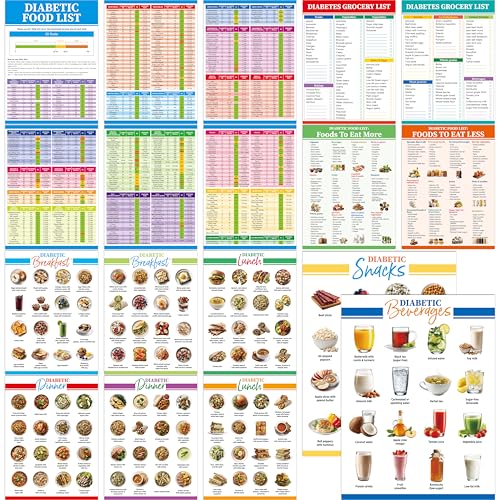



Understanding the Essentials of a Diabetic Breakfast

Crafting the perfect breakfast when you have diabetes isn’t just about avoiding certain foods; it’s about proactively choosing foods that work for your body. It’s a foundational step in managing your condition and enjoying a high quality of life. Let’s dive into why a thoughtful breakfast is so incredibly important.
* Blood Sugar Management: A well-structured breakfast is your first line of defense against the roller coaster of rapid blood glucose spikes and subsequent crashes. When you eat a meal high in refined carbohydrates or sugar, your body quickly converts these into glucose, leading to a sudden surge in blood sugar. For someone with diabetes, this can be particularly challenging, often requiring more insulin and potentially leading to long-term complications if it happens regularly. A balanced breakfast, on the other hand, helps to keep glucose levels steady, making it easier for your body to manage and reducing the strain on your pancreas. This stability is crucial for sustained energy and minimizing the risk of diabetic complications over time.
* Satiety and Energy: Imagine starting your day feeling satisfied and energized, rather than hungry an hour later. That’s the power of a breakfast rich in protein and fiber! Protein takes longer to digest, sending signals to your brain that you’re full. Fiber adds bulk to your meal and slows down the absorption of nutrients, which also contributes to that feeling of fullness. This dynamic duo helps you feel full longer, significantly reducing the likelihood of those mid-morning unhealthy snack cravings that can derail your healthy eating goals. Furthermore, by providing a steady release of energy, you avoid the common energy slump often associated with breakfasts high in simple sugars, ensuring you stay focused and productive throughout your morning.
* Nutrient Density: Beyond just macronutrients, a diabetic-friendly breakfast is also a fantastic opportunity to load up on essential vitamins, minerals, and antioxidants. These micronutrients are vital for supporting overall health, bolstering your immune system, reducing inflammation, and even protecting against nerve damage—all particularly important considerations for individuals managing diabetes. By choosing whole, unprocessed foods like fresh fruits, vegetables, whole grains, and lean proteins, you’re not just managing your blood sugar; you’re nourishing every cell in your body and addressing potential nutritional deficiencies that can impact your well-being. Think of your breakfast as a nutritional powerhouse!
Power Up with Lean Protein


Protein is a cornerstone of any diabetic-friendly meal, and breakfast is no exception. It’s not just about building muscles; it plays a critical role in how your body handles food and energy.
* Stabilizes Blood Sugar: One of protein’s most celebrated benefits for diabetics is its minimal impact on blood glucose levels. Unlike carbohydrates, protein doesn’t directly raise blood sugar. In fact, when consumed with carbohydrates, protein helps to slow down the overall absorption of glucose from your digestive system into your bloodstream. This means fewer sharp spikes and a gentler, more sustained release of energy. Including protein in your breakfast essentially acts as a buffer, making your meal more “blood sugar-friendly” and providing a steady source of fuel.
* Promotes Fullness: If you’re looking to manage your weight or simply avoid feeling hungry too soon after breakfast, protein is your best friend. High-protein foods are incredibly effective at promoting satiety, meaning they help you feel fuller for longer. This is partly due to protein’s slower digestion rate and its ability to stimulate the release of satiety hormones like cholecystokinin (CCK) and glucagon-like peptide-1 (GLP-1). By keeping hunger at bay, protein can significantly help in controlling appetite, reducing the urge to graze, and preventing overeating later in the day, which are all beneficial for diabetes management.
* Excellent Sources: The good news is there’s a wide array of delicious lean protein sources perfect for your morning meal. Eggs are incredibly versatile, inexpensive, and packed with nutrients; scramble them, boil them, or make an omelet. Plain, unsweetened Greek yogurt is another fantastic choice, offering a substantial protein punch along with beneficial probiotics for gut health – just be sure to avoid the flavored varieties loaded with sugar. Cottage cheese provides a similar benefit and can be enjoyed plain or with a few berries. For those who prefer savory options, lean turkey or chicken sausage (check labels for sugar content and additives) can be a great addition. Don’t forget plant-based options like nuts and seeds (almonds, walnuts, chia, flax, hemp seeds) which offer protein alongside healthy fats and fiber.
Embrace Fiber-Rich Complex Carbohydrates
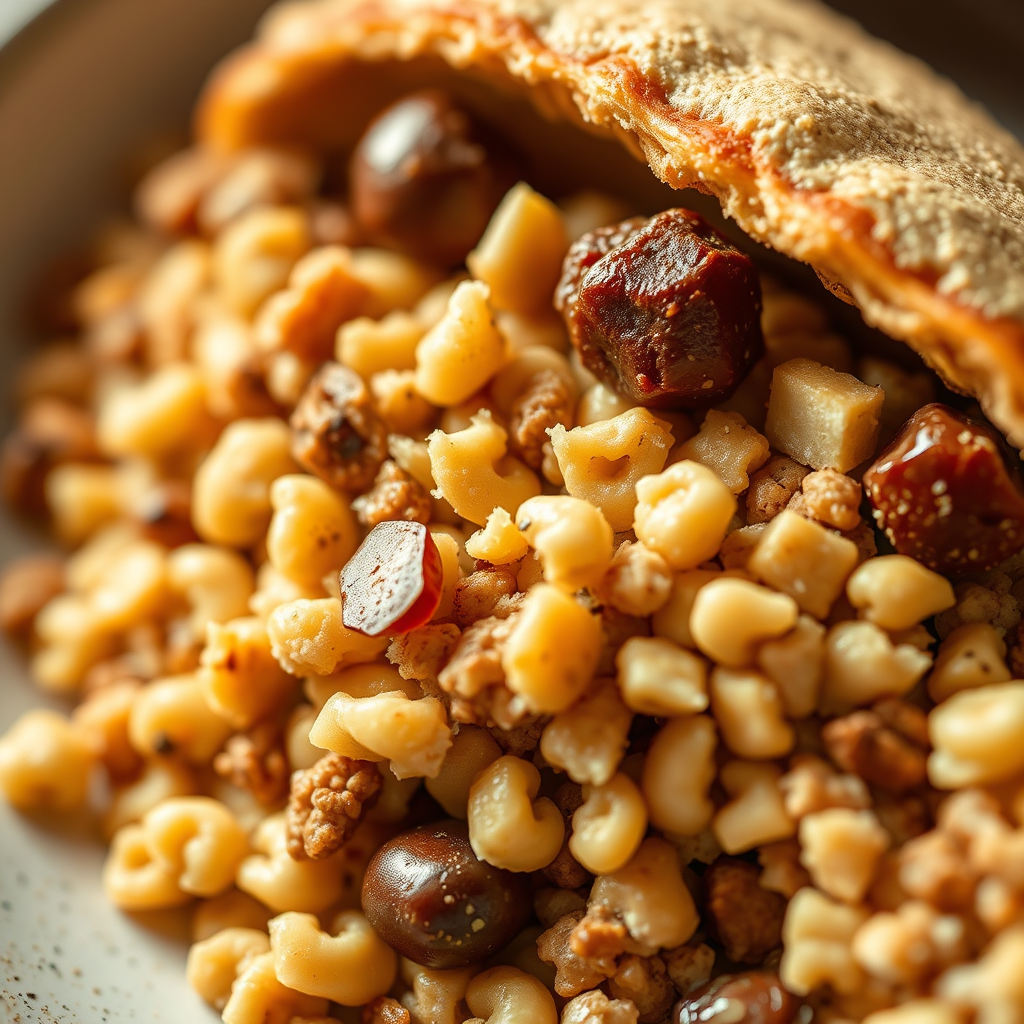
Not all carbohydrates are created equal, especially when you have diabetes. The right kind of carbs – fiber-rich complex carbohydrates – are your allies in blood sugar control and overall health.
* Slows Glucose Absorption: Fiber is truly the superhero of carbohydrates. It’s the indigestible part of plant foods that plays a crucial role in moderating blood sugar. Soluble fiber, found in oats and berries, forms a gel-like substance in your digestive tract, which physically slows down the rate at which carbohydrates are broken down and glucose is absorbed into your bloodstream. Insoluble fiber, found in whole grains and vegetables, adds bulk, aiding digestion. Both types work together to prevent those undesirable sharp blood sugar spikes, leading to a much more gradual and controlled release of energy, which is exactly what your body needs to maintain stable glucose levels.
* Aids Digestion and Heart Health: Beyond blood sugar, fiber brings a host of other health benefits to the table. Insoluble fiber promotes regular bowel movements, preventing constipation and supporting a healthy digestive system. Soluble fiber, on the other hand, is known for its ability to help lower LDL (“bad”) cholesterol levels, which is a significant benefit for individuals with diabetes who are often at a higher risk for cardiovascular disease. A diet rich in fiber also feeds your beneficial gut bacteria, contributing to a healthy gut microbiome, which is increasingly linked to better metabolic health and overall well-being.
* Smart Choices: When selecting carbohydrates for breakfast, always prioritize whole, unprocessed options. Rolled oats (not instant or quick-cooking oats, which are more processed and can have a higher glycemic impact) are a fantastic source of soluble fiber. Pair them with water or unsweetened almond milk. For bread lovers, 100% whole-grain breads or sprouted grain breads are far superior to white bread. Look for labels that list “100% whole wheat” as the first ingredient. Berries like blueberries, strawberries, raspberries, and blackberries are fiber powerhouses, low in sugar compared to other fruits, and packed with antioxidants. Finally, don’t shy away from incorporating non-starchy vegetables like spinach, mushrooms, or bell peppers into your breakfast omelets or scrambles for an extra fiber boost.
Incorporate Healthy Fats for Satiety and Heart Health
Fats often get a bad rap, but healthy fats are absolutely essential, especially for individuals managing diabetes. They’re vital for hormone production, nutrient absorption, and keeping you feeling full and satisfied.
* Enhances Satiety: Just like protein, healthy fats are excellent at contributing to that coveted feeling of fullness and satisfaction after a meal. Fats digest more slowly than carbohydrates, which helps to extend the feeling of satiety. When you include a source of healthy fats in your breakfast, it signals to your brain that you’ve had a complete and nourishing meal, which can significantly curb cravings and prevent you from reaching for unhealthy snacks before lunch. This sustained satisfaction is a powerful tool in managing portion sizes and overall calorie intake, which supports weight management—a critical aspect of diabetes care.
* Supports Heart Health: Individuals with diabetes are at a higher risk for cardiovascular disease, making heart-healthy eating particularly important. Monounsaturated and polyunsaturated fats, often referred to as “good” fats, are superstars in this regard. They can help reduce LDL (bad) cholesterol levels, increase HDL (good) cholesterol, and lower triglyceride levels, all of which contribute to a healthier heart and circulatory system. Omega-3 fatty acids, a type of polyunsaturated fat, are particularly beneficial for their anti-inflammatory properties, which can help combat chronic inflammation often associated with diabetes.
* Recommended Options: Integrating healthy fats into your breakfast is easy and delicious. A few slices of avocado added to your eggs or whole-grain toast provides monounsaturated fats and a creamy texture. A small handful of nuts like almonds or walnuts offers healthy fats, protein, and fiber. Seeds such as chia, flax, and hemp seeds are excellent sources of omega-3s and can be sprinkled into yogurt, oatmeal, or smoothies. Lastly, a drizzle of olive oil can be used in cooking your eggs or vegetables, adding a rich flavor and a boost of heart-healthy fats. Remember, while these fats are healthy, they are calorie-dense, so moderation is key.
Sample Diabetic-Friendly Breakfast Ideas
Building a delicious and blood-sugar-friendly breakfast doesn’t have to be complicated! Here are some practical ideas to get you started, proving that healthy eating can be both easy and enjoyable.
* Quick & Easy Combos: For those busy mornings, simplicity is key. A fantastic option is a serving of plain Greek yogurt (look for full-fat or 2% for extra satiety) topped with a handful of fresh berries (like blueberries or raspberries) and a sprinkle of chia seeds. This combination offers protein, fiber, healthy fats, and antioxidants without added sugar. Another go-to is two hard-boiled eggs for quick protein, paired with a slice of 100% whole-grain toast (choose sprouted grain for even more fiber) with a thin spread of avocado. These options require minimal preparation but deliver maximum nutritional impact.
* Cooked Options: If you have a bit more time, cooked breakfasts can be incredibly satisfying and packed with nutrients. Try scrambled eggs with spinach and mushrooms, cooked with a touch of olive oil. The eggs provide protein, while the veggies add fiber and vital micronutrients. Serve this alongside half an avocado for healthy fats, or a small side of sliced tomatoes for extra vitamins. Another cozy choice is a bowl of oatmeal made with water or unsweetened almond milk. Boost its nutritional profile by topping it with a small handful of nuts (walnuts or pecans work wonderfully) and a few fresh berries. You can even stir in a spoonful of flax seeds for an extra fiber and omega-3 boost.
* Focus on Variety: Eating the same breakfast every day can lead to meal fatigue and potentially missing out on a broader spectrum of nutrients. Aim to rotate your breakfast choices throughout the week. One day might be Greek yogurt, the next scrambled eggs, and then oatmeal. This ensures you get a wide range of vitamins, minerals, and phytonutrients. Experiment with different types of berries, nuts, and vegetables. Don’t be afraid to try savory breakfasts like a small whole-wheat wrap with scrambled egg, black beans, and salsa, or even leftovers from a healthy dinner. Variety keeps your taste buds happy and your body nourished!
Breakfast Choices to Limit or Avoid
Just as important as knowing what to eat is understanding what to limit or steer clear of. Many popular breakfast foods can wreak havoc on blood sugar levels, making diabetes management a constant uphill battle.
* High-Sugar Items: This category includes many common culprits that are sadly staples in many people’s morning routines. Sweetened cereals, especially those marketed to children, are often loaded with added sugars and refined grains, causing rapid blood sugar spikes. Similarly, pastries, muffins, donuts, and croissants are not only high in sugar but also often contain unhealthy trans and saturated fats. Even seemingly “healthy” options like fruit juices (even 100% juice) should be limited or avoided. While they contain vitamins, they lack the crucial fiber found in whole fruit, meaning the natural sugars are absorbed very quickly, leading to a blood sugar surge without the moderating effect of fiber. Opt for whole fruits instead, which offer fiber and a slower sugar release.
* Refined Carbohydrates: These are carbohydrates that have been stripped of their fiber and nutritional value during processing, and they behave very similarly to sugar in your body. White bread and bagels are prime examples; they offer little nutritional benefit and are quickly converted to glucose, leading to rapid blood sugar spikes. Many processed breakfast bars also fall into this category. Despite often being marketed as healthy or energy-boosting, they frequently contain refined flours, added sugars, and unhealthy fats, making them a poor choice for blood sugar management. Always read labels carefully and prioritize items with whole grains as the first ingredient and minimal added sugar.
* Sweetened Beverages: What you drink with your breakfast is just as important as what you eat. Sugary coffee drinks from cafes (think lattes with syrups, blended coffees), sodas, and energy drinks are notorious for their high sugar content. These beverages deliver a concentrated dose of sugar directly into your bloodstream without any fiber or protein to slow absorption, leading to significant and often immediate blood glucose spikes. They contribute empty calories, offer no nutritional value, and can severely impact your glucose levels and overall health goals. Stick to water, unsweetened tea, or black coffee as your go-to morning beverages.
Crafting the best breakfast for a diabetic involves making conscious choices that balance macronutrients and prioritize whole, unprocessed foods. By intentionally including lean proteins, fiber-rich complex carbohydrates, and healthy fats, you can effectively stabilize blood sugar, feel profoundly satisfied, and set a positive, energized tone for your entire day. This proactive approach to your morning meal is a powerful step towards better glucose control and overall well-being. Start experimenting with these healthy options today to find your perfect diabetic-friendly breakfast routine and take a proactive step towards lasting better health.
Frequently Asked Questions
What constitutes the best breakfast for a diabetic to maintain stable blood sugar levels?
The best breakfast for a diabetic typically combines lean protein, healthy fats, and complex carbohydrates rich in fiber. This balance helps to slow down glucose absorption, preventing sharp blood sugar spikes while providing sustained energy. Prioritizing foods with a low glycemic index supports overall blood sugar management and keeps you feeling full longer.
How can I quickly prepare a diabetes-friendly breakfast on busy weekdays?
For quick, diabetes-friendly breakfasts, focus on simple yet nutritious options like overnight oats made with unsweetened almond milk and berries, or scrambled eggs with a handful of spinach. Prepping ingredients the night before, such as chopping vegetables for an omelet or portioning Greek yogurt, can significantly cut down morning preparation time. These efficient choices ensure a healthy start without sacrificing valuable minutes.
Why is it crucial for diabetics to include protein and healthy fats in their breakfast?
Including protein and healthy fats in your diabetic breakfast is crucial because they help stabilize blood sugar levels and promote satiety. Protein slows digestion and the absorption of carbohydrates, preventing rapid glucose surges, while healthy fats contribute to fullness and nutrient absorption without impacting blood sugar directly. This combination aids in appetite control and sustained energy throughout the morning.
Which common breakfast items should individuals with diabetes limit or avoid to prevent blood sugar spikes?
Individuals with diabetes should limit or avoid common breakfast items high in refined carbohydrates and added sugars, such as sugary cereals, pastries, muffins, white toast, and sweetened yogurts. These foods cause rapid blood sugar spikes due to their quick digestion and lack of fiber. Opting for whole, unprocessed alternatives is key for effective blood sugar management.
Are eggs a good breakfast choice for diabetics, and how should they be prepared?
Yes, eggs are an excellent breakfast choice for diabetics as they are a low-carb, high-protein food that won’t significantly impact blood sugar. For the healthiest preparation, boil, poach, or scramble them with a small amount of healthy oil or cooking spray, adding plenty of non-starchy vegetables like spinach or bell peppers. This boosts fiber and nutrient content, making for a well-rounded and satisfying diabetes-friendly meal.
References
- https://www.diabetes.org/healthy-living/recipes-nutrition/eating-well-diabetes/breakfast-ideas
- Diabetes diet: Create your healthy-eating plan – Mayo Clinic
- https://www.health.harvard.edu/diseases-and-conditions/eating-for-type-2-diabetes
- Healthy Living with Diabetes – NIDDK
- https://www.cdc.gov/diabetes/managing/healthy-eating.html
- https://www.ucsfhealth.org/education/meal-planning-for-diabetes
- Diet in diabetes





Pingback: Best Gestational Diabetes Snacks: Healthy Choices - Best For Diabetics
Pingback: Best Fresh Fruit for Diabetics: Top Picks & Tips - Best For Diabetics
Pingback: Best Bread Brands for Diabetics: What to Look For - Best For Diabetics