

For diabetics looking to manage blood sugar effectively, most beans are an outstanding dietary choice, offering a powerful combination of fiber, protein, and complex carbohydrates. Specifically, nutrient-dense options like black beans, kidney beans, pinto beans, lentils, and chickpeas stand out as highly beneficial for their low glycemic index and ability to promote satiety, making them excellent staples for a healthy meal plan. These humble legumes are true nutritional powerhouses, providing a delicious and affordable way to support stable blood sugar levels and overall well-being.




Why Beans Are a Diabetic Superfood
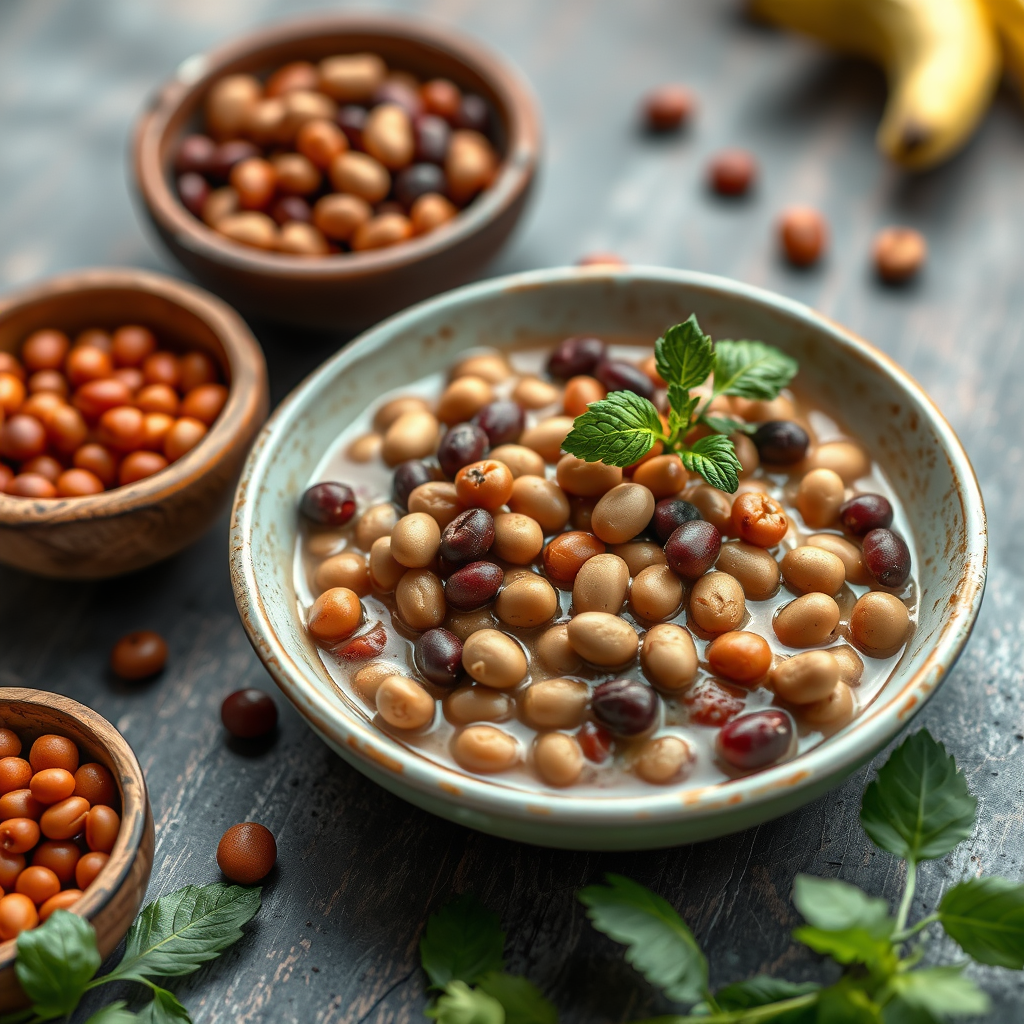
Beans are truly remarkable for anyone focused on health, but they shine particularly bright for individuals managing diabetes. Their unique nutritional profile offers multiple advantages that directly contribute to better glucose control and cardiovascular health.
* High in soluble and insoluble fiber, which slows sugar absorption and helps regulate blood glucose levels. Fiber is the unsung hero of blood sugar management, and beans are absolutely packed with it. Soluble fiber dissolves in water to form a gel-like substance in your digestive tract. This gel slows down the digestion and absorption of carbohydrates, meaning sugar enters your bloodstream at a much more gradual pace, preventing those unwanted spikes. Beyond just blood sugar, soluble fiber also helps to lower LDL (“bad”) cholesterol. Insoluble fiber, on the other hand, doesn’t dissolve but adds bulk to your stool, promoting regular bowel movements and a healthy digestive system. Both types work in tandem to support a thriving gut microbiome, which is increasingly linked to improved insulin sensitivity and overall metabolic health. For diabetics, this means better control over post-meal blood sugar levels and a reduced risk of related complications.
* Excellent source of plant-based protein, contributing to satiety and muscle maintenance without adding saturated fats often found in animal proteins. Protein is crucial for diabetics because it helps to slow down the absorption of carbohydrates and keeps you feeling full for longer. This satiety is vital for managing weight, a key factor in diabetes control. Beans offer a fantastic source of lean, plant-based protein, which can be a game-changer when you’re aiming to reduce your intake of saturated fats often found in many animal proteins. Swapping out a portion of meat for beans in your meals not only provides high-quality protein for muscle maintenance and repair but also reduces your intake of cholesterol and saturated fats, promoting better heart health – a critical concern for people with diabetes. This makes beans a powerful tool for building balanced, heart-healthy meals that support stable energy levels throughout the day.
* Considered a low glycemic index (GI) food, meaning they cause a gradual rise in blood sugar, preventing sharp spikes. The Glycemic Index (GI) is a system that ranks carbohydrate-containing foods based on how quickly they raise blood sugar levels. Foods with a high GI cause rapid spikes, while low GI foods lead to a slower, more controlled rise. Beans consistently rank low on the GI scale, typically below 55. This is primarily due to their high fiber and protein content, which act as natural speed bumps for glucose absorption. For diabetics, choosing low GI foods like beans is incredibly beneficial as it helps to maintain more stable blood sugar levels throughout the day, reduces the strain on insulin production, and can improve long-term glycemic control. Incorporating them regularly can help you avoid the energy crashes and cravings often associated with high-GI foods, leading to more consistent energy and better overall health management.
Top Bean Varieties for Blood Sugar Management
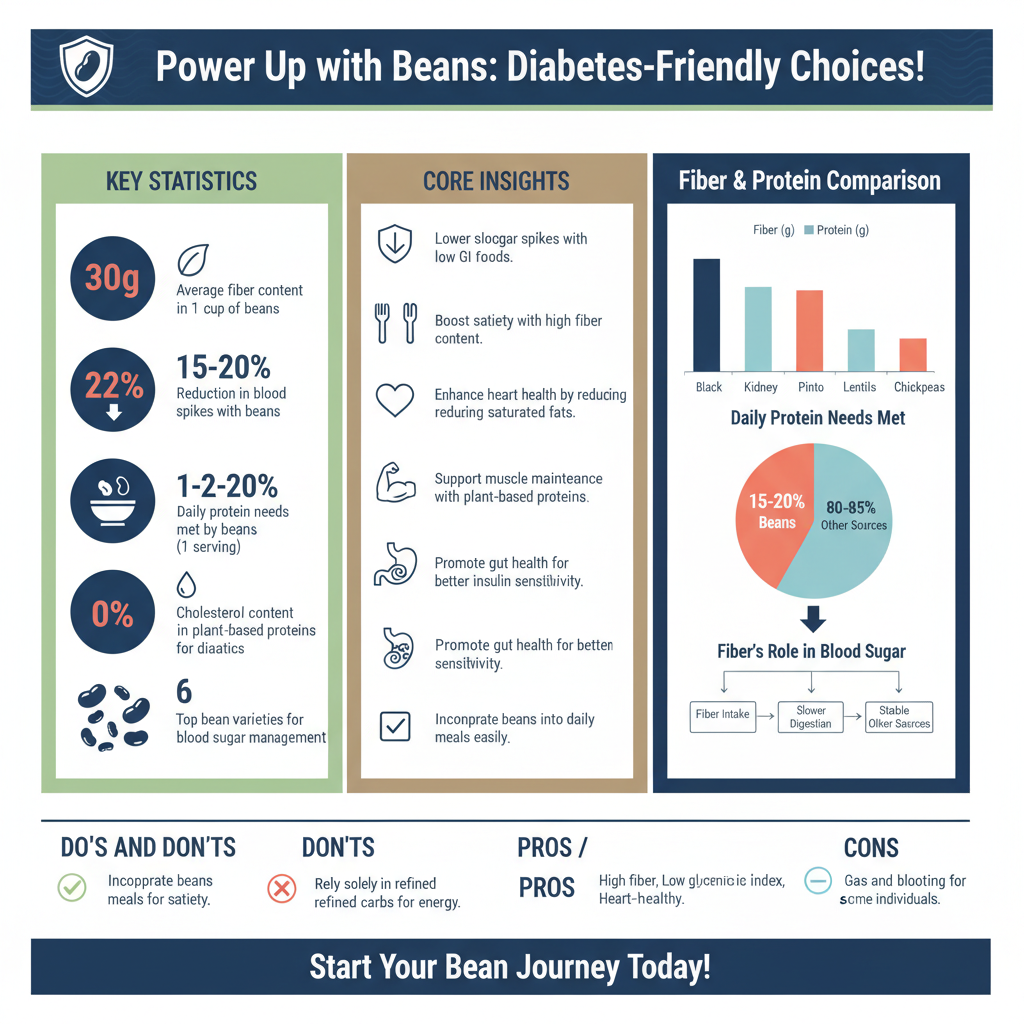
While most beans are beneficial, some varieties stand out for their specific nutrient profiles and distinct advantages for managing blood sugar and overall diabetic health. Expanding your palate to include these diverse options can bring a wealth of flavor and health benefits to your table.
* Black Beans: These dark, earthy beans are not just delicious; they’re a nutritional powerhouse, especially for diabetics. Black beans are incredibly rich in antioxidants, particularly anthocyanins, which are the pigments that give them their distinctive dark color. These potent antioxidants fight inflammation and oxidative stress, both of which are common concerns in diabetes and can contribute to cardiovascular complications. Beyond antioxidants, black beans are packed with both soluble and insoluble fiber, along with a good amount of plant-based protein. This combination ensures a very low glycemic impact, helping to stabilize blood sugar levels while supporting a healthy heart. They are incredibly versatile, perfect in savory dishes like tacos, burritos, chili, soups, or even as a hearty base for vegetarian burgers.
* Lentils: Often praised for their quick cooking time and versatility, lentils are a tiny but mighty legume that belongs in every diabetic’s pantry. They come in various colors—green, brown, red, and black—each with slightly different textures and flavors, but all boasting an impressive nutritional profile. Lentils are an exceptional source of both protein and dietary fiber, making them highly effective at promoting satiety and managing blood sugar. Their high fiber content slows down carbohydrate digestion, preventing those post-meal blood sugar surges. Furthermore, lentils are rich in essential minerals like iron and folate, which are crucial for energy production and overall health. They integrate beautifully into soups, stews, curries, and salads, and can even be used as a ground meat substitute in dishes like “meat” sauce or shepherd’s pie for a healthier, plant-based twist.
* Kidney & Pinto Beans: These popular varieties are staples in many cuisines and are particularly beneficial for diabetics due to their high content of resistant starch. Resistant starch is a type of carbohydrate that isn’t digested in the small intestine but instead ferments in the large intestine, acting much like soluble fiber. This fermentation process has incredible benefits: it improves insulin sensitivity, making your body more efficient at using insulin to manage blood sugar, and it feeds beneficial gut bacteria, promoting a healthy gut microbiome. A thriving gut is increasingly linked to better metabolic health and reduced inflammation. Both kidney and pinto beans also provide a substantial amount of fiber and protein, contributing to a feeling of fullness and steady energy release. They are fantastic in classic dishes like chili, refried beans (opt for homemade, low-fat versions), stews, and vibrant bean salads.
* Chickpeas (Garbanzo Beans): Chickpeas are beloved worldwide for their creamy texture and nutty flavor, and they offer a fantastic balance of protein, fiber, and essential minerals that make them an excellent choice for diabetics. Their unique combination of macronutrients ensures a steady release of glucose into the bloodstream, helping to prevent blood sugar spikes. Chickpeas are also a good source of magnesium, potassium, and folate, all of which play vital roles in metabolic health, nerve function, and heart health. Beyond their traditional use in hummus, chickpeas are wonderfully versatile: roast them with spices for a crunchy, satisfying snack; toss them into salads for an extra boost of protein and fiber; or incorporate them into hearty curries, stews, or even homemade falafel. They’re an easy way to add substantial nutrition and texture to almost any meal.
Nutritional Powerhouse: Key Benefits for Diabetics
The collective benefits of beans go far beyond individual nutrients. They work synergistically to create a powerful food source that directly addresses many of the challenges faced by individuals managing diabetes.
* Fiber Rich: As we’ve touched upon, the fiber in beans is a true game-changer. Soluble fiber forms a gel in the digestive tract, which is critical for lowering blood cholesterol by binding to bile acids and reducing their reabsorption, thus forcing the liver to use cholesterol to make more bile. More importantly for diabetics, this gel slows the emptying of the stomach and the absorption of glucose, leading to a much smoother and lower rise in blood sugar after meals. Insoluble fiber, while not directly impacting blood sugar, is essential for digestive health, preventing constipation, and promoting regularity, which can often be an issue for diabetics. The combined effect of both fibers helps manage weight by increasing satiety and contributes to a healthier gut microbiome, which is increasingly understood to play a role in insulin sensitivity and inflammation.
* Complex Carbohydrates: Not all carbohydrates are created equal, and beans are a prime example of the “good” kind. Unlike simple carbohydrates found in sugary drinks or refined grains, which are rapidly broken down into glucose and cause quick blood sugar spikes, the carbohydrates in beans are complex. This means they are composed of longer chains of sugar molecules that take much longer for your body to digest and absorb. This slower breakdown, combined with the high fiber content, results in a sustained, steady release of energy throughout the day. For diabetics, this translates to fewer dramatic fluctuations in blood sugar, more consistent energy levels, and a reduced likelihood of experiencing energy crashes or the need for compensatory snacking, helping to maintain better overall glycemic control.
* Vitamins and Minerals: Beans are a veritable treasure trove of essential micronutrients that are particularly important for metabolic health. Magnesium is crucial for over 300 enzymatic reactions in the body, including those involved in insulin action and glucose metabolism; adequate intake is linked to improved insulin sensitivity. Folate (Vitamin B9) plays a key role in cardiovascular health, which is a major concern for diabetics, helping to reduce homocysteine levels. Potassium is vital for maintaining healthy blood pressure, often a co-existing condition with diabetes, and helps to counteract the effects of sodium. Iron is essential for oxygen transport and preventing fatigue, which can sometimes be exacerbated by diabetes. By incorporating beans regularly, you’re not just managing blood sugar; you’re also providing your body with a broad spectrum of critical nutrients that support overall well-being and help prevent common deficiencies.
Incorporating Beans into Your Diabetic Meal Plan
Integrating beans into your diet doesn’t have to be complicated or boring. Their versatility makes them incredibly easy to add to a wide range of dishes, boosting flavor, nutrition, and satiety without much effort.
* Versatile Meals: Beans are incredibly adaptable and can be seamlessly added to countless dishes to enhance their nutritional profile. Elevate your salads by tossing in a handful of black beans or chickpeas for a protein and fiber punch, transforming a light side into a more satisfying main course. Stir kidney beans or cannellini beans into your favorite vegetable soups and stews for added heartiness and thickness. Of course, chili is a classic bean vehicle, but don’t stop there! Explore international flavors by adding lentils to a fragrant curry or making a flavorful black bean salsa. Even pasta dishes can benefit from a sprinkle of white beans, providing a healthier, more filling component. The possibilities are truly endless, making it easy to enjoy beans in a way that suits your taste and culinary style.
* Meat Alternatives: For those looking to reduce their meat intake or simply explore healthier protein sources, beans are an excellent substitute. Mashed black beans or kidney beans form a perfect base for delicious and nutritious vegetarian burgers that are full of flavor and texture. In dishes like tacos or burritos, you can replace all or part of the ground meat with spiced lentils or mashed pinto beans, significantly reducing saturated fat and cholesterol while boosting fiber. Lentils can also be used to create a “meat” loaf or meatballs that are surprisingly satisfying. This strategy not only provides a leaner, plant-based protein source but also helps to increase your fiber intake, both of which are highly beneficial for managing diabetes and promoting heart health.
* Healthy Snacks: Don’t limit beans to main meals; they can also be transformed into incredibly healthy and satisfying snacks. Roasted chickpeas are a fantastic alternative to less nutritious options. Simply toss canned chickpeas with a little olive oil and your favorite spices (think paprika, cumin, garlic powder, or even cinnamon for a sweet twist), then roast them in the oven until crispy. They offer a delightful crunch and a powerful combination of protein and fiber to keep hunger at bay. Homemade hummus, made from chickpeas, tahini, lemon juice, and olive oil, is another excellent option. It’s a creamy, flavorful dip that pairs wonderfully with raw vegetables like carrot sticks, cucumber slices, or bell pepper strips, providing a nutrient-dense snack that allows you to control the amount of added sugars and sodium, unlike many store-bought versions.
Important Considerations for Diabetics
While beans are undoubtedly a fantastic food for diabetics, there are a few practical considerations to keep in mind to maximize their benefits and avoid potential pitfalls. Thoughtful preparation and mindful consumption are key.
* Sodium Content: Canned beans are incredibly convenient, but they can sometimes be high in sodium, which is a concern for blood pressure management, especially for individuals with diabetes who are often at higher risk for cardiovascular issues. To mitigate this, always opt for “low-sodium” or “no-salt-added” varieties when purchasing canned beans. If these aren’t available, or if you prefer regular canned beans, make sure to rinse them thoroughly under cold running water before use. Rinsing can reduce the sodium content by up to 40%, significantly improving their health profile. Another excellent option is to cook dried beans from scratch, which gives you complete control over the sodium content and often results in a superior flavor and texture.
* Portion Control: Even though beans are incredibly healthy and beneficial for blood sugar, they still contain carbohydrates. While these are complex carbs that lead to a slow rise in blood sugar, it’s still crucial for diabetics to monitor portion sizes to fit their individualized meal plan. The amount of carbohydrates you need will depend on your specific diabetes management plan, activity level, and medication. Consulting with a registered dietitian or your healthcare provider can help you understand appropriate serving sizes and how to integrate beans into your carbohydrate counting strategy. A typical serving of cooked beans is about 1/2 cup, which usually provides around 15-20 grams of carbohydrates, along with plenty of fiber and protein. Being mindful of your portions ensures you reap all the benefits without inadvertently affecting your blood sugar targets.
* Gradual Introduction: If you’re not accustomed to eating a lot of fiber, suddenly introducing large quantities of beans into your diet can lead to digestive discomfort, such as gas and bloating. This is a common side effect of increased fiber intake as your gut bacteria adjust. To avoid this, it’s best to introduce beans slowly and gradually. Start with small servings (e.g., 1/4 cup) and slowly increase the amount over several days or weeks. Ensure you also drink plenty of water throughout the day, as adequate hydration helps fiber move smoothly through your digestive system. Over time, your digestive system will adapt, and you’ll be able to enjoy the full benefits of beans without discomfort. Soaking dried beans overnight and discarding the soaking water before cooking can also help reduce the indigestible compounds that cause gas.
Embracing beans in your diet is a smart, delicious strategy for managing diabetes, offering significant benefits for blood sugar control, heart health, and overall well-being. By choosing diverse varieties and incorporating them thoughtfully into your meals, you can enjoy their nutritional power, from stabilizing glucose levels to promoting satiety and supporting a healthy gut. They are an affordable, versatile, and incredibly effective tool in your diabetes management toolkit. Always consult with your healthcare provider or a registered dietitian to tailor dietary advice to your specific health needs and ensure it aligns with your overall treatment plan.
Frequently Asked Questions
What are the best beans for diabetics to help manage blood sugar?
The best beans for diabetics are generally all varieties, including black beans, kidney beans, pinto beans, chickpeas (garbanzo beans), and lentils. These legumes are excellent sources of complex carbohydrates, fiber, and protein, which work together to slow down glucose absorption and prevent sharp blood sugar spikes. Incorporating a variety of these fiber-rich beans into your diet can significantly contribute to better glycemic control and overall health for individuals with diabetes.
Why are beans considered a superfood for diabetes management?
Beans are considered a superfood for diabetes management primarily due to their high fiber content, both soluble and insoluble. Soluble fiber helps lower cholesterol and glucose levels, while insoluble fiber adds bulk and promotes digestive health. Additionally, beans provide plant-based protein, which helps increase satiety and further stabilizes blood sugar, making them an invaluable component of a healthy diabetic diet.
How do beans impact blood sugar levels compared to other carbohydrate sources?
Beans have a relatively low glycemic index (GI) compared to many other carbohydrate sources like white bread or refined pasta. This means they cause a slower, more gradual rise in blood sugar levels after eating, thanks to their unique combination of fiber, protein, and complex carbohydrates. Their nutritional profile helps prevent the rapid glucose spikes often associated with simple carbs, making them a much healthier choice for effective blood sugar management in diabetics.
Are canned beans a healthy option for diabetics, or are dried beans better?
Canned beans can be a very healthy and convenient option for diabetics, provided you choose varieties that are low in sodium or rinse them thoroughly before consumption. While dried beans allow for complete control over sodium content and can be slightly cheaper, canned beans offer similar essential nutritional benefits, including vital fiber and protein, which are crucial for managing blood sugar effectively. Always check the nutrition label for added sugars or high sodium levels when selecting canned beans.
What is the recommended portion size for beans if you have diabetes?
For individuals with diabetes, a typical recommended portion size for cooked beans is around 1/2 cup (or about 90 grams). While beans are highly beneficial for blood sugar control, they still contain carbohydrates, so monitoring portion sizes is important to fit within your individualized meal plan and carbohydrate goals. Discussing your specific dietary needs with a healthcare provider or registered dietitian can help determine the ideal portion for optimal diabetic management.
References
- https://diabetes.org/food-nutrition/food-facts/legumes
- Diabetes diet: Create your healthy-eating plan – Mayo Clinic
- https://www.niddk.nih.gov/health-information/diabetes/overview/diet-eating-physical-activity/meal-planning
- https://www.hsph.harvard.edu/nutritionsource/food-features/beans-and-legumes/
- Page Not Found | Utah State University
- https://www.purdue.edu/fnr/extension/pulse-crops-and-human-health/
- https://www.bbcgoodfood.com/howto/guide/eating-beans-lentils-and-pulses
- Legume



Pingback: Best Oils for Diabetes - Best For Diabetics
Pingback: Best Keto Bread for Diabetics: What to Look For - Best For Diabetics
Pingback: Best Indian Dishes for Diabetics: Healthy and Delicious Picks - Best For Diabetics
Pingback: Best Fruit for Gestational Diabetes: Healthy Choices - Best For Diabetics
Pingback: Best Foods for Diabetics to Eat - Best For Diabetics
Pingback: Best Fast Food Choices for Diabetics: Your Guide - Best For Diabetics
Pingback: Best Diet for Gestational Diabetes: Essential Principles - Best For Diabetics