

Managing type 2 diabetes effectively relies heavily on smart food choices. The best foods to eat are generally whole, unprocessed options rich in fiber, lean protein, and healthy fats, which help stabilize blood sugar levels, promote satiety, and support overall health. This guide will outline the key food groups and specific items that can make a positive impact on your diabetes management journey. Making informed dietary decisions can significantly improve your blood glucose control, reduce the risk of complications, and boost your overall well-being. It’s not about strict deprivation, but rather about embracing a sustainable, nutrient-dense eating pattern that works for you.




Understanding Diabetes-Friendly Eating Principles

Navigating your diet with type 2 diabetes can feel like a maze, but understanding a few core principles can light your path. These aren’t just rules; they’re foundational strategies for optimizing your health and keeping your blood sugar in a healthy range.
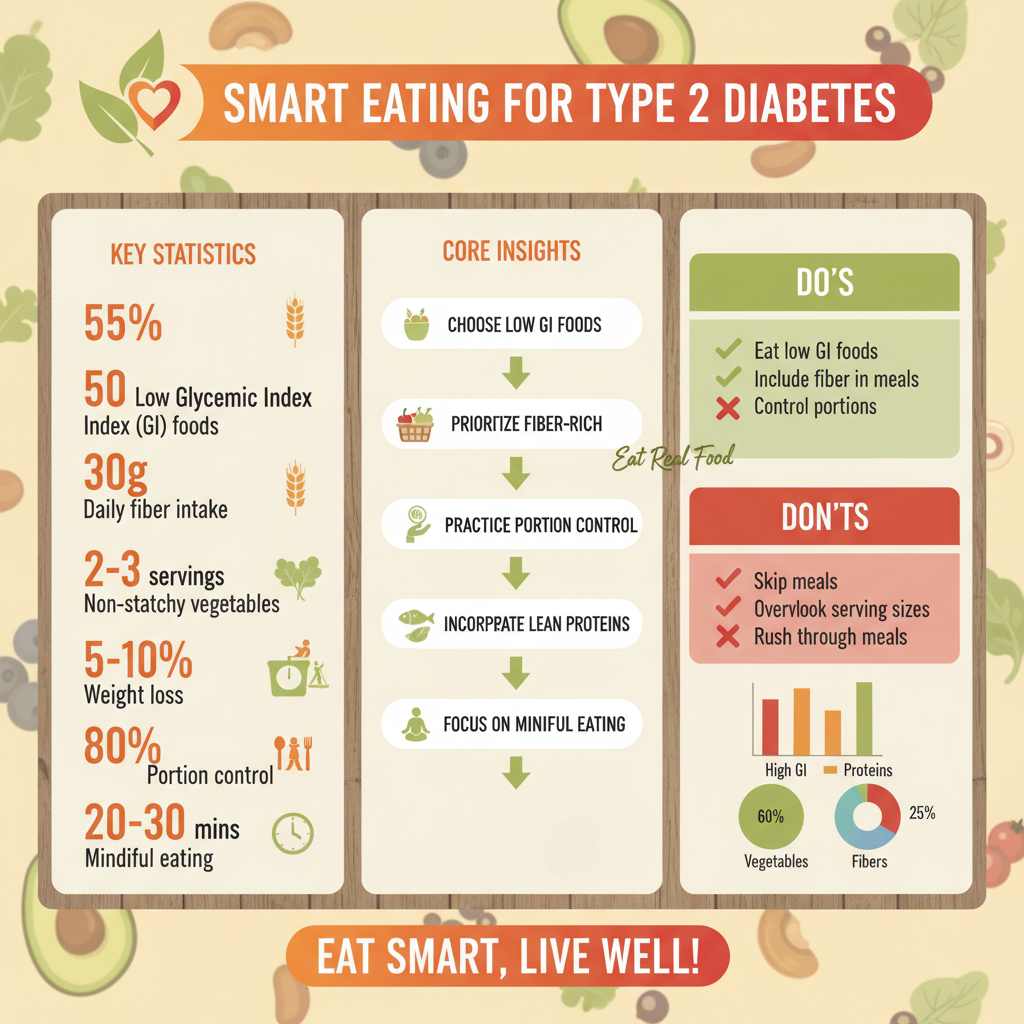
* Focus on low glycemic index (GI) foods to prevent rapid blood sugar spikes. The glycemic index is a system that ranks carbohydrate-containing foods by how much they raise blood sugar. Foods with a low GI (55 or less) are digested and absorbed more slowly, leading to a gradual rise in blood sugar, which is ideal for diabetes management. Think about swapping white bread for whole-grain bread, or sugary cereals for oatmeal. Understanding the GI helps you make choices that keep your energy levels stable and avoid the roller-coaster effect on your glucose readings. Combining low GI foods with protein and healthy fats can further mitigate any potential spikes.
* Prioritize fiber-rich options from fruits, vegetables, and whole grains for better digestion. Fiber is a superstar nutrient for anyone, but especially for those with diabetes. Soluble fiber, found in oats, beans, and some fruits, helps slow down sugar absorption and can even improve insulin sensitivity. Insoluble fiber, prevalent in whole grains and many vegetables, aids digestion and promotes regularity. Beyond blood sugar benefits, a high-fiber diet helps you feel full longer, reducing the likelihood of overeating and supporting weight management, which is often crucial in type 2 diabetes. Aim for a wide variety of fiber sources in every meal.
* Practice portion control and mindful eating to manage total carbohydrate intake effectively. While the *type* of carbohydrate matters, the *amount* also plays a crucial role. Even healthy carbs can raise blood sugar if consumed in excess. Portion control isn’t about deprivation, but about understanding appropriate serving sizes for your body and activity level. Mindful eating involves paying attention to your body’s hunger and fullness cues, savoring your food, and eating slowly. This helps prevent overeating, allows your body time to register satiety, and makes eating a more enjoyable, less stressful experience. Consider using smaller plates, measuring servings initially, and truly tasting your food to foster these habits.
Non-Starchy Vegetables: Your Plate’s Foundation

When building a diabetes-friendly plate, non-starchy vegetables should be the cornerstone. They offer an incredible array of health benefits without significantly impacting blood sugar levels, making them a “eat more” category.
* Load up on leafy greens (spinach, kale), broccoli, cauliflower, bell peppers, and cucumbers. These vibrant vegetables are powerhouses of nutrition. Leafy greens like spinach and kale are packed with vitamins A, C, and K, as well as minerals like iron and calcium, all with minimal carbohydrates. Broccoli and cauliflower are cruciferous champions, offering fiber and potent antioxidants that support cellular health. Bell peppers (in all their colorful glory) are rich in vitamin C, while cucumbers provide hydration and a satisfying crunch. These vegetables add bulk, texture, and flavor to your meals, helping you feel satisfied without excess calories or carbs.
* These vegetables are low in calories and carbohydrates, yet high in essential vitamins and minerals. What makes non-starchy vegetables so special for diabetes management is their high nutrient density relative to their calorie and carb content. They provide vital nutrients that support overall health, immune function, and energy production, without causing spikes in blood glucose. This makes them incredibly versatile for filling up your plate and ensuring you get a robust intake of micronutrients.
* Enjoy them raw, steamed, roasted, or lightly sautéed as a primary component of meals. The possibilities are endless! Toss a handful of spinach into your morning eggs, snack on crisp bell pepper strips with hummus, roast a medley of broccoli and cauliflower with herbs for dinner, or add sliced cucumbers to your water for a refreshing twist. Avoid excessive oils or buttery sauces when cooking to maintain their health benefits. Steaming preserves most nutrients, while roasting brings out natural sweetness. Make them the star of your plate, not just a side dish.
Lean Proteins: Supporting Blood Sugar Stability

Protein is an indispensable macronutrient, especially for individuals managing type 2 diabetes. It plays a critical role in satiety, muscle maintenance, and, crucially, blood sugar regulation.
* Include sources like fish (salmon, tuna, cod), skinless poultry (chicken, turkey), and legumes (lentils, beans, chickpeas). These lean protein sources are excellent choices. Fatty fish like salmon and tuna are not only rich in protein but also provide omega-3 fatty acids, which are beneficial for heart health and reducing inflammation—important considerations for people with diabetes. Skinless chicken and turkey breast offer high-quality protein with minimal saturated fat. Legumes are unique because they provide a fantastic combination of protein and fiber, making them incredibly effective at stabilizing blood sugar and promoting fullness. Aim to incorporate a variety of these options throughout your week.
* Proteins help you feel full, reduce cravings, and have a minimal impact on blood glucose levels. One of protein’s greatest advantages is its ability to promote satiety. When you include sufficient protein in your meals, you’re more likely to feel satisfied and less prone to snacking on less healthy options later. Unlike carbohydrates, protein has a very low impact on immediate blood sugar levels. It helps slow down the absorption of carbohydrates eaten alongside it, leading to a more gradual rise in blood glucose. This sustained energy release helps prevent energy crashes and subsequent cravings.
* Consider plant-based options such as tofu and tempeh for diverse protein sources. For those looking to reduce animal product intake or simply diversify their diet, plant-based proteins like tofu and tempeh are excellent choices. Tofu, made from soybeans, is versatile and can absorb flavors well, while tempeh, a fermented soybean product, offers a denser texture and additional probiotics for gut health. Both are complete proteins, meaning they contain all nine essential amino acids, and can be used in stir-fries, curries, salads, and more. They contribute to a well-rounded, diabetes-friendly eating plan.
Healthy Fats: Essential for Satiety and Heart Health
While fat often gets a bad rap, healthy fats are absolutely essential for a balanced diet, especially when managing type 2 diabetes. They contribute to satiety, aid in nutrient absorption, and are vital for heart health.
* Incorporate avocados, nuts (almonds, walnuts), seeds (chia, flax), and olive oil into your diet. These are prime examples of sources rich in beneficial monounsaturated and polyunsaturated fats. Avocados are creamy, delicious, and packed with fiber and potassium, in addition to heart-healthy fats. Nuts like almonds and walnuts provide healthy fats, protein, and fiber, making them a satisfying snack (in moderation). Seeds like chia and flax are powerhouses of omega-3s and fiber. Extra virgin olive oil, a staple of the Mediterranean diet, is excellent for cooking and salad dressings. These fats add richness to your meals and help you feel full and satisfied.
* These fats support cardiovascular health and can help regulate blood sugar when consumed in moderation. Healthy fats, particularly monounsaturated and polyunsaturated types, are known to improve cholesterol levels by increasing good HDL cholesterol and decreasing bad LDL cholesterol, which is crucial for individuals with diabetes who are at a higher risk of heart disease. While fats don’t directly raise blood sugar, they slow down digestion, which can lead to a more gradual release of glucose into the bloodstream when eaten with carbohydrates. This sustained energy can prevent sudden drops and spikes.
* Prioritize monounsaturated and polyunsaturated fats over saturated and trans fats. Understanding the difference between fats is key. Monounsaturated fats (like those in olive oil, avocados, and nuts) and polyunsaturated fats (found in fatty fish, flax seeds, and walnuts) are the heroes. Saturated fats (common in red meat, butter, full-fat dairy, and tropical oils like coconut oil) should be consumed in limited amounts, as they can raise bad cholesterol. Trans fats, often found in highly processed foods and fried items, are particularly detrimental to heart health and should be avoided entirely. Making smart fat choices is a powerful way to protect your heart while managing your diabetes.
Smart Carbohydrates: Whole Grains & Specific Fruits
Carbohydrates are the body’s primary energy source, but for type 2 diabetes, choosing the right kind of carbohydrates is paramount. The goal is to opt for complex carbs that release sugar slowly and are packed with fiber.
* Opt for whole grains like oats, quinoa, brown rice, and 100% whole-wheat bread in measured portions. Unlike refined grains, whole grains retain all parts of the grain kernel—the bran, germ, and endosperm—which means they are rich in fiber, vitamins, and minerals. This fiber content is crucial as it slows down the digestion and absorption of glucose, leading to a steadier rise in blood sugar compared to their refined counterparts. Oatmeal (steel-cut or rolled), quinoa (a complete protein), and brown rice are excellent choices. When selecting bread, ensure it’s 100% whole wheat or whole grain. Remember that even healthy whole grains are carbohydrates and should be consumed in appropriate portion sizes to manage total carbohydrate intake.
* Select fruits low in sugar and high in fiber, such as berries, apples, and citrus, consuming them whole. Fruits are a natural source of vitamins, minerals, and antioxidants, and they can certainly be part of a diabetes-friendly diet. However, it’s important to choose wisely. Berries (strawberries, blueberries, raspberries) are particularly good as they are lower in sugar and high in fiber, making them excellent for blood sugar management. Apples and citrus fruits (oranges, grapefruits) also offer good fiber content. Always opt for whole fruit over fruit juice, as whole fruit retains all the beneficial fiber, which helps mitigate the sugar impact. Enjoy them as snacks or dessert in moderation.
* Focus on complex carbohydrates that release sugar slowly, providing sustained energy. The key difference between “good” and “bad” carbohydrates lies in their complexity. Complex carbohydrates, like those found in whole grains, legumes, and most vegetables, have longer chains of sugar molecules that take more time for the body to break down. This slow digestion results in a gradual, sustained release of glucose into the bloodstream, preventing sudden spikes and providing a steady source of energy. This sustained energy helps avoid hunger pangs and keeps you feeling energized throughout the day, supporting overall diabetes management.
Dairy & Alternatives: Mindful Choices
Dairy and its plant-based alternatives can be a valuable part of a diabetes-friendly diet, offering protein, calcium, and other essential nutrients. The trick is to choose wisely, focusing on options that are low in sugar and saturated fat.
* Choose unsweetened, low-fat dairy products like plain Greek yogurt, milk, and cottage cheese. Plain Greek yogurt is a fantastic choice due to its high protein content, which helps with satiety and blood sugar stability. Always opt for unsweetened versions to avoid hidden sugars that can cause blood sugar spikes. Low-fat milk provides calcium and vitamin D without excessive saturated fat. Cottage cheese is another versatile, protein-rich option that can be enjoyed with fruits or vegetables. These dairy products contribute to bone health and can be satisfying additions to meals or snacks.
* Unsweetened plant-based milks (almond, soy, oat) are excellent alternatives for beverages and recipes. For those who are lactose intolerant, vegan, or simply prefer plant-based options, there’s a wide variety of unsweetened alternatives. Unsweetened almond milk is typically very low in calories and carbohydrates, making it a great choice for coffee or cereals. Unsweetened soy milk offers a good protein boost, while unsweetened oat milk can provide a creamier texture. Always read labels carefully to ensure you’re choosing unsweetened varieties, as flavored plant milks can often be loaded with added sugars. These alternatives are versatile for smoothies, cooking, or simply enjoying a glass of “milk.”
* Always check labels for added sugars in flavored or processed dairy and alternative products. This point cannot be stressed enough. Many dairy products, especially yogurts, flavored milks, and frozen desserts, contain significant amounts of added sugar, which can rapidly elevate blood glucose levels. Similarly, plant-based alternatives often come in sweetened versions that are not suitable for diabetes management. Become a label-reading pro! Look for “unsweetened” or “no added sugar” on the packaging. Ingredients lists can also reveal hidden sugars under various names like high-fructose corn syrup, dextrose, maltose, or fruit juice concentrate. Making informed choices here can make a big difference in your blood sugar control.
Foods to Limit or Avoid for Better Management
Just as there are foods that support diabetes management, there are others that can actively hinder it. Limiting or avoiding these specific categories can significantly improve your blood sugar control and overall health outcomes.
* Minimize sugary drinks (soda, fruit juice), refined carbohydrates (white bread, pasta), and processed snacks. This is perhaps one of the most impactful changes you can make. Sugary drinks, including soda, sweetened teas, and even 100% fruit juice, deliver a concentrated dose of sugar directly into your bloodstream, causing rapid and dramatic blood sugar spikes. Refined carbohydrates like white bread, white rice, and regular pasta have had their fiber stripped away, meaning they are quickly digested and also lead to sharp increases in blood glucose. Processed snacks (chips, cookies, pastries) are often a triple threat, containing refined carbs, unhealthy fats, and added sugars, offering little nutritional value. Opting for water, unsweetened tea, and whole, unprocessed foods instead will make a world of difference.
* Reduce intake of saturated fats found in fatty meats, butter, and full-fat dairy products. While healthy fats are beneficial, saturated fats should be consumed in moderation. These fats can increase LDL (“bad”) cholesterol levels, which elevates the risk of heart disease—a common complication for individuals with diabetes. Choose lean cuts of meat, trim visible fat, and opt for low-fat or fat-free dairy products. While butter can be used sparingly, consider healthier alternatives like olive oil for cooking. Reducing saturated fat intake is a proactive step in protecting your cardiovascular health.
* Stay away from trans fats often found in fried foods, certain baked goods, and some margarines. Trans fats are artificially created fats (often listed as “partially hydrogenated oil”) and are particularly harmful. They not only raise bad cholesterol but also lower good cholesterol, significantly increasing the risk of heart disease and inflammation. Trans fats are commonly found in commercially fried foods (like french fries, donuts), many packaged baked goods (cookies, cakes, crackers), and some stick margarines. Always check ingredient labels and avoid any products containing “partially hydrogenated oils.” Eliminating trans fats is a critical step towards a healthier heart and better diabetes management.
Embracing a diet focused on whole, unprocessed foods is a powerful step in managing type 2 diabetes. By prioritizing non-starchy vegetables, lean proteins, healthy fats, and smart carbohydrates, you can effectively stabilize blood sugar, improve overall health, and enhance your quality of life. Remember, small, consistent changes add up to significant benefits over time. Making informed food choices empowers you to take control of your health journey. Consult with a healthcare professional or registered dietitian to tailor these recommendations to your specific needs and create a personalized meal plan that supports your well-being, ensuring you get the most out of your dietary efforts.
Frequently Asked Questions
What are the overall best food categories to prioritize for effective type 2 diabetes management?
To effectively manage type 2 diabetes, prioritize non-starchy vegetables, lean proteins, and healthy fats. These food categories help stabilize blood sugar levels, promote satiety, and provide essential nutrients without causing sharp glucose spikes. Focusing on a balanced plate with these components is key for a healthy diabetes diet.
Which carbohydrates are safest and most beneficial for people with type 2 diabetes?
For individuals with type 2 diabetes, complex carbohydrates found in whole grains, legumes, and non-starchy vegetables are the safest and most beneficial. These carbs are rich in fiber, which slows down glucose absorption and helps prevent sudden blood sugar spikes, making them excellent choices for diabetes meal planning. Opt for options like quinoa, brown rice, oats, lentils, and beans over refined grains.
How can I incorporate more protein and healthy fats into my diet to help manage type 2 diabetes?
Incorporating more lean protein and healthy fats is crucial for managing type 2 diabetes, as they help control appetite and stabilize blood sugar. You can add protein by including sources like chicken breast, fish, eggs, tofu, Greek yogurt, or nuts in every meal and snack. Healthy fats, such as those found in avocados, olive oil, nuts, and seeds, should also be part of your balanced diet to support overall health and satiety.
Are there specific fruits and vegetables that are particularly good for someone with type 2 diabetes?
Yes, a wide variety of fruits and vegetables are excellent for managing type 2 diabetes due to their fiber, vitamin, and antioxidant content. Focus on non-starchy vegetables like leafy greens (spinach, kale), broccoli, bell peppers, and asparagus, which have minimal impact on blood sugar. For fruits, choose options like berries, apples, pears, and citrus fruits in moderation, as their fiber content helps mitigate sugar absorption.
What are some quick and healthy snack ideas for managing blood sugar with type 2 diabetes?
Quick and healthy snacks are essential for preventing hunger and maintaining stable blood sugar levels between meals when you have type 2 diabetes. Good options include a handful of almonds or walnuts, Greek yogurt with a few berries, vegetable sticks with hummus, or a hard-boiled egg. These snacks provide a good balance of protein, fiber, and healthy fats, which are ideal for diabetes-friendly eating.
References
- https://www.diabetes.org/healthy-living/recipes-nutrition/eating-well-diabetes
- https://www.cdc.gov/diabetes/managing/eat-well.html
- Healthy Living with Diabetes – NIDDK
- Diabetes diet: Create your healthy-eating plan – Mayo Clinic
- https://www.health.harvard.edu/diseases-and-conditions/a-diabetes-diet-for-type-2-diabetes
- https://medlineplus.gov/eatingfordiabetes.html
- https://www.diabetes.org/healthy-living/recipes-nutrition/understanding-carbs/glycemic-index-and-diabetes





Pingback: Top 5 Hospitals for Diabetes Care in Georgia - Best For Diabetics
Pingback: Best Probiotic for Diabetes: Top Strains and Selection Guide - Best For Diabetics
Pingback: Best Health Insurance for Diabetes: Top Plans - Best For Diabetics
Pingback: Best Bedtime Snacks for Gestational Diabetes - Best For Diabetics
Pingback: What is the Best Food for Diabetes? - Best For Diabetics
Pingback: Dina is Diabetic: What Diet Would Be Best For Her? - Best For Diabetics
Pingback: Best Pasta Sauce for Diabetics: Smart Choices - Best For Diabetics
Pingback: Best Multivitamin for a Diabetic: What to Look For - Best For Diabetics