

The best breakfast for a diabetic isn’t one specific meal, but rather a well-balanced combination of complex carbohydrates, lean protein, healthy fats, and ample fiber. Focusing on whole, unprocessed foods that help stabilize blood sugar levels and keep you feeling full is key to managing diabetes effectively right from the start of your day. This guide will help you understand the principles and practical options for crafting the ideal diabetic-friendly breakfast, ensuring you kick off each day with sustained energy and optimal blood sugar control.




The Core Principles of a Diabetic-Friendly Breakfast

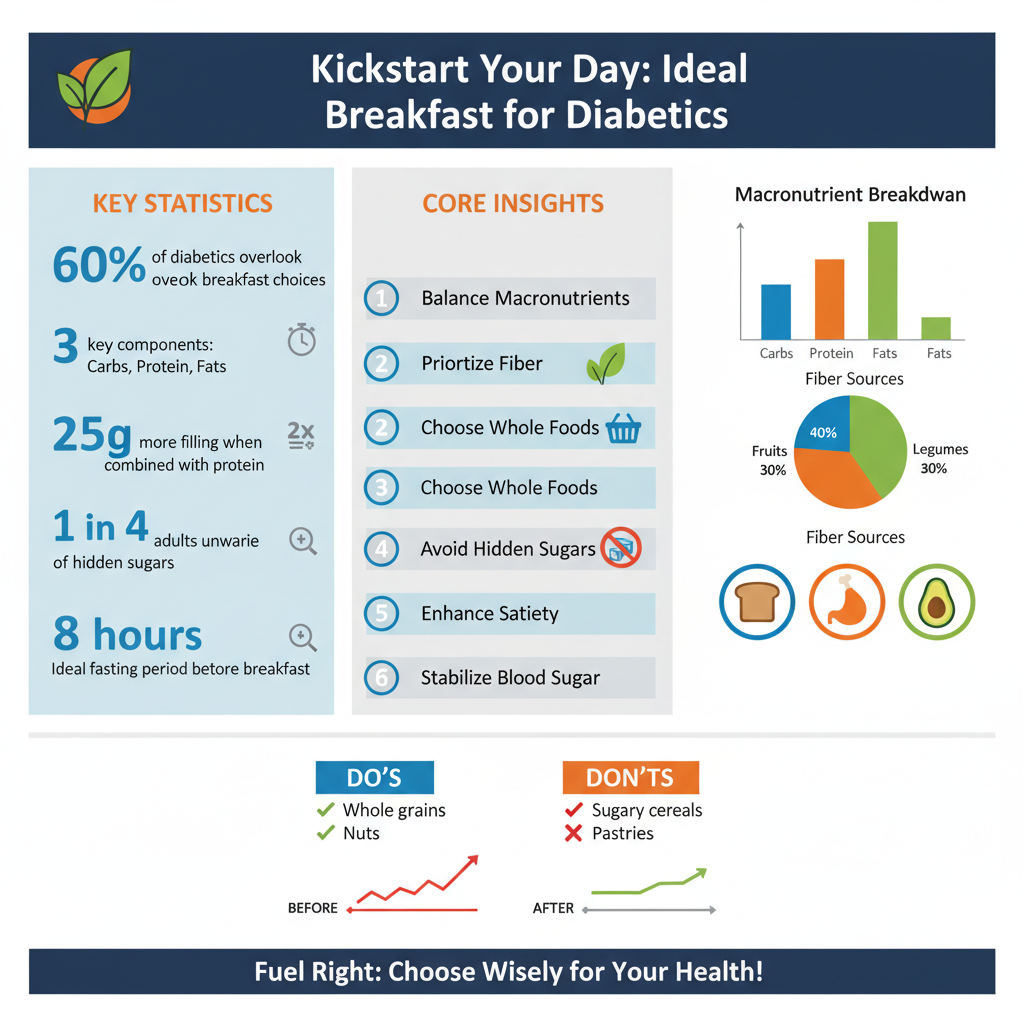
Starting your day with the right fuel can make a world of difference for managing diabetes. It’s not just about avoiding sugar; it’s about building a meal that works with your body to keep things steady. Think of your breakfast as a mini-project where you’re aiming for a perfect trifecta of balance, fiber, and whole foods.
* Balance Macronutrients: Imagine your breakfast plate as a symphony. You want each instrument – complex carbohydrates, lean protein, and healthy fats – playing its part in harmony. Complex carbohydrates, like those found in whole grains, provide energy that’s released slowly, preventing rapid blood sugar spikes. Lean proteins offer satiety and help build and repair tissues without impacting blood glucose significantly. Healthy fats contribute to fullness and support overall health. Together, they create a sustained release of energy, keeping you feeling full and your blood sugar levels stable throughout the morning. This balanced approach is critical because it slows down the digestion and absorption of glucose, meaning your body gets a steady supply of energy rather than a sudden surge.
* Prioritize Fiber: Fiber is truly a superhero nutrient, especially for diabetics. Found abundantly in fruits, vegetables, whole grains, and legumes, dietary fiber is indigestible, yet incredibly beneficial. It acts like a sponge in your digestive system, slowing down the absorption of sugar into your bloodstream. This helps prevent those uncomfortable post-meal blood sugar spikes. Beyond blood sugar regulation, fiber also plays a vital role in digestive health, keeping you regular, and increasing satiety, meaning you feel full longer, which can be a huge help in managing weight and reducing the urge to snack unnecessarily before your next meal.
* Choose Whole Foods: In our busy world, it’s easy to reach for convenience, but when it comes to managing diabetes, whole foods are your best friends. Think fresh fruits, crisp vegetables, unprocessed grains, lean meats, and natural dairy. These foods are packed with nutrients, vitamins, minerals, and natural fiber, and are free from the hidden sugars, unhealthy fats, and excessive sodium often found in highly processed and packaged options. Choosing whole foods means you’re getting nourishment in its purest form, giving your body exactly what it needs to function optimally and manage blood sugar effectively, without any unwelcome surprises.
Smart Carbohydrate Choices for Diabetics

Carbohydrates often get a bad rap in diabetes management, but they’re not all created equal. The key is choosing the right kind of carbs that fuel your body without sending your blood sugar on a roller coaster.
* Opt for Low Glycemic Index (GI) Carbs: The Glycemic Index is a system that ranks carbohydrate-containing foods based on how quickly they raise blood glucose levels after eating. Low GI foods are digested and absorbed more slowly, leading to a gentler, more gradual rise in blood sugar, which is exactly what we want for diabetes management. These are your energy marathon runners, not sprinters!
* Examples: Steel-cut or rolled oats (not instant, which can be higher GI), are fantastic. They’re minimally processed and packed with soluble fiber. Look for 100% whole-wheat bread – check labels carefully to ensure it’s truly whole grain and not just “wheat bread” with added sugars. Non-starchy vegetables like spinach, bell peppers, mushrooms, and zucchini are wonderfully low in carbs and high in nutrients and fiber, making them excellent additions to any breakfast. Most berries (strawberries, blueberries, raspberries, blackberries) are also brilliant choices; they’re sweet, fiber-rich, and loaded with antioxidants, but relatively low in sugar compared to other fruits.
* Limit Refined Carbs: These are the carbohydrates to be wary of. Refined carbs have been stripped of their fiber and many nutrients during processing, meaning they’re quickly broken down into glucose and absorbed into the bloodstream. This rapid absorption can lead to sharp spikes in blood sugar, followed by a potential crash, leaving you feeling tired and hungry again soon after. Sugary cereals, pastries, muffins, white bread, bagels, and sweetened fruit juices are prime examples. Always read nutrition labels and aim for options with minimal added sugars and high fiber content.
Power of Protein for Blood Sugar Control

Protein is your secret weapon for a satisfying and blood-sugar-friendly breakfast. It’s an essential macronutrient that does wonders for both your hunger levels and your glucose management.
* Enhance Satiety: One of protein’s superpowers is its ability to make you feel full and satisfied for longer. Compared to carbohydrates or fats, protein takes more time to digest, which means it helps to suppress hunger hormones and activate satiety hormones. Starting your day with a good dose of lean protein can significantly reduce the likelihood of those mid-morning hunger pangs that often lead to unhealthy snacking. This sustained feeling of fullness can be incredibly beneficial for weight management, a critical aspect of diabetes care.
* Stabilize Blood Sugar: Unlike carbohydrates, protein has a minimal direct impact on blood glucose levels. When consumed alongside carbohydrates, protein helps to slow down the absorption of those carbs, further preventing rapid blood sugar spikes. It’s like having a traffic cop directing the flow of glucose into your bloodstream, ensuring a smooth and steady release of energy. This stabilizing effect is invaluable for keeping your numbers within a healthy range throughout the morning.
* Excellent Sources: Eggs are perhaps the quintessential breakfast protein – versatile, affordable, and packed with nutrients. Scrambled, boiled, poached, or in an omelet with veggies, they’re a fantastic choice. Plain, unsweetened Greek yogurt is another powerhouse; it’s high in protein and can be a great base for berries and seeds. Cottage cheese offers a similar protein boost. For those who enjoy a bit of meat, lean turkey bacon or sausage (in moderation and checking sodium content) can be options. And don’t forget the plant-based proteins: a small portion of nuts (like almonds or walnuts) or seeds (chia, flax) can add a healthy protein punch along with beneficial fats and fiber.
Incorporating Healthy Fats for Fullness and Health
Don’t shy away from fats at breakfast; the right fats are incredibly beneficial! Healthy fats are not only crucial for overall health but also play a significant role in making your breakfast more satisfying and diabetes-friendly.
* Promote Satiety: Just like protein, healthy fats contribute significantly to feelings of fullness. They slow down stomach emptying, which keeps you feeling satisfied for a longer period. This extended satiety helps to curb appetite, prevent overeating, and reduce the temptation to reach for unhealthy snacks between meals. Including a source of healthy fats can make a substantial difference in managing your hunger cues and maintaining stable energy levels until your next meal.
* Support Overall Health: Beyond just helping you feel full, monounsaturated and polyunsaturated fats are vital for heart health, which is a particular concern for individuals with diabetes. These beneficial fats can help lower bad cholesterol (LDL) levels, raise good cholesterol (HDL) levels, and reduce inflammation. Furthermore, some studies suggest that healthy fats can help improve insulin sensitivity, meaning your body’s cells become more responsive to insulin, which is key to managing blood sugar effectively. They also help with the absorption of fat-soluble vitamins (A, D, E, K).
* Smart Additions: Avocado is a superstar healthy fat, rich in monounsaturated fats and fiber. Sliced avocado on whole-wheat toast or added to an egg scramble is delicious. Nuts like almonds, walnuts, and pecans are fantastic sources of healthy fats, protein, and fiber – a small handful can make a big difference in a yogurt bowl or oatmeal. Seeds such as chia, flax, and pumpkin seeds are also excellent, providing omega-3 fatty acids, fiber, and protein. A drizzle of olive oil, perhaps in an omelet or on a savory toast, also adds a lovely flavor and healthy fat boost. Remember, even with healthy fats, portion control is important as they are calorie-dense.
Foods to Limit or Strictly Avoid at Breakfast
While focusing on what to eat is empowering, it’s equally important to know what to avoid or drastically limit, especially when managing diabetes. These foods can quickly undermine your efforts to maintain stable blood sugar.
* Sugary Drinks: This is perhaps one of the biggest culprits for blood sugar spikes. Fruit juices, even those labeled “100% pure,” are concentrated sources of natural sugars with most of the beneficial fiber removed. This means they hit your bloodstream quickly, causing a rapid rise in glucose. Sweetened coffees (think fancy lattes or blended drinks), sodas, and energy drinks are even worse, often loaded with added sugars and artificial ingredients that offer no nutritional value. Stick to water, unsweetened tea, or black coffee to hydrate. If you crave fruit, eat a whole fruit to get the fiber.
* Processed Breakfast Foods: The convenience aisle at the grocery store is often a minefield for diabetics. Many breakfast cereals, especially those marketed to children (but often consumed by adults!), are incredibly high in refined carbohydrates and added sugars. Pastries, muffins, croissants, doughnuts, and sugary granolas fall into the same category. These items offer a quick burst of energy followed by a crash, and contribute to weight gain and poor blood sugar control. They often lack the fiber and protein needed to slow down glucose absorption. Always check the nutrition labels for hidden sugars and opt for whole, unprocessed alternatives.
* Fried Foods and Processed Meats: While delicious, foods like fried potatoes (hash browns), fatty breakfast sausages, and bacon can be problematic. They are typically high in unhealthy saturated and trans fats, which can negatively impact heart health – a primary concern for individuals with diabetes who are already at increased risk for cardiovascular disease. Processed meats also tend to be high in sodium, which can contribute to high blood pressure. While occasional indulgence might be fine for some, making these a regular part of your breakfast can hinder your diabetes management and overall well-being. Opt for leaner protein sources and cooking methods like baking, poaching, or air-frying.
Delicious and Easy Diabetic Breakfast Ideas
Managing diabetes doesn’t mean sacrificing flavor or variety! There are countless delicious and easy options that fit perfectly into a diabetic-friendly breakfast plan. Here are a few ideas to get your creative juices flowing:
* Oatmeal Power Bowl: Start with steel-cut or rolled oats cooked simply with water or unsweetened almond milk. The key here is to avoid instant oats, which are more processed and can have a higher GI. Once cooked to your desired consistency, enhance its nutritional power and flavor. Top it with a generous handful of mixed berries (strawberries, blueberries, raspberries) for natural sweetness, fiber, and antioxidants. Add a small handful of chopped nuts (walnuts or almonds) for healthy fats and protein, and sprinkle with cinnamon, which is not only delicious but also may have blood sugar-lowering properties. For an extra protein boost, stir in a scoop of plain protein powder or a tablespoon of chia seeds while cooking.
* Savory Egg Scramble: Eggs are a diabetic’s best friend! Begin by scrambling two to three eggs with a splash of unsweetened almond milk or water. Load it up with non-starchy vegetables like fresh spinach, diced bell peppers, onions, or mushrooms. These veggies add fiber, vitamins, and bulk without significantly impacting blood sugar. If you enjoy cheese, add a small amount of low-fat feta or shredded cheddar for flavor. Serve your vibrant scramble alongside a slice of 100% whole-wheat toast (check the label for minimal added sugars and high fiber) and a quarter of an avocado, sliced, for a boost of healthy monounsaturated fats. A sprinkle of chili flakes can add a nice kick!
* Greek Yogurt Parfait: This is a quick, refreshing, and protein-packed option. The foundation is plain, unsweetened Greek yogurt, which is much higher in protein and lower in sugar than regular yogurt. Layer it in a glass or bowl with mixed berries (fresh or frozen, thawed) – again, berries are your best choice here for their fiber and lower sugar content. To amp up the fiber, healthy fats, and omega-3s, stir in a tablespoon of chia or flax seeds. You can also add a tiny sprinkle of chopped nuts for extra crunch and healthy fats. For a touch of sweetness without added sugar, a tiny dash of pure vanilla extract or a sprinkle of cinnamon can work wonders. Avoid sweetened granola; if you want crunch, use a few chopped almonds or walnuts.
Crafting the best breakfast for managing diabetes involves making intentional choices that balance your plate with high-fiber carbohydrates, lean protein, and healthy fats. By focusing on whole, unprocessed foods and being mindful of portion sizes, you can effectively manage your blood sugar, maintain energy levels, and support your overall health. Experiment with these ideas and consult with a healthcare professional or registered dietitian to tailor a breakfast plan that best fits your individual needs and dietary preferences. A healthy breakfast sets the tone for a healthy day!
Frequently Asked Questions
What is the best breakfast for a diabetic to maintain stable blood sugar levels?
The best breakfast for a diabetic focuses on a balanced combination of lean protein, healthy fats, and complex carbohydrates rich in fiber. This nutritional synergy helps slow glucose absorption into the bloodstream, effectively preventing rapid blood sugar spikes and promoting sustained satiety. Excellent examples include eggs with a slice of whole-grain toast and avocado, or a bowl of plain Greek yogurt topped with a handful of berries and a sprinkle of nuts, all designed for optimal blood sugar management.
How can I create a quick and easy diabetic-friendly breakfast on busy mornings?
For busy mornings, prioritize make-ahead or minimal-prep diabetic-friendly breakfast options. Overnight oats, prepared with rolled oats, chia seeds, and unsweetened milk, are a fantastic grab-and-go solution. Hard-boiled eggs, prepped in advance, offer a quick protein boost, while a plain Greek yogurt cup with a handful of berries and a small portion of almonds ensures vital protein and fiber without much fuss.
Which specific breakfast foods should diabetics limit or avoid to prevent blood sugar spikes?
Diabetics should consciously limit or avoid highly processed, sugary breakfast foods that can cause sharp blood sugar spikes. This category includes refined carbohydrates like sugary cereals, pastries, donuts, and white bread, which lack fiber and digest quickly. Sweetened yogurts and fruit juices should also be avoided due to their concentrated sugar content, as well as processed meats high in unhealthy fats and sodium.
Why is eating breakfast crucial for someone managing diabetes, rather than skipping it?
Eating breakfast is crucial for individuals managing diabetes because it helps regulate morning blood sugar levels, preventing potential hypoglycemia or significant spikes later in the day. Skipping breakfast can lead to increased hunger, overeating at subsequent meals, and can make overall blood sugar control more challenging. A balanced diabetic breakfast provides sustained energy, improves focus, and sets a positive metabolic tone for the rest of your day.
Are there specific types of fruits or whole grains that are particularly beneficial in a diabetic breakfast?
Yes, certain fruits and whole grains are especially beneficial for a diabetic breakfast due to their high fiber content and lower glycemic index. Berries like strawberries, blueberries, and raspberries are excellent choices, offering antioxidants and natural sweetness without excess sugar. For whole grains, prioritize options such as rolled oats, quinoa, or 100% whole-wheat bread, as they provide sustained energy and contribute to better long-term blood sugar management. Remember to always consider portion sizes for both.
References
- https://www.diabetes.org/healthy-living/recipes-nutrition/eating-well-diabetes/breakfast
- https://www.cdc.gov/diabetes/managing/eat-well/meal-plan-cheat-sheet.html
- https://www.mayoclinic.org/diseases-conditions/diabetes/in-depth/diabetes-meal-plan/art-20044296
- https://www.health.harvard.edu/blog/type-2-diabetes-what-to-eat-what-to-limit-202302092878
- https://health.clevelandclinic.org/what-to-eat-with-diabetes-a-comprehensive-guide
- Diet in diabetes
- https://www.nhs.uk/conditions/type-2-diabetes/food-and-diet/
- https://www.niddk.nih.gov/health-information/diabetes/overview/diet-eating-physical-activity/meal-planning





Pingback: What Fruits Are Best for Diabetics: Healthy Choices - Best For Diabetics
Pingback: Best Snacks for Diabetics When Blood Sugar Is Low - Best For Diabetics
Pingback: Best Foods to Eat with Gestational Diabetes - Best For Diabetics
Pingback: Best Places to Eat Out with Gestational Diabetes: Your Top Choices - Best For Diabetics
Pingback: Best Low Carb Snacks for Diabetics: Top Healthy Picks - Best For Diabetics
Pingback: **Best Grains for Diabetics: Healthy Choices** - Best For Diabetics