

The best breakfast for diabetics focuses on a balance of protein, healthy fats, and fiber-rich carbohydrates to maintain stable blood sugar levels. Excellent choices include eggs with vegetables, steel-cut oatmeal with berries, and unsweetened Greek yogurt with nuts, as these foods have a low glycemic index and prevent glucose spikes. By prioritizing whole foods over processed sugars, you can start your day with energy while keeping your diabetes management on track. Establishing a morning routine that respects your body’s insulin sensitivity is crucial, as the dawn phenomenon—a natural surge in hormones in the early morning—can already cause blood sugar to rise. Therefore, the first meal of the day acts as the metabolic foundation, determining whether your glucose levels will remain stable or fluctuate erratically throughout the afternoon.




Understanding the Diabetic Breakfast Formula

Successfully managing diabetes through diet requires moving beyond simple calorie counting to understanding the physiological impact of macronutrients. The most effective strategy is the “trifecta” approach: every breakfast should ideally contain a combination of lean protein, high-quality fiber, and healthy fats. This combination works synergistically; while carbohydrates provide energy, protein and fat act as metabolic brakes, slowing down the rate at which glucose enters the bloodstream. Without these buffers, even healthy carbohydrates can cause rapid spikes in blood sugar.
Crucial to this formula is the Glycemic Index (GI), a ranking system that indicates how quickly a food raises blood sugar levels. For a diabetic-friendly breakfast, one must prioritize low-GI foods—those that are digested and absorbed slowly. However, the GI does not tell the whole story, which is why portion control remains paramount. A professional approach to plating, often recommended by dietitians, involves dividing the plate geometrically: fill half the plate with non-starchy vegetables (fiber), one-quarter with lean protein, and one-quarter with complex carbohydrates or starches. This visual method ensures that the glycemic load of the meal remains manageable without the constant need for weighing scales or complex calculations.
Eggs and Low-Carb Vegetables
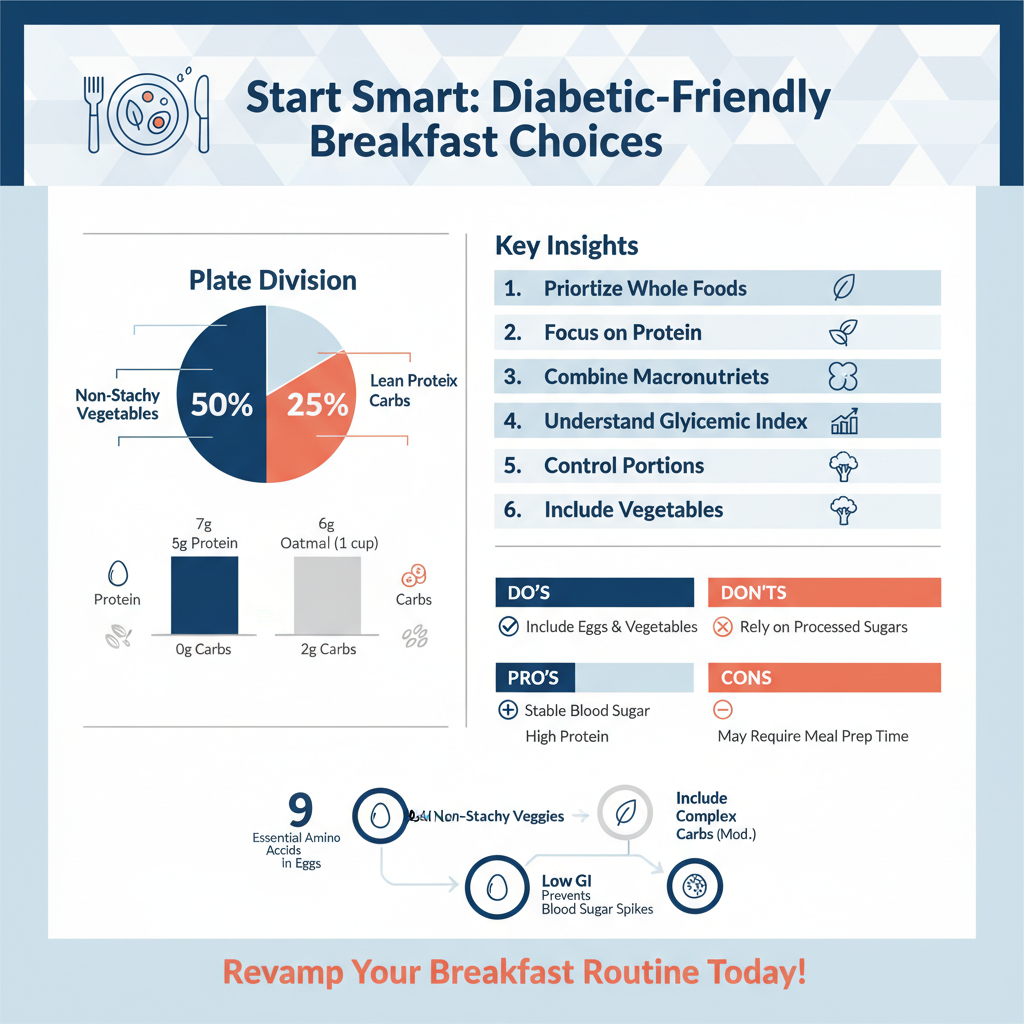
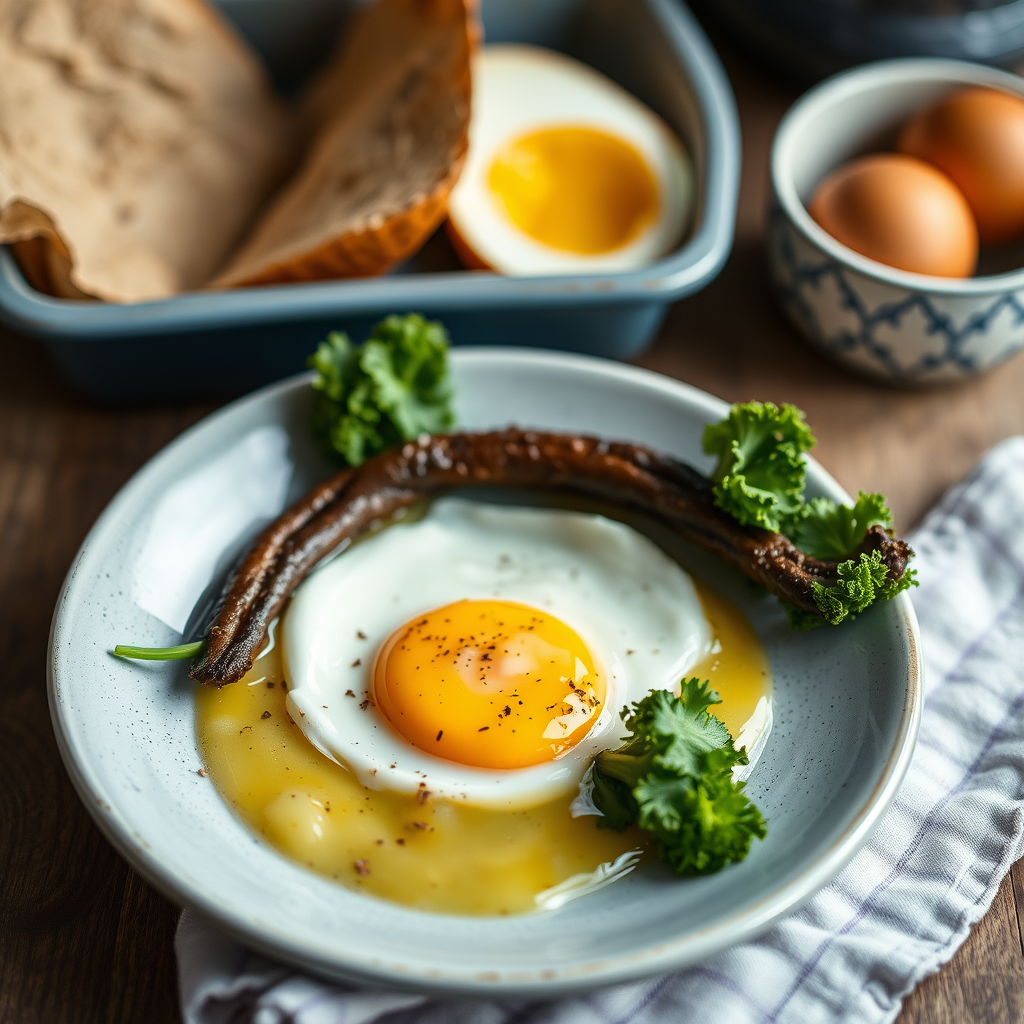
Eggs are frequently cited by nutritionists as the “gold standard” for a diabetic breakfast, and for good reason. A large egg contains approximately 6 to 7 grams of high-quality protein and virtually zero carbohydrates. This macronutrient profile means that eggs have a negligible impact on blood glucose levels. Furthermore, eggs are a complete protein, containing all nine essential amino acids required for bodily repair and function. The yolk, often maligned in the past, contains essential nutrients like choline and lutein, making the whole egg a nutritional powerhouse when consumed in moderation.
To maximize the health benefits and volume of the meal without adding processed carbs, pairing eggs with low-carb vegetables is an optimal strategy. Preparations such as vegetable omelets or frittatas allow for high nutrient density. Ingredients like spinach, mushrooms, bell peppers, and kale add significant fiber, vitamins, and minerals without increasing the glycemic load. From a physiological standpoint, the protein in eggs significantly slows gastric emptying. This delay in digestion increases satiety, keeping you fuller for longer periods and preventing the mid-morning hunger pangs that often lead to unhealthy snacking.
Greek Yogurt with Berries
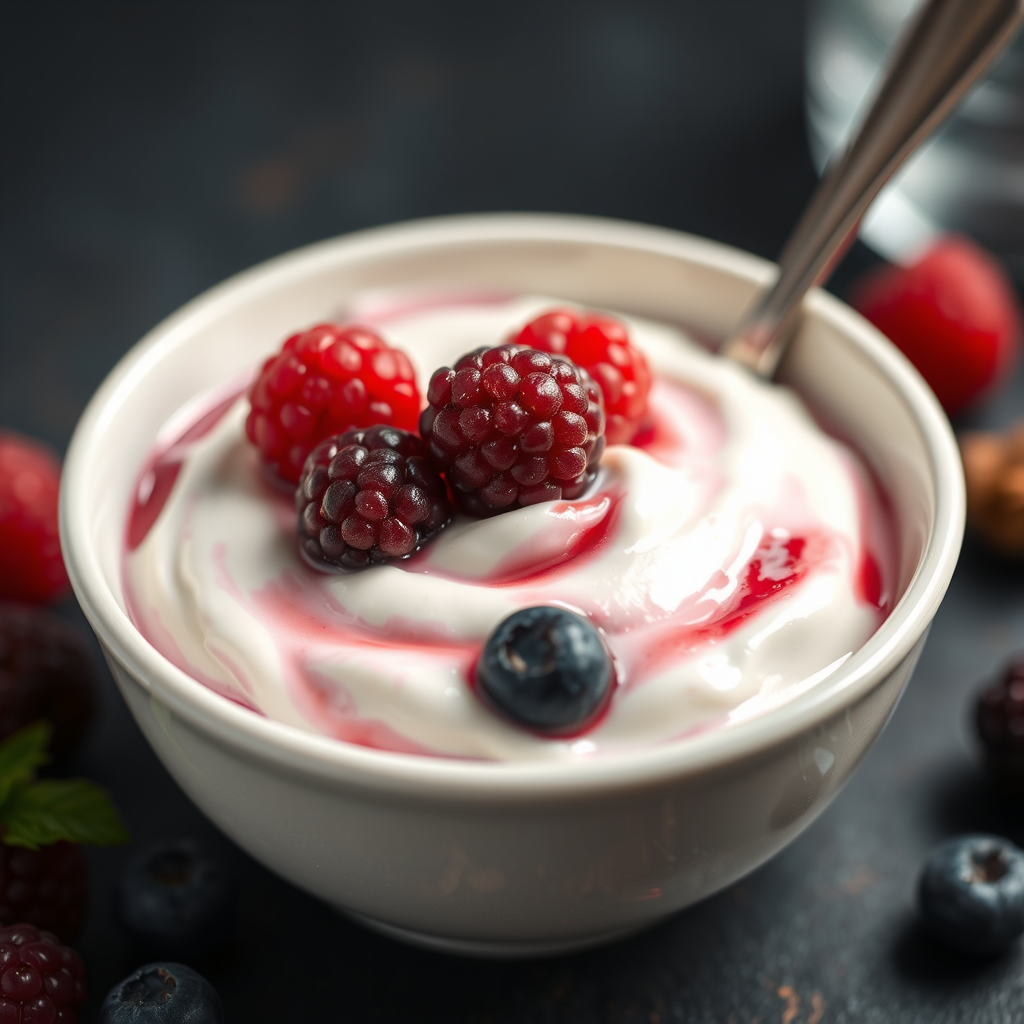
For those who prefer a lighter or vegetarian option, Greek yogurt is a superior alternative to traditional yogurt. The straining process used to create Greek yogurt removes much of the liquid whey, resulting in a product that is thicker, creamier, and, most importantly, lower in carbohydrates and higher in protein. A standard serving of plain, unsweetened Greek yogurt can contain up to 15 to 20 grams of protein, which is double that of regular yogurt. It is imperative, however, to choose plain varieties; flavored yogurts are often laden with added cane sugar or high-fructose corn syrup, effectively turning a healthy breakfast into a dessert.
To enhance flavor without compromising glucose control, adding low-GI fruits is recommended. Berries—specifically strawberries, blueberries, raspberries, and blackberries—are among the best fruit choices for diabetics. They are rich in anthocyanins, antioxidants that may improve insulin sensitivity, and are packed with fiber. To further boost the nutritional value, consider topping the yogurt with chia seeds or ground flaxseeds. These seeds are excellent sources of plant-based Omega-3 fatty acids and soluble fiber, which forms a gel-like substance in the gut to further modulate blood sugar absorption.
Oatmeal and Whole Grains
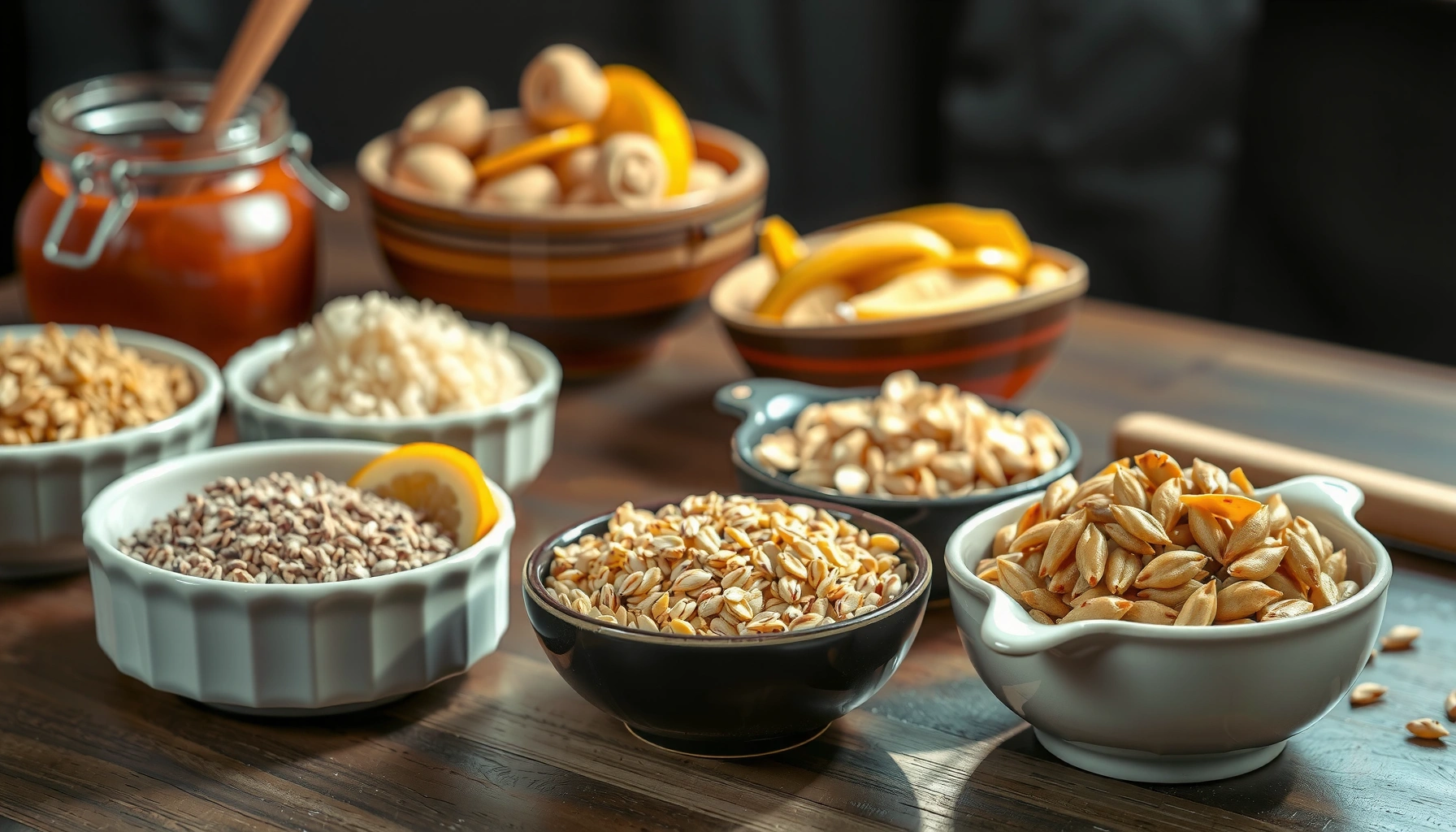
Oats can be a healthy part of a diabetic diet, but not all oats are created equal. The processing level of the grain dictates its glycemic impact. One must distinguish clearly between steel-cut or rolled oats and instant oatmeal. Steel-cut oats are the least processed, retaining the whole grain structure, which the body takes longer to break down, resulting in a gradual rise in blood sugar. Conversely, instant oatmeal is pre-cooked, dried, and often pressed thin; this processing gelatinizes the starches, allowing the body to convert them to sugar rapidly, acting almost identically to refined flour.
When preparing oats, avoid pre-packaged packets which usually contain hidden sugars and sodium. Instead, flavor plain oats with cinnamon, nutmeg, or vanilla extract. Cinnamon, in particular, has been shown in some studies to mimic insulin and help transport glucose into cells. For those sensitive to carbohydrates, savory oatmeal is an emerging trend worth exploring; topping oats with a poached egg and sautéed greens can drastically lower the meal’s overall glycemic load. If oats are not preferred, other whole grain alternatives include quinoa breakfast bowls or a single slice of sprouted grain toast, such as Ezekiel bread, which offers a lower glycemic response than traditional whole wheat bread.
Healthy Fats: Avocados and Nuts
For decades, the low-fat diet trend inadvertently pushed many people toward high-sugar breakfasts. Today, we understand that healthy fats are essential for diabetics. Dietary fat does not stimulate insulin secretion and plays a vital role in slowing the absorption of carbohydrates consumed in the same meal. By delaying the release of sugars from the stomach into the intestines, fats flatten the post-meal glucose curve.
Integrating these fats into breakfast is simple and delicious. Avocado toast on high-fiber bread is a popular choice that provides monounsaturated fats and potassium. Alternatively, adding walnuts or almonds to cottage cheese or oatmeal adds crunch and healthy polyunsaturated fats. Beyond blood sugar management, these fats trigger the release of satiety hormones such as cholecystokinin (CCK). This leads to a prolonged feeling of fullness, significantly reducing the urge to snack on high-carb convenience foods before lunch, thereby supporting weight management efforts which are often crucial for Type 2 diabetes control.
Breakfast Foods to Avoid
Navigating the grocery store requires vigilance, as many traditional breakfast foods represent significant health risks for diabetics. The most obvious traps are sugary cereals, toaster pastries, and muffins. However, even products marketed as “healthy” or “natural,” such as granola or bran muffins, often contain sugar loads equivalent to a candy bar. Fruit juices are another major pitfall; juicing removes the fiber from the fruit, leaving a concentrated liquid sugar solution that spikes blood glucose almost instantaneously. It is always preferable to eat the whole fruit rather than drink the juice.
Refined white flour products—including bagels, croissants, and white toast—pose a similar danger. The body digests these simple starches rapidly, leading to a sharp spike in blood sugar followed by a crash, which can cause lethargy and cravings. Furthermore, beware of the “low-fat” label on breakfast items. To compensate for the loss of flavor and texture when fat is removed, manufacturers frequently add significant amounts of sugar and thickeners. Always read the nutrition label and ingredient list, paying close attention to “Total Carbohydrates” and “Added Sugars” rather than marketing claims on the front of the package.
Managing your blood sugar in the morning doesn’t mean sacrificing flavor or satisfaction. By sticking to whole, unprocessed foods like eggs, oats, and Greek yogurt, you can enjoy a delicious breakfast that supports your health goals. A consistent, nutrient-dense morning meal sets a positive metabolic tone for the rest of the day, improving energy levels and cognitive function. Experiment with these combinations this week to find the routine that works best for your lifestyle and glucose levels, and consider consulting with a registered dietitian to fine-tune these choices to your specific medical needs.
Frequently Asked Questions
What is the best breakfast for type 2 diabetes to prevent blood sugar spikes?
The best breakfast for type 2 diabetes combines high-quality protein, healthy fats, and fiber-rich complex carbohydrates to ensure slow digestion and stable glucose levels. Opt for nutrient-dense options like vegetable omelets, Greek yogurt with berries, or avocado toast on whole-grain bread rather than sugary cereals or pastries. This combination helps improve insulin sensitivity and keeps you feeling full longer, preventing mid-morning energy crashes.
Is oatmeal a healthy breakfast choice for diabetics?
Yes, oatmeal can be an excellent choice, provided you choose steel-cut or rolled oats instead of highly processed instant varieties, which have a higher glycemic index. Steel-cut oats contain beta-glucan fiber that helps lower blood sugar and cholesterol, making them a heart-healthy option. To further balance the meal, avoid adding sugar and instead top your bowl with nuts, seeds, or a scoop of protein powder to reduce the overall glycemic load.
What are some quick, low-carb breakfast ideas for busy mornings?
If you are short on time, grab-and-go options like chia seed pudding, hard-boiled eggs, or pre-portioned unsweetened Greek yogurt with flaxseeds are perfect low-carb solutions. You can also meal-prep low-carb egg muffin cups loaded with spinach and cheese, which can be reheated in seconds. These options provide the necessary protein and fat to jumpstart your metabolism without the heavy carbohydrate count found in bagels or muffins.
Can diabetics drink smoothies for breakfast without spiking blood sugar?
Diabetics can enjoy breakfast smoothies by focusing on low-glycemic ingredients, such as leafy greens (spinach or kale), healthy fats (avocado or almond butter), and protein powder, while limiting high-sugar tropical fruits. Using a liquid base like unsweetened almond milk instead of fruit juice is crucial for keeping the carbohydrate count low. This approach ensures you get a nutrient-packed meal that supports blood sugar management rather than causing a rapid glucose spike.
Why are eggs often recommended as a top breakfast food for blood sugar control?
Eggs are considered a superfood for diabetes management because they contain high-quality protein and zero carbohydrates, meaning they have a negligible impact on blood sugar levels. Studies suggest that eating eggs for breakfast can improve insulin sensitivity and suppress the hunger hormone ghrelin, reducing the likelihood of overeating later in the day. Pairing eggs with non-starchy vegetables creates a balanced, satiating meal that fits perfectly into a diabetic diet plan.
References
- Healthy Eating | Diabetes | CDC
- Healthy Living with Diabetes – NIDDK
- Diabetes diet: Create your healthy-eating plan – Mayo Clinic
- Breakfasts for diabetes | Diabetes UK
- https://health.clevelandclinic.org/what-to-eat-for-breakfast-if-you-have-diabetes
- Treatment for type 2 diabetes – NHS
- https://diabetes.org/food-nutrition/recipes



Pingback: Best Meals for Diabetics: Essential Eating Guide - Best For Diabetics
Pingback: Best Smoothie for Diabetics: Healthy Recipe Ideas - Best For Diabetics
Pingback: The Best Ramen Noodles for Diabetics - Best For Diabetics
Pingback: Best Dessert Options for Diabetics - Best For Diabetics
Pingback: Best Cold Cereal for Diabetics: Top Picks & Guide - Best For Diabetics
Pingback: The Best Diet for Borderline Diabetics - Best For Diabetics
Pingback: Best Diabetic Snacks: Healthy Choices - Best For Diabetics
Pingback: Best Crackers for Diabetics: Healthy Picks - Best For Diabetics
Pingback: Best Breakfast for a Diabetic: Healthy Choices - Best For Diabetics