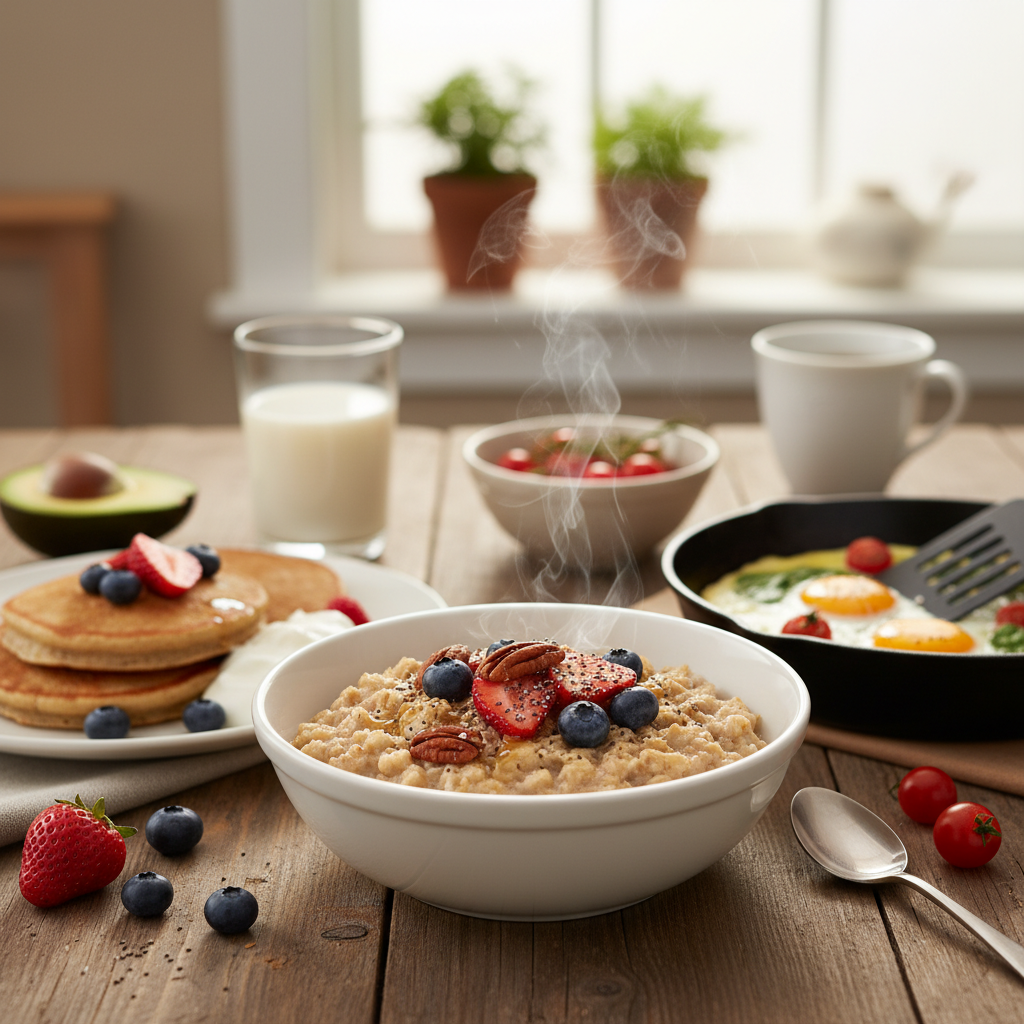

The best diabetic breakfast combines lean protein, healthy fats, and high-fiber carbohydrates to keep glucose levels stable throughout the morning. By prioritizing foods with a low glycemic index—such as eggs, steel-cut oats, Greek yogurt, and avocados—you can prevent spikes in blood sugar while staying full and energized until lunch. Navigating breakfast when you are living with diabetes can often feel like a minefield of hidden sugars and refined carbs, but it doesn’t have to be complicated or flavorless. The goal is to move away from the traditional high-sugar “morning rush” foods and embrace meals that work with your body’s metabolism rather than against it. When you start your day with the right fuel, you not only manage your numbers better but also combat the mid-morning brain fog and cravings that often lead to unhealthy snacking later in the day.




The Perfect Plate Method

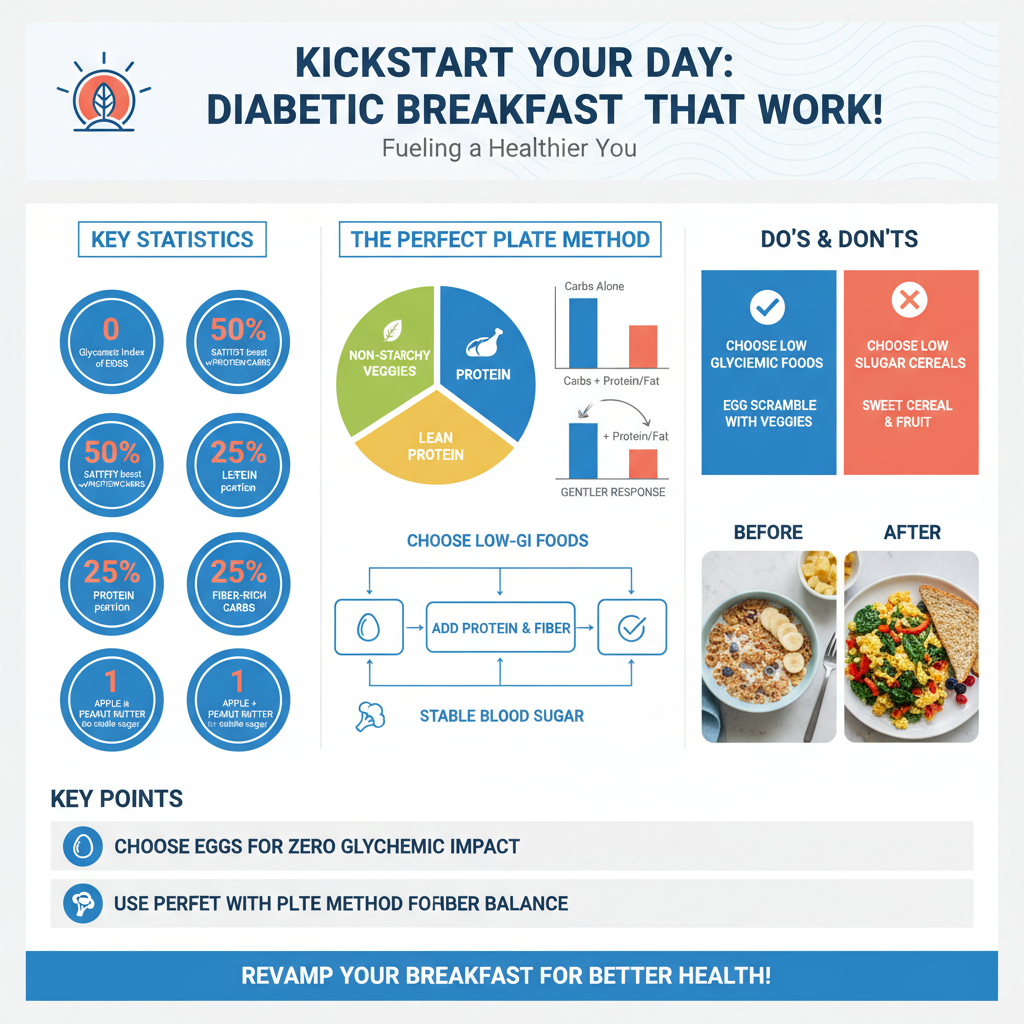
If you ever feel overwhelmed by counting macros or calories, the Perfect Plate Method is your new best friend. It simplifies meal planning by using a visual approach that naturally regulates portion sizes and nutrient intake without requiring a calculator.
– Balance your plate with half non-starchy vegetables, one-quarter lean protein, and one-quarter fiber-rich carbohydrates.
This visual cue changes the way you look at a meal. Instead of a large bowl of cereal with a side of fruit (which is almost 100% carbohydrates), imagine a plate where spinach, tomatoes, or sautéed zucchini take up the most real estate. The protein section could be eggs, turkey sausage, or tofu, while the carbohydrate section is reserved for a slice of sprouted grain toast or a small serving of fruit. This balance ensures you get the volume you need to feel full without the heavy carbohydrate load.
– Focus on the “Protein + Fat + Fiber” equation to slow down digestion and glucose absorption.
Think of this equation as the “brakes” for your blood sugar. When you eat carbohydrates alone, they digest rapidly, dumping glucose into your bloodstream like a race car. However, when you pair that carb with protein, healthy fat, and fiber, digestion slows down significantly. This results in a slow, steady trickle of energy rather than a sharp spike. For example, an apple alone might raise your blood sugar quickly, but an apple with peanut butter (fat and protein) creates a much gentler response.
Egg-Based Breakfast Options
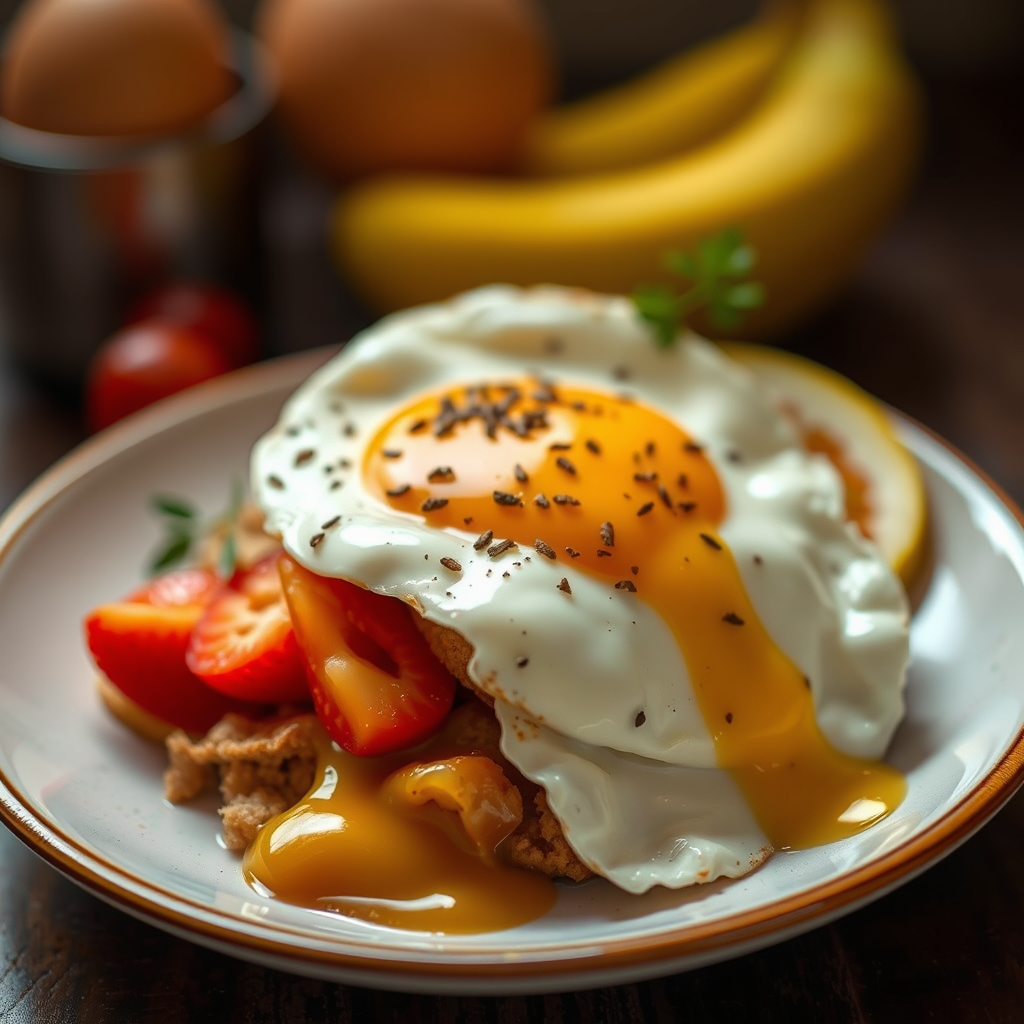
Eggs are arguably the gold standard for a diabetic-friendly breakfast. They possess a zero glycemic index score, meaning they have virtually no impact on blood sugar levels on their own, and they are packed with high-quality protein that promotes satiety.
– Scrambled eggs or omelets loaded with spinach, peppers, and mushrooms for added volume and nutrients.
One of the best ways to utilize eggs is as a vehicle for vegetables. A “kitchen sink” veggie scramble is fantastic because the fiber in the vegetables adds bulk to the meal, making you feel like you are eating a huge portion for very few calories. Spinach, bell peppers, mushrooms, onions, and zucchini are excellent choices. Cooking them in a little olive oil adds a healthy fat component that further stabilizes glucose levels. Plus, the variety of colors provides essential antioxidants and vitamins.
– Hard-boiled eggs paired with a small serving of fruit or nuts for a convenient on-the-go meal.
Mornings are often rushed, and skipping breakfast can actually lead to liver glucose dumping (the dawn phenomenon), causing high blood sugar. Hard-boiled eggs are the ultimate meal-prep hack. Boil a dozen at the start of the week, and you have a grab-and-go protein source ready instantly. Pair two eggs with a small handful of almonds or a cup of raspberries. This combination hits the “Protein + Fat + Fiber” trifecta perfectly and can be eaten in the car or at your desk.
Oatmeal and Whole Grains
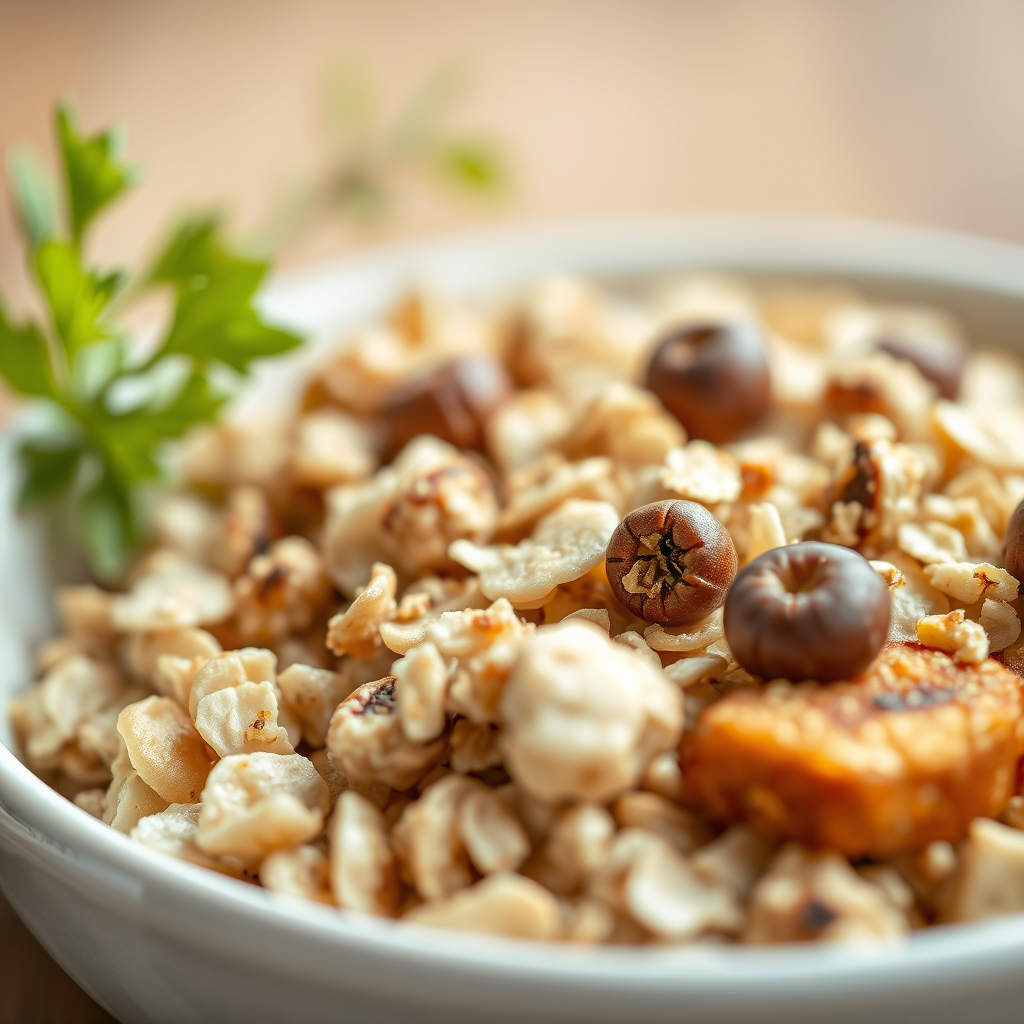
There is a common misconception that people with diabetes must eliminate all grains. While processed grains are problematic, whole grains like oats can be a powerhouse for heart health and digestion—provided you choose the right kind and prepare them correctly.
– Choose steel-cut or rolled oats over instant varieties to ensure a lower glycemic impact and higher fiber content.
All oats are not created equal. Instant oatmeal packets are highly processed and often pre-loaded with sugar, meaning they digest very quickly and can cause spikes. Steel-cut oats, however, are the least processed oat groats. The body has to work harder to break them down, resulting in a much lower glycemic response. Rolled oats are a good middle ground if you are short on time, but always stick to the “old-fashioned” variety rather than the “quick-cook” type.
– Enhance flavor with cinnamon, nuts, and seeds rather than brown sugar or honey.
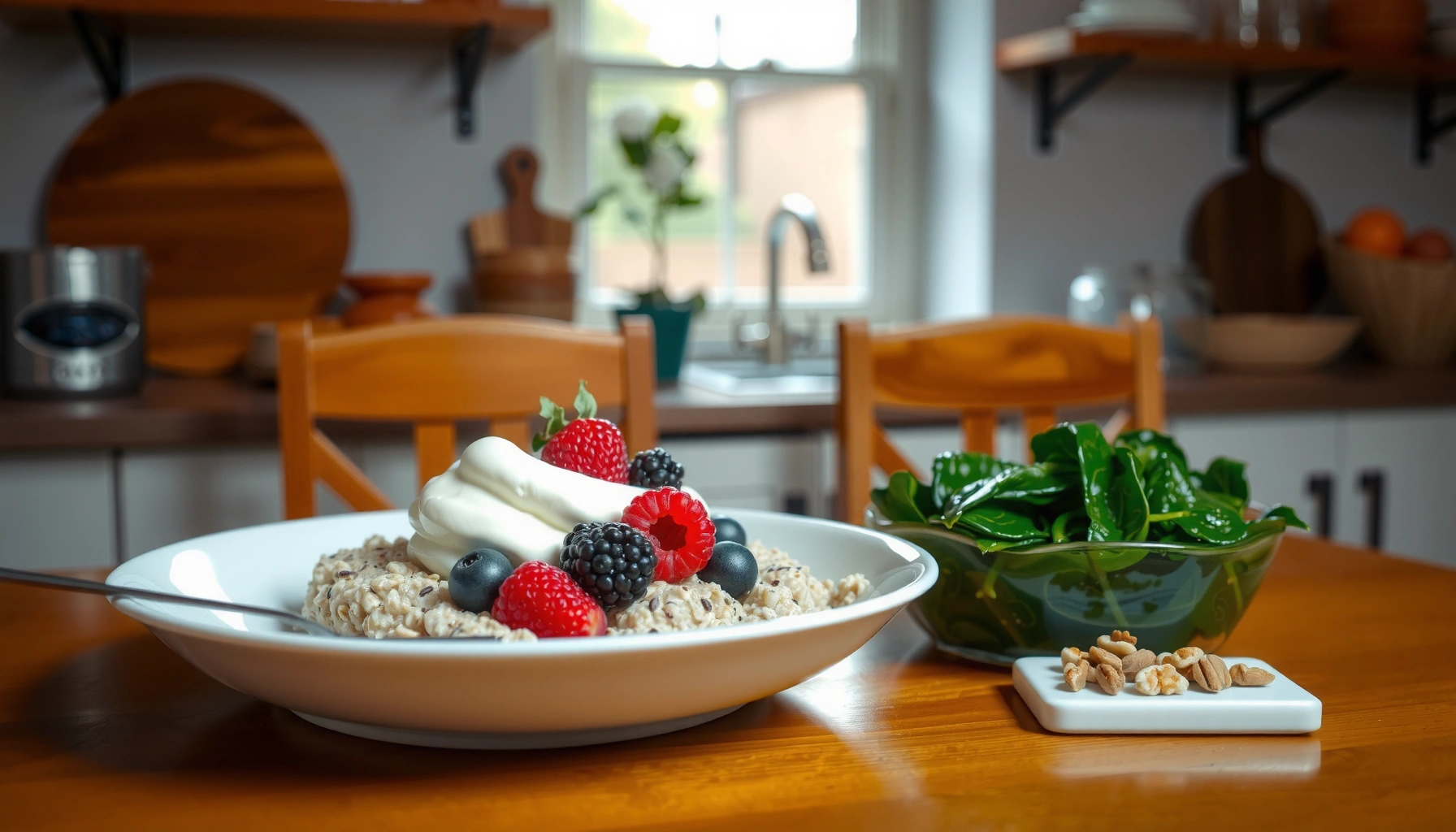
The trap many fall into with oatmeal is the toppings. A healthy bowl of oats can turn into a dessert if you load it with brown sugar, maple syrup, or dried fruits (which are concentrated sugar bombs). Instead, use cinnamon, nutmeg, or vanilla extract to trick your palate into perceiving sweetness. Add texture and healthy fats with walnuts, pecans, pumpkin seeds, or hemp hearts. These additions lower the overall glycemic load of the bowl and keep you satisfied much longer than sugar ever could.
Greek Yogurt and Dairy
Dairy can be a great part of a morning routine, specifically Greek yogurt, which is strained to remove much of the liquid whey and lactose (milk sugar). This results in a product that is thicker, creamier, and significantly higher in protein than traditional yogurt.
– Opt for plain, unsweetened Greek yogurt to maximize protein intake and eliminate hidden sugars.
The yogurt aisle is tricky; many “fruit-on-the-bottom” yogurts contain as much sugar as a candy bar. Always buy plain, unflavored Greek yogurt. A typical serving can offer 15 to 20 grams of protein, which is excellent for blood sugar management. If the tartness of plain yogurt is too intense for you, try mixing in a drop of vanilla extract or a small amount of stevia or monk fruit sweetener.
– Top with low-sugar fruits like blackberries, raspberries, or strawberries for natural sweetness.
Berries are the crown jewels of fruit for people with diabetes. They are packed with fiber and antioxidants but have a much lower sugar content compared to bananas, mangoes, or pineapple. Stirring a handful of fresh raspberries into your Greek yogurt adds a burst of tart sweetness and a satisfying texture. The fiber in the berries works in tandem with the protein in the yogurt to keep your energy levels steady.
Healthy Fats: Avocado and Nuts
For years, we were told to fear fat, but we now know that healthy fats are essential for hormonal health and blood sugar control. Fat has a minimal effect on insulin levels, making it a safe and satiating fuel source.
– Incorporate avocado toast on whole-grain bread for heart-healthy monounsaturated fats.
Avocado toast has become trendy for a reason—it’s delicious and nutritious. The key here is the bread. Look for sprouted grain bread or high-fiber, low-carb bread options. Mash a quarter or half an avocado on top. The monounsaturated fats in the avocado are great for heart health (a major concern for diabetics) and slow down the digestion of the toast. Sprinkle with red pepper flakes or a poached egg for an extra flavor and protein boost.
– Add walnuts, chia seeds, or flaxseeds to yogurts and smoothies to improve satiety and heart health.
These are small but mighty additions to any breakfast. Chia and flax seeds are incredibly high in fiber and form a gel-like consistency when mixed with liquid, which physically slows down the emptying of the stomach. Walnuts are rich in Omega-3 fatty acids, which fight inflammation. Keeping a jar of a “superfood mix” (walnuts, chia, flax, hemp) on your counter makes it easy to sprinkle these health boosters onto yogurt, cottage cheese, or oatmeal every morning.
Smoothies Done Right
Smoothies are often marketed as the ultimate health food, but for diabetics, they can be liquid sugar bombs if not constructed carefully. When you blend fruit, you break down the fiber, making the sugar more accessible. However, with the right formula, smoothies can be a refreshing option.
– Use leafy greens like kale or spinach as the base rather than high-sugar fruit juices.
Never use orange juice or apple juice as your liquid base; that is essentially pure sugar injection. Instead, use unsweetened almond milk, soy milk, or water. Then, pack the blender with leafy greens. Spinach is virtually tasteless in a smoothie but adds immense nutritional value. This allows you to have a high-volume drink without the high carb count.
– Include a protein source like protein powder or nut butter to balance the carbohydrates from fruit.
A fruit-only smoothie will spike your blood sugar rapidly. You must anchor it with protein and fat. Add a scoop of high-quality whey or plant-based protein powder (check the label for added sugars), or a tablespoon of peanut or almond butter. You can also use avocado in smoothies for creaminess without the banana taste. Limit your fruit to a small cup of berries to keep the glycemic load in check.
Common Breakfast Foods to Avoid
Knowing what to eat is half the battle; knowing what to avoid is the other. Many traditional breakfast foods are essentially desserts disguised as meals.
– Steer clear of refined flour products like white bagels, donuts, and sugary pastries.
Foods made with white flour (bagels, croissants, muffins, white toast) act almost exactly like sugar in the body. They lack fiber and nutrients, leading to a rapid spike in glucose followed by a hard crash that leaves you hungry and shaky an hour later. Even “savory” bagels have a massive carb load that can be difficult to manage with insulin or medication.
– Avoid processed cereals and sweetened fruit juices that cause rapid blood sugar spikes.
The cereal aisle is filled with health claims that can be misleading. Even cereals marketed as “healthy” or “whole grain” often contain high amounts of added sugar and highly processed grains. Similarly, fruit juice lacks the fiber of whole fruit, meaning the sugar hits your bloodstream instantly. It is always better to eat an orange than to drink a glass of orange juice.
Starting your day with a balanced meal is the most effective way to manage diabetes and maintain consistent energy levels. By shifting your focus toward whole, unprocessed foods and keeping the “Protein + Fat + Fiber” mantra in mind, you can take control of your morning numbers. Remember, there is no one-size-fits-all approach to diabetes management. Experiment with these combinations to find what works best for your body, and consider tracking your post-meal blood sugar numbers to identify your personal “power foods” for a healthy morning routine. Your breakfast sets the tone for the entire day—make it count!
Frequently Asked Questions
What is the best breakfast for a diabetic to eat to control blood sugar?
The best diabetic breakfast focuses on a combination of high-quality protein, healthy fats, and fiber-rich carbohydrates to ensure a slow release of glucose into the bloodstream. Ideal options include foods with a low glycemic index, such as vegetable omelets, Greek yogurt with berries, or avocado toast on whole-grain bread. Avoiding refined sugars and processed pastries is crucial for preventing morning blood sugar spikes and maintaining energy levels throughout the day.
Can diabetics eat oatmeal for breakfast, or is it too high in carbs?
Yes, diabetics can eat oatmeal, but the type of oats you choose matters significantly for blood sugar management. Steel-cut or rolled oats are superior to instant oats because they contain more fiber and have a lower glycemic index, meaning they digest more slowly. To make oatmeal even more diabetes-friendly, pair it with a source of protein or fat, such as walnuts, chia seeds, or a scoop of protein powder.
What are some quick, on-the-go breakfast options for diabetics?
For busy mornings, the best low-carb options are those you can meal-prep in advance, such as hard-boiled eggs, chia seed pudding, or overnight oats made with almond milk. Plain Greek yogurt with a handful of nuts or low-sugar cottage cheese with fruit are also excellent “grab-and-go” choices that provide the necessary protein to keep you full without requiring cooking time.
Why are eggs considered one of the best breakfast foods for diabetes management?
Eggs are widely considered a superfood for diabetics because they are high in protein and contain virtually no carbohydrates, meaning they will not raise your blood sugar. Eating eggs promotes satiety (feeling full), which can help reduce overall calorie intake and prevent cravings for sugary snacks later in the morning. They are also incredibly versatile and can be paired with vegetables like spinach and peppers for added fiber and nutrients.
How can I prevent the “Dawn Phenomenon” high blood sugar spikes after breakfast?
To combat the Dawn Phenomenon (a natural morning rise in blood sugar), it is essential to limit carbohydrate intake during your first meal of the day and prioritize protein and healthy fats. Skipping breakfast can actually worsen the spike, so eating a small, balanced meal shortly after waking signals your liver to stop releasing stored glucose. Additionally, taking a short walk after eating can help your body utilize the glucose more effectively and lower your numbers.
References
- Feline Diabetes | Cornell University College of Veterinary Medicine
- Nutrition | Cummings School of Veterinary Medicine
- https://www.avma.org/resources-tools/pet-owners/petcare/diabetes-pets
- https://www.merckvetmanual.com/cat-owners/endocrine-disorders-of-cats/diabetes-mellitus-in-cats
- https://www.aaha.org/aaha-guidelines/diabetes-management/feline-management/
- https://www.vetmed.wsu.edu/outreach/Pet-Health-Topics/categories/diseases/diabetes-mellitus
- Diabetes Mellitus: Introduction – Veterinary Partner – VIN
- Feline Diabetes – Cat Friendly Homes



Pingback: What Meat is Best for Diabetics: Healthy Picks - Best For Diabetics
Pingback: What Foods Are Best for Type 2 Diabetes: A Nutritional Guide - Best For Diabetics
Pingback: Best Sourdough Bread for Diabetics: What to Look For - Best For Diabetics
Pingback: Best Saltine Crackers for Diabetics: What to Look For - Best For Diabetics
Pingback: Best Maple Syrup for Diabetics: Key Considerations - Best For Diabetics
Pingback: Best Juice for Diabetics: Healthy Choices - Best For Diabetics
Pingback: Best Ham for Diabetics: Making Healthy Choices - Best For Diabetics
Pingback: Best Food for Cats with Diabetes: Nutrition Guide - Best For Diabetics
Pingback: Selecting the Best Dry Dog Food for Diabetic Dogs - Best For Diabetics
Pingback: **Best Bagels for Diabetics: What to Look For** - Best For Diabetics
Pingback: Which Magnesium is Best for Diabetics? - Best For Diabetics
Pingback: Which Bread is Best for Diabetics: Your Guide - Best For Diabetics
Pingback: What are the Best Snacks for a Diabetic? - Best For Diabetics
Pingback: Best Wheat Bread for Diabetics: What to Look For - Best For Diabetics
Pingback: Best Tortilla Chips for Diabetics: What to Look For - Best For Diabetics