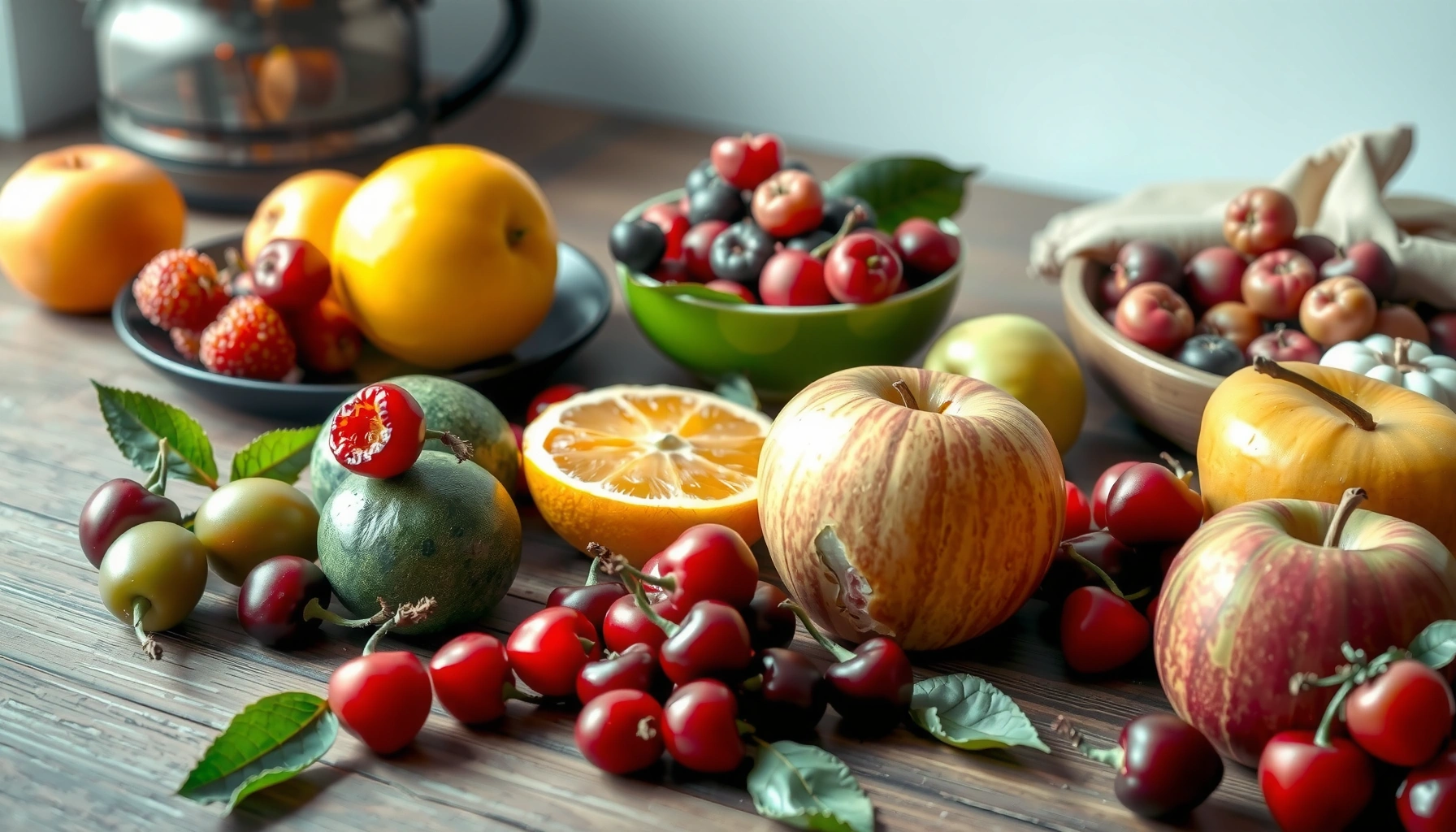

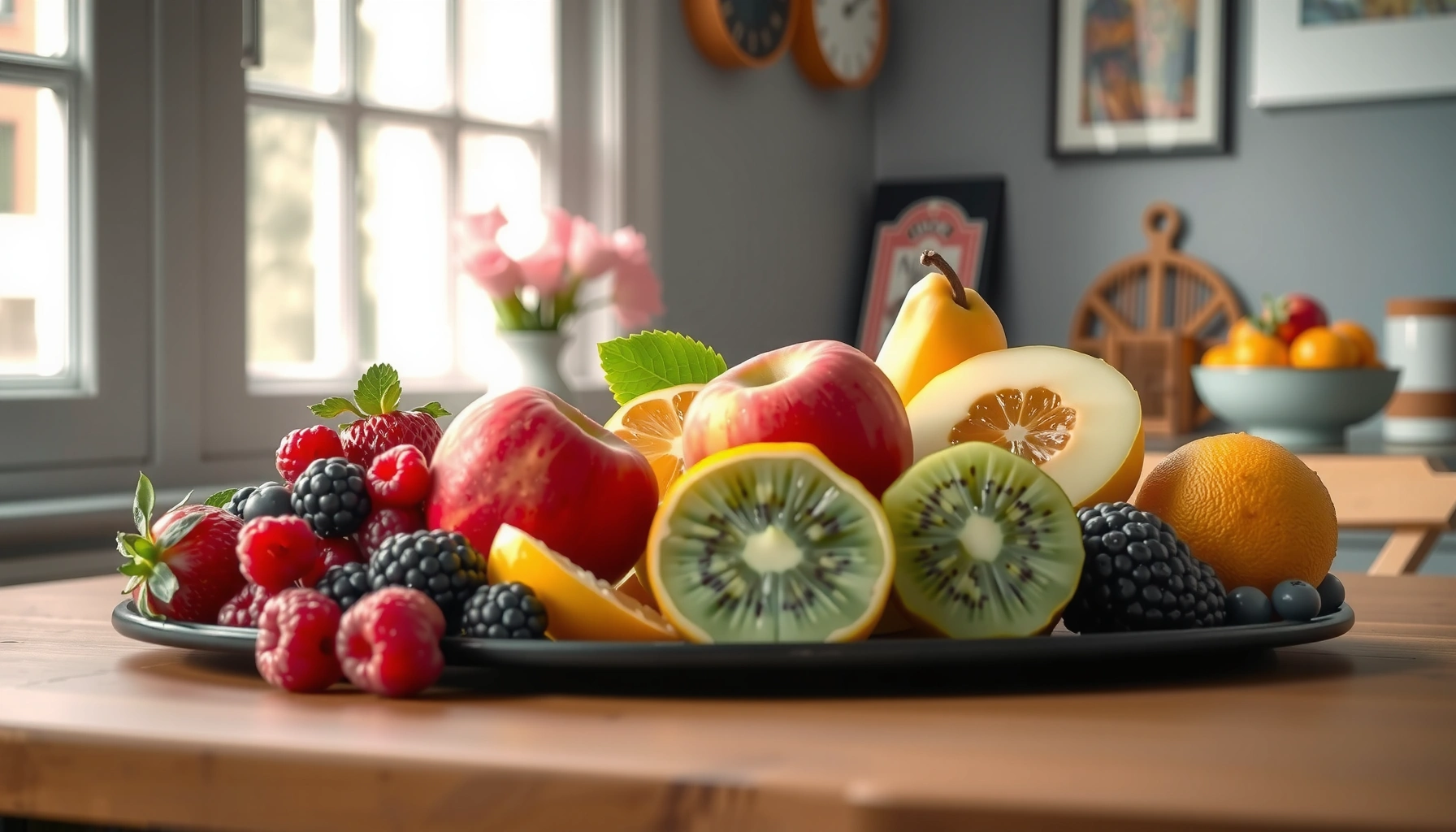
The best fruits for diabetes are those with a low Glycemic Index (GI) and high fiber content, specifically berries, citrus fruits, tart cherries, and apples. These options allow you to enjoy sweet flavors and essential nutrients without causing dangerous spikes in your blood sugar levels. While most fresh fruits are healthy in moderation, focusing on these fiber-rich choices is the most effective strategy for managing glucose. Navigating nutrition when you have diabetes can often feel like walking a tightrope, especially when it comes to sugar. However, fruit is not the enemy! In fact, it is a vital part of a balanced diet, providing vitamins, minerals, and hydration that your body craves. By choosing the right types and understanding how they interact with your body, you can turn fruit from a “forbidden food” into a powerful ally for your health.




Understanding the Glycemic Index and Fiber

To truly master your diet, it helps to understand the science behind how food affects your blood sugar. This is where the Glycemic Index (GI) and dietary fiber come into play—think of them as your navigational tools for the produce aisle.
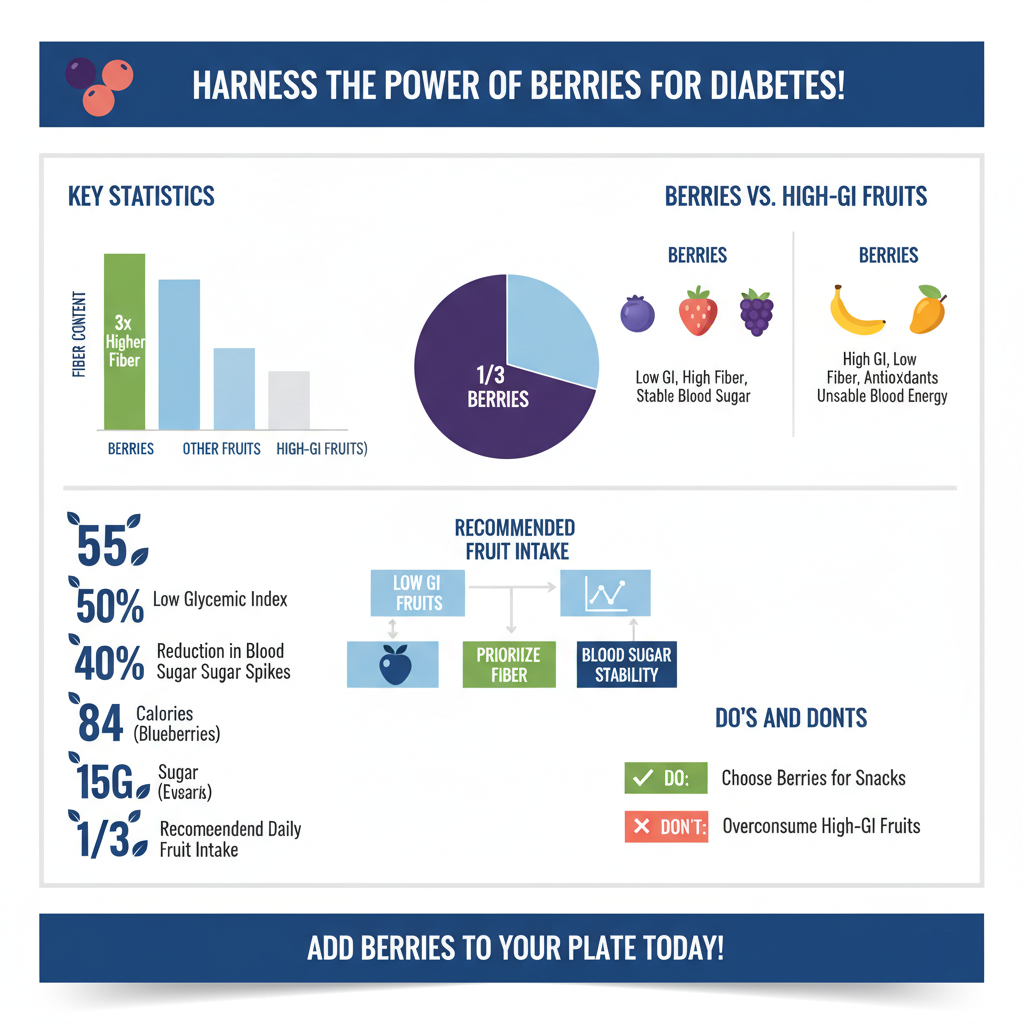
The Glycemic Index (GI) measures how quickly food raises blood sugar, making low-GI fruits safer choices for diabetics. Foods are ranked on a scale of 0 to 100. Foods with a high GI are digested and absorbed rapidly, causing a sharp rise in blood glucose levels—something we want to avoid. Conversely, low-GI foods (typically those with a score of 55 or less) are digested more slowly, leading to a gradual, more manageable rise in sugar. By prioritizing fruits that fall on the lower end of this spectrum, you help keep your energy stable and your insulin response under control.
However, the GI score is only half the battle; the texture and composition of the fruit matter immensely. This is where fiber steps in. Fiber plays a crucial role by slowing down the absorption of sugar into the bloodstream, preventing rapid spikes. Imagine fiber as a frantic traffic controller, regulating the speed at which sugar enters your system. Without it, sugar rushes in all at once; with it, sugar enters in a slow, steady stream. For people with diabetes, fiber is arguably the most important nutrient to look for on a nutrition label. It doesn’t just help with immediate blood sugar control; high-fiber diets are also linked to better heart health and weight management, both of which are critical for long-term diabetes care.
Berries Are a Top Superfood Choice
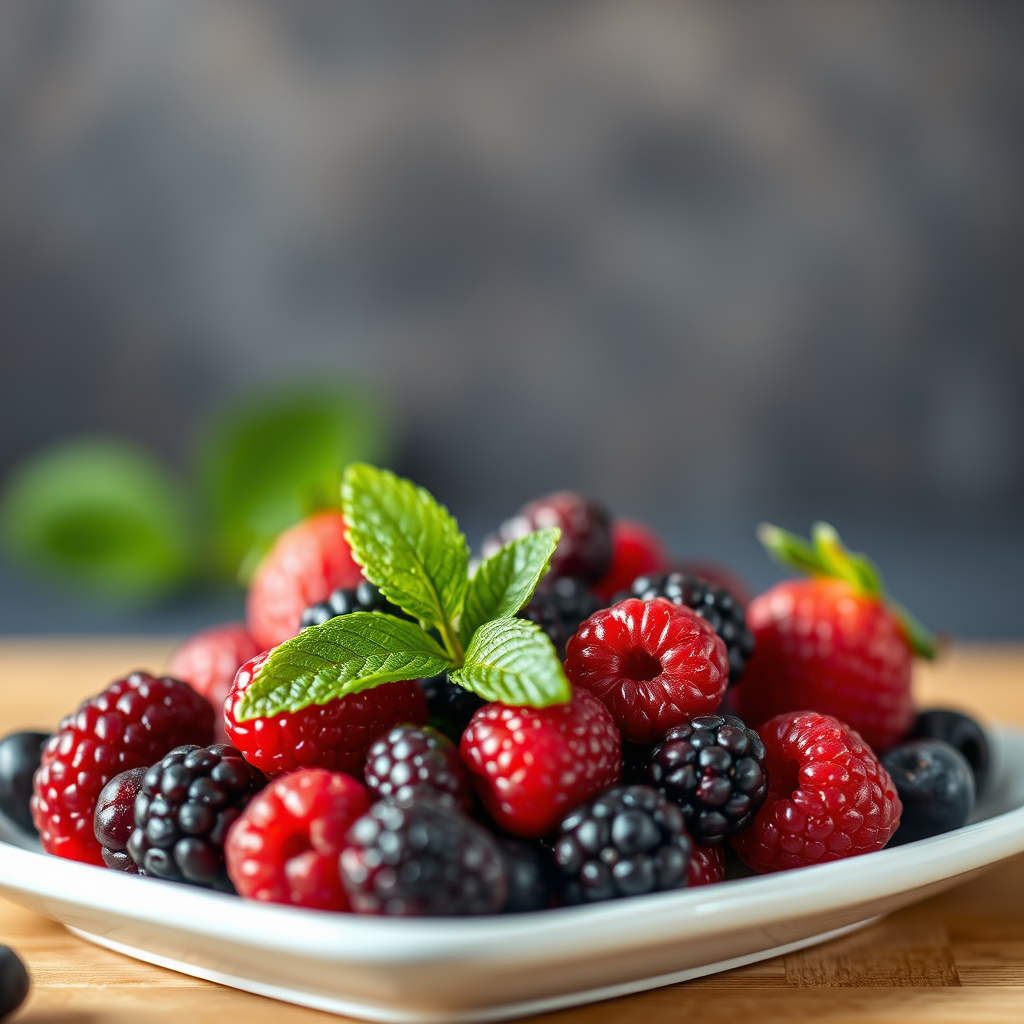
If there were a crown for the most diabetes-friendly fruit category, berries would undoubtedly wear it. They are widely considered a “superfood” by nutritionists and endocrinologists alike, and for good reason.
Blueberries, strawberries, and blackberries are packed with antioxidants and vitamins while being naturally low in sugar. Specifically, they are rich in anthocyanins, the compounds that give them their deep red, blue, and purple hues. Studies suggest that anthocyanins may actually improve insulin sensitivity and glucose metabolism. Furthermore, strawberries are an incredible source of Vitamin C—often containing more per serving than an orange—which supports immune health.
Beyond their nutritional profile, berries offer a practical advantage: volume. They have a very low glycemic load, meaning you can eat a satisfying portion (about one cup) without impacting glucose levels significantly. Compare a cup of raspberries to a cup of cubed watermelon or a banana; the berries provide a much physically larger snack for fewer carbohydrates. This visual satisfaction is important because it prevents feelings of deprivation. You can sprinkle them over oatmeal, toss them into a salad, or simply eat them by the handful. The tiny seeds in raspberries and blackberries also contribute to an exceptionally high fiber count, making them one of the smartest carbohydrate choices you can make.
Citrus Fruits for Soluble Fiber
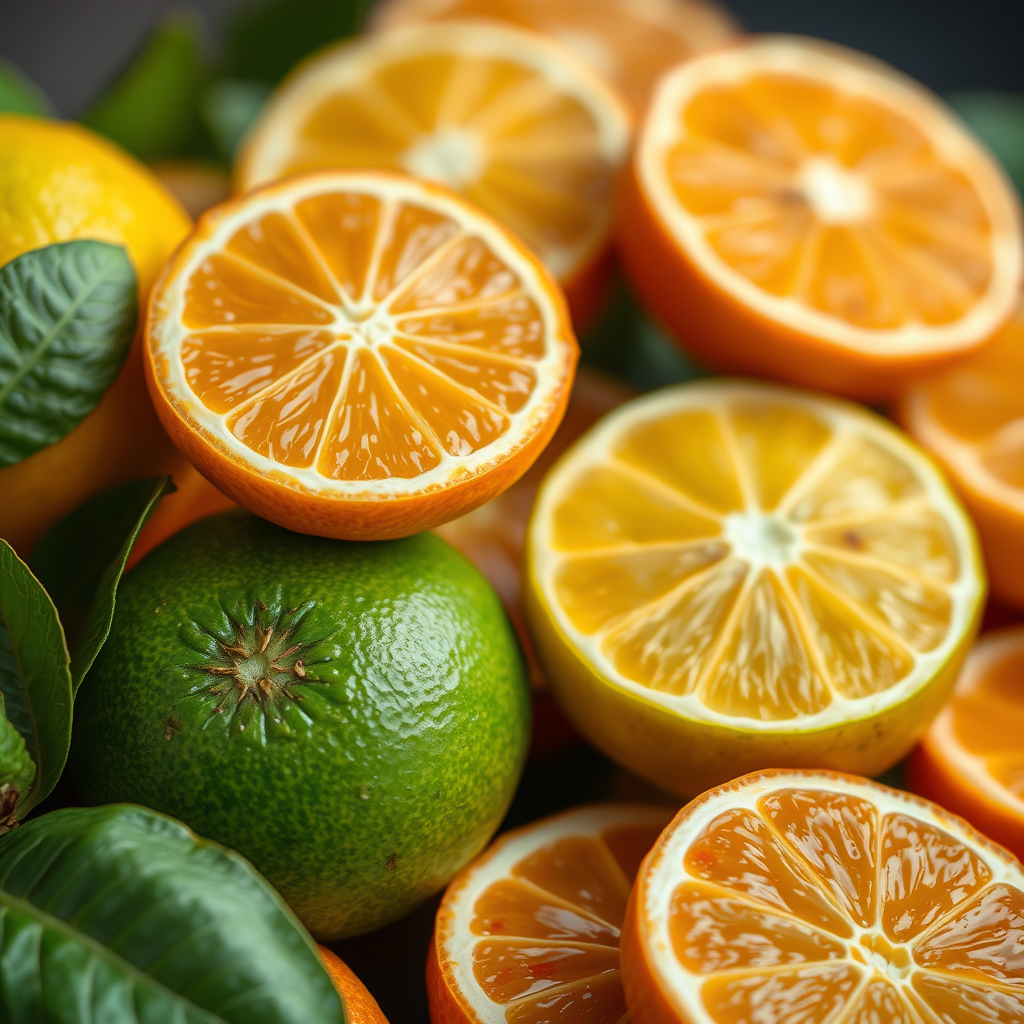
Citrus fruits are synonymous with sunshine and Vitamin C, but for someone managing diabetes, their secret weapon is actually their fiber content.
Oranges, grapefruits, and lemons contain high amounts of soluble fiber, which helps improve insulin sensitivity. Soluble fiber differs from insoluble fiber (roughage) in that it dissolves in water to form a gel-like substance in your gut. This “gel” traps sugar and slows down its digestion. Research indicates that regular consumption of soluble fiber can lead to better glycemic control and lowered cholesterol levels. Grapefruit, in particular, is often celebrated for its association with weight loss and improved insulin resistance, though it is vital to check with your doctor if you are on statins or other medications, as grapefruit can interact with them.
However, there is a very important rule when it comes to this category: eat the fruit, don’t drink it. It is essential to eat the whole fruit rather than drinking the juice to get the full fiber benefit and moderate sugar absorption. When you juice an orange, you strip away the pith and pulp—the very parts that contain the fiber needed to regulate the sugar. Without that fiber, orange juice acts almost exactly like a sugary soda in your bloodstream, causing a rapid spike. A small orange provides satiety and steady energy; a glass of orange juice provides a sugar rush and a subsequent crash. Stick to the whole fruit to reap the benefits.
Apples and Pears with the Skin On
The old adage “an apple a day keeps the doctor away” holds a surprising amount of truth, particularly for diabetes management. Apples and pears are readily available, portable, and delicious, making them a staple for a diabetic-friendly pantry.
These fruits are excellent sources of pectin, a type of fiber that helps manage blood sugar levels. Pectin is a specific form of soluble fiber that is highly effective at blunting the glucose response after a meal. Furthermore, apples are rich in quercetin, a flavonoid that may protect against diabetes and heart disease. Pears are equally impressive; a medium-sized pear packs about 6 grams of fiber, which is roughly 24% of the daily recommended value.
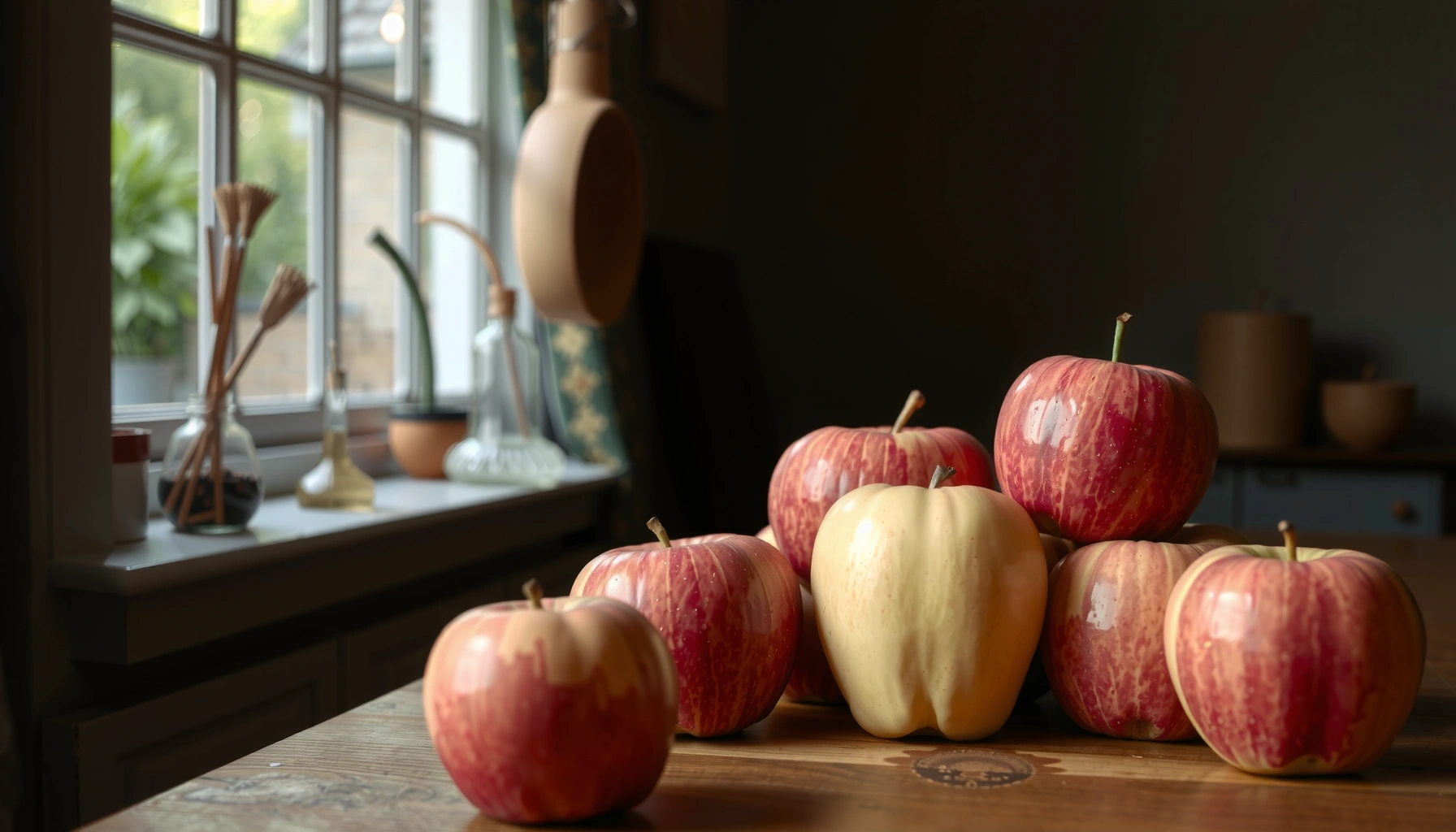
To get these benefits, you must be mindful of how you prepare them. Always eat apples and pears with the peel intact, as this is where the majority of the fiber and micronutrients are located. Peeling an apple removes almost half of its total fiber and much of its antioxidant power. The skin also adds a satisfying “crunch” and chewiness to the fruit. This texture requires you to eat slower, which gives your body more time to register fullness signals, preventing overeating. Whether you choose a tart Granny Smith (which tends to be lower in sugar) or a sweet Gala, keeping the skin on is the golden rule.
Stone Fruits and Tart Cherries
Summer brings a bounty of stone fruits—so named for the large “stone” or pit in the center. While some people fear these sweet treats, they can absolutely be part of a healthy diet if chosen correctly.
Fresh peaches, plums, and apricots are healthy options, provided they are eaten fresh and not canned in sugary syrups. A medium fresh peach has a GI of around 42, which is considered low. These fruits provide vitamins A and C, as well as potassium and fiber. Nectarines are another great choice in this family. The danger usually lies in processed versions. Canned peaches or apricots are often swimming in heavy syrup, which is essentially concentrated sugar water. This transforms a healthy snack into a dessert that can wreck your blood sugar targets. If you must buy canned, always look for “packed in water” or “packed in its own juice” on the label.
Within this category, cherries deserve a special mention. Tart cherries are specifically noted for fighting inflammation and having a lower GI compared to sweeter cherry varieties. While sweet Bing cherries are delicious, they can be higher in sugar. Tart cherries (often found frozen or dried without added sugar) contain high levels of melatonin and anti-inflammatory compounds that may help with joint pain and sleep quality—common concerns for many adults. Their lower glycemic impact makes them a superior choice for strictly managing glucose.
How to Pair Fruits for Better Blood Sugar
Even when choosing the “best” fruits, how you eat them matters just as much as what you eat. Eating carbohydrates alone—even healthy ones—can sometimes lead to a quicker rise in blood sugar. The solution lies in strategic food pairing.
Combine fruits with a source of protein or healthy fat, such as Greek yogurt, nuts, or cheese, to further slow down sugar absorption. Think of protein and fat as “clothing” for your carbohydrates. When you dress your carbs with protein and fat, they digest much slower. For example, instead of just eating an apple, slice it up and dip it in natural peanut butter. Instead of a bowl of plain grapes, have a small handful of almonds alongside them. The fat and protein act as a buffer, ensuring that the sugar from the fruit enters your bloodstream at a trickle rather than a flood.
Finally, volume control is key. Pay close attention to portion sizes, aiming for one small piece of whole fruit or a half-cup of cut fruit per serving. It is easy to mindlessly eat a large bowl of cherries or a massive fruit salad. A good rule of thumb is the “tennis ball” rule: a serving of fruit should be about the size of a tennis ball. If you are having dried fruit (which is much more concentrated in sugar), the serving size shrinks to about two tablespoons. By combining portion control with smart pairing strategies, you can enjoy the sweetness of fruit without the stress of high readings.
Incorporating low-GI fruits like berries, apples, and citrus into your diet is a delicious way to manage diabetes without sacrificing flavor. It is a common misconception that a diabetes diagnosis means the end of sweet treats; in reality, nature provides plenty of options that heal rather than harm. By understanding the Glycemic Index and prioritizing fiber, you can make informed choices in the produce aisle. Remember to prioritize whole, fresh fruits over juices or dried varieties, and always pair them with protein for the best results. Every body is unique, so consult with your dietitian to create a personalized meal plan that keeps your blood sugar levels stable while allowing you to enjoy nature’s candy. With a little knowledge and planning, fruit can remain a joyful part of your daily life.
Frequently Asked Questions
Which low-glycemic fruits are best for managing diabetes?
The best fruits for diabetes have a low Glycemic Index (GI), meaning they digest slowly and prevent rapid blood sugar spikes. Berries—such as strawberries, blueberries, and raspberries—are top choices because they are packed with antioxidants and fiber. Other excellent options include tart cherries, citrus fruits like grapefruits, and apples or pears consumed with the skin on for maximum fiber content.
Can people with diabetes eat high-sugar fruits like bananas or mangoes?
Yes, people with diabetes can enjoy sweeter fruits like bananas and mangoes, but portion control and preparation are key. It is best to choose under-ripe bananas, which contain more resistant starch, and to stick to smaller serving sizes to manage carbohydrate intake. To minimize blood glucose fluctuation, try pairing these fruits with a source of protein or healthy fat, such as Greek yogurt or a handful of nuts.
Why is eating whole fruit better than drinking fruit juice for blood sugar control?
Whole fruits contain essential dietary fiber, which helps slow down the absorption of sugar into the bloodstream and keeps you feeling full longer. Fruit juice, conversely, removes this fiber and concentrates the sugar, leading to rapid and dangerous spikes in blood glucose levels. For optimal diabetes management, nutritionists almost always recommend eating the fruit itself rather than drinking the liquid.
How does the fiber in fruit help regulate insulin and blood sugar levels?
Dietary fiber acts as a natural brake system for your digestion, ensuring that the natural sugars in fruit are released into the bloodstream gradually rather than all at once. This slow release reduces the demand on insulin and helps maintain stable blood sugar levels throughout the day. Focusing on high-fiber fruits is one of the most effective dietary strategies for managing Type 2 diabetes.
How many servings of fruit should a diabetic eat per day to stay healthy?
While individual needs vary, most health guidelines suggest that people with diabetes consume two to three servings of fruit per day as part of a balanced diet. A standard serving size is typically one small piece of whole fruit, like an apple, or half a cup of berries or cut fruit. It is also beneficial to space these servings out throughout the day rather than eating them all at once to prevent glycemic load overload.
References
- Diabetes diet: Should I avoid sweet fruits? – Mayo Clinic
- Best Fruit Choices for Diabetes | ADA
- https://health.clevelandclinic.org/best-fruit-for-diabetes
- Fruit, vegetables and diabetes | Eating with diabetes | Diabetes UK
- Healthy Living with Diabetes – NIDDK
- Vegetables and Fruits • The Nutrition Source
- Healthy Eating | Diabetes | CDC
- https://www.hopkinsmedicine.org/health/conditions-and-diseases/diabetes/diabetes-diet-create-your-healthy-eating-plan




Pingback: Best Fruits to Eat for Diabetics: Smart Choices - Best For Diabetics
Pingback: Best Fruit Juice for Diabetes: Your Essential Guide - Best For Diabetics
Pingback: Best Diabetic Vegetables for Blood Sugar Management - Best For Diabetics
Pingback: **Best Oils for Diabetics: A Guide to Healthy Choices** - Best For Diabetics
Pingback: Best Juice Drinks for Diabetics - Best For Diabetics
Pingback: Best Diet for Diabetes: What to Know - Best For Diabetics
Pingback: Best Diabetic Protein Drinks: Top Choices - Best For Diabetics
Pingback: Best Crackers for Diabetics: Healthy Picks - Best For Diabetics
Pingback: Best Cooking Oil for Diabetics: Healthy Choices - Best For Diabetics