

The best food for diabetes centers on nutrient-dense, low-glycemic options like leafy green vegetables, fatty fish, beans, and whole grains that help stabilize glucose levels. By prioritizing fiber-rich plant foods and healthy fats while minimizing processed sugars, you can effectively manage insulin sensitivity and reduce the risk of complications without sacrificing flavor. Navigating the grocery store aisles when you are managing diabetes or pre-diabetes can often feel like walking through a minefield. However, shifting your perspective from “restriction” to “nutrition” opens up a world of delicious possibilities. It isn’t just about cutting things out; it’s about crowding out the less helpful foods with ingredients that actively fight inflammation, protect your heart, and provide a slow, steady burn of energy. Understanding which foods act as medicine for your metabolism is the first step toward feeling your best every day.




Leafy Green Vegetables
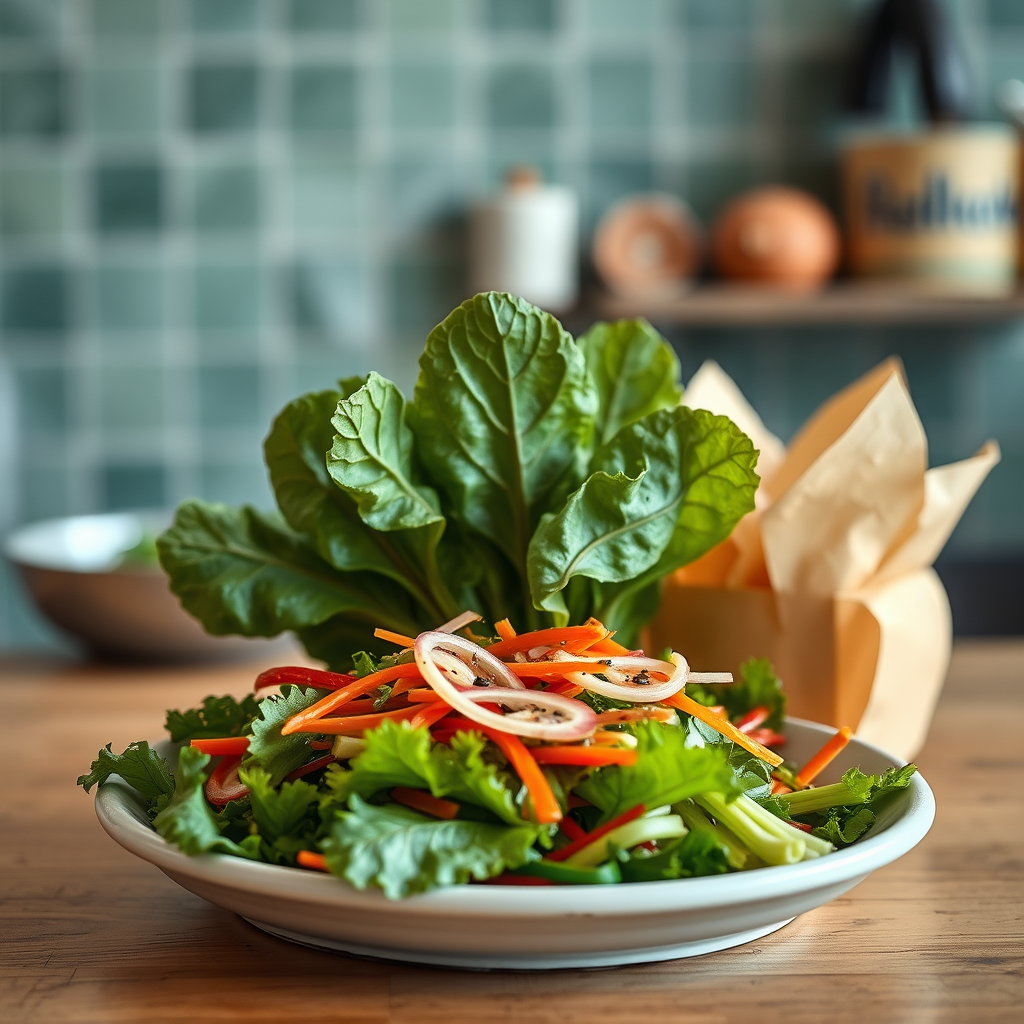
When it comes to managing blood sugar, leafy green vegetables are essentially free agents—you can enjoy them in abundance without worrying about a glucose spike. Focus on spinach, kale, and collard greens, which are extremely low in calories and digestible carbohydrates but high in essential vitamins like Vitamin C. For people with diabetes, Vitamin C acts as a potent antioxidant and also plays a crucial role in wound healing and immune function, which can sometimes be compromised by chronically high blood sugar.
Beyond the basic nutritional stats, these greens are powerhouses for long-term health. You should aim to incorporate these greens into every meal to boost antioxidant intake, which helps reduce inflammation associated with high blood sugar. Chronic inflammation is a silent driver of many diabetes complications, including heart disease and macular degeneration. Leafy greens contain specific antioxidants like lutein and zeaxanthin that are particularly beneficial for protecting eye health.
Trying to get more greens into your diet doesn’t have to mean eating a plain salad every day. You can sauté spinach with a little garlic and olive oil for a quick side dish, massage kale with lemon juice to soften it for a raw salad, or sneak a handful of mild-tasting spinach into a morning protein smoothie. The fiber in these vegetables also acts as a physical barrier in the digestive system, slowing down the absorption of any other carbohydrates you might be eating in the same meal, making them the perfect “starter” for any dinner.
Fatty Fish
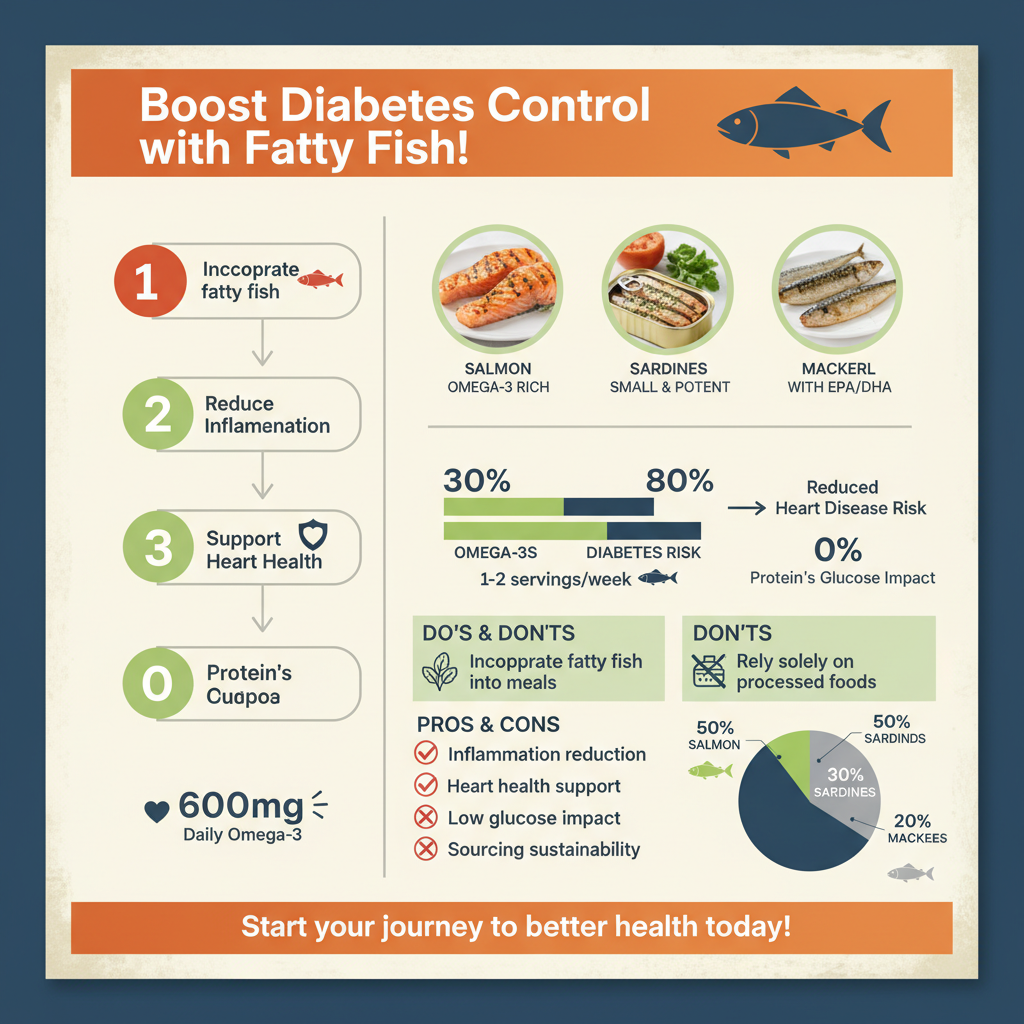

Protein is essential for diabetes management because it has a negligible effect on blood glucose levels compared to carbohydrates, and among protein sources, fatty fish reigns supreme. Choose fish rich in omega-3 fatty acids, such as salmon, sardines, anchovies, and mackerel, to protect heart health and reduce inflammation. Individuals with diabetes have a statistically higher risk of heart disease and stroke, making the cardiovascular benefits of omega-3s incredibly valuable. These healthy fats help lower triglycerides and raise HDL (the “good” cholesterol), improving your overall lipid profile.
To get the maximum benefit, aim to eat fatty fish at least twice a week as a high-quality protein source that does not spike blood sugar levels. Preparation matters here; deep-frying fish can add unnecessary inflammatory fats and breading that adds carbs. Instead, try grilling salmon with fresh herbs and lemon, baking mackerel with a mustard glaze, or tossing tinned sardines into a pasta sauce or salad.
If you aren’t a fan of the stronger-tasting fish like anchovies, starting with mild salmon or trout is a great way to ease into it. Aside from the healthy fats, these fish are excellent sources of Vitamin D. Emerging research suggests that good Vitamin D levels may improve the function of insulin-producing cells in the body. By making fish a staple in your weekly rotation, you are supporting your heart, your brain, and your blood sugar simultaneously.
Beans, Legumes, and Whole Grains
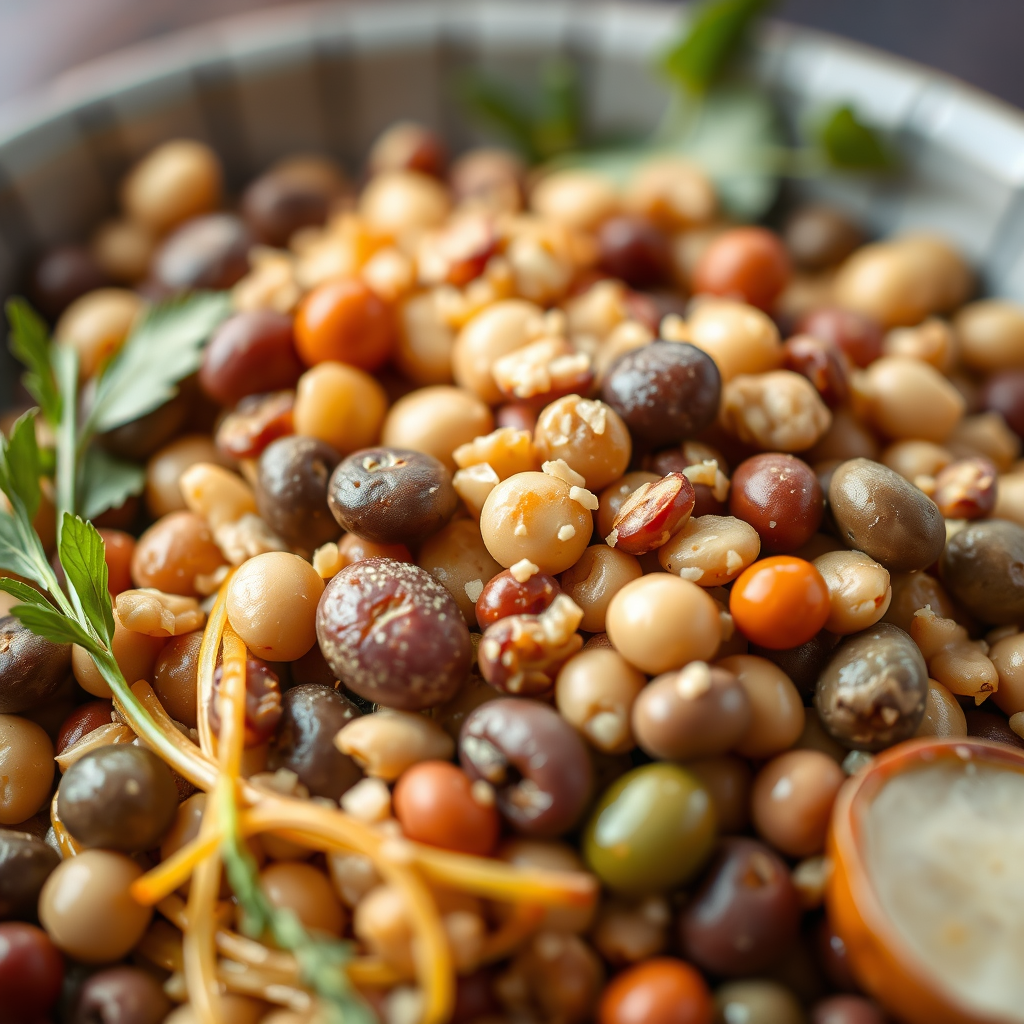
Carbohydrates are often demonized in diabetes discussions, but quality matters far more than quantity. Prioritize beans and lentils, which provide significant amounts of fiber and plant-based protein to slow down digestion and prevent sugar spikes. Legumes like kidney beans, pinto beans, black beans, and chickpeas have a very low glycemic index. This is due to their complex carbohydrate structure and high soluble fiber content, which creates a gel-like substance in the gut that slows the breakdown of food into glucose.
Similarly, when choosing grains, select whole grains like quinoa, brown rice, and oats over refined white grains to ensure a steady release of energy throughout the day. Refined white flour and white rice have been stripped of their bran and germ—the parts containing the fiber and nutrients—leaving only the starchy endosperm that digests rapidly into sugar. Whole grains keep the entire kernel intact.
For example, swapping your morning sugary cereal for steel-cut oats can make a massive difference in your mid-morning blood sugar readings. Quinoa is particularly special because it is a complete protein, meaning it contains all nine essential amino acids, making it a fantastic base for lunch bowls. However, portion control is still key. Even though these are “good” carbs, they still impact blood sugar, so pairing them with healthy fats and proteins is the best strategy. Think of a black bean chili with avocado or a quinoa salad with grilled chicken.
Berries and Citrus Fruits
Many people assume that a diabetes diagnosis means the end of eating fruit because of the sugar content. This is a myth! You simply need to choose fruits with a lower glycemic load. Opt for strawberries, blueberries, and raspberries, which are packed with antioxidants and fiber while having a lower glycemic load than many other fruits like bananas or melons. The pigments that give berries their deep red and blue colors, known as anthocyanins, have been shown to reduce insulin resistance in some studies.
In addition to berries, enjoy citrus fruits like oranges and grapefruits for their vitamin content, eating the whole fruit rather than drinking juice to maximize fiber intake. This distinction is critical. When you drink orange juice, you are consuming the sugar of several oranges instantly, without the fiber to slow it down, leading to a rapid spike. When you eat the whole orange, the fibrous membranes slow digestion and keep you full.
Berries and citrus can satisfy a sweet tooth naturally. A dessert of fresh raspberries with a dollop of whipped cream (without sugar) feels indulgent but is actually quite blood-sugar-friendly. You can also toss blueberries into your oatmeal or use grapefruit segments in a savory salad with walnuts and greens. These fruits provide essential vitamins and hydration without derailing your glucose management goals.
Healthy Fats from Nuts and Avocados
Fat is a macronutrient that does not stimulate insulin secretion, making it a safe and satiating addition to a diabetic diet. Snack on walnuts, almonds, and flaxseeds to improve blood sugar control and lower bad cholesterol levels. Walnuts, in particular, are rich in Alpha-Lipoic Acid (ALA), a plant-based omega-3 fatty acid that supports heart health. Research has shown that regular nut consumption is linked to lower risks of cardiovascular disease in people with type 2 diabetes.
Furthermore, add avocados to meals for their monounsaturated fats, which add satiety and help slow the absorption of carbohydrates. If you eat a piece of toast, your blood sugar might rise quickly. If you top that toast with smashed avocado, the fat content slows down the digestive process, resulting in a gentler, more manageable rise in glucose.
Nuts and avocados are calorie-dense, so mindfulness is helpful. A small handful of almonds or a quarter of an avocado is usually sufficient to get the benefits. Try sprinkling flaxseeds or chia seeds over your yogurt or salads. These tiny seeds are fiber giants and help manage hunger hormones, keeping you from reaching for processed snacks between meals.
Greek Yogurt and Dairy
Dairy can be a great part of a diabetes-friendly diet, provided you choose the right kind. Select plain, non-fat, or low-fat Greek yogurt, which is high in protein and probiotics that may benefit gut health and glucose metabolism. Greek yogurt is strained to remove the liquid whey, which results in a product that is thicker, creamier, and significantly higher in protein and lower in carbohydrates than regular yogurt. The high protein content helps stabilize blood sugar and keeps you feeling full for hours.
However, the dairy aisle is tricky. Avoid sweetened yogurts and dairy products with added sugars that can cause rapid increases in blood glucose. Many “fruit-on-the-bottom” yogurts contain as much sugar as a candy bar. Always buy plain yogurt and sweeten it yourself with fresh berries or a sprinkle of cinnamon. Cinnamon, incidentally, has been shown in some studies to improve insulin sensitivity, making it a perfect partner for yogurt.
Probiotics found in fermented dairy like yogurt and kefir support a healthy gut microbiome. Emerging science indicates a strong link between gut health and how our bodies manage blood sugar. By incorporating a daily serving of Greek yogurt, perhaps as a breakfast base or a substitute for sour cream on tacos, you are supporting your metabolism from the inside out.
Managing diabetes effectively requires a consistent focus on whole, unprocessed foods that provide steady energy and essential nutrients. By building your diet around these fiber-rich vegetables, healthy fats, and lean proteins, you can maintain better blood sugar control and improve your overall health. It is not about perfect adherence to a rigid set of rules, but rather about making better choices more often. Consult with your healthcare provider or a registered dietitian to create a personalized meal plan that fits your specific lifestyle needs, ensuring that your path to wellness is sustainable, enjoyable, and delicious.
Frequently Asked Questions
What are the best breakfast foods for someone with type 2 diabetes?
The best breakfast options for type 2 diabetes focus on high-protein and high-fiber foods that prevent morning blood sugar spikes. excellent choices include steel-cut oatmeal topped with berries, Greek yogurt with nuts, or eggs combined with sautéed vegetables and avocado. These foods have a low glycemic load, keeping you full longer and helping to maintain stable glucose levels throughout the morning.
Which fruits are safe to eat on a diabetic diet?
Most fresh fruits are safe and beneficial for diabetics, particularly those with a low glycemic index (GI) such as berries, tart cherries, apples, and citrus fruits like oranges and grapefruit. The key is to consume whole fruits rather than juices to ensure you get the essential fiber that slows down sugar absorption. Always practice portion control and consider pairing fruit with a protein source, like cheese or nuts, to further minimize blood sugar impact.
How do complex carbohydrates differ from simple carbs in managing diabetes?
Complex carbohydrates, found in whole grains, legumes, and vegetables, take longer for the body to digest, resulting in a slower and more gradual release of glucose into the bloodstream. Unlike simple carbs (found in white bread, sugary soda, and pastries) that cause rapid spikes in blood sugar, complex carbs provide sustained energy and improve insulin sensitivity. Prioritizing foods like quinoa, brown rice, and sweet potatoes is essential for long-term blood sugar management.
Why are non-starchy vegetables considered the best food for diabetes?
Non-starchy vegetables are considered a superfood for diabetes because they are low in calories and carbohydrates but packed with vitamins, minerals, and fiber. Vegetables such as spinach, broccoli, kale, peppers, and zucchini can be eaten in larger portions without significantly raising blood sugar levels. Their high fiber content also aids in weight management and heart health, which are crucial factors for those living with diabetes.
What are the best snacks to keep blood sugar stable between meals?
The most effective diabetic-friendly snacks combine healthy fats and protein with a small amount of fiber-rich carbohydrates to prevent hypoglycemia or sugar crashes. Great options include a handful of almonds or walnuts, apple slices with peanut butter, hummus with raw vegetable sticks, or a hard-boiled egg. Snacking smartly helps regulate appetite and keeps insulin levels balanced throughout the day.
References
- Healthy Living with Diabetes – NIDDK
- Diabetes diet: Create your healthy-eating plan – Mayo Clinic
- Healthy Eating | Diabetes | CDC
- Nutrition and Diabetes | ADA
- Simple Steps to Preventing Diabetes • The Nutrition Source
- Treatment for type 2 diabetes – NHS
- https://my.clevelandclinic.org/health/articles/12254-diabetes-diet
- Eating with diabetes | Guide to diabetes | Diabetes UK





Pingback: Best Supplements for Diabetes Management - Best For Diabetics
Pingback: Best Cooking Oils for Diabetes: Healthy Choices - Best For Diabetics
Pingback: Best Probiotics for Diabetes Type 2: Key Strains & Benefits - Best For Diabetics
Pingback: Best Magnesium for Type 2 Diabetes: Forms & Benefits - Best For Diabetics
Pingback: Best Diabetic Desserts: Delicious & Safe Choices - Best For Diabetics