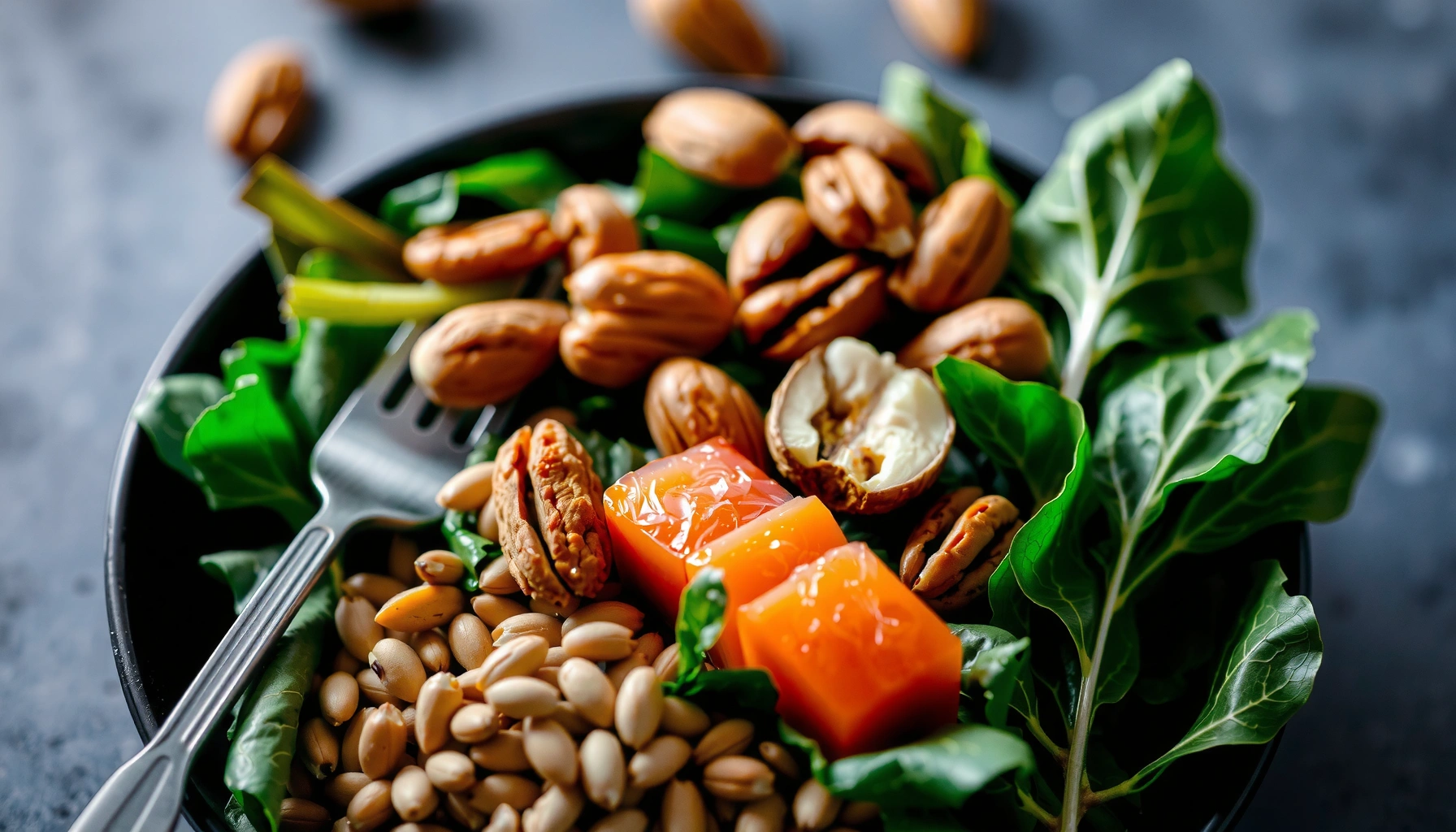

The best diabetic foods are nutrient-dense, low-glycemic options like leafy greens, fatty fish, nuts, and whole grains that help stabilize glucose levels without causing spikes. By focusing on high-fiber vegetables, healthy fats, and lean proteins, you can improve insulin sensitivity and maintain steady energy throughout the day. This guide covers the top food choices recommended for a diabetes-friendly diet. Navigating the grocery store when you are managing diabetes can feel overwhelming, but it doesn’t have to be. The goal isn’t just about restriction; it’s about abundance—filling your plate with foods that work specifically to keep your blood sugar in a safe range while protecting your heart and satisfying your appetite. Let’s dive into the specifics of what you should be eating to feel your best.
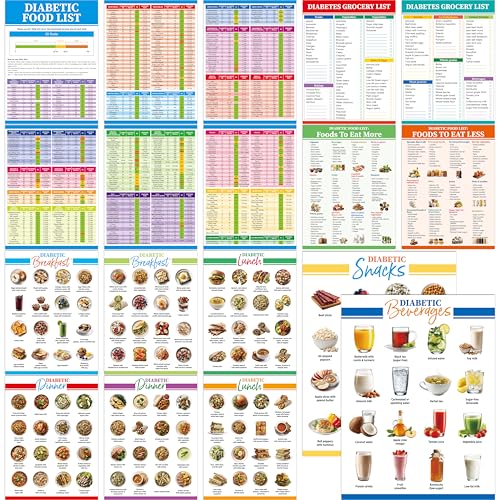



Leafy Green Vegetables
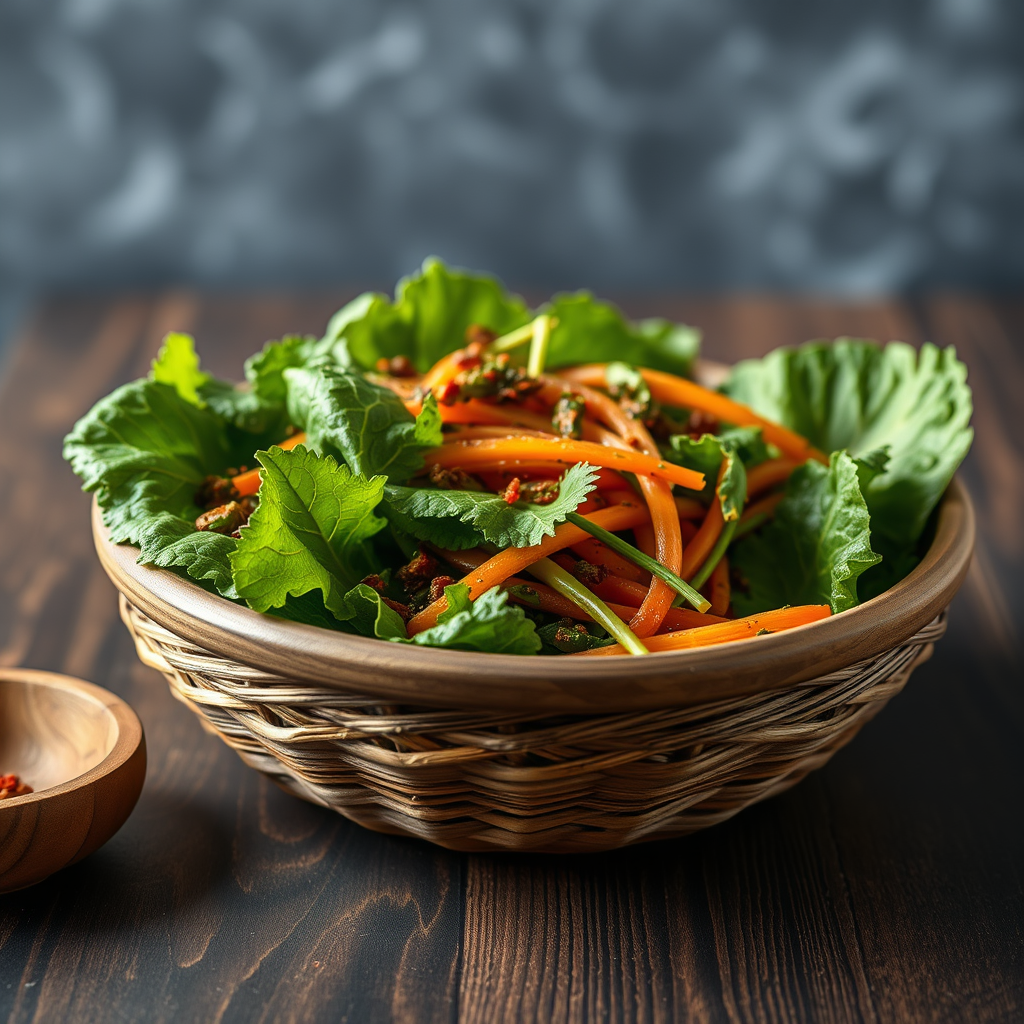
When it comes to building a diabetic-friendly meal, leafy green vegetables are the undisputed champions. You should focus on spinach, kale, collard greens, and Swiss chard because they are incredibly low in digestible carbohydrates and calories. This means you can eat large, satisfying portions without worrying about a significant rise in your blood sugar levels. They are “free foods” in many dietary plans, allowing you to add volume to your plate so you don’t feel deprived.
Beyond just being low-carb, these greens are nutritional powerhouses. It is crucial to highlight their high content of Vitamin C and antioxidants, such as lutein and zeaxanthin. Diabetes is a systemic condition that can lead to oxidative stress and inflammation throughout the body. The antioxidants found in dark leafy greens help reduce cellular inflammation and protect heart health. furthermore, because people with diabetes are at a higher risk for eye complications like cataracts and macular degeneration, the specific nutrients in kale and spinach offer a protective barrier for your vision.
Incorporating these into your diet is easier than you might think. You don’t always have to rely on a cold salad. Try sautéing spinach with garlic and olive oil for a warm side dish, throwing a handful of kale into a morning smoothie (you won’t even taste it!), or using large collard green leaves as a low-carb wrap substitute for sandwiches. By making greens the base of your meals rather than an afterthought, you provide your body with essential magnesium, which has been shown to help improve insulin sensitivity.
Fatty Fish


Protein is essential for stabilizing blood sugar, but the source of that protein matters. You should prioritize fish like salmon, sardines, mackerel, herring, and anchovies that are rich in omega-3 fatty acids. Unlike red meats, which can sometimes be high in saturated fats that negatively impact heart health, fatty fish provides a double benefit: high-quality protein to keep you full and healthy fats to protect your body.
The “healthy fats” in these fish—specifically DHA and EPA—are vital because they reduce inflammation and lower the risk of heart disease and stroke, which are common concerns for diabetics. In fact, statistics show that individuals with diabetes have a higher risk of cardiovascular issues, making heart-healthy food choices non-negotiable. Omega-3s help improve the function of your arteries and can lower triglycerides. Furthermore, protein does not raise blood sugar levels the way carbohydrates do, so a serving of grilled salmon can help slow the absorption of any carbohydrates consumed in the same meal, leading to a flatter glucose curve.
Aim to include fatty fish in your diet at least twice a week. If you aren’t a fan of the “fishy” taste, start with milder options like salmon or trout. Preparation is key here; avoid breading and deep-frying, which adds unnecessary carbs and unhealthy fats. Instead, try baking your fish with lemon and herbs, grilling it for a smoky flavor, or poaching it. For a quick and budget-friendly lunch, canned sardines or salmon mixed with a little Greek yogurt and dill makes for a fantastic, blood-sugar-friendly spread.
Beans and Legumes
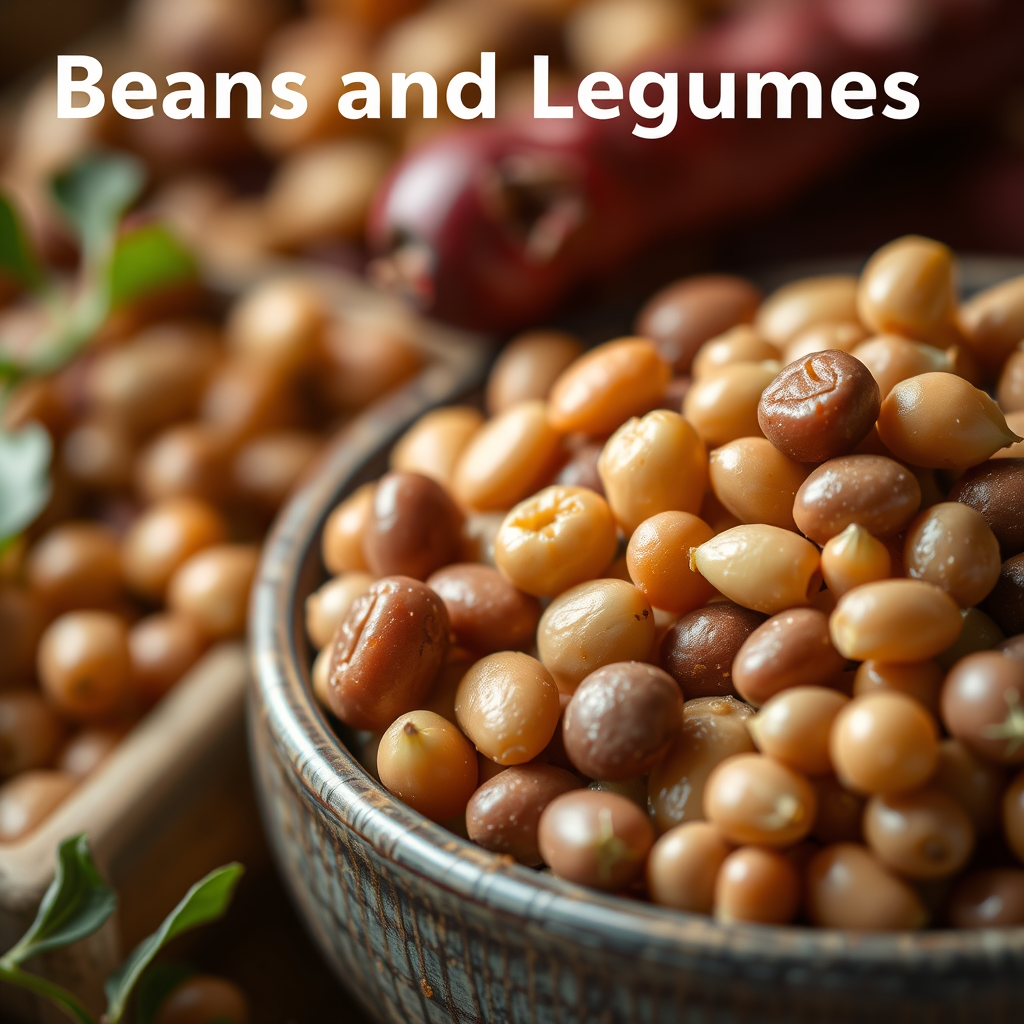
There is often a misconception that people with diabetes should avoid all carbohydrates, but not all carbs are created equal. You should incorporate kidney beans, lentils, black beans, and chickpeas for their excellent source of plant-based protein and high fiber content. These are nature’s superfoods for diabetes management because they offer a unique combination of protein and fiber that you rarely find in other food groups.
It is important to note that the complex carbohydrates in beans have a low glycemic index, resulting in a slower, more manageable rise in blood sugar. While they do contain carbs, the fiber acts like a net, slowing down the digestion process and preventing the rapid spike in glucose that you would get from white rice or pasta. This steady release of energy helps you avoid the “crash” that often follows a high-carb meal. Additionally, regular consumption of legumes has been linked to better long-term glycemic control and lower blood pressure.
If you are using canned beans, be sure to rinse them thoroughly to remove excess sodium, which is important for blood pressure management. Beans are incredibly versatile; they can be added to soups to thicken them without cream, tossed into salads for texture, or even used as a meat substitute in tacos and burgers. Lentils, in particular, cook quickly and don’t require soaking, making them an easy weeknight staple. By replacing some of the refined starches on your plate with a scoop of beans, you are making a simple swap with profound health benefits.
Nuts and Seeds
Snacking can be a tricky area for diabetics, but nuts and seeds offer the perfect solution. We recommend almonds, walnuts, chia seeds, flaxseeds, and pistachios as snacks that curb hunger and improve blood sugar control. These small but mighty foods are packed with fiber, protein, and essential nutrients. Walnuts, for example, are high in Alpha-Lipoic Acid (ALA), a type of plant-based omega-3 that supports heart health.
Emphasize that while they are high in fat, it is healthy fat that aids in reducing insulin levels when consumed in moderation. The fat and fiber combination in nuts slows down the emptying of the stomach, which keeps you feeling fuller for longer. This satiety factor is crucial for weight management—a key component of type 2 diabetes care. Studies have suggested that regular nut consumption can lower HbA1c levels and reduce low-density lipoprotein (LDL), or “bad” cholesterol.
However, because nuts are calorie-dense, portion control is important. A small handful (about one ounce) is usually the perfect amount. You can sprinkle chia or flaxseeds over your morning oatmeal or yogurt to boost the fiber content without altering the flavor. Ground flaxseeds are particularly good because grinding them releases their nutrients for better absorption. Whether you grab a handful of almonds on the go or use almond flour as a low-carb baking substitute, nuts and seeds are essential tools in your dietary toolkit.
Berries and Citrus Fruits
Many people assume fruit is off-limits due to sugar content, but omitting fruit means missing out on vital vitamins and minerals. The key is choosing the right kind. We suggest strawberries, blueberries, raspberries, and blackberries, along with citrus fruits like oranges and grapefruits, as the best fruit options due to their antioxidants and fiber. Berries are loaded with anthocyanins, the pigments that give them their red and blue colors, which have been shown to reduce insulin resistance.
Explain how these fruits satisfy sweet cravings without the massive sugar load found in other fruits like bananas, pineapples, or melons. The glycemic load of berries is very low, meaning they have a minimal impact on blood sugar compared to other sweet treats. Citrus fruits offer a great dose of Vitamin C and soluble fiber, which helps regulate blood glucose. Eating the whole fruit is vital—avoid fruit juices, which strip away the fiber and concentrate the sugar, leading to immediate spikes.
To get the most out of your fruit intake, pair it with a protein or fat source. For example, have a few strawberries with a piece of cheese or mix blueberries into plain Greek yogurt. This pairing further slows the absorption of the fruit’s natural sugars. You can also freeze berries to use as a refreshing, ice-cream-like treat in the summer, or add slices of orange to your spinach salad to help your body absorb the iron from the greens.
Healthy Fats like Avocado and Olive Oil
For years, low-fat diets were the trend, but we now know that healthy fats are a diabetic’s best friend. You should swap saturated fats (like butter or bacon grease) for extra virgin olive oil and avocados to improve glycemic control and lipid profiles. Extra virgin olive oil is a staple of the Mediterranean diet, which is widely considered one of the best eating patterns for diabetes prevention and management. It contains oleic acid, a monounsaturated fat that has been shown to improve triglycerides and HDL (good) cholesterol.
Discuss how adding these fats to meals can slow down digestion and prevent post-meal blood sugar spikes. When you eat a meal that contains carbohydrates, adding a healthy fat slows down how quickly those carbs are broken down into sugar and enter the bloodstream. This buffering effect is incredibly helpful for keeping your numbers within a tight range. Avocados are unique because they are technically a fruit but have almost no sugar and are packed with fiber and healthy fats.
You can easily incorporate these into your daily routine. Use olive oil as the base for your salad dressings rather than buying store-bought versions that often contain hidden sugars. Mash a quarter of an avocado onto whole-grain toast instead of using jam, or slice it onto your eggs in the morning. Even just a drizzle of high-quality olive oil over roasted vegetables can enhance the flavor and the nutrient absorption of the meal. By embracing these fats, you aren’t just making your food taste better; you are creating a metabolic environment that favors stability.
Managing diabetes effectively requires a long-term commitment to eating whole, unprocessed foods that support metabolic health. Start by integrating these nutrient-rich foods into your daily meal planning to see improvements in your blood sugar readings and overall energy. Small changes, like swapping white rice for beans or snacking on almonds instead of chips, accumulate to create massive health victories over time. Remember, you don’t have to overhaul your entire diet overnight. Consult with a registered dietitian to tailor these general recommendations to your specific health needs and lifestyle, ensuring you have a plan that is both effective and enjoyable for years to come.
Frequently Asked Questions
What are the best low-glycemic superfoods to include in a diabetic diet?
The most effective superfoods for diabetes management are those with a low glycemic index, particularly non-starchy leafy greens like spinach and kale, which are packed with vitamins but have minimal impact on blood sugar. Fatty fish such as salmon and mackerel are also essential, providing omega-3 fatty acids that reduce inflammation and protect heart health, a common concern for diabetics. Additionally, incorporating whole grains like quinoa and oats provides necessary fiber that helps regulate glucose absorption throughout the day.
Which fruits are safe for diabetics to eat without spiking blood sugar?
While many people fear fruit due to natural sugars, berries—including strawberries, blueberries, and raspberries—are excellent choices because they are loaded with antioxidants and fiber while being relatively low in sugar. Citrus fruits like oranges and grapefruits are also beneficial as they provide ample Vitamin C and fiber, which slows down sugar absorption into the bloodstream. Generally, it is best to consume whole fruits with the skin on rather than drinking fruit juices to maintain stable glucose levels.
How do complex carbohydrates differ from simple carbs for diabetes management?
Complex carbohydrates, found in foods like beans, lentils, and sweet potatoes, have long molecular chains that take the body longer to break down, resulting in a slow, steady release of energy rather than a dangerous spike. In contrast, simple carbohydrates like white bread, sugary soda, and pastries are digested rapidly, causing immediate surges in blood glucose levels. For optimal diabetes control, focusing on fiber-rich complex carbs is crucial for keeping energy levels stable and hunger in check.
What are the best high-protein snack options for controlling blood sugar between meals?
To prevent blood sugar crashes or spikes between meals, opt for snacks that combine protein with healthy fats, such as a handful of raw almonds or walnuts, which improve glycemic control. Greek yogurt (unsweetened) is another powerful option, offering a high protein count that promotes satiety and reduces the temptation to overeat later. Hard-boiled eggs and hummus with vegetable sticks are also practical, low-carb choices that keep your metabolism steady throughout the day.
Why is soluble fiber considered a crucial component of the best diabetic foods?
Soluble fiber is vital for diabetics because it mixes with water in the gut to form a gel-like substance, which physically slows down the digestion process and the rate at which sugar enters the bloodstream. Foods high in soluble fiber, such as chia seeds, flaxseeds, and legumes, help lower cholesterol levels and improve overall insulin sensitivity. By increasing your intake of these fiber-rich foods, you can manage post-meal blood sugar spikes more effectively and support long-term heart health.
References
- Diabetes diet: Create your healthy-eating plan – Mayo Clinic
- Healthy Living with Diabetes – NIDDK
- Healthy Eating | Diabetes | CDC
- https://diabetes.org/food-nutrition/eating-well
- https://my.clevelandclinic.org/health/articles/12070-diabetes-diet-foods-to-eat-and-avoid
- Diabetic Diet | MedlinePlus
- https://www.hopkinsmedicine.org/health/conditions-and-diseases/diabetes/diabetes-diet
- https://www.diabetes.org.uk/guide-to-diabetes/enjoy-food/what-to-eat-with-diabetes
- Simple Steps to Preventing Diabetes • The Nutrition Source




Pingback: The Best Flours for Diabetics to Bake With - Best For Diabetics
Pingback: Best Diabetic Breakfast Cereals: Top Picks for a Healthy Start - Best For Diabetics
Pingback: Best Breakfast for Diabetes: Healthy & Delicious Options - Best For Diabetics
Pingback: Best Pre-Diabetes Diet: Foods to Eat and Avoid - Best For Diabetics
Pingback: Best Crackers for Diabetics: Healthy Choices Explained - Best For Diabetics
Pingback: Best Chocolate for Diabetics: Your Guide - Best For Diabetics