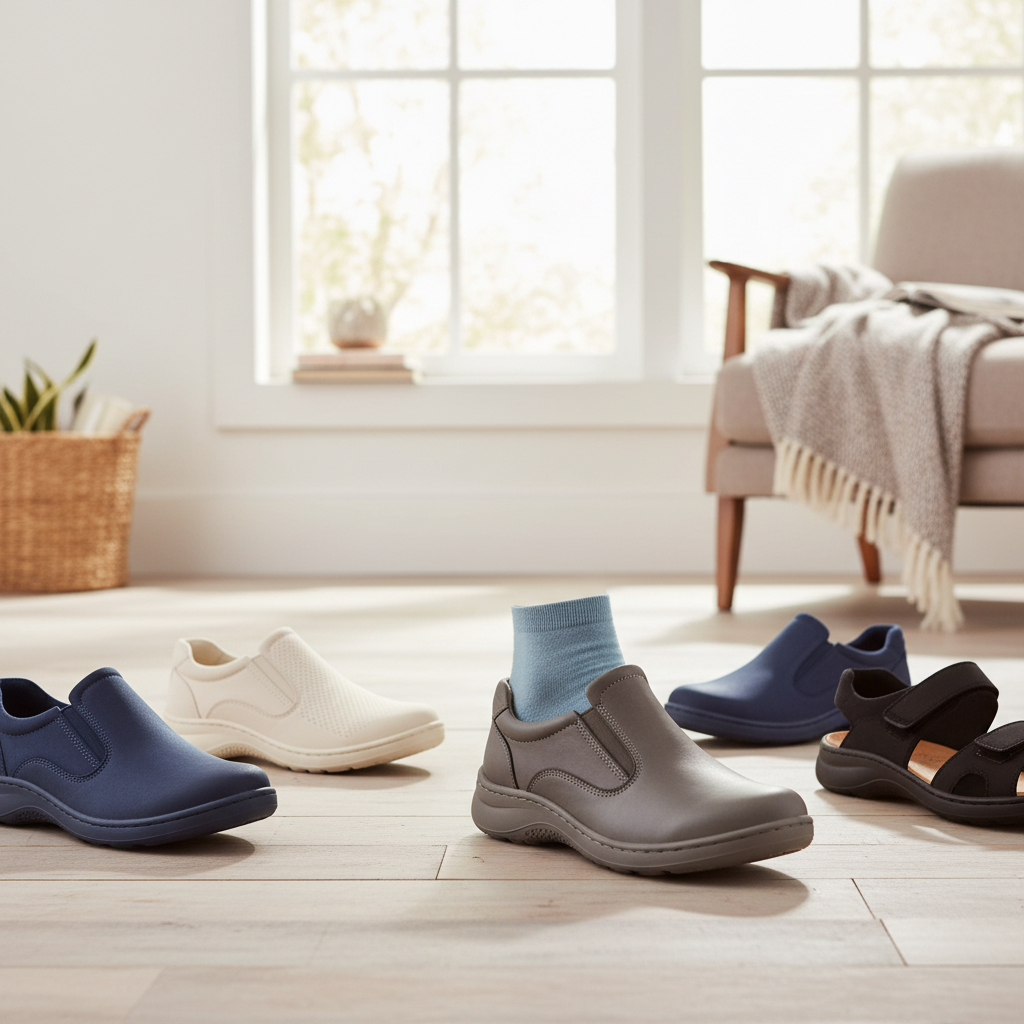

The best shoes for diabetics with neuropathy are those that feature extra depth, a wide toe box, and seamless interiors to eliminate pressure points and reduce the risk of ulcers. Brands like Orthofeet, Dr. Comfort, and New Balance typically offer the superior cushioning, stability, and protective linings required to keep feet safe while maximizing comfort for those with nerve damage. Finding the right pair can feel a bit overwhelming given the choices out there, but knowing exactly what to look for transforms the shopping experience from a chore into an empowering step toward better health. By prioritizing specific protective features, you can stay active and keep your feet pain-free, ensuring that your footwear is working just as hard as you are to manage your diabetes.




Understanding Neuropathy and Foot Health

To choose the right shoes, it helps to understand exactly what we are protecting our feet against. Diabetic peripheral neuropathy is a condition that damages the nerves in your extremities, most commonly the feet. This damage interrupts the communication between your feet and your brain, leading to a loss of sensation. While that might sound manageable at first, it actually makes the feet incredibly vulnerable. If you have full sensation and a pebble falls into your shoe, you stop and shake it out immediately because it hurts. With neuropathy, you might walk on that pebble all day without feeling a thing, leading to a wound you didn’t know existed.
This lack of “pain feedback” is why specialized footwear is not just a luxury—it is a medical necessity. Regular shoes often have narrow tips, rough seams, or flat soles that can rub against the skin. For a diabetic foot, this friction can quickly turn into blisters, calluses, and eventually, diabetic ulcers. Ulcers are notoriously difficult to heal due to poor circulation often associated with diabetes, and they serve as a gateway for serious infections. By wearing shoes specifically engineered to protect the foot from trauma, you are essentially creating a safe environment that prevents these minor unrecognized injuries from becoming major health complications.
Key Features to Look For in Diabetic Shoes
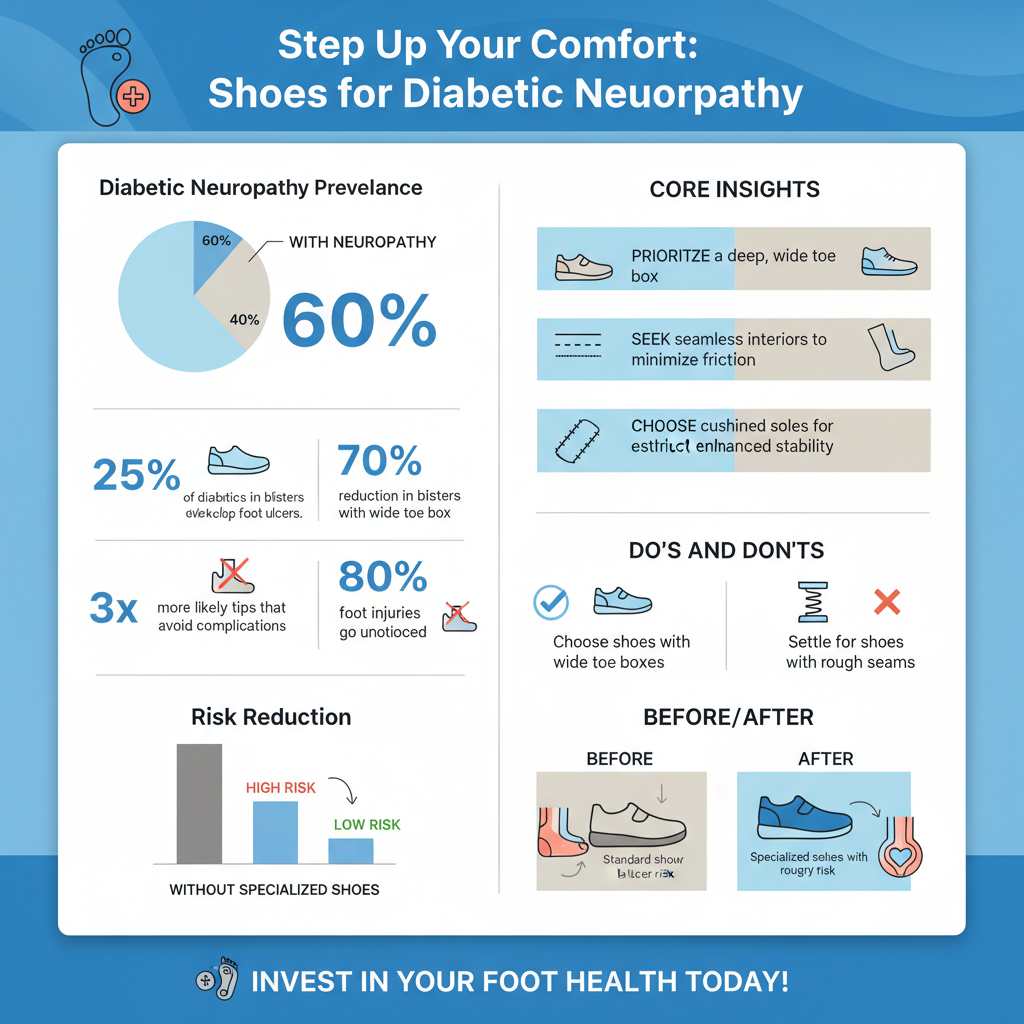
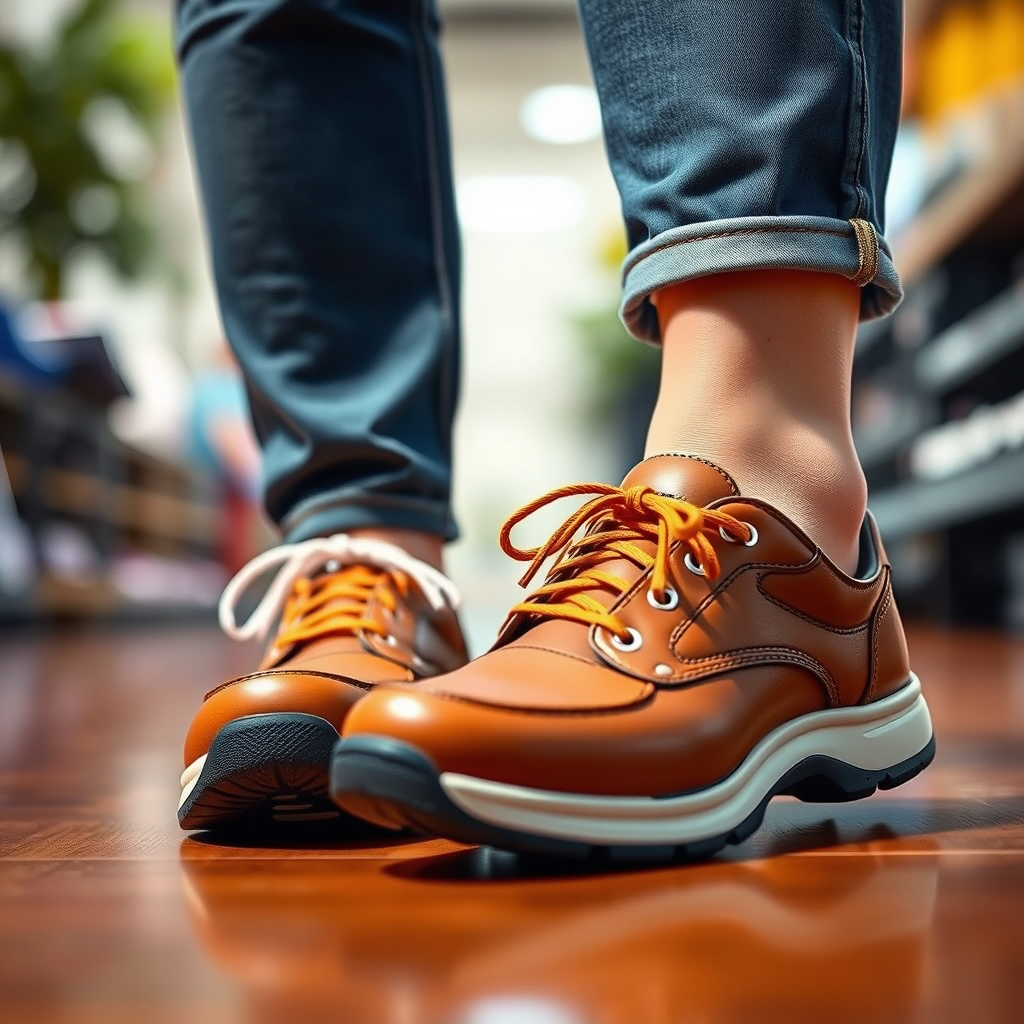
When you are browsing for your next pair of shoes, think of “space” as your best friend. The absolute most critical feature to look for is a deep, wide toe box. Many fashion-forward shoes taper at the end, crowding the toes together. For a diabetic, this crowding restricts circulation and creates friction points between the toes. A wide toe box allows your toes to wiggle freely and rest naturally without overlapping, which drastically reduces the chance of blisters forming.
Equally important is the interior construction of the shoe. You want to look for “seamless” interiors. Run your hand inside the shoe; if you feel ridges, stitching, or rough overlapping materials, put it back on the shelf. Those tiny ridges can act like sandpaper against numbed skin. Furthermore, the upper material of the shoe matters immensely. You should aim for breathable, stretchable materials like soft leathers or high-quality mesh. These materials mold to the unique shape of your foot, accommodating deformities like bunions or hammertoes, and they offer enough give to handle the natural swelling that occurs in your feet throughout the day.
Top Athletic and Walking Shoes
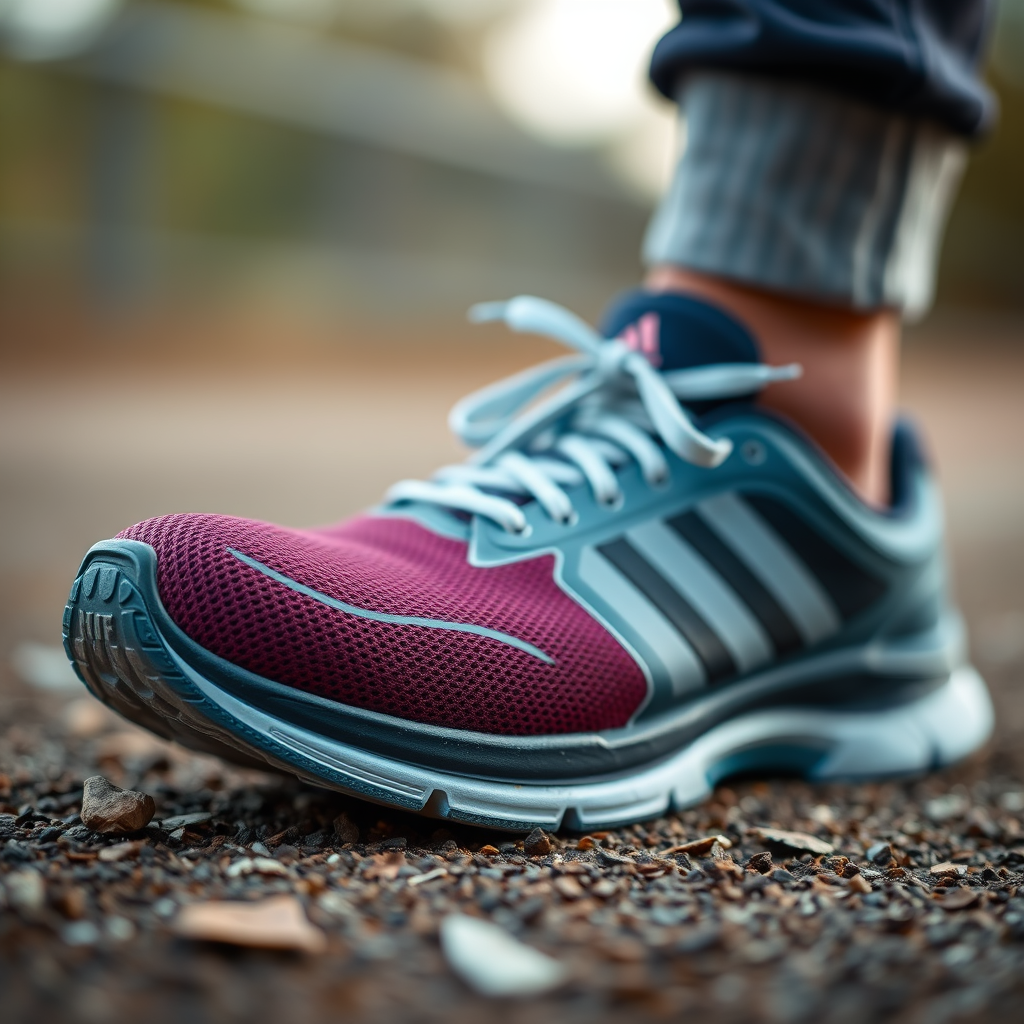
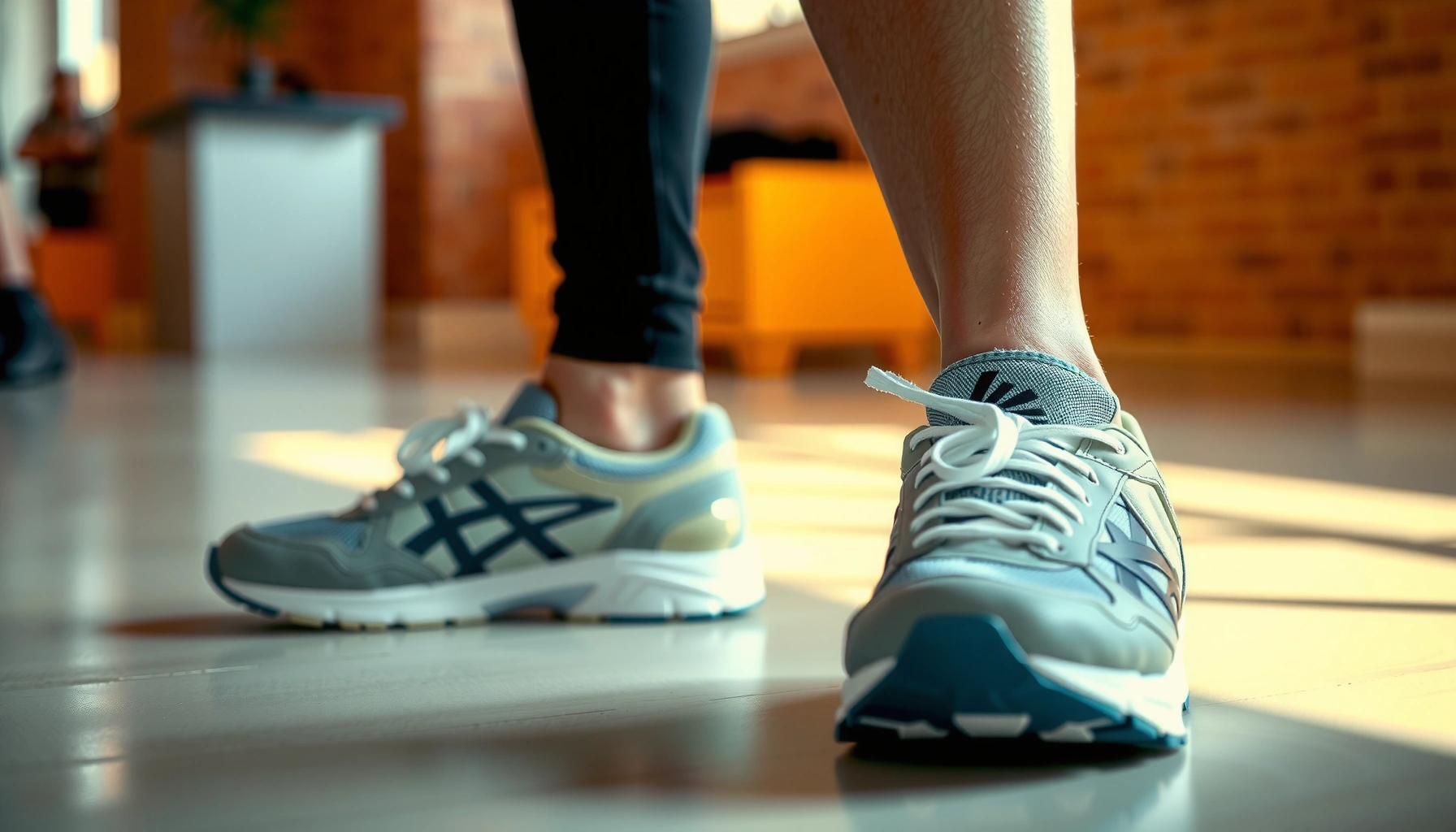
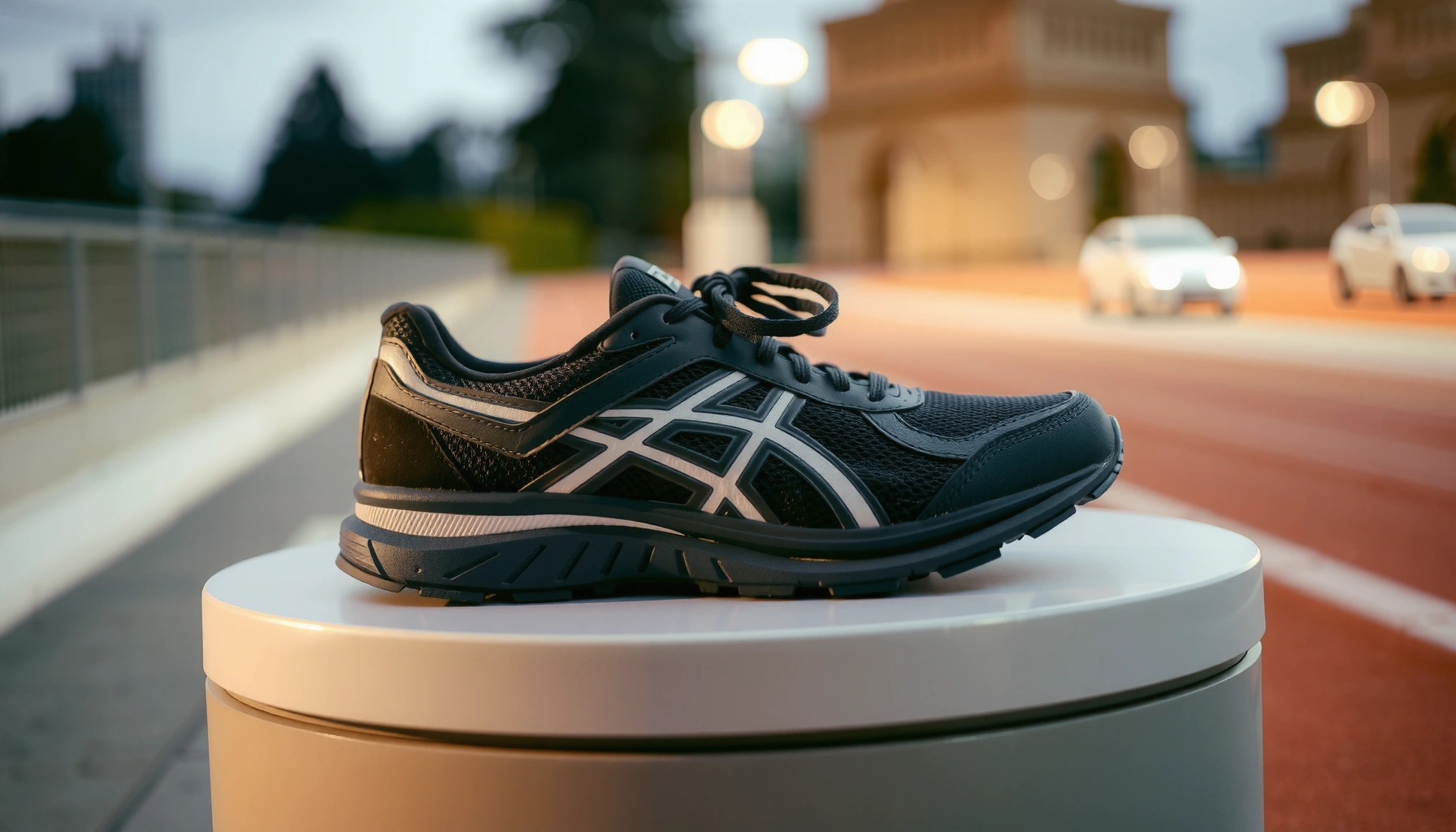
Walking is one of the best exercises for managing blood sugar levels, but you need the right gear to do it safely. The best athletic shoes for diabetics are engineered differently than standard gym shoes. They focus heavily on stability and shock absorption. When you strike the ground, the impact travels up through your foot; good diabetic sneakers utilize advanced cushioning foams to absorb that shock so your bones and tissue don’t have to. This protection is vital for preventing joint damage and reducing fatigue, allowing you to walk longer and more comfortably.
A specific feature found in high-end walking shoes for neuropathy is the “rocker sole.” Instead of a flat bottom, the sole is slightly curved at the heel and toe. This design guides the foot through the natural walking motion, essentially “rocking” you from heel-strike to toe-off. This mechanism significantly reduces pressure on the ball of the foot—a common hot spot for diabetic ulcers—and limits the amount the foot needs to flex, which is helpful if you have stiffness or limited range of motion. Brands known for these features often include specific orthopedic lines from New Balance, Brooks, or Hoka, which provide that “walking on a cloud” feeling while maintaining rigid structural support.
Best Casual and Dress Options
There was a time when “orthopedic” meant “ugly,” but thankfully, those days are largely behind us. Today, you don’t have to compromise on style to keep your feet safe. Many manufacturers now produce casual and dress shoes that look like standard loafers, oxfords, or Mary Janes but conceal a powerhouse of orthopedic support inside. The key here is to look for styles that maintain the wide toe box and deep heel cup found in athletic versions, ensuring that even at a wedding or the office, your toes aren’t being crushed.
One of the best features to look for in casual footwear is an adjustable closure system, specifically Velcro straps or hook-and-loop closures. While laces are standard, they can be difficult to adjust quickly. Diabetic feet can fluctuate in size significantly due to fluid retention (edema). A shoe that fits perfectly in the morning might be dangerously tight by 5:00 PM. Adjustable straps allow you to easily loosen the shoe as the day goes on to maintain blood flow. Additionally, for those who may also suffer from neuropathy in their hands or have reduced dexterity, avoiding the struggle of tying tight laces is a major daily convenience.
The Importance of Orthotics and Insoles
The shoe is the shell, but the insole is the mattress your foot sleeps on. This is why you must look for shoes with removable footbeds. A shoe might look deep enough, but if the liner is glued down, you cannot customize the fit. Removable footbeds allow you to take out the factory insert and replace it with a custom orthotic prescribed by your doctor or a high-quality over-the-counter diabetic insole. This extra depth is non-negotiable for accommodating the bulkier, protective orthotics often required for neuropathy.
Insoles for neuropathy usually feature multi-density construction. This means they often have a soft, forgiving top layer (like Plastazote foam) that molds to the foot to reduce friction, sitting on top of a firmer base layer that provides arch support. This combination is crucial because it redistributes pressure evenly across the entire bottom of the foot. By spreading the weight out, you relieve high-pressure areas that are prone to calluses and breakdown, effectively floating the foot in a protective cradle.
How to Ensure the Perfect Fit
Even the most expensive, feature-rich shoe is dangerous if it doesn’t fit perfectly. A great tip for diabetic shoe shopping is to always go late in the afternoon. Your feet naturally swell and flatten out over the course of the day; a shoe bought at 9:00 AM might be restricting circulation by dinner time. Fitting your shoes when your feet are at their largest ensures you have adequate room around the clock.
While buying online is convenient, I highly recommend getting a professional fitting, ideally by a podiatrist or a certified shoe fitter who specializes in diabetic footwear. They do more than just measure length; they measure width and arch length, and they can spot pressure points you might not feel. They can check for “dead space” where the foot might slide around (causing blisters) or tight spots that restrict blood flow. Remember, with neuropathy, you cannot trust your own feeling of “comfort” completely—you need visual verification and professional measurement to ensure the fit is truly safe.
Selecting the right footwear is a critical part of managing diabetes and protecting your feet from neuropathy-related complications. By prioritizing features like wide toe boxes, seamless designs, and protective cushioning, you can maintain mobility while significantly lowering the risk of injury. Always consult with your podiatrist before making a final purchase to ensure your choice meets your specific medical needs. Taking the time to choose the right shoe today can save you from months of recovery tomorrow, keeping you on your feet and living life to the fullest.
Frequently Asked Questions
What features should I look for in shoes for diabetic neuropathy?
When selecting footwear for neuropathy, prioritize shoes with a deep, wide toe box to prevent cramping and a seamless interior lining to eliminate friction that can cause blisters or ulcers. It is also crucial to look for extra-depth designs that can accommodate swollen feet or custom orthotics, along with cushioned, shock-absorbing soles to protect feet that may have lost sensation.
Which shoe brands are most recommended by podiatrists for diabetics?
Top-rated brands frequently recommended by foot specialists include Orthofeet, Dr. Comfort, Drew Shoe, and specialized lines from New Balance. These manufacturers focus on therapeutic footwear that provides superior arch support, non-binding uppers, and ergonomic stability to help manage the symptoms of peripheral neuropathy and prevent foot injuries.
Does Medicare cover the cost of diabetic shoes for neuropathy patients?
Yes, under the Therapeutic Shoe Bill (Medicare Part B), patients with diabetes and specific foot complications, including neuropathy with evidence of callus formation, may qualify for one pair of extra-depth shoes and three pairs of inserts annually. To receive this benefit, you must obtain a prescription and a statement of certifying physician from your doctor confirming that the footwear is medically necessary.
Why are rocker bottom soles beneficial for diabetic foot pain?
Rocker bottom soles are designed with a curved outsole that assists the foot in rolling through the stepping motion, which significantly reduces pressure on the ball of the foot and the heel. By limiting the amount the foot needs to flex and evenly distributing weight, these shoes help minimize pain and lower the risk of ulceration for those suffering from severe nerve damage.
How should diabetic shoes fit to prevent injury?
Diabetic shoes should fit snugly at the heel to prevent slipping but offer roughly half an inch of space between the longest toe and the tip of the shoe to ensure ample room for movement. Because neuropathy causes a loss of sensation, it is vital to have your feet professionally measured later in the day when feet are naturally most swollen to ensure the fit is not too tight, as this restricts circulation.
References
- https://www.niddk.nih.gov/health-information/diabetes/overview/preventing-problems/foot-problems
- https://www.cdc.gov/diabetes/library/features/healthy-feet.html
- Amputation and diabetes: How to protect your feet – Mayo Clinic
- Foot Complications | ADA
- https://www.diabetes.org.uk/guide-to-diabetes/life-with-diabetes/feet/footwear
- https://www.apma.org/Patients/FootHealth.cfm?ItemNumber=981
- https://my.clevelandclinic.org/health/articles/12108-diabetes-foot-care
- https://www.ucsfhealth.org/education/taking-care-of-your-feet


Pingback: Choosing the Best Shoes for Diabetic Feet - Best For Diabetics
Pingback: Best Men's Shoes for Diabetics with Neuropathy - Best For Diabetics
Pingback: Best Walking Shoes for Diabetes: Your Essential Guide - Best For Diabetics
Pingback: Best Boots for Diabetics with Neuropathy: An Essential Guide - Best For Diabetics
Pingback: Best Sneakers for Diabetics: Comfort & Foot Health - Best For Diabetics
Pingback: **Best Shoes for Diabetics to Wear: Key Features** - Best For Diabetics