

The best salad dressing for diabetics is generally a simple homemade vinaigrette using olive oil and vinegar or lemon juice, as it contains healthy fats and minimal carbohydrates. These ingredients help stabilize blood sugar absorption rather than spiking it. While some store-bought brands offer safe low-carb options, avoiding commercial dressings high in added sugars—such as French, Russian, or Honey Mustard—is crucial for managing glucose levels effectively. Dealing with diabetes often means navigating a minefield of nutritional choices, but simply choosing the right topper for your greens can turn a potential glucose spike into a blood-sugar-friendly meal that leaves you feeling satisfied and energized.



Why Salad Dressing Matters for Diabetes Management
It is a common scenario: you sit down to eat a giant bowl of leafy greens, cucumbers, and grilled chicken, thinking you have made the ultimate healthy choice. However, an hour later, your blood sugar monitor shows a surprising spike. The culprit is almost always the dressing.
For anyone managing diabetes, salad dressing is one of the trickiest components of a diet. This is because many commercial dressings are essentially “liquid candy” in disguise. Manufacturers know that fat adds flavor, but when they create “light” or shelf-stable versions, they often replace that fat with refined carbohydrates and hidden sugars to maintain palatability. A mere two tablespoons of a commercial raspberry vinaigrette or French dressing can contain as much sugar as a glazed donut, instantly negating the benefits of the vegetables beneath it.
However, it isn’t just about what you need to avoid; it is also about what you should include. The right dressing plays a biological role in how your body processes the meal. Healthy fats, such as those found in olive oil, are essential for slowing down gastric emptying. When you consume carbohydrates (even the complex carbs in vegetables) alongside healthy fats, the digestion process slows down. This means glucose enters your bloodstream at a steady trickle rather than a rushing flood, helping to keep your post-meal numbers in range. Furthermore, many vitamins found in salads—specifically Vitamins A, D, E, and K—are fat-soluble. Without a fat-based dressing, your body cannot absorb these vital nutrients efficiently.
The Gold Standard: Oil and Vinegar Vinaigrettes
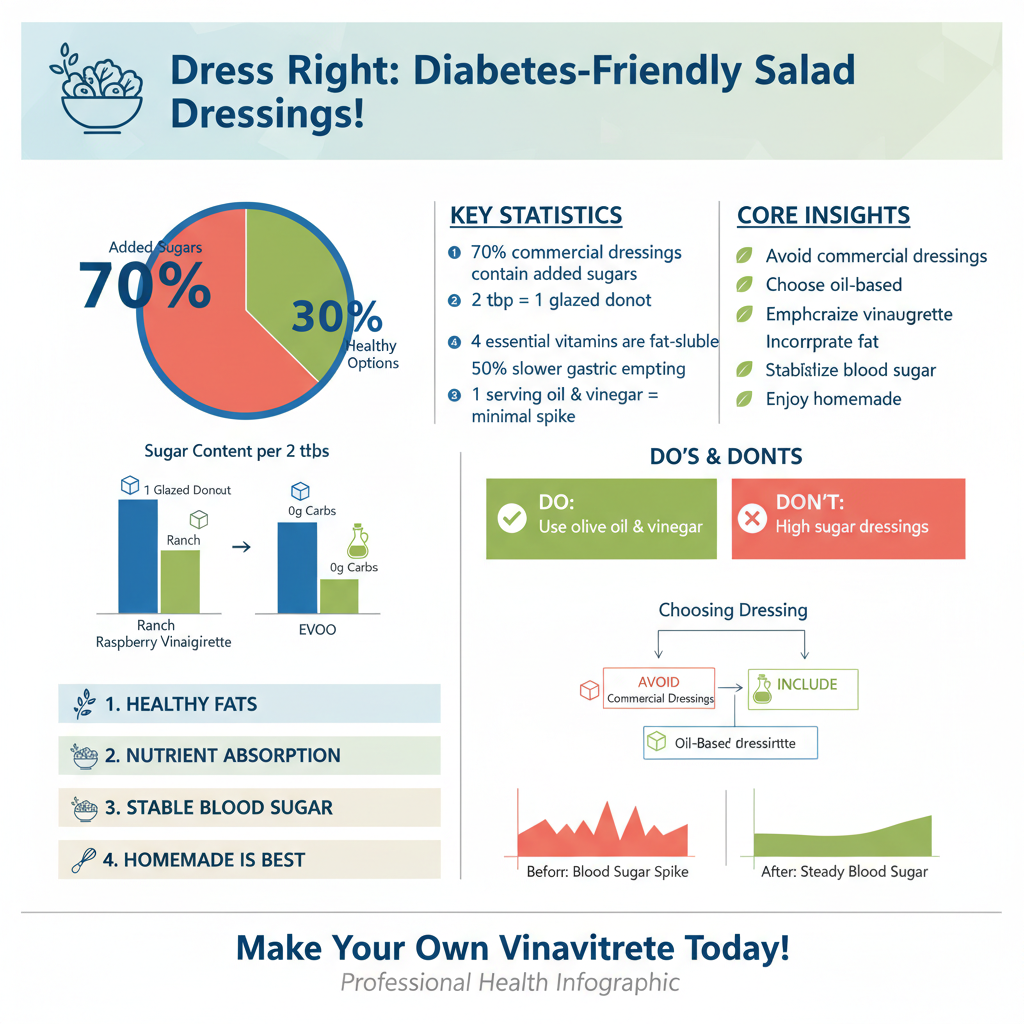
When it comes to diabetes-friendly toppings, nothing beats the classic combination of high-quality oil and acid. This pairing is the gold standard for a reason: it is simple, delicious, and metabolically beneficial.
The Base: Healthy Oils
The foundation of your dressing should be a high-quality oil rich in monounsaturated fats. Extra Virgin Olive Oil (EVOO) is the champion here. Not only is it carbohydrate-free, but it is also loaded with polyphenols—powerful antioxidants that reduce inflammation and protect heart health, which is a major concern for those with diabetes. Avocado oil is another fantastic option; it has a milder, buttery flavor compared to the peppery bite of olive oil and boasts a similar healthy fat profile.
The Acid: Choosing the Right Vinegar
Pairing your oil with the right vinegar is where flavor comes alive without the glucose cost. Apple cider vinegar (ACV) is a superstar ingredient for diabetics. Several studies suggest that consuming ACV with a meal can improve insulin sensitivity and lower blood sugar responses. If ACV isn’t your favorite, Red Wine Vinegar and Champagne Vinegar are excellent low-carb choices. Fresh lemon or lime juice also adds a bright zest and Vitamin C without spiking sugar.
A Note of Caution on Balsamic
You must be careful with balsamic vinegar. While traditional balsamic vinegar is acceptable in moderation, many stores sell “Balsamic Glaze” or “Balsamic Reduction.” These products are boiled down to concentrate the natural sugars or have added thickeners and sweeteners, making them very high in carbohydrates. Always stick to the watery, traditional vinegar rather than the thick syrup.
Safe Creamy Alternatives: Yogurt and Avocado
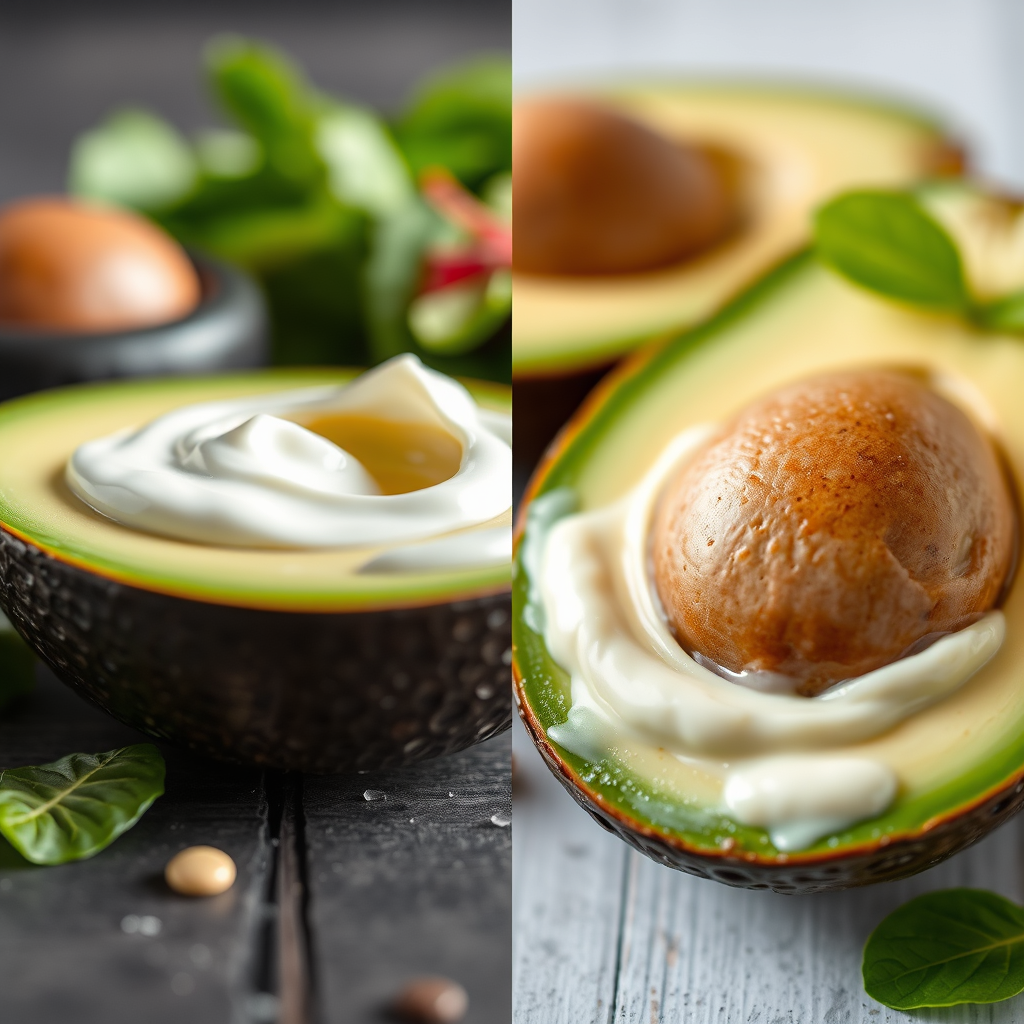
If you are someone who craves the rich mouthfeel of Ranch, Caesar, or Blue Cheese dressings, the idea of switching to oil and vinegar might feel like a punishment. The good news is that you do not have to give up creamy textures; you just need to swap the base ingredients.
The Greek Yogurt Swap
Traditional creamy dressings are often based on inflammatory soybean oils, buttermilk, and sugar. The ultimate hack for a creamy, diabetic-friendly dressing is plain Greek yogurt. Greek yogurt is thick, tangy, and packed with protein, which helps with satiety and blood sugar stabilization. By mixing plain Greek yogurt with herbs, garlic powder, and a splash of lemon juice, you can replicate the profile of a Ranch dressing with a fraction of the carbs and zero added sugar. Plus, you get the added benefit of probiotics for gut health.
Plant-Based Creaminess
For a dairy-free creamy option, look to the produce section. Mashed avocado makes for an incredibly rich dressing base. When blended with water, lime juice, and cilantro, avocado creates a velvety texture similar to a creamy goddess dressing but filled with fiber and heart-healthy fats.
Another secret weapon is Tahini (sesame seed paste). While it is calorie-dense, it has a strong, nutty flavor, meaning a little goes a long way. Tahini is low in carbs and provides a distinct richness that water-based commercial dressings simply cannot mimic.
How to Choose Store-Bought Dressings
Let’s be realistic: we don’t always have the time or energy to whip up a homemade dressing from scratch. There are plenty of safe options on the grocery store shelf if you know how to decode the nutrition label.
The Carbohydrate Rule
When you flip the bottle over, ignore the front marketing claims like “All Natural” or “Light.” Look immediately at the “Total Carbohydrates” line. A general rule of thumb for a diabetes-friendly dressing is to find one with less than 2 grams of carbohydrates per serving (usually 2 tablespoons). Ideally, you want this number to be closer to zero or one.
Serving Size Awareness
Pay close attention to the serving size. Most labels list nutrition facts for two tablespoons. If you typically pour heavily, you might be using four or six tablespoons, tripling the carb count you see on the label.
The “Red Flag” Ingredient List
Scan the ingredient list for hidden sugars. Manufacturers are clever and use many names for sugar. If you see any of the following in the first three to four ingredients, put the bottle back on the shelf:
High Fructose Corn Syrup (HFCS)
Cane Sugar or Sucrose
Honey (yes, natural, but still spikes blood sugar)
Agave Nectar
Maltodextrin
Dextrose
Also, be wary of “vegetable oils” (soybean, canola, corn) listed as the first ingredient. While they won’t spike your blood sugar immediately, they are often highly processed and pro-inflammatory compared to olive or avocado oil.
Ingredients to Avoid Completely
To make your shopping trip easier, there are certain categories of salad dressing that you should almost always avoid completely. These are the worst offenders for blood sugar management.
The “Fat-Free” Trap
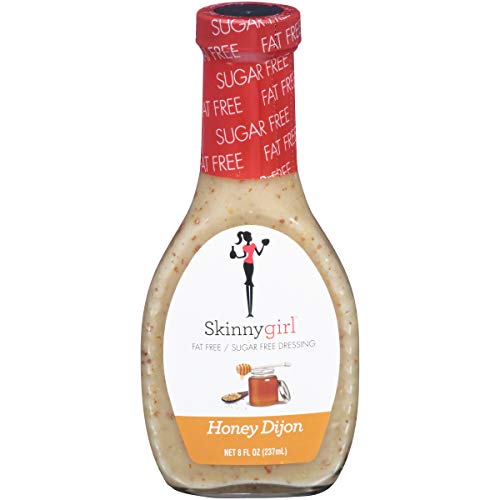
In the 90s, we were taught that fat was the enemy. We now know better, especially regarding diabetes. When manufacturers remove fat from dressing, they lose flavor and texture. To compensate, they pump the product full of sugar, salt, and chemical thickeners. A “Fat-Free Italian” dressing often has significantly more carbohydrates than its full-fat counterpart. Furthermore, without the fat, you aren’t absorbing the nutrients from your salad. Always choose full-fat or low-carb over “fat-free.”
Specific Flavor Profiles to Skip
Certain flavors are inherently sugar-based. Unless you are buying a specifically keto or diabetic-branded specialty product, steer clear of:
* French and Catalina: These are essentially ketchup-based dressings loaded with corn syrup.
* Russian and Thousand Island: While creamy, the sweetness usually comes from relish and sugar.
* Honey Mustard: The name says it all. It is mostly honey/sugar syrup with mustard flavor.
* Fruit Vinaigrettes (Raspberry, Pomegranate, etc.): These are usually fruit juice concentrates and added sugars rather than actual fruit and vinegar.
* Sweet Onion: This is one of the highest-sugar savory dressings on the market.
Simple DIY Low-Carb Dressing Recipes
Making your own dressing takes less than three minutes, is cheaper than store-bought, and gives you total control over the ingredients. Here are two staple recipes to get you started.
1. Classic Lemon-Herb Vinaigrette
This is your everyday “go-to” dressing. It works on everything from delicate mixed greens to sturdy kale salads.
* Ingredients:
3 tablespoons Extra Virgin Olive Oil
1 tablespoon fresh lemon juice (or apple cider vinegar)
1/2 teaspoon Dijon mustard (acts as an emulsifier to hold the oil and vinegar together)
1 clove garlic, minced (or 1/4 tsp garlic powder)
Salt and black pepper to taste
Pinch of dried oregano
* Instructions:
Whisk all ingredients together in a small bowl until the mixture thickens slightly. Alternatively, put everything in a small mason jar and shake vigorously.
Carb Count: Near zero.
2. Creamy Garlic & Herb Dressing
Use this when you want something satisfying for a Cobb salad or as a dip for raw veggies.
* Ingredients:
1/2 cup plain Greek yogurt (full fat or 2%)
1 tablespoon olive oil
1 teaspoon fresh lemon juice
1/2 teaspoon dried dill
1/2 teaspoon onion powder
1/2 teaspoon garlic powder
Salt and pepper to taste
Water (to thin to desired consistency)
* Instructions:
Mix the yogurt, oil, lemon juice, and spices in a bowl. Slowly whisk in water, one teaspoon at a time, until it reaches a pourable consistency. Adjust salt to taste.
Carb Count: Approximately 1-2g per serving depending on yogurt brand.
Choosing the right salad dressing is a small change that makes a significant impact on your overall blood sugar management. By sticking to olive oil-based vinaigrettes or making your own creamy toppings with Greek yogurt, you can enjoy flavorful salads without the glucose spike. It turns a side dish into a powerful tool for health. Check your pantry today to replace high-sugar bottles with heart-healthy oils and vinegars, and enjoy the peace of mind that comes with a truly healthy meal.
Frequently Asked Questions
What is the healthiest salad dressing for a diabetic to eat?
The healthiest option is typically a homemade vinaigrette using extra virgin olive oil combined with vinegar (such as apple cider or red wine vinegar) or fresh lemon juice. Olive oil is rich in monounsaturated fats which support heart health and help the body absorb fat-soluble vitamins from vegetables without spiking blood sugar. Unlike many store-bought creamy dressings, a simple oil-and-vinegar mix contains zero added sugars and very few carbohydrates.
Can people with diabetes eat ranch dressing safely?
Yes, diabetics can enjoy ranch dressing, but it is crucial to read the nutrition label carefully to avoid brands high in added sugar or corn syrup. Interestingly, full-fat ranch is often a better choice than “low-fat” or “light” versions, as manufacturers frequently replace the removed fat with sugar to maintain flavor. For the best nutritional value, consider making a homemade diabetic-friendly ranch using plain Greek yogurt as a base to increase protein and lower the carb count.
Are fat-free salad dressings better for managing blood sugar?
Generally, fat-free dressings are not recommended for diabetics because companies often compensate for the lack of fat by adding significant amounts of sugar, high-fructose corn syrup, and thickeners. These additives can cause rapid spikes in blood glucose levels, defeating the purpose of eating a healthy salad. Furthermore, eating raw vegetables with some healthy fat (like olive or avocado oil) is necessary to help your body properly absorb essential nutrients like Vitamins A, D, E, and K.
What should I look for on the label when buying diabetic-friendly salad dressing?
When selecting a store-bought dressing, look for a “Total Carbohydrate” count of less than 3-5 grams per serving and added sugars of less than 2 grams. Scan the ingredient list to ensure that sugar, honey, agave, or high-fructose corn syrup are not listed within the first three ingredients. Additionally, always verify the serving size—usually two tablespoons—to ensure you aren’t inadvertently consuming double the carbs by over-pouring.
Is balsamic vinaigrette safe for a diabetic diet?
Balsamic vinaigrette can be safe, but it requires more caution than other vinegars because balsamic naturally contains more residual sugar from grapes. Diabetics should avoid “Balsamic Glaze” or “Cream of Balsamic,” which are reduced down to concentrate sugars and are very high in carbohydrates. Instead, opt for a high-quality, thin balsamic vinegar mixed with olive oil, and stick strictly to the recommended portion size to keep the glycemic load low.
References
- https://health.clevelandclinic.org/salad-dressing-the-good-the-bad-and-the-ugly
- https://www.mayoclinic.org/healthy-lifestyle/recipes/salad-dressings/rcs-20076734
- Not Found | American Heart Association | American Heart Association
- https://www.diabetes.org.uk/guide-to-diabetes/enjoy-food/eating-with-diabetes/healthy-swaps/healthy-swaps-condiments
- Diabetes Teaching Center
- Healthy Eating | Diabetes | CDC
- https://extension.illinois.edu/blogs/diabetes-dining/2019-06-26-build-better-salad





Pingback: Best Cereal for Diabetes: Top Picks - Best For Diabetics
Pingback: Best Butter for a Diabetic: Your Healthy Options - Best For Diabetics
Pingback: Best Breakfast for Diabetics Type 2: Healthy Meal Ideas - Best For Diabetics
Pingback: What is the Best Yogurt for Diabetics? - Best For Diabetics
Pingback: **Best Snacks for Type 2 Diabetes** - Best For Diabetics
Pingback: Best Cough Syrup for Diabetic Patients: Safe & Effective Choices - Best For Diabetics
Pingback: Best Breakfast Foods for Diabetics: Healthy Choices - Best For Diabetics