

Yes, diabetics can absolutely enjoy sweet snacks! The key is making informed choices that satisfy cravings without causing blood sugar spikes. By focusing on options that are low in added sugars, rich in fiber, and offer controlled carbohydrates, you can indulge in delicious treats while effectively managing your diabetes. This guide will help you discover a variety of sweet snacks that are both enjoyable and blood sugar-friendly.



Understanding Diabetic-Friendly Sweet Snacks
Navigating the world of sweet snacks with diabetes requires a foundational understanding of what makes certain foods suitable and others detrimental. It’s not about complete deprivation, but intelligent selection.
* Focus on Fiber and Protein: These macronutrients are your allies in blood sugar management. Fiber, found in plant-based foods, slows down the digestion and absorption of carbohydrates, leading to a more gradual rise in blood glucose. It also contributes to satiety, helping prevent overeating. Protein similarly extends the feeling of fullness and has a minimal direct impact on blood sugar, though it can indirectly influence it by stimulating insulin release. When combined with carbohydrates, protein and fiber act as a buffer, mitigating sharp glucose spikes and promoting sustained energy levels. Prioritizing snacks that naturally incorporate these elements, such as berries with Greek yogurt or a small handful of nuts, is a strategic approach to stabilizing blood sugar.
* Prioritize Natural Sweeteners & Low Glycemic Index: The type of sweetness matters immensely. Opting for snacks naturally sweetened by whole fruits means you’re also benefiting from fiber, vitamins, and minerals, which buffer the fruit’s natural sugars. When whole fruits aren’t enough, consider approved artificial or natural non-caloric sweeteners like stevia, erythritol, monk fruit, or sucralose. These alternatives provide sweetness without contributing significant carbohydrates or calories, thereby having a negligible impact on blood sugar levels. Understanding the Glycemic Index (GI) can also be helpful; choosing foods with a lower GI means they cause a slower, more gradual rise in blood glucose compared to high GI foods. This doesn’t mean avoiding all higher GI foods, but being mindful of pairing them with fiber, protein, or healthy fats.
* Read Nutrition Labels Carefully: This is perhaps the most critical skill for anyone managing diabetes. A thorough review of nutrition labels empowers you to make educated and precise decisions about your snack choices. Key elements to scrutinize include:
* Total Carbohydrates: This number indicates the total amount of carbohydrates per serving, including sugars, starches, and fiber. For most people with diabetes, monitoring total carbohydrates is central to meal planning.
* Added Sugars: The “added sugars” line specifically differentiates naturally occurring sugars from those added during processing. Minimizing added sugars is paramount.
* Fiber Content: A higher fiber content is generally desirable as it helps offset the impact of other carbohydrates.
* Sugar Alcohols: These are often found in “sugar-free” products. While they have fewer calories and a lower impact on blood sugar than regular sugar, they can still contribute carbohydrates and may cause digestive upset in larger quantities. Always factor them into your total carb count, typically by subtracting half of the sugar alcohol grams from total carbohydrates.
* Serving Size: Pay close attention to serving size, as all nutritional information is based on this amount. It’s easy to accidentally consume multiple servings, significantly increasing your carbohydrate intake.
Fruit-Based Sweet Treats
Fruits are a natural source of sweetness and nutrients, but portion control and specific choices are vital for diabetics.
* Berries with Greek Yogurt: This classic combination is a powerhouse of nutrition. A small portion of fresh berries – strawberries, blueberries, raspberries, or blackberries – are particularly low in sugar and high in fiber and antioxidants. The vibrant colors are indicative of beneficial plant compounds. Pairing them with plain, unsweetened Greek yogurt elevates the snack by adding a significant amount of high-quality protein, which helps stabilize blood sugar and keeps you feeling full. The probiotics in Greek yogurt also contribute to gut health. Consider a half-cup of berries with a half-cup of Greek yogurt for a satisfying, nutrient-dense treat.
* Baked Apples or Pears: For a warm, comforting dessert that’s naturally sweet and full of fiber, baked apples or pears are an excellent choice. Core a small apple or pear, sprinkle it generously with cinnamon (a spice with potential blood sugar-lowering properties), and bake until tender. Avoid adding any extra sugar; the natural sweetness of the fruit intensifies during baking. This provides a soft, palatable treat rich in soluble fiber, which can help manage cholesterol levels in addition to blood sugar.
* Small Portions of Whole Fruit: While fruit contains natural sugars, its fiber content helps mitigate rapid blood sugar spikes compared to fruit juice. The key is “small portions.” A small orange, a few slices of melon (watermelon, cantaloupe, or honeydew), or half a banana can serve as a quick, naturally sweet, and portion-controlled snack. These options provide essential vitamins and minerals, contributing to overall health. Always opt for whole fruit over dried fruit, which is often more concentrated in sugar and lacks the same hydrating properties.
Dairy & Protein-Rich Sweet Options
Dairy and protein sources can provide a creamy texture and satisfying sweetness without excessive sugar, making them ideal for blood sugar management.
* Sugar-Free Pudding or Gelatin: These convenient options offer a sweet taste without significant sugar or carbohydrate impact, provided they are truly sugar-free and use approved non-caloric sweeteners. They can be a light and refreshing dessert or snack. Always check the nutrition label to confirm the absence of added sugars and to monitor for any sugar alcohols that might be present, which could affect some individuals. Look for brands that are low in total carbohydrates.
* Cottage Cheese with Cinnamon: Cottage cheese is an excellent source of protein, which promotes satiety and has minimal impact on blood glucose. A half-cup serving, when combined with a sprinkle of warm cinnamon or a tiny dash of sugar-free syrup (like maple or vanilla flavored), transforms into a surprisingly satisfying sweet snack. The texture and protein content make it feel more substantial than other light desserts, helping to curb further cravings.
* Plain Greek Yogurt with Extracts: Similar to its pairing with berries, plain, unsweetened Greek yogurt can be a delicious sweet treat when customized. Instead of relying on added sugar, enhance its flavor with natural extracts. A drop of vanilla, almond, or even peppermint extract can provide a delightful aroma and taste without adding carbohydrates. A sprinkle of cinnamon, nutmeg, or a dash of unsweetened cocoa powder can further elevate the experience, offering complex flavors that trick your palate into thinking you’re enjoying something much more indulgent.
Homemade & Low-Sugar Baking Ideas
Taking control in the kitchen allows for precise ingredient management, ensuring your sweet treats align with diabetic dietary needs.
* Oatmeal Cookies (Modified): Traditional oatmeal cookies are often laden with sugar and refined flour. However, a modified version can be a diabetic-friendly indulgence. Begin with rolled oats, which are rich in soluble fiber, instead of quick oats. For moisture and natural sweetness, incorporate mashed ripe banana or unsweetened applesauce. Replace traditional sugar with a granulated sugar substitute like erythritol or a stevia-based blend. You can also add unsweetened cocoa powder for a chocolatey kick, chia seeds for extra fiber and omega-3s, or a small handful of chopped nuts for healthy fats and protein. These modifications create a chewy, satisfying cookie that supports blood sugar stability when consumed in controlled portions.
* Energy Bites: These no-bake snacks are incredibly versatile and packed with nutrients. A typical recipe combines rolled oats (for fiber), chia seeds (for fiber and healthy fats), a small amount of natural nut butter (peanut, almond, or cashew for protein and healthy fats), and a sugar-free sweetener or just a few berries for natural sweetness. Ingredients like unsweetened shredded coconut, flax seeds, or a tiny amount of unsweetened cocoa powder can be added for flavor and texture variety. Roll them into small, bite-sized balls and refrigerate. They offer sustained energy, high fiber content, and a good balance of macronutrients, making them perfect for curbing sweet cravings.
* Sugar-Free Chocolate Avocado Mousse: This surprisingly decadent dessert leverages the healthy fats and creamy texture of avocado to create a rich, satisfying mousse without dairy or heavy creams. Blend ripe avocado with unsweetened cocoa powder (for antioxidants and deep chocolate flavor), a sugar substitute (like stevia or erythritol), and a splash of unsweetened almond milk until completely smooth and airy. The healthy monounsaturated fats in avocado not only contribute to satiety but also help slow the absorption of any trace sugars, making this a truly blood sugar-friendly treat that feels incredibly luxurious.
Smart Store-Bought Sweet Choices
When purchasing snacks, vigilance and label scrutiny are paramount to avoid hidden sugars and carbs.
* Dark Chocolate (70% Cacao or Higher): For chocolate lovers, very high-cacao dark chocolate can be enjoyed in small, portion-controlled amounts. Chocolate with 70% cacao or higher typically contains significantly less sugar than milk chocolate and offers beneficial antioxidants. The bitterness also tends to naturally limit overconsumption. Studies suggest that flavonoids in dark chocolate may even improve insulin sensitivity. Aim for a small square (around 10-15 grams) to satisfy a craving without derailing blood sugar management.
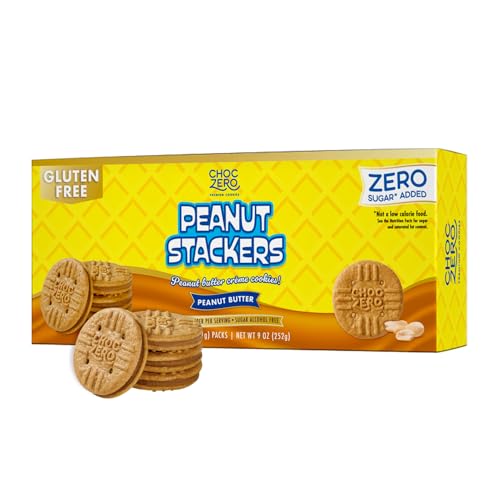
* Diabetic-Friendly Protein Bars: The market is flooded with protein bars, but not all are created equal for diabetics. Look for bars specifically marketed for low sugar or diabetes management. Critically examine the nutrition label to ensure they are genuinely high in fiber (ideally 5g or more per bar) and protein (10g or more) while being very low in net carbohydrates (total carbs minus fiber and half of sugar alcohols). Avoid bars that list sugar, corn syrup, or fruit juice concentrate high up in the ingredient list. These bars can be a convenient option for an on-the-go sweet fix, providing satiety and preventing sudden glucose spikes.
* Sugar-Free Popsicles or Gummies: These can be refreshing and taste sweet without relying on added sugars. However, it’s crucial to be meticulous when checking the ingredient list. Ensure they use approved sugar substitutes like sucralose, aspartame, or stevia, and verify that their carbohydrate content is minimal. Some “sugar-free” products might still contain carbohydrates from starches or other fillers, or use sugar alcohols that can cause digestive issues or still contribute to calorie and carb intake. Choose brands that are transparent about their ingredients and have a clear nutritional profile suitable for diabetic consumption.
Portion Control and Mindful Snacking
Even the healthiest sweet snacks require discipline to ensure they support, rather than hinder, diabetes management.
* Always Measure Portions: This is perhaps the most fundamental principle for diabetic snacking. Even foods labeled as “diabetic-friendly” or “healthy” can impact blood sugar if consumed in excessive quantities. A small handful of nuts can be beneficial, but a large bag can lead to significant calorie and carbohydrate intake. Use measuring cups, spoons, or a food scale to accurately portion out your snacks. This practice helps you stay within your carbohydrate targets and prevents inadvertent blood sugar spikes, fostering greater control over your overall glycemic management.
* Pair with Protein or Healthy Fats: A strategic way to slow down glucose absorption and maintain stable blood sugar levels is to pair your sweet snack with a source of protein or healthy fats. For example, enjoying a small apple with a tablespoon of natural peanut butter (which provides both protein and healthy fats) will cause a less dramatic blood sugar rise than eating the apple alone. Similarly, adding a few almonds to your berries or cottage cheese to your fruit can significantly improve the glycemic response, increasing satiety and making the snack more beneficial.
* Monitor Blood Sugar Levels: The most effective way to understand how different snacks affect *your* unique body is through regular blood glucose monitoring. After trying a new sweet snack, check your blood sugar levels one to two hours later. This direct feedback loop allows you to identify which snacks work best for you, which ones to enjoy in smaller quantities, and which ones to avoid. Keeping a food diary alongside your blood sugar readings can provide invaluable data, helping you to refine your snack choices and personalize your diabetes management plan for optimal health outcomes.
Enjoying sweet snacks as a diabetic is entirely possible with smart planning and careful choices. By focusing on whole, unprocessed ingredients, incorporating appropriate sugar substitutes, and practicing diligent portion control, you can satisfy your cravings without compromising your health goals. Remember that proactive management through mindful eating and regular monitoring is key. Always consult with your doctor or a registered dietitian to tailor snack choices to your individual dietary needs, carbohydrate allowance, and overall health plan, ensuring your sweet treats contribute positively to your well-being.
Frequently Asked Questions
What are some of the best naturally sweet snacks for diabetics that help manage blood sugar levels?
For diabetics seeking naturally sweet snacks, whole fruits like berries, apples, and oranges are excellent choices due to their fiber content, which slows sugar absorption. Pairing these fruits with a source of protein or healthy fat, such as a small handful of almonds or a dollop of plain Greek yogurt, can further help stabilize blood sugar and provide lasting fullness. These options offer genuine sweetness without the added sugars found in many processed treats.
How can I choose store-bought sweet snacks that are safe and healthy for my diabetes management?
When selecting store-bought sweet snacks, carefully read nutrition labels to prioritize options low in added sugars and high in fiber. Look for products labeled “sugar-free,” “no added sugar,” or those that use alternative sweeteners, but always check the total carbohydrate count. Focus on single-serving portions or snacks with controlled carb content to fit within your individualized meal plan for effective diabetes management.
Why is portion control so crucial when enjoying sweet treats as a diabetic?
Portion control is paramount for diabetics enjoying sweet treats because even healthy or sugar-free options still contain carbohydrates, which directly impact blood glucose levels. Consuming excessive amounts, regardless of the sugar content, can lead to blood sugar spikes and make diabetes management challenging. Mindful portioning allows you to enjoy sweet snacks occasionally without derailing your efforts to maintain stable blood sugar.
Which artificial sweeteners are generally considered safe for diabetics to use in sweet snacks, and how should they be incorporated?
Artificial sweeteners like stevia, erythritol, monk fruit, and sucralose are generally considered safe for diabetics as they do not significantly raise blood sugar levels. These non-nutritive sweeteners can be incorporated into homemade sweet snacks or found in many “sugar-free” products, offering sweetness without the added calories or carbohydrate load of sugar. However, moderation is still key, as some people may experience digestive upset with large quantities, and the overall nutritional balance of the snack remains important.
What quick and easy homemade sweet snacks can diabetics prepare to satisfy cravings without added sugar?
Diabetics can easily prepare delicious homemade sweet snacks like a small bowl of plain Greek yogurt topped with a few fresh berries and a sprinkle of cinnamon, providing protein and natural sweetness. Another simple option is a slice of apple with a teaspoon of natural peanut butter, which offers fiber, healthy fats, and a satisfying sweet-savory combination. These quick treats are excellent for managing blood sugar while enjoying genuine flavor.
References
- https://diabetes.org/food-nutrition/recipes/healthy-desserts
- https://diabetes.org/food-nutrition/what-to-eat/diabetes-superfoods/snacks
- https://www.mayoclinic.org/diseases-conditions/diabetes/expert-answers/diabetes-and-snacks/faq-20058477
- https://www.health.harvard.edu/diseases-and-conditions/diabetes/diabetes-friendly-desserts
- Missing Page Error – Our Apologies – UChicago Medicine
- https://www.uwmedicine.org/health-education/nutrition/diabetes-friendly-snacks
- https://www.niddk.nih.gov/health-information/diabetes/overview/meal-planning/eating-well-with-diabetes






Pingback: Best Late Night Snack for Diabetics: Smart Options - Best For Diabetics
Pingback: Best Food for a Diabetic Dog: What to Feed for Stable Blood Sugar - Best For Diabetics
Pingback: Best Greens for Diabetics: Top Picks to Improve Blood Sugar - Best For Diabetics
Pingback: Best Shakes for Diabetics: Top Low-Sugar Options - Best For Diabetics
Pingback: Best Vegetable for Diabetes Type 2: Top Picks to Improve Blood Sugar - Best For Diabetics
Pingback: Best Vegetables for Diabetes 2: Top Choices for Blood Sugar - Best For Diabetics
Pingback: Best Diet for Type 2 Diabetes: What to Eat for Blood Sugar - Best For Diabetics
Pingback: What Foods Are Best for a Diabetic to Eat - Best For Diabetics
Pingback: Best Fruit for a Diabetic: Top Picks and How to Choose - Best For Diabetics
Pingback: Best Ayurvedic Medicine for Diabetic: Top Options and How to Choose - Best For Diabetics
Pingback: Best Barbecue Sauce for Diabetics: Top Picks & How to Choose - Best For Diabetics
Pingback: Best Chocolate for Diabetic People: What to Choose - Best For Diabetics
Pingback: Best Collagen for Diabetics: What to Look for - Best For Diabetics