
The best pasta options for diabetics are those made from whole grains, legumes (like chickpeas or lentils), or konjac root (shirataki noodles) because they contain high fiber and protein which slow down glucose absorption. Unlike traditional refined white pasta that causes rapid blood sugar spikes, these low-glycemic alternatives allow you to enjoy Italian-style dishes while maintaining stable blood sugar levels. Below are the specific types and cooking strategies to make pasta part of a diabetes-friendly diet.




Understanding Glycemic Index and Pasta
To navigate the pasta aisle effectively, it helps to understand exactly what happens inside your body when you eat carbohydrates. The Glycemic Index (GI) is a tool used to measure how quickly food raises your blood sugar levels. Traditional white pasta is made from refined semolina flour. During the refining process, the grain is stripped of its outer bran and germ, leaving behind mostly starchy endosperm. Because this starch is simple and easy for your body to break down, it enters your bloodstream rapidly, causing a sharp spike in glucose. For someone managing diabetes, this “roller coaster” effect is exactly what we want to avoid.
The game-changer here is fiber. Fiber acts as a natural braking system for your digestion. When pasta contains significant amounts of fiber—whether from whole grains, beans, or vegetables—it forms a physical barrier that enzymes have to work harder to break through. This slows down the conversion of starch into sugar. Consequently, instead of a sharp spike, your blood sugar experiences a slow, manageable rise. When choosing pasta, looking at the fiber content is often the quickest way to estimate its Glycemic Index; generally, the higher the fiber, the lower the GI and the friendlier it is for your blood sugar.
Legume-Based Pastas (Chickpea and Lentil)
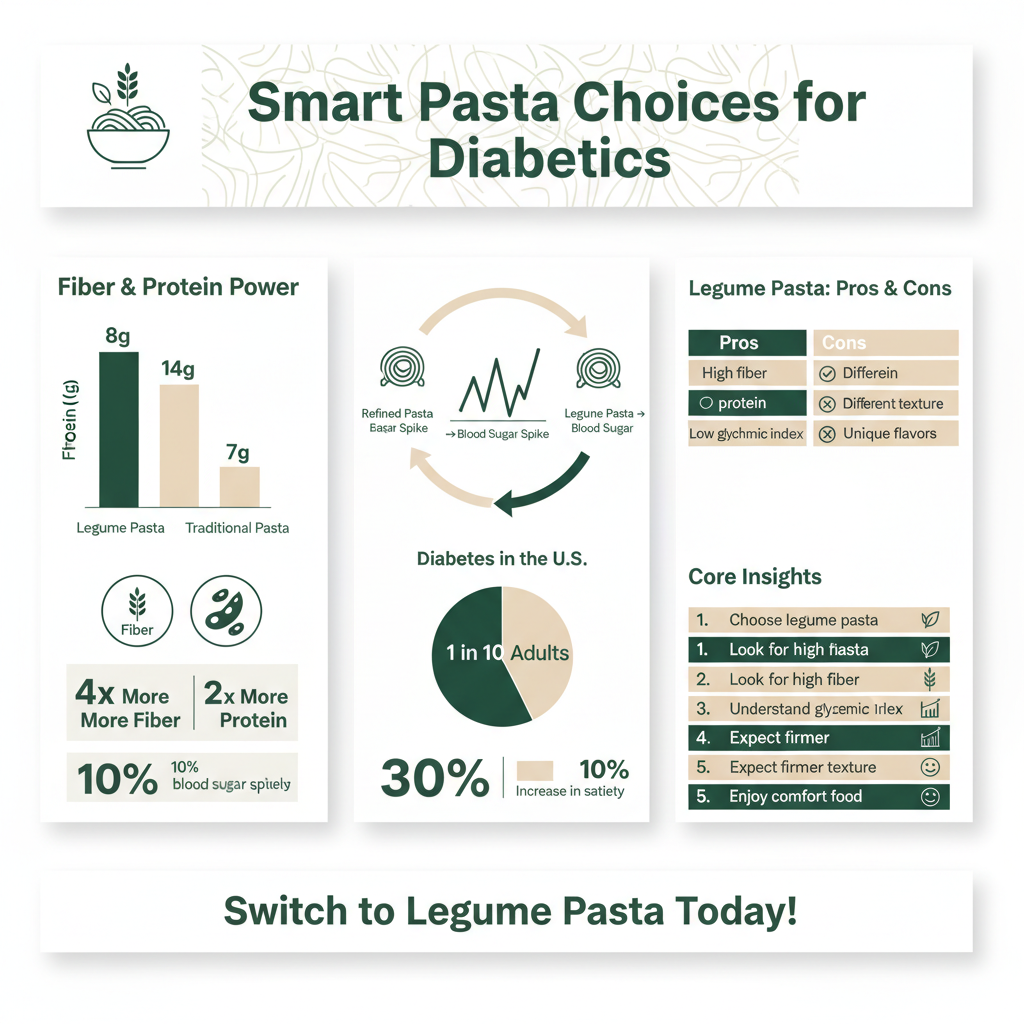
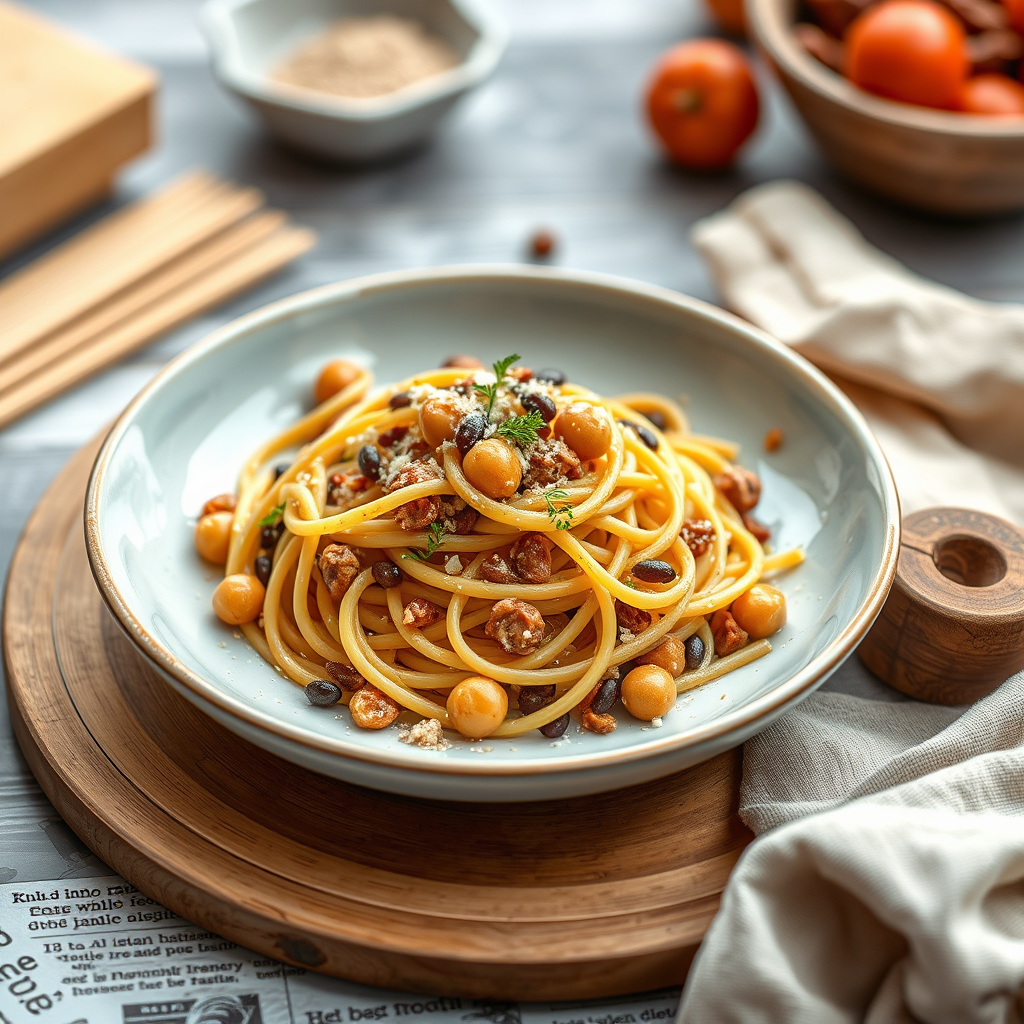
If you haven’t explored the world of bean-based pastas yet, you are in for a pleasant surprise. Legume pastas are rapidly becoming the gold standard for diabetic-friendly comfort food. Made from ground chickpeas, red lentils, or black beans, these pastas pack a serious nutritional punch. Brands like Banza or Barilla’s legume lines offer options that contain nearly double the protein and up to four times the fiber of traditional wheat pasta. For example, a serving of chickpea pasta can provide around 8 grams of fiber and 14 grams of protein. This powerful combination is fantastic for satiety, keeping you fuller for longer and preventing that post-meal energy crash.
However, it is important to manage your expectations regarding texture and taste. While food technology has come a long way, legume pasta is slightly different from the semolina pasta you might have grown up with. It tends to have a firmer, slightly grainier texture and a distinct, nutty flavor profile. Chickpea pasta tastes faintly of hummus, while red lentil pasta has an earthier note. The good news is that these flavors pair beautifully with robust sauces. A hearty marinara, a spicy arrabbiata, or a creamy pesto can easily mask the earthy notes, leaving you with a delicious meal that feels indulgent but works hard for your health.
Whole Wheat and Whole Grain Options
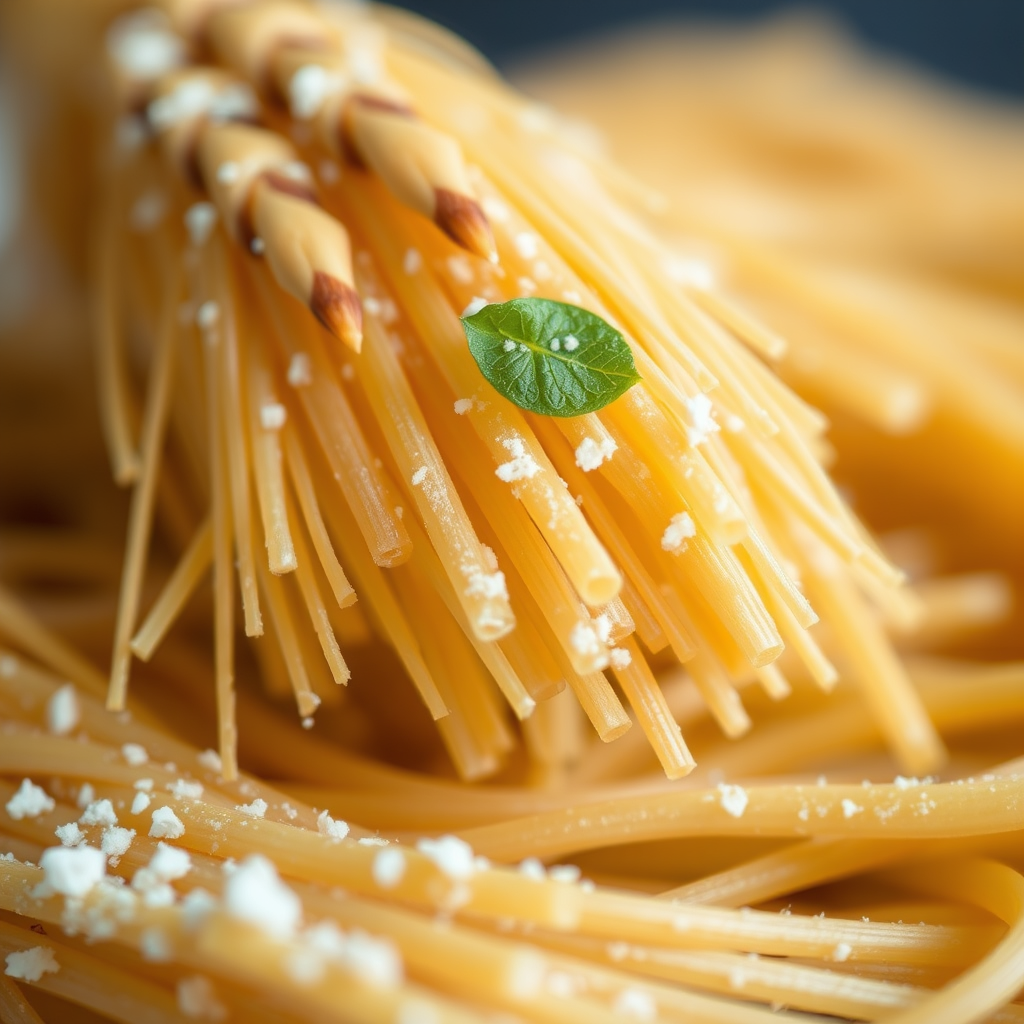
For those who crave the texture of “real” pasta, 100% whole wheat options are a fantastic middle ground. Unlike refined white pasta, whole wheat pasta is made using the entire grain kernel—bran, germ, and endosperm. This means all the natural nutrients, including B vitamins, iron, and most importantly, fiber, remain intact. The bran provides a rougher texture that takes longer for the body to break down, resulting in a steadier release of energy rather than a sugar rush.
Navigating the packaging claims can be tricky, though. Marketing can be deceptive; a box labeled “multigrain” or “made with whole grains” might still consist primarily of refined white flour with just a sprinkling of whole grains added for color. To ensure you are getting the blood-sugar benefits, you must flip the box over and read the ingredient label. The very first ingredient should be “whole wheat flour” or “whole durum wheat flour.” If “enriched wheat flour” appears first, put it back on the shelf. Genuine whole grain pasta will have a darker color and a heartier, chewier bite that holds up well to heavy meat or vegetable sauces.
Shirataki (Konjac) Noodles
If you are looking to drastically cut carbohydrates, let me introduce you to what many in the low-carb community call “miracle noodles.” Shirataki noodles are made from the konjac yam (specifically the glucomannan fiber found in the root). Their nutritional stats are almost hard to believe: they contain roughly 97% water and 3% soluble fiber, resulting in virtually zero net carbs and near-zero calories. Because they are fiber and water, they have practically no impact on blood glucose levels, making them arguably the safest option for strict blood sugar control.
However, shirataki noodles require a bit of specific preparation to be enjoyable. Straight out of the package, they are suspended in liquid and can have a fishy, earthy aroma that turns some people off. Don’t worry—this is normal and easy to fix! First, drain and rinse them thoroughly under cold water for at least a minute. Second, and this is the secret step: boil them for two minutes, drain again, and then “dry fry” them in a non-stick pan without oil for several minutes until they squeak slightly. This removes excess water and significantly improves the texture, changing it from slimy to al dente. Once prepped, they act like flavor sponges, absorbing whatever sauce you pair them with.
Vegetable Noodles (Zoodles and Squash)
Another excellent strategy is to skip processed noodles entirely and turn to the produce aisle. Vegetable noodles are fresh, unprocessed, and naturally low in carbohydrates. “Zoodles,” or spiralized zucchini, are the most popular choice. They are light, hydrating, and incredibly low calorie. Spaghetti squash is another natural wonder; when roasted, its flesh shreds into long, pasta-like strands that have a mild, slightly sweet flavor. Hearts of palm pasta is a newer contender that mimics the look and color of linguine with a texture remarkably similar to artichoke hearts.
The challenge with veggie noodles is water content—nobody likes a watery sauce. To prevent sogginess with zucchini, spiralize your noodles, sprinkle them with salt, and let them sit in a colander for 20 minutes to draw out moisture. Rinse and pat them dry before a very quick sauté (just 1-2 minutes). For spaghetti squash, roasting it cut-side down ensures the moisture drips away rather than pooling inside the squash. These vegetable alternatives add vitamins and minerals to your meal while keeping the carb count extremely low, allowing you to have a much larger portion size than you could with grain-based pasta.
The “Al Dente” Cooking Trick
Did you know that how you cook your pasta matters almost as much as what pasta you choose? There is fascinating science behind the Italian method of cooking pasta “al dente,” which translates to “to the tooth.” When you cook pasta so that it stays firm rather than letting it become soft and mushy, the starch granules are not fully gelatinized. This means the digestive enzymes in your gut cannot break them down as easily.
Furthermore, there is a phenomenon involving “resistant starch.” If you cook your pasta al dente, let it cool down completely, and then reheat it, the chemical structure of the starch changes. This process, known as retrogradation, turns some of the digestible starch into resistant starch. Resistant starch acts more like fiber; it bypasses digestion in the small intestine and ferments in the large intestine, feeding good gut bacteria. Studies suggest that cooling and reheating pasta can significantly lower the glucose spike compared to freshly cooked pasta. So, for better blood sugar management, consider meal-prepping your pasta salad or leftovers!
Pairing Pasta for Blood Sugar Control
Even with the best high-fiber pasta, portion control and pairing are key to managing diabetes. You should never eat pasta “naked”—meaning, a bowl of just noodles and tomato sauce is a recipe for a glucose spike. To flatten the glucose curve, you need to “clothe” your carbs with healthy fats and lean proteins. Fat and protein slow down gastric emptying, which is the speed at which food leaves your stomach and enters your intestines.
Try adding a generous drizzle of high-quality extra virgin olive oil to your dish. Not only is it heart-healthy, but the fat also buffers the absorption of carbohydrates. Pair your pasta with a substantial serving of grilled chicken, shrimp, salmon, or tofu. Additionally, try to change the ratio of your bowl. Instead of a large mound of pasta with a few veggies, aim for a 50/50 split—or even more veggies than pasta. Bulking up the meal with broccoli, spinach, mushrooms, or peppers adds volume and fiber without the carbs. A good rule of thumb is to stick to a serving size of about 1/2 to 1 cup of cooked pasta (approx. 2 oz dry), ensuring you satisfy the craving without overloading your system.
Finding the best pasta for diabetics is all about swapping refined flour for high-fiber, protein-rich ingredients like legumes, whole grains, or vegetables. By selecting these lower-glycemic options and cooking them al dente, you can satisfy your cravings without compromising your health goals. Start by trying one new alternative pasta this week and pairing it with plenty of vegetables and lean protein for a balanced, blood-sugar-friendly meal.
Frequently Asked Questions
What are the best low-carb pasta alternatives for diabetics?
The best low-carb pasta alternatives include legume-based noodles made from chickpeas or lentils, which are high in protein and fiber that help stabilize blood sugar. Other excellent options are konjac noodles (shirataki), which have nearly zero carbohydrates, and vegetable-based substitutes like spiralized zucchini (zoodles) or spaghetti squash. These alternatives allow you to enjoy pasta dishes without the high glycemic spike associated with traditional refined wheat pasta.
Is whole wheat pasta actually better for blood sugar control than white pasta?
Yes, whole wheat pasta is generally a better choice than white pasta because it contains complex carbohydrates and retains the fiber-rich bran and germ. This fiber slows down digestion and the absorption of sugar into the bloodstream, resulting in a lower glycemic index compared to the rapid spike caused by refined white flour. However, portion control is still essential, as whole wheat pasta does contain carbohydrates.
How does cooking pasta “al dente” affect a diabetic’s blood sugar?
Cooking pasta “al dente” (firm to the bite) is a helpful strategy for diabetics because it keeps the starch granules from fully breaking down. This preserves the pasta’s resistant starch, which takes longer for the body to digest and results in a lower glycemic response compared to overcooked, soft pasta. Reheating cooled pasta can also increase this resistant starch content, further benefiting blood glucose management.
What is a safe serving size of pasta for someone with type 2 diabetes?
While individual dietary needs vary, a general guideline for diabetics is to limit pasta consumption to a serving size of 1/2 cup to 1 cup of cooked pasta per meal. To make this portion feel more satisfying, it is recommended to “bulk up” the meal with fiber-rich non-starchy vegetables like broccoli or spinach and include a lean protein source. Always monitor your post-meal blood sugar numbers to determine exactly how your body reacts to different portion sizes.
Are chickpea and lentil pastas good for a diabetic diet?
Chickpea and lentil pastas are among the top choices for a diabetic diet because they have a significantly higher protein and fiber profile than grain-based pastas. The combination of protein and fiber lowers the net carb count and creates a lower glycemic load, which helps prevent sharp blood sugar spikes while keeping you feeling full for longer periods. They also provide essential vitamins and minerals that are often lacking in traditional semolina pasta.
References
- https://bmjopen.bmj.com/content/8/3/e019438
- https://health.clevelandclinic.org/pasta-alternatives-that-wont-cause-carb-overload
- https://www.health.harvard.edu/blog/eating-pasta-help-lose-weight-2018040613589
- Carbohydrates and diabetes: What you need to know | Diabetes UK
- Is reheated pasta less fattening? – BBC News
- https://www.nytimes.com/2018/04/06/well/eat/is-pasta-bad-for-you.html
- Healthy Living with Diabetes – NIDDK




Pingback: Best Mushroom Coffee for Diabetes: Top Picks - Best For Diabetics
Pingback: Best Meal Delivery Services for Diabetics: A Guide - Best For Diabetics
Pingback: Best Butter for a Diabetic: Your Healthy Options - Best For Diabetics
Pingback: Best Beverages for Diabetics: Safe and Healthy Drink Choices - Best For Diabetics
Pingback: Best Yogurt for Diabetes: What to Look For - Best For Diabetics
Pingback: Best Meats for Diabetics: Healthy Choices - Best For Diabetics
Pingback: Best Foods for Diabetes Management - Best For Diabetics
Pingback: Best Nut Butter for Diabetics: Your Healthy Options - Best For Diabetics
Pingback: Best Foods to Control Diabetes - Best For Diabetics