
The best diabetic socks for men are those that prioritize foot health by offering non-binding tops, seamless construction, and moisture-wicking, breathable materials to promote circulation, prevent skin irritation, and keep feet dry. Choosing the right pair is crucial for preventing common diabetic foot complications, and this guide will walk you through the essential features and considerations to ensure optimal comfort and protection. For men living with diabetes, this often-overlooked aspect of daily wear can be a powerful first line of defense against serious health issues, directly impacting their quality of life and long-term well-being.



Understanding Diabetic Socks: Why They Matter for Men
For men managing diabetes, foot health is a critical, ongoing concern that requires specialized attention. Diabetes can lead to a range of complications that disproportionately affect the feet, making the choice of everyday apparel, particularly socks, profoundly important.
* Addressing unique foot health challenges faced by men with diabetes, such as neuropathy and poor circulation. Diabetic neuropathy, a form of nerve damage, can lead to a loss of sensation in the feet, meaning minor cuts, blisters, or pressure points might go unnoticed, escalating into severe infections. Peripheral artery disease (PAD), common in diabetic individuals, impairs blood flow to the extremities, slowing wound healing and increasing the risk of infection. Men, often engaged in more physically demanding jobs or recreational activities, may put additional stress on their feet, making proper protection even more vital. Traditional socks, with their restrictive elastic bands and abrasive seams, can exacerbate these conditions by further hindering circulation and creating friction that sensitive, compromised feet cannot withstand. Diabetic socks are specifically engineered to mitigate these risks, providing a protective environment for vulnerable feet.
* Preventing common complications like ulcers, blisters, and fungal infections. The primary goal of diabetic socks is prevention. Foot ulcers, open sores that can be notoriously difficult to heal, frequently begin as unnoticed blisters or areas of sustained pressure. Blisters, often caused by friction from ill-fitting footwear or seams, can quickly break down skin, offering an entry point for bacteria. Furthermore, the warm, moist environment inside shoes, especially with poor quality socks, is an ideal breeding ground for fungal infections like athlete’s foot and toenail fungus. Diabetic socks are designed with specific features—such as non-binding tops to avoid pressure points, seamless construction to eliminate friction, and moisture-wicking fabrics to keep feet dry—that directly address these risk factors, significantly reducing the likelihood of developing such painful and potentially dangerous complications.
* The role of proper sock choice as a critical component of daily diabetic foot care. Investing in and consistently wearing the right diabetic socks is not merely a comfort preference; it is a non-negotiable aspect of a comprehensive diabetic foot care regimen. Alongside daily foot inspections, meticulous hygiene, and appropriate footwear, diabetic socks act as a continuous, gentle shield. They create a microclimate for the foot that promotes health rather than deterioration. By prioritizing these specialized socks, men with diabetes actively participate in managing their condition, preventing progression towards more severe interventions like amputation, and maintaining their mobility and independence. This seemingly small choice has profound implications for long-term health outcomes.
Key Features of the Best Diabetic Socks for Men
The efficacy of diabetic socks lies in their specialized design, which directly addresses the unique vulnerabilities of diabetic feet. Three features are paramount for ensuring optimal foot health and comfort.
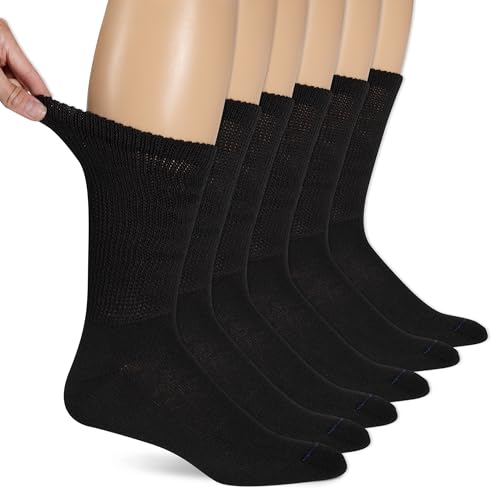
* Non-Binding Tops: Perhaps the most distinguishing characteristic of a true diabetic sock is its non-binding top. Unlike standard socks that rely on tight elastic bands to stay up, diabetic socks feature a relaxed, wider knit band that conforms gently to the leg without constricting blood flow. For men with diabetes, who often suffer from impaired circulation due to conditions like peripheral artery disease (PAD), even mild constriction can be detrimental, leading to reduced oxygen supply to the feet and ankles, exacerbating swelling, and potentially causing skin breakdown. A non-binding top ensures that blood flows freely, preventing the tell-tale indentations on the skin that traditional socks leave and significantly reducing the risk of pressure sores and compromised healing. This design promotes consistent circulation, which is vital for nerve health and overall foot vitality.
* Seamless Design: Seams, particularly the bulky toe seams found in many conventional socks, are a common source of friction and irritation. For individuals with diabetic neuropathy, who may not feel these constant rubbing points, repeated friction can quickly lead to blisters, calluses, and eventually open wounds or ulcers. The best diabetic socks employ a seamless or hand-linked toe construction, creating an interior that is virtually smooth. This meticulous design eliminates critical friction points, protecting the delicate skin of the toes and forefoot from abrasion. By removing these potential irritants, seamless socks play a crucial role in preventing skin breakdown and reducing the risk of infection, especially important for men who might spend long hours on their feet or in work boots.
* Moisture-Wicking Fabrics: Maintaining a dry foot environment is paramount for preventing fungal and bacterial infections, which thrive in moist conditions. Diabetic socks are crafted from advanced moisture-wicking fabrics that draw sweat away from the skin and towards the outer surface of the sock, where it can evaporate quickly. Common materials include specialized synthetic blends (such as Coolmax or polyester), bamboo (known for its natural absorbency and softness), and merino wool (which offers excellent temperature regulation and moisture management even when damp). Unlike cotton, which absorbs moisture and holds it against the skin, these materials keep feet dry and comfortable. This proactive management of moisture not only prevents the growth of harmful pathogens but also significantly reduces the risk of maceration (skin softening) and blister formation, creating a consistently healthy microclimate for the feet.
Materials Matter: What to Look For
The fabric composition of diabetic socks is a key determinant of their effectiveness, influencing comfort, hygiene, and protective capabilities. Choosing the right materials ensures feet remain healthy and protected throughout the day.
* Soft, Breathable Fibers: For sensitive diabetic feet, particularly those affected by neuropathy, the feel of the sock against the skin is critical. Soft fibers minimize friction and irritation, reducing the risk of blisters and sores. Materials like bamboo rayon are exceptionally soft, smooth, and gentle. Merino wool, while often perceived as scratchy, in its finer grades is remarkably soft, non-irritating, and offers excellent comfort. Blended fabrics often combine the best properties of several materials, such as modal or microfibers with nylon or spandex, to achieve a soft touch coupled with durability and stretch. Crucially, these fibers must also be breathable, allowing air to circulate freely around the foot. Breathability prevents heat build-up and reduces sweating, contributing to a drier environment and minimizing the risk of fungal growth. Conversely, rough or non-breathable synthetic materials should be avoided as they can cause irritation and trap moisture, compromising foot health.
* Antimicrobial Properties: Given the increased susceptibility to infections in diabetic feet, socks with antimicrobial properties offer an additional layer of protection. Some materials, like bamboo, possess natural antimicrobial qualities that inhibit the growth of bacteria and fungi. Other socks may be treated with silver or copper ions, which are known to combat microbial proliferation. These properties not only contribute to better foot hygiene by reducing odor-causing bacteria but also actively work to prevent common diabetic foot infections such, as athlete’s foot. This proactive approach to hygiene is vital for maintaining skin integrity and preventing the escalation of minor issues into serious complications. When selecting socks, looking for mentions of “antimicrobial,” “anti-odor,” or specific materials like bamboo or silver-infused fibers can indicate enhanced protective benefits.
* Cushioning Without Bulk: While cushioning is important for protecting the feet from impact and pressure, it must be balanced to avoid creating excessive bulk that can make shoes feel tight or uncomfortable. The best diabetic socks provide targeted cushioning in high-impact areas such as the heel, ball of the foot, and sole, where pressure points are most common. This extra padding helps to absorb shock, distribute pressure more evenly, and reduce friction, which is particularly beneficial for men with neuropathy who may have lost the protective sensation in their feet. Materials like terry loop construction in specific zones can offer this plushness. The key is to select socks that offer adequate protection without adding so much volume that they compromise the fit of your shoes, as tight shoes can lead to new pressure points and circulation issues. Well-designed cushioning enhances comfort and provides crucial protection against external trauma and internal pressure, supporting overall foot health.
Choosing the Right Style and Fit for Men
Beyond materials and core features, selecting the appropriate style and ensuring an accurate fit are critical factors for men’s diabetic socks. These choices directly impact comfort, protection, and suitability for various activities and footwear.
* Variety of Lengths: Diabetic socks come in a range of lengths to suit different preferences, activities, and shoe types.
* No-show or Ankle socks: Ideal for athletic activities or casual wear with sneakers, offering minimal coverage. While convenient, ensure they still have non-binding tops and proper cushioning.
* Quarter or Mini-crew socks: Rise slightly above the ankle, providing more coverage and protection for specific shoe types or light hiking.
* Crew socks: The most common length, extending to mid-calf. Versatile for daily wear, dress shoes, and casual sneakers. They offer comprehensive protection for the lower leg, which can be beneficial for men needing extra coverage.
* Over-the-calf (OTC) or Knee-high socks: Provide maximum coverage, often chosen for warmth, support with boots, or for those who prefer socks that stay up without constant adjustment. These are particularly useful for men who require protection up to the calf.
Choosing the right length should align with the footwear being worn and the activity, ensuring the sock provides consistent protection without bunching or slipping.
* Accurate Sizing: An accurate fit is arguably one of the most crucial elements for diabetic socks. Socks that are too small will restrict circulation, create uncomfortable pressure points, and potentially exacerbate swelling, directly counteracting the benefits of non-binding tops. Conversely, socks that are too large will bunch up inside shoes, leading to friction, blisters, and an unstable fit. Manufacturers typically provide sizing charts based on shoe size, but it’s essential to consult these carefully. Some brands also offer gender-specific sizing or wider widths, which can be beneficial for men with larger feet or those who experience swelling. When trying on socks, ensure there is no constriction, wrinkling, or excessive material. The sock should fit smoothly against the foot and leg, providing gentle coverage without any tightness or looseness that could compromise foot health. A well-fitting sock acts as a second skin, providing seamless protection.
* Gentle Compression (Non-Restrictive): While traditional compression socks (which require a doctor’s prescription and precise measurements) are designed for specific medical conditions, some diabetic socks incorporate a very mild, non-restrictive form of graduated compression. This “gentle compression” aims to aid venous return and reduce minor swelling in the feet and ankles without creating the constrictive pressure associated with higher-grade compression garments. The key differentiator is that diabetic socks with gentle compression maintain their non-binding top, ensuring that the pressure exerted does not compromise arterial blood flow. This mild support can be beneficial for men who experience slight edema or who spend extended periods standing. However, it is vital to distinguish these from medical-grade compression socks, and any decision to use compression should ideally be discussed with a healthcare provider to ensure it is appropriate for the individual’s specific circulatory needs.
Beyond the Basics: Advanced Features and Considerations
While non-binding tops, seamless construction, and moisture-wicking are foundational, certain advanced features can further enhance the protective and comfort benefits of diabetic socks for men. These considerations reflect a deeper understanding of diabetic foot care needs.
* Padded Soles: For men with advanced neuropathy or those who lead an active lifestyle, padded soles offer an indispensable layer of protection. These socks incorporate extra cushioning, often in the form of denser loops or specialized gels, along the bottom of the foot, particularly in high-pressure areas like the heel and ball. This additional padding serves multiple critical functions: it provides superior shock absorption, reducing the impact stress on delicate foot structures during walking or standing; it helps to distribute pressure more evenly across the sole, minimizing the risk of localized pressure points that can lead to ulcers; and it offers a crucial buffer against external trauma. For individuals with a diminished ability to feel pain or discomfort, this enhanced physical barrier is invaluable in preventing unseen injuries that could otherwise escalate into severe complications.
* Temperature Regulation: Maintaining an optimal foot temperature is essential for circulatory health and comfort, especially for men who may experience varying environmental conditions. Advanced diabetic socks incorporate materials and designs that actively regulate temperature. Merino wool, for example, is a natural thermoregulator, capable of keeping feet warm in cooler conditions and cool in warmer weather due to its unique fiber structure. Some synthetic blends use phase-change materials or specialized weaving techniques to achieve similar effects, absorbing and releasing heat as needed. This feature is particularly beneficial for men whose circulation may be compromised, as maintaining a stable foot temperature can help prevent complications associated with extreme cold (which can further constrict blood vessels) or excessive heat (which can increase sweating and risk of infection). Socks that ensure year-round comfort contribute significantly to consistent foot health and wearer compliance.
* Durability and Longevity: Investing in high-quality diabetic socks is an investment in foot health, and durability ensures that these protective features remain effective over time. High-quality materials and construction techniques contribute to the longevity of the socks, making them more resilient to frequent washing and daily wear. Look for socks with reinforced heels and toes, which are common areas of wear and tear, and those made from strong, resilient fiber blends. While premium diabetic socks may have a higher upfront cost, their extended lifespan means they retain their integrity, shape, and protective properties—like moisture-wicking and non-binding elasticity—for longer. This reduces the need for frequent replacements and ensures consistent, reliable foot protection, making them a more cost-effective choice in the long run compared to cheaper alternatives that quickly lose their specialized benefits.
Caring for Your Diabetic Socks
Proper care for your diabetic socks is just as important as choosing the right pair. Adhering to specific washing instructions and knowing when to replace them ensures that their protective features remain intact and effective, serving their crucial role in daily foot care.
* Proper Washing Instructions: To maintain the integrity of their specialized fibers and construction, diabetic socks require careful washing. Always consult the care label provided by the manufacturer, as specific materials (like merino wool or bamboo) or treatments (like antimicrobial infusions) may have unique requirements. Generally, it is advisable to wash diabetic socks in cold or lukewarm water on a gentle cycle with a mild detergent. Harsh detergents, bleach, and fabric softeners should typically be avoided. Bleach can degrade fibers and elastic, while fabric softeners can clog the pores of moisture-wicking materials, diminishing their effectiveness. Air drying is often the best option, as high heat from tumble dryers can damage elastic fibers, cause shrinkage, and reduce the longevity of the socks’ protective features. If machine drying is necessary, use a low-heat or no-heat setting. Following these instructions ensures the socks retain their non-binding qualities, seamless comfort, and moisture-wicking capabilities for their intended lifespan.
* When to Replace: Diabetic socks are not meant to last indefinitely; their specialized features degrade over time with wear and washing. Regularly inspecting your socks is crucial for identifying when they need to be replaced. Look for signs of wear such as thinning areas, holes, pilling, or a loss of cushioning, particularly in the heel and sole. The most critical indicator is a compromised non-binding top – if the elastic starts to stretch out and the sock begins to sag, or conversely, if it becomes too tight and leaves indentations on your skin, it’s time for replacement. Similarly, if the moisture-wicking properties seem to diminish, and your feet feel consistently damp, the sock is no longer performing its function effectively. As a general guideline, socks worn daily may need to be replaced every 6 to 12 months, but this can vary based on quality and frequency of use. Prompt replacement ensures that your feet continue to receive the full protective benefits.
* Foot Hygiene Integration: The efficacy of even the best diabetic socks is maximized when integrated into a comprehensive daily foot hygiene routine. Wearing specialized socks is a protective measure, but it does not replace the fundamental practices of diabetic foot care. This includes washing feet daily with mild soap and warm water, carefully drying them thoroughly, especially between the toes, to prevent fungal growth. Daily self-inspection of the feet for any cuts, blisters, redness, swelling, or changes in skin or nail condition is paramount; the early detection of issues can prevent them from escalating. Applying a moisturizer to the top and bottom of the feet (but avoiding between the toes) helps keep skin supple and prevents cracking. Regular check-ups with a podiatrist are also essential for professional examination and advice. Diabetic socks work in concert with these practices to create a holistic defense against the potential complications of diabetes, providing continuous protection and support.
Choosing the best diabetic socks for men is an important step in managing foot health and preventing complications. By prioritizing features like non-binding tops, seamless construction, and moisture-wicking materials, you can ensure your feet receive the comfort and protection they need. These specialized socks, combined with diligent daily foot care, form a powerful defense against the unique challenges diabetes poses to foot health. Make a conscious effort to regularly check your feet and invest in high-quality diabetic socks to support your overall well-being, safeguarding your mobility and long-term health.
Frequently Asked Questions
What specifically makes a sock “diabetic” for men, and why are they crucial for foot health?
Diabetic socks for men are uniquely designed to prevent common foot complications experienced by individuals with diabetes. Key features include non-binding tops to avoid restricting circulation, seamless designs to eliminate friction points that cause blisters, and often extra padding in the sole for cushioning. These specialized men’s diabetic socks are crucial because poor circulation and nerve damage (neuropathy) make diabetic feet highly vulnerable to injuries and infections, which ordinary socks might exacerbate.
How should men choose the best diabetic socks to ensure proper fit and circulation?
When selecting the best diabetic socks for men, prioritize a non-binding top that stays up without leaving any red marks or indentations on the leg, which is vital for maintaining healthy blood flow. Look for a seamless toe design to prevent rubbing and blisters, along with adequate cushioning in the sole for pressure relief. Always ensure the chosen size is correct; socks that are too tight can restrict circulation, while those too loose can bunch and cause friction.
Which materials are most beneficial in men’s diabetic socks for moisture management and comfort?
Ideal materials for men’s diabetic socks excel in moisture-wicking and breathability to keep feet dry and reduce the risk of fungal infections. Look for blends containing bamboo, merino wool, or advanced synthetic fibers like acrylic, as these naturally pull moisture away from the skin. While 100% cotton can retain moisture, specific cotton blends designed for moisture management are also available and can provide excellent comfort in diabetic socks.
What are the warning signs that a man’s current socks are unsuitable for diabetes and may be causing problems?
Men with diabetes should be vigilant for several warning signs indicating their current socks are inadequate. These include red marks, indentations, or discomfort around the ankles or calves from tight elastic, signaling restricted circulation. Other red flags are foot irritation, rubbing, blisters, excessive moisture, or any persistent discomfort after wearing, as these can quickly escalate to serious foot problems for diabetic individuals. Switching to proper diabetic socks for men can mitigate these risks effectively.
How often should men with diabetes change their diabetic socks, and what’s the importance of this routine?
Men with diabetes should change their diabetic socks daily, and even more frequently if their feet become sweaty or wet, such as after exercise. This routine is critically important because fresh, clean socks help maintain hygiene, wick away moisture, and prevent the build-up of bacteria and fungi that can lead to infections. Consistent use of clean, dry diabetic socks significantly reduces the risk of skin breakdown, odor, and serious foot complications for men managing diabetes.
References
- Diabetes & Foot Problems – NIDDK
- https://www.veterans.gc.ca/eng/health-care/diabetes/preventing-complications
- https://health.usf.edu/care/endocrinology/diabetic-foot-care
- https://www.hopkinsmedicine.org/health/conditions-and-diseases/diabetes/diabetic-foot-care
- https://www.uofmhealth.org/health-library/uh1816spec
- https://www.diabetes.org/diabetes/foot-care/foot-care-tips
- https://www.mayoclinic.org/diseases-conditions/diabetic-neuropathy/symptoms-causes/syc-20353321
- https://my.clevelandclinic.org/health/articles/17397-diabetic-foot-care
- https://en.wikipedia.org/wiki/Diabetic_foot