

Stevia and Monk Fruit extract are widely considered the best natural sugars for diabetics because they have a glycemic index of zero and do not raise blood sugar levels. While other natural options like raw honey, agave, or maple syrup are often marketed as healthier alternatives to refined white sugar, they still significantly impact glucose levels and should only be consumed in very strict moderation. Navigating the grocery store aisles can be tricky when you are managing diabetes, especially with labels screaming “all-natural” at every turn. Just because a sweetener comes from a plant or a hive doesn’t automatically mean it’s friendly to your insulin levels. In this guide, we are going to break down exactly which natural sweeteners are safe, which ones offer extra health benefits, and which ones you should handle with care.




Stevia: The Most Popular Natural Choice
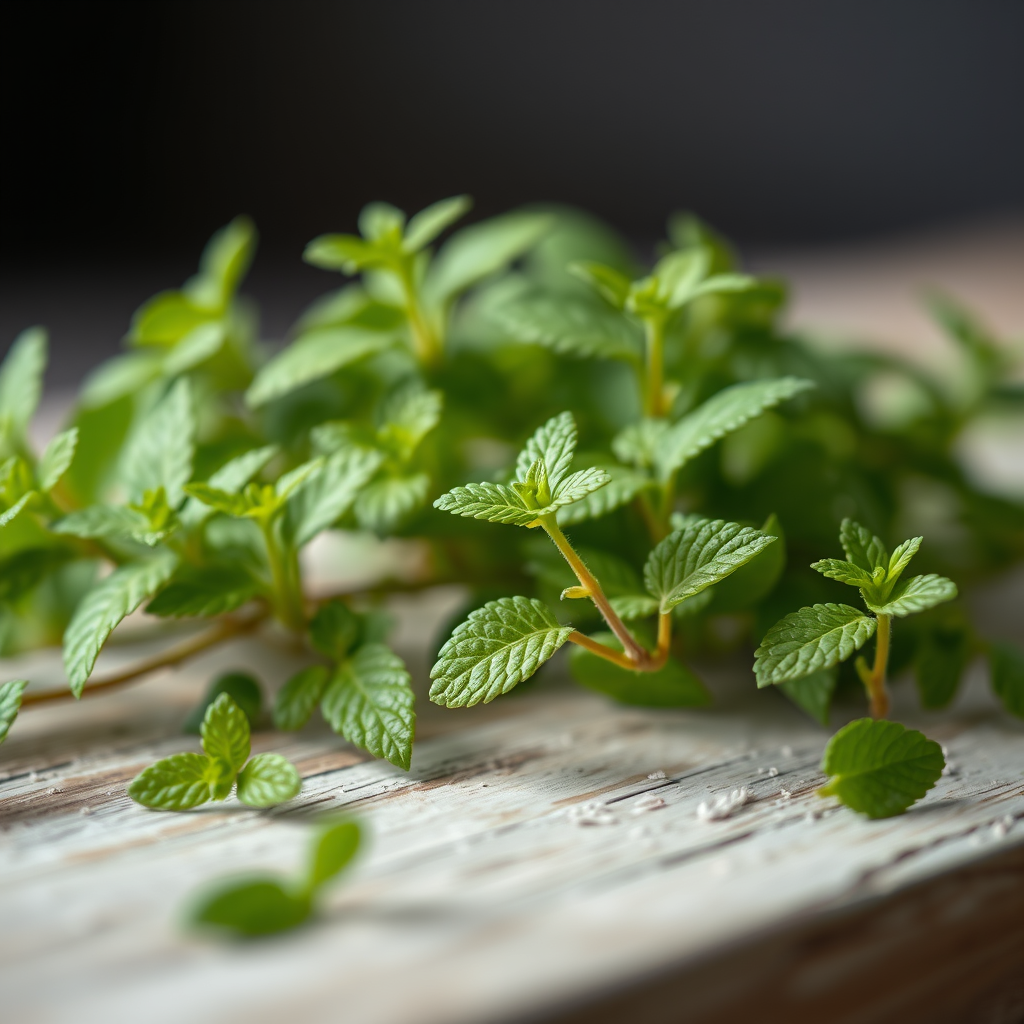
If you have been researching sugar substitutes for any length of time, you have almost certainly come across Stevia. It has become the gold standard for natural, diabetic-friendly sweeteners, and for good reason. Stevia is derived from the leaves of the Stevia rebaudiana plant, which is native to South America. For centuries, indigenous peoples used the leaves to sweeten teas and medicines. Today, we extract the sweet compounds, called steviol glycosides, to create a white powder or liquid drop that is 200 to 300 times sweeter than regular table sugar.
The primary reason Stevia is a superstar for diabetics is its impact on blood sugar—or rather, the lack thereof. Because the human body does not metabolize the glycosides in Stevia, it passes through the digestive system without adding calories or carbohydrates to your diet. Consequently, it has a glycemic index (GI) of zero. This means you can sweeten your morning coffee, tea, or oatmeal without worrying about that dreaded post-meal glucose spike.
However, Stevia is not without its critics regarding flavor. Depending on the extraction method and the specific brand you buy, Stevia can sometimes have a distinct, slightly bitter, or licorice-like aftertaste. This is often more pronounced in cheaper versions or liquid extracts. The key is finding a high-quality blend or a product that isolates specific glycosides (like Rebaudioside A) which tend to be cleaner in taste. It is worth experimenting with a few different brands to find one that suits your palate.
Monk Fruit Sweetener: Great Taste, Zero Calories

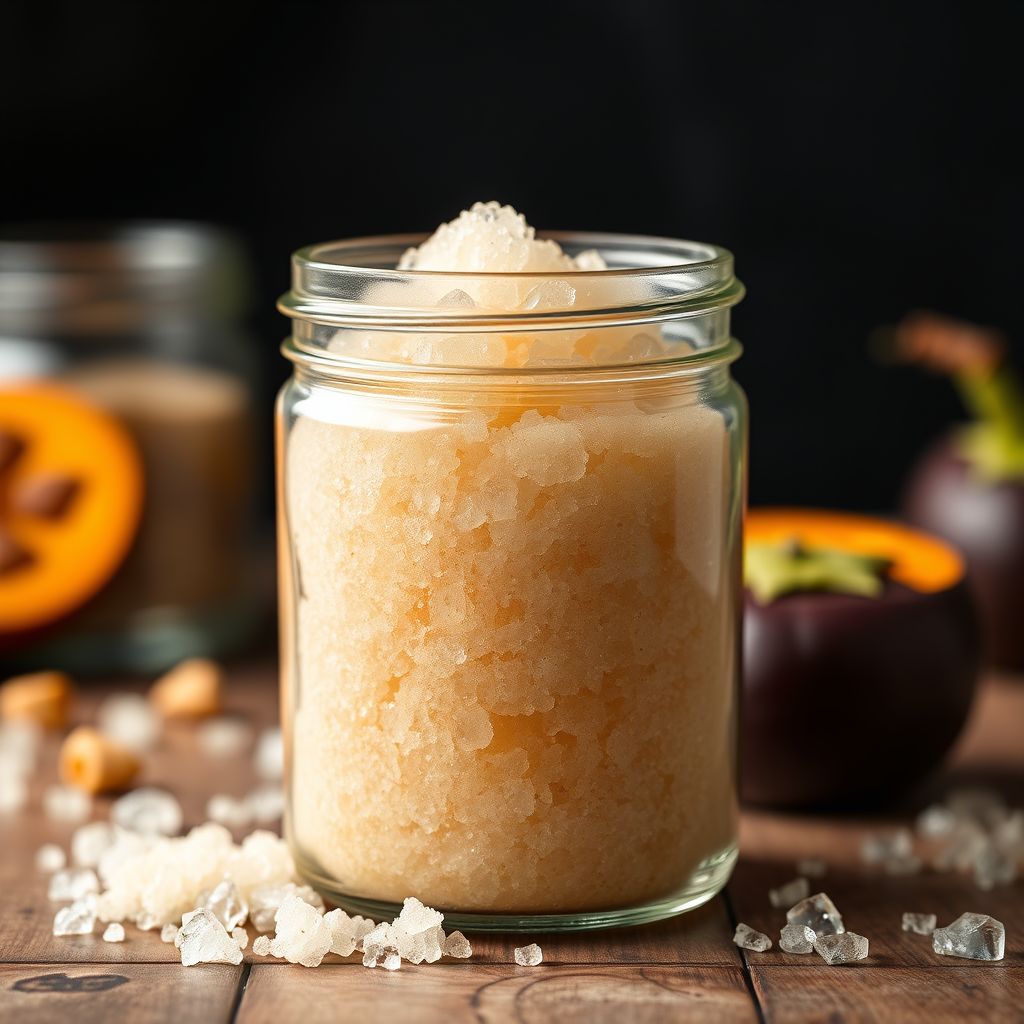
Rising quickly in popularity to challenge Stevia’s dominance is Monk Fruit sweetener. Also known as Luo Han Guo, this small green gourd is grown in Southeast Asia. The sweetener is created by removing the seeds and skin of the fruit, crushing it to collect the juice, and then drying it into a concentrated powder. Like Stevia, Monk Fruit is a zero-calorie, zero-carb sweetener, making it an exceptional tool for weight management and blood sugar control.
What makes Monk Fruit scientifically fascinating is how it gets its sweetness. It doesn’t rely on fructose or glucose; instead, it gets its intense sweetness from natural antioxidants called mogrosides. These mogrosides are not absorbed by the body as energy, which is why they don’t impact your blood sugar. Because these antioxidants also fight free radicals, you are getting a tiny anti-inflammatory bonus with your sweetness.
For many people, the deciding factor between Monk Fruit and Stevia comes down to taste. Monk Fruit is often described as having a cleaner, more neutral flavor profile that is closer to regular sugar. It lacks the licorice aftertaste that some find off-putting in Stevia. This makes Monk Fruit an excellent option for baking, making sauces, or sweetening beverages where you want the sugar flavor to disappear into the background. However, pure Monk Fruit is incredibly potent, so many manufacturers blend it with erythritol to make it measure cup-for-cup like sugar.
Erythritol and Xylitol: Natural Sugar Alcohols
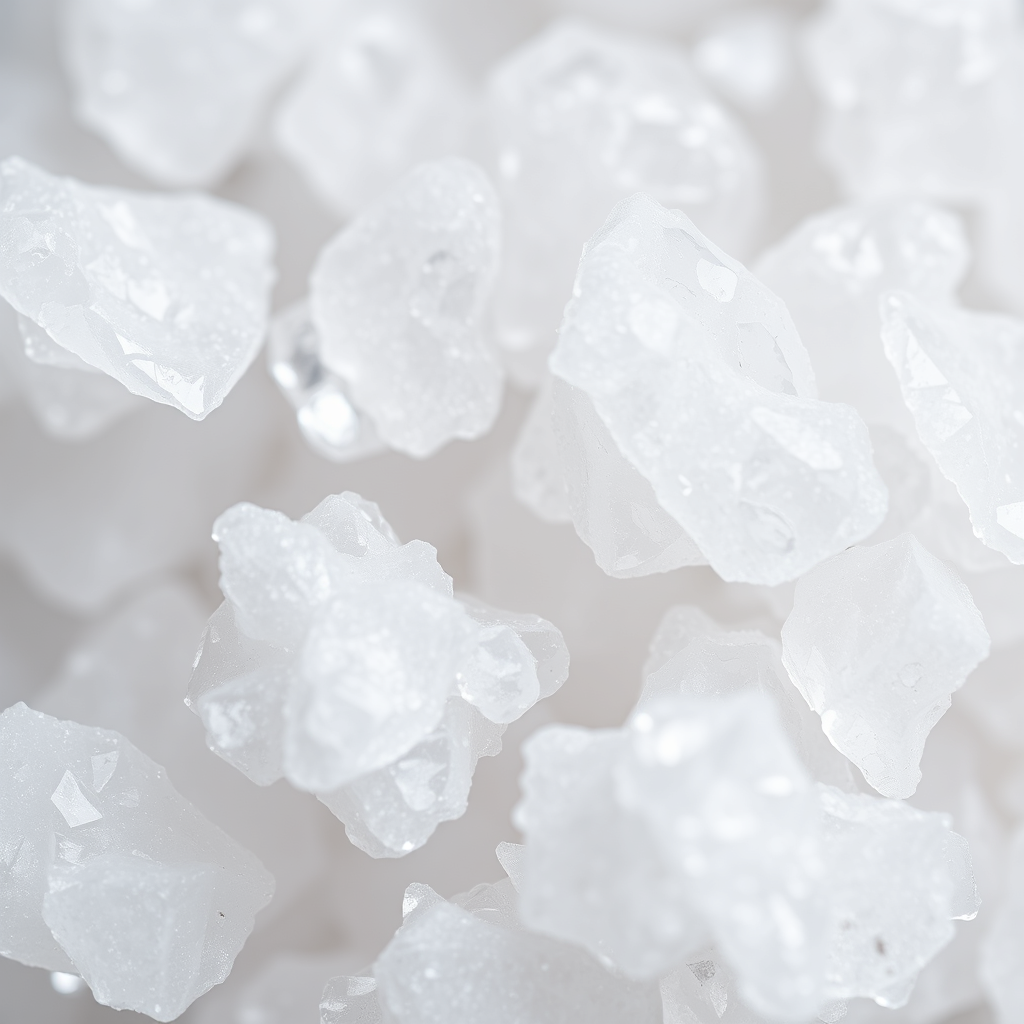
Moving away from high-intensity extracts, we enter the world of sugar alcohols (polyols). Despite the name, these contain neither sugar nor alcohol in the traditional sense. They are hybrids of sugar and alcohol molecules that occur naturally in many fruits and vegetables.
Erythritol is perhaps the most diabetic-friendly of the sugar alcohols. It is found naturally in foods like grapes, pears, and mushrooms, as well as fermented foods like wine and soy sauce. Erythritol contains only about 0.24 calories per gram (compared to 4 calories per gram for sugar) and has a glycemic index of zero to one. The unique thing about Erythritol is that your small intestine absorbs most of it rapidly, and then your body excretes it unchanged in your urine. Because it doesn’t hang around in the gut to ferment, it generally causes fewer digestive issues than other sugar alcohols and has a negligible effect on blood sugar and insulin.
Xylitol is another heavy hitter in this category. You might recognize it as an ingredient in sugar-free gum and toothpaste because oral bacteria cannot feed on it, which helps prevent cavities. It is roughly as sweet as sugar but contains about 40% fewer calories. Xylitol does have a low glycemic index (around 7-13), which is vastly better than sugar (65+), but it can cause a very slight rise in blood sugar in some individuals.
A friendly word of warning regarding sugar alcohols: moderation is key. Because the body cannot fully digest them, consuming large quantities (especially of Xylitol) can pull water into the intestine or ferment, leading to gas, bloating, and diarrhea. Erythritol is generally better tolerated, but everyone’s threshold is different. Also, please note that while safe for humans, Xylitol is extremely toxic to dogs, so keep any baked goods made with it well out of reach of your furry friends.
Yacon Syrup: A Low-Glycemic Liquid Option
If you are looking for a liquid sweetener to replace honey or molasses, Yacon syrup is a unique and beneficial alternative. It is extracted from the roots of the Yacon plant, which grows natively in the Andes mountains of South America. It has a dark, thick consistency and a flavor that resembles molasses or caramelized sugar.
What makes Yacon syrup special for diabetics is its chemical composition. It is incredibly high in fructooligosaccharides (FOS). FOS is a type of soluble fiber that functions as a prebiotic, meaning it feeds the beneficial bacteria in your gut. Because the human body cannot digest FOS, Yacon syrup has a very low glycemic index. It provides sweetness without the rapid glucose absorption associated with regular syrups.
However, Yacon syrup is best used as a finishing touch rather than a baking ingredient. High temperatures (over 248°F or 120°C) can break down the fructooligosaccharides, effectively destroying the prebiotic benefits and potentially altering the sugar structure. It shines as a drizzle over Greek yogurt, a binder for no-bake energy balls, or stirred into tea or coffee that has cooled slightly. Because it is essentially a concentrated fiber, eating too much can cause digestive upset, so start with small amounts.
“Natural” Sweeteners to Use with Caution
There is a pervasive myth in the wellness world that if a sweetener is “natural” or “unrefined,” it is automatically safe for diabetics. This includes popular options like raw honey, maple syrup, agave nectar, and coconut sugar. While these are certainly less processed than bleached white sugar and may contain trace amounts of minerals and antioxidants, chemically, they are still sugar.
For example, honey is a blend of fructose and glucose. While it has a slightly lower glycemic index than table sugar, it will still cause a significant spike in insulin. Agave nectar is often marketed as “low glycemic,” but it achieves this by being incredibly high in fructose (up to 90%). High fructose consumption is linked to insulin resistance and fatty liver disease, which can actually worsen metabolic health over time. Maple syrup and coconut sugar similarly contain high amounts of sucrose.
Does this mean you can never have them? Not necessarily. These options are best reserved for diabetics who have very well-managed blood sugar levels and are looking for a specific flavor profile—like the distinct taste of maple on a weekend pancake treat. However, they must be measured strictly and treated as a carbohydrate serving. They are not “free” foods like Stevia or Monk Fruit. If you are struggling to lower your A1C, it is usually best to avoid these until your numbers are in a target range.
How to Choose the Right Natural Sugar
With so many options, how do you decide what to put in your grocery cart? The first step is to become a detective and read the nutrition labels on the back of the package—not just the marketing claims on the front.
Many “Stevia” or “Monk Fruit” blends sold in baking aisles are actually bulked up with fillers like dextrose or maltodextrin to make them measure like sugar. Maltodextrin has a higher glycemic index than table sugar and can skyrocket your blood glucose, completely defeating the purpose of buying a sugar substitute. Look for products where the ingredients list is short and consists only of the sweetener itself, or safe bulking agents like Erythritol.
Next, consider the application. If you are baking a cake, a Monk Fruit and Erythritol blend is usually the best choice because it provides the volume and texture (“crumb”) that sugar normally provides. If you are just sweetening a cup of tea, liquid Stevia drops are portable and mix instantly.
Finally, the most important tool you have is your glucometer or continuous glucose monitor (CGM). We are all bio-individual; what works for one person might cause a spike in another. When introducing a new sweetener, test your blood sugar before eating and then two hours after to see how your body responds. This data will give you the confidence to enjoy your sweet treats without fear.
Finding the right natural sugar substitute is key to enjoying sweet treats without compromising your blood sugar management. Stevia and Monk Fruit remain the safest bets for most diabetics due to their zero-glycemic impact, while options like Yacon syrup offer digestive benefits along with sweetness. Remember that being diagnosed with diabetes doesn’t mean the end of delicious food; it just means making smarter swaps. Always consult with your doctor or dietitian before making significant changes to your diet, and start incorporating these healthier alternatives into your recipes today to enjoy the sweet life, safely.
Frequently Asked Questions
What are the best natural sweeteners that won’t spike blood sugar levels?
Stevia and monk fruit are widely considered the best natural sweeteners for diabetics because they have a zero glycemic index and contain no calories. Unlike traditional sugars, these plant-derived extracts pass through the body without triggering an insulin response, making them excellent for maintaining stable blood glucose levels. Both options are significantly sweeter than sugar, so only a very small amount is needed to sweeten beverages or foods.
Is coconut sugar actually safe for people with diabetes to consume?
While coconut sugar is often marketed as a healthier alternative due to its lower processing, it is not the best choice for diabetics because it still contains a high amount of carbohydrates and sucrose. It has a slightly lower glycemic index than white table sugar, but it can still cause significant blood sugar spikes if not consumed in strict moderation. Diabetics should treat coconut sugar similarly to regular sugar and account for it carefully in their daily carbohydrate limit.
Which natural sugar substitute works best for baking and cooking?
Erythritol is often regarded as the best natural sugar substitute for baking because it mimics the granular texture and volume of white sugar without the bitter aftertaste sometimes associated with stevia. It is a sugar alcohol found naturally in some fruits that has a negligible effect on blood glucose and insulin levels. For the best results in recipes, many bakers use a blend of erythritol and monk fruit to achieve optimal sweetness and browning.
Are honey and agave nectar healthy alternatives to sugar for diabetics?
Despite being natural and less processed, honey and agave nectar are concentrated sources of sugar that will rapidly raise blood glucose levels in diabetic patients. Agave has a lower glycemic index but is extremely high in fructose, which can contribute to insulin resistance over time if consumed in excess. While honey offers trace minerals and antioxidants, it affects blood sugar almost identically to refined sugar and should be used very sparingly.
How does the glycemic index (GI) affect which natural sugar I should choose?
The glycemic index measures how quickly a food raises blood sugar, so choosing a natural sweetener with a low or zero GI is essential for diabetes management to prevent dangerous insulin spikes. Sweeteners like stevia, monk fruit, and yacon syrup fall at the bottom of the scale, meaning they provide sweetness without the metabolic impact of high-GI foods like cane sugar or maple syrup. Understanding GI helps diabetics satisfy sweet cravings while keeping their hemoglobin A1C levels within a healthy range.
References
- https://health.clevelandclinic.org/sugar-substitutes-for-diabetics
- Artificial sweeteners and other sugar substitutes – Mayo Clinic
- https://www.hopkinsmedicine.org/health/wellness-and-prevention/facts-about-sugar-and-sugar-substitutes
- Sugar, sweeteners and diabetes | Diabetes UK
- https://www.ncbi.nlm.nih.gov/pmc/articles/PMC6360548/
- Low-Calorie Sweeteners • The Nutrition Source
- Sugar substitute




Pingback: Best Sugar-Free Cookies for Diabetics: A Guide - Best For Diabetics
Pingback: **Best Diabetic Cookies: Smart & Sweet Choices** - Best For Diabetics
Pingback: Best Sweets for Diabetics: Safe & Delicious Options - Best For Diabetics
Pingback: Which Sweetener is Best for Diabetics? - Best For Diabetics
Pingback: Best Sugar Alternatives for Diabetics: Top Choices & Considerations - Best For Diabetics
Pingback: Choosing the Best Artificial Sweetener for Diabetics - Best For Diabetics
Pingback: Best Syrups for Diabetics: Top Options - Best For Diabetics
Pingback: Best Store-Bought Cookies for Diabetics: Top Picks - Best For Diabetics