
When managing diabetes, choosing the right sugar substitute is crucial for maintaining stable blood glucose levels. While individual responses can vary, natural non-nutritive sweeteners like Stevia, Monk Fruit, and certain sugar alcohols such as Erythritol are generally considered among the best and safest options for people with diabetes due to their minimal impact on blood sugar. This guide will help you understand your choices to make informed decisions for your health.



Understanding Sugar Substitutes and Diabetes
The landscape of dietary management for diabetes has evolved significantly, with sugar substitutes playing a pivotal role. These alternatives offer the sweetness desired without the detrimental effects of traditional sugars on blood glucose levels. Understanding their function and benefits is fundamental for effective diabetes control.
* Why They’re Used: Sugar substitutes are chemical compounds or natural extracts that provide a sweet taste without contributing significant calories or carbohydrates to the diet. For individuals managing diabetes, this is paramount, as it directly aids in preventing post-meal blood glucose spikes, a critical factor in managing both Type 1 and Type 2 diabetes. By replacing caloric sugars, these substitutes also support weight control efforts, which are often a key component of diabetes management strategies, particularly for those with Type 2 diabetes. The goal is to allow individuals to satisfy sweet cravings while adhering to strict carbohydrate and calorie limits, thereby improving overall glycemic control and reducing the risk of long-term diabetes complications such as cardiovascular disease, neuropathy, and kidney disease. They interact with the taste receptors on the tongue, mimicking the sensation of sugar, but are either not metabolized by the body or are metabolized in a way that does not impact insulin or blood glucose significantly.
* Key Benefits: The advantages of incorporating appropriate sugar substitutes into a diabetic diet extend beyond mere glucose management. Firstly, they effectively help satisfy sweet cravings, which can be a significant challenge for individuals transitioning to a lower-sugar diet. This can improve dietary adherence and reduce feelings of deprivation. Secondly, by reducing overall sugar intake, they contribute to better dental health, as many sugar substitutes are non-cariogenic (do not cause cavities). Thirdly, their versatility allows for the creation of numerous sugar-free alternatives in cooking, baking, and beverages, empowering individuals to enjoy a wider range of foods and drinks without compromising their health goals. This culinary flexibility is vital for maintaining a sense of normalcy and enjoyment in eating, which is crucial for long-term dietary adherence.
* Important Considerations: Navigating the array of sugar substitutes requires careful consideration. It is crucial to recognize that not all substitutes are created equal. The primary concern for individuals with diabetes is to choose options that have a negligible glycemic impact, meaning they do not raise blood sugar levels. This involves understanding the science behind how each sweetener is processed by the body. Furthermore, a positive safety profile is essential. Regulatory bodies, such as the U.S. Food and Drug Administration (FDA), evaluate these substances for safety, often assigning a “Generally Recognized as Safe” (GRAS) status. However, ongoing research continually refines our understanding of their long-term effects, including potential impacts on the gut microbiome, which can indirectly influence metabolic health. Therefore, staying informed and prioritizing well-researched options with established safety records is vital. Some sweeteners might also contain fillers like maltodextrin or dextrose, which can contribute carbohydrates and calories, thus negating the intended benefits.
Top-Recommended Choices: Stevia & Monk Fruit
When considering sugar substitutes for diabetes management, natural, non-nutritive sweeteners often emerge as preferred choices due to their minimal impact on blood sugar and established safety profiles. Among these, Stevia and Monk Fruit stand out.
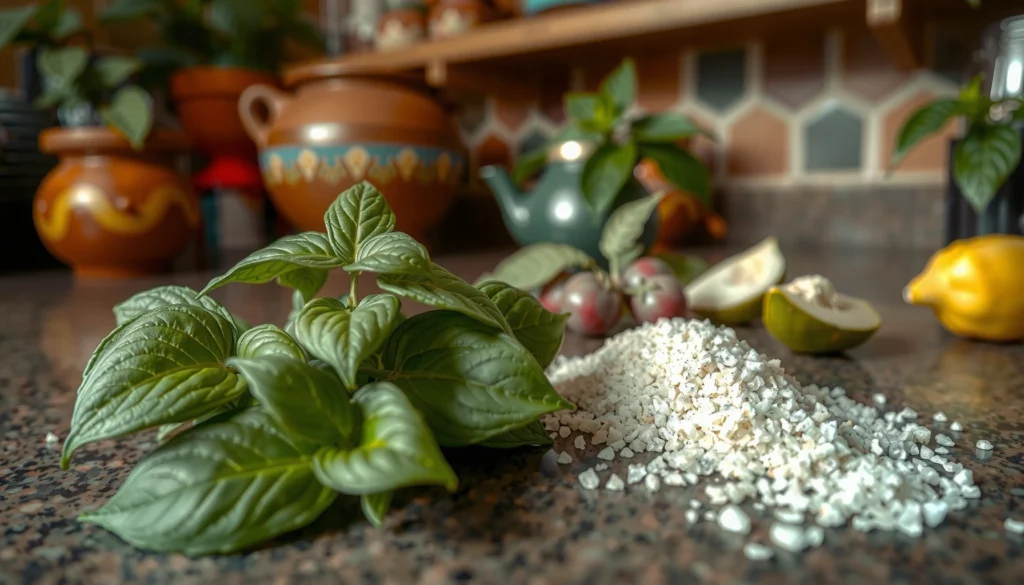
* Stevia (Steviol Glycosides): Stevia is a natural, calorie-free sweetener derived from the leaves of the *Stevia rebaudiana* plant, native to South America. Its sweetness comes from compounds called steviol glycosides, primarily rebaudioside A (Reb A) and stevioside. These compounds are significantly sweeter than sugar (up to 200-400 times) but are not metabolized by the human body for energy. Instead, they pass through the digestive system largely unabsorbed, thus having no impact on blood glucose or insulin levels. For these reasons, Stevia is widely recommended for individuals with diabetes as a safe and effective sugar alternative. Modern processing techniques have also led to purer stevia extracts, like Reb M, which have a cleaner taste profile, minimizing the slightly bitter aftertaste sometimes associated with earlier stevia products. It can be used in a variety of applications, from sweetening beverages to baking.
* Monk Fruit (Mogrosides): Monk fruit, also known as *Siraitia grosvenorii*, is a small, round fruit native to Southeast Asia. The sweetness from monk fruit extract comes from natural compounds called mogrosides, particularly Mogroside V, which are powerful antioxidants and can be 150-250 times sweeter than sugar. Like steviol glycosides, mogrosides are not absorbed in the upper digestive tract and are not metabolized for energy, meaning they contribute zero calories and have no known impact on blood glucose levels. Monk fruit has been used for centuries in traditional Chinese medicine and is gaining popularity globally as a natural, zero-calorie sweetener with a clean taste profile, often described as having no aftertaste. Its stability under heat makes it suitable for both cooking and baking, providing a versatile option for diabetic diets.
* Why They’re Favored: Both Stevia and Monk Fruit are highly favored for diabetes management primarily because they are recognized as Generally Recognized as Safe (GRAS) by the FDA, indicating a high level of safety based on extensive scientific review. Their natural origins are also a significant appeal to many consumers seeking less processed food ingredients. Critically, their potent sweetness allows for very small quantities to be used, effectively delivering sweetness without contributing to the carbohydrate load, a key factor in managing blood sugar. This makes them excellent choices for maintaining glycemic control while still enjoying sweet tastes. Their metabolic pathways ensure they do not trigger insulin responses or glucose spikes, offering peace of mind to individuals meticulously tracking their intake.
Exploring Erythritol and Allulose
Beyond Stevia and Monk Fruit, other excellent sugar alternatives are available that offer unique properties, making them highly suitable for individuals managing diabetes. Erythritol and Allulose are two such options, valued for their low-calorie content and minimal blood sugar impact.
* Erythritol (Sugar Alcohol): Erythritol is a unique sugar alcohol (or polyol) that occurs naturally in some fruits (like grapes, pears, and watermelons) and fermented foods. Unlike other sugar alcohols such as xylitol or sorbitol, Erythritol is minimally absorbed in the small intestine (about 90%) and the remaining 10% is rapidly excreted unchanged in the urine. This unique metabolic pathway means it contributes only about 0.2 calories per gram, which is significantly lower than sugar’s 4 calories per gram, and it has virtually no impact on blood glucose or insulin levels. Its excellent digestive tolerance compared to other sugar alcohols is another major benefit, as it is less likely to cause gas, bloating, or laxative effects when consumed in moderate amounts. Erythritol also boasts non-cariogenic properties, meaning it doesn’t contribute to tooth decay. Its crystalline structure and mild sweetness (about 70% as sweet as sugar) make it an excellent bulking agent and sugar substitute in baking, where it can provide texture similar to sugar.
* Allulose (Rare Sugar): Allulose is a “rare sugar” found in small quantities in wheat, figs, raisins, and maple syrup. Chemically, it’s a monosaccharide, similar to fructose, but its unique molecular structure prevents it from being significantly metabolized for energy by the human body. As a result, Allulose provides only about 0.4 calories per gram (about 10% of sugar’s calories) and does not significantly raise blood glucose or insulin levels. What makes Allulose particularly appealing is its taste and functional properties; it provides a clean, sugar-like sweetness and mouthfeel that is remarkably similar to sucrose, making it an ideal choice for many applications. It also browns and caramelizes like regular sugar, a characteristic that most high-intensity sweeteners lack, making it a game-changer for sugar-free baking and cooking. The FDA has also recognized Allulose as GRAS, further solidifying its standing as a safe sugar alternative.
* Benefits & Usage: Both Erythritol and Allulose offer significant advantages for individuals with diabetes. Erythritol’s low caloric value, minimal glycemic impact, and good digestive tolerance make it a preferred choice for bulking in sugar-free recipes, allowing for greater volume without caloric density. Its stability under heat also ensures its suitability for extensive cooking and baking applications. Allulose, with its remarkably sugar-like taste and functional properties, provides an authentic experience for baking and cooking, allowing for delicious sugar-free desserts and sauces that caramelize and brown effectively. These sweeteners can be used individually or in combination with high-intensity sweeteners (like Stevia or Monk Fruit) to achieve optimal sweetness and texture in various foods and beverages, greatly expanding the dietary options for those managing diabetes.
Common Artificial Sweeteners: What to Know
While natural alternatives like Stevia and Monk Fruit are gaining favor, various common artificial sweeteners have been widely used for decades. It’s important for individuals with diabetes to understand these options, their regulatory status, and ongoing discussions surrounding their health implications.
* Aspartame: Aspartame is one of the most widely used artificial sweeteners globally, approximately 200 times sweeter than sugar. It is composed of two amino acids, aspartic acid and phenylalanine, and a small amount of methanol. When digested, aspartame breaks down into these natural components. Aspartame has undergone extensive safety testing and has been approved by major regulatory bodies worldwide, including the FDA and the European Food Safety Authority (EFSA). Despite its approval, discussions and research continue regarding its long-term effects, particularly concerning the gut microbiome and potential metabolic health implications. Some studies suggest a possible alteration of gut bacteria, which could theoretically influence glucose metabolism, though concrete evidence for significant adverse effects in humans at typical consumption levels is still debated. For individuals with diabetes, it’s generally considered safe in moderation, but staying informed about ongoing research is advisable, especially for those who consume it regularly. Aspartame is not heat-stable, so it’s typically found in cold beverages, yogurts, and chewing gum.
* Sucralose: Sucralose is another popular zero-calorie artificial sweetener, derived from sugar through a process that replaces three hydrogen-oxygen groups on the sugar molecule with chlorine atoms. This modification makes sucralose intensely sweet (about 600 times sweeter than sugar) and resistant to digestion, so it passes through the body largely unchanged. The FDA and other international regulatory agencies consider sucralose safe for consumption, citing robust scientific data. It is known for its excellent heat stability, making it suitable for baking and cooking, and is found in a vast array of products, from diet sodas to baked goods. However, ongoing research continues to explore its potential broader health implications for people with diabetes. Some studies have investigated its possible effects on glucose metabolism, insulin sensitivity, and the gut microbiome, with mixed results. While generally considered safe, some findings suggest that in certain individuals or at very high doses, it might subtly impact glucose response or gut flora. As with any sweetener, moderation is key, and individual monitoring is recommended.
* Saccharin & Acesulfame Potassium (Ace-K): Saccharin is one of the oldest artificial sweeteners, discovered in 1879, and is about 200-700 times sweeter than sugar. Acesulfame Potassium (Ace-K), discovered in 1967, is about 200 times sweeter than sugar. Both are zero-calorie sweeteners and are approved for use by regulatory bodies globally. They are frequently used in combination with other sweeteners (e.g., sucralose or aspartame) to create a more balanced sweet taste and reduce any potential aftertastes, and to enhance stability. Saccharin’s safety was once debated but has since been affirmed by numerous studies, leading to its removal from the list of potential carcinogens. Ace-K is also deemed safe and stable under heat, making it versatile. Like other artificial options, while approved for consumption, they should be consumed as part of a balanced diet and in moderation. The scientific community continues to conduct research into the long-term effects of all artificial sweeteners, including saccharin and Ace-K, particularly concerning their influence on metabolic pathways and gut health. Individuals with diabetes should consider these options within a holistic dietary strategy, prioritizing whole, unprocessed foods and limiting excessive consumption of any single sweetener.
Making the Right Sweetener Choice for You
Selecting the ideal sweetener is a personal journey that should be guided by informed decisions, careful observation, and professional advice. The best choice integrates seamlessly into your lifestyle while supporting your diabetes management goals.
* Read Labels Carefully: This cannot be overstressed. The front of a package might prominently display “sugar-free,” but the ingredient list can reveal hidden elements that undermine the health benefits for someone with diabetes. Look specifically for fillers and bulking agents such as dextrose, maltodextrin, or other corn-derived ingredients. These substances are carbohydrates and can raise blood sugar levels, sometimes significantly, negating the zero-calorie or low-carb claims of the primary sweetener. For example, some powdered Stevia or Monk Fruit products are blended with maltodextrin to improve texture and solubility. Always check the “Nutrition Facts” panel for total carbohydrates and ensure that the sweetener itself is the predominant ingredient, not the filler. Educating yourself on various ingredient names is crucial for making truly informed choices.
* Monitor Individual Response: Every individual’s body is unique, and responses to different sweeteners can vary. What works well for one person might cause a slight blood sugar spike or digestive discomfort for another. The most effective way to determine how a particular sweetener affects you is through self-monitoring. Use a glucometer to check your blood glucose levels before consuming a product with a new sweetener and then again 1-2 hours afterward. Keep a food diary to track not only your blood sugar readings but also any digestive symptoms (e.g., bloating, gas, stomach upset) that might arise. This empirical approach allows you to identify sweeteners that are genuinely compatible with your physiological response and preferences, helping you build a personalized list of safe and comfortable options.
* Consult Your Healthcare Provider: While general guidelines are helpful, your diabetes management plan should always be personalized and overseen by healthcare professionals. Discuss your sweetener choices with your doctor or a registered dietitian (RD) specializing in diabetes. They can provide tailored advice based on your specific health profile, current medications, other co-existing conditions, and overall nutritional needs. A dietitian can help you understand the nuances of various sweeteners, how they fit into your carbohydrate budget, and if there are any specific considerations based on your individual medical history. They can also offer guidance on integrating these sweeteners into a balanced diet that prioritizes whole, unprocessed foods, ensuring that sweetener use complements rather than replaces healthy eating habits. This professional oversight is invaluable for optimizing your diabetes management strategy.
Choosing the best artificial sweeteners for diabetes involves understanding the various options, being mindful of individual responses, and prioritizing those with a proven minimal impact on blood sugar. By opting for choices like Stevia, Monk Fruit, Erythritol, or Allulose, and using other artificial sweeteners in moderation, you can enjoy sweetness safely while managing your condition. Always consult with your healthcare professional to tailor your dietary choices to your specific health needs and ensure they support your long-term diabetes management goals.
Frequently Asked Questions
Which artificial sweeteners are generally recommended for people with diabetes?
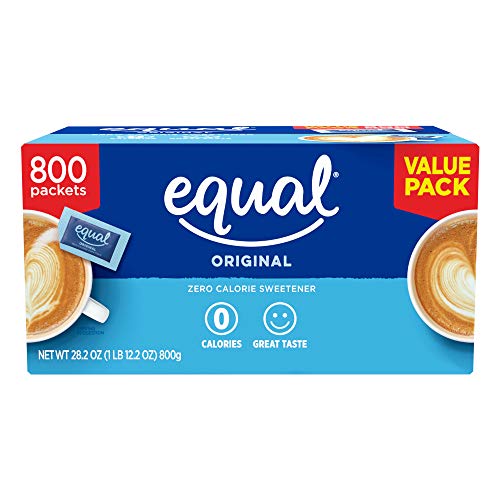
For individuals managing diabetes, several artificial sweeteners are widely considered safe and do not raise blood glucose levels. Commonly recommended options include sucralose (Splenda), aspartame (NutraSweet, Equal), saccharin (Sweet’N Low), neotame, and acesulfame potassium (Ace-K). These non-nutritive sweeteners provide sweetness without carbohydrates or calories, making them excellent sugar substitutes for a diabetic diet.
Do artificial sweeteners affect blood sugar levels in individuals with diabetes?
No, most approved artificial sweeteners are designed to pass through the body without being metabolized for energy, meaning they typically do not directly raise blood sugar levels in people with diabetes. Unlike sugar, they have a minimal to zero impact on insulin response and glycemic control. This makes them a useful tool for enjoying sweet tastes while effectively managing diabetes.
Are ‘natural’ sugar alternatives like stevia and monk fruit better than synthetic artificial sweeteners for diabetes management?
While often marketed as “natural,” sweeteners like stevia and monk fruit extracts are non-nutritive, similar to synthetic artificial sweeteners, and generally safe for diabetes management. Both categories offer calorie-free sweetness without impacting blood sugar. The choice between them often comes down to personal taste preference and how they are processed, as some “natural” blends might include fillers that could slightly affect glycemic impact if consumed in very large quantities.
What are some potential side effects or considerations when consuming artificial sweeteners with diabetes?
While generally safe, some individuals with diabetes may experience mild side effects like gastrointestinal discomfort (bloating, gas, diarrhea) from excessive consumption, especially of sugar alcohols often found in “sugar-free” products. Emerging research also explores potential long-term impacts on gut microbiome and metabolic health, although current evidence is not conclusive for typical consumption levels. It’s always best to consume artificial sweeteners in moderation and monitor your body’s response.
How can I effectively incorporate artificial sweeteners into my diabetic meal plan?
To effectively incorporate artificial sweeteners into your diabetic meal plan, use them to replace added sugars in beverages, baked goods, or recipes, focusing on reducing overall sugar intake. Always read food labels to identify hidden sugars or fillers in “sugar-free” products that might still contain carbohydrates. Discussing your use of artificial sweeteners with your doctor or a registered dietitian can help ensure they fit safely and beneficially into your personalized diabetes management strategy.
References
- Page Not Found – Site Help – Mayo Clinic
- https://www.diabetes.org/healthy-living/foods-nutrition/sweeteners
- https://diabetesjournals.org/care/article/42/11/2154/48369/Artificial-Sweeteners-for-Diabetes-Management
- Low-Calorie Sweeteners • The Nutrition Source
- https://www.cdc.gov/diabetes/managing/eat-well/artificial-sweeteners.html
- https://www.niddk.nih.gov/health-information/diet-nutrition/sugar-substitutes
- https://health.clevelandclinic.org/what-are-the-best-sweeteners-for-people-with-diabetes
- Sugar substitute