
For diabetics seeking the best coffee creamer, the immediate answer lies in unsweetened, low-carb, and sugar-free options, often found in plant-based milks or specific dairy alternatives. The ideal choice minimizes added sugars and unhealthy fats while providing a satisfying flavor without spiking blood glucose levels. This guide will help you navigate the options to find a creamer that supports your health goals.


Understanding Diabetic-Friendly Creamers
Selecting a coffee creamer when managing diabetes goes beyond just taste; it’s a critical component of blood glucose management and overall metabolic health. Understanding the fundamental impact of various ingredients is paramount to making informed choices.
– Impact of Ingredients:
The composition of your coffee creamer can significantly influence your blood glucose levels. Sugars, particularly refined and added sugars, are rapidly absorbed into the bloodstream, leading to swift spikes in blood glucose and a subsequent insulin response. Over time, frequent sugar spikes can contribute to insulin resistance and make diabetes management more challenging. Even “natural” sugars like honey or maple syrup are still forms of sugar and must be accounted for. Fats also play a role; while healthy fats are essential for satiety and nutrient absorption, unhealthy fats like trans fats can negatively impact cardiovascular health, a significant concern for individuals with diabetes. Artificial sweeteners, while calorie-free, are increasingly debated for their potential effects on gut microbiota and metabolic responses, suggesting that moderation and careful selection are prudent.
– Nutritional Goals:
When choosing a diabetic-friendly creamer, the primary nutritional goals are clear: minimal added sugars, low carbohydrate counts, and a healthy fat profile. Aim for creamers that list 0-1 gram of added sugar per serving to prevent unexpected glucose surges. Carbohydrate content should also be minimal, ideally 0-2 grams per serving, as carbohydrates are the macronutrient with the most direct impact on blood sugar. Regarding fats, prioritize options that contain unsaturated fats or healthy dairy fats in moderation, while strictly avoiding trans fats. Some newer creamers may also incorporate beneficial ingredients like MCT oil, which can offer sustained energy without carbohydrate load.
– Reading Labels:
Mastering the art of reading nutrition labels is an indispensable skill for anyone managing diabetes. Terms like “sugar-free” are a good starting point but require further scrutiny; a product can be sugar-free yet contain other carbohydrates that impact blood glucose. “Keto-friendly” often implies very low net carbohydrates and no added sugars, making these products frequently suitable for diabetics, but always cross-reference the ingredient list. Pay close attention to the “Added Sugars” line under “Total Carbohydrates” on the nutrition facts panel. Also, scrutinize the ingredient list itself. Ingredients are listed in order of predominance by weight, so if sugar, corn syrup, or other caloric sweeteners appear among the first few ingredients, the product is likely not suitable. Be vigilant for hidden sugars under names like dextrose, maltodextrin, high-fructose corn syrup, corn syrup solids, and evaporated cane juice.
Key Ingredients to Look For
The foundation of a diabetic-friendly coffee creamer lies in its core ingredients. Focusing on unsweetened bases, natural sweeteners, and healthy fats will guide you toward suitable options.
– Unsweetened Plant-Based Milks:
These form the backbone of many excellent diabetic-friendly creamers due to their naturally low carbohydrate content and absence of lactose.
* Almond Milk: Unsweetened almond milk is a popular choice, offering a very low-calorie and low-carb base. It provides a neutral flavor that blends well with coffee without adding significant sugars or fats.
* Coconut Milk: Light, unsweetened coconut milk (from a carton, not canned culinary coconut milk which is much higher in fat) provides a creamier texture and a subtle tropical note. It’s also low in carbohydrates, though it contains more saturated fat than almond milk, so moderation is key.
* Soy Milk: Unsweetened soy milk can be another option, offering a higher protein content than most other plant-based milks. Ensure you choose unsweetened varieties, as sweetened versions can contain significant amounts of sugar.
These milks are often fortified with vitamins and minerals, providing additional nutritional benefits while remaining dairy-free.
– Natural Sweeteners:
To achieve sweetness without sugar, several natural, zero-calorie sweeteners are excellent choices. It’s important to use these in moderation to avoid over-reliance on intense sweetness, which can perpetuate cravings.
* Stevia: Derived from the stevia plant, this is a widely used zero-calorie sweetener available in various forms (liquid drops, powder). It does not impact blood glucose levels.
* Monk Fruit: Another natural, zero-calorie sweetener extracted from monk fruit. It’s often blended with erythritol to reduce its intense sweetness and provide bulk.
* Erythritol: A sugar alcohol that is naturally occurring, erythritol has virtually no calories and does not affect blood sugar. It’s generally well-tolerated digestive-wise compared to other sugar alcohols.
When selecting creamers, look for these sweeteners on the ingredient list rather than artificial alternatives.
– Healthy Fats:
While not the primary focus of creamer for diabetics, healthy fats can enhance satiety and provide a richer mouthfeel.
* MCT Oil: Medium-chain triglycerides (MCTs) are a type of saturated fat that metabolizes differently than long-chain fats, providing a quick energy source without being stored as fat as readily. Often found in specific keto-friendly creamers, MCT oil can support sustained energy and brain function.
* Unsweetened Half-and-Half: For those who prefer a dairy option, unsweetened half-and-half can be a suitable choice in moderation. It contains more fat than milk but significantly fewer carbohydrates and no added sugars compared to conventional creamers. The fats are primarily dairy fats, which, when consumed in moderation within a balanced diet, can be part of a healthy eating pattern.
Ingredients to Avoid or Limit
Just as important as knowing what to look for is understanding what ingredients can derail your blood glucose management and overall health. Vigilance in avoiding or limiting certain components is crucial for diabetic individuals.
– Added Sugars:
This category is the most critical to avoid. Added sugars contribute empty calories and lead to rapid and detrimental spikes in blood glucose levels. Be diligent in identifying and eliminating all forms of added sugar from your creamer choices. Common culprits include:
* High-fructose corn syrup (HFCS): A highly processed sweetener widely used in foods and beverages.
* Sucrose: Table sugar.
* Corn syrup solids: A dehydrated form of corn syrup.
* Dextrose, Maltodextrin: Often used as fillers or sweeteners, these are simple carbohydrates that can significantly raise blood sugar.
* Evaporated cane juice, brown rice syrup, agave nectar, maple syrup, honey: While some are marketed as “natural,” they are still forms of sugar and impact blood glucose similarly to refined sugar.
The regular consumption of products high in added sugars not only makes blood glucose control challenging but also contributes to inflammation, weight gain, and an increased risk of cardiovascular disease.
– Hydrogenated Oils:
Hydrogenated oils, particularly partially hydrogenated oils, are a source of trans fats, which are unequivocally detrimental to heart health. Trans fats raise LDL (“bad”) cholesterol and lower HDL (“good”) cholesterol, significantly increasing the risk of heart disease—a complication already elevated for individuals with diabetes. Even “trans fat-free” labels can be misleading if a product contains less than 0.5 grams per serving. Always check the ingredient list for “partially hydrogenated oils” and avoid products containing them entirely. Fully hydrogenated oils are different; they do not contain trans fats but are saturated fats, which should still be consumed in moderation.
– Excessive Artificial Sweeteners:
While they offer zero calories and do not directly raise blood sugar, the long-term effects of excessive artificial sweetener consumption are an area of ongoing scientific inquiry. Sweeteners like aspartame, sucralose, and saccharin have been linked in some studies to potential alterations in gut microbiota, which in turn could indirectly affect glucose metabolism and insulin sensitivity in certain individuals. There’s also a theory that regular consumption of intensely sweet flavors, even without calories, can perpetuate a preference for sweet foods and potentially lead to increased calorie intake overall. For these reasons, while they can be a useful tool, it’s advisable to prioritize naturally sweetened options or simply reduce your overall desire for extreme sweetness.
Top Diabetic-Friendly Creamer Options
Fortunately, the market has expanded considerably, offering numerous excellent choices for diabetics. From established brands to DIY solutions, there are satisfying options for every preference.
– Popular Brands:
Several brands have specifically catered to the low-carb, sugar-free market, making them ideal for diabetics.
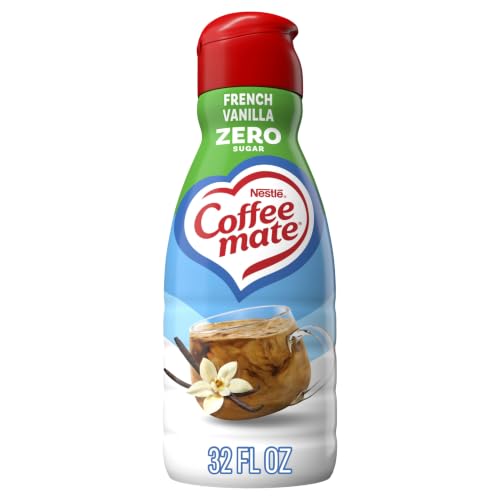
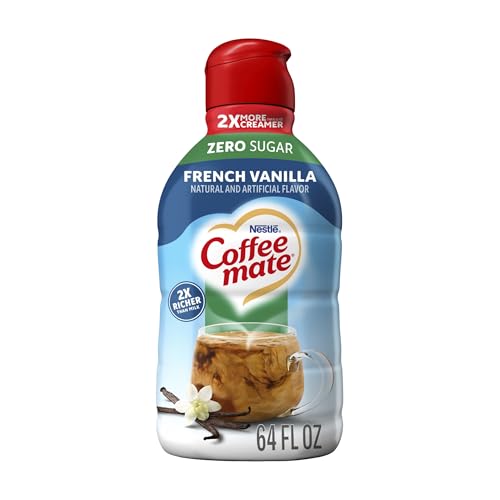
* Nutpods: This brand is a standout, offering unsweetened, dairy-free creamers made from a blend of almond and coconut. They come in various flavors (Original, French Vanilla, Hazelnut, etc.) and are certified Whole30, keto-friendly, and naturally sugar-free with 0 carbs per serving. Their rich, creamy texture makes them a favorite substitute for traditional creamers.
* Califia Farms: Known for its range of plant-based products, Califia Farms offers several unsweetened almond milk and oat milk creamers. Their “Better Half” line, combining almond milk and coconut cream, is a popular unsweetened option that provides a good balance of creaminess and neutral flavor. Always ensure you select their “unsweetened” varieties.
* So Delicious: This brand provides a variety of dairy-free options, including unsweetened coconut milk and almond milk creamers. Similar to other plant-based brands, their unsweetened versions are excellent for diabetics seeking a creamy texture without the added sugar.
When exploring these brands, look for clear labels indicating “unsweetened,” “zero sugar,” or “keto-friendly” to ensure they meet your dietary requirements.
– Dairy Choices:
For those who prefer traditional dairy products, certain options can be incorporated into a diabetic-friendly diet with careful consideration.
* Unsweetened Half-and-Half: In moderation, unsweetened half-and-half (a blend of whole milk and light cream) is a low-carb dairy option. It provides a creamy texture with minimal natural lactose and no added sugars. While higher in fat than skim milk, its carb count is significantly lower than most sweetened creamers. Portion control is essential due to its caloric and fat content.
* Heavy Cream: Similar to half-and-half but with a higher fat content and even lower carbohydrate count, a small amount of unsweetened heavy cream can also be used for a rich, luxurious addition to coffee. Again, moderation is key.
– DIY Creamers:
Making your own coffee creamer offers complete control over ingredients, allowing you to avoid any unwanted additives and tailor the flavor to your exact preferences.
* Basic Plant-Milk Creamer: Blend unsweetened almond, coconut, or soy milk with a natural sweetener like liquid stevia or monk fruit drops. Add a dash of vanilla extract, cinnamon, or cocoa powder for flavor.
* Nut Butter Creamer: For an extra boost of healthy fats and protein, blend unsweetened plant milk with a tablespoon of natural almond butter or cashew butter, a natural sweetener, and a pinch of salt.
* Spiced Creamer: Combine unsweetened plant milk with pumpkin pie spice, cinnamon, or cardamom, along with a natural sweetener, and warm it gently before adding to coffee.
DIY creamers are not only healthier but can also be more cost-effective in the long run.
How to Read Nutrition Labels Effectively
Reading nutrition labels is a skill that empowers individuals with diabetes to make informed food choices. It’s not just about looking at the headline numbers but understanding the nuances of how ingredients and serving sizes impact your daily intake.
– Check Serving Size:
This is perhaps the most critical, yet often overlooked, detail on a nutrition label. The nutritional values listed (carbohydrates, sugars, fats) are always per single serving. Coffee creamer serving sizes are typically small, often 1 tablespoon (15ml). Many individuals routinely use two or three times that amount in their coffee. If you use 2 tablespoons instead of the stated 1, you must double all the listed nutritional values. Failing to adjust for actual consumption can lead to a significant underestimation of your carb and sugar intake, directly impacting your blood glucose management. Always note the serving size and realistically assess how much you typically use.
– Focus on Total Carbs and Added Sugars:
For individuals with diabetes, these two metrics are paramount.
* Total Carbohydrates: This figure indicates the total amount of carbohydrates in one serving, which directly influences blood glucose levels. Aim for creamers with 0-2 grams of total carbohydrates per serving. Remember that even if a product is “sugar-free,” it can still contain other carbohydrates (e.g., from starches or certain thickeners) that will affect blood sugar.
* Added Sugars: This is the most crucial number. Under “Total Carbohydrates,” look for the line item “Includes Xg Added Sugars.” For diabetic-friendly creamers, this number should ideally be 0 grams. Added sugars are the primary culprits for blood glucose spikes and contribute to unnecessary caloric intake without providing substantial nutrition. Naturally occurring sugars (e.g., lactose in plain dairy products) are metabolized differently, but for creamers, the focus should almost exclusively be on minimizing added sugars.
– Ingredient Order:
The ingredient list provides a wealth of information about a product’s composition. Ingredients are listed in descending order by weight, meaning the ingredients that make up the largest proportion of the product are listed first. This rule is a powerful tool for identifying undesirable components:
If any form of sugar (e.g., sugar, corn syrup, dextrose, maltodextrin, evaporated cane juice) appears among the first few ingredients, it signifies a high sugar content, making the creamer unsuitable for a diabetic diet.
Similarly, if partially hydrogenated oils are listed, immediately discard the option due to the presence of trans fats.
Prioritize creamers where the first few ingredients are water, unsweetened plant milks, or healthy fats, followed by natural flavorings or zero-calorie sweeteners if present. A shorter ingredient list with recognizable, whole-food components is often a good indicator of a healthier choice.
Ultimately, selecting the best coffee creamer for a diabetic involves understanding nutritional labels, prioritizing low-sugar and low-carb options, and considering your individual dietary needs and preferences. By making informed choices and consulting with your healthcare provider or a registered dietitian, you can enjoy your coffee without compromising your health goals. Start by experimenting with a few recommended options and monitoring your blood glucose levels to find your perfect fit.
Frequently Asked Questions
What are the best types of coffee creamers for diabetics to avoid blood sugar spikes?
The best coffee creamers for diabetics are typically unsweetened, low-carb, and free from added sugars. Opt for options like unsweetened nut milks (almond, cashew), unsweetened coconut milk, or even a splash of heavy cream, which has minimal carbs and no sugar. These choices help maintain stable blood glucose levels by preventing the high sugar intake often found in traditional flavored creamers. Always prioritize products with a short ingredient list and clear nutritional information.
How do I choose a truly diabetic-friendly coffee creamer by reading the nutrition label?
When selecting a diabetic-friendly coffee creamer, meticulously check the nutrition label for key indicators. Look for creamers with 0-1 gram of total carbohydrates per serving, especially focusing on “added sugars” which should ideally be zero. Additionally, pay attention to the serving size to ensure your portion doesn’t inadvertently increase carb intake, and scan the ingredient list for artificial sweeteners or hidden sugars that might still impact blood glucose.
Why should diabetics be careful with “sugar-free” coffee creamers, and what artificial ingredients should they watch out for?
Diabetics should exercise caution with “sugar-free” coffee creamers because they often contain artificial sweeteners or sugar alcohols that can still impact blood glucose in some individuals or cause digestive issues. Key artificial ingredients to watch out for include sucralose, aspartame, acesulfame potassium, and maltitol, which some studies suggest may alter gut microbiome or spike blood sugar. Furthermore, many “sugar-free” options compensate for sweetness with thickeners and starches like corn syrup solids, which are refined carbohydrates.
Which non-dairy coffee creamers are generally safe and recommended for people with diabetes?
For people with diabetes, several non-dairy coffee creamers are generally safe and recommended, provided they are unsweetened. Excellent choices include unsweetened almond milk creamer, unsweetened cashew milk creamer, and unsweetened coconut milk creamer, all of which are low in carbohydrates and calories. Some brands also offer “keto-friendly” non-dairy creamers made with healthy fats like MCT oil, which can be a good option for managing blood sugar levels without added sugars.
Can I make my own diabetic-friendly coffee creamer at home, and what are some simple recipes?
Absolutely, making your own diabetic-friendly coffee creamer at home is a fantastic way to control ingredients and avoid hidden sugars. A simple recipe involves blending unsweetened almond milk or full-fat coconut milk with a natural sugar substitute like stevia or monk fruit to taste. You can also add natural flavors like vanilla extract, cinnamon, unsweetened cocoa powder, or a dash of nutmeg for a delicious, personalized, and blood-sugar-conscious creamer.
References
- https://www.diabetes.org/healthy-living/foods-nutrition/sugar-substitutes
- Page Not Found – Site Help – Mayo Clinic
- https://health.harvard.edu/blog/the-truth-about-artificial-sweeteners-201207055059
- https://www.health.harvard.edu/diabetes/healthy-drinks-for-people-with-diabetes
- https://health.clevelandclinic.org/best-and-worst-sweeteners-for-diabetes/
- https://www.diabetes.org/healthy-living/recipes-nutrition/eating-well-diabetes/drinks-people-diabetes
- Sugar substitute