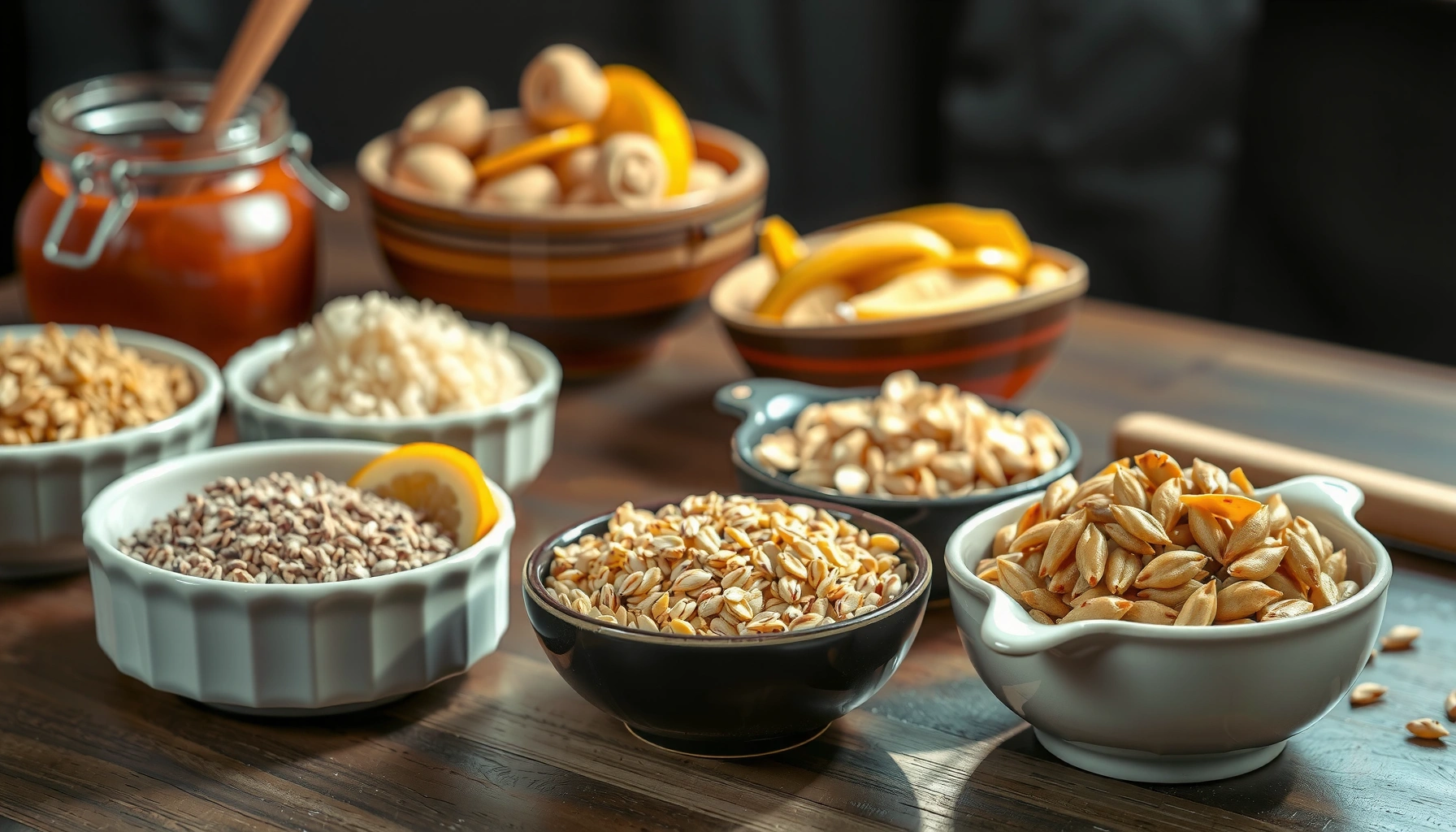
For individuals managing diabetes, choosing the right flour is crucial for blood sugar control. Generally, flours that are low in carbohydrates, high in fiber, and have a low glycemic index (GI) are best, with almond flour and coconut flour often leading the recommendations due to their minimal impact on blood glucose levels. This guide explores the best flour options and important considerations for diabetic-friendly baking.



Understanding Flour & Diabetes: The Glycemic Impact
Managing blood sugar levels is a cornerstone of diabetes care, and dietary choices play a pivotal role. The type of flour consumed directly impacts how quickly and significantly glucose enters the bloodstream, making informed decisions about baking ingredients essential for health and well-being.
* Glycemic Index (GI) and Load (GL): These metrics are fundamental to understanding a food’s effect on blood sugar. The Glycemic Index (GI) quantifies how rapidly a carbohydrate-containing food raises blood glucose levels after consumption, compared to a reference food like pure glucose or white bread. Foods are classified as low (GI < 55), medium (GI 56-69), or high (GI > 70). However, GI alone doesn’t account for portion size. This is where Glycemic Load (GL) becomes critical. GL considers both the GI of the food and the amount of carbohydrates in a typical serving, providing a more realistic picture of its actual impact on blood sugar. For example, watermelon has a high GI but a low GL due to its high water content and lower carbohydrate density per serving. For diabetic individuals, prioritizing foods with low GI and low GL is a key strategy for maintaining stable blood glucose.
* Why Flour Choices Matter: Different flours possess distinct carbohydrate structures, which dictate their digestion rate and subsequent effect on blood sugar. Refined flours, stripped of their bran and germ, are primarily composed of simple carbohydrates that are rapidly broken down into glucose. This leads to swift, often significant, blood sugar spikes and a demand for a quick insulin response. Conversely, flours rich in fiber and complex carbohydrates undergo slower digestion. The fiber acts as a physical barrier, slowing the absorption of glucose into the bloodstream, resulting in a more gradual and sustained energy release without the sharp peaks and valleys in blood sugar that can exacerbate diabetic complications. Making conscious flour choices empowers individuals to mitigate these adverse effects and foster better glycemic control.
* The Problem with Refined Flours: Refined flours, such as all-purpose white flour, pose significant challenges for diabetes management. During the refining process, the bran (outer layer) and germ (embryo) are removed from the grain, stripping away virtually all of its dietary fiber, B vitamins, iron, and other essential nutrients. What remains is primarily the starchy endosperm, a carbohydrate-dense component with a high Glycemic Index. When consumed, these refined carbohydrates are rapidly converted to glucose and absorbed into the bloodstream, triggering a rapid and substantial rise in blood sugar. This sudden influx of glucose necessitates a large insulin release, which, over time, can contribute to insulin resistance and further complicate diabetes management. Regular consumption of refined flours is strongly associated with an increased risk of type 2 diabetes and poorer glycemic control for those already diagnosed.
Top Low-Carb, Low-Glycemic Flour Choices
For individuals managing diabetes, prioritizing flours that naturally contain fewer carbohydrates and a higher fiber content is paramount. These choices offer distinct advantages for blood sugar control and overall nutritional intake.
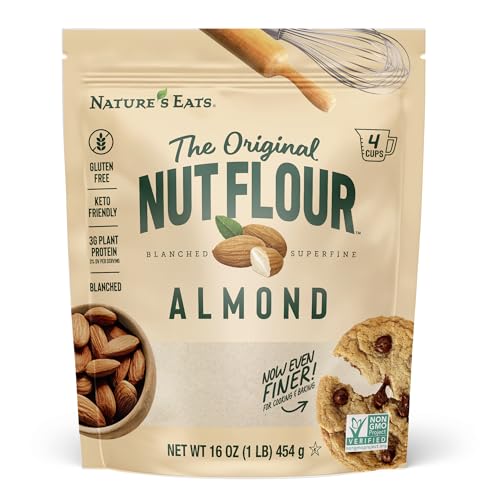
* Almond Flour: Derived from finely ground blanched almonds, almond flour is a cornerstone of low-carb and ketogenic baking. It stands out due to its impressive nutritional profile: it is rich in protein (approximately 6g per 1/4 cup), healthy monounsaturated fats, and dietary fiber (about 3g net carbs per 1/4 cup). This composition leads to a significantly lower net carbohydrate count compared to traditional wheat flour. The high fiber and fat content in almond flour help slow down the digestion and absorption of sugars, leading to a minimal impact on blood glucose levels. Furthermore, almond flour is naturally gluten-free, making it an excellent option for those with celiac disease or gluten sensitivity in addition to diabetes. It imparts a delicate, slightly nutty flavor and a tender texture to baked goods, making it a versatile ingredient for a variety of recipes, from muffins to pie crusts.
* Coconut Flour: A byproduct of coconut milk production, coconut flour is celebrated for its exceptionally high dietary fiber content. A mere 1/4 cup serving can contain up to 10g of fiber, which is instrumental in effectively slowing sugar absorption and promoting stable blood glucose levels. The significant fiber content also contributes to a very low net carbohydrate count, making it highly suitable for diabetic diets. Coconut flour is naturally gluten-free and possesses remarkable absorbency, often requiring much less volume than other flours in recipes, along with increased liquid. Its mild, slightly sweet flavor pairs well with both sweet and savory applications. Due to its unique absorbent properties, baking with coconut flour often requires specific recipe adjustments to achieve the desired consistency and texture.
* Nutritional Benefits: Beyond their direct impact on blood sugar, almond and coconut flours offer substantial nutritional advantages that support overall health for individuals with diabetes. Almond flour is a good source of magnesium, which plays a critical role in insulin sensitivity and glucose regulation, as well as Vitamin E, a potent antioxidant. Coconut flour provides iron and manganese, important for metabolic health. Both flours are excellent sources of plant-based protein, which, along with their high fiber and healthy fat content, contributes significantly to satiety. This prolonged feeling of fullness can help reduce overall calorie intake and prevent overeating, a key component of weight management that directly benefits blood sugar control. By promoting sustained energy release without sharp glucose peaks, these flours help prevent the energy crashes and subsequent cravings often associated with high-glycemic foods, fostering more stable energy levels throughout the day.
Exploring Other Diabetic-Friendly Flour Alternatives
While almond and coconut flours often take center stage, several other flour alternatives offer beneficial properties for individuals managing diabetes, providing variety and diverse nutritional profiles for baking.
* Chickpea Flour (Besan): Also known as gram flour or besan, chickpea flour is made from ground chickpeas and is a staple in Indian and Middle Eastern cuisine. It is an excellent source of plant-based protein (around 5g per 1/4 cup) and dietary fiber, particularly soluble fiber. Soluble fiber forms a gel-like substance in the digestive tract, which helps slow down the absorption of glucose, contributing to its moderate to low Glycemic Index. This makes chickpea flour a valuable option for diabetic-friendly cooking and baking. It also provides essential minerals like iron, magnesium, and folate. While its carbohydrate content is higher than almond or coconut flour, its high protein and fiber content help mitigate its glycemic impact, making it a suitable choice when used thoughtfully and in appropriate portions. It imparts a dense texture and a distinct, savory flavor, working well in flatbreads, savory pancakes, and even as a binder.
* Oat Flour (from gluten-free oats): Made from finely ground rolled oats, oat flour contains beta-glucans, a specific type of soluble fiber widely recognized for its cholesterol-lowering and blood sugar-regulating properties. Beta-glucans delay gastric emptying and slow glucose absorption, helping to prevent sharp post-meal blood sugar spikes. When sourcing oat flour, it is crucial to select “gluten-free” certified oats if gluten sensitivity or celiac disease is a concern, as oats can be cross-contaminated with wheat during processing. While beneficial, oat flour still contains a notable amount of carbohydrates, meaning it should be used in moderation and with careful portion control for individuals with diabetes. Its mild flavor and ability to add moisture and chewiness make it a popular choice for muffins, cookies, and quick breads.
* Flaxseed Meal: Flaxseed meal, or ground flaxseeds, is not typically used as a primary flour for baking due to its lack of gluten-like binding properties. However, it is an exceptionally nutritious addition to diabetic-friendly recipes, often incorporated as a binder, egg substitute, or nutritional booster. It is remarkably high in dietary fiber (both soluble and insoluble) and a rich source of omega-3 fatty acids, specifically alpha-linolenic acid (ALA). The high fiber content significantly aids in blood sugar regulation by slowing glucose absorption, while omega-3s are known for their anti-inflammatory benefits and potential role in improving insulin sensitivity. Flaxseed meal can be added to recipes using other low-carb flours, incorporated into smoothies, or used to make flax crackers, enhancing the fiber and healthy fat content without significantly increasing carbohydrate load.
Whole Grain Flours: Use with Caution & Moderation
Whole grain flours, while nutritionally superior to their refined counterparts, still contain significant carbohydrate loads that require careful consideration and moderation for individuals managing diabetes. Their benefits come from the intact bran and germ, but their glycemic impact cannot be overlooked.
* Whole Wheat Flour: Whole wheat flour is often touted as a healthier alternative to refined white flour, and for good reason. It retains the entire wheat kernel—bran, germ, and endosperm—meaning it contains more dietary fiber, B vitamins, iron, and other minerals compared to all-purpose flour. The fiber content does contribute to a slower absorption of glucose into the bloodstream than refined white flour, resulting in a slightly lower glycemic response. However, it is critical to understand that whole wheat flour is still carbohydrate-dense. A single serving can contribute significantly to a daily carbohydrate allowance, and portion control remains paramount for individuals with diabetes. While offering nutritional advantages, it should not be considered “free food” and its consumption must be carefully tracked in relation to blood glucose targets.
* Other Whole Grains (e.g., Spelt, Barley Flour): Beyond whole wheat, a variety of other whole grain flours exist that offer unique nutritional profiles. Spelt flour, an ancient grain, contains slightly more protein and fiber than common wheat and may have a marginally lower GI. Barley flour is particularly notable for its high beta-glucan fiber content, similar to oats, which is known to help regulate blood sugar and cholesterol levels. However, like whole wheat, these flours still contribute a substantial amount of carbohydrates to a meal. Their carbohydrate load, despite beneficial fiber, necessitates careful monitoring and strict portion control to prevent undesirable blood sugar spikes. Incorporating them can add nutritional diversity, but always with an understanding of their glycemic impact.
* Fiber Content vs. Carbohydrate Load: A common misconception is that because whole grain flours are high in fiber, their carbohydrate content is negligible for diabetics. While fiber is crucial for slowing digestion and promoting satiety, it does not negate the presence of carbohydrates. For individuals managing diabetes, the *overall carbohydrate content* of a food is the primary determinant of its blood sugar impact. Although fiber can reduce the *net* carbohydrate count (total carbs minus fiber), whole grain flours still contain a considerable amount of digestible carbohydrates that will be converted to glucose. Therefore, even with their beneficial fiber, these flours must be consumed in strict moderation, and their carbohydrate load must be factored into meal planning and insulin dosing (if applicable) to maintain optimal glycemic control. Relying solely on fiber content without considering the total carbohydrate load can lead to unexpected blood sugar elevations.
Flours to Limit or Strictly Avoid
For effective diabetes management, identifying and largely eliminating flours with a high glycemic impact is as important as choosing beneficial alternatives. These flours offer minimal nutritional value and can significantly destabilize blood sugar levels.
* Refined White Flours (All-Purpose, Maida): These flours are at the top of the list for restriction in a diabetic diet. As previously discussed, they are produced by stripping the wheat kernel of its fiber-rich bran and nutrient-dense germ, leaving behind only the starchy endosperm. This results in a product with a very high Glycemic Index (GI), causing rapid and substantial blood sugar spikes shortly after consumption. They offer negligible dietary fiber, protein, and essential micronutrients, essentially providing “empty calories” that contribute little to satiety or overall health. Regular consumption can exacerbate insulin resistance and make blood sugar management exceedingly difficult. Products made with refined white flours, such as most commercial breads, pastries, cookies, and pasta, should be avoided or consumed very rarely and in extremely small portions.
* Most Rice Flours (White & Brown): Rice flours, both white and brown, can be surprisingly problematic for individuals with diabetes. White rice flour, made from polished rice, is predominantly starch and has a very high glycemic index, often comparable to or even higher than white wheat flour. It leads to quick and significant blood sugar elevation. Brown rice flour, while retaining some of the bran and germ and thus offering more fiber and nutrients than white rice flour, still possesses a relatively high carbohydrate content and can have a moderate to high glycemic index. While it’s a gluten-free option, its glycemic impact should not be underestimated. Products containing rice flour, such as certain gluten-free baked goods, noodles, and thickening agents, should be consumed with extreme caution or replaced with lower-carb alternatives.
* Corn Flour/Starch & Potato Starch: These flours and starches are derived from highly starchy plants and are typically very high in carbohydrates and have a remarkably high Glycemic Index. Corn flour (different from cornmeal) and cornstarch are often used as thickening agents or in gluten-free baking blends. Potato starch serves a similar purpose, providing thickening and binding properties. Both cause rapid and significant blood sugar surges due to their easily digestible starch content. They offer almost no dietary fiber or significant nutritional value. Therefore, they are highly unsuitable for diabetic diets and should be strictly avoided in cooking and baking to maintain stable blood glucose levels. Always check ingredient labels for these high-GI thickeners in processed foods.
Practical Tips for Baking with Diabetic-Friendly Flours
Transitioning to diabetic-friendly flours often requires more than a simple 1:1 substitution. Their unique properties necessitate adjustments to recipes to achieve optimal texture, flavor, and consistency in baked goods.
* Recipe Adjustments: Low-carb, high-fiber flours like almond and coconut flour behave very differently from traditional wheat flour. Almond flour is denser and requires more leavening agents (like baking powder or soda) to achieve lift, and it can also benefit from more eggs or binders to prevent crumbly textures. Coconut flour is exceptionally absorbent; using a 1:1 ratio with wheat flour will result in a very dry, dense, and unpalatable product. Typically, you use significantly less coconut flour (often 1/4 to 1/3 of the amount of wheat flour) and increase the liquid content (eggs, milk, water) to compensate for its absorbency. Understanding these unique properties is crucial. It’s often best to seek out recipes specifically developed for these low-carb flours rather than attempting direct substitutions in conventional recipes, at least initially.
* Combining Flours: A highly effective strategy for baking with diabetic-friendly flours is to combine different types. Blending flours allows you to harness the best attributes of each while mitigating their individual challenges. For example, combining almond flour with a touch of coconut flour can optimize texture – almond flour provides a tender crumb and rich flavor, while a small amount of coconut flour can enhance fiber content and absorb excess moisture, contributing to a more balanced and appealing end product. Similarly, chickpea flour can be blended with other low-carb flours for added protein and unique flavor notes. This approach allows for greater versatility in achieving desired consistencies, improving the overall nutritional profile, and developing complex flavor dimensions in your baked goods. Experimentation with different ratios can lead to delicious and satisfying results.
* Portion Control & Ingredient Awareness: Even when using diabetic-friendly flours, portion control remains a cornerstone of effective blood sugar management. While these flours have a lower glycemic impact, they still contain carbohydrates, and excessive consumption can lead to blood sugar elevations. Always consider serving sizes and adhere to recommended portion guidelines. Furthermore, be acutely mindful of *other ingredients* in your recipes. Many “sugar-free” or “low-carb” recipes can still contain hidden carbohydrates from artificial sweeteners, dried fruits, or other additives. Pay close attention to the types and amounts of added sweeteners (opt for natural, low-glycemic alternatives like erythritol or stevia), and healthy fats, ensuring they align with your dietary goals. Reading labels and understanding the complete nutritional profile of your baked goods is essential for maintaining optimal glycemic control.
Choosing the right flour can significantly impact blood sugar management for individuals with diabetes. Prioritizing low-carb, high-fiber options like almond and coconut flour, while using whole grain flours in strict moderation and avoiding refined flours, are key strategies. Always remember to monitor your blood sugar, consult with your healthcare provider or a registered dietitian for personalized dietary advice, and experiment in the kitchen to find what works best for your health and taste buds.
Frequently Asked Questions
What is the best type of flour for diabetics looking to manage their blood sugar effectively?
The best type of flour for diabetics is generally one that is high in fiber and low in glycemic index. Flours like almond flour, coconut flour, chickpea flour (besan), and whole grain oat flour are excellent choices because they cause a slower, more stable rise in blood sugar compared to refined white flours. These options support better blood sugar management and can contribute to overall health.
Why are high-fiber, low-glycemic index flours beneficial for individuals with diabetes?
High-fiber, low-glycemic index (GI) flours are beneficial because the fiber slows down the digestion and absorption of carbohydrates, preventing rapid spikes in blood glucose levels. Foods with a low GI release glucose more slowly and steadily, helping to maintain stable blood sugar. This is crucial for diabetics to manage their condition and reduce the risk of complications.
Which common alternative flours, like almond or coconut flour, are good choices for diabetic-friendly baking?
Almond flour and coconut flour are both excellent choices for diabetic-friendly baking due to their low carbohydrate content and high fiber. Almond flour is also rich in healthy fats and protein, providing a satisfying texture. Coconut flour, while very absorbent, offers a significant fiber boost and a very low glycemic impact, making them ideal for creating delicious, blood sugar-friendly baked goods.
How can I incorporate diabetic-friendly flours into my everyday cooking and baking successfully?
To successfully incorporate diabetic-friendly flours, start by substituting a portion of regular flour with alternatives like almond or whole wheat flour in recipes. For baking, be aware that flours like coconut flour absorb more liquid, so adjustments to moisture content may be needed. Experiment with recipes specifically designed for these flours to achieve the best results in your diabetic cooking and baking.
What types of flours should diabetics limit or avoid to prevent blood sugar spikes?
Diabetics should limit or avoid highly refined flours, such as white all-purpose flour, enriched wheat flour, and other highly processed grain flours. These flours are low in fiber and nutrients, leading to a rapid conversion into glucose and significant blood sugar spikes. Opting for whole grain or alternative flours is a much better strategy for preventing these adverse effects and promoting stable blood sugar levels.
References
- https://diabetes.org/healthy-living/recipes-nutrition/eating-well/whole-grains-fiber
- https://www.mayoclinic.org/healthy-lifestyle/nutrition-and-healthy-eating/in-depth/diabetes-diet/art-20046984
- https://www.cdc.gov/diabetes/managing/healthy-eating/type2/food-choices.html
- https://www.hsph.harvard.edu/nutritionsource/healthy-eating-plate/healthy-eating-pyramid/grains/
- Healthy Living with Diabetes – NIDDK
- Glycemic index
- Whole grain