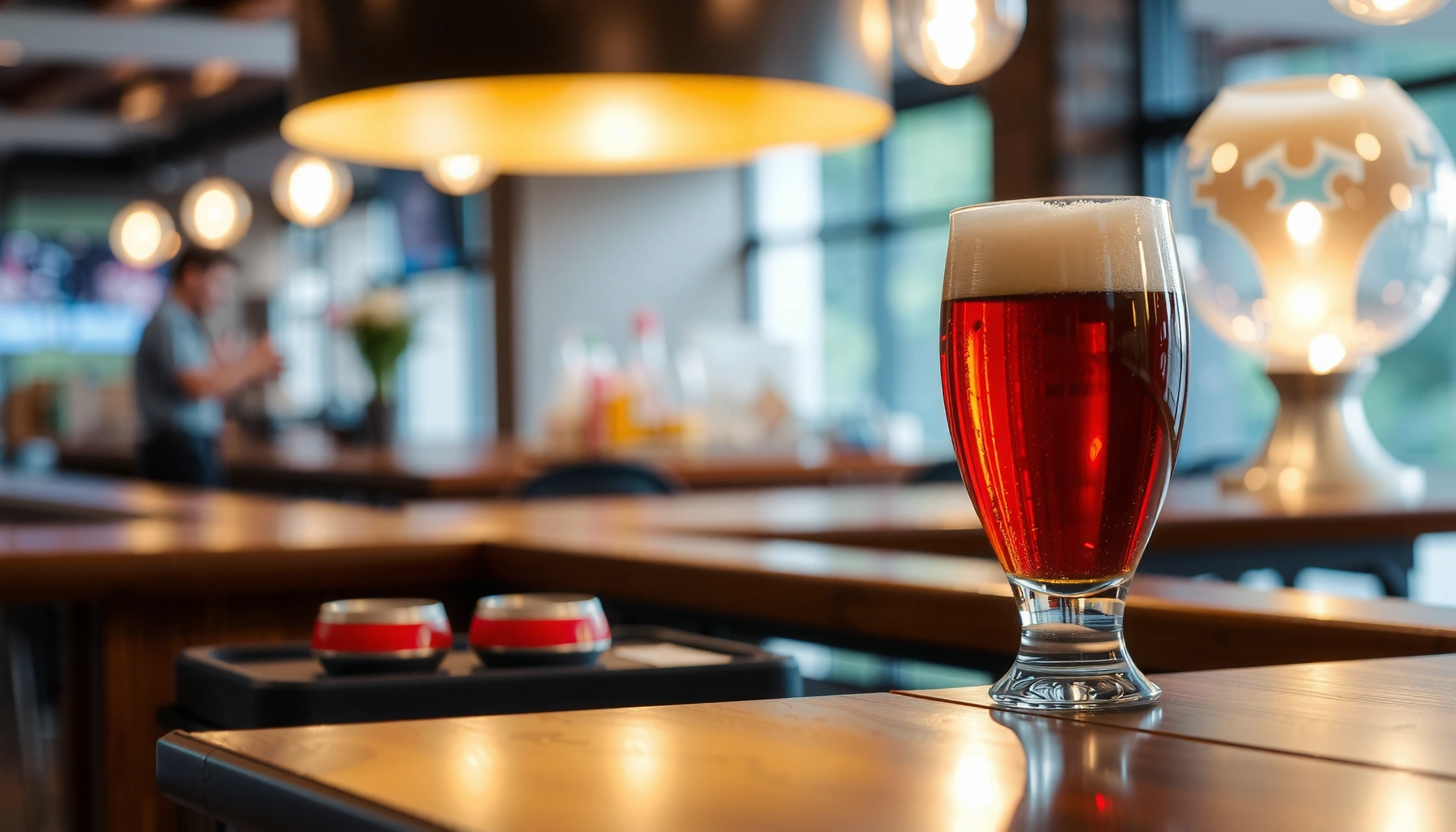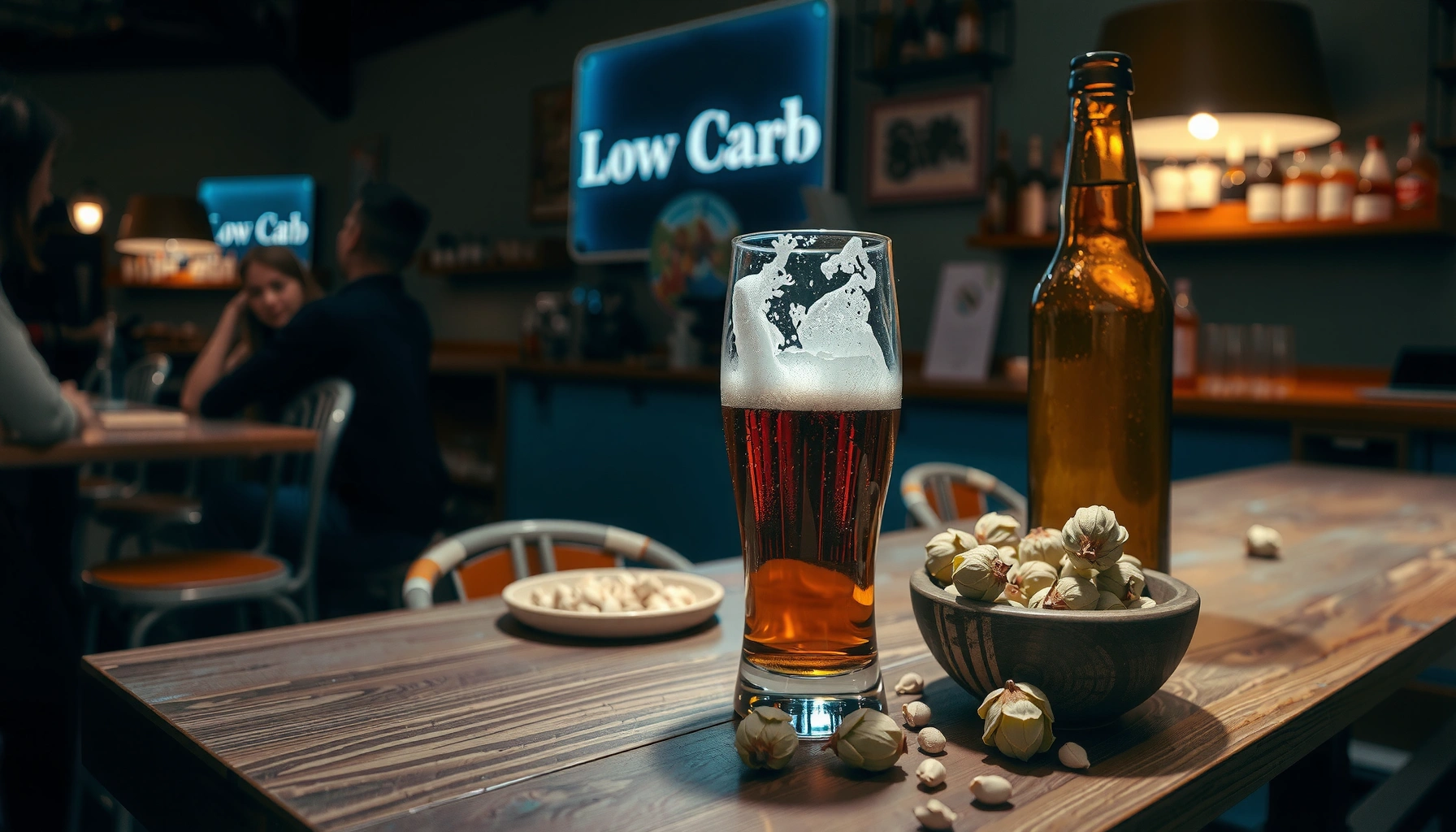

For diabetics looking to enjoy an alcoholic beverage, the “best” choices are typically dry wines, light beers, and spirits mixed with zero-calorie beverages, consumed strictly in moderation. The key is to minimize sugar and carbohydrate intake while being vigilant about blood sugar monitoring, as alcohol can significantly impact glucose levels. Understanding how different drinks affect your body is crucial for making informed and safe choices.




General Principles for Diabetics and Alcohol
Navigating alcohol consumption with diabetes requires a diligent and informed approach. Adhering to certain general principles is paramount to minimizing risks and maintaining stable blood sugar levels. These foundational guidelines are not just recommendations but essential practices for anyone with diabetes considering alcohol.
* Moderation is Key: This principle cannot be overstated. For individuals with diabetes, limiting consumption to 1 drink per day for women and up to 2 drinks per day for men is generally recommended by health organizations. However, individual tolerance varies significantly based on factors such as medication regimen, overall health, body weight, and prior experience with alcohol. Exceeding these limits not only increases the risk of hypoglycemia (low blood sugar) but also contributes unnecessary calories, potentially hindering weight management efforts crucial for diabetes control. Chronic excessive alcohol intake can also lead to other health complications, including liver damage and neuropathy, which can exacerbate existing diabetic complications. It’s crucial to consult with your healthcare provider to determine what level of alcohol, if any, is safe for your specific health profile.
* Never Drink on an Empty Stomach: Consuming alcohol without food is one of the riskiest practices for diabetics. The liver plays a dual role: metabolizing alcohol and producing glucose to maintain stable blood sugar levels. When alcohol is present, the liver prioritizes detoxifying the alcohol, effectively suspending its glucose-producing function (gluconeogenesis and glycogenolysis). This metabolic shift means that if you haven’t eaten, your body’s ability to prevent a blood sugar drop is significantly impaired, leading to a much higher risk of severe and prolonged hypoglycemia. Eating a meal or a substantial snack containing carbohydrates and protein before or while drinking helps to provide a buffer, slowing alcohol absorption and providing a glucose source for the liver to fall back on.
* Monitor Blood Sugar Closely: Alcohol’s impact on blood sugar can be unpredictable and delayed, making vigilant monitoring absolutely critical. Check your blood sugar before you start drinking to ensure it’s within a safe range, ideally not too low. Continue to check during and for several hours after drinking. The effects of alcohol can persist for up to 12-24 hours, particularly the risk of delayed hypoglycemia, which often occurs overnight or the following morning when individuals are less likely to be monitoring. Set alarms if necessary to check blood sugar during the night after drinking. Understanding how various alcoholic beverages affect *your* body specifically through consistent monitoring will empower you to make safer choices and respond proactively to any fluctuations.
Top Choices: Dry Wines
For many diabetics, dry wines represent one of the most favorable alcoholic beverage options due to their chemical composition and moderate impact on blood sugar. When chosen wisely and consumed responsibly, they can be part of a diabetic-friendly lifestyle.
* Low in Carbohydrates and Sugar: The primary advantage of dry wines is their minimal residual sugar content. During the fermentation process, yeast converts most of the sugar from the grapes into alcohol. In dry wines, this process is allowed to complete almost entirely, leaving behind very little unfermented sugar. Dry red wines, such as Cabernet Sauvignon, Pinot Noir, Merlot, and Syrah/Shiraz, typically contain less than 4 grams of carbohydrates per 5-ounce serving, with minimal to no sugar. Similarly, dry white wines like Chardonnay (unoaked), Pinot Grigio, Sauvignon Blanc, and Albariño also boast low carb counts, often below 3 grams per serving and virtually no sugar. This stands in stark contrast to sweeter wines, where fermentation is often halted early or sugar is added back, leading to significantly higher sugar and carbohydrate levels that can rapidly elevate blood glucose.
* Moderate Calorie Count: While lower in sugar, dry wines still contain calories primarily from the alcohol itself. A standard 5-ounce serving of dry wine typically ranges from 120-130 calories. These calories are often referred to as “empty calories” because they provide energy without significant nutritional value. For individuals managing diabetes, controlling overall calorie intake is essential for weight management, which directly impacts insulin sensitivity and blood sugar control. Opting for dry wines over higher-calorie, sugar-laden drinks helps to reduce the total caloric burden while still allowing for enjoyment. Being mindful of these calories is part of a holistic diabetes management plan.
* Portion Control: Even with low-carb options, portion control is paramount. The recommended standard serving size for wine is 5 ounces (approximately 150 ml). It’s easy to over-pour, especially in larger wine glasses, leading to unintended increased alcohol, carbohydrate, and calorie intake. To ensure accurate portioning, consider using a measuring cup or a marked wine glass initially until you develop an eye for the standard serving size. Consuming excessive amounts, even of dry wine, can still lead to undesirable blood sugar effects and other alcohol-related risks. Sticking strictly to the prescribed limits of 1-2 drinks per day is crucial for safe and responsible enjoyment.
Top Choices: Light Beers and Spirits
Beyond dry wines, certain beers and pure spirits, when consumed appropriately, can also be suitable options for individuals with diabetes, provided specific guidelines are meticulously followed. The key here is to strip away the added sugars and carbohydrates commonly found in many alcoholic beverages.
* Light Beers: Regular beers can be surprisingly high in carbohydrates, with some craft beers containing as much as 20-30 grams per serving. This can cause a significant blood sugar spike. Light beer and ultra-light beer options are specifically formulated to reduce both carbohydrate and calorie content. Many popular brands offer light versions that contain as little as 3-6 grams of carbohydrates and 90-110 calories per 12-ounce serving. Some ultra-light options can even dip below 3 grams of carbs. These reductions are achieved through extended fermentation processes that convert more sugars into alcohol, or by diluting the beer. When selecting a light beer, always check the nutritional label if available, or reliable online resources, to confirm its carbohydrate content. Prioritizing options with the lowest carb count will offer the best blood sugar management.
* Pure Spirits: Unflavored distilled spirits are a diabetic’s best friend in terms of carbohydrate content—they contain none. This category includes common spirits like vodka, gin, rum (light), tequila, and whiskey (bourbon, scotch, rye). When distilled, the sugar from the original source (grains, potatoes, agave, sugarcane) is removed, leaving behind pure alcohol. This means that a standard 1.5-ounce serving of these spirits contains zero carbohydrates and typically around 90-100 calories, depending on the proof. The danger with spirits arises not from the spirit itself, but from what it’s mixed with, which leads to the next crucial point.
* Zero-Calorie Mixers: The absolute necessity when consuming spirits is to pair them exclusively with sugar-free or zero-calorie mixers. This is where many commonly consumed alcoholic drinks go wrong for diabetics. Avoid regular sodas, tonic water (which contains significant sugar unless specified as “diet” or “sugar-free”), fruit juices (even 100% juice is high in natural sugars), and pre-made cocktail mixes, which are almost universally loaded with sugar and artificial sweeteners. Instead, opt for mixers like soda water (club soda, sparkling water), diet tonic water, diet soda (cola, ginger ale, lemon-lime), or a splash of sugar-free juice (e.g., a tiny amount of diet cranberry juice or sugar-free lemon/lime juice). Fresh lemon or lime wedges, cucumber slices, or a sprig of mint can add flavor without adding carbs or sugar, making for refreshing and safe diabetic-friendly cocktails.
Alcoholic Drinks to Avoid
Just as there are preferred choices, there are also categories of alcoholic beverages that individuals with diabetes should strictly avoid due to their high sugar and carbohydrate content. These drinks can lead to rapid and dangerous spikes in blood sugar, making them incompatible with effective diabetes management.
* Sugary Cocktails & Liqueurs: This category represents one of the biggest pitfalls for diabetics. Many popular cocktails are essentially sugar bombs, designed to be sweet and palatable. Drinks like margaritas, daiquiris, cosmopolitans, mojitos, pina coladas, and various other pre-mixed or bar-prepared concoctions are often loaded with simple syrups, fruit purees, sugary liqueurs, and regular fruit juices. For example, a single margarita can contain upwards of 30-50 grams of carbohydrates, primarily from sugar, equivalent to several servings of bread. Liqueurs themselves, such as Triple Sec, Amaretto, Kahlua, and Schnapps, are syrups based on alcohol, containing extremely high sugar levels. Even seemingly innocuous “sweet and sour” mixes used in many cocktails are packed with sugar. Avoiding these entirely is the safest approach, or explicitly requesting them to be made with sugar-free alternatives and pure spirits only, which many establishments may not be equipped to do properly.
* Sweet Wines & Ciders: While dry wines are a good choice, their sweeter counterparts are emphatically not. This category includes dessert wines (e.g., Sauternes, Ice Wine), fortified wines (e.g., Port, Sherry, Madeira), and many popular sparkling wines like Moscato. These wines either have fermentation stopped early to retain natural grape sugars or have additional sugar/grape must added. A small 3-ounce serving of dessert wine can easily contain 15-20 grams of sugar, while a glass of Port can have even more. Ciders, especially traditional and “hard” ciders, are also typically very high in sugar, as they are essentially fermented apple juice. The sugar content in ciders can often rival that of regular soda, making them a significant risk for blood sugar spikes. Always verify the sugar content of any wine or cider before consuming, and when in doubt, choose a dry option.
* Regular Beers & Malt Beverages: As mentioned earlier, while light beers can be an option, most regular beers and malt beverages are problematic due to their carbohydrate content. A standard 12-ounce can or bottle of regular beer can contain anywhere from 10 to 20 grams of carbohydrates. Craft beers, especially certain types like IPAs, stouts, porters, and Belgian ales, can be even higher, sometimes exceeding 25-30 grams per serving due to their brewing process and richer malt profiles. Malt beverages, often flavored and sweetened, are designed to be palatable and are almost always very high in sugar and carbs. These high carbohydrate loads can cause a rapid and significant increase in blood glucose levels, making them difficult to manage within a diabetic diet. Sticking to tested light or ultra-light beer options is crucial if beer is part of your consumption plan.
Understanding Alcohol’s Impact on Blood Sugar
The relationship between alcohol and blood sugar is complex and multifaceted, posing unique challenges for individuals with diabetes. It’s not just about what you drink, but how alcohol fundamentally alters your body’s glucose regulation.
* Initial Drop Risk: One of the most critical impacts of alcohol is its ability to cause a rapid and significant drop in blood sugar, particularly if consumed on an empty stomach or in large quantities. This phenomenon is primarily due to the liver’s metabolic priorities. The liver is the body’s main organ responsible for both metabolizing alcohol and maintaining stable blood glucose levels through processes like gluconeogenesis (creating new glucose) and glycogenolysis (releasing stored glucose). When alcohol enters the bloodstream, the liver diverts its resources to process and detoxify the alcohol, effectively putting its glucose-producing functions on hold. This means that if your blood sugar starts to drop, your liver is less able to release glucose to counteract it, leading to a higher risk of hypoglycemia. For individuals on insulin or certain oral diabetes medications (like sulfonylureas), this risk is even greater, as these medications actively lower blood sugar.
* Delayed Hypoglycemia: The danger doesn’t end once the alcohol is metabolized. The effect of alcohol on the liver’s glucose production can linger for an extended period, often up to 12-24 hours after drinking. This prolonged suppression of glucose release increases the risk of delayed hypoglycemia, which is particularly dangerous because it often occurs overnight while a person is sleeping and less likely to be monitoring their blood sugar. Waking up with low blood sugar can be disorienting and challenging to manage, leading to potentially severe complications if not addressed promptly. This highlights the importance of checking blood sugar not just immediately after drinking, but also the following morning, and even setting an alarm for an overnight check if you’ve consumed alcohol.
* Masked Hypoglycemia Symptoms: A treacherous aspect of alcohol consumption for diabetics is that many symptoms of alcohol intoxication—such as dizziness, confusion, slurred speech, difficulty walking, and disorientation—mimic the symptoms of hypoglycemia. This overlap creates a dangerous situation where a person experiencing a severe low blood sugar episode might be mistaken for merely being drunk, preventing timely intervention. Others around them might not recognize the medical emergency, delaying crucial help. This is why it’s vital for individuals with diabetes to inform friends and family about their condition, wear medical identification, and ensure that those around them know how to recognize and respond to hypoglycemia. Never dismiss symptoms as just being “tipsy” or “drunk” if there’s a possibility of low blood sugar.
Essential Safety Tips
Beyond understanding the types of drinks and their metabolic impact, adhering to a set of safety tips is non-negotiable for diabetics who choose to consume alcohol. These practices are designed to mitigate risks and ensure personal well-being.
* Stay Hydrated: Alcohol is a diuretic, meaning it increases urine production and can lead to dehydration. Dehydration itself can affect blood sugar levels and complicate diabetes management. When consuming alcohol, it is crucial to alternate each alcoholic drink with a non-alcoholic, sugar-free beverage, ideally water or sparkling water. This practice not only helps combat dehydration but also slows down alcohol consumption, reducing the overall intake and its impact on blood sugar. Adequate hydration supports overall bodily functions and can help minimize hangover symptoms, which can further obscure hypoglycemia.
* Inform Others: Make sure friends, family, or anyone you are socializing with knows you have diabetes and understands the potential risks associated with alcohol consumption. Crucially, they should know how to recognize the symptoms of hypoglycemia (e.g., confusion, irritability, sweating, shakiness, slurred speech) and what to do in an emergency. This includes knowing where you keep your emergency glucose (glucose tablets, gel, or glucagon pen) and how to administer it or call for medical help if you become unresponsive. Having a trusted “diabetes buddy” who is aware of your condition and knows how to act can be life-saving, especially if alcohol impairs your ability to communicate or self-treat.
* Wear Medical ID: Always wear a medical alert bracelet or carry identification that clearly states you have diabetes. This is a critical safety measure, particularly when consuming alcohol. In an emergency situation where you might be unconscious, confused, or unable to communicate (especially if experiencing severe hypoglycemia that mimics intoxication), medical ID provides vital information to first responders. It can prevent misdiagnosis and ensure you receive appropriate and timely medical care, potentially saving your life. It’s a simple yet incredibly effective way to advocate for your health when you might not be able to.
Making informed choices about alcohol consumption is vital for managing diabetes effectively. While certain drinks are better options, moderation and continuous blood sugar monitoring are paramount. Always communicate your drinking habits and concerns with your healthcare provider to ensure your choices align with your individual health plan and medications. They can provide personalized advice and help you navigate alcohol consumption safely within your diabetes management.
Frequently Asked Questions
What type of alcohol is generally considered best for diabetics?
For individuals managing diabetes, dry wines (like sauvignon blanc or pinot noir), light beers, and spirits mixed with sugar-free beverages are typically the best choices. These options contain significantly fewer carbohydrates and sugars, which helps minimize their impact on blood glucose levels. Always prioritize drinks that clearly state “light,” “dry,” or “zero sugar” to support stable blood sugar management.
How does alcohol consumption impact blood sugar levels for individuals with diabetes?
Alcohol can initially cause a slight rise in blood sugar, but its primary effect is often a significant drop, leading to potential hypoglycemia hours later. This occurs because the liver, which usually produces glucose, prioritizes metabolizing alcohol, thereby hindering its ability to release stored sugars. Diabetics must monitor their blood sugar closely when consuming alcohol to prevent dangerous lows.
Which alcoholic beverages should diabetics absolutely avoid due to high sugar content?
Diabetics should generally avoid sweet wines (like dessert wines, port, or moscato), liqueurs, regular beers, and pre-made sugary cocktails (e.g., margaritas, daiquiris, cosmopolitans). These drinks are loaded with carbohydrates and added sugars, which can cause rapid and significant spikes in blood glucose levels. Always check labels for carb and sugar content to make safer choices that won’t disrupt diabetes management.
Are there specific mixers that are safer for diabetics to use with spirits?
Yes, when choosing mixers for spirits, diabetics should opt for sugar-free alternatives like diet soda, sugar-free tonic water, seltzer, or plain water. Adding a splash of fresh lemon or lime juice can also enhance flavor without adding significant carbohydrates or sugars. These choices help maintain the low-carb benefit of spirits and prevent unnecessary blood sugar spikes.
Why is it crucial for diabetics to eat food when consuming alcohol?
Eating food, especially those containing carbohydrates, is crucial for diabetics who choose to drink alcohol because it helps prevent hypoglycemia. Alcohol impairs the liver’s ability to release stored glucose, which is a vital backup for stabilizing blood sugar, particularly overnight. Consuming food provides a steady source of glucose, mitigating the risk of dangerously low blood sugar levels and other alcohol-related complications for individuals with diabetes.
References
- Alcohol and Diabetes | ADA
- https://www.cdc.gov/diabetes/managing/healthy-living/alcohol.html
- Concussion in children: What are the symptoms? – Mayo Clinic
- Type 2 diabetes – NHS
- https://en.wikipedia.org/wiki/Alcohol_and_diabetes_mellitus
- Missing Page Error – Our Apologies – UChicago Medicine
- https://health.ucdavis.edu/health-news/newsroom/drinking-alcohol-with-diabetes-what-to-know/2023/07
- https://www.bbc.com/future/article/20230206-the-truth-about-alcohol-and-your-blood-sugar