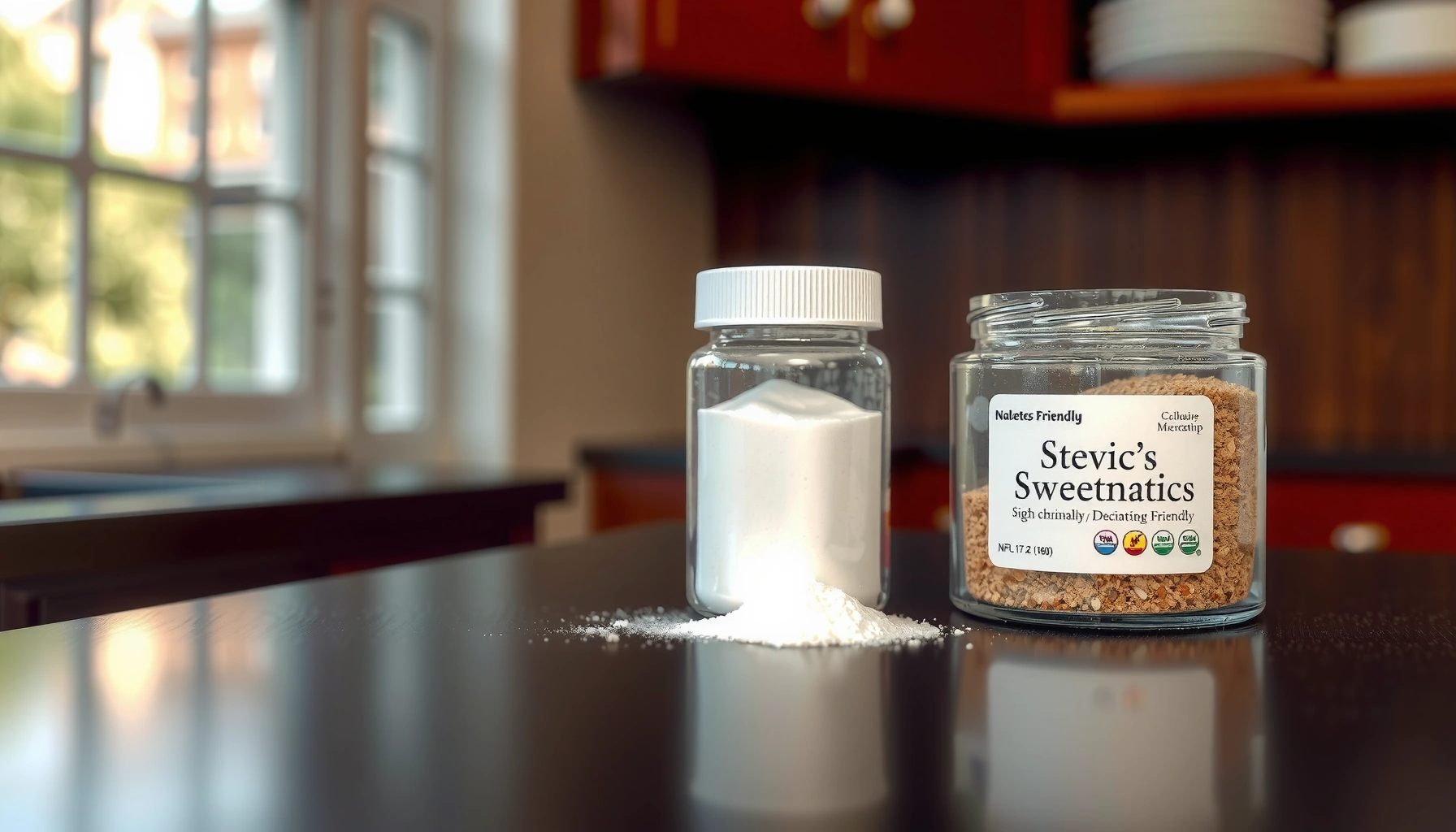
When considering the best sugar substitute for diabetics, there isn’t a single universal “best” option, as individual tolerance and preferences vary. However, natural, non-nutritive sweeteners like Stevia, Monk Fruit, and Erythritol are generally considered excellent choices due to their minimal to no impact on blood sugar levels. This guide will help you understand these options and make informed decisions to manage your diabetes effectively while still enjoying sweetness in your diet.




Understanding Sugar Substitutes for Diabetes Management
Managing blood sugar levels is paramount for individuals with diabetes, and sugar substitutes offer a valuable tool in achieving this. These alternatives provide sweetness without the caloric and glycemic burden of traditional sugars. A thorough understanding of their types and impacts is crucial for informed dietary choices.
* What are Sugar Substitutes?
Sugar substitutes are food additives that provide the taste of sugar with fewer calories and carbohydrates. They can be broadly categorized into three main types:
* Artificial Sweeteners (High-Intensity Sweeteners): These are synthetic compounds that are many times sweeter than sugar but contribute virtually no calories. Examples include sucralose (Splenda), aspartame (NutraSweet, Equal), saccharin (Sweet’N Low), and acesulfame potassium (Ace-K). They are often used in diet sodas, sugar-free candies, and processed foods.
* Natural Non-Nutritive Sweeteners: Derived from plants, these sweeteners are also significantly sweeter than sugar but are considered “natural” and provide negligible calories. The most prominent examples are Stevia and Monk Fruit. They have gained popularity for their natural origins and clean label appeal.
* Sugar Alcohols (Polyols): These are carbohydrates that are partially absorbed by the body, meaning they provide fewer calories than sugar but are not calorie-free. They are found naturally in some fruits and vegetables but are also manufactured. Common sugar alcohols include erythritol, xylitol, maltitol, sorbitol, and lactitol. While they do not spike blood sugar as sharply as sugar, some can have a laxative effect if consumed in large quantities.
* Why Glycemic Impact Matters:
For individuals with diabetes, the glycemic impact of food—how quickly and significantly it raises blood glucose levels—is a critical consideration. Sugars, particularly simple sugars like glucose and sucrose, have a high glycemic index (GI), causing rapid spikes in blood sugar and subsequently, insulin. Over time, frequent blood sugar excursions can lead to complications. Sugar substitutes, especially artificial and natural non-nutritive sweeteners, are chosen precisely because they have a minimal to zero glycemic impact. This means they do not cause a significant rise in blood glucose or trigger a substantial insulin response, making them invaluable for blood sugar control and overall diabetes management. Sugar alcohols have a lower glycemic impact than sugar but it’s important to note that their impact is not always zero and can vary significantly among different types.
* Safety and Regulatory Status:
The safety of sugar substitutes is a frequently discussed topic. In the United States, the Food and Drug Administration (FDA) regulates these substances. Most commonly used sugar substitutes have undergone extensive testing and are approved for consumption, generally falling under the “Generally Recognized As Safe” (GRAS) designation. Regulatory bodies worldwide, such as the European Food Safety Authority (EFSA), also conduct rigorous evaluations. While periodic debates and studies emerge, the scientific consensus supports the safety of approved sweeteners within typical consumption levels. However, it’s always prudent for individuals to consult with their healthcare provider regarding specific dietary concerns, especially if they have pre-existing conditions or are on specific medications.
Top Recommended Natural & Zero-Calorie Sweeteners
These plant-derived and naturally occurring options are often favored by individuals managing diabetes due to their excellent blood sugar profile and natural appeal.
* Stevia:
Stevia is a natural, zero-calorie sweetener derived from the leaves of the Stevia rebaudiana plant, native to South America. Its intense sweetness comes from compounds called steviol glycosides, primarily rebaudioside A (Reb A) and stevioside. Stevia is 200-400 times sweeter than sugar, so only a tiny amount is needed.
* Forms and Uses: Stevia is available in various forms, including highly purified stevia extract (Reb A), which is commonly found in powdered packets and liquid drops, and whole-leaf stevia, which is less common in commercial products but can be used in its dried form. It is heat-stable, making it suitable for baking and cooking, and is widely used in beverages, yogurts, desserts, and tabletop sweeteners.
* Taste Profile: While highly praised, some users report a slight licorice-like aftertaste or bitterness, particularly with less purified forms or higher concentrations. Newer generations of stevia extracts (e.g., Reb M) aim to minimize this aftertaste, offering a more sugar-like flavor.
* Monk Fruit:
Monk Fruit, also known as Luo Han Guo, is another natural, zero-calorie sweetener derived from a small round fruit grown in Southeast Asia. Its sweetness comes from compounds called mogrosides, particularly mogroside V, which are powerful antioxidants. Monk Fruit is 150-250 times sweeter than sugar.
* Properties and Uses: Beyond its sweetness, monk fruit extracts are celebrated for their potential antioxidant properties. It is highly stable under heat and pH variations, making it an excellent choice for a wide range of applications, including baking, cooking, hot and cold beverages, and various food products.
* Taste Profile: Monk fruit is generally known for having a clean taste profile with less of an aftertaste compared to some other high-intensity sweeteners, often described as more sugar-like. This makes it a popular choice for those sensitive to the aftertastes of other substitutes.
* Erythritol:
Erythritol is a sugar alcohol that stands out among its peers due to its unique properties. It is naturally found in some fruits (like grapes, pears, watermelon) and fermented foods. Unlike other sugar alcohols, erythritol is almost completely absorbed in the small intestine but not metabolized by the body. Instead, it is excreted largely unchanged in the urine.
* Low Impact: This unique metabolic pathway results in virtually no calories (0.2 calories per gram, compared to sugar’s 4 calories per gram) and a glycemic index of zero, making it highly suitable for individuals with diabetes. It does not raise blood sugar or insulin levels.
* Mild Taste and Digestive Tolerance: Erythritol is about 70% as sweet as sugar and has a very mild, clean taste, often described as having a slight cooling sensation in the mouth. Critically, it is much better tolerated digestively than other sugar alcohols because it’s mostly absorbed before reaching the large intestine where fermentation typically causes discomfort. This significantly reduces the likelihood of bloating, gas, or laxative effects unless consumed in very large quantities. It is widely used in sugar-free baking, beverages, and as a tabletop sweetener.
Other Popular Options: Pros, Cons, and Considerations
While the natural, zero-calorie options are often preferred, other sugar substitutes remain popular and have their place, but come with specific considerations.
* Xylitol:
Xylitol is a sugar alcohol found naturally in many fruits and vegetables, as well as in the bark of birch trees. It is about as sweet as sugar and has a similar bulk and texture, making it a good 1:1 sugar replacement in recipes.
* Pros: Xylitol has a lower glycemic index (around 7-13) than sugar (60-65), causing a less dramatic blood sugar rise. It is particularly well-known for its dental benefits, as it inhibits the growth of bacteria that cause tooth decay, making it a common ingredient in sugar-free chewing gum and toothpaste.
* Cons & Considerations: Like other sugar alcohols (except erythritol), xylitol can cause gastrointestinal distress (gas, bloating, diarrhea) if consumed in large amounts, as it ferments in the large intestine. Crucially, xylitol is highly toxic to dogs and other pets, even in small quantities, causing a rapid and severe drop in blood sugar. Pet owners must exercise extreme caution.
* Sucralose (Splenda):
Sucralose is an artificial sweetener derived from sugar through a multi-step process that modifies the sugar molecule, making it indigestible and thus calorie-free. It is approximately 600 times sweeter than sugar.
* Pros: Sucralose is highly stable under heat and across a wide range of pH levels, making it exceptionally versatile for cooking and baking without losing its sweetness. It is widely available and used in countless “diet” and “sugar-free” products, from soft drinks to baked goods. It has been approved by major regulatory bodies globally, including the FDA.
* Cons & Considerations: While approved, sucralose has been the subject of ongoing scientific debate regarding its potential long-term health effects. Some studies suggest possible impacts on gut microbiome composition and glucose metabolism, although these findings are not universally conclusive and often involve dosages much higher than typical human consumption. Individuals often choose based on personal comfort and current research.
* Aspartame (NutraSweet, Equal):
Aspartame is one of the most widely used artificial sweeteners, composed of two amino acids (aspartic acid and phenylalanine) and a methyl ester. It is about 200 times sweeter than sugar.
* Pros: Aspartame provides a clean, sugar-like taste with no calories. It is commonly found in diet sodas, sugar-free desserts, and chewing gum. It has been extensively studied and approved by the FDA and numerous international food safety authorities for decades, making it one of the most researched food additives.
* Cons & Considerations: Aspartame is not heat-stable, meaning its sweetness degrades when exposed to high temperatures, making it less suitable for baking. A significant contraindication for aspartame is for individuals with Phenylketonuria (PKU), a rare genetic disorder. People with PKU cannot metabolize phenylalanine, so consuming aspartame can lead to a dangerous buildup of phenylalanine in the body. Products containing aspartame carry a warning label for PKU sufferers. Despite persistent rumors, major health organizations consistently affirm its safety for the general population.
Key Factors for Choosing Your Sugar Substitute
Selecting the right sugar substitute is a personal journey, influenced by various factors that extend beyond just sweetness. Consider these points to make an informed decision that aligns with your health goals and lifestyle.
* Blood Sugar Response:
This is the foremost consideration for individuals with diabetes. The primary goal of using a sugar substitute is to avoid significant spikes in blood glucose and insulin levels. Prioritize sweeteners that have a documented negligible or zero glycemic impact. Stevia, Monk Fruit, and Erythritol consistently demonstrate minimal effect on blood sugar. When exploring other options like xylitol or maltitol, be aware that while their glycemic impact is lower than sugar, it is not zero, and their effect can vary among individuals. Always review the nutritional information and consider tracking your own blood glucose response after consuming new sweeteners.
* Taste Profile & Aftertaste:
The sensory experience of a sweetener is highly subjective. Different substitutes have unique taste characteristics and may leave distinct aftertastes.
* Stevia: Can have a slight licorice-like or bitter aftertaste, especially in higher concentrations or less purified forms.
* Monk Fruit: Generally offers a very clean, neutral taste with little to no aftertaste, making it a popular choice.
* Erythritol: Has a mild sweetness and can impart a slight cooling sensation, which some find pleasant, others unusual.
* Artificial Sweeteners: Sucralose often provides a very sugar-like taste, while aspartame is also known for its clean profile but can be less stable.
Experimentation is key to finding a substitute whose taste profile complements your palate and the foods/drinks you consume most often. Many brands offer blends of different sweeteners to achieve a more balanced and sugar-like flavor.
* Cooking and Baking Suitability:
Not all sugar substitutes are created equal when it comes to culinary applications. Their behavior under heat and their physical properties can vary significantly from sugar.
* Heat Stability: Stevia, Monk Fruit, and Sucralose are generally heat-stable, making them good for baking and cooking. Aspartame, however, can lose sweetness when heated.
* Bulk and Texture: Sugar provides bulk, moisture, and aids in browning and caramelization—properties that many high-intensity sweeteners lack. Erythritol offers some bulk but doesn’t brown. For baking, you might need to use blends (e.g., erythritol with a small amount of stevia/monk fruit for sweetness, plus other ingredients like applesauce or pureed fruit to add moisture and bulk) or look for specific “baking blends” that combine sweeteners with bulking agents.
* Digestive Tolerance:
This factor primarily applies to sugar alcohols (polyols) like xylitol, maltitol, and sorbitol. While erythritol is generally well-tolerated due to its unique absorption, other sugar alcohols can ferment in the large intestine, leading to symptoms such as gas, bloating, and diarrhea, particularly in larger quantities. This effect is dose-dependent and highly individual. If you experience digestive discomfort, consider reducing your intake or switching to a different type of sweetener. Monitoring your body’s response is essential to avoid unpleasant side effects.
Integrating Sweeteners into a Diabetic-Friendly Diet
Sugar substitutes are valuable tools, but they should be part of a broader strategy for managing diabetes, not a standalone solution. Thoughtful integration is key to maximizing their benefits without inadvertently undermining overall health goals.
Even though sugar substitutes are low or zero-calorie and don’t spike blood sugar, they should still be consumed in moderation. Over-reliance on intensely sweet foods, even if sugar-free, can maintain a preference for very sweet tastes, potentially making less sweet, whole foods seem less appealing. The goal of a diabetic-friendly diet is not just to replace sugar, but to develop healthier eating habits that reduce the overall desire for extreme sweetness. Focus on creating a balanced diet rich in whole, unprocessed foods.
* Reading Food Labels:
Becoming a savvy label reader is crucial. Sugar substitutes can appear under various names. Look for common artificial sweeteners (sucralose, aspartame, saccharin, acesulfame potassium), natural non-nutritive sweeteners (steviol glycosides, mogrosides), and sugar alcohols (erythritol, xylitol, maltitol, sorbitol). Be aware of “sugar-free” claims, as some products might still contain carbohydrates or sugar alcohols that can impact blood sugar or cause digestive issues. Also, check the total carbohydrate count, including “sugar alcohols,” if you are tracking net carbs. Hidden sugars can also be present in unexpected places, so scrutinizing ingredient lists beyond just the “sugars” line is vital.
* Beyond Sweeteners:
While sweeteners offer a way to enjoy sweetness, aim to reduce your overall dependence on them. Cultivate an appreciation for the natural sweetness found in whole foods. Berries, for example, offer natural sweetness along with fiber, vitamins, and antioxidants, and can be enjoyed in moderation as part of a diabetic-friendly diet. Other options like cinnamon, vanilla extract, and unsweetened cocoa powder can enhance flavors without adding sugar or artificial ingredients. Gradually reducing your intake of all intensely sweet foods, whether sugared or sugar-substituted, can help reset your palate.
* Consulting a Professional:
Diabetes management is highly individualized. What works well for one person may not be ideal for another. It is always recommended to consult with your doctor, a registered dietitian, or a certified diabetes educator before making significant changes to your diet, including the regular use of sugar substitutes. These professionals can provide personalized advice based on your specific health profile, medication regimen, and dietary needs. They can help you understand the latest research, navigate product choices, and integrate sweeteners safely and effectively into your overall diabetes management plan.
Navigating the world of sugar substitutes for diabetes can seem complex, but by focusing on natural, non-nutritive options like Stevia, Monk Fruit, and Erythritol, you can safely enjoy sweetness without compromising your blood sugar goals. Remember that personal preference, tolerance, and how these sweeteners fit into your overall diet are crucial. Always consult with your healthcare provider or a dietitian to determine the best sugar substitute strategy for your individual needs and health objectives.
Frequently Asked Questions
What are the most recommended sugar substitutes for diabetics to help manage blood sugar?
For effective blood sugar management, the most recommended sugar substitutes for diabetics are generally non-nutritive sweeteners. These include options like Stevia, monk fruit extract, erythritol, aspartame, sucralose, and saccharin, which provide sweetness with minimal to no caloric impact or effect on blood glucose levels. These FDA-approved alternatives allow individuals with diabetes to enjoy sweet foods and beverages without causing problematic spikes.
How do different types of sugar substitutes impact blood sugar levels in people with diabetes?
Most non-nutritive sweeteners, both artificial and natural, have virtually no impact on blood sugar levels, making them excellent choices for diabetics. Sugar alcohols (such as xylitol, sorbitol, and maltitol) can have a modest effect on blood glucose because they contain some carbohydrates, though less than regular sugar. It’s always crucial for individuals with diabetes to monitor their personal response and read product labels carefully for carbohydrate content.
Which natural sugar substitutes are considered safe and effective options for diabetics?
Stevia and monk fruit extract are highly regarded natural sugar substitutes that are safe and effective for diabetics. Both are derived from plants and provide intense sweetness without contributing calories or significantly raising blood sugar. Erythritol, a naturally occurring sugar alcohol found in some fruits, is another popular choice due to its low glycemic impact and generally good digestive tolerance for managing diabetes.
Why should diabetics consider using sugar substitutes, and what benefits do they offer?
Diabetics should consider using sugar substitutes primarily to help manage their blood sugar levels and improve glycemic control. These alternatives allow them to enjoy sweet flavors without the adverse effects of added sugars, which can lead to glucose spikes. The benefits include greater dietary flexibility, potential assistance with weight management by reducing caloric intake, and supporting overall diabetes management goals while satisfying cravings.
What factors should diabetics consider when choosing the best sugar substitute for their lifestyle and dietary needs?
When choosing the best sugar substitute, diabetics should consider factors such as taste preference, any potential digestive side effects, and its suitability for various uses like baking or sweetening beverages. Individual tolerance and dietary goals are key; some might prefer natural options while others prioritize a specific taste profile. Consulting a healthcare professional or registered dietitian can provide personalized guidance to find the ideal sugar substitute that aligns with their diabetes care plan.
References
- https://diabetes.org/food-nutrition/food-choices/sugar-substitutes
- Page Not Found – Site Help – Mayo Clinic
- https://www.health.harvard.edu/blog/are-artificial-sweeteners-bad-for-you-2019052916639
- https://www.cdc.gov/nutrition/data-statistics/nonnutritive-sweeteners.html
- Sugar substitute
- https://www.ncbi.nlm.nih.gov/pmc/articles/PMC8173549/
- https://health.clevelandclinic.org/what-are-sugar-alcohols/
- https://www.diabeteseducator.org/docs/default-source/living-with-diabetes/tip-sheets/sweeteners-tip-sheet.pdf?sfvrsn=2