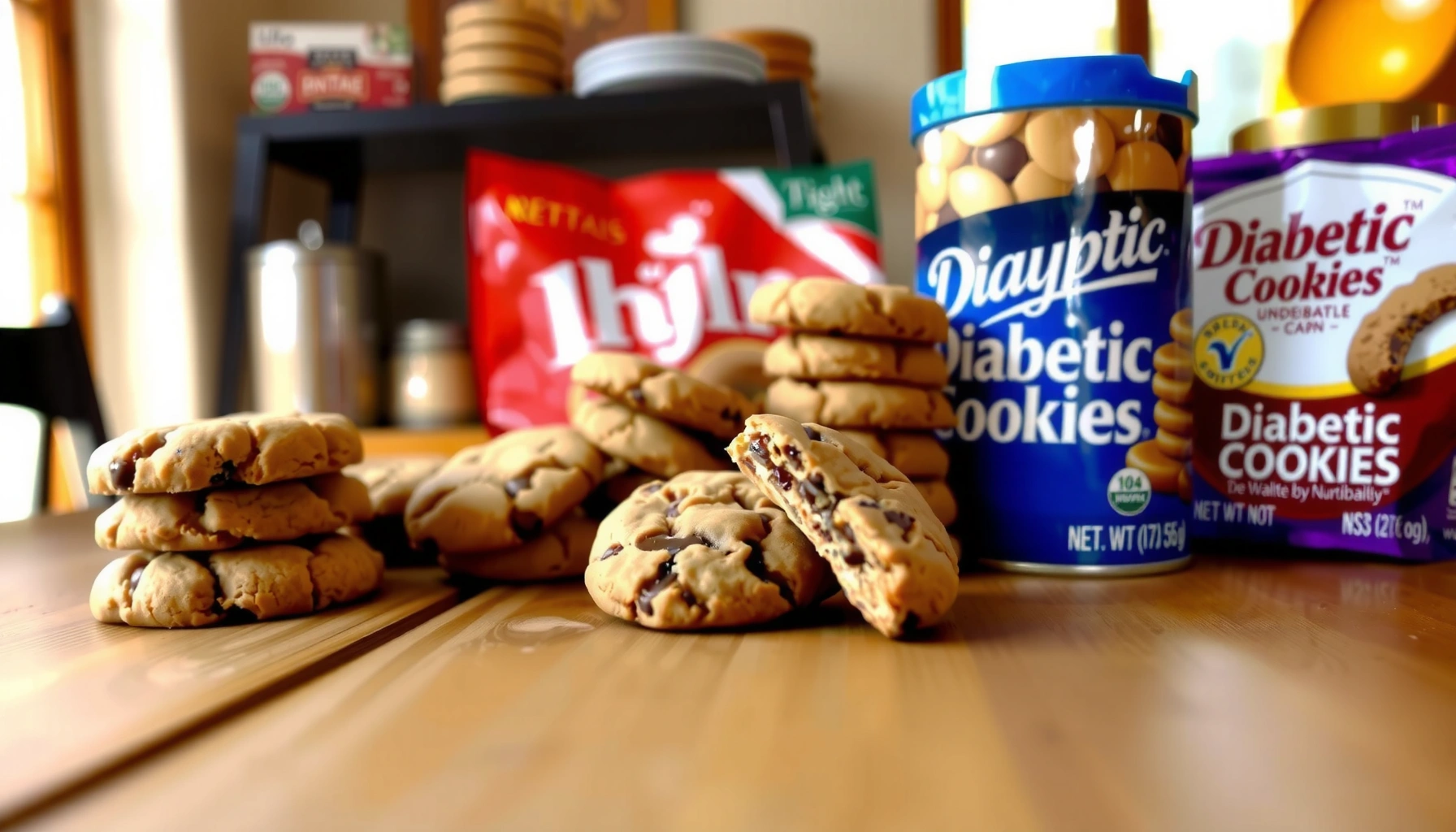

Finding the best store-bought cookies for diabetics involves prioritizing options that are low in added sugars, higher in fiber, and designed for mindful portion control, with brands like Murray Sugar Free and Voortman Sugar Free often providing suitable choices. While no cookie is a “health food,” individuals managing diabetes can enjoy store-bought options by making informed choices based on nutritional content and understanding how different ingredients affect blood sugar. This guide will help you navigate the grocery aisles to pick satisfying treats that align with your dietary needs, focusing on smart selections that support stable blood glucose levels.




Understanding Diabetic-Friendly Cookie Characteristics
Navigating the world of cookies when managing diabetes requires a keen understanding of what truly constitutes a “diabetic-friendly” option. It’s not just about avoiding sugar; it’s about the overall nutritional profile and its impact on your body.
* Low Glycemic Impact: The glycemic index (GI) and glycemic load (GL) are crucial concepts here. Cookies that cause a slower, more gradual rise in blood sugar are preferable. This typically means options that are lower in rapidly digestible carbohydrates and higher in components that slow digestion, such as fiber and protein. Highly refined flours and simple sugars lead to quick spikes, whereas whole grains and ingredients that prevent rapid glucose absorption contribute to a lower glycemic response. Understanding this helps you look beyond just “sugar-free” to the total carbohydrate quality.
* Reduced Added Sugars: This is perhaps the most obvious characteristic, but its depth is often underestimated. Added sugars contribute empty calories and directly impact blood glucose levels without providing significant nutritional benefits. Beyond granulated sugar, look out for ingredients like high-fructose corn syrup, dextrose, maltose, corn syrup solids, honey, agave nectar, and fruit juice concentrates, all of which are forms of added sugar. Cookies that significantly reduce or entirely eliminate these, often substituting with sugar alcohols or non-nutritive sweeteners, are generally better choices. The goal is to minimize the glucose load these sugars impose.
* Higher Fiber Content: Fiber is a cornerstone of a diabetic-friendly diet, and its inclusion in cookies significantly enhances their suitability. Dietary fiber, particularly soluble fiber, slows down the absorption of glucose into the bloodstream, leading to a more gradual and sustained rise in blood sugar rather than a sharp spike. It also contributes to feelings of fullness, which can aid in portion control and prevent overeating. Look for cookies made with whole grains, oats, or those with added chicory root fiber (inulin) or other dietary fibers. This not only supports blood sugar management but also promotes digestive health.
Key Nutritional Factors to Prioritize
When selecting cookies, a deep dive into the nutrition facts label is non-negotiable. Focusing on specific macronutrients will provide the most accurate picture of a cookie’s impact on your diabetes management.
* Carbohydrate Count: The total carbohydrate count per serving is arguably the most critical number for individuals managing diabetes, as carbohydrates are the primary macronutrient that directly influences blood sugar levels. Even if a cookie is “sugar-free,” its carbohydrate content from flours, starches, and other ingredients must be factored into your daily carbohydrate allowance. Understanding your personal carbohydrate targets, often determined with a healthcare provider or registered dietitian, allows you to integrate a cookie as a planned treat. Consistent carbohydrate counting helps prevent unexpected blood sugar fluctuations and ensures your intake aligns with your medication or insulin regimen.
* Sugar Alcohols and Artificial Sweeteners: Many diabetic-friendly cookies utilize sugar alcohols (e.g., erythritol, xylitol, maltitol, sorbitol) or artificial/non-nutritive sweeteners (e.g., stevia, sucralose, aspartame) to provide sweetness without the caloric and glycemic impact of traditional sugar. While these can be beneficial, it’s essential to understand their nuances. Sugar alcohols generally have fewer calories and a lower glycemic impact than sugar, but consuming them in large quantities can lead to digestive upset, such as bloating, gas, or a laxative effect. Their carbohydrate count is often partially digestible, meaning they still contribute *some* calories and can slightly raise blood sugar, albeit less than regular sugar. Artificial sweeteners, on the other hand, typically provide no calories or carbohydrates and have no direct impact on blood sugar. However, some individuals prefer to limit their intake due to personal preferences or potential effects on gut microbiome, which is still an area of ongoing research. Always consume these in moderation and note how your body responds.
* Fiber and Protein: Beyond mitigating blood sugar spikes from carbohydrates, fiber and protein play a crucial role in satiety and overall nutritional value. When a cookie contains a significant amount of fiber, it contributes to the feeling of fullness and helps slow digestion, which in turn moderates glucose absorption. Protein, while less common in significant amounts in standard cookies, can also contribute to satiety and help stabilize blood sugar by providing a more sustained energy release. Look for cookies that incorporate ingredients like oats, nuts, seeds, or even protein isolates, as these additions can transform a simple carbohydrate snack into a more balanced treat. The combination of carbs with fiber and protein is generally more favorable for blood glucose control than carbs alone.
Top Store-Bought Cookie Options & Brands
Finding suitable store-bought cookies can be a treasure hunt, but several brands and types consistently offer better options for those managing diabetes. The key is to know what to look for and where to find it.
* Brands with Dedicated “Sugar-Free” Lines: Many established cookie manufacturers have responded to the demand for diabetic-friendly options by developing dedicated “sugar-free” or “no sugar added” lines. Murray Sugar Free is a prominent example, offering a wide range of cookies like chocolate chip, shortbread, and oatmeal, typically sweetened with maltitol. Voortman Sugar Free also provides an extensive selection, including wafers, shortbread, and oatmeal cookies, often using erythritol or maltitol. Keebler occasionally offers reduced-sugar versions of their popular cookies, though these are less consistently available as full “sugar-free” lines. When exploring these brands, it’s still crucial to read the nutrition label carefully, paying attention to total carbohydrates and the type of sugar alcohol used, as individual responses can vary. These products are designed to provide sweetness without the direct sugar impact, making them a primary go-to for many.
* Fiber-Rich Whole Grain Cookies: Even if a cookie isn’t explicitly marketed as “diabetic” or “sugar-free,” certain whole grain options can be better choices due to their higher fiber content. Examples include certain brands of oatmeal cookies made with whole rolled oats, or digestive biscuits (in moderation). While these may contain natural or added sugars, the presence of whole grains and dietary fiber can help to slow down sugar absorption compared to highly refined flour cookies. For instance, a small, fiber-rich oat cookie can offer a more sustained energy release than a sugary shortbread. Always scrutinize the nutrition label to compare fiber content and total carbohydrates per serving, aiming for cookies where fiber contributes meaningfully to the total carb count and sugar is not the dominant ingredient. The goal here is to leverage the benefits of fiber to mitigate the glycemic impact of the carbohydrates present.
* Portion-Controlled Mini Cookies: One of the most effective strategies for diabetic-friendly snacking is portion control. Brands that offer individually wrapped cookies or small serving sizes can be incredibly helpful in preventing overeating, even with less “ideal” cookies. Think about mini versions of popular cookies, snack packs, or even single-serving packages that explicitly state calorie and carbohydrate counts for one unit. For example, brands like Nabisco’s Nilla Wafers Minis or small packs of Teddy Grahams can fit into a diabetic meal plan if carefully accounted for, as their smaller size inherently limits intake. The psychological benefit of enjoying an entire “cookie” (even a mini one) without consuming excessive carbohydrates can be significant. Look for options where the serving size is clearly defined and manageable within your daily carb allowance, making it easier to enjoy a treat without guilt or blood sugar spikes.
Decoding Nutrition Labels Effectively
Mastering the art of reading nutrition labels is paramount for anyone managing diabetes. It’s the most powerful tool you have to make informed decisions about what you eat.
* Serving Size is Crucial: This is arguably the most overlooked and yet most critical piece of information on any nutrition label. Food manufacturers often list serving sizes that are unrealistically small, making the per-serving values appear healthier than they are. For example, a package might suggest one serving is “2 cookies,” but if your typical consumption is “4 cookies,” you’ve effectively doubled (or more) all the listed nutritional values, including carbohydrates and sugars. Always check the serving size first and adjust your intake accordingly. If you intend to eat more than the stated serving, multiply the carbohydrate count, sugar content, and calories to get an accurate understanding of what you’re actually consuming. Ignoring serving size can lead to significant overestimations of your intake and subsequent blood sugar challenges.
* Total Carbohydrates vs. Net Carbs: The distinction between total carbohydrates and net carbs is a common point of confusion. Total carbohydrates represent all carbohydrate grams in a serving, including sugars, starches, and fiber. This is the primary number to consider for most people with diabetes, as nearly all carbohydrates will eventually convert to glucose. Net carbs, on the other hand, are calculated by subtracting fiber and sugar alcohols from the total carbohydrates. The rationale is that fiber is indigestible and sugar alcohols have a reduced impact on blood sugar. While this calculation can be helpful for some (especially those following very low-carb or ketogenic diets), it’s not universally recommended for all diabetics. The impact of sugar alcohols on blood sugar can vary by individual and by the type of sugar alcohol. Therefore, it is always best to prioritize total carbohydrates for general tracking and to consult with your healthcare provider or a registered dietitian to determine if focusing on net carbs is appropriate for your specific diabetes management plan.
* Identify Added Sugars: Beyond the “Sugars” line, which can include both naturally occurring and added sugars, it’s vital to look at the ingredient list to identify added sugars. These are sugars that have been put into the food during processing. They often hide under various names: high-fructose corn syrup, dextrose, maltose, corn syrup, molasses, agave nectar, brown rice syrup, cane sugar, evaporated cane juice, fruit juice concentrate, and more. A general rule of thumb is that if sugar or any of its aliases appears among the first few ingredients, the product likely contains a significant amount of added sugar. The new nutrition labels now include a separate line for “Added Sugars,” making this identification much easier. Prioritizing cookies with minimal or no added sugars is crucial for managing blood glucose and overall health.
Smart Snacking Habits for Diabetics
Even with the best cookie choices, how you eat them matters as much as what you eat. Implementing smart snacking habits can significantly enhance your blood sugar control and overall satisfaction.
* Practice Mindful Eating: Mindful eating involves slowing down, paying full attention to the experience of eating, and savoring each bite. When you eat a cookie mindfully, you engage your senses: notice its aroma, observe its texture, and consciously taste its sweetness and other flavors. This practice helps you appreciate the treat more fully, leading to greater satisfaction with a smaller portion. Instead of quickly devouring a cookie, take small bites, chew slowly, and pause between bites. This can also help you recognize your body’s satiety cues more effectively, reducing the likelihood of overconsumption and helping to prevent blood sugar spikes associated with rapid, excessive intake.
* Pair with Protein or Healthy Fats: A powerful strategy for stabilizing blood sugar after consuming carbohydrates, even from a cookie, is to pair it with protein or healthy fats. These macronutrients slow down gastric emptying, meaning the carbohydrates are absorbed into the bloodstream more gradually. This blunts the sharp rise in blood sugar that might otherwise occur. Excellent pairing options include a small handful of almonds or walnuts, a slice of cheese, a spoonful of natural peanut or almond butter, or a dollop of plain Greek yogurt. For instance, enjoying a small sugar-free cookie with a few nuts can create a more balanced snack that provides sustained energy and better blood glucose control compared to eating the cookie alone.
* Plan Your Treats: Spontaneous snacking can often lead to poor choices and exceeding your carbohydrate targets. Instead, incorporate a cookie into your daily carbohydrate allowance as a planned treat. This means budgeting the carbohydrates from the cookie into your overall meal plan for the day, perhaps by slightly reducing carbohydrates at another meal or snack. Planning helps you maintain control, avoid impulsive decisions, and ensure that your treat fits seamlessly into your diabetes management strategy. Think of it as pre-allocating a small portion of your daily “carb budget” for something enjoyable, making the indulgence guilt-free and health-conscious.
Beyond Cookies: Other Diabetic-Friendly Treats
While this guide focuses on cookies, it’s beneficial to broaden your perspective on diabetic-friendly treats. A variety of other options can satisfy a sweet craving without significantly impacting blood sugar levels.
* Sugar-Free Gelatin or Puddings: These are classic go-to options for many, offering a sweet and often comforting experience with minimal carbohydrates and calories. Sugar-free gelatin typically contains no carbohydrates and can be a refreshing, light dessert. Sugar-free puddings, available in various flavors, usually contain small amounts of carbohydrates from milk products or thickeners, but are significantly lower than their sugar-laden counterparts. They are readily available in most grocery stores and can be a convenient way to satisfy a sweet tooth without guilt.
* Fruit with Nut Butter: Nature’s candy, fruit, is an excellent diabetic-friendly treat when consumed in appropriate portions. Fruits provide natural sugars, but also essential vitamins, minerals, and, crucially, dietary fiber, which helps moderate blood sugar response. Pairing fruit (such as apple slices, berries, or a small banana) with a tablespoon of natural nut butter (almond, peanut, cashew) creates a balanced snack. The healthy fats and protein from the nut butter further slow down sugar absorption, providing a more sustained feeling of fullness and energy, making it a delicious and nutritious option.
* Dark Chocolate (High Cacao): For chocolate lovers, dark chocolate with a high cacao content (70% or more) can be a suitable treat in small, controlled portions. The higher the cacao percentage, the lower the sugar content typically is. Dark chocolate also offers antioxidants and may even have cardiovascular benefits. While it does contain some carbohydrates and fats, a small square (15-20g) can satisfy a chocolate craving without a significant blood sugar spike. Always check the nutrition label for sugar content and practice mindful eating to enjoy this rich treat responsibly.
Choosing the right store-bought cookies for diabetics is about empowering yourself with knowledge to make informed decisions that support your health goals. By understanding nutritional labels, prioritizing key ingredients like fiber and reduced added sugars, and practicing mindful portion control, you can absolutely enjoy sweet treats without derailing your blood sugar management. Remember that diabetes management is highly individualized; therefore, always consult with your doctor or a registered dietitian to tailor dietary advice to your specific needs, health plan, and to understand how certain products may interact with your medications.
Frequently Asked Questions
What are some of the best store-bought cookie brands specifically made for diabetics?
Several brands offer delicious sugar-free or low-sugar cookies suitable for diabetics, such as Murray Sugar Free, Voortman Sugar Free, and sometimes specific gluten-free or keto-friendly brands found in health food aisles. These options typically utilize alternative sweeteners to significantly reduce sugar content, making them a more diabetic-friendly choice than traditional high-sugar varieties. Always prioritize verifying the nutritional label for total carbohydrates and serving size, as “sugar-free” doesn’t automatically mean carb-free.
Beyond “sugar-free,” what key nutritional information should diabetics check on store-bought cookie labels?
Diabetics should prioritize checking the *total carbohydrate* count and *fiber* content on cookie labels, as these directly impact blood glucose levels. While “sugar-free” is beneficial, look for options with higher fiber to help slow down carb absorption and note the type and amount of sugar alcohols, as these can affect some individuals’ digestive systems. Pay close attention to the listed serving size to accurately track your intake and manage your blood sugar effectively.
How can diabetics enjoy store-bought cookies responsibly without significantly impacting their blood sugar levels?
The key to enjoying store-bought cookies responsibly is strict portion control and mindful eating. Opt for smaller servings than you might typically consume, pair them with protein or healthy fats (like a few nuts) to help slow down sugar absorption, and consider having them after a meal rather than on an empty stomach. Always monitor your blood sugar to understand how different cookies and portion sizes affect you personally and adjust accordingly.
Do “diabetic-friendly” cookies actually taste good, or do they often have an artificial flavor?
The taste of “diabetic-friendly” cookies has significantly improved over the years, moving away from the often artificial or bland flavors associated with older sugar-free products. Many modern low-sugar and sugar-free options now use high-quality alternative sweeteners like erythritol, stevia, or monk fruit, which offer a taste and texture remarkably similar to their full-sugar counterparts. While taste is subjective, finding a genuinely delicious sugar-free cookie often requires a bit of trial and error among the wide variety available today.
Why is it crucial for diabetics to choose store-bought cookies carefully, even those marketed as “healthy” or “diet”?
It’s crucial because even cookies marketed as “sugar-free,” “diet,” or “healthy” can still contain high amounts of refined carbohydrates, unhealthy fats, and calories, all of which can negatively impact blood sugar management and overall health. Misleading labeling might focus solely on sugar reduction without adequately addressing the total carbohydrate load, or they might include ingredients that cause gastrointestinal distress. Careful label reading ensures you’re making informed choices that truly support your blood sugar control and dietary goals, preventing unexpected glucose spikes.
References
- https://diabetes.org/healthy-living/recipes-nutrition/eating-well/healthy-snack-ideas
- Chemotherapy and sex: Is sexual activity OK during treatment? – Mayo Clinic
- https://www.cdc.gov/diabetes/managing/eat-well/healthy-eating.html
- Healthy Living with Diabetes – NIDDK
- https://health.ucdavis.edu/nutrition/education/healthy-eating-for-diabetes.html
- https://www.bbc.com/future/article/20230221-how-the-glycaemic-index-can-transform-your-diet
- https://www.diabetes.org.uk/guide-to-diabetes/enjoy-food/eating-with-diabetes/diabetes-and-healthy-eating-made-easy/healthy-snack-ideas