

The best ice cream for diabetics is low in sugar and net carbohydrates, typically sweetened with natural alternatives like erythritol, stevia, or monk fruit to prevent blood glucose spikes. Top recommended brands include Rebel, Halo Top, and Enlightened, as they offer high-protein and high-fiber options that help stabilize blood sugar absorption while satisfying sweet cravings. Navigating the frozen dessert aisle used to be a minefield for anyone managing diabetes, often leading to a choice between flavorless ice cubes or a dangerous blood sugar spike. Fortunately, the food industry has evolved. Today, you don’t have to banish frozen treats from your life completely; you just need to know what to look for, which ingredients work with your body, and which brands prioritize metabolic health without sacrificing that creamy, indulgent texture we all love.



Nutritional Guidelines for Diabetic-Friendly Ice Cream

When you flip that pint over to read the nutrition label, it can feel like you need a degree in biochemistry to understand what you’re looking at. However, simplifying your selection process is key to enjoying dessert safely. The most critical rule of thumb is to look beyond the marketing claims on the front and dive into the hard numbers on the back.
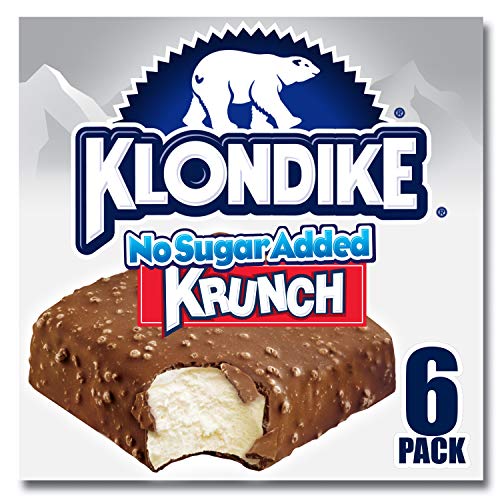
Focus on total carbohydrates and net carbs rather than just looking at the “no sugar added” label to ensure safe blood sugar levels.
Marketing terms like “No Sugar Added” can be deceptive. A product might not have added white sugar, but it could be packed with naturally occurring sugars from fruit concentrates or lactose (milk sugar), which still impact your glucose levels. Instead, calculate the Net Carbs. You do this by taking the Total Carbohydrates and subtracting dietary fiber and sugar alcohols (like erythritol). This number gives you a much more accurate representation of how the food will impact your blood sugar.
Look for higher fiber and protein content, as these nutrients help slow down the digestion of sugar and carbohydrates.
Protein and fiber act as internal speed bumps for digestion. When you eat simple sugars alone, they rush into your bloodstream. However, when those carbs are bound up with fat, protein, and fiber, the release of glucose is significantly delayed. An ice cream with 5 grams of fiber and 6 grams of protein per serving is going to result in a much flatter glucose curve than a standard sorbet, even if the calorie counts are similar.
Aim for less than 15-20 grams of total carbohydrates and under 5 grams of added sugar per serving.
Setting a “carb budget” for your dessert helps keep you accountable. Most standard ice creams contain upwards of 30 to 45 grams of carbs per half-cup serving. By targeting options with less than 20 grams (and ideally much lower net carbs), you can usually fit a treat into your meal plan without requiring large doses of corrective insulin or risking a hyperglycemic episode.
Top Low-Carb and Keto Ice Cream Brands
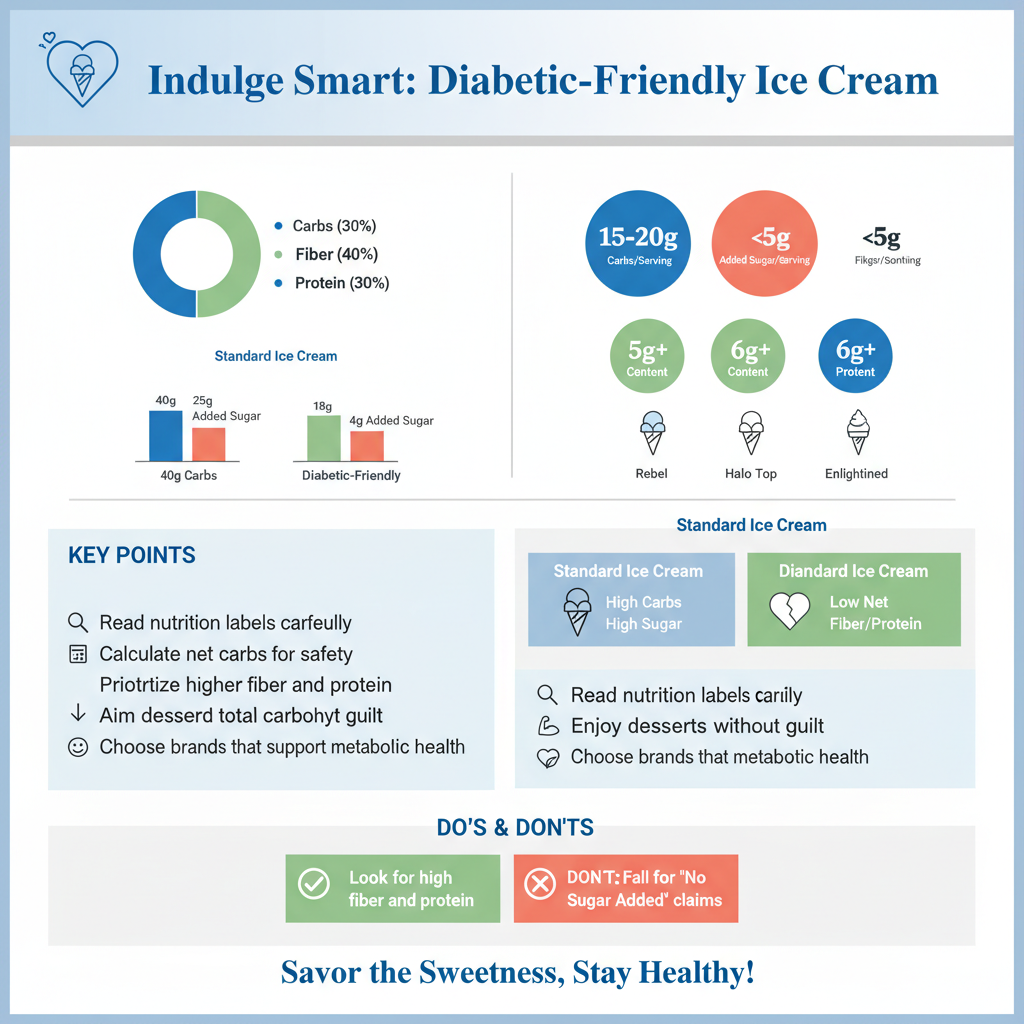

The rise of the Keto diet has been a blessing for the diabetic community, as it has flooded the market with high-quality, low-carb options. Here is a deeper look at the big three brands that consistently rank high for taste and blood sugar management.
– Rebel Ice Cream: This brand is often considered the “gold standard” for strict blood sugar management. Rebel uses heavy cream and natural sweeteners for a high-fat, very low-carb profile perfect for minimizing glucose impact. Because it relies on real dairy fat rather than skim milk, it has a luxurious, dense mouthfeel. The high fat content is actually beneficial here; fat has virtually no impact on insulin, so it helps blunt the response to the few carbs present. *Pro-tip: Let it sit on the counter for 10-15 minutes before scooping, as the lack of sugar makes it freeze harder than regular ice cream.*
– Halo Top: You have likely seen these distinct pints in almost every grocery store. Halo Top offers a popular low-calorie option with added protein, though portion control is still necessary due to varying carb counts per flavor. Halo Top essentially reinvented the “diet” ice cream category by whipping air into the mixture to increase volume and using erythritol. However, be careful: while their vanilla and chocolate flavors are generally low-carb, some of their “mix-in” flavors (like cookie dough or candy bar swirls) can have higher sugar counts. Always check the label of the specific flavor you are buying.
– Enlightened: This brand is known for their Keto Collection which offers ultra-low net carbs using erythritol and monk fruit extracts. Enlightened actually has two lines: a low-calorie line (similar to Halo Top) and a specific Keto line. For diabetics, the Keto Collection is usually the safer bet because it prioritizes high fat and low net carbs (often 1g net carb per serving) over merely being “low calorie.” Their texture is incredibly creamy, and they avoid the chalky aftertaste that plagues some protein-heavy desserts.
Best Dairy-Free and Vegan Options

If you are managing diabetes alongside lactose intolerance or a vegan lifestyle, finding good ice cream used to be nearly impossible. Most non-dairy options were rice-based or oat-based, which are incredibly high in carbohydrates. However, new innovations using fats like coconut and avocado have changed the game.
– So Delicious No Sugar Added: This is a fantastic coconut milk-based alternative that caters to those who are lactose intolerant or vegan while managing diabetes. The “No Sugar Added” line from So Delicious specifically uses coconut milk, which is rich in Medium Chain Triglycerides (MCTs). These fats provide energy without spiking insulin. They sweeten these pints with erythritol and monk fruit. Just ensure you are buying the specific “No Sugar Added” variety, as their standard coconut milk ice cream is sweetened with cane sugar.
– Kind Frozen Bars: While not a tub ice cream, these plant-based bars offer controlled portions with lower glycemic indexes due to nut bases. Sometimes, the hardest part of eating ice cream is stopping at a half-cup. Kind Frozen Bars solve this by being pre-packaged. They are essentially frozen nut butter bars. Because the primary ingredient is nuts (almonds or peanuts), you get a heavy dose of healthy fats and protein, which naturally stabilizes blood sugar.
– Check almond milk or oat milk-based frozen desserts but always verify that they are low-sugar versions.
Be very careful with oat milk. Oat milk is naturally higher in carbohydrates than almond or coconut milk because it is made from grains. Unless an oat milk ice cream is specifically labeled “Keto” or “Low Carb,” it likely contains enough carbs to spike your sugar. Almond milk bases are generally safer, but always verify that they are low-sugar versions, as regular non-dairy options can be high in sweeteners to mask the nutty flavor.
Ingredients and Sweeteners to Avoid
Not all sugar substitutes are created equal. Some are marketed as “diabetic-friendly” but can actually cause glucose spikes similar to table sugar, or cause severe stomach upset. Being an ingredient detective is part of the job.
– Watch out for Maltitol: This is the most notorious ingredient in “sugar-free” candy and ice cream. Maltitol is a sugar alcohol often found in “diet” sweets that can still raise blood sugar and cause digestive discomfort. It has a glycemic index much higher than erythritol or stevia. If you see Maltitol listed as the primary sweetener, proceed with caution—it counts as about half a carbohydrate, not zero, and can lead to bloating if consumed in large amounts.
– Avoid products listing high fructose corn syrup or standard corn syrup as primary ingredients.
This seems obvious, but it hides in “light” or “low fat” ice creams. These syrups are rapidly absorbed by the body, causing sharp spikes in blood glucose. They are also markers of lower-quality processing.
– Be wary of “low fat” options that compensate for flavor by adding excessive amounts of sugar or artificial fillers.
In the 90s, “low fat” was the craze, but for diabetics, fat is often a friend. When manufacturers remove fat, they lose flavor and texture. To fix this, they dump in sugar, gums, and flour-based thickeners. A full-fat ice cream with no sugar is almost always a better choice for your A1C than a low-fat ice cream with sugar.
Strategies for Portion Control
Even the most diabetic-friendly ice cream contains calories and some carbohydrates. Overindulging can stall weight loss goals or result in a delayed blood sugar rise (the “pizza effect”) caused by the high fat content. Here is how to enjoy it responsibly.
– Stick strictly to the recommended serving size: Usually, this is 1/2 cup or 2/3 cup. It is vital to measure this out rather than eating directly from the pint. When you eat from the container, visual cues disappear, and it becomes easy to consume three or four servings in one sitting while watching TV.
– Use small bowls to make the serving look more substantial satisfying the psychological aspect of eating a treat.
This is a classic diet trick that works. Putting a half-cup of ice cream in a large cereal bowl makes it look pitiful and restrictive. Putting that same amount in a small ramekin or dessert dish makes it look overflowing and indulgent. Your brain registers a “full bowl,” which helps you feel more satisfied.
– Pair your ice cream with a handful of nuts or seeds to add healthy fats and protein, further blunting the sugar response.
If you are having a treat that is slightly higher in carbs, add chopped walnuts, pecans, or hemp seeds. The crunch adds texture, but biologically, the added fiber and fat further reduce the glycemic load of the dessert. It turns a “sugar spike” into a gentle “sugar hill.”
Simple Homemade Alternatives
Sometimes, the best way to control what goes into your body is to make it yourself. Homemade frozen desserts allow you to control the sweetener type and quantity exactly.
– Try making “nice cream” by blending frozen berries with a small amount of Greek yogurt and stevia.
This creates a natural, nutrient-dense treat. Berries (strawberries, raspberries, blackberries) are the lowest-glycemic fruits. Blending them with full-fat Greek yogurt adds a massive protein punch. The result is a soft-serve consistency that is fresh, tart, and very gentle on blood sugar.
– Create avocado-based chocolate mousse or frozen pops using cocoa powder and liquid artificial sweeteners.
Don’t knock it until you try it! Avocado has a creamy, neutral texture that mimics dairy fat perfectly. When blended with high-quality cocoa powder and a sweetener like liquid stevia or monk fruit drops, you cannot taste the avocado—you only taste rich, fudge-like chocolate. Freeze these in pop molds for an easy grab-and-go snack.
– Use a standard ice cream maker with heavy cream and allulose to control exactly what ingredients go into your dessert.
Allulose is a newer “rare sugar” that tastes exactly like sugar and freezes like sugar (it doesn’t get rock hard like erythritol) but has zero impact on blood glucose. A simple base of heavy whipping cream, vanilla bean, almond milk, and allulose churned in an ice cream maker can rival any premium brand at the grocery store.
Finding the best ice cream for diabetics is entirely possible by reading labels carefully and choosing brands that prioritize low net carbs and healthy sweeteners. You don’t have to live a life without cold, creamy treats just because you are watching your glucose levels. Whether you opt for a store-bought pint like Rebel or decide to churn your own allulose-sweetened masterpiece, the key is awareness. Remember to test your blood sugar after trying new brands to see how your body reacts, and enjoy these treats in moderation as part of a balanced diet. Life is too short to skip dessert—you just have to choose the right one!
Conclusion
Navigating diabetes doesn’t mean the end of enjoying your favorite desserts; it simply means upgrading your choices. By prioritizing low net carbs, healthy fats, and natural sweeteners, you can indulge in ice cream without compromising your health. Whether you choose a store-bought brand like Rebel or Halo Top, or decide to whip up a homemade avocado chocolate pop, the power is in your hands to make informed decisions. Always listen to your body, keep an eye on your numbers, and savor every bite knowing you’re taking care of yourself.
Frequently Asked Questions
What are the best ice cream brands for people with diabetes?
The best ice cream brands for diabetics are typically keto-friendly options that are low in net carbs and high in protein, such as Rebel Creamery, Halo Top, and Enlightened. These brands use alternative sweeteners like erythritol, stevia, or monk fruit to provide sweetness without causing drastic blood sugar spikes. Always look for products specifically labeled as “low glycemic” or those that contain high healthy fat content to help slow glucose absorption.
What nutritional criteria should I look for on an ice cream label?
When choosing a diabetic-friendly ice cream, look for a total carbohydrate count of less than 15-20 grams per serving and a high fiber content, which helps lower the “net impact” carbs. It is also beneficial to select ice creams with higher protein and fat content, as these macronutrients delay gastric emptying and prevent rapid rises in blood glucose levels. Be wary of products heavily reliant on artificial sweeteners like maltitol, which can still affect blood sugar and cause digestive discomfort.
Is “no sugar added” ice cream the same as “sugar-free” ice cream?
No, these terms mean different things; “sugar-free” contains less than 0.5 grams of sugar per serving, while “no sugar added” simply means no extra sugar was put in during processing, though natural sugars from milk (lactose) or fruit may still be present. It is crucial for diabetics to check the total carbohydrate count on “no sugar added” cartons, as these products can still contain enough carbs to significantly impact blood sugar management.
Is sherbet or sorbet a safer option than regular ice cream for diabetics?
Contrary to popular belief, sherbet and sorbet are often poor choices for diabetics because they are concentrated sources of sugar without the fat or protein found in dairy ice cream to slow down digestion. The lack of fat in these frozen desserts causes sugar to enter the bloodstream very quickly, leading to rapid insulin spikes. A small portion of full-fat, real ice cream is often better for glycemic control than a serving of fat-free sorbet.
Can I eat regular ice cream if I have type 2 diabetes?
Yes, people with type 2 diabetes can enjoy regular full-fat ice cream occasionally if they practice strict portion control and account for the carbohydrates within their daily meal plan. To minimize the impact on blood sugar, consume a small serving (typically 1/2 cup) immediately after a nutritious meal containing fiber and protein rather than eating it alone as a snack. This pairing helps blunt the glucose response compared to eating sweets on an empty stomach.
References
- https://www.diabetes.org.uk/guide-to-diabetes/enjoy-food/eating-with-diabetes/food-groups/ice-cream-and-diabetes
- https://health.clevelandclinic.org/what-to-look-for-in-a-healthy-ice-cream
- https://www.uclahealth.org/news/ask-the-doctors-can-diabetics-eat-ice-cream
- https://www.health.harvard.edu/blog/picking-a-healthy-ice-cream-202307132953
- https://www.medicalnewstoday.com/articles/317371
- Radware Captcha Page






Pingback: Best Rated Diabetic Cookbooks - Best For Diabetics
Pingback: Best Juice for Diabetes: Healthy Options - Best For Diabetics
Pingback: Best Sugar Alternatives for Diabetics: A Guide - Best For Diabetics
Pingback: **Best Artificial Sugar for Diabetics: Key Considerations** - Best For Diabetics
Pingback: Best Pasta for Diabetics: Top Healthy Choices - Best For Diabetics
Pingback: The Best Natural Sugar for Diabetics: Top Options - Best For Diabetics
Pingback: Best Treats for Diabetic Dogs: Healthy Choices - Best For Diabetics