
For individuals exploring natural adjuncts for diabetes management, the best way to take moringa involves a balanced approach: opting for high-quality moringa powder or capsules, starting with a low daily dose of 1-3 grams, and consistently integrating it into your diet, ideally with meals, to help stabilize blood sugar. While moringa shows promise, it’s crucial to consult your healthcare provider before starting any new supplement and to monitor your blood glucose levels diligently. This guide will help you understand the most effective and safest methods for incorporating moringa, ensuring that its potential benefits are harnessed responsibly within a comprehensive diabetes management strategy.




Understanding Moringa’s Potential for Diabetes
Moringa oleifera, often referred to as the “miracle tree,” has garnered significant attention in the health and wellness community, particularly for its potential benefits in managing chronic conditions like diabetes. Its leaves are a powerhouse of essential nutrients, showcasing a remarkable density of antioxidants, vitamins, and minerals that are crucial for supporting overall metabolic health and systemic well-being. Rich in compounds such as quercetin, chlorogenic acid, and various polyphenols, moringa’s antioxidant capacity helps combat oxidative stress, a known contributor to insulin resistance and pancreatic beta-cell dysfunction in diabetes. Furthermore, it contains vital vitamins including A, C, E, and B-complex vitamins, alongside minerals like calcium, potassium, iron, magnesium, and zinc, all of which play intricate roles in glucose metabolism and cellular function.
Several scientific studies, predominantly preclinical and early-stage human trials, suggest that moringa may help lower blood sugar levels and improve insulin sensitivity. The mechanisms behind these effects are thought to involve its ability to modulate carbohydrate digestion and absorption, enhance glucose uptake by cells, and protect pancreatic cells from damage. For instance, specific compounds within moringa may inhibit enzymes involved in carbohydrate breakdown, leading to a slower release of glucose into the bloodstream. Others may enhance the body’s response to insulin, allowing cells to utilize glucose more efficiently. This multifaceted action positions moringa as a valuable adjunct for individuals seeking to complement their existing diabetes management protocols.
However, it is paramount to understand that moringa should always be viewed as a complementary support and never a replacement for prescribed diabetes medications, insulin therapy, or established lifestyle interventions such as diet and exercise. Its role is to potentially enhance the efficacy of these foundational treatments, not to supersede them. Integrating moringa into a diabetes regimen requires careful consideration, open communication with healthcare providers, and a steadfast commitment to monitoring blood glucose levels to ensure safety and efficacy. A holistic approach that combines evidence-based medical treatments with informed nutritional support remains the most prudent path for managing diabetes effectively.
Choosing the Right Form: Powder vs. Capsules
When considering moringa supplementation, individuals typically face a choice between moringa powder and moringa capsules. Each form offers distinct advantages, and the optimal choice often depends on personal preference, lifestyle, and specific health goals.
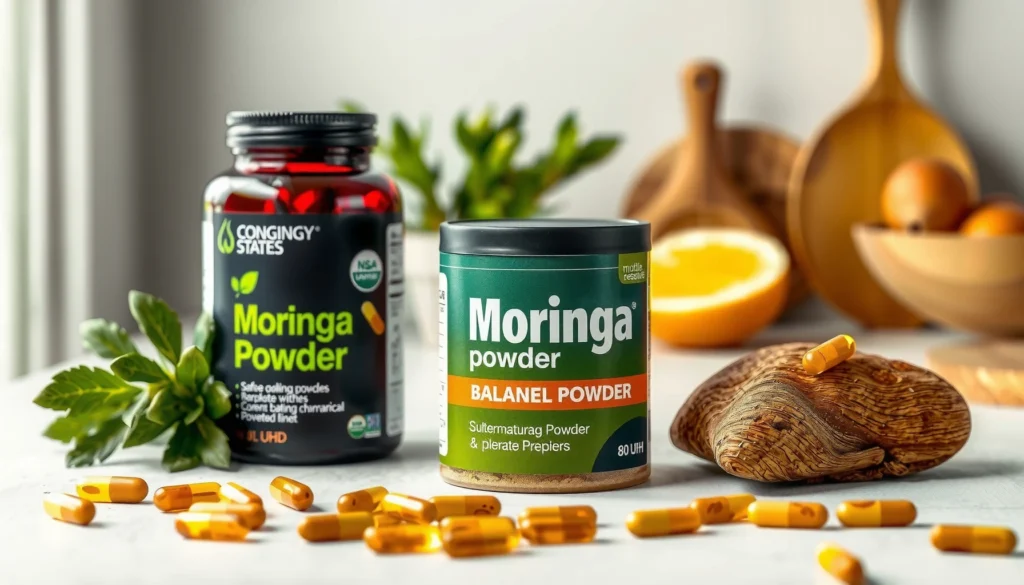
Moringa Powder: This form consists of dried and ground moringa leaves, offering a highly versatile option for dietary integration. Its primary advantage lies in its flexibility; moringa powder can be easily added to a wide array of foods and beverages. It blends seamlessly into morning smoothies, enriching them with a nutrient boost and a slightly earthy, green flavor. Beyond smoothies, it can be sprinkled over yogurt, oatmeal, salads, or mixed into sauces, dressings, and even baked goods (though caution with high heat is advised to preserve nutrient integrity). The powder form also allows for more flexible dosage adjustments, as individuals can easily measure out varying amounts with a spoon. This direct integration into food can make it a natural addition to daily culinary habits, potentially enhancing adherence over time for those who enjoy experimenting with ingredients.
Moringa Capsules: For those who prefer convenience, taste neutrality, and precise dosing, moringa capsules are an excellent choice. Each capsule typically contains a pre-measured amount of moringa powder, usually ranging from 400mg to 750mg, ensuring consistent intake without the need for measuring or dealing with the powder’s distinct flavor. Capsules are particularly well-suited for individuals with busy lifestyles, frequent travelers, or those who simply find the taste of moringa powder unappealing. They offer a discreet and straightforward method of consumption, requiring only a glass of water. The encapsulated form also eliminates the earthy aroma that some individuals might find off-putting, making it an ideal option for sustained, hassle-free supplementation.
Regardless of the form chosen, the most critical factor is the quality of the product. Prioritize organic, reputable brands to ensure product purity, potency, and the absence of contaminants. A truly high-quality moringa product will typically bear certifications such as USDA Organic or other equivalent organic standards, indicating that it has been cultivated without synthetic pesticides, herbicides, or fertilizers. Furthermore, look for brands that provide evidence of third-party testing for heavy metals (like lead, mercury, cadmium, arsenic), microbial contaminants (bacteria, mold), and pesticide residues. This transparency guarantees that the moringa is free from harmful substances and maintains its nutritional integrity. Reputable manufacturers will also often detail their sourcing practices, ensuring that the moringa is sustainably harvested and processed with minimal degradation of its active compounds. Reading customer reviews and consulting with a healthcare professional or a knowledgeable health store staff can also provide valuable insights into brand reliability and product effectiveness. Investing in a premium product is essential for maximizing potential health benefits and minimizing risks.
Optimal Dosage and Timing for Efficacy
Establishing the correct dosage and consistent timing are fundamental to safely and effectively incorporating moringa into a diabetes management plan. As with any potent supplement, a cautious and gradual approach is recommended to assess individual tolerance and maximize benefits while minimizing potential side effects.
Start Low, Go Slow: The foundational principle for moringa supplementation is to begin with a small, conservative dose and gradually increase it over time, provided it is well-tolerated. For moringa powder, a typical starting dose is approximately 1-3 grams per day, which translates to about 1/2 to 1 teaspoon. If opting for capsules, this would generally equate to 2-4 standard 500mg capsules daily. This initial low dose serves as a baseline to monitor your body’s response, particularly regarding digestive comfort and blood sugar fluctuations. After a week or two, if no adverse effects are observed and you wish to explore higher doses for potentially enhanced benefits, you may gradually increase the daily intake, always in consultation with your healthcare provider. Some studies have explored doses up to 8 grams per day, but such increases should be undertaken with medical supervision and diligent monitoring of blood glucose levels and other vital signs. This gradual approach allows your body to adapt and helps identify the lowest effective dose for your unique physiology.
Consistent Daily Intake: Regular, daily use is key to experience potential cumulative benefits over time. Moringa’s active compounds work synergistically to influence various metabolic pathways, and these effects are typically not immediate but rather build up with sustained intake. Sporadic use is unlikely to yield significant or lasting benefits for blood sugar regulation or overall metabolic health. Think of it similarly to how consistent adherence to a healthy diet and exercise regimen produces long-term results; moringa as a supplement operates on a similar principle of consistency. Integrating it into a daily routine, such as taking it at the same time each day, can help establish this habit and ensure a steady supply of its beneficial nutrients to your system.
Take with Meals: Consuming moringa with food can offer several advantages, including minimizing potential digestive upset and potentially enhancing its blood sugar-regulating effects. The presence of food in the stomach can act as a buffer, reducing the likelihood of gastrointestinal discomfort such as stomach upset or diarrhea, which some individuals might experience with moringa on an empty stomach, especially at higher doses. Furthermore, taking moringa alongside meals, particularly those containing carbohydrates, may allow its active compounds to exert a more immediate influence on post-prandial (after-meal) blood glucose spikes. Some components of moringa may work to slow down carbohydrate digestion or absorption, thus helping to flatten the glucose curve after eating. Additionally, moringa contains fat-soluble vitamins, and consuming it with a meal that includes some healthy fats can enhance the absorption and bioavailability of these nutrients. For optimal benefit, consider taking your moringa dose either immediately before or during your main meals.
Integrating Moringa into Your Daily Diet
The seamless integration of moringa into your daily dietary routine is crucial for consistent consumption and long-term adherence. Both powder and capsule forms offer distinct methods for this integration.
Powder Versatility: Moringa powder’s adaptability makes it a favorite for culinary enthusiasts looking to boost their nutrient intake. Its mild, earthy flavor profile allows it to blend surprisingly well into a wide variety of dishes and beverages.
* Morning Boost: Start your day by mixing 1/2 to 1 teaspoon of moringa powder into your morning smoothie. It pairs excellently with fruits like bananas, berries, and leafy greens such as spinach or kale, enhancing the nutritional density of your breakfast. Alternatively, stir it into your oatmeal, chia pudding, or yogurt for an added superfood kick.
* Lunch & Dinner Enhancements: Sprinkle moringa powder over salads, lending a subtle green note and a powerful nutrient punch. Whisk it into homemade salad dressings, particularly vinaigrettes, or blend it into pestos and guacamole. It can also be stirred into soups, stews, or sauces *after* they have been cooked and removed from high heat, ensuring that its delicate nutrients are preserved. For instance, you might add it to a lentil soup just before serving, or incorporate it into a hummus recipe.
* Beverages: Beyond smoothies, you can create a simple moringa tea by steeping a small amount of powder in warm (not boiling) water with a slice of lemon or ginger. Some even blend it into fresh fruit juices or lemonades for a refreshing, nutrient-dense drink.
Capsule Convenience: For individuals who prioritize simplicity and discretion, moringa capsules are an unparalleled choice. The integration strategy here is straightforward:
* Consistent Timing: The key with capsules is consistency. Take your prescribed number of capsules with a glass of water at consistent times each day. Many individuals find it easiest to remember by taking them alongside their main meals, such as breakfast and dinner. This not only establishes a routine but, as mentioned earlier, can also aid in absorption and minimize potential digestive discomfort.
* Travel-Friendly: Capsules are exceptionally travel-friendly, eliminating concerns about powder spills or specific culinary preparations while on the go.
It is vital to avoid exposing moringa powder to high heat for prolonged periods to preserve its heat-sensitive nutrients, such as Vitamin C and certain enzymes. While light cooking methods might be acceptable, direct and extended high heat can degrade its beneficial compounds, diminishing its efficacy. For cooked dishes, it’s generally best to stir the powder in during the final stages of preparation or just before serving. By embracing these integration strategies, individuals can effortlessly make moringa a consistent and beneficial part of their daily dietary regimen.
Important Safety Considerations and Side Effects
While moringa is celebrated for its nutritional profile and potential health benefits, it is not without important safety considerations, particularly for individuals managing chronic conditions like diabetes or taking other medications. Understanding potential interactions and side effects is crucial for safe supplementation.
Potential Interactions: Moringa can interact with certain medications, altering their efficacy or increasing the risk of adverse effects. It is imperative to discuss moringa supplementation with your doctor, especially if you are on any prescription drugs.
* Blood Thinners (Anticoagulants): Moringa leaves contain significant amounts of Vitamin K, a nutrient essential for blood clotting. Individuals taking blood thinners like Warfarin (Coumadin) must exercise extreme caution. An increased intake of Vitamin K can counteract the effects of these medications, potentially reducing their effectiveness and increasing the risk of blood clot formation.
* Thyroid Medications: Some research suggests that moringa may influence thyroid hormone levels. Individuals taking thyroid medications, such as levothyroxine for hypothyroidism, should consult their endocrinologist before using moringa, as it could potentially alter the required dosage of their medication.
* Diabetes Medications: This is a particularly critical interaction for the target audience of this guide. Since moringa has demonstrated hypoglycemic (blood sugar-lowering) properties, combining it with prescribed diabetes medications (e.g., insulin, metformin, sulfonylureas) could lead to an additive effect, potentially causing hypoglycemia. Hypoglycemia, or dangerously low blood sugar, can manifest as dizziness, confusion, sweating, tremors, and in severe cases, unconsciousness or seizures. Close monitoring of blood glucose levels is essential, and medication dosages may need to be adjusted under medical supervision.
* Blood Pressure Medications: Moringa has also been observed to have hypotensive (blood pressure-lowering) effects. For individuals already taking medications to manage high blood pressure, combining these with moringa could lead to an excessive drop in blood pressure, resulting in symptoms like dizziness, lightheadedness, or fainting (hypotension).
Mild Side Effects: When taken at recommended doses, moringa is generally well-tolerated. However, some individuals may experience mild side effects, especially when starting supplementation or at higher doses.
* Digestive Upset: The most commonly reported side effects are mild digestive issues, including stomach upset, bloating, gas, or diarrhea. This is often attributed to the fiber content or other bioactive compounds in moringa. Starting with a low dose and taking it with meals can help mitigate these effects.
* Hypotension: As mentioned above, a drop in blood pressure can occur, particularly in sensitive individuals or with higher doses. Symptoms include dizziness, lightheadedness, or fatigue.
* Allergic Reactions: Although rare, some individuals may experience allergic reactions to moringa, manifesting as skin rashes, itching, hives, or more severe symptoms like swelling or difficulty breathing. Discontinue use immediately if any allergic reaction occurs.
Contraindications: Certain populations should avoid moringa unless specifically advised and supervised by a healthcare professional.
* Pregnant or Breastfeeding Women: There is insufficient research on the safety of moringa during pregnancy and lactation. Some traditional uses suggest moringa may induce uterine contractions, posing a potential risk during pregnancy. Therefore, it is generally advised for pregnant or breastfeeding women to avoid moringa.
* Individuals with Specific Medical Conditions: Those with severe kidney or liver conditions, or autoimmune diseases, should exercise extreme caution and seek medical advice before considering moringa supplementation. Moringa’s impact on these systems may not be fully understood or could interact negatively with existing conditions.
Always remember that “natural” does not automatically equate to “safe.” A thorough consultation with your healthcare provider is the indispensable first step before adding moringa or any new supplement to your regimen.
Monitoring Blood Sugar and Consulting Your Doctor
The integration of moringa into a diabetes management plan demands an unyielding commitment to diligent self-monitoring and continuous professional medical guidance. This two-pronged approach ensures that any potential benefits are realized safely, without compromising overall health or treatment efficacy.
Regular Glucose Monitoring: Consistent and meticulous tracking of your blood sugar levels is absolutely paramount when introducing moringa. Moringa’s purported ability to influence blood glucose necessitates heightened vigilance. Individuals should maintain their regular schedule of checking fasting blood sugar, pre-meal, and post-meal (1 or 2 hours after eating) readings. Furthermore, it can be beneficial to track glucose levels at specific times relative to when you take moringa, such as before and after your first dose of the day. Keeping a detailed log of these readings, alongside notes on your moringa dosage and any dietary changes, will provide invaluable data for you and your healthcare team. This data allows for the identification of trends, helps to ascertain moringa’s effect on your personal glycemic control, and is critical for detecting any potential for hypoglycemia (dangerously low blood sugar), especially if moringa is used in conjunction with blood sugar-lowering medications. Should you observe any significant or persistent deviations in your blood sugar levels, whether unusually high or low, immediate consultation with your doctor is warranted.
Professional Guidance is Essential: The importance of professional medical guidance cannot be overstated. Before initiating moringa supplementation, you must engage in a comprehensive discussion with your primary care physician, endocrinologist, or a registered dietitian specializing in diabetes management. These professionals possess the expertise to evaluate your individual health profile, current medications, existing comorbidities, and potential risks. They can advise on appropriate starting dosages, potential interactions with your prescribed medications (e.g., insulin, metformin, sulfonylureas, blood thinners, thyroid drugs), and help you establish a safe monitoring plan. A registered dietitian can also provide guidance on how to integrate moringa into a balanced, diabetes-friendly diet without compromising other nutritional needs or existing dietary restrictions. They serve as your primary resource for personalized advice, ensuring that moringa complements, rather than complicates, your comprehensive diabetes care strategy.
Never Adjust or Discontinue Prescribed Diabetes Medications: This is a non-negotiable directive. Under no circumstances should you alter the dosage or discontinue any prescribed diabetes medications (insulin, oral hypoglycemics, etc.) based on your perception of moringa’s effects, or without the explicit instruction and supervision of your healthcare provider. Doing so can lead to severe and potentially life-threatening consequences, including uncontrolled hyperglycemia (very high blood sugar), diabetic ketoacidosis, or other serious complications. Moringa is intended as an adjunct, a supportive measure, and not a replacement for conventional, evidence-based medical treatment. Any adjustments to your medication regimen, if deemed necessary due to moringa’s impact on blood sugar, must be carefully managed by your doctor, who can titrate dosages safely and monitor your response to prevent adverse events. Maintaining open, honest, and proactive communication with your medical team is the cornerstone of safe and effective diabetes management, especially when exploring complementary therapies.
Incorporating moringa into your diabetes management plan can be a beneficial natural adjunct when approached thoughtfully. The best way forward involves selecting a quality form, adhering to a consistent, appropriate dosage, and most importantly, maintaining open communication with your healthcare provider. While moringa offers promising benefits for blood sugar regulation and metabolic health due to its rich antioxidant and nutrient profile, it is a supportive measure, not a cure, and should always be part of a comprehensive, medically supervised diabetes care strategy. Start smart by choosing organic, third-party tested products, stay consistent with your daily intake alongside meals, and prioritize your health by partnering closely with your medical team. This integrated approach ensures you harness moringa’s potential effectively and safely, contributing to your overall well-being and successful diabetes management.
Frequently Asked Questions
What is the most effective form of moringa to take for diabetes management?
For diabetes management, moringa leaf powder is generally considered the most effective and widely studied form. It retains the plant’s full spectrum of beneficial compounds, including antioxidants and anti-inflammatory agents that support blood sugar control. You can easily incorporate moringa powder into smoothies, yogurts, or sprinkle it over meals.
How much moringa powder should someone with diabetes take daily for optimal benefits?
The optimal daily dosage of moringa powder for diabetes can vary, but studies often suggest a range of 1-6 grams per day. It’s best to start with a smaller dose, such as 1-2 grams daily (about 1/2 to 1 teaspoon), and gradually increase while carefully monitoring your blood sugar response. Always consult your healthcare provider before determining a specific dosage, especially if you have diabetes.
When is the best time of day to consume moringa to help control blood sugar levels?
To effectively support blood sugar control, it’s often recommended to consume moringa powder with or shortly before meals, particularly those rich in carbohydrates. Taking moringa around mealtimes may help mitigate post-meal blood sugar spikes. However, consistency is key, so find a time that fits your routine to ensure regular intake.
Can moringa be safely taken alongside my prescribed diabetes medication?
While moringa is generally considered safe, it’s crucial to consult your doctor or endocrinologist before taking it if you are on prescribed diabetes medication. Moringa can potentially lower blood sugar levels, and combining it with medications like insulin or oral hypoglycemics might lead to hypoglycemia (dangerously low blood sugar). Your doctor can advise on safe usage and potential dosage adjustments for your medications.
What are practical ways to incorporate moringa into a daily diet for diabetes support?
Incorporating moringa into your daily diet for diabetes support is quite versatile. You can easily blend moringa powder into your morning smoothie or juice, stir it into yogurt or oatmeal, or sprinkle it over salads and soups. Another popular method is brewing moringa tea using dried leaves or adding a small amount of powder to hot water with a squeeze of lemon.
References
- https://pubmed.ncbi.nlm.nih.gov/35265586/
- https://www.ncbi.nlm.nih.gov/pmc/articles/PMC8949826/
- https://pubmed.ncbi.nlm.nih.gov/33925760/
- https://www.nccih.nih.gov/health/moringa
- Moringa oleifera
- https://pubmed.ncbi.nlm.nih.gov/36294713/
- https://pubmed.ncbi.nlm.nih.gov/37626359/
- https://pubmed.ncbi.nlm.nih.gov/38392135/