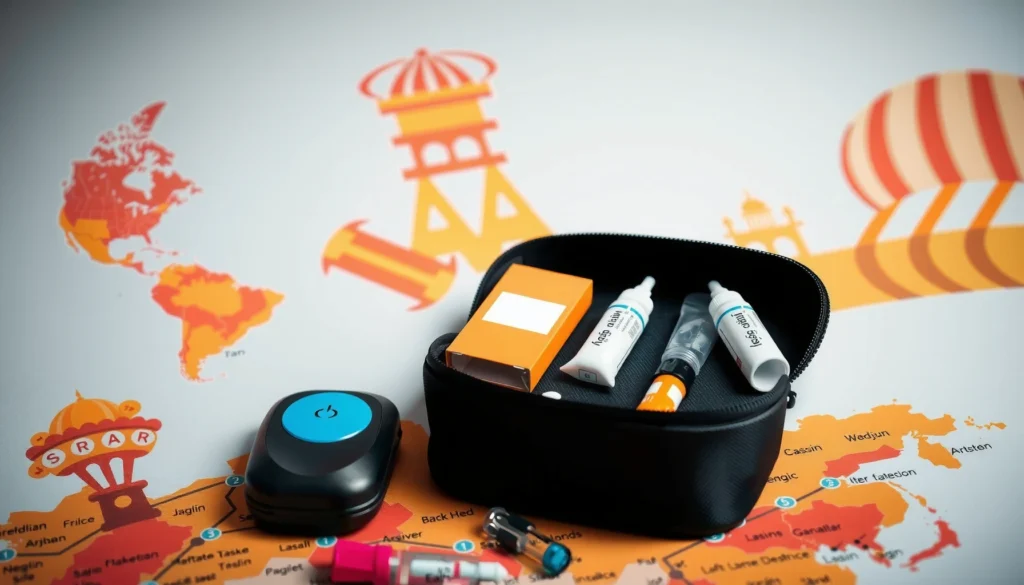

The best diabetic travel case is one that combines superior insulation, smart organization, and durable design, tailored specifically to your travel duration and medication needs. Finding the right case ensures your essential insulin, test strips, and other supplies remain safe, accessible, and at the correct temperature throughout your journey, providing invaluable peace of mind whether you’re embarking on a short day trip or an international adventure.




Why a Dedicated Diabetic Travel Case is Essential
Managing diabetes while traveling presents unique challenges, making a specialized travel case an indispensable tool for anyone living with the condition. It goes far beyond mere convenience; it’s a critical component of maintaining health and safety away from home.
* Medication Integrity: Insulin, the cornerstone medication for many individuals with diabetes, is highly susceptible to temperature fluctuations. Exposure to extreme heat can degrade insulin, rendering it ineffective, while freezing can also damage its structure, leading to loss of potency. A dedicated diabetic travel case is engineered with advanced thermal insulation to protect temperature-sensitive insulin, as well as other medications and test strips, from spoilage. This protection ensures that your medication remains potent and safe for use, preventing potentially dangerous fluctuations in blood glucose levels that could arise from compromised insulin. Moreover, it safeguards other supplies like test strips, which can be affected by humidity or extreme temperatures, compromising their accuracy.
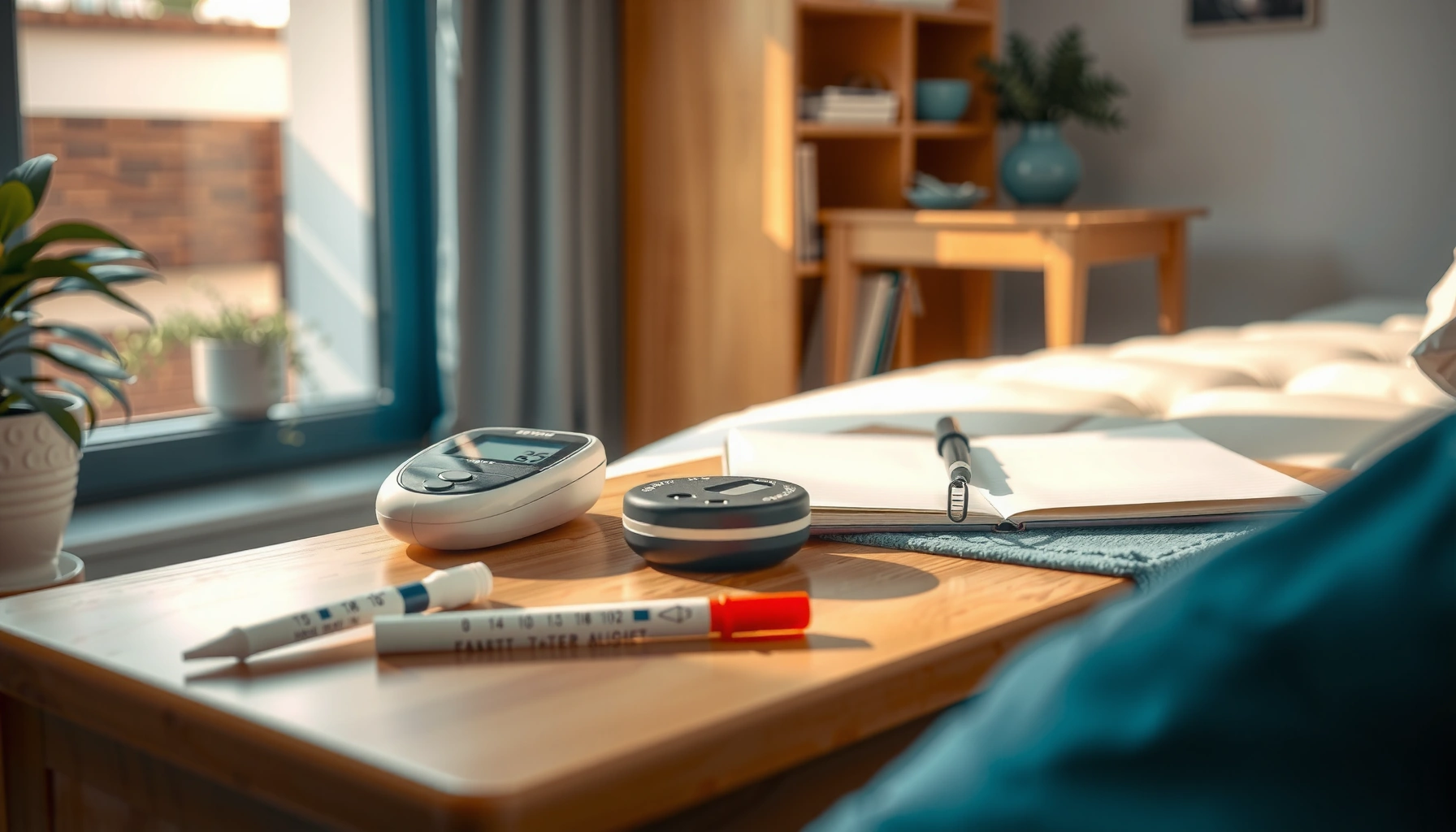
* Organized Accessibility: Travel inherently involves navigating new environments and often requires quick access to essential items. A specialized case keeps all your diabetes supplies — insulin pens, vials, syringes, blood glucose meter, test strips, lancets, alcohol wipes, and glucose tablets — neatly organized and securely stored. This systematic arrangement eliminates the stress of rummaging through luggage, especially in urgent situations such as a hypoglycemic episode, during airport security checks, or when space is limited on a plane or train. Everything has its designated place, making it easy to locate and retrieve supplies instantly, thereby enhancing safety and reducing anxiety.
* Compliance & Safety: Traveling with medical supplies, particularly internationally, often involves adherence to specific regulations. A dedicated diabetic travel case can help meet airline and other travel regulations for medical devices and liquids. Many cases are designed to be visibly medical, which can simplify security screenings. Crucially, these cases often include features for safely storing and transporting sharps like needles and lancets, preventing accidental punctures for both the traveler and security personnel. Furthermore, having all medications clearly contained within a medical case can aid in demonstrating their necessity during customs inspections, preventing potential delays or complications. It underscores responsible management of one’s health while also protecting others from potential hazards.
Key Features to Look For
When selecting a diabetic travel case, certain features are paramount for ensuring both the safety of your supplies and the convenience of your journey. Prioritizing these elements will help you choose a case that truly meets your needs.
* Insulation & Cooling: For insulin-dependent individuals, superior insulation is arguably the most critical feature. Look for cases that incorporate advanced thermal insulation technologies, such as multi-layer construction, reflective linings, or vacuum-sealed components, to create a barrier against external temperatures. Many high-quality cases come with reusable gel packs or dedicated compartments for them. These gel packs are typically non-toxic and designed to maintain a stable, cool temperature for extended periods, often ranging from 8 to 48 hours, depending on the ambient temperature and case design. Evaporative cooling systems, such as those used by Frio bags, offer another effective solution, using only water to keep insulin cool without the need for refrigeration or ice packs. Before committing, consider the typical temperatures of your travel destinations and the duration for which cooling will be needed. Always test your chosen cooling method at home to understand its real-world performance.
* Durability & Material: Travel exposes luggage to various stresses, from being jostled in overhead bins to enduring rough handling. Therefore, the case’s material and construction are vital. Hard-shell cases, often made from robust ABS plastic or polycarbonate, offer maximum protection against impact, making them ideal for delicate devices like insulin pumps or glucose meters. Soft-sided cases, typically constructed from high-denier nylon, ballistic nylon, or neoprene, provide flexibility and lighter weight, often with good water resistance. Regardless of type, look for features like reinforced stitching, quality zippers (e.g., YKK), and sturdy handles or straps that can withstand continuous use. Water-resistant materials are particularly beneficial for protecting supplies from spills or unexpected rain.
* Compartmentalization: Effective organization is key to stress-free travel. A well-designed diabetic travel case will feature smart compartmentalization, including multiple pockets, elastic loops, and adjustable dividers. These allow for the systematic arrangement of various supplies: elastic loops keep insulin pens or syringes secure and easily accessible, mesh pockets are perfect for alcohol wipes or cotton swabs, zippered compartments can hold test strips and lancets, and padded sections protect blood glucose meters. This level of organization prevents items from shifting, becoming damaged, or being difficult to find, especially during critical moments or when traveling through security checkpoints. Modular inserts or removable pouches can offer additional flexibility, allowing you to customize the layout based on your specific travel needs.
* Size & Portability: The ideal size and portability of your case will depend heavily on your individual travel habits and the quantity of supplies you need. For daily use or short day trips, a compact, discreet case that fits easily into a purse or small bag might be sufficient. For weekend trips, a slightly larger case might be needed to accommodate a few extra days’ worth of supplies. Extended travel, however, will necessitate a larger case with ample capacity for weeks of medication, multiple devices, and backup supplies. Consider how you prefer to carry the case: some offer shoulder straps, others have belt loops, and many are designed to fit seamlessly into larger luggage or backpacks. Always consider airline carry-on regulations to ensure your chosen case complies with size restrictions for personal items or carry-on luggage.
Types of Diabetic Travel Cases
The market offers a diverse range of diabetic travel cases, each designed to cater to specific needs and travel styles. Understanding the different types can help you select the most appropriate solution for your unique requirements.
* Soft-Sided Bags: These are among the most common and versatile options, often resembling small toiletry bags or messenger pouches. Typically made from durable fabrics like nylon or neoprene, soft-sided bags are lightweight, flexible, and often more discreet than their hard-shell counterparts. Many models come with integrated cooling sleeves or compartments designed to hold gel packs, providing a decent level of insulation for a few days’ worth of supplies. They are ideal for individuals who prioritize lightness and flexibility, fitting easily into larger luggage or serving as a personal item for shorter trips. While they offer good protection against minor bumps and scratches, their impact resistance is generally lower than hard-shell cases.
* Hard-Shell Organizers: For those requiring maximum protection for delicate medical devices or expensive medications, hard-shell organizers are an excellent choice. Constructed from rigid materials such as EVA foam, ABS plastic, or polycarbonate, these cases provide superior impact resistance, protecting contents from crushing or significant external pressure. Their robust design makes them suitable for checked luggage (though critical medications should always be carried on) or for environments where rough handling is a concern. Many hard-shell cases feature a clamshell design, opening flat to reveal well-organized compartments, often with custom-cut foam inserts or elastic straps to hold items securely in place. They typically offer good water resistance as well, safeguarding contents from spills or moisture.
* Cooler Bags/Wallets: These specialized cases prioritize temperature control, making them indispensable for carrying insulin and other temperature-sensitive medications. Cooler bags come in various forms, from small insulated wallets for a single insulin pen to larger bags capable of holding multiple vials and pens for extended trips. Their cooling mechanisms vary: some rely on reusable gel packs (which need to be frozen beforehand), others utilize evaporative cooling technology (like Frio bags, which are activated by water), and a few high-end options may even incorporate thermoelectric cooling. Key features include multi-layer insulation, reflective interior linings, and often a robust exterior to protect the insulation. While their primary function is cooling, many also offer basic organizational features for accompanying supplies.
* Specialized Pump Cases: Individuals using insulin pumps have unique needs that specialized pump cases address. These cases are meticulously designed to accommodate the pump itself, along with essential accessories such as infusion sets, reservoirs, batteries, and charging cables. Many feature custom-fit compartments to secure the pump, preventing movement and potential damage. Some pump cases include clear windows for easy screen visibility, belt clips for discreet carrying, or integrated pockets for tubing management. These cases often blend discretion with functionality, allowing users to keep their pump close and accessible while maintaining an active lifestyle. They offer targeted protection for expensive, life-sustaining medical equipment.
Top Picks for Different Travel Needs
The “best” diabetic travel case isn’t a one-size-fits-all solution; it depends entirely on your specific travel habits and medical requirements. Here are recommendations tailored to different scenarios.
* For Short Trips/Daily Use:
* Need: Compact, discreet, quick access for a few essential items.
* Recommendation: Look for slim, insulated pen cases or small zippered pouches. Examples include the Frio Duo Wallet (for 2 pens), small fabric organizers from brands like Medicool, or compact hard-shell cases designed to hold a single pen, a meter, and a few test strips. These are ideal for daily commutes, going to the gym, or short day trips where you only need immediate essentials. They fit easily into a handbag, briefcases, or glove compartments, offering basic protection and temperature control for a few hours. The emphasis here is on minimalism and unobtrusive carrying.
* Key Features: Minimalist design, easy access, lightweight, basic insulation for short-term temperature maintenance, often just enough room for 1-2 pens/vials, a meter, and a small amount of test strips and lancets.
* For Extended Travel:
* Need: High capacity, robust insulation, comprehensive organization for weeks of supplies.
* Recommendation: Larger medical organizers with multi-day cooling capabilities are essential. Brands like Sugar Medical, ADM, or specialized cooler bags from companies like Frio (larger sizes) offer solutions with multiple compartments, robust insulation, and space for a significant quantity of insulin vials or pens, backup meters, a full complement of test strips, lancets, syringes, alcohol wipes, and glucose tablets. These often feature advanced insulation technologies, sometimes accommodating several large gel packs to maintain temperatures for 24-48 hours or longer. They are designed to fit as a carry-on item, ensuring your critical supplies are always with you.
* Key Features: Ample storage capacity, multi-layer thermal insulation, multiple reusable gel packs, durable exterior materials, extensive compartmentalization for organized packing, often with a shoulder strap or integrated handle for comfortable carrying.
* For Active Lifestyles:
* Need: Water-resistant, impact-resistant, secure carrying for outdoor activities or sports.
* Recommendation: Focus on rugged, protective cases that can withstand the elements. Tactical-style medical pouches made from heavy-duty nylon (e.g., 1000D Cordura) with MOLLE attachments, waterproof dry bags with insulated inserts, or hard-shell cases with reinforced, impact-absorbing interiors are ideal. Brands specializing in outdoor gear or medical tactical equipment often offer suitable options. For insulin pump users, specific belt-worn cases that are discreet yet protective, often made from neoprene or durable synthetic fabrics, provide security during physical activity. These cases often boast higher IP ratings for water and dust resistance, robust zippers, and secure attachment mechanisms to prevent loss during movement.
* Key Features: High durability, water and dust resistance (IP ratings), impact absorption, secure attachment points (belt loops, carabiner clips, MOLLE webbing), compact yet protective design, and often a discreet profile to blend with outdoor gear.
Packing Your Case for Safe Travel
Properly packing your diabetic travel case is as crucial as choosing the right one. Meticulous preparation ensures your health is safeguarded and your journey remains hassle-free.
* Insulin Storage: Insulin is sensitive. For refrigerated insulin, always use cooling packs, but ensure there’s a buffer (e.g., a cloth or a thin layer of foam) between the frozen pack and the insulin to prevent direct contact, which can freeze and damage the medication. Once opened, insulin vials or pens are typically stable at room temperature for a specific period (check manufacturer guidelines, usually 28-30 days), but extreme heat or direct sunlight will still compromise it. In hot climates, always keep your case in the coolest available spot, out of direct sunlight, and never leave it in a hot car. In very cold conditions, protect insulin from freezing; never place it in checked luggage during winter flights, as cargo holds can get extremely cold.
* Essential Documentation: This is non-negotiable, especially for international travel. Carry a comprehensive doctor’s note (on official letterhead) that details your diabetes diagnosis, lists all medications (insulin, oral medications), medical devices (pump, CGM, meter), and why you need to carry syringes, needles, or lancets. Include generic names for medications, as brand names vary globally. Also, pack copies of your prescriptions, insurance cards, and contact information for your endocrinologist or primary care physician. Keep both physical and digital copies (e.g., on your phone, cloud storage) for redundancy. This documentation is invaluable for customs officials, airport security, and in case of a medical emergency or the need for a pharmacy refill abroad.
* Sharps Disposal: Safe disposal of used needles and lancets is paramount to prevent accidental needle sticks. Always pack a small, travel-sized sharps container. These are designed to be puncture-resistant and sealable. If a commercial sharps container isn’t available, a sturdy, hard-plastic bottle with a screw-on lid (like an empty laundry detergent or bleach bottle) can serve as a temporary, improvised solution. Never place loose sharps in the trash or toilet. Be aware of local regulations for disposing of full sharps containers; many hotels or pharmacies may have facilities, or you might need to carry it home for proper disposal.
* Extra Supplies: The “more is better” mantra holds true for diabetic supplies during travel. Always pack significantly more supplies than you anticipate needing – a common recommendation is 50% to 100% extra. This includes extra insulin (both refrigerated and any vials/pens you’ve started), additional pens or syringes, plenty of test strips and lancets, spare batteries for your meter or pump, alcohol wipes, and fast-acting glucose sources (glucose tablets, juice boxes). Consider packing extra pump sites and reservoirs if you use a pump. Travel delays, lost luggage, or unexpected increases in medication needs can quickly deplete your stash. A smart strategy is to divide critical supplies between your carry-on bag and a personal item to mitigate the risk if one bag is lost or delayed.
Choosing the right diabetic travel case is a vital step in ensuring a stress-free journey, keeping your essential supplies protected and organized. By prioritizing insulation, smart organization, and durable construction tailored to your specific travel habits and medication needs, you can travel with confidence. Invest in the right case today to safeguard your health and enjoy your adventures without compromise, knowing your critical supplies are secure and accessible.
Frequently Asked Questions
How do I choose the best diabetic travel case for my specific travel needs?
Selecting the best diabetic travel case depends on your trip’s length, destination’s climate, and the amount of medication you carry. Look for cases that offer reliable temperature control for insulin, efficient organization for syringes and testing supplies, and a durable design that can withstand travel rigors. Consider the case’s size and portability, ensuring it fits easily into your carry-on or personal bag, making it a crucial accessory for stress-free diabetic travel.
What features are essential for keeping insulin safe and cool in a diabetic travel case, especially during long journeys?
For safe insulin storage, essential features in a diabetic travel case include high-quality insulation, often utilizing integrated gel packs or specialized cooling pouches. Look for cases designed to maintain a consistent cool temperature for several hours, crucial for long flights or road trips. Double-check that the case can accommodate your specific insulin pens or vials securely, protecting them from extreme temperatures and physical damage during transit.
Beyond insulin, what other essential diabetic supplies should a good travel case effectively organize?
A truly effective diabetic travel case should feature dedicated compartments to organize more than just insulin, including blood glucose meters, test strips, lancets, and alcohol swabs. Look for cases with mesh pockets, elastic loops, and secure zippered sections to keep syringes, extra needles, and even emergency glucose tablets neatly separated and easily accessible. Excellent organization prevents damage to delicate items and ensures you can quickly find what you need, making your diabetic travel experience much smoother.
Are there specific TSA guidelines or considerations when traveling with a diabetic travel case and supplies?
When traveling with a diabetic travel case, TSA guidelines permit carrying all necessary medical supplies, including insulin, syringes, and lancets, in your carry-on bag. There are no liquid restrictions for medically necessary liquids like insulin, but it’s advisable to declare these items during security screening. While not always required, carrying a doctor’s note or prescription can smooth the process, ensuring your essential diabetic travel supplies are always accessible and approved for air travel.
What materials and construction features make a diabetic travel case durable and long-lasting for frequent travelers?
For frequent travelers, durability in a diabetic travel case is paramount, often stemming from robust materials like water-resistant nylon, EVA hard shells, or shock-absorbent neoprene exteriors. Look for cases with high-quality, smooth-gliding zippers, reinforced stitching, and a padded interior lining to protect fragile meters and insulin vials from impacts. A well-constructed diabetic travel case is a worthwhile investment, ensuring your vital supplies remain safe and secure trip after trip.
References
- https://www.cdc.gov/diabetes/managing/travel.html
- https://diabetes.org/tools-resources/know-your-rights/travel
- https://www.mayoclinic.org/diseases-conditions/diabetes/in-depth/traveling-with-diabetes/art-20045050
- https://my.clevelandclinic.org/health/articles/12028-traveling-with-diabetes
- https://www.niddk.nih.gov/health-information/diabetes/managing-diabetes/traveling-diabetes
- https://www.jdrf.org/t1d-resources/care-essentials/daily-life/traveling-with-t1d/