
Finding the “best bag” to carry your diabetic supplies isn’t about a single product; it’s about identifying the perfect solution that caters to your unique needs for organization, temperature control, and accessibility. The ideal bag provides a secure, organized, and easily accessible way to transport your insulin, test strips, lancets, and other essentials, ensuring peace of mind whether you’re at home, work, or traveling. This guide will help you understand the essential features and types of bags available to make an informed choice for managing your diabetes on the go.



Understanding Your Needs: Daily vs. Travel
The first step in selecting the optimal diabetic supply bag is to conduct a thorough assessment of your daily routines and anticipated travel scenarios. This critical evaluation will dictate the size, features, and overall design required to effectively support your diabetes management.
– Daily Essentials: For everyday use, the focus is on compactness and efficiency. Consider the absolute minimum supplies you require for a typical day, ensuring you have enough to manage unexpected delays or activities. This usually includes insulin pens or vials, a blood glucose meter, a supply of test strips, lancets, and a small quantity of fast-acting glucose (e.g., glucose tablets or gel) for hypoglycemia treatment. A compact bag for daily essentials should be easy to grab, fit into a larger personal bag (like a purse or briefcase), and allow for quick access during routine checks or medication administration, minimizing disruption to your day. The goal is discreet and convenient access without carrying unnecessary bulk.
– Extended Travel/Emergencies: When planning for longer journeys, vacations, or preparing for potential emergencies, your supply needs expand considerably. You’ll need to account for extra insulin (often twice the amount you anticipate needing), backup glucagon, additional insulin pump supplies (if applicable), continuous glucose monitor (CGM) sensors, batteries for devices, and a more substantial stock of test strips and lancets. These scenarios demand a bag with greater capacity and robust organizational features to keep multiple items sorted and secure. Consider the duration of your trip, the mode of transport, and any specific environmental challenges (e.g., extreme temperatures) that might necessitate specialized storage. A comprehensive travel bag ensures you remain fully equipped, even in unforeseen circumstances.
– Lifestyle Factors: Your personal lifestyle profoundly influences the type of bag that will best serve you. An office professional might prioritize a sleek, discreet bag that blends seamlessly with business attire, perhaps one that fits into a laptop bag or briefcase. An outdoor enthusiast, conversely, would benefit from a durable, water-resistant bag with secure straps, capable of withstanding various environmental conditions during hikes, cycling, or other activities. Parents of children with diabetes might need a larger, more comprehensive bag that can accommodate supplies for multiple individuals or integrate into a family outing bag. Evaluate your typical daily activities, hobbies, and social engagements to choose a bag that complements, rather than complicates, your life.
Essential Features for Any Diabetic Supply Bag
Regardless of whether you’re managing daily essentials or packing for extended travel, certain features are non-negotiable for any effective diabetic supply bag. These elements are designed to protect your valuable medications and equipment, ensuring their integrity and your readiness.
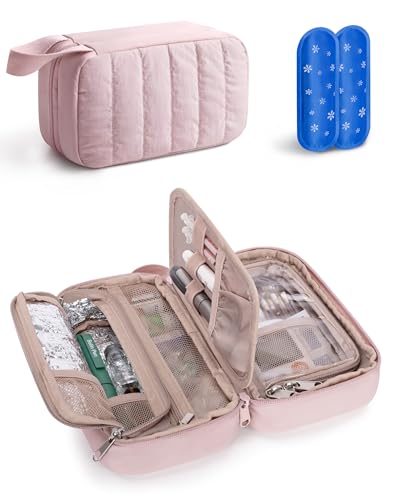
– Temperature Control: This is arguably the most critical feature, particularly for insulin, which is highly sensitive to temperature fluctuations. Look for insulated compartments or a removable cooler section designed to maintain stable temperatures. These often utilize specialized thermal lining and may include a dedicated pocket for a reusable gel pack (ensure the gel pack does not directly contact insulin to prevent freezing). Proper temperature control prevents insulin degradation, which can render it ineffective and pose a serious health risk. Some advanced bags feature built-in thermometers or materials designed for prolonged temperature stability, essential for longer periods away from refrigeration or in varying climates. Always research the bag’s insulation capabilities and consider how long it can maintain temperature under different conditions.
– Organization & Compartments: A well-organized bag is paramount for efficient diabetes management. Multiple pockets, elastic loops, mesh dividers, and clear compartments help keep everything neatly sorted and easily accessible. Dedicated slots for insulin pens, vials, a blood glucose meter, test strip containers, lancets, alcohol wipes, and glucose tablets prevent items from shifting, getting damaged, or becoming lost. Good organization not only saves time during a critical moment when you need to check your blood sugar or administer insulin but also reduces stress and ensures you can quickly verify that all necessary supplies are present before leaving home. Consider bags with transparent pockets for quick visual checks and elastic bands to secure pens or syringes, preventing them from jostling around.
– Durability & Material: Your diabetic supplies are vital, often expensive, and sometimes fragile. Therefore, the bag protecting them must be built to last. Choose a bag made from robust, high-quality materials such as ripstop nylon, durable polyester, or other water-resistant fabrics. Strong, reliable zippers (preferably YKK or similar high-grade brands) that operate smoothly and resist snagging are essential, as you’ll be accessing the bag frequently. Reinforced stitching at stress points, padded interiors, and sturdy hardware (like buckles and clips) further contribute to the bag’s longevity and its ability to protect valuable contents from spills, impacts, and daily wear and tear. A water-resistant exterior is particularly beneficial for protecting sensitive electronics and medications from unexpected rain or accidental liquid exposure.
Types of Bags Tailored for Diabetic Supplies
The market offers a diverse range of bags, each designed to cater to different levels of supply needs and preferences. Understanding these categories will help you narrow down the best fit for your specific requirements.
– Compact Pouches & Organizers: These are the smallest and most discreet options, ideal for carrying basic daily essentials. Often resembling a cosmetic bag or a minimalist tech organizer, they are perfect for individuals who need to carry just one or two insulin pens, a blood glucose meter kit, and a small number of glucose tablets. Compact pouches are designed to fit seamlessly inside a larger purse, backpack, briefcase, or even a jacket pocket. Their primary advantage is their portability and discretion, making them suitable for work, short errands, or social events where a full kit isn’t necessary. Some designs feature a single insulated pocket for an insulin pen, while others are purely for organization. They are excellent for minimalists or as a supplementary bag for immediate-access items.
– Shoulder Bags & Sling Packs: Offering more capacity than a compact pouch, these bags provide a hands-free carrying solution with dedicated sections for diabetic supplies, alongside room for personal items like a phone, wallet, or keys. Shoulder bags and sling packs are popular for their balance of capacity and accessibility. Sling packs, worn across the body, allow for quick rotation to the front, providing immediate access to compartments without removing the bag. These are often preferred by active individuals or those who need to frequently access their supplies throughout the day. Many models incorporate insulated pockets and thoughtful organizational layouts, making them a practical choice for a day out, extended appointments, or casual travel where more than just the bare minimum is required.
– Backpacks & Travel Cases: For longer journeys, carrying a significant amount of supplies, or for individuals managing multiple conditions or utilizing additional medical equipment like insulin pumps and CGM supplies, backpacks and specialized travel cases are the optimal choice. These larger bags offer extensive storage, often featuring multiple main compartments, padded sections for sensitive equipment, and robust insulation. Backpacks distribute weight evenly, making them comfortable for prolonged carrying, while travel cases (which might resemble small hard-shell luggage) offer superior protection for fragile items. Many travel-specific designs include features like TSA-friendly compartments, document holders, and secure closures, ensuring all necessary diabetes supplies and related documentation are protected and accessible during air travel or extended trips. They are designed for maximum preparedness and protection, making them indispensable for comprehensive diabetes management on the go.
Comfort, Style, and Accessibility
Beyond functionality, how a diabetic supply bag integrates into your daily life – in terms of comfort, aesthetic appeal, and ease of use – can significantly impact adherence to carrying your supplies consistently.
– Ergonomics & Portability: The physical comfort of carrying your supplies should not be underestimated. Consider strap comfort, weight distribution, and overall ease of carrying, especially if you’ll be on the move frequently. Padded, adjustable shoulder straps, breathable back panels, and lightweight materials contribute to a more comfortable experience. For shoulder bags and sling packs, ensure the straps don’t dig in and that the bag rests comfortably against your body. For larger backpacks, look for chest and waist straps that help distribute weight evenly, reducing strain on your shoulders and back. A bag that is cumbersome or uncomfortable is less likely to be used consistently, potentially leaving you unprepared. Test the bag’s portability with your typical load of supplies to assess its true comfort.
– Aesthetics & Discretion: In today’s market, many modern diabetic bags are designed to be stylish and blend in seamlessly with everyday accessories. This offers discreet options for carrying supplies, allowing individuals to maintain a sense of normalcy and privacy. Gone are the days when medical supply bags had to look overtly clinical. You can find bags in a variety of colors, patterns, and materials that resemble high-end pouches, messenger bags, or fashionable backpacks. This aesthetic integration can be particularly important for teenagers and young adults, but also for professionals who prefer their medical supplies to be less conspicuous. Choosing a bag that aligns with your personal style can boost confidence and encourage consistent carrying.
– Ease of Access: In critical moments, such as a rapidly dropping blood sugar or the need for an insulin dose, quick access to your supplies is paramount. Ensure that your most critical items – like your blood glucose meter, test strips, emergency glucose, or insulin pens – can be quickly and easily retrieved without rummaging through the entire bag. Features like external pockets, two-way zippers that open wide, and clearly defined compartments contribute to superior accessibility. Some bags offer “quick-grab” handles or external pouches for immediate essentials. Practicing accessing your supplies when the bag is fully packed can help identify any design flaws or areas where access might be hindered, ensuring you can react swiftly and efficiently in any situation.
Beyond the Bag: What to Always Carry
While selecting the perfect bag is crucial, the contents within are equally important. Beyond your core daily supplies, there are additional items you should always consider carrying to enhance preparedness and ensure safety.
– Emergency Kit: This is a vital component of any diabetic’s travel or daily carry strategy. Always include fast-acting glucose (e.g., glucose tablets, glucose gel, or small juice boxes) for treating hypoglycemia. The general recommendation is 15-20 grams of fast-acting carbohydrate. Additionally, carry up-to-date contact information for emergency contacts and your healthcare provider. For individuals at risk of severe hypoglycemia, a prescribed glucagon kit (either injectable or nasal spray) should be readily accessible, accompanied by clear instructions for its use. Ensure family members, friends, or colleagues know where it is and how to administer it. Regular checks of expiration dates for all emergency supplies are critical.
– Extra Supplies: Being caught unprepared due to a depleted supply can be more than inconvenient; it can be dangerous. Always carry backup insulin, even if it’s just one extra pen or vial. For those using meters or pumps, fresh batteries (or a portable charging pack for rechargeable devices) are indispensable. Extra test strips and lancets are also essential, as you may test more frequently than anticipated or encounter issues with a batch. Consider a small, sealed container for used needles or lancets to ensure safe disposal until you reach a sharps container. Thinking ahead and packing more than you think you’ll need provides a robust safety net against unexpected delays, lost items, or increased testing requirements.
– Important Documentation: Especially when traveling, both domestically and internationally, carrying relevant documentation is non-negotiable. Keep a copy of your prescriptions for all medications, including insulin and glucagon, as well as a doctor’s letter detailing your diagnosis, the necessity of carrying syringes/needles/pump supplies, and any other medical devices. This documentation can be crucial for passing through airport security, customs, or explaining your medical needs in an emergency. Also, include copies of your health insurance details and an emergency contact card. Store these documents in a waterproof section of your bag or digitally on your phone (with a backup physical copy) for easy, secure access.
Choosing the right bag to carry your diabetic supplies is a personal decision that significantly impacts your ability to manage your condition effectively and with confidence. By prioritizing features like temperature control, smart organization, and durability, and considering your unique lifestyle needs, you can find a bag that not only protects your essentials but also provides unparalleled convenience and peace of mind. Take the time to assess your daily and travel requirements, then explore the options to find your perfect partner in diabetes management.
Frequently Asked Questions
What are the essential features to look for in the best bag to carry diabetic supplies?
When choosing the best bag for diabetic supplies, prioritize features like multiple compartments or elastic loops for superior organization, durable and easy-to-clean materials, and secure closures to prevent spills. Look for bags specifically designed for diabetes care, which often include designated slots for meters, test strips, lancets, and insulin pens. An external pocket for quick access to frequently used items and a comfortable carrying strap are also highly beneficial for daily convenience.
How can I effectively organize my diabetic supplies within a carry bag?
Effective organization of your diabetic supplies involves utilizing dedicated compartments, elastic bands, and clear pouches often found in specialized diabetic bags to keep everything tidy. Group similar items together, such as all testing supplies in one section and insulin/injection supplies in another, to streamline access during blood glucose checks or insulin administration. Regularly auditing and restocking your bag ensures you always have necessary items like extra test strips, lancets, and glucose tablets, preventing last-minute scrambles.
Why is it important to choose an insulated bag for certain diabetic medications like insulin?
Choosing an insulated bag is crucial for safely carrying diabetic medications like insulin, as these are highly sensitive to temperature fluctuations. Insulin must be kept within a specific temperature range to maintain its efficacy; exposure to extreme heat or cold can degrade it, making it less effective or even unusable. Insulated diabetic bags, often equipped with gel packs, help maintain the necessary cool temperature, especially vital for travel or during warmer weather, protecting your vital medication and ensuring its potency.
Which size of diabetic supply bag is most suitable for daily use versus extended travel?
For daily use, a compact and discreet diabetic supply bag or organizer that fits easily into a purse or backpack is ideal, carrying just your essentials like a meter, test strips, lancets, and an insulin pen or vial. For extended travel, a larger medical travel bag is more suitable, allowing you to carry additional insulin, syringes, backup supplies, snacks, and personal medications, often with more robust insulation and organizational capacity. Always consider how many days of supplies you’ll need when selecting the appropriate size for your diabetes management.
Are there discreet or stylish options available for carrying diabetic supplies?
Absolutely, the market now offers a wide array of discreet and stylish options for carrying diabetic supplies, moving beyond purely utilitarian designs. You can find bags that resemble fashionable clutches, compact crossbody bags, or sleek tech organizers, available in various colors, patterns, and materials. These options allow individuals to carry their essential diabetes management tools without drawing unwanted attention, blending seamlessly with personal style while still providing practical organization and protection for their medical necessities.
References
- https://diabetes.org/tools-resources/know-your-rights/traveling-diabetes
- https://wwwnc.cdc.gov/travel/yellowbook/2024/advising-travelers-with-specific-needs/travelers-with-diabetes
- https://www.mayoclinic.org/diseases-conditions/diabetes/in-depth/traveling-with-diabetes/art-20045437
- https://www.jdrf.org/t1d-resources/living-with-t1d/daily-life/travel-with-t1d/
- https://stanfordhealthcare.org/medical-conditions/diabetes/travel-with-diabetes.html
- https://healthcare.utah.edu/healthfeed/2019/08/packing-for-your-diabetes-trip
- https://www.mountsinai.org/health-wellness/what-to-know/traveling-with-diabetes




Pingback: Best Foot Soak for Diabetic Feet: Safe Soaking Tips - Best For Diabetics
Pingback: Best Foot Spa for Diabetics: Safe Picks for Foot Care - Best For Diabetics