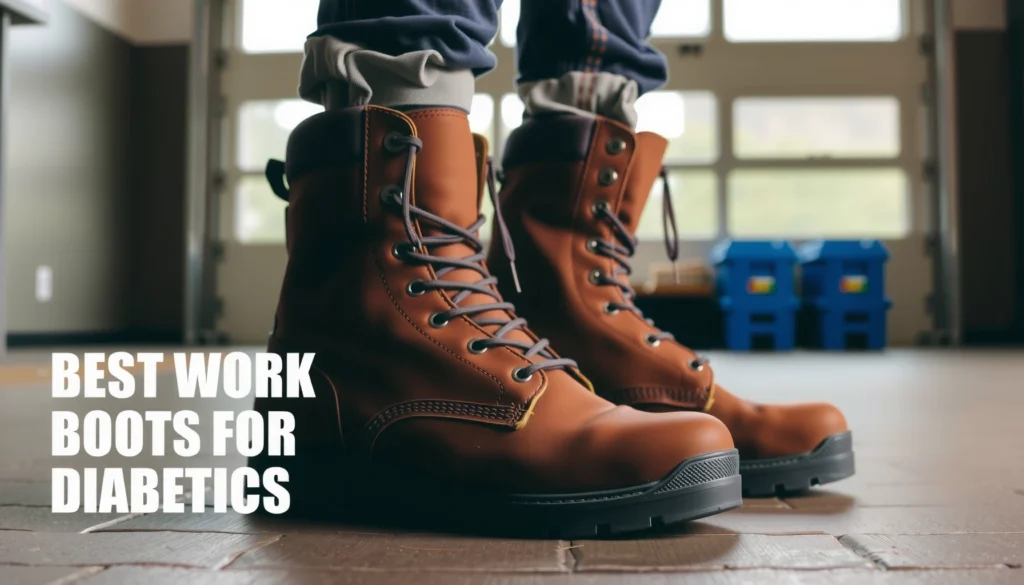

The best work boots for diabetics are those meticulously engineered to prioritize foot protection, comfort, and proper circulation to prevent debilitating complications. The ideal work boots offer a wide, deep toe box, seamless interiors to avoid friction, superior cushioning and arch support (often with removable insoles for custom orthotics), and a stable, non-slip sole. These crucial elements combine to create a safe and comfortable environment for diabetic feet, crucial for anyone spending long hours on their feet in a demanding work environment.



Understanding Diabetic Foot Needs in Work Boots
Diabetics face unique challenges when it comes to foot health, primarily due to the long-term effects of elevated blood sugar levels. These conditions necessitate a proactive and preventative approach to footwear, especially in a work environment where feet are subjected to stress and potential hazards.
Firstly, diabetics are prone to neuropathy, a condition characterized by nerve damage that can significantly reduce sensation in the feet. This reduced sensation means that minor injuries such as blisters, cuts, or the persistent pressure from ill-fitting footwear may go unnoticed, even as they develop into more serious problems. Compounding this issue is poor circulation, another common complication of diabetes, which hinders the body’s ability to heal wounds effectively. When blood flow is compromised, the delivery of oxygen and nutrients to tissues is reduced, making even small cuts or abrasions slow to heal and highly susceptible to infection.
Secondly, what might be a minor inconvenience for someone without diabetes, like a blister or a small cut, can quickly escalate into serious ulcers or infections for a diabetic individual. The combination of impaired sensation and poor healing capacity means that a simple pressure point from a boot seam or a small puncture can rapidly progress to a non-healing wound, potentially leading to deep tissue infection, osteomyelitis (bone infection), and in severe cases, amputation. The stakes are incredibly high, making every detail of foot protection critically important.
Consequently, proper footwear is a frontline defense against these common and potentially severe complications. Well-designed diabetic work boots act as a protective barrier, cushioning the foot, distributing pressure evenly, and shielding it from external harm. They are not merely an accessory but a vital medical device, playing an indispensable role in maintaining foot integrity, preventing injury, and ultimately, preserving mobility and overall quality of life for diabetic workers. Investing in the right work boots is a non-negotiable aspect of comprehensive diabetic foot care.
Key Features of the Best Diabetic Work Boots
Selecting the optimal work boots for diabetics requires a thorough understanding of specific design elements that cater to the unique vulnerabilities of diabetic feet. Each feature plays a critical role in preventing injury, ensuring comfort, and supporting long-term foot health.
* Wide and Deep Toe Box: This is perhaps one of the most critical features. A wide toe box ensures that toes can spread naturally, preventing painful compression that can lead to bunions, hammer toes, ingrown toenails, and nerve impingement. A deep toe box is equally important to prevent the top of the toes from rubbing against the boot’s ceiling, which can cause blisters or corns, especially when toes are slightly elevated. This ample space minimizes friction and allows for natural foot mechanics, crucial for individuals with reduced sensation. For safety-toe boots, options like composite or alloy toes are often preferred over steel for their lighter weight and insulating properties, which help maintain a more consistent internal temperature and reduce fatigue, though steel still offers robust protection.
* Seamless Interior & Soft Linings: The interior of the boot must be as smooth and unobstructed as possible. Even a small, poorly finished seam or rough stitching can create a friction point that, for a foot with neuropathy, can quickly turn into a skin breakdown, blister, or ulcer without the wearer feeling any discomfort. High-quality diabetic work boots feature seamless construction or meticulously smooth, soft linings made from materials like moisture-wicking synthetics or soft leather. These materials reduce friction, manage moisture to prevent maceration (softening and breakdown of skin), and provide a gentle, non-abrasive environment for sensitive skin.
* Excellent Cushioning & Arch Support: Superior cushioning is essential for shock absorption, especially for individuals who spend long hours on hard surfaces. It helps to evenly distribute pressure across the sole of the foot, reducing localized hot spots that can lead to ulceration. Materials such as EVA (ethylene-vinyl acetate) or PU (polyurethane) midsoles are commonly used for their durable cushioning properties. Complementing this, robust arch support is crucial for maintaining proper foot alignment, preventing conditions like plantar fasciitis, and reducing strain on the arch and heel. For those with specific arch issues, built-in support reduces fatigue and provides critical biomechanical stability, ensuring a stable foundation throughout the workday.
* Removable Insoles: While good built-in cushioning and arch support are beneficial, the ability to remove the factory insoles is paramount. This feature allows individuals to insert custom orthotics prescribed by a podiatrist. Custom orthotics are often essential for diabetics, as they are specifically molded to the foot to provide personalized arch support, correct biomechanical imbalances, and redistribute pressure away from high-risk areas. The boots must have sufficient depth and volume to comfortably accommodate these orthotics without crowding the foot or making the boot too tight, which would negate their protective benefits.
* Non-Slip, Stable Outsoles: Preventing falls and slips is a critical safety consideration for any worker, but it holds even greater importance for diabetics due to the heightened risk of severe injury from even minor trauma. A high-quality work boot for diabetics must feature a robust, non-slip outsole designed to provide superior traction on various surfaces, including oily, wet, or uneven terrain. Outsoles made from specific rubber compounds with aggressive lug patterns enhance grip and stability. Additionally, a stable outsole and heel design contribute to overall balance, minimizing the risk of ankle rolls or foot twisting, which could lead to sprains, fractures, or other soft tissue damage that is difficult for a diabetic foot to heal.
Finding Your Perfect Fit: Sizing and Support
Achieving the perfect fit for diabetic work boots transcends mere comfort; it is a critical health imperative. An improperly fitted boot, even one with all the right features, can exacerbate foot problems rather than prevent them.
* Professional Fitting is Crucial: Always prioritize a professional fitting for work boots, especially when managing diabetes. Foot size and shape can change over time, and a professional fitter, ideally one familiar with diabetic foot care needs, possesses the expertise to accurately measure your feet and assess your gait. It is highly recommended to get your feet measured at the end of the day when they are typically at their most swollen. This ensures that the boots will accommodate your feet at their largest, preventing tightness and pressure points that can develop as the day progresses. A certified shoe fitter or a podiatrist can provide invaluable guidance, ensuring the boots meet both your professional and medical requirements.
* Accommodate Swelling: Diabetic feet, due to circulatory issues and neuropathy, are particularly susceptible to swelling throughout the day. Your work boots must provide enough room to comfortably accommodate this potential increase in foot volume without becoming restrictive. When trying on boots, ensure there is approximately a thumb’s width of space between your longest toe and the end of the boot. The sides of your feet should feel secure but not pinched, and there should be no pressure across the top of your foot. A common mistake is selecting boots that are too tight, believing they will “break in.” For diabetic feet, there should be no significant break-in period; the boots should feel comfortable and accommodating from the first wear.
* Orthotic Compatibility: If you use custom orthotics, their integration into your work boots is non-negotiable. Always bring your prescribed orthotics to your fitting session. The boots must have sufficient depth and volume to comfortably house your orthotics, along with your foot and diabetic socks, without any sensation of crowding or pinching. An orthotic that is compressed or forces your foot into an unnatural position can create new pressure points, negating its therapeutic benefits and potentially causing harm. Ensure the removable insoles are easily taken out and that your orthotics sit flush within the boot, providing the intended support and pressure distribution.
Top Boot Styles and Brands to Consider (General Characteristics)
While specific brand recommendations can vary based on individual foot shape and needs, focusing on general characteristics of reputable manufacturers and boot styles is key for diabetics. These traits signify a commitment to inclusive design and high-quality construction.
* Brands Known for Extra-Wide Widths (E, EE, H): For many diabetics, standard “wide” boot options from mainstream manufacturers are often insufficient. True diabetic-friendly boots come from brands that offer a comprehensive range of widths, often including E, EE, and even H (or 4E/6E) options. These manufacturers understand that foot volume and width are critical for accommodating various foot shapes, bunions, and swelling without constriction. When researching, look for companies that explicitly list multiple width options for their work boot lines, rather than just a single “wide” variant. This commitment to diverse sizing indicates a greater likelihood of finding a boot that truly fits without compression.
* Styles with Padded Collars and Tongues: Enhanced comfort around the ankle and top of the foot is crucial, particularly during extended wear. Boots featuring generously padded collars and tongues provide a soft, cushioned interface that prevents chafing, rubbing, and pressure points. This design element is particularly beneficial for diabetics, as it reduces the risk of skin irritation and breakdown in sensitive areas. The padding helps to distribute the pressure from laces evenly across the instep, improving comfort and reducing the likelihood of nerve compression or restrictive blood flow.
* Boots with Flexible yet Supportive Uppers: The material and construction of the boot’s upper significantly impact both comfort and protection. Ideal diabetic work boots utilize materials that are flexible enough to conform to the foot’s natural movements without constriction, yet robust enough to offer essential support and protection against workplace hazards. Full-grain leather is a popular choice for its durability, breathability, and ability to mold to the foot over time. Advanced synthetic materials can also offer excellent flexibility, breathability, and lighter weight. The upper should provide a secure fit that cradles the foot without being overly rigid or stiff, which could impede natural foot mechanics or create pressure points. The balance between flexibility for comfort and support for stability is paramount.
Beyond the Boots: Socks and Daily Foot Care
While the right work boots are foundational, they are part of a broader strategy for diabetic foot health. Complementary choices in socks and diligent daily foot care are equally vital in preventing complications.
* Diabetic-Friendly Socks: The socks you wear with your work boots are just as important as the boots themselves. Diabetic-friendly socks are specifically designed to minimize pressure points and maximize comfort. Key features include non-binding tops that do not restrict circulation around the ankle, seamless construction to eliminate friction points that can cause blisters, and moisture-wicking materials (like merino wool blends or specialized synthetics) that keep feet dry. Dry feet are less prone to fungal infections and maceration, which can weaken the skin and make it more susceptible to breakdown. Avoiding cotton, which retains moisture, is generally recommended.
* Daily Foot Inspection: Due to the risk of neuropathy, many diabetics may not feel minor injuries as they occur. Therefore, a daily foot inspection is absolutely critical. Establish a routine to check the tops, bottoms, sides, and especially between the toes for any signs of redness, swelling, blisters, cuts, scrapes, splinters, calluses, corns, or ingrown toenails. A mirror can be helpful for examining the soles and heels. Any unusual findings, no matter how small, should be addressed promptly by a healthcare professional to prevent escalation. This proactive vigilance is a powerful tool in preventing severe complications.
* Maintain Foot Hygiene: Proper foot hygiene is a simple yet effective preventative measure. Wash your feet daily with mild soap and lukewarm water, paying close attention to drying them thoroughly, especially between the toes, to prevent fungal infections. After drying, apply a moisturizing lotion to the top and bottom of your feet to prevent dry, cracked skin, which can create entry points for bacteria. However, avoid applying moisturizer between the toes, as this can create an overly moist environment conducive to fungal growth. Furthermore, never attempt to self-treat corns, calluses, or ingrown nails; always seek professional care from a podiatrist to avoid accidental injury and infection.
Making an Informed Purchase & Boot Longevity
Investing in high-quality diabetic work boots is a significant decision that impacts your daily comfort and long-term health. Ensuring you make an informed purchase and maintain your boots properly will maximize their protective benefits and longevity.
* Try Before You Buy: This cannot be overstressed. When you find a pair of boots that seems to meet all the criteria, dedicate sufficient time to trying them on. Wear the specific diabetic socks you intend to use for work. Lace them up as you normally would and walk around the store for at least 15-20 minutes. This extended period allows the boots to settle on your feet and helps reveal any potential pressure points, rubbing, or discomfort that might not be apparent during a quick try-on. Pay close attention to how your feet feel, ensuring there are no areas of tightness, slipping, or pinching.
* Consider Warranty and Return Policies: Quality work boots are an investment, and like any important purchase, it’s wise to understand the manufacturer’s warranty and the retailer’s return policy. A robust warranty can protect against manufacturing defects, while a generous return policy allows for exchanges or refunds if the boots don’t perform as expected after initial wear. Reputable brands often stand behind their products, which is a good indicator of their commitment to quality. Reviewing customer service feedback and brand reliability can also provide insights into potential post-purchase support.
* Regular Boot Inspection: Even the best work boots have a lifespan, especially under demanding work conditions. Regularly inspect your boots for signs of wear and tear. Key areas to check include the outsole for signs of thinning or loss of tread (which compromises slip resistance), the integrity of the toe box and protective features, and the condition of the upper for cracks, tears, or excessive stretching. Internally, inspect the linings and cushioning for breakdown, flattening, or development of rough spots. Compromised cushioning can lead to uneven pressure distribution, while worn linings can create friction. Replace your boots when these critical components begin to degrade, as their ability to protect and support your diabetic feet is directly diminished. Proactive replacement is a far safer option than risking injury with worn-out footwear.
Choosing the right work boots is a vital investment in your health and safety as a diabetic, directly impacting your comfort and ability to perform your job effectively. By focusing on wide toe boxes, seamless interiors, superior cushioning, and professional fitting, you can significantly mitigate risks associated with diabetic foot complications. Don’t compromise on these critical features; prioritize your foot health by selecting boots that offer both protection and all-day comfort, and remember to combine them with proper sock choices and diligent daily foot care for comprehensive protection.
Frequently Asked Questions
Why is finding the right work boot so crucial for individuals with diabetes?
Choosing the correct work boots is paramount for diabetics because poor footwear can lead to serious foot complications like ulcers, infections, and even amputation, especially due to neuropathy and poor circulation. Proper diabetic work boots provide essential protection, support, and pressure distribution, significantly reducing the risk of injuries and maintaining overall foot health in demanding work environments. Investing in specialized footwear is a proactive step towards preventing debilitating diabetic foot problems.
What key features should I look for when choosing work boots for diabetic feet?
When selecting work boots for diabetics, prioritize features like a wide, deep toe box to prevent compression, seamless interiors to minimize rubbing and blisters, and excellent arch support for stability. Look for boots with padded collars, breathable materials to manage moisture, and shock-absorbing soles for enhanced comfort and protection against impact. Furthermore, ensure they accommodate custom orthotics if needed, providing superior pressure relief and support for sensitive diabetic feet.
How can I ensure a proper fit for my work boots to prevent diabetic foot complications?
To ensure a proper fit for diabetic work boots, always measure your feet later in the day when they are slightly swollen, and wear the type of socks you’d typically use for work. There should be ample room in the toe box, allowing your toes to wiggle freely, and the heel should fit snugly without slipping. Avoid boots that require a “break-in” period, as they can cause immediate irritation and potential skin breakdown for sensitive diabetic feet, opting instead for comfortable-fitting diabetic work boots from the start.
Are steel-toe work boots safe for diabetics, or should I consider other safety toe options?
While traditional steel-toe boots can be safe for diabetics if they provide ample toe box space and proper insulation, alternative safety toe options like composite or alloy toes are often preferred. These alternatives offer excellent protection without the thermal conductivity of steel, which can be a concern in extreme temperatures for individuals with neuropathy. Always ensure the safety toe doesn’t rub or compress any part of your foot, prioritizing comfort and fit above material type for optimal diabetic foot protection.
Which work boot brands are highly recommended for comfort and protection for diabetics?
Several brands are highly regarded for producing quality work boots suitable for diabetics, focusing on comfort, safety, and supportive features. Brands like Keen Utility, Wolverine, Thorogood, and Carhartt often offer models with wider toe boxes, cushioned insoles, and durable yet flexible materials ideal for diabetic foot care. It’s crucial to look for specific models within these brands that explicitly feature ample room, arch support, and soft linings to ensure the best work boots for diabetics.
References
- https://www.cdc.gov/diabetes/managing/complications/foot-care.html
- https://diabetes.org/living-with-diabetes/complications/foot-care
- Page Not Found – Site Help – Mayo Clinic
- Diabetes & Foot Problems – NIDDK
- https://www.uofmhealth.org/health-library/aa107406
- Diabetic foot
- https://my.clevelandclinic.org/health/diseases/21447-diabetic-foot