For diabetics seeking to manage blood sugar, maintain muscle, and support satiety, the best powder protein options are typically unsweetened whey protein isolate, casein protein, or certain plant-based proteins like pea or soy protein. These choices are characterized by their low carbohydrate and sugar content, high protein per serving, and minimal artificial additives, providing effective nutritional support without negatively impacting glycemic control. Integrating these carefully selected protein powders into a balanced diet can be a strategic move for individuals managing diabetes, offering a convenient and effective way to meet protein needs while adhering to specific dietary requirements.
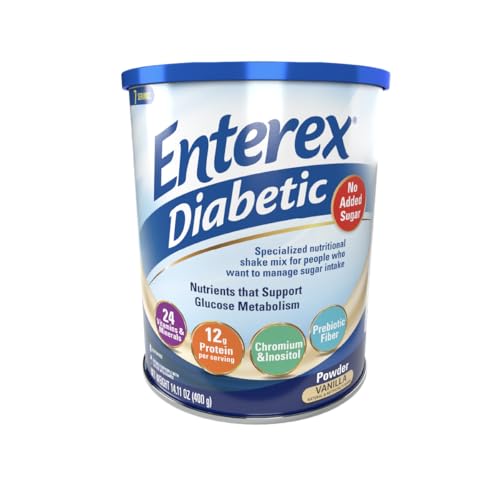



Understanding Protein’s Role in Diabetes Management
Protein is a macronutrient vital for numerous bodily functions, and its significance is amplified for individuals managing diabetes. Its unique metabolic characteristics offer distinct advantages that contribute to better glycemic control and overall health.
* Stabilizes Blood Sugar: One of protein’s most critical roles for diabetics is its ability to mitigate sharp rises in blood glucose levels after meals. Unlike carbohydrates, which are rapidly broken down into glucose, protein takes longer to digest. This slower gastric emptying means glucose is absorbed into the bloodstream more gradually, preventing the sudden spikes that can strain the body’s insulin response. Studies have shown that including protein with carbohydrate-rich meals can significantly reduce post-prandial (after-meal) glucose excursions. Furthermore, protein has a lower glycemic index and insulinemic response compared to carbohydrates, meaning it elicits a less dramatic increase in both blood sugar and insulin levels, contributing to more stable and predictable glycemic control throughout the day. Over time, consistent blood sugar stability is crucial for reducing the risk of diabetes complications and potentially improving A1c levels.
* Boosts Satiety and Weight Control: Managing weight is a cornerstone of diabetes care, as even a modest weight loss can significantly improve insulin sensitivity and glycemic control. Protein is renowned for its exceptional satiating properties. It promotes the release of gut hormones like GLP-1 and PYY, which signal fullness to the brain, effectively reducing appetite and cravings. By making you feel fuller for longer, high protein intake can naturally lead to a reduction in overall calorie consumption, making it easier to adhere to a weight management plan. For individuals with diabetes, this means fewer impulsive snacks and better control over portion sizes, directly supporting healthy weight maintenance or loss, which in turn enhances insulin responsiveness and reduces the burden on the pancreas.
* Preserves Muscle Mass: Muscle tissue is the primary site for glucose uptake in the body, making its preservation and growth particularly important for diabetics. Adequate protein intake is essential for muscle protein synthesis (MPS), the process by which the body repairs and builds muscle. Individuals with diabetes, especially as they age, may be at a higher risk of sarcopenia (age-related muscle loss) or experience muscle wasting due to certain medications or disease progression. Maintaining or increasing muscle mass not only improves strength and mobility but also enhances insulin sensitivity by providing more active sites for glucose utilization. A consistent supply of amino acids from dietary protein ensures that muscles have the building blocks they need to stay strong and metabolically active, which is a powerful tool in the fight against insulin resistance.
What Makes a Protein Powder “Diabetic-Friendly”?
Choosing the right protein powder for diabetes management goes beyond simply picking a high-protein option. It requires a meticulous examination of the nutritional profile and ingredient list to ensure it aligns with blood sugar control goals.
* Low Carbohydrate & Sugar Content: This is unequivocally the most critical factor. The primary goal of a diabetic-friendly protein powder is to provide protein without contributing to blood sugar spikes. Therefore, it is imperative to select powders with minimal added sugars. Look for products that list 0-3 grams of sugar per serving. Be vigilant for hidden sugars in the ingredient list, which can be disguised under names such as sucrose, dextrose, maltodextrin, high-fructose corn syrup, or fruit juice concentrates. Maltodextrin, in particular, despite being a complex carbohydrate, has a glycemic index higher than table sugar and can rapidly elevate blood glucose. Furthermore, focus on products with a very low net carbohydrate count (total carbohydrates minus fiber) per serving, ideally below 5 grams, to ensure minimal impact on glycemic levels.
* High Protein Concentration: An effective diabetic-friendly protein powder should prioritize protein delivery. Aim for products that provide at least 20-25 grams of high-quality protein per serving. This concentration ensures that you are receiving a significant dose of protein to stimulate muscle protein synthesis and promote satiety, without consuming excessive calories from other macronutrients or unnecessary fillers. Higher protein per serving ratios (e.g., 70-80% protein by weight) indicate a more refined product with fewer non-protein ingredients, making it a more efficient and beneficial choice for individuals focusing on protein intake for blood sugar and weight management.
* Minimal Artificial Sweeteners (Optional): The impact of artificial sweeteners on blood sugar levels is a subject of ongoing research, but generally, non-nutritive sweeteners like sucralose, aspartame, acesulfame potassium, and saccharin do not directly elevate blood glucose. However, some individuals prefer to avoid them due to concerns about gut microbiome health or potential effects on appetite. For those who wish to avoid artificial sweeteners, options naturally sweetened with stevia extract or monk fruit extract are available. The safest and most universally recommended choice for diabetics is often an unsweetened, unflavored protein powder, which allows users to control the sweetness and flavor profile using natural, low-glycemic ingredients like cinnamon, vanilla extract, or a small amount of berries. This approach minimizes any potential unforeseen impacts on blood sugar or personal sensitivities.
Top Protein Powder Types for Diabetics
Not all protein powders are created equal, especially when it comes to managing diabetes. Certain types stand out due to their purity, absorption rates, and nutritional profiles.
* Whey Protein Isolate: Whey protein is derived from milk during the cheese-making process. Whey protein isolate is considered the superior form for diabetics because it undergoes extensive processing to remove most of the lactose, carbohydrates, and fat, resulting in a product that is typically 90% or more protein by weight. This purification process makes it extremely low in sugar and carbs, aligning perfectly with diabetic dietary needs. Whey isolate is also known for its high biological value and rapid absorption rate, meaning its amino acids are quickly delivered to muscles, making it an excellent choice for post-workout recovery to initiate muscle repair and growth. Its rich branched-chain amino acid (BCAA) profile, particularly leucine, is crucial for stimulating muscle protein synthesis, which is vital for maintaining metabolic health and glucose uptake.
* Casein Protein: Also derived from milk, casein protein is distinct from whey due to its slow digestion and absorption rate. In the stomach, casein forms a gel-like substance, leading to a prolonged and steady release of amino acids into the bloodstream over several hours. This sustained delivery makes casein an ideal choice for overnight muscle recovery, preventing muscle breakdown during periods of fasting, or for individuals seeking a protein source that provides prolonged satiety. For diabetics, this slow digestion means a minimal and gradual impact on blood sugar levels, helping to maintain stable glucose control between meals or during extended fasting periods. Micellar casein is the most common and effective form available, known for its intact protein structure that contributes to its slow-release properties.
* Plant-Based Proteins (Pea, Soy, Brown Rice): For those with dairy allergies, lactose intolerance, or who follow a vegan lifestyle, plant-based protein powders offer excellent alternatives. The key is to select high-quality, low-carb versions and often a blend to ensure a complete amino acid profile.
* Pea Protein: Derived from yellow peas, pea protein is a highly digestible and hypoallergenic option. It is rich in branched-chain amino acids, particularly arginine, which plays a role in blood flow and muscle growth. Many pea protein isolates are naturally low in carbohydrates and fats, making them an excellent diabetic-friendly choice.
* Soy Protein: A complete protein, meaning it contains all nine essential amino acids. Soy protein has been studied for its potential benefits for heart health and cholesterol levels. When choosing soy protein, opt for soy protein isolate, as it contains significantly less carbohydrates and fats than soy protein concentrate. It’s important to ensure it’s a non-GMO source if that is a preference.
* Brown Rice Protein: While a good source of protein, brown rice protein alone is not a complete protein. It is often combined with pea protein or other plant proteins to achieve a more comprehensive amino acid profile. Look for brown rice protein isolates to minimize carbohydrate content.
* Blends: To ensure a complete essential amino acid profile, many plant-based protein powders combine sources like pea, brown rice, hemp, or even pumpkin seed protein. When selecting a plant-based blend, diligently check the nutrition label for low sugar and carbohydrate counts, as some blends might include added sweeteners or fillers.
Ingredients to Scrutinize and Avoid
Navigating the ingredient list of protein powders is crucial for diabetics. Many products, despite marketing themselves as healthy, can contain components detrimental to blood sugar management.
* Hidden Sugars: This is perhaps the most insidious category. Beyond obvious sugars like sucrose or high-fructose corn syrup, many other ingredients act as sugars and can rapidly elevate blood glucose. Be vigilant for terms such as:
* Maltodextrin: Often used as a filler or thickener, maltodextrin has a glycemic index even higher than glucose, leading to rapid and significant blood sugar spikes. Its presence alone can render a protein powder unsuitable for diabetic management.
* Dextrose: A simple sugar, chemically identical to glucose.
* Corn Syrup Solids: Another form of sugar derived from corn syrup.
* Fructose: While found naturally in fruits, concentrated fructose in processed foods can contribute to elevated blood triglycerides and liver fat in some individuals, and directly impacts blood sugar.
* Any “-ose” ending words: Such as sucrose, lactose (though minimized in isolates), glucose, etc.
Always check the “Sugars” line on the nutrition facts panel, but remember that some of these hidden sugars might be categorized under “Carbohydrates” and not explicitly under “Sugars” if they are considered starches. The ingredient list provides the definitive truth.
* Excessive Fillers & Additives: A clean label is generally a good indicator of a diabetic-friendly protein powder. Avoid powders with long lists of unrecognizable ingredients, unnecessary gums (like guar gum, xanthan gum, carrageenan), artificial colors (e.g., FD&C Red #40, Yellow #5), or artificial flavors. While many of these additives don’t directly impact blood sugar, they offer no nutritional benefit and can sometimes lead to digestive discomfort or allergic reactions in sensitive individuals. Prioritizing products with fewer, simpler, and naturally derived ingredients reduces exposure to potentially problematic compounds and focuses on the core nutritional value.
* High Carb Blends: Be very careful to differentiate between pure protein powders and “meal replacement” or “weight gainer” formulas. Weight gainer products, specifically, are designed to provide a high calorie count, often with a significant proportion of carbohydrates and sugars, aimed at individuals looking to bulk up quickly. These products are fundamentally unsuitable for diabetic management, as their high carbohydrate load will invariably lead to blood sugar spikes. Similarly, some meal replacement shakes, while seemingly convenient, can contain more carbohydrates and sugars than desirable for a diabetic diet. Always examine the macronutrient breakdown: a diabetic-friendly protein powder should have protein as its dominant macronutrient, with minimal carbohydrates and fats. A general rule of thumb is to look for a protein-to-carb ratio of at least 4:1 or higher.
Smart Ways to Incorporate Protein Powder Safely
Integrating protein powder into a diabetes management plan requires thoughtful consideration, not just about the product itself but also how and when it’s consumed.
* Consult Your Healthcare Provider: This step cannot be overstated. Before introducing any new dietary supplement, including protein powder, it is absolutely essential to discuss it with your doctor, endocrinologist, or a registered dietitian (RD) or certified diabetes educator (CDE). They can assess your individual health status, current medications (especially insulin or oral hypoglycemics), kidney function, and overall dietary plan to ensure the protein powder is appropriate and safe for you. They can also help determine the optimal type, dosage, and timing to best support your personalized diabetes management goals without adverse effects. Self-prescribing supplements without professional guidance can lead to unintended consequences for blood sugar control or medication efficacy.
* Portion Control and Timing: Adhering to recommended serving sizes is critical to avoid excess calorie intake or unintended macronutrient imbalances. Most diabetic-friendly protein powders provide around 20-25 grams of protein per scoop, which is an appropriate amount for most individuals per serving. Consider using protein powder as part of a balanced meal or snack rather than as an isolated supplement. For instance, adding it to a morning smoothie with low-glycemic fruits and vegetables, or mixing it into plain Greek yogurt, can help distribute its effects over a longer period and prevent rapid absorption of accompanying carbohydrates. Using it between meals can help curb hunger and prevent overeating at subsequent meals, contributing to better overall caloric and glycemic control.
* Creative Usage: Protein powder is incredibly versatile and can be incorporated into your diet in various delicious and diabetic-friendly ways beyond simple shakes.
* Smoothies: Blend with water, unsweetened almond milk, soy milk, or coconut milk. Enhance flavor and nutrients by adding a handful of spinach, a few berries (strawberries, blueberries), chia seeds, or flax seeds for added fiber and healthy fats.
* Oatmeal/Cereal: Stir a scoop of unflavored or vanilla protein powder into cooked oatmeal (made with water or unsweetened milk) after it has cooled slightly to prevent clumping. This significantly boosts the protein content, making your breakfast more satisfying and blood-sugar friendly.
* Yogurt/Cottage Cheese: Mix into plain, unsweetened Greek yogurt or cottage cheese for a high-protein snack. Add a sprinkle of cinnamon or a few nuts for texture and flavor.
* Baking: Incorporate unflavored protein powder into diabetic-friendly recipes for muffins, pancakes, or protein bars. It can replace some of the flour in recipes, increasing the protein content and potentially reducing the carbohydrate load. Always ensure the accompanying ingredients are also low-glycemic.
* Soups/Sauces: Unflavored protein powder can be stirred into creamy soups or sauces (after cooking and slightly cooled) to add a nutritional boost without altering the flavor profile significantly.
Incorporating the right protein powder into your diet can be a valuable tool for managing diabetes, supporting muscle health, and controlling appetite. By prioritizing unsweetened, low-carb options like whey isolate, casein, or quality plant-based proteins, and carefully reading nutrition labels, you can confidently choose a supplement that aligns with your health goals. Always remember to discuss any significant dietary changes or new supplements with your healthcare team to ensure they are appropriate for your individual needs. Making informed choices about protein powder can empower you to take an active role in optimizing your diabetes management plan and achieving better long-term health outcomes.
Frequently Asked Questions
Which type of protein powder is generally considered best for individuals with diabetes?
For individuals managing diabetes, the best protein powders are typically those with minimal added sugars, low carbohydrate counts, and high protein purity. Options like whey isolate, casein protein, or plant-based proteins such as pea protein, soy protein, or a blend are highly recommended. Whey isolate, in particular, is often favored for its rapid absorption and low impact on blood glucose, making it effective for muscle support without unwanted sugar spikes.
What specific ingredients should diabetics look to avoid when choosing a protein powder?
Diabetics should vigilantly avoid protein powders containing high amounts of added sugars, including sucrose, fructose, maltodextrin, dextrose, or corn syrup, as these can lead to significant blood sugar spikes. It’s also advisable to be cautious with excessive artificial sweeteners or certain sugar alcohols if they cause digestive discomfort, and to steer clear of unnecessary fillers or artificial flavorings that offer no nutritional benefit. Always prioritize a clean label with a low sugar and carbohydrate count.
How does incorporating protein powder into their diet benefit individuals managing diabetes?
Protein powder offers several key benefits for diabetes management, primarily by helping to stabilize blood sugar levels. Protein slows down the digestion and absorption of carbohydrates, preventing rapid post-meal glucose spikes. Its high satiety factor can also aid in weight management by reducing hunger and cravings, while adequate protein intake is crucial for maintaining muscle mass, which plays a vital role in improving insulin sensitivity and overall metabolic health.
Should a diabetic choose whey protein or a plant-based protein powder, and what are the main differences?
The choice between whey and plant-based protein powders for diabetics depends on individual dietary needs and preferences. Whey protein, especially isolate, is a complete protein, quickly absorbed, and excellent for muscle recovery and growth. Plant-based options like pea, rice, or hemp protein are fantastic for those with dairy allergies, lactose intolerance, or following a vegan diet, often providing added fiber and being easier to digest, though sometimes requiring blends for a complete amino acid profile. Both types, when low in sugar and carbs, are effective tools for blood sugar management.
Will consuming protein powder significantly impact a diabetic’s blood sugar levels?
When chosen wisely, a high-quality protein powder specifically designed for diabetics should have a minimal and often beneficial impact on blood sugar levels. Protein itself generally has a much lower glycemic index than carbohydrates, helping to moderate blood glucose responses. However, it’s crucial to always check the nutrition label for hidden sugars, high carbohydrate content, or other ingredients that could inadvertently cause an unwanted rise in blood sugar.
References
- https://diabetesjournals.org/care/article/42/Supplement_1/S58/36254/3-Strategies-for-Dietary-Protein-Intake-in-Type-2
- https://www.mayoclinic.org/healthy-lifestyle/nutrition-and-healthy-eating/in-depth/protein-powder/art-20045061
- Protein • The Nutrition Source
- https://www.ncbi.nlm.nih.gov/pmc/articles/PMC7345688/
- https://www.ncbi.nlm.nih.gov/pmc/articles/PMC7926715/
- https://health.clevelandclinic.org/can-whey-protein-help-you-control-diabetes/
- https://www.diabetes.org/food-and-fitness/eating-well/what-to-eat